• Published on

    moments from this gulf coast life

    Image description
    Here's the scene: morning on the lanai, still cool, birds and breezes. Even the hanging Spanish moss sways gently, and wide-awake ginger leaves reach upward, so green. Lula, the little avocado tree I am helping to come back from the brink, is bravely putting out new leaves to catch the early sun. The ceiling fan is spinning gently overhead (this one silent, unlike the creaky one in the next room), adding to the sense of aliveness.
     
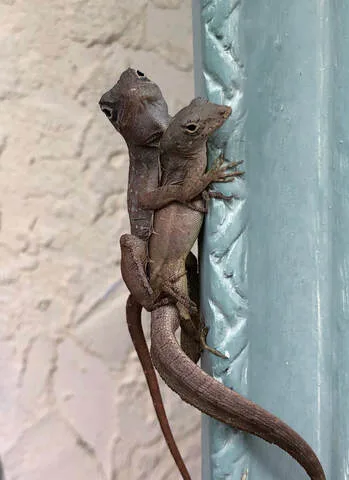
    Birds sing out raucously at dawn and settle down later as the day moves on, but I see now how this is so for the plants as well; an alertness, loud presence, which will soften into absorption or even forbearance as the heat rises. Looking too at an anole—a small lizard—perched on the woody stem of the ti plant, its red-throated mating movement (it's a dewlap that protrudes in and out) announcing territory and readiness. Silent, to me, but speaking its own language at full volume. These are brown anoles that come in many color variations, and can apparently change their color to some degree. They are often spotted. They rush up  tree trunks quickly, like squirrels, and as squirrels leap across branches, these little ones leap from leaf to leaf. They are part of the everyday scenery here, and the everyday drama. I found two locked together in my outdoor shower, so poignant, and yesterday I opened the mailbox to find not letters, but an anole with a truncated tail, resting. I’ve watched an egret grab one and run on its long legs, lizard tail dangling from its mouth.  (Anoles can separate from their tails as a form of protection, and it's a strange sensation to pick one up that way and almost instantaneously be left with a disconnected tail  in one's fingers.) I see one climbing the screen, legs akimbo, underbelly open to view.
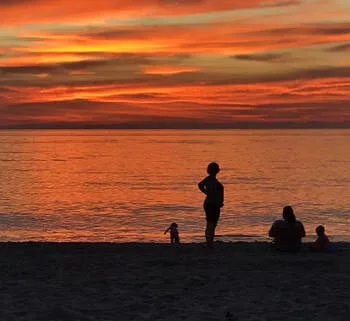
    Image description
    So much more: the legions of spiders, especially visible on the horizontal webs they spin among the spikes of the snake plants—sometimes even in vertical layers, creating a kind of apartment building—or smaller ones on the dewy morning grass. So much feeding going on, a reminder of how much insect life there actually must be here, largely unseen. Or in my studio, a separate building out back that seems to have its own ecology, the tiny creatures—pinprick small—that speed over surfaces astonishingly fast, like the whirling legs of the plovers and sandpipers on the sand that pump faster than our eyes can track. Glad to share the environment with all of them, though admittedly I’ve been furious at the rabbits that have chewed my baby plants down to the ground, leaving little moringa trees nothing but stems, or stripping the tart leaves off the cranberry hibiscus, even the new ones planted as replacements for what had been ravaged. Chasing the rabbits off is pointless, and I've tried sprays and spikes to little effect.  I’ve found myself rooting for a predator (maybe one of those owls I hear calling in the night?), although it’s clear I have to make friends and find ways to share. (But bunny, there’s so much else to eat besides my nurselings….) The rabbits don’t seem to come out in the early morning, though perhaps I just don’t see.
     
    Not visible from where I sit now or at this time of day, there’s the slow turtle that suns itself by the canal. Going out to the driveway to get the morning paper, I see ducks paddling the pond or rooting in the drainage ditch—just females, leaving me to wonder about the males and the gender dynamics. Some days there's a night heron, an egret, or even a wood stork, looking for fish, or a group of ibis pecking the ground with those long rosy orange beaks, their heads perpetually bent down. I am intrigued by the black ibis I see sometimes, but they have never come here. Do ibis have separate trees to roost in at night? I haven’t spotted them among the crowds at the nearby rookery, where herons, egrets and anhinga tussle for space, or at the pelican or spoonbill rookeries down the bay. Ibis do flock at evening, though; I used to watch a man feed them nightly at a pocket lake near a house I was staying in, and I followed the white waves of birds flying in. The sight was somehow always reassuring.
     
    I’ve wandered  in my musings from morning to night, it seems. Evening and night leave strong impressions too. Just days ago on the beach there was the huge full moon rising behind the dunes, across from the setting sun, as well as heat lightning firing up a huge cloud bank somewhere down the coast. I love the way people wave goodbye to the sun as it disappears into the water (those not stationed behind their phone cameras, anyway), though the best show is often afterwards, in the lingering pink/orange light. Nighttime, right out here behind the house, is sometimes punctuated by bursts of frog songs and call-and-response hoot owls, or occasionally the scream of some unknown animal trying not to be prey.

    It’s still morning now, and I have somewhere to be, so it’s time to move on from this perch among the flowered cushions. Good to write it down, pulling the reverie even more into solidity, however fleeting. Thanks for sharing it with me.
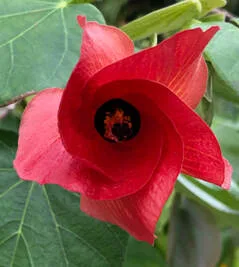

    Image description
     (LATER-- FURTHER OFFERINGS.
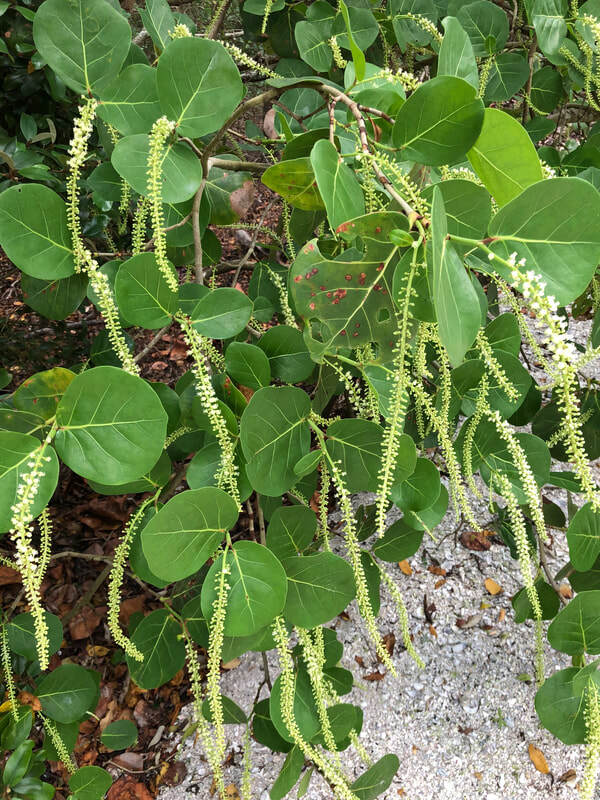
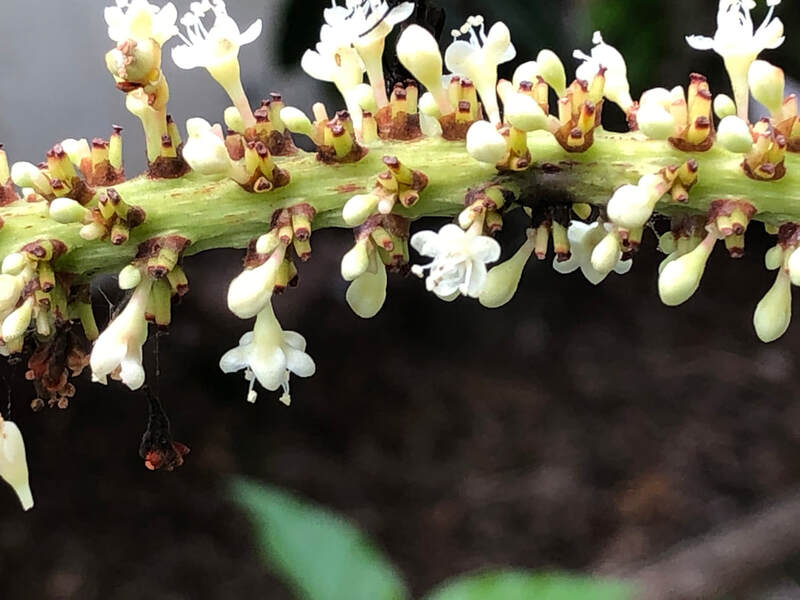
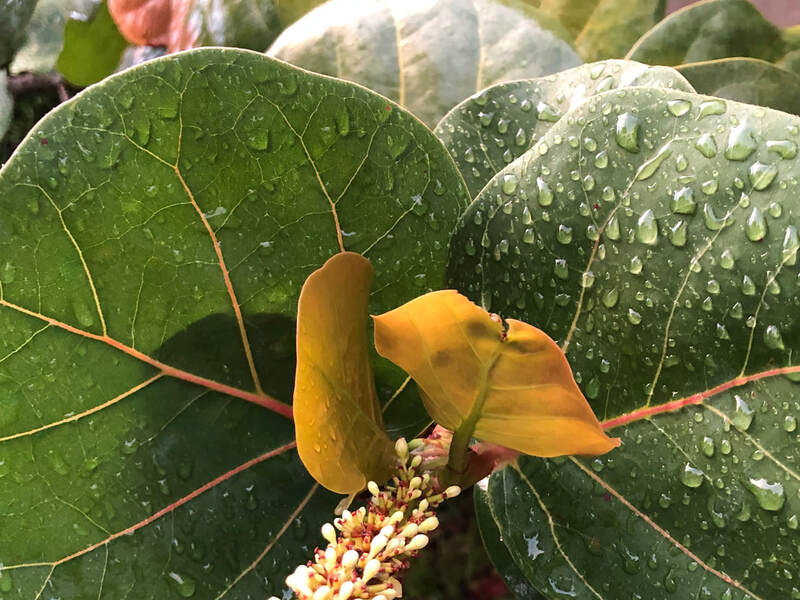
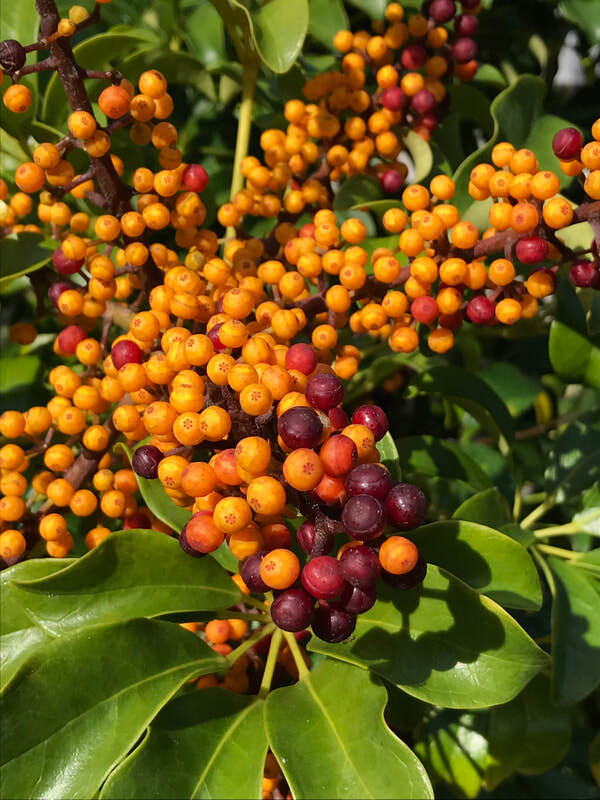
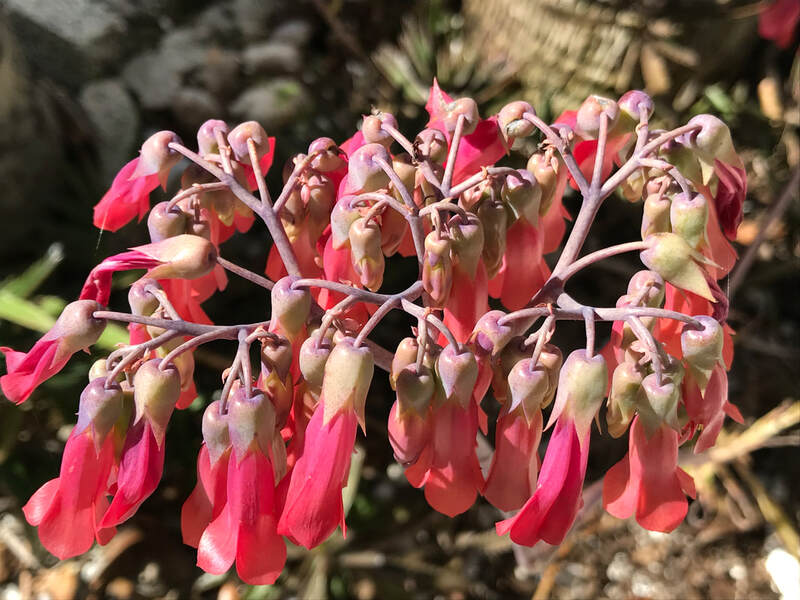
    I feel rich with the many wonderful things I come to know here every day--even though it's been years now, I am still delighting in the great sense of discovery about what grows, or about the sights and sounds around me in this Gulf coast environment.  I'm so filled with it right now that can't seem to stop the sharing. Thus, in addition to this mornings' musings, I offer more photos that (hopefully) capture some of my delights. Check out the captions and the full views in the gallery below)  (click on the image itself and it will open larger, with the caption), for I do explain what you're looking at. And look for surprises!

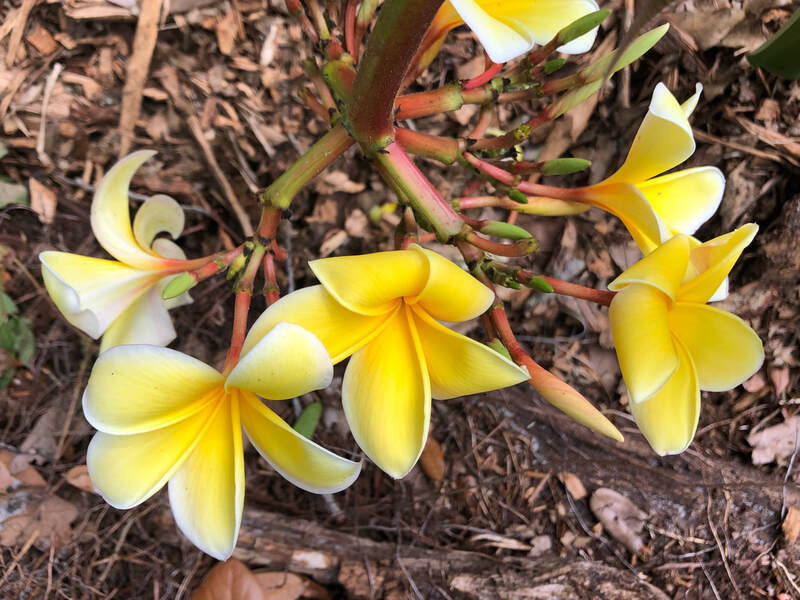
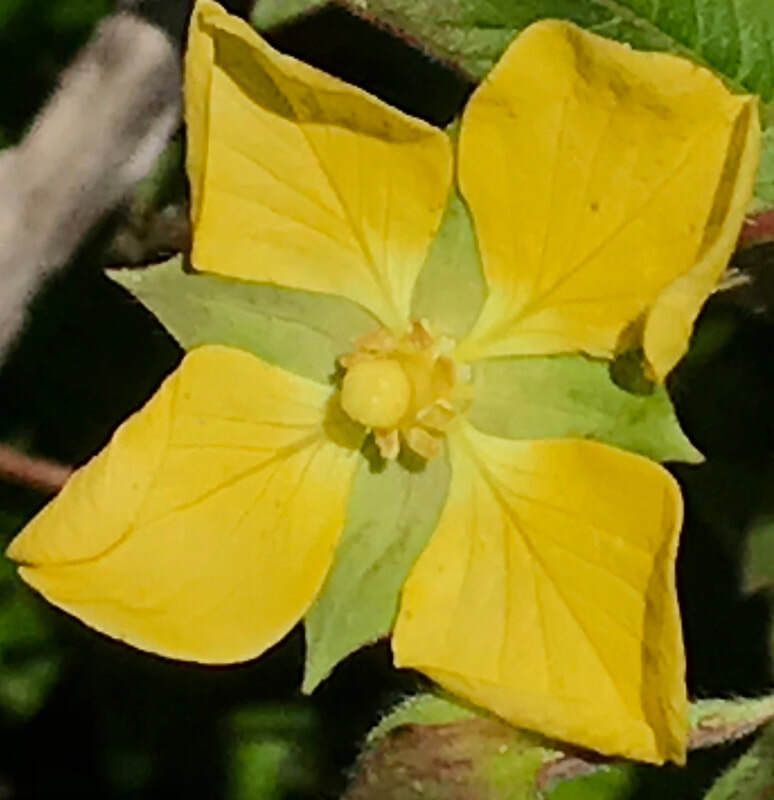
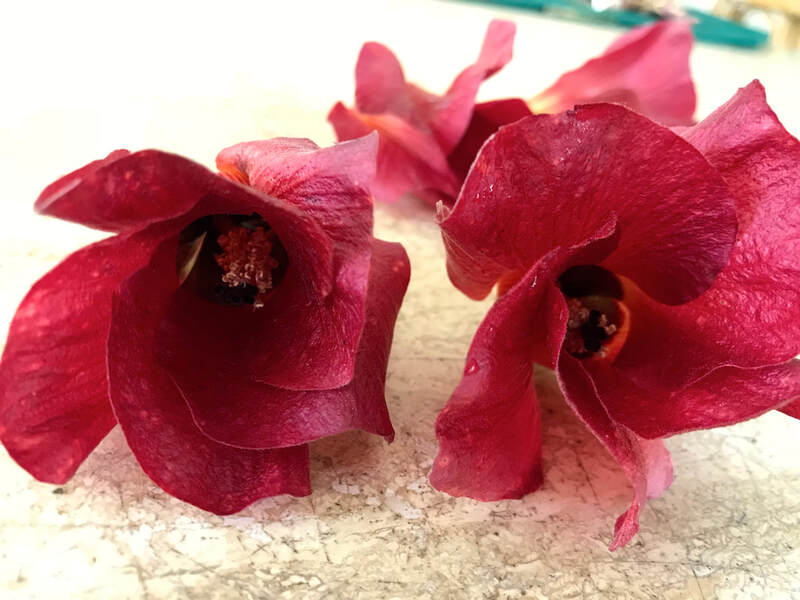
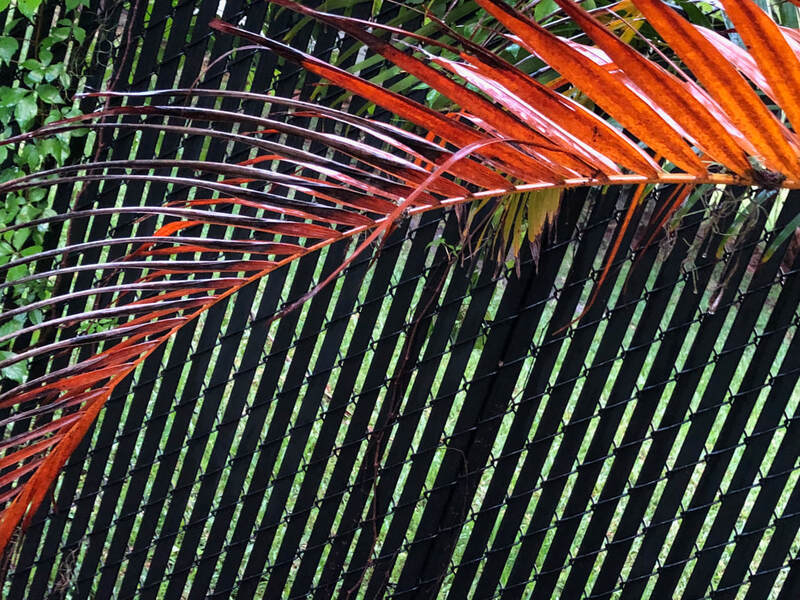
    Sea hibiscus flower in its red stage (these start out yellow when they first come out!)
  • Published on

    communion: poems and images

    I've been traveling and quite busy of late, so it's been quite some time since I have shared here. Settling in quietly now I've been wondering which way to go--post more about some recent artwork, about the tropical garden discoveries, or so much more that's bubbling around me. But today what is rising to the surface is poetry, the words that capture the heightened state (previously, I've called it saturation) where everything seems extra charged. I always like to include illustrations too, so I offer a few here, to add to the richness and sense of fullness.

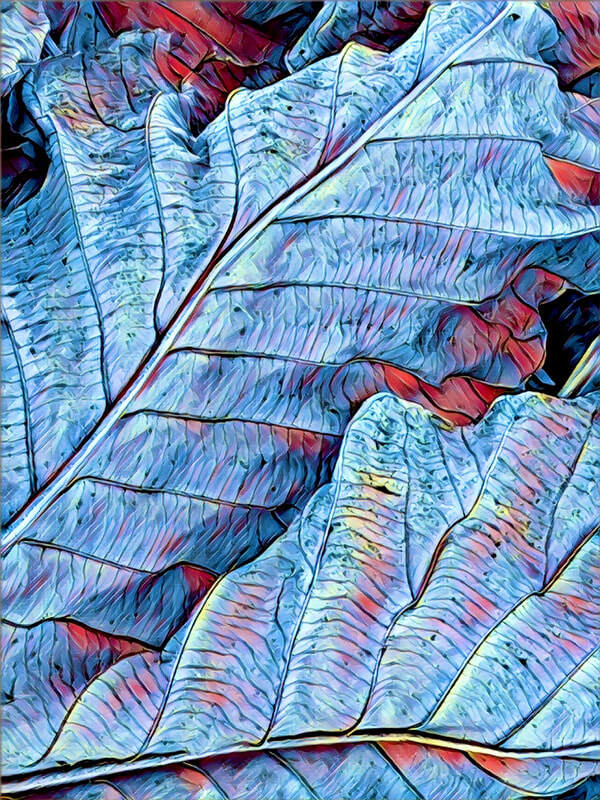
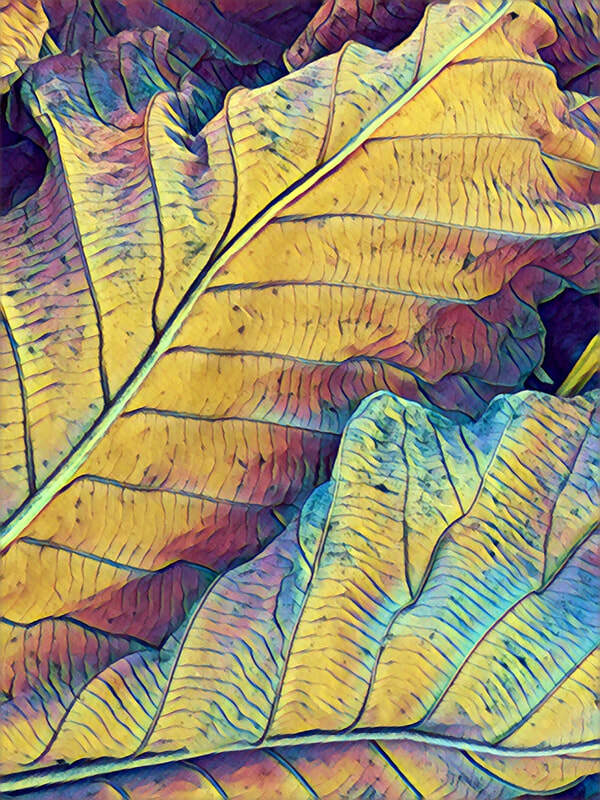
    First, the joy of landing in that heightened state, just by infusing a dry leaf with color:
    Picture
    Picture
    Next, some recent poems:


    1. COMMUNION
     
    The salt taste of the sea--
    surprising intensity--
    and my body holds it also,
    that salinity, pulsing
    through with each heartbeat.
     
    And speaking of heart,
    I dug out the palm stump
    for the pale food within
    whose name--“heart of palm”--
    rings like a prayer.
     
    Cook with ginger for this communion.
    Add salt to flavor
    Tasting sea, and tree
    Touching into the holy being
    we are part of.


    2. ENTRAINMENT 
     
    The surf, tumbling over itself
    like tumbleweed
    The sea foam, leaping quickly
    across the sand
    The wind, setting this in motion.
    It is thrilling
    the water jumping
    the ions bouncing
    my bones drumming
    this insistent pulse.


    3TO BE KNOWN                
     
    Oh the beauty of red leaves on green moss
    of day-glow orange leaves on granite rock,
    wet with rain, of daffodils waving on their stalks
    and sunflower fields reaching the horizon, their
    golden yellow rings framing brown and
    claiming eternity

    Your one and precious life isn’t yours you know,
    its astonishing is-ness always a taste of
    the enormous, fabulous whole,
    yes, a fable, a tale of such bigness,
    color contrast, to call you alive, to call
    every telomere to quiver in
    recognition, in resonance, these purple
    sunsets, the red spots on blackbird wings,
    the opalescence of oysters, abalone, sheets
    of mica among brown leaf litter, creamy white blossoms
    punctuating dark green magnolias,
    scenting the south. Small blue bird eggs, delicate,
    and blue forget-me-nots, each little petal
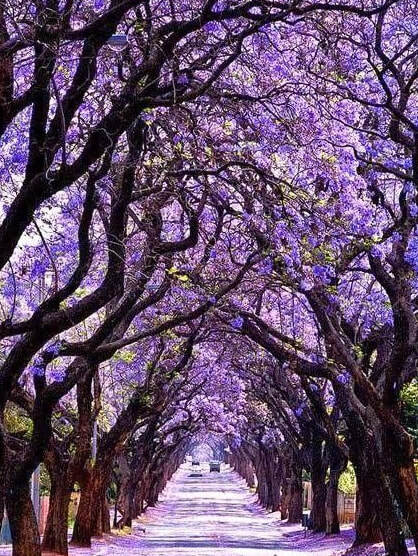
    a symphony of shades. Jacaranda blooms, and
    poinciana shower trees, red and golden, the glory
    glory of emergence and oh yes it is presence, to be
    known and to cause trembling, of recognition
    and receiving, of this boundless love.


    4.  CARVED BENEDICTION
     
    The Buddha statue, carved
    as one of millions in Bali,
    looks calm.

    Lined up, ready to sell to exporters,
    they seemed banal, formulaic drapery
    and mudra fingers all the same

    Here, alone, this one smiles,
    sends a beam of love
    soft shoulders and belly breaths
    asking that suffering cease
    for all.
     

  • Published on

    remarkable everyday moments

    Still on the theme of cultivating wonder...knowing that so many really remarkable things are going on all the time; the moments go by in a flash.  I've decided to stop time in a sense by listing some of my recent ones. I want to share some of those aha-how-wonderful moments so we can all sit back and savor the amazing parts of everyday.

    So, some everyday wonders from my life by the Gulf. Savor them with me.
    Image description
    ***the first creamy bite of a Florida avocado—perfectly ripe--that had been forgotten and left sitting in the trunk of the car
     
    ***the breeze blowing the lightweight curtain behind, lifting gently
     
    ***sitting in silence as the sun gets lower

    ***shaking my head in amazement at the tenacity of the Brazilian pepper tree, that sends out shoots and comes back no matter what you do
     
    ***the surprisingly rich color oozing out of the gelatinous purple yam, dug up from my garden


    *hosing off with a stream of cold water after the intense heat of the sweat lodge; feeling the inner steam in my cells
     
    *the curved form of the essential oil diffuser, like an ancient Greek libation vessel
     
    *towels drying on the clothesline
     
    *the symmetry of the spider web stretched between the upright spiky leaves of the snake plant—the “mother-in-law’s tongues” that grow freely under the oak
     
    *absorbing the energy of really good acting, where the character becomes someone you seem to know well
     
    * the ecstatic spiky flowers of snake plants and ti plants—bursting  bits of joy

    *the glow of the salt lamp
     
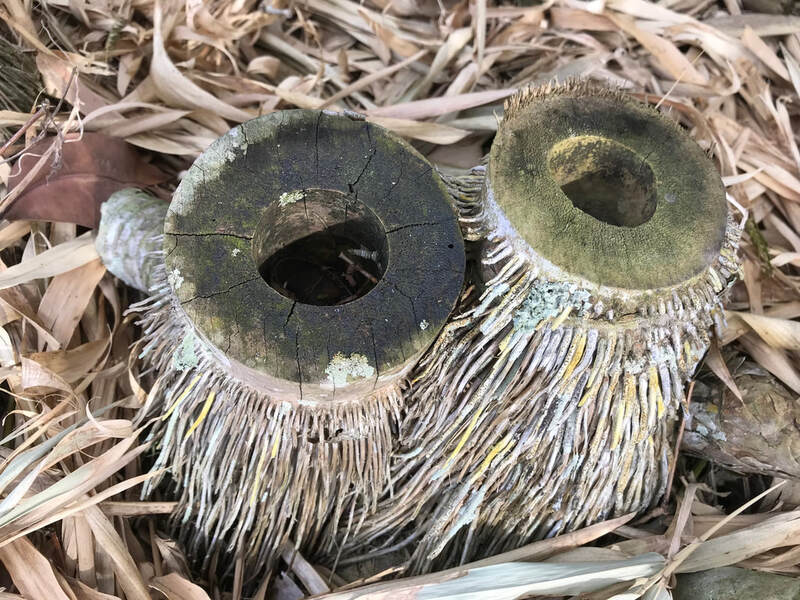
    *digging soft heart of palm out of the palm tree stumps—the surprising soft center
     
    *looking across the room at two of my collages displayed on the shelf, my heart full with feeling that they hold the essence

    ***smelling and chewing the fresh leaves of the root beer kava plant, which evokes something unidentified that seems to be long gone by
     
    ***the tiny bubbles bouncing off the surface of the hot tub, dancing in the sunlight with joyous momentum


    ***discovering plantain growing in my yard, just when I need the leaves to soothe a bite on my leg
     
    ***connecting online with my we-consciousness community and feeling the deep love that has no boundaries


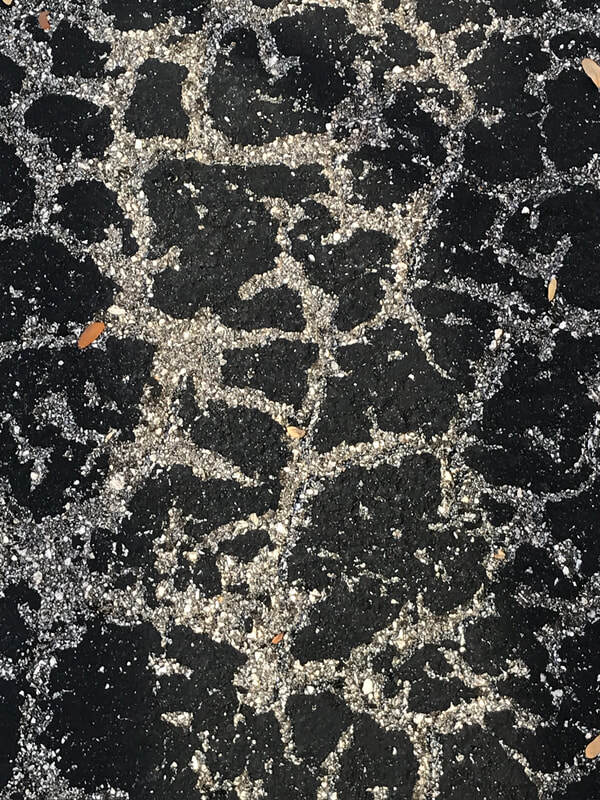
    ***the patterns beneath my feet in the parking lot, mapping the path to everywhere

    ***
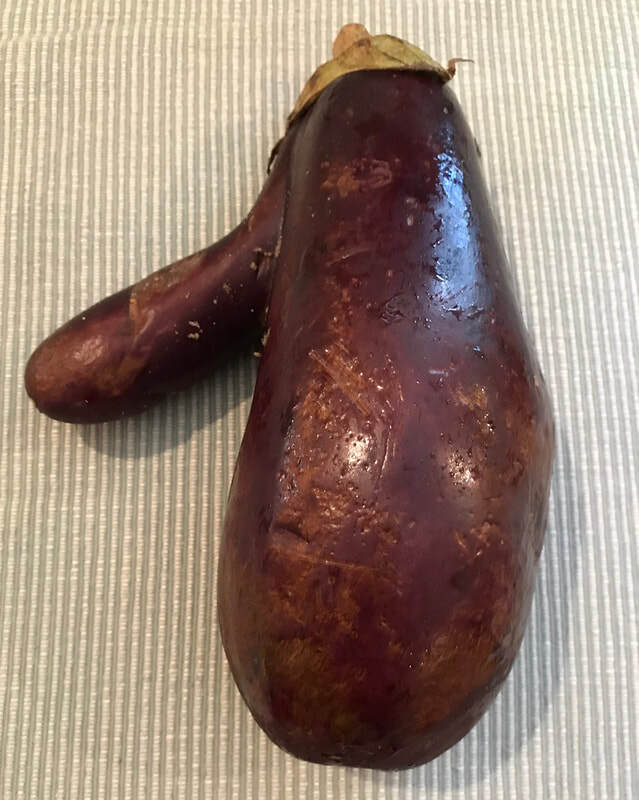
    opening a “dollar bag” of quick-sale eggplants from the vegetable market to reveal a big-nosed character

    ***seeing the lovely pink color of dye made from avocado pits
     
    ***the pleasure of pushing a needle in and out of thick blue cloth
     
    ***the lifeguard’s tinted sunglasses reflecting an endless blue vista, times two
     
    ***light shining through the croton leaf, highlighting the veins that reach from the center in a repeated motif of “here I am, opening!”
     
    ***the silk ribbon place marker on my aqua journal, peeking out beneath the pages
     
    ***the kombucha “scoby,” growing larger than it was yesterday
     
    ***learning what smilax leaves look like, and remembering Civil War era descriptions of smilax-filled Sanitary Fair horticultural displays—the sense of the plant, coming to me 160 years later
     
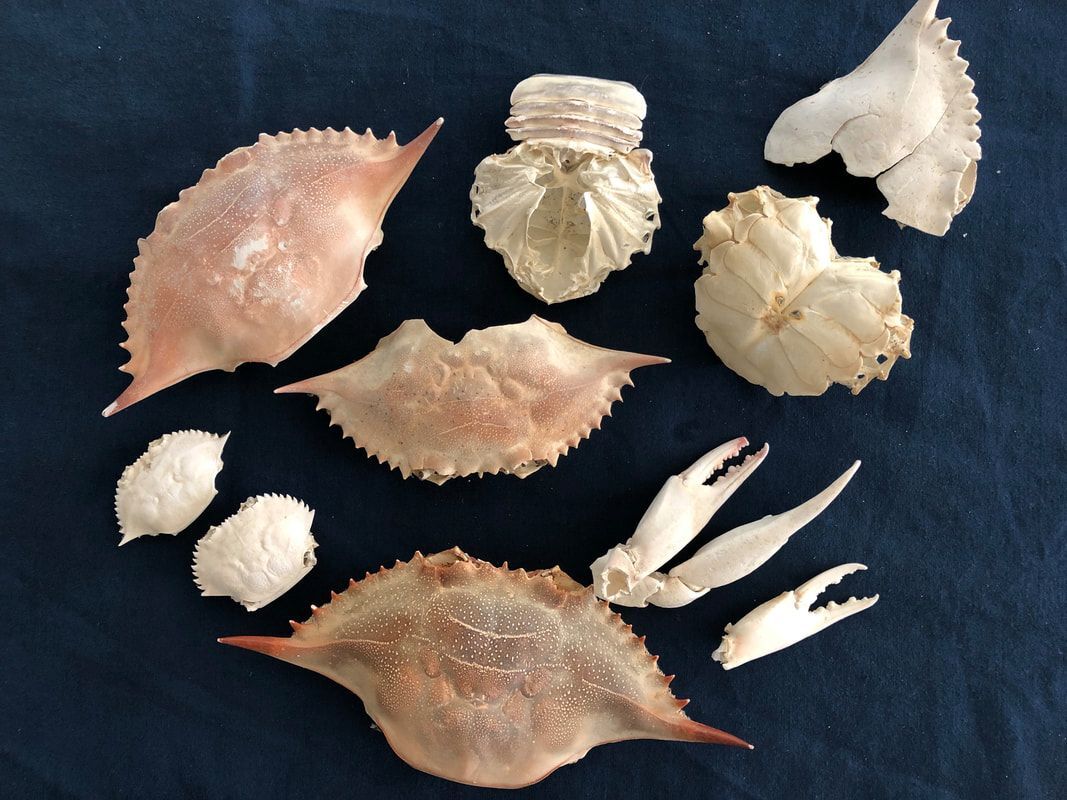
    ***taking in the beautiful colors of sun-bleached crab shells--subtle pastels and cool, pure whites

    Picture
  • Published on

    the rebirth of wonder--astonishing abundance, paying attention, and playing with it all

    Picture
    Picture
    Picture
     I am increasingly concerned with cultivating wonder -- with becoming aware of the everyday magic we are surrounded by in every moment, and connecting in with it.  I have been developing workshops about this topic (a pretty wonder-full activity in itself), and in order to help others catch the magic, I am learning to articulate the elements that help us cultivate that awareness and way of life.   (Do contact me if you are interested in a cultivating wonder workshop, for I welcome all opportunities to share the ideas...).  In one of his well-known poems, Lawrence Ferlinghetti said he was "waiting for a rebirth of wonder." I say: let's not wait, let's step into that way of being.

    One of the first elements or principles in the cultivation is to pay close attention to what is really there. The great poet Mary Oliver (who sadly just passed away, but we are all so much richer because of what she passed on) phrased it this way:

            Instructions for living a life:
                Pay attention.
                Be astonished.
                Tell about it
    .

    So that's what I want to do now. One of the things I have been paying attention to in recent months is the sheer abundance that exists in all aspects of the material plane. It's astonishing, and I want to tell about it. Perhaps the most familiar sense of abundance comes from looking up and considering the stars; many of us have had the experience of contemplating the vastness--but beyond contemplating it, feeling it in an embodied way. (If I just use my mind in this kind of contemplation, I get  headache; it is literally too much for my brain to take in. But I can feel it in my spirit, or allow it as a felt sense rather than an idea.) But there is vastness much closer than the heavens--even our bodies hold astonishing abundance. 

    Abundance is often expressed in terms of numbers. Even though there is "an unbelievably large number" of stars in the heavens, according to science writer David Blatner, about the same number of molecules can be found "in just ten drops of water." (Really?!!!!)  Our bodies, of course, are largely made of water--about 75% in an infant, and 60%in an adult. And what if we look at other body components? An adult human has somewhere around  37 trillion cells, and ten times as many microbes. The estimate for the micro-biome is about 100 trillion cells. (Again, it's not possible for me to think about this--the headache comes on again, for the number is too big to actually understand-- but it is certainly possible to be amazed.)
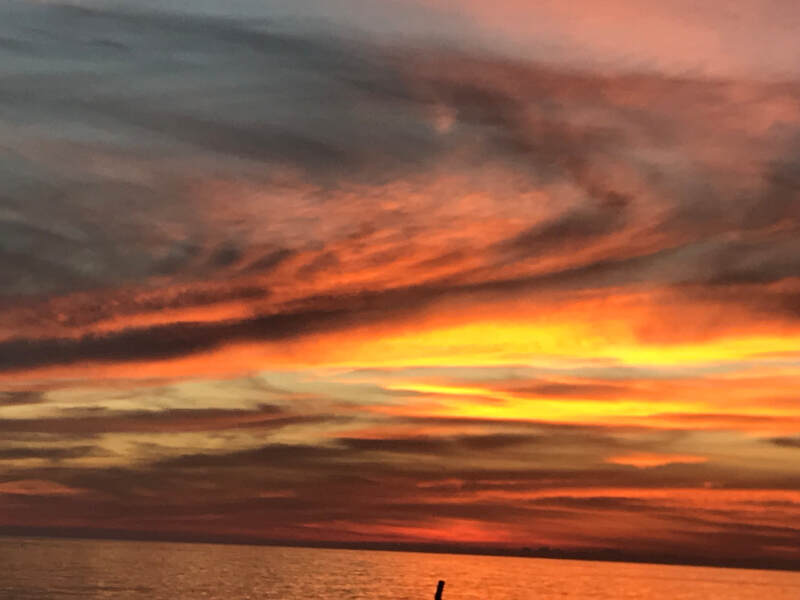
    There are an amazing number of sand grains, too, each one ground down from a once-solid rock, shell or mineral of much greater size. Some estimate about
    5 million grains of sand in one cup (depending of course on the fineness of the sand). Expand that to a child's beach pail or sand castle, or to one small beach, and then think of all the beaches.  

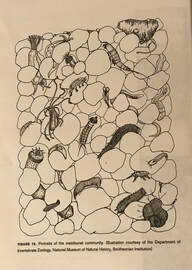
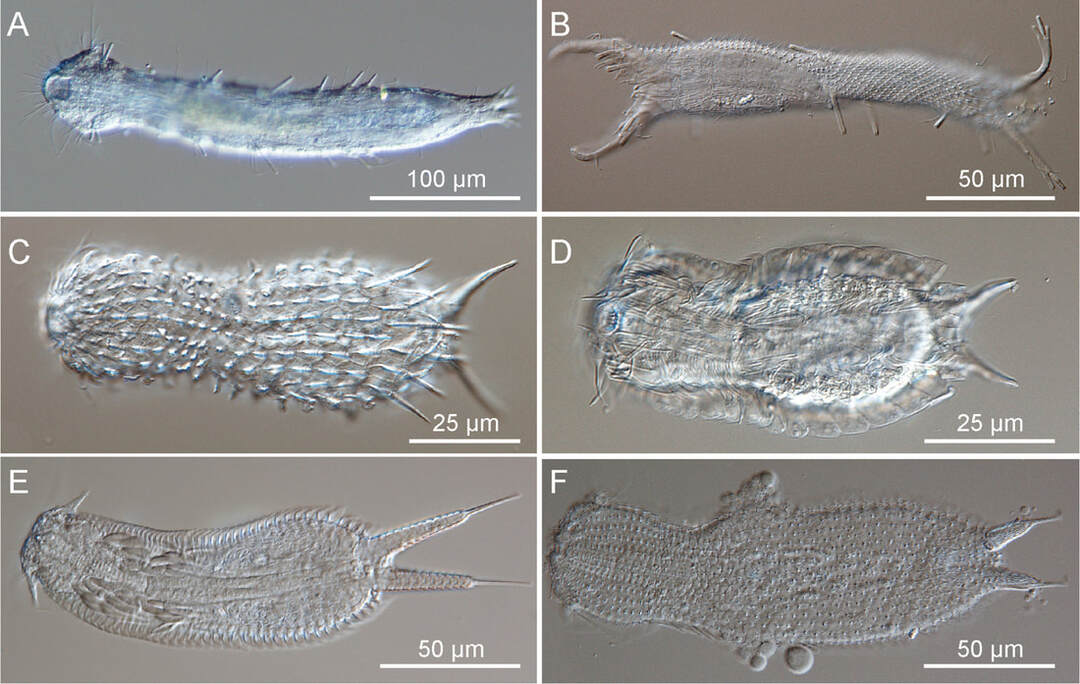
    But just as we have to keep looking deeper at our bodies--from the organ level to the cell level to the microbe level--we can go deeper into (or around) the sand grains, too. There is a whole world of creatures (
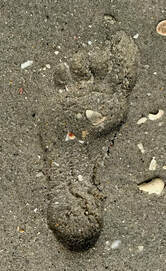
    meiofauna) that live between the wet sand grains on a beach!  How amazing is this! It's a separate, distinct microscopic universe, made up of tiny organisms about 30 to 50 micrometers (bigger than bacteria, but less than a millimeter long). I first learned about the meiofauna in Michael Welland's book, Sand: The Never-Ending Story, and it is fair to say I was totally blown away--another whole world of life I knew nothing about, another level of life on the beach.  Just think how many of these beings would be underfoot on a 3 mile walk along the beach! Just think how many would be under a single footstep!
    This drawing is what first captured my imagination.
    Picture
    Picture
    Picture
    This wasn't meant to be a science lesson, but I get so very excited about what is literally filling our world that I just want to keep putting out the amazing facts. Abundance everywhere. In our bodies, in our environments, often invisible, but our sight is expanding! With the wonderful tools we have available now (powerful microscopes, telescopes, space probes, data pattern generation etc.) we can literally see much what we have never seen before. 


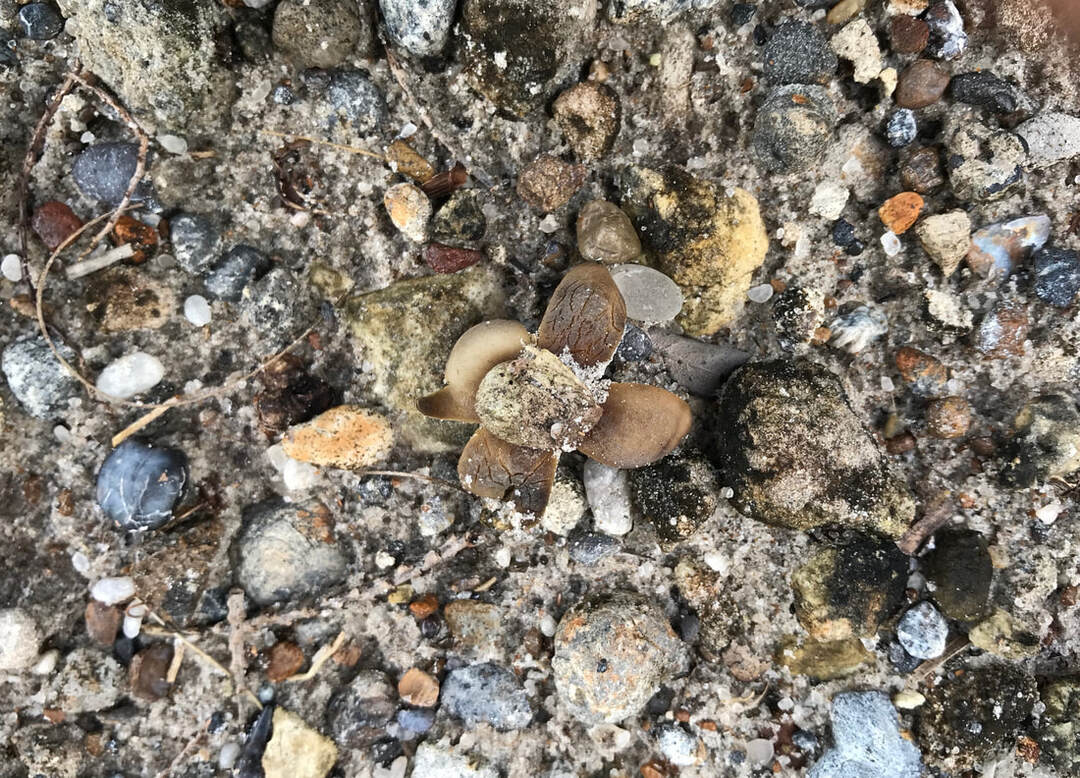
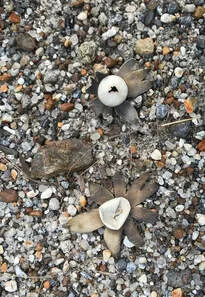
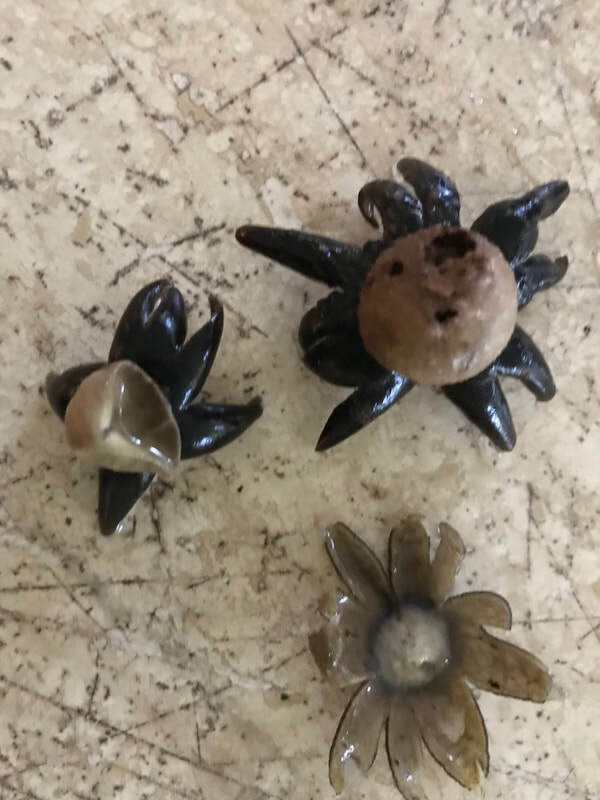
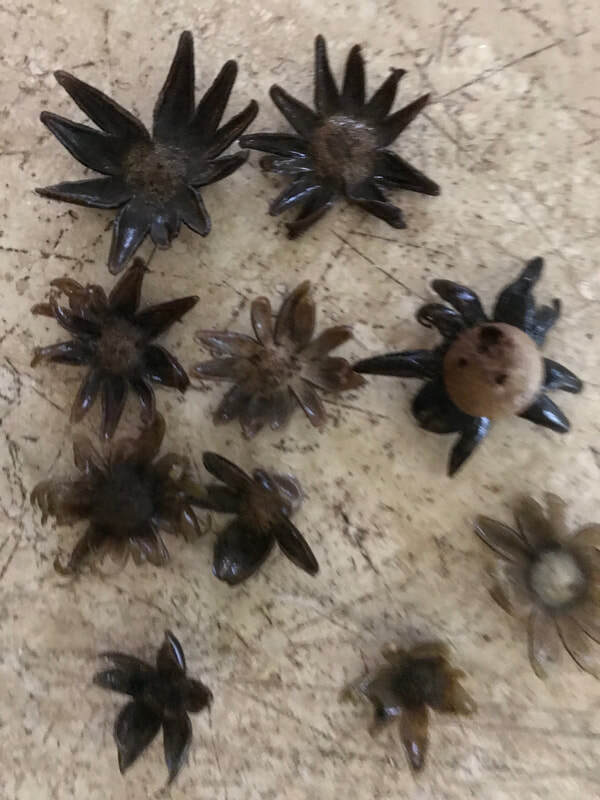
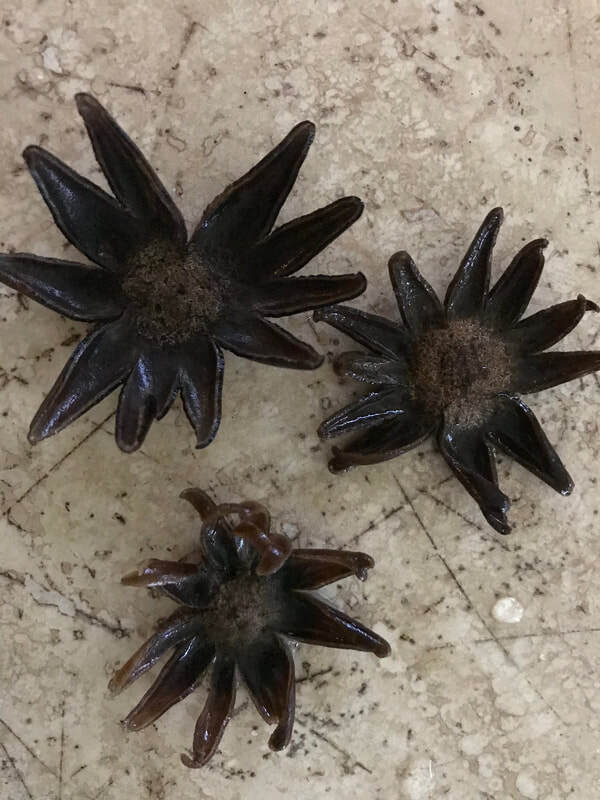
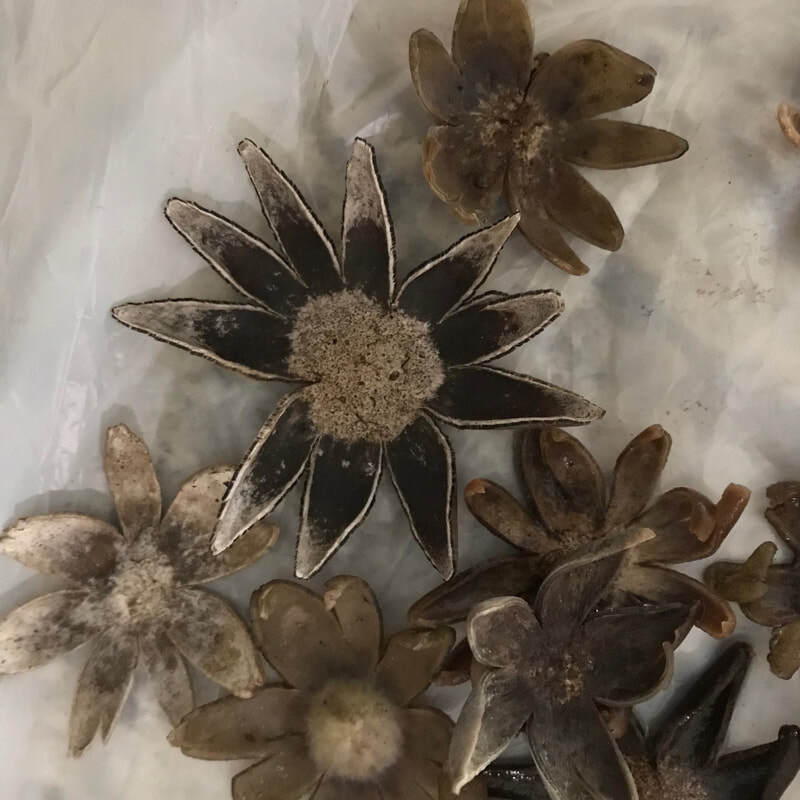
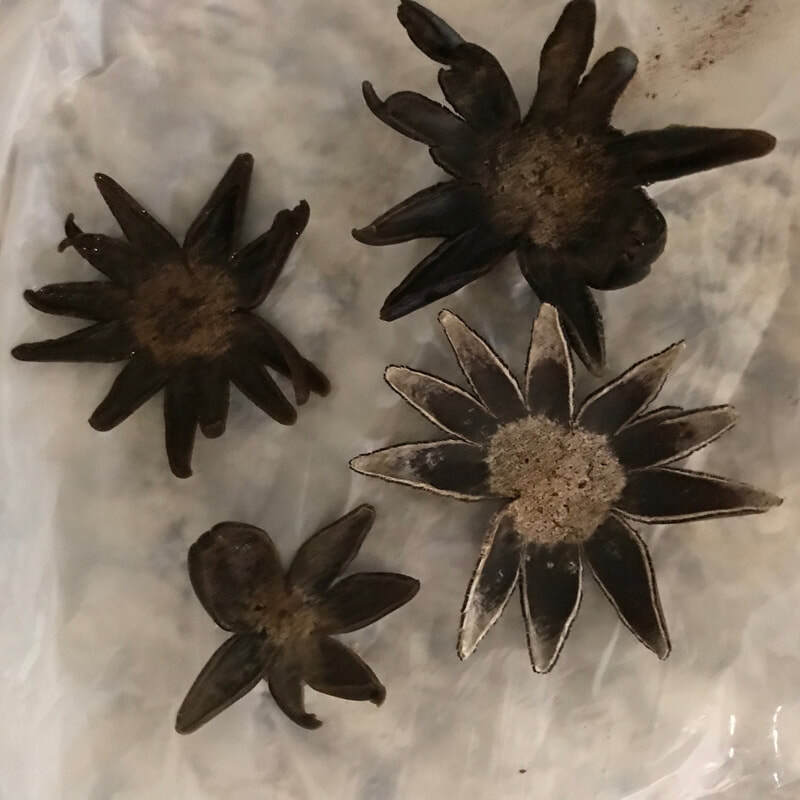
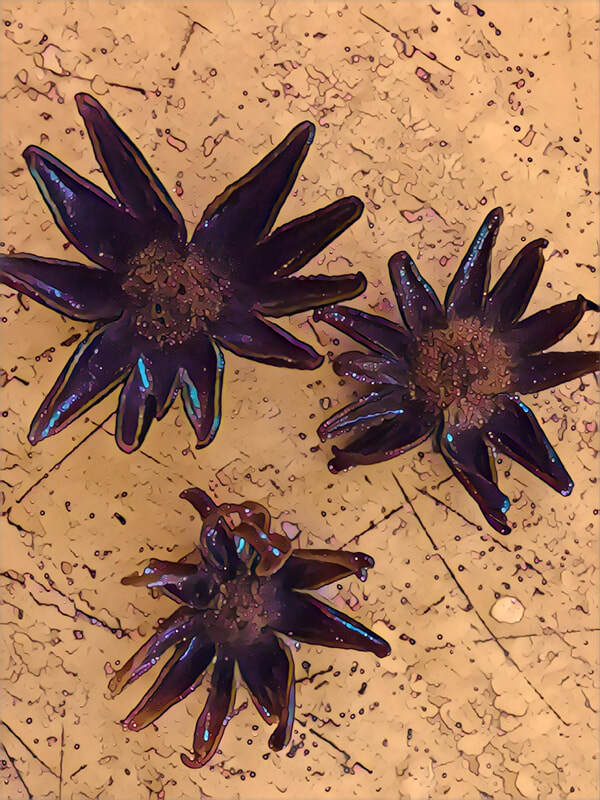
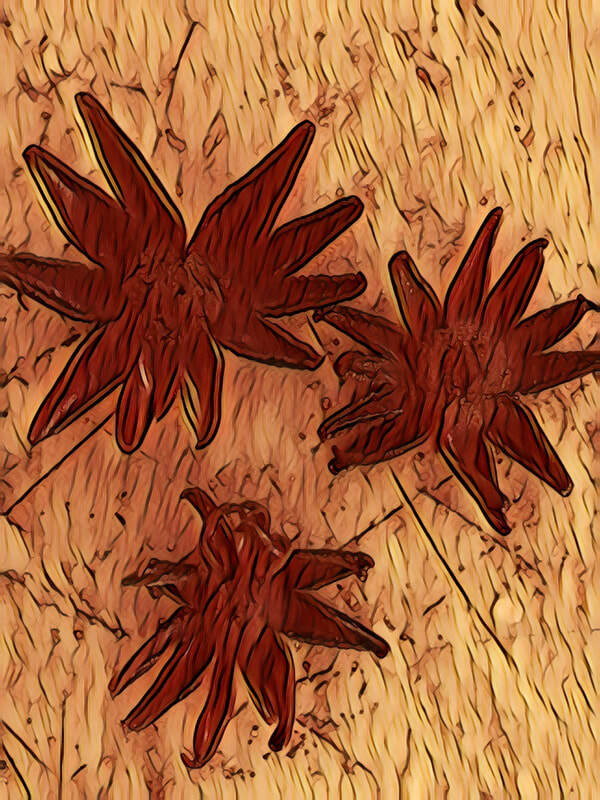
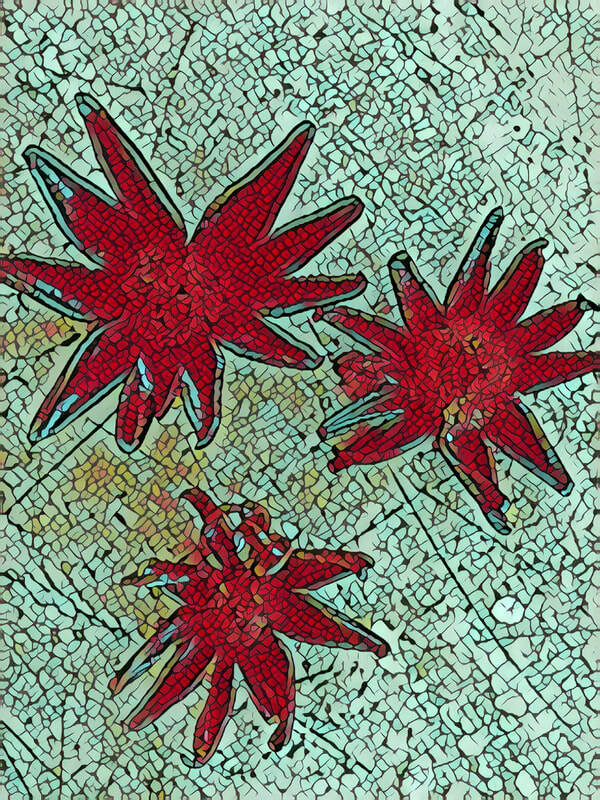
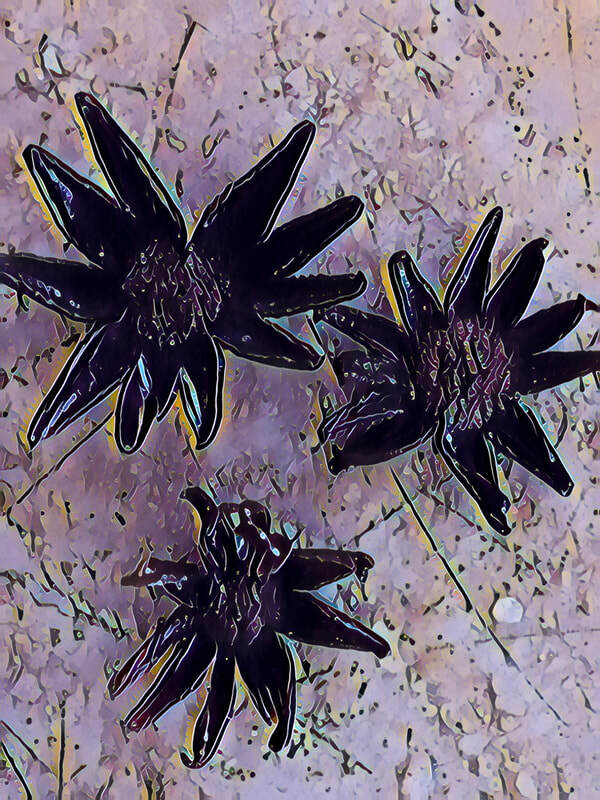
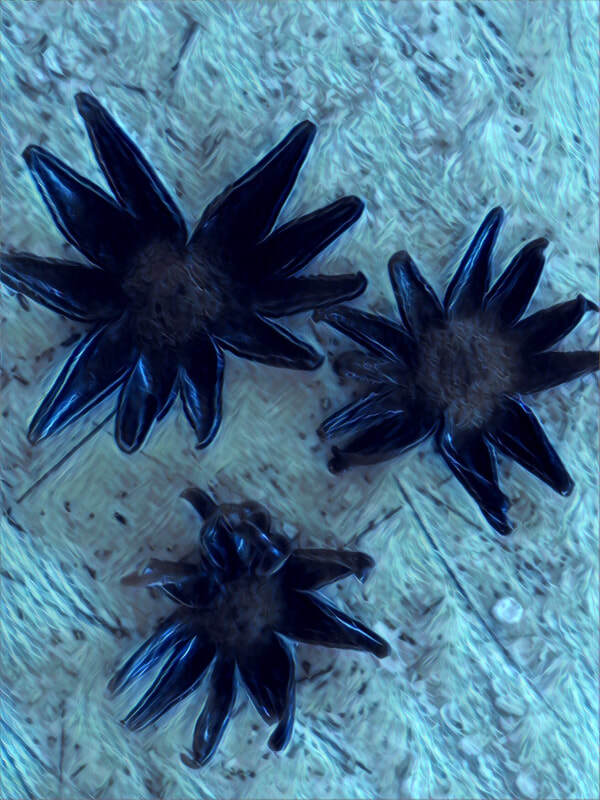
    Let me share something else I discovered in my environment recently that has brought me into a state of wonder. This was not literally hidden or invisible, but it was so well camouflaged that it might as well have been--that is, it was hidden until I started paying close attention. Last month I was wandering among some scrappy dunes near the (southwest Florida) intercoastal waterway, in a place where waste was once dumped after the bay was dredged to make the navigable canal. The area is now part of a nature preserve, and because there are no trails in this particular section, it's little visited and remains relatively undisturbed. I had been walking around those dunes for about 20 minutes, and suddenly noticed that there in the sand was a flower or star-shaped form that looked a great deal like one I had found in the forest of northern Wisconsin--in a very wet environment, among the hardwoods. I had been amazed at that form, and was able to identify it as an earthstar fungus (Astraeus hygrometricus, family Diplocystaceae)Young specimens look like puffballs, but when they mature and it is moist (one of their nicknames is "barometer earthstar"), the mushrooms open out into an earthstar shape, (the outer layer of the fruit body tissue splits open in a star-like manner). This was piece was sitting in the sand, and there were no large deciduous trees nearby. Could it really be the same thing? My husband, who was with me, wasn't even convinced it was a fungus; he insisted it had to be a flower.
    Picture
    Image description
    Two things really delighted me. One was the great surprise of finding this same form in such a different environment (though there is one type known as a "false earthstar" that is often found in sandy environments, and perhaps this is an example). The other delight was that once I spotted one earthstar, I saw dozens of them, each so hidden that I was surprised anew. Ah, the point is: start looking!


    There are a number of fun facts about this type of fungus, including: the German Mycological Society chose this species as the "Mushroom of the Year" in 2005;  earthstars are regularly eaten in Asia; they have been used in traditional Chinese medicine to help stop bleeding and reduce chilblains!; and people of the Blackfoot tribe called them "fallen stars," and considered them to have fallen to  earth during supernatural events. 
    When I found the first earthstars in the north woods many years ago, I was able to take some home to incorporate into art. I only had a few and thus didn't have a chance to work very extensively with them, but I was deeply attracted to the form. Finding this whole new "cache" in the sand was thus another level of delight: I could play with them again!


    Picture
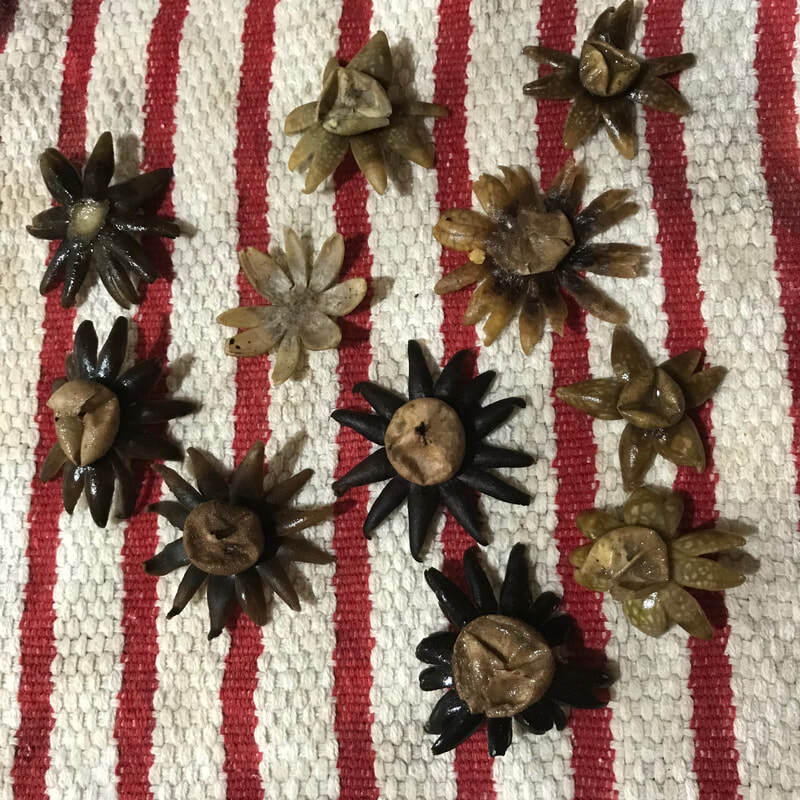
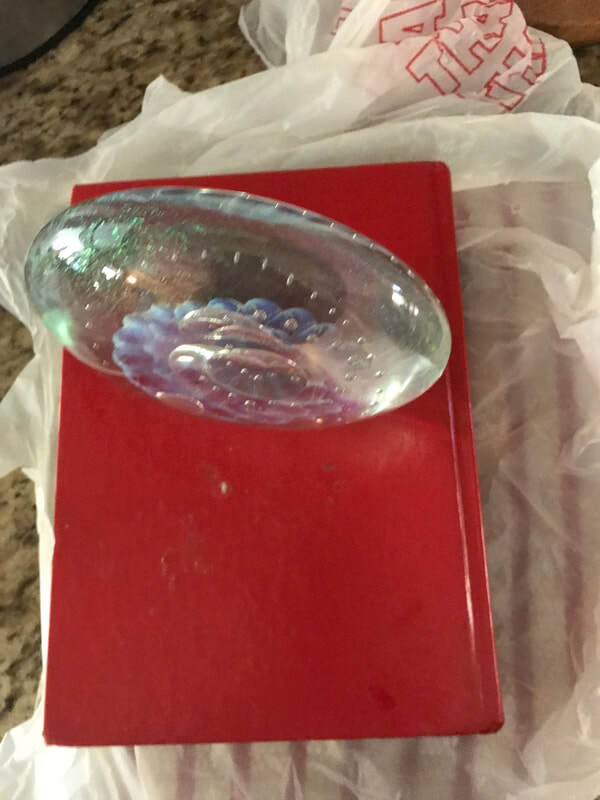
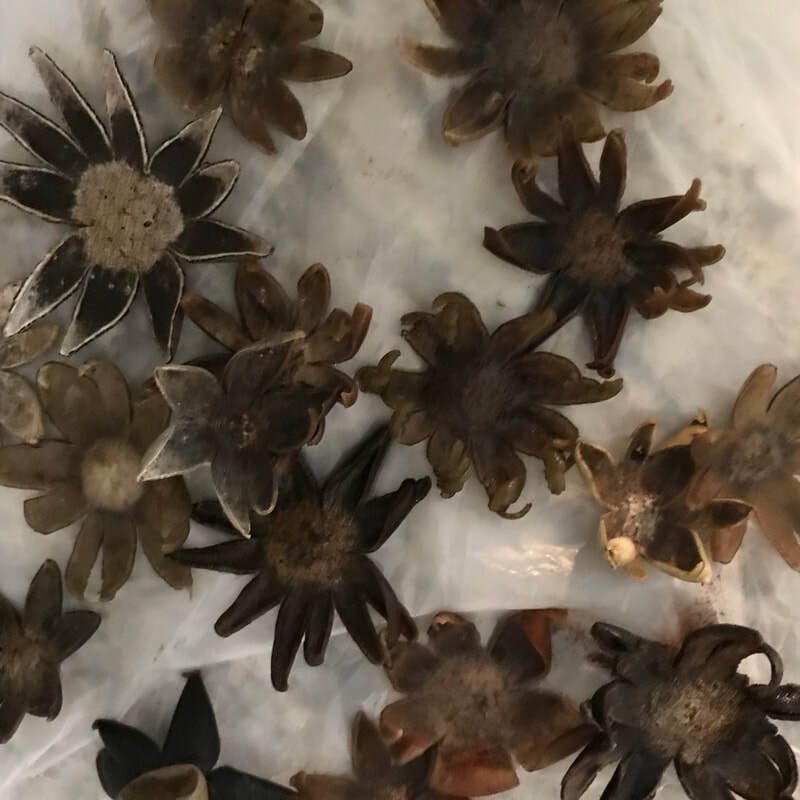
    The first level of play is just the processing--seeing how they respond when wet and dry, experimenting with their behavior. The ones I collected from the sand were soon dried up and curled back in themselves, but when I re-hydrated them they became dimensional flowers once again. Could I press them when damp and convince them to maintain their flattened star shape? (The image of the weighted book--a dictionary!--shows how I attempted to do this.) It worked to a point, but unless there's lots of moisture in the air, they always want to curl. (Another factoid that once again shows the brilliance of nature: dry fruit bodies with the rays curled up may be readily blown about by the wind, allowing them to scatter spores from the pore as they roll.)

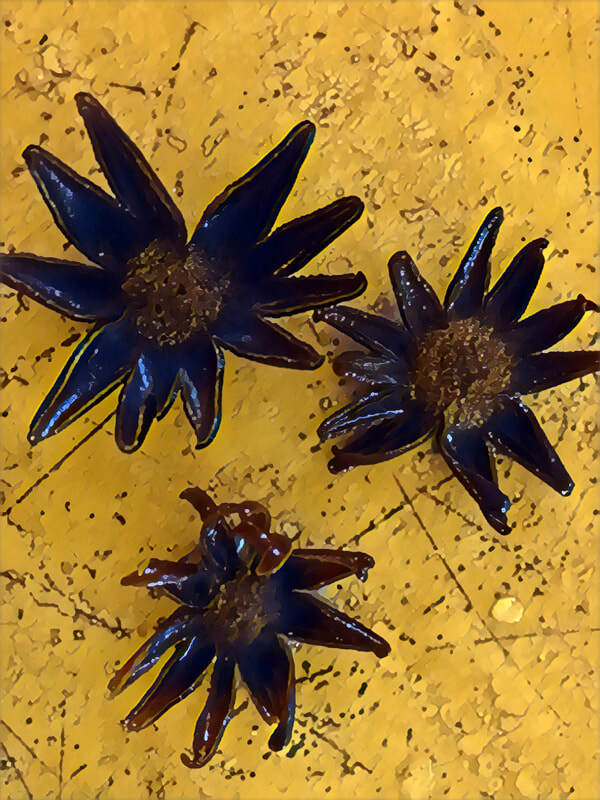
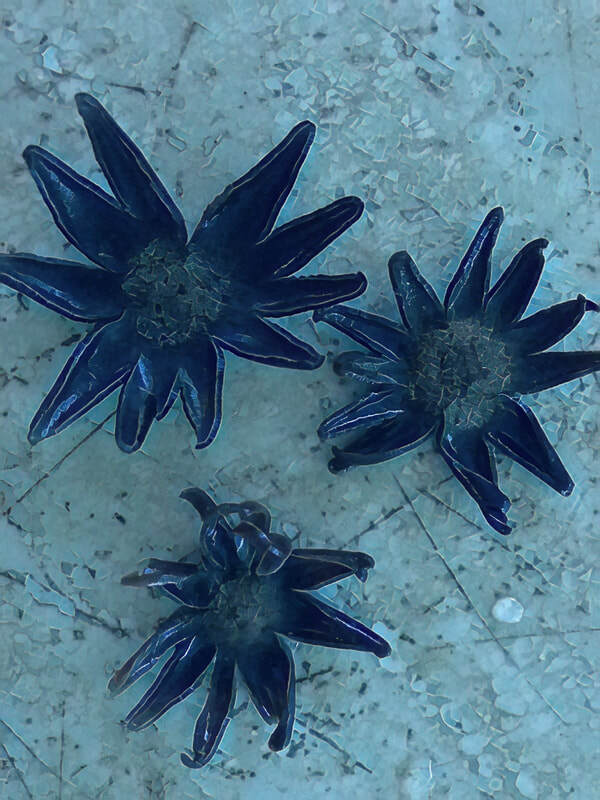
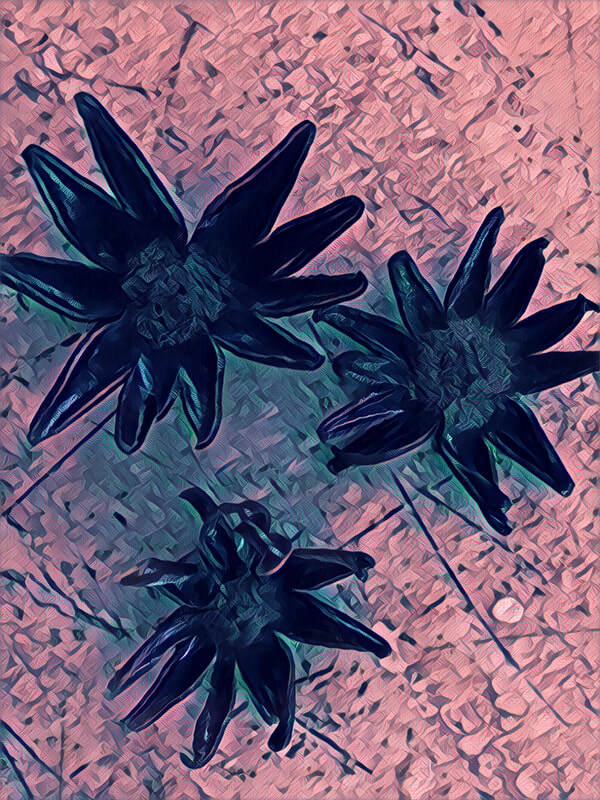
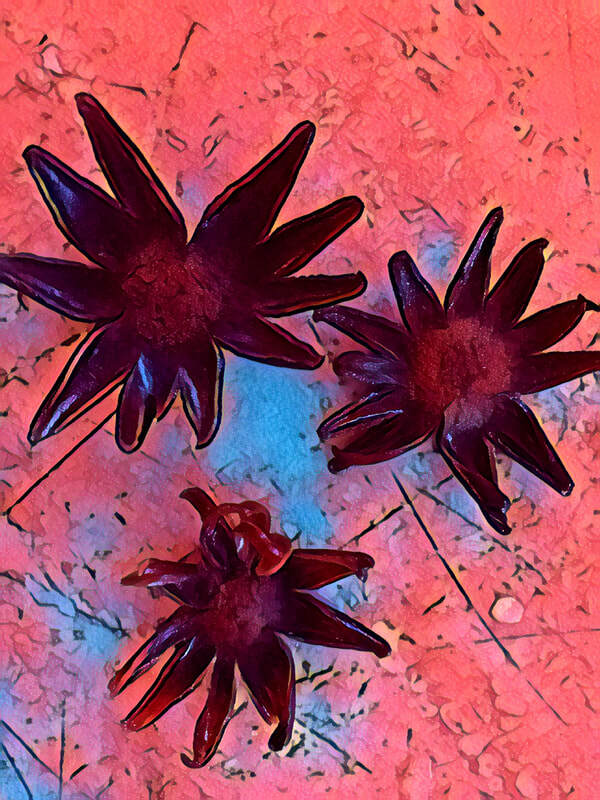
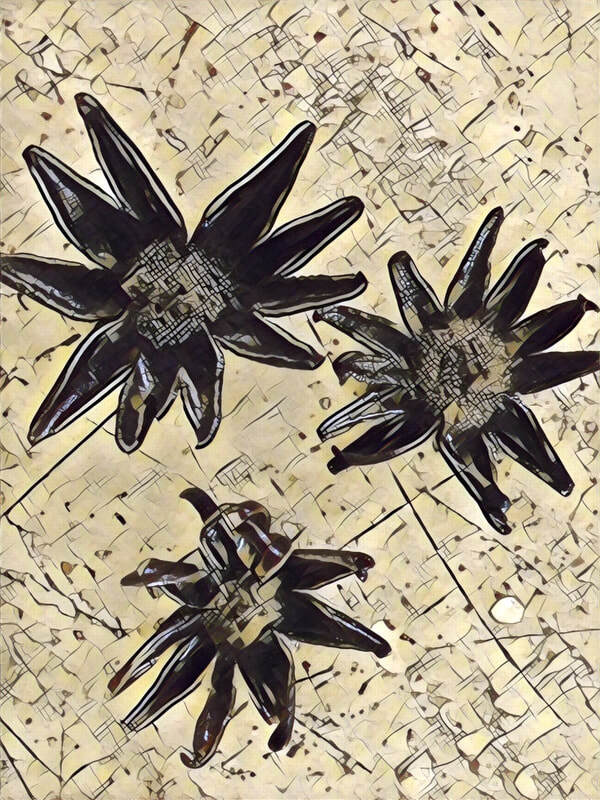
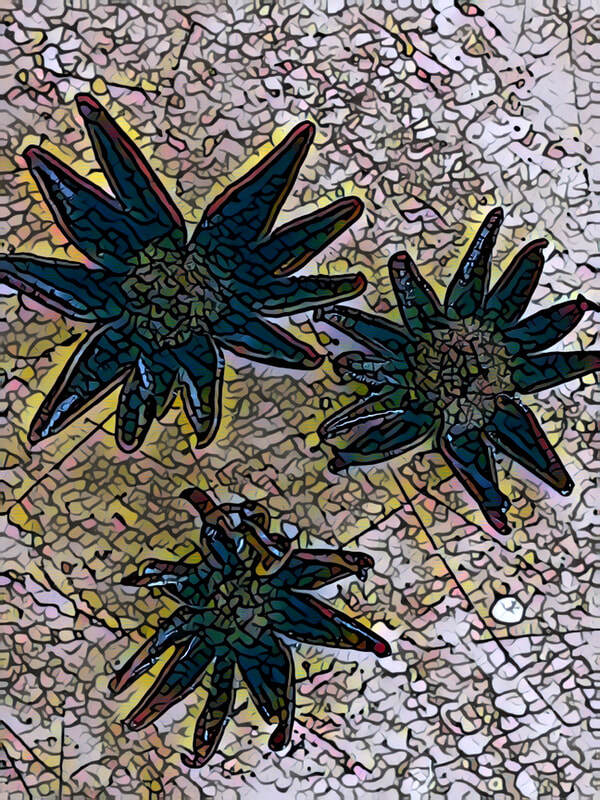
    I hope you can enjoy some of this earthstar play with me in the photos below.
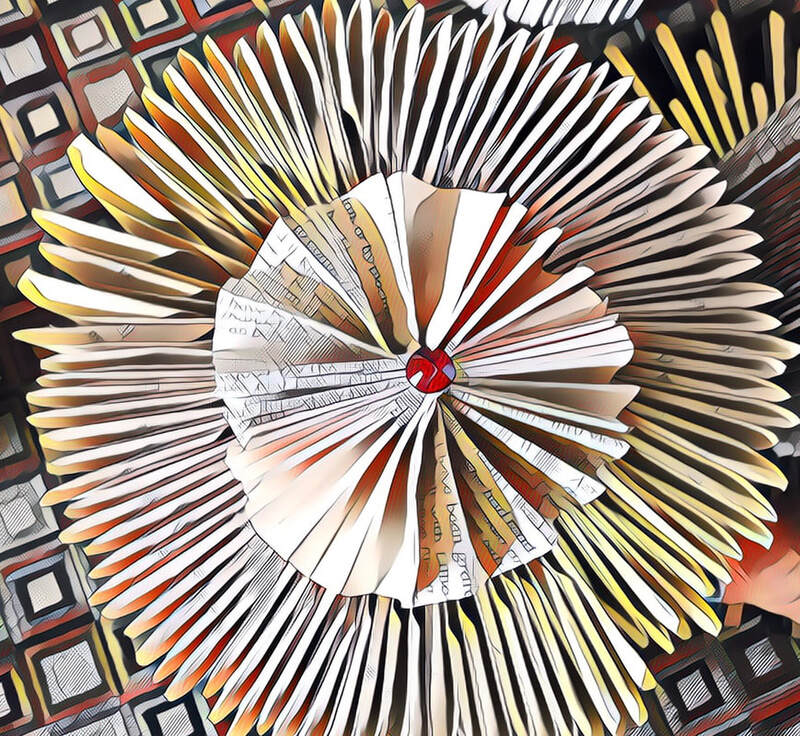
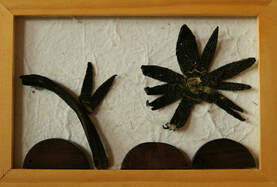
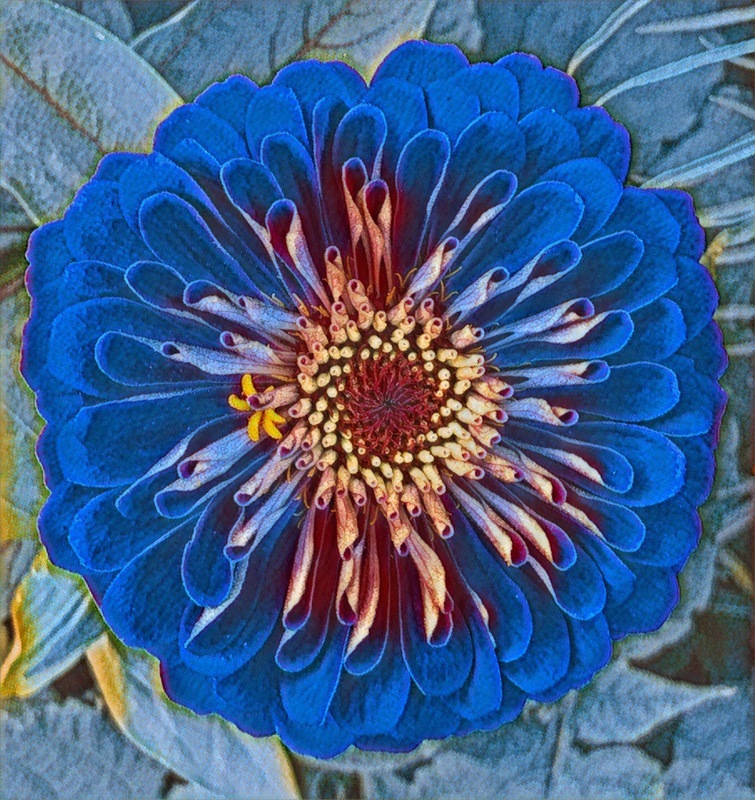
    I don't have any new collage or assemblage that incorporate these new friends, although I hope that will be coming now that I have a good supply. What I can offer is the delight of the star/flower form, mixed with a variety of color and texture, as seen in these altered photos. Wonder-full!

    Remember: pay attention, be amazed, be astonished, play with it, and love what is hidden all around us.
  • Published on

    a day in the life:  KAIROMANCY, or inner guidance on a beach walk

     
    I’d like to share the story of my beach walk yesterday.  It was a lovely day, in the mid-70s and not windy, and even before I checked the weather, I had a feeling I should go to the beach in the afternoon. There was no particular agenda, but I always bring a collecting bag and like to take a long walk, well past the folks who have settled near the beach entrance. (I am blessed to live by the Gulf of Mexico in southwest Florida, near a sandy key (cay) where one can walk unimpeded for about 20 miles. My end of the key is generally quiet, and not too crowded. There are a few county-run access places with free parking lots, bathrooms, and picnic tables, but even past the park boundaries there are only private homes back beyond the dunes; happily, there are no high rises, restaurants or resort hotels anywhere nearby.)
     
    As I set out walking south, I reminded myself to stay open to surprises, to try to pick up on synchronicities and see what gifts were offered, both in tangible form and as metaphor or inspiration. This is a practice that some people refer to as following everyday oracles. Dreamwork leader and shaman Robert Moss invented the world "kairomancy" to describe the practice of navigating by synchronicity, or meaningful coincidence. I love playing with this kind of navigation and find it can be quite profound.  
     
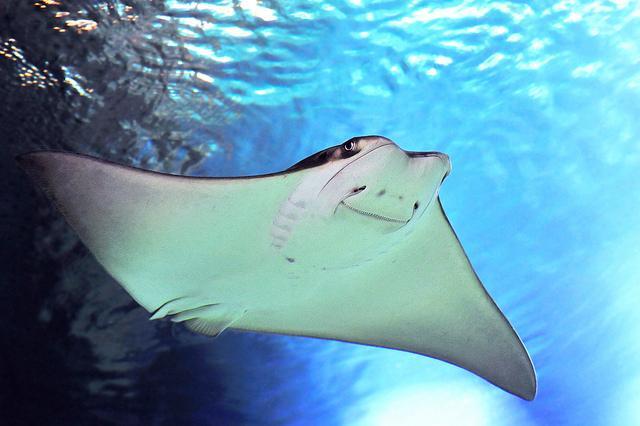
    The first thing I encountered was a fisherman engaged in a mighty battle with something on the end of his line. It was obviously a powerful creature, as he had to grip very tightly and stand his ground with great force. There were about five other men gathered around, and one woman. Even as he was pulling, the men were going on about different kinds of fishing exploits. I asked the man with the rod what it was he was trying to land, and he said it was a sting ray. I watched as the creature thrashed about, pulling itself further out even as he worked mightily to pull it in.  I was uncomfortable and began to walk away, but found I couldn’t; I needed to see the animal that was so forcefully resisting him. It was exquisite—more than two feet across, noble-looking, though wounded, with gaping red spots in several places. The line was hooked into its belly (actually it looked to be under its mouth), and I literally winced, sensing the pain of the tugging line. One of the onlookers identified it as a cownose ray, which, as I learned when I looked it up later, can live in these waters for as many as 18 years. These rays eat crustaceans, and have few predators, other than humans.
    The video that shows them in action underlines their grace and beauty.
    Picture
    The men had been talking about landing “him” (the ray), how “he” was so strong, and what a feat it was to get “him” to shore.  I kept feeling this might actually be a female. Despite any kind of gender consciousness-raising in the culture at large, that male pronoun is still what English-speakers use to describe wild animals. It's still the way we think. It further sets up the battle, of course: one “he” vs. another “he,” fighting for the position of alpha male. The men cut the line to send the ray back, acting quickly so it wouldn’t be out of the water for long, but I still felt angry and distressed. Fishing for food is one thing –I eat fish myself—but this kind of tug-of-war was literally war, or better put, literally torture for the ray; it served no purpose other than for the man on the beach to proclaim his power.  Had he (and all the other men) no sense of the fact that this animal with a sharp hook pulling in its flesh was hurting?  I did speak up about it, but I knew they wouldn’t listen; the man with the rod was the victor, enjoying the fact that he had won at his sport, and he believed he was humane in that he didn’t “waste” the fish. I moved off, leaving them to their sense of satisfaction as the ray was returned to the sea.

    Was this my sign or gift? The sight of that beautiful animal, glistening in the sun, its eyes wide and its “wings” flapping? Or was it the awareness that these men, like all of us, are, as those who follow the Course in Miracles would say, children of God? In one of the Sufi dances I love we greet each person as “the face of God,” and say, “I hold you in my heart; you are a part of me.” I grumbled a bit, but kept sending that out to the fishermen, and told myself: “no exceptions. They are a part of me too, we are one.” I sent out the love I could to the wounded animal and to the people of the fishing party, praying that everyone would wake up to the pain of others to the point where they couldn’t continue to inflict it.

    I was not too happy with that gift, although I accepted it as an important reminder—both of the fact that we still have not arrived at a time when the divine feminine principle/consciousness is shared by all (i.e., that I must be patient), and that I don’t only get to pick feel-good gifts. But as I kept walking, I realized there was an unusual accumulation of well-smoothed stones on the beach. Some were the expected (for this beach) black fossil bones, but others appeared to be made of a range of other minerals. I rarely see stones there, and quickly accepted them as messengers too. There were many small fossilized shark’s teeth scattered among them (that’s the “treasure” that so many hunt for on this beach), so I realized part of the message was, just pay attention. It will be given.” But it went beyond that. I thought back to my musings on rock consciousness that I posted last month, and to my ongoing hyper-awareness of stones. These stones I was encountering are ancient; the fossilized ones date back to the Ice Age, maybe 50 million years ago.  All of them have old, old, old awareness.  The message came through: Take the long view. Be patient. Consciousness is shifting.” 

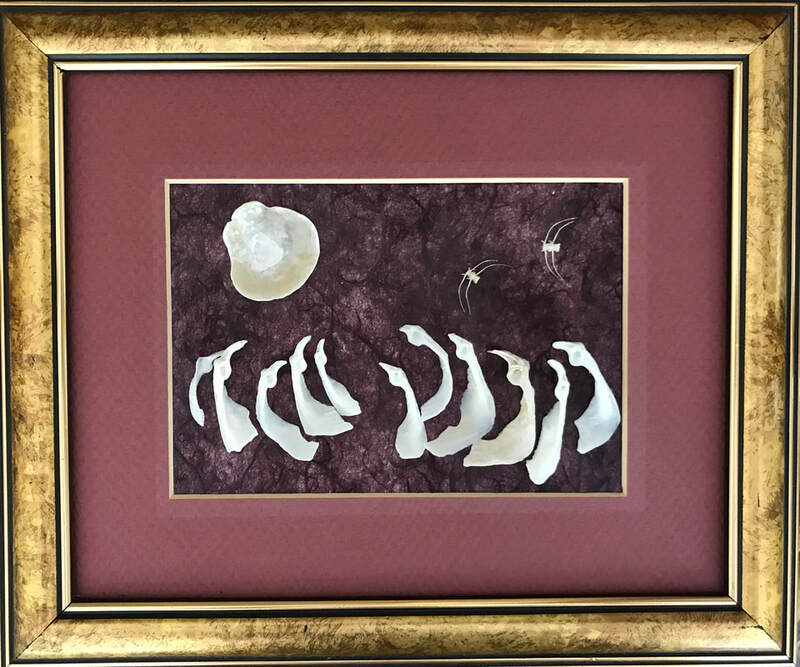
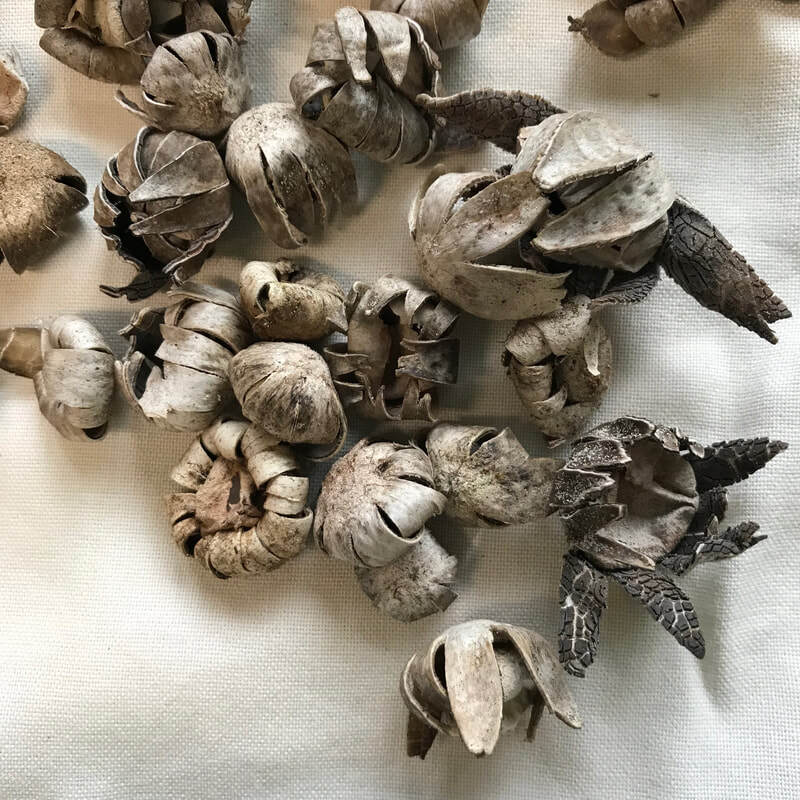
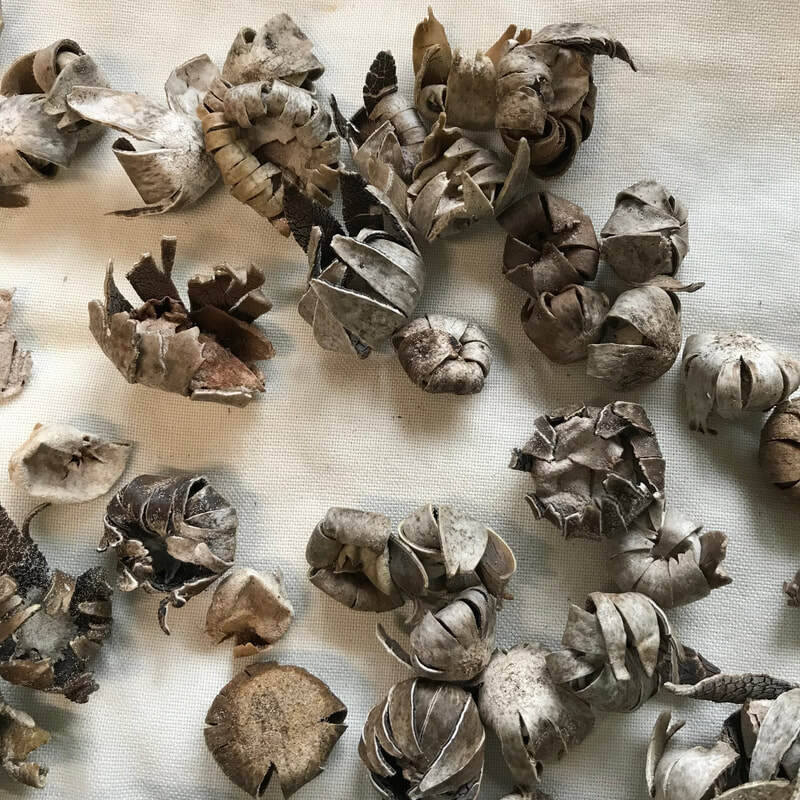
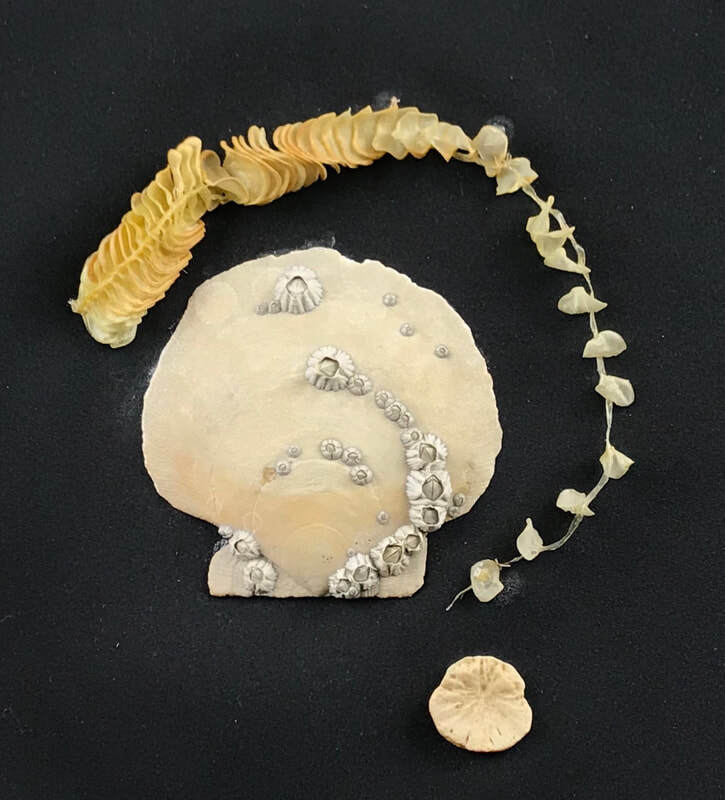
    Still further down the beach, in addition to the abundant piles of shells (the usual clams, whelk, scallops, pen shells, jingle shells, and more), I spotted something I had never seen before that reminded me of an angel’s wing. It was vaguely shell-like, but looked more like a plant pod than animal material, and when I found an example that was falling apart, I felt this hypothesis reinforced, since it seemed to have vegetal fibers and pattern growth. Some of the pods had clearly traveled the Gulf waters for some time, however, for they had barnacles attached.  There was no tree nearby with pods like these, so they had probably been swept up (in) from somewhere else. I kept spotting more. I will try to determine what they are,*** but since my first reaction was “angel wing,” I knew to recognize the sign: "there are angels present, or phrased differently, there are helpful spirits here." There are so many gifts, when you start to receive.  I looked up just then and saw angel wing formations in the clouds as well. There were many different types of clouds, actually: the etheric-looking angel wings; some well-formed cumulus puffs that looked like they belonged in a Grant Wood painting; some low-lying cloud blankets; and some wispy, fast-moving ones in another part of the sky.  The message was not too subtle: "abundance, so many different forms and manifestations, and everything always changing."
    ****UPDATE (June 2019): I learned from a helpful visitor to my studio that this wing-shaped bit of detritus is in fact a part of a mollusk, it is not a shell, per se. This is a like the protective covering of a whelk's "foot." It is separate hard, horny plate, called an operculum, which acts like a trap door when the living animal withdraws into the shell. It is sometimes called a “shoe.”
    Picture
    I gathered the angel wings to take home, identify, and perhaps incorporate in my art. I also gathered my share of other things—a few shark’s teeth, some of the little Sputnik-like burrs that come from Australian pines, some crab shells and well-aged fish bones, and some large clam shells that I am using to delineate garden bed borders. My collecting bag got very heavy. I lugged it home, shifting it from shoulder to shoulder, and smiling at the people I passed stretched out on their lounge chairs and blankets.  When I arrived in my garage, I took everything out of the bag so I could sort, clean, and marvel. This is part of the after-beach ritual: wash your findings off to remove sand, dirt and living matter, arrange the pieces with the others like them, and eventually put them in the studio, organized well enough so they can be easily retrieved.

    Yes, a day in the blessed life. There were the always-present other gifts, too: the flock of terns gathered together and taking off in a cloud of white; the line of pelicans gliding overhead; the lapping of the soft waves and the sun creating diamonds on the water as far as the eye could see. No dolphins appeared, but I knew they were out there somewhere, just as I knew there were more rays and so much other life. I am gifted, gifted, and I appreciate, and I am watching the signs so I can learn to be more appreciative, more in wonder, more in harmony.  I thank this amazing mother planet and all that lives on it, including, yes including, those parts that create pain and disharmony from a lack of awareness of our interbeing. May we all rise to be counted as part of the one, to know our oneness and to claim it.
  • Published on

    centering HOME:  mandalas everywhere

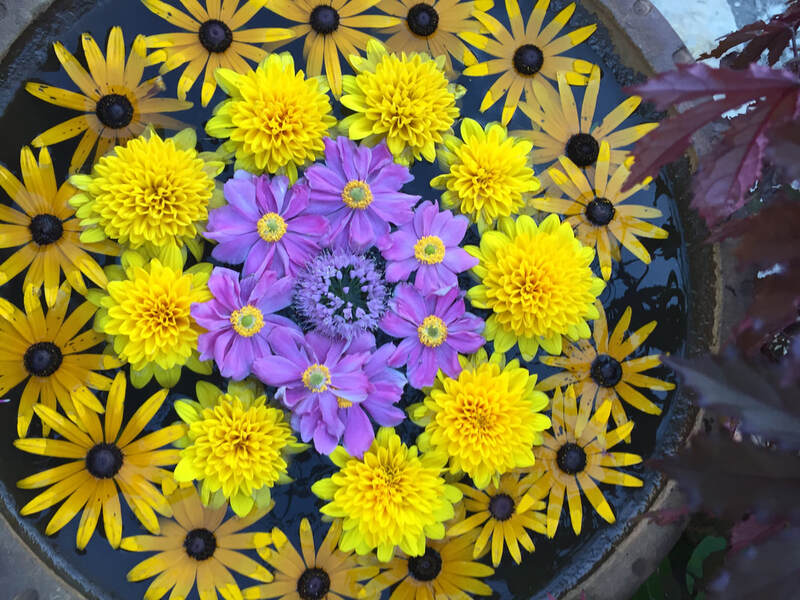
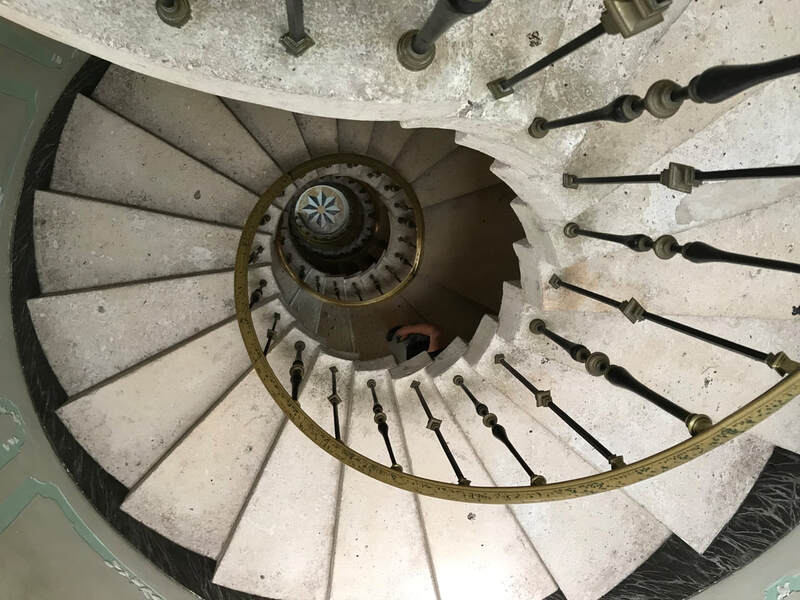
      Sometimes we find ourselves singing a song or humming a tune, and when we pay attention and focus in on it, we realize it's a kind of subconscious message--the lyrics express a not-fully-realized emotion, for example, or an unarticulated hope. It can be a powerful tool of self understanding.  I call this becoming aware of the "hummer." One of the songs that repeatedly comes up in my hummer is "Centering Home," written many years ago by Molly Scott.  The "centering home" phrase that repeats over and over refers to the idea of always coming back to the path, and following it home to the center. The idea of the center is of course a long-familiar spiritual principle. There are myriad treatises written about the center itself, and about moving to and from it. There are myriad ways of representing it. The mandala is one manifestation. In Hindu and Buddhist symbolism, the circular mandala, emanating in a geometrically regular pattern from a central point, represents the universe. We see this ad infinitum in nature, in the geometric formulae that repeat on every scale, and in what we are now easily able to see in infinitely fascinating fractals. In Eastern traditions, mandalas were (are) used as meditation tools that help bring the practitioner into balance and harmony. In Western psychology and dream analysis, mandalas are similarly said to represent an individual's search for completeness, wholeness, and integration.

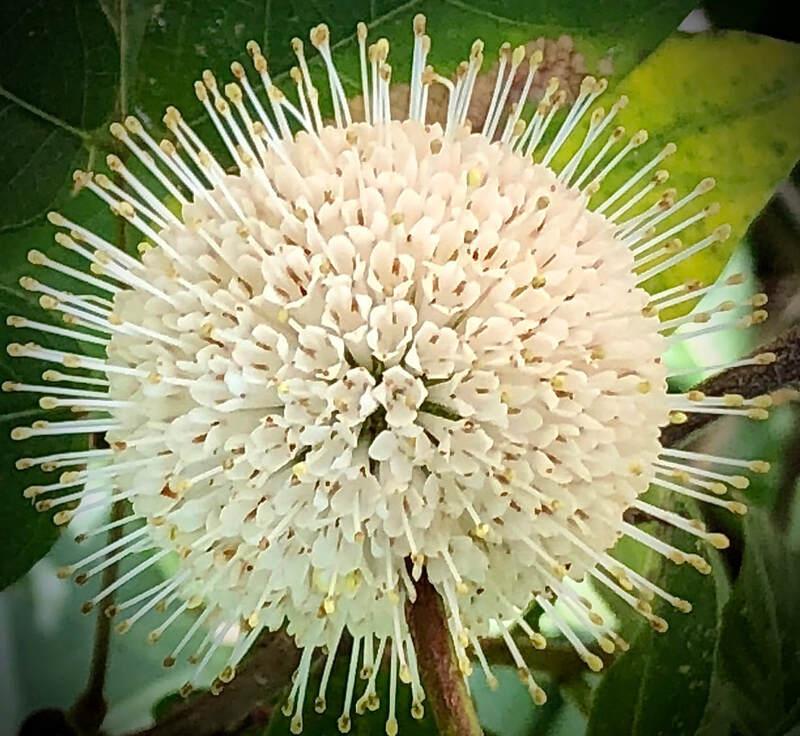
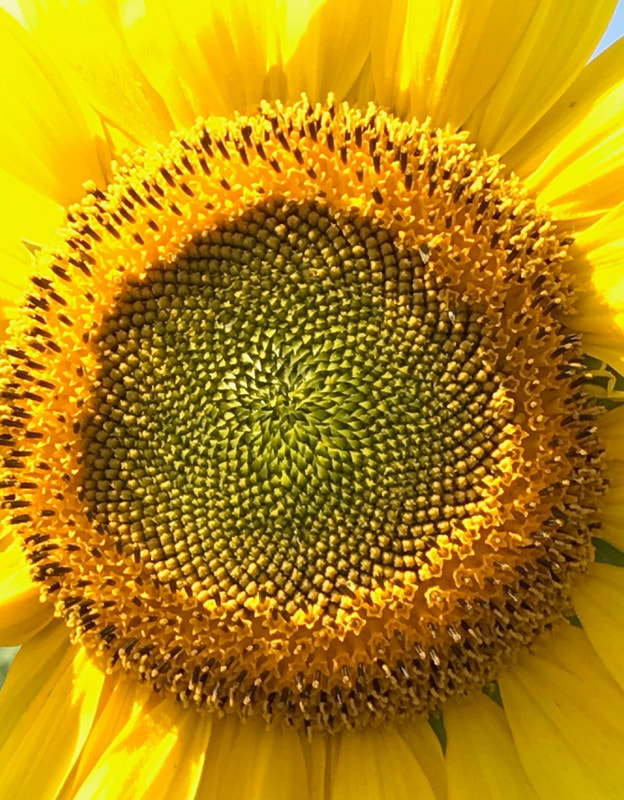
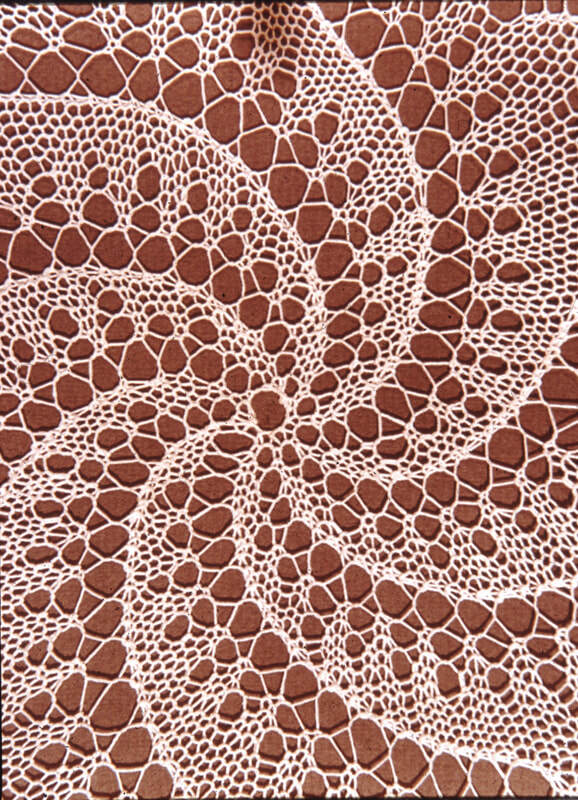
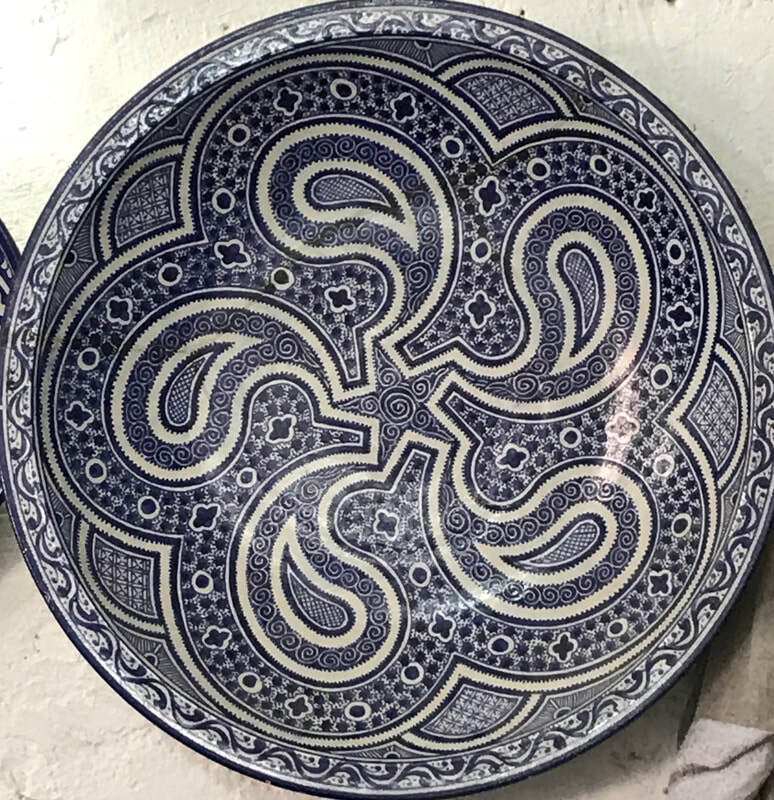
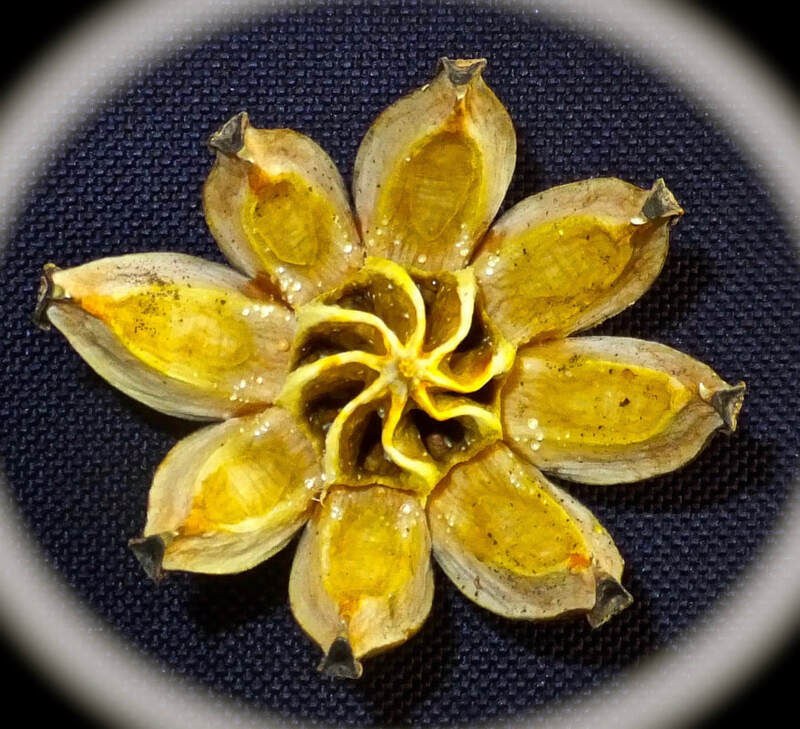
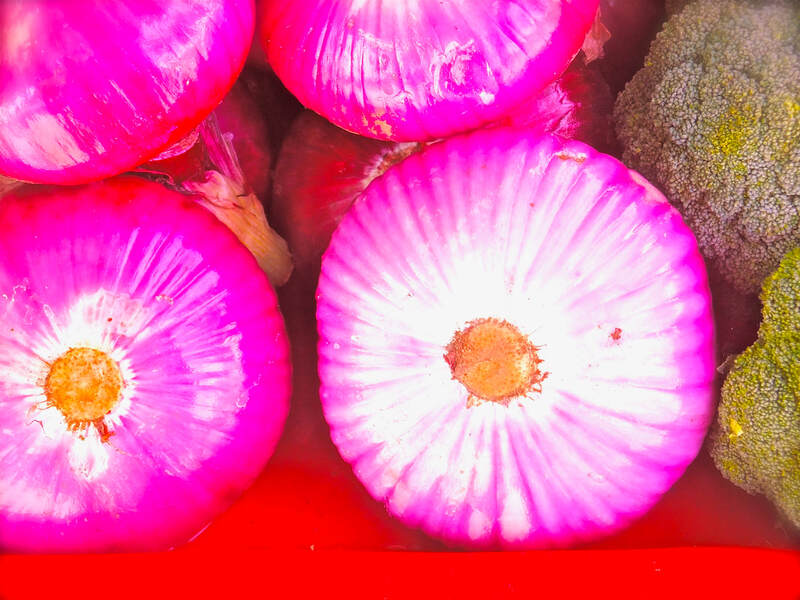
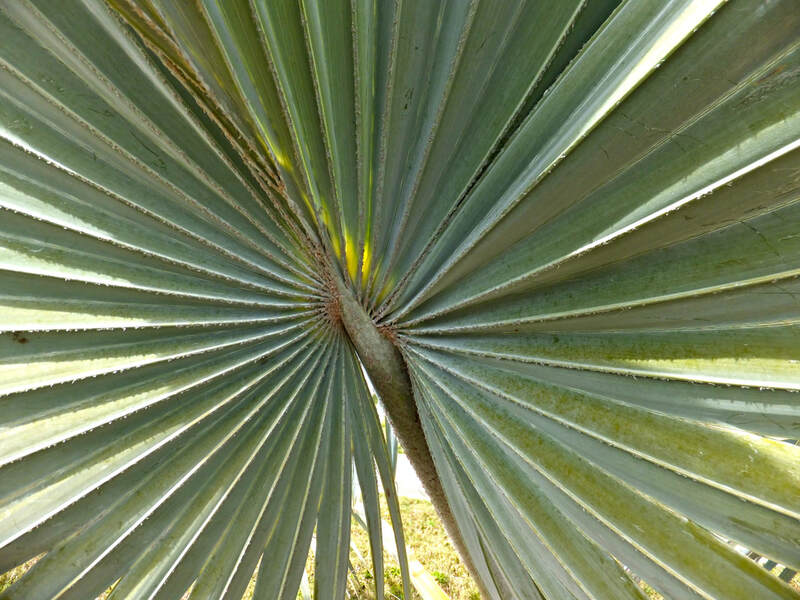
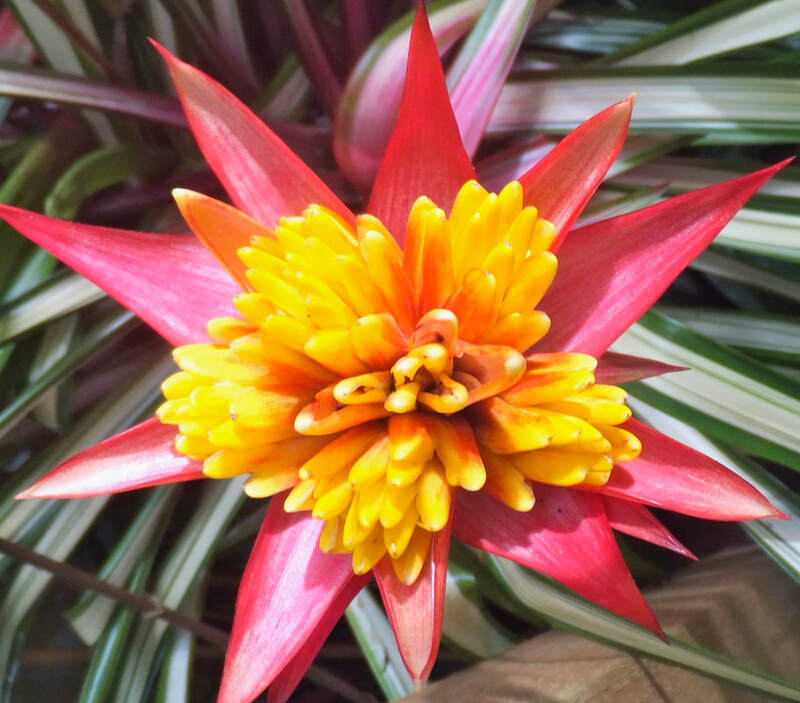
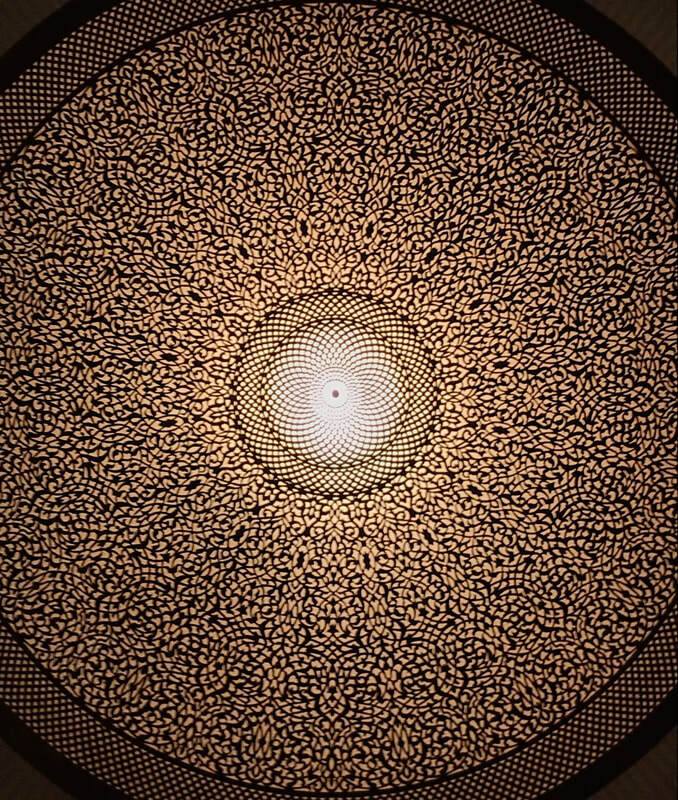
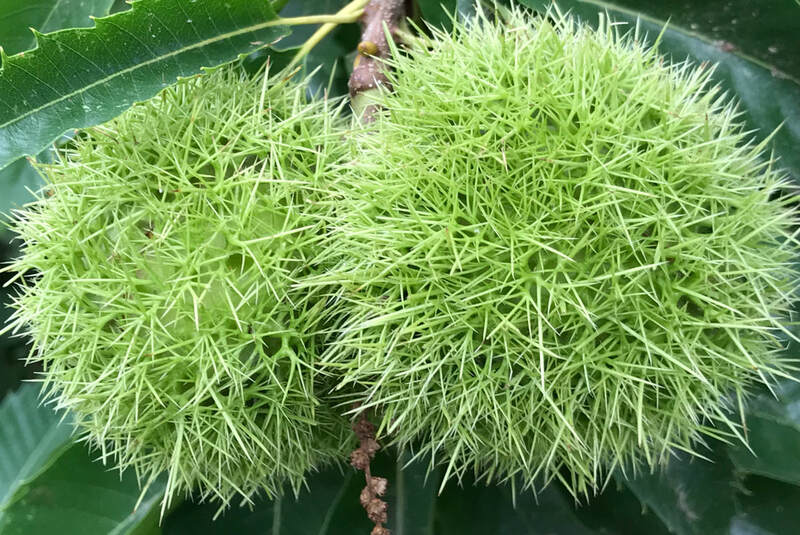
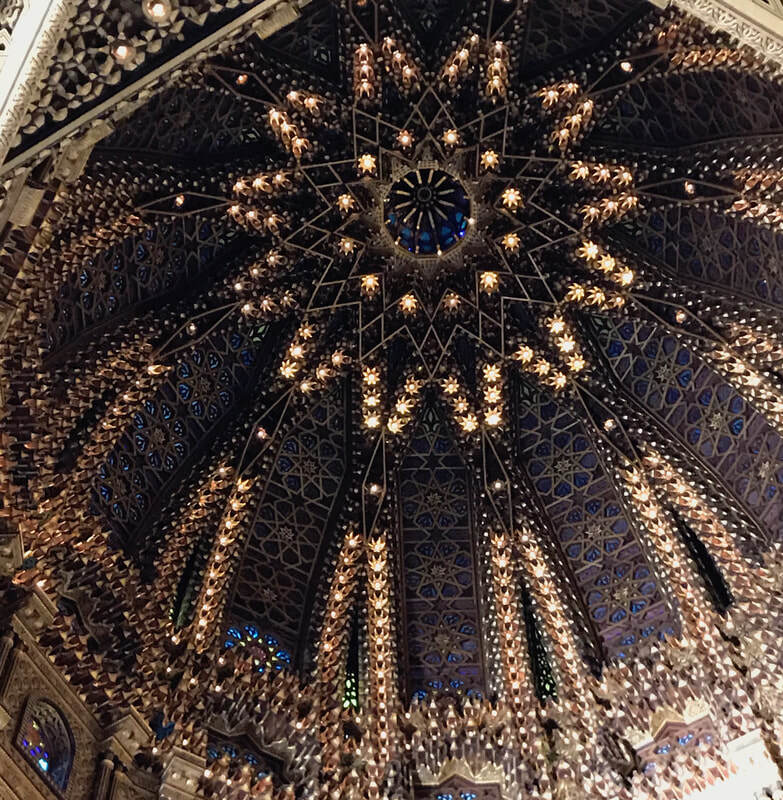
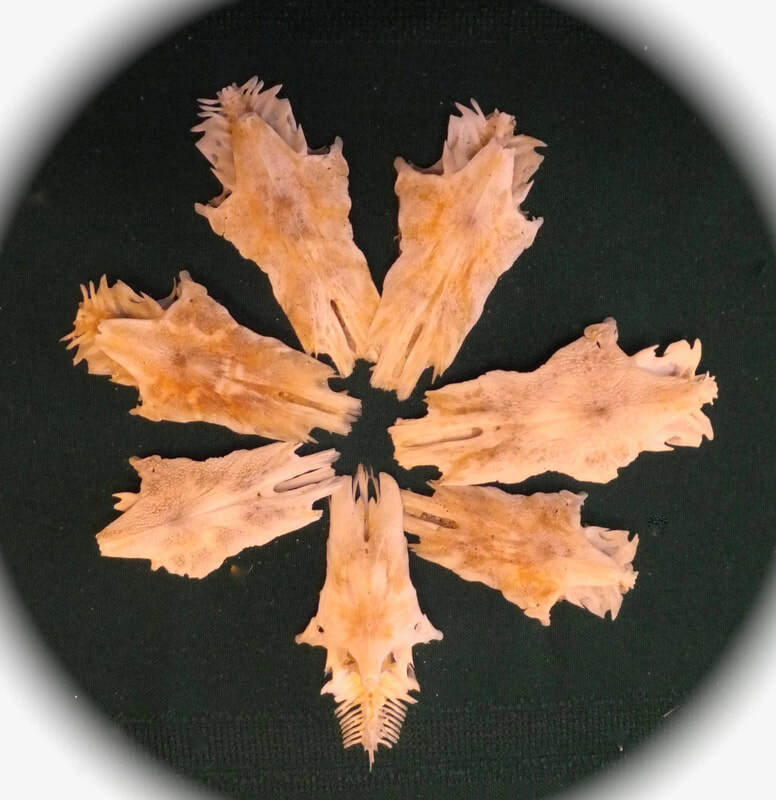
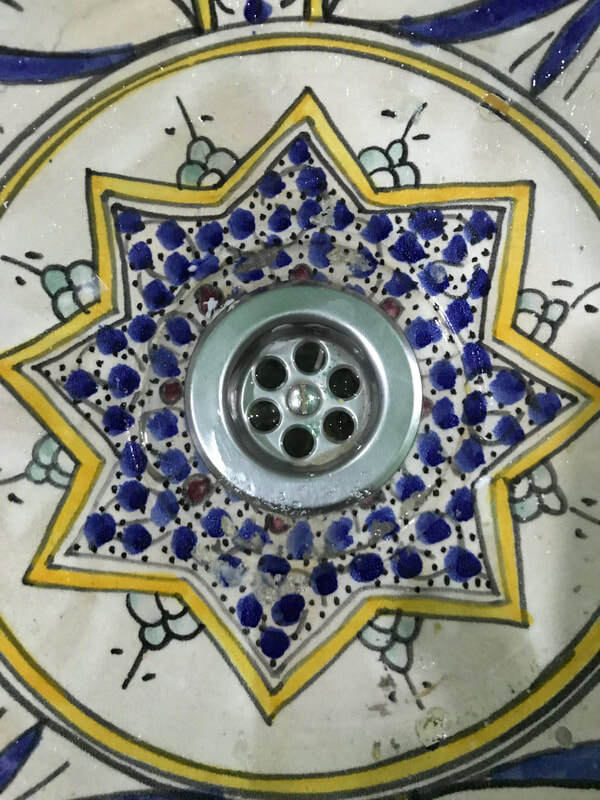
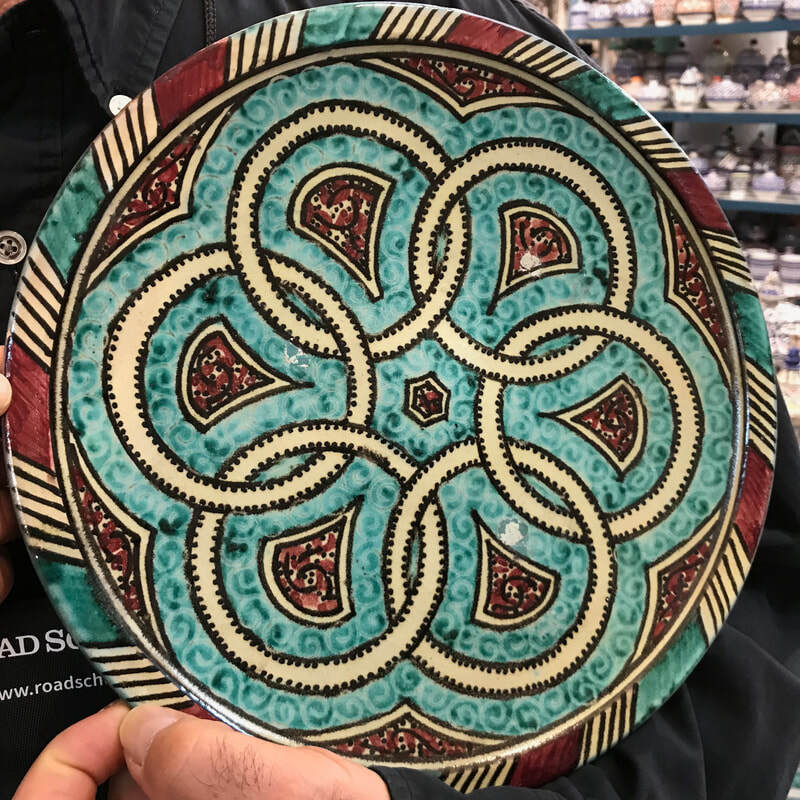
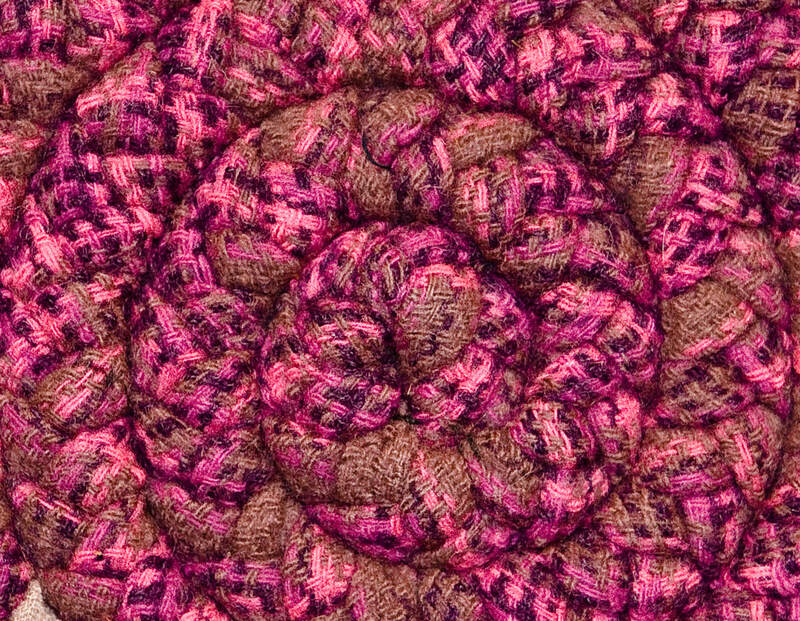
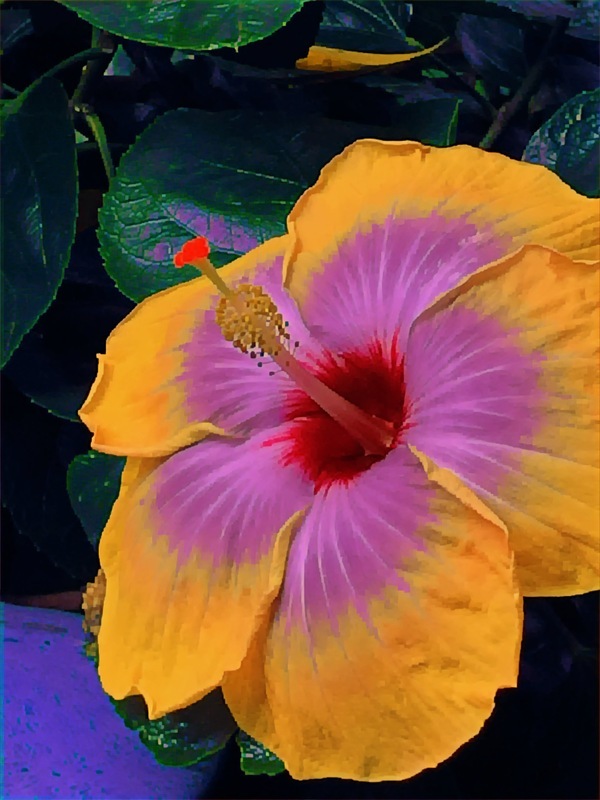
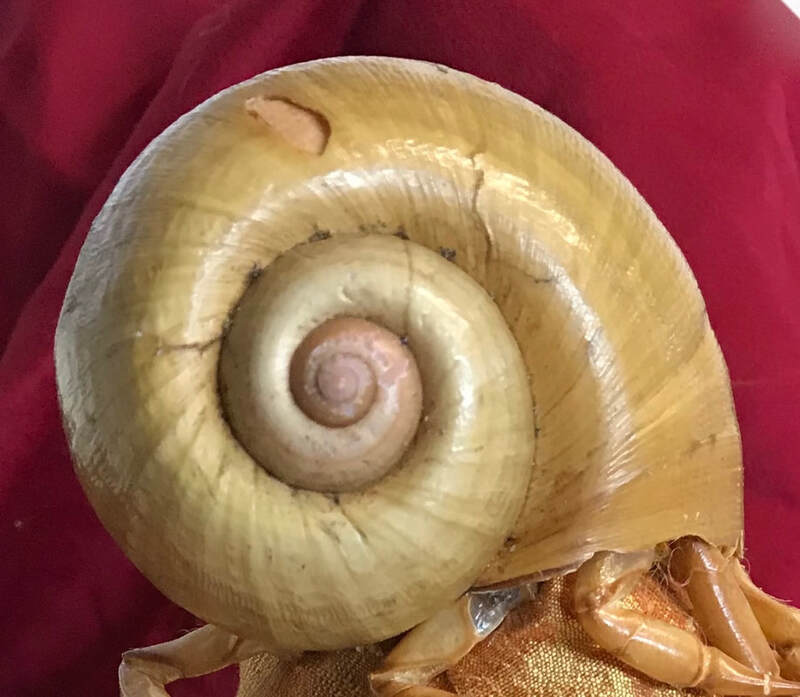
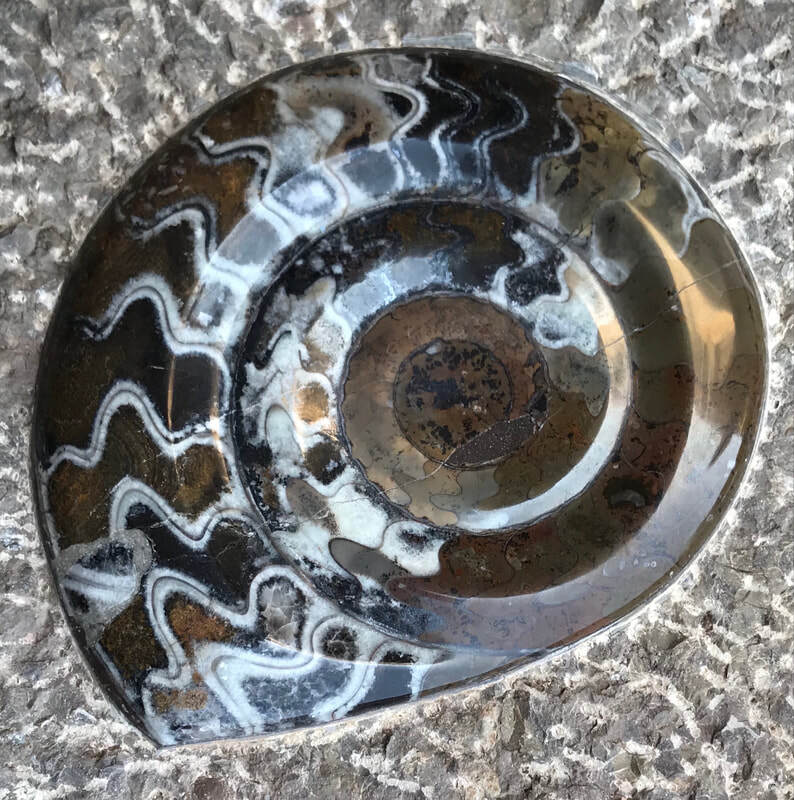
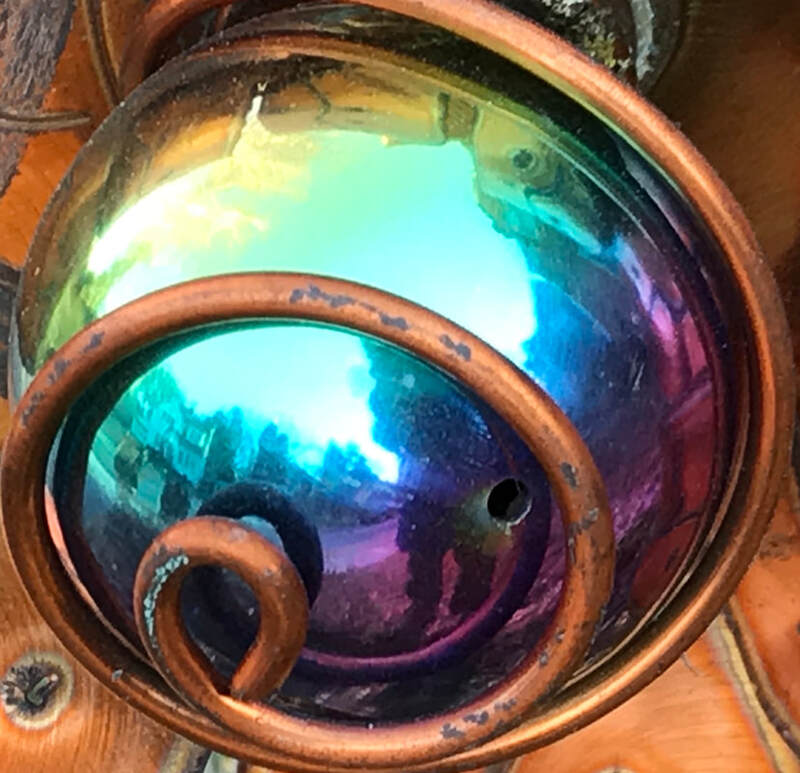
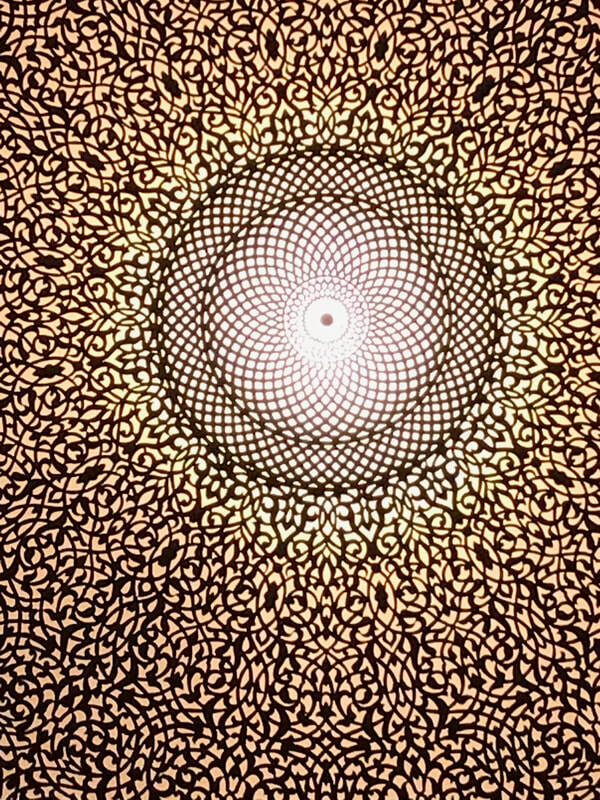
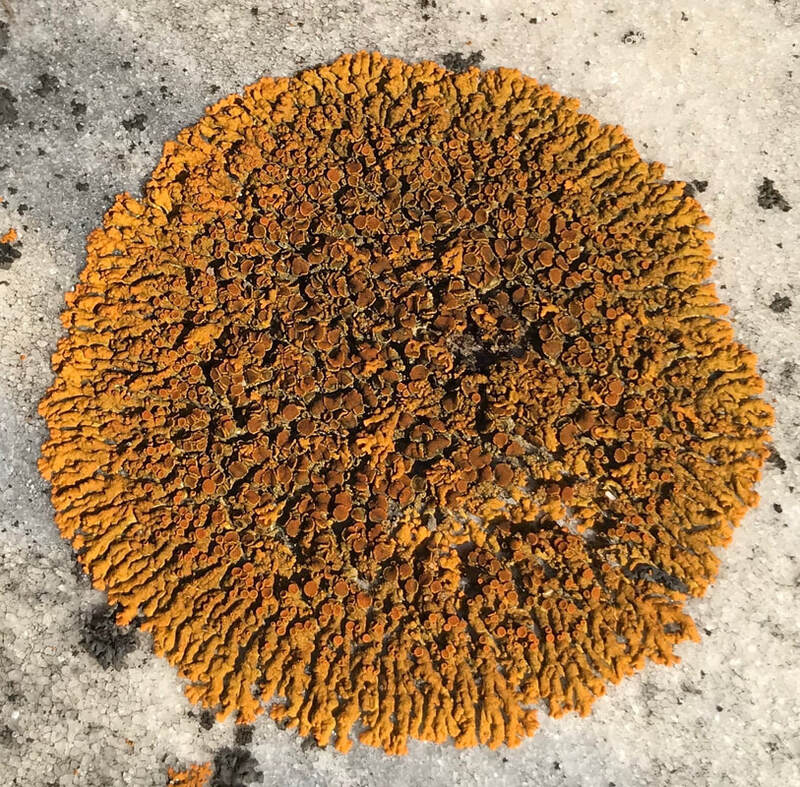
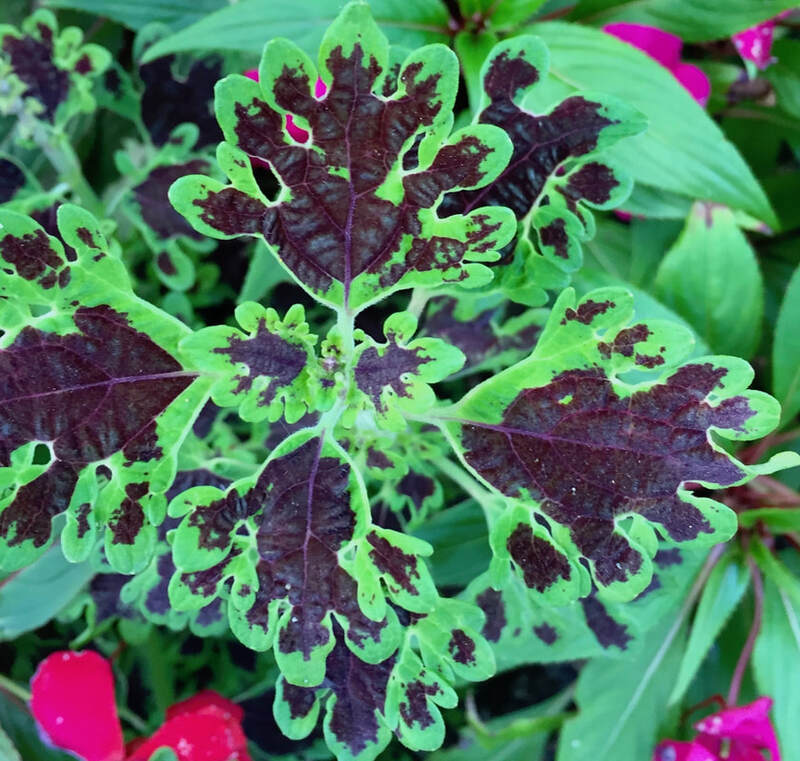
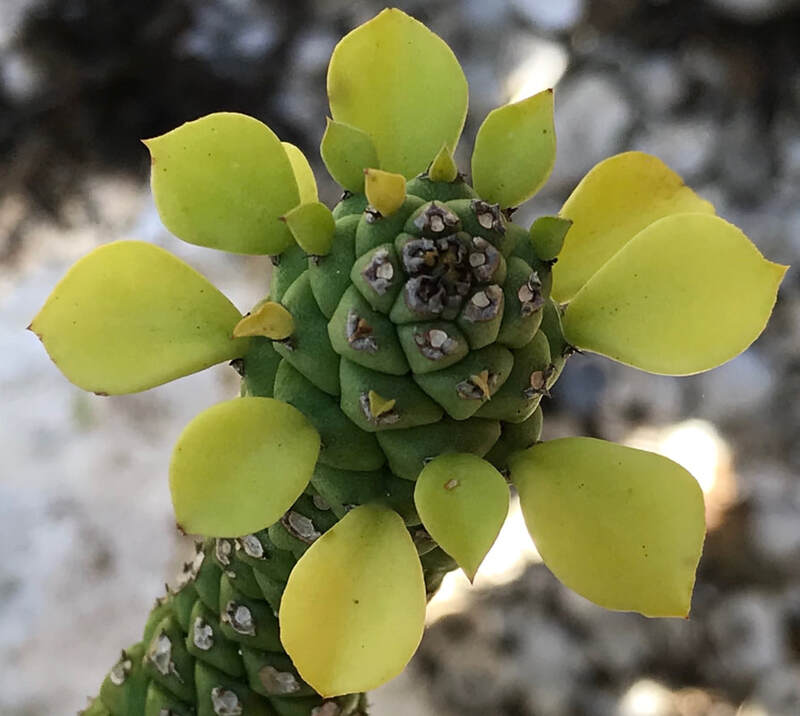
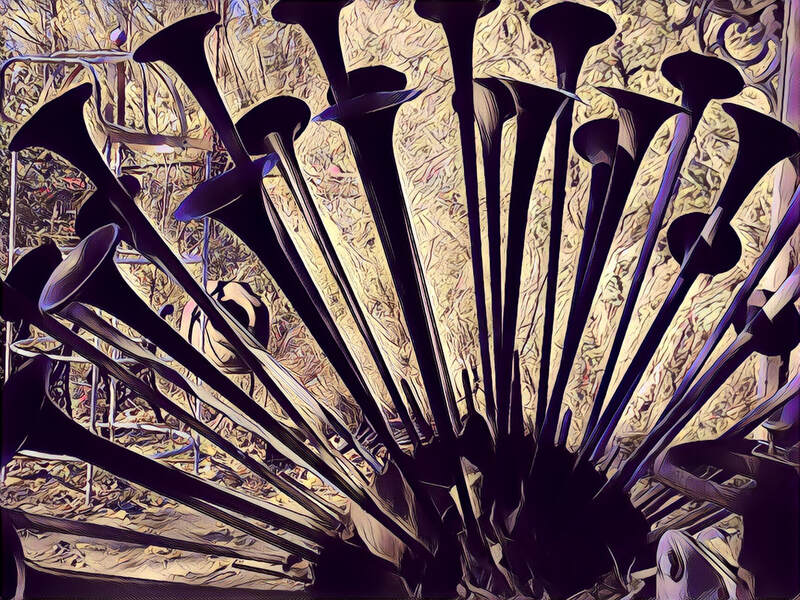
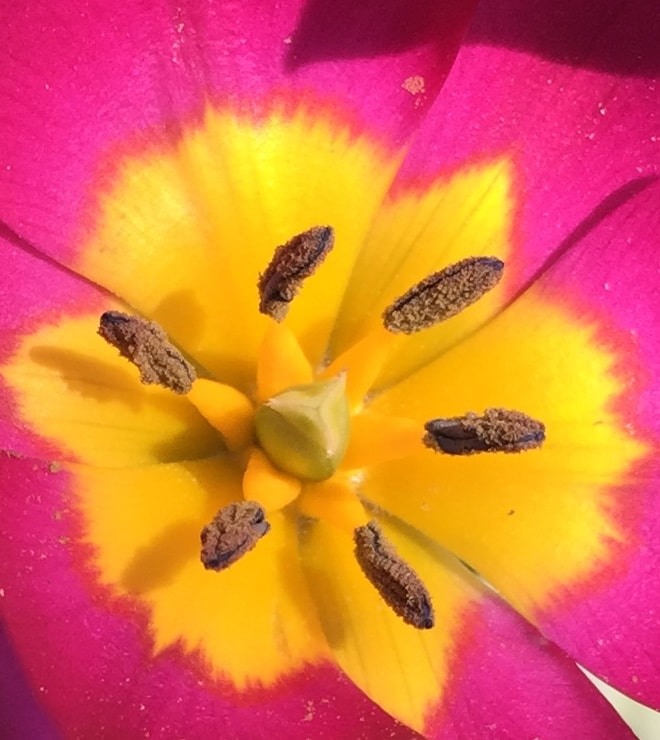
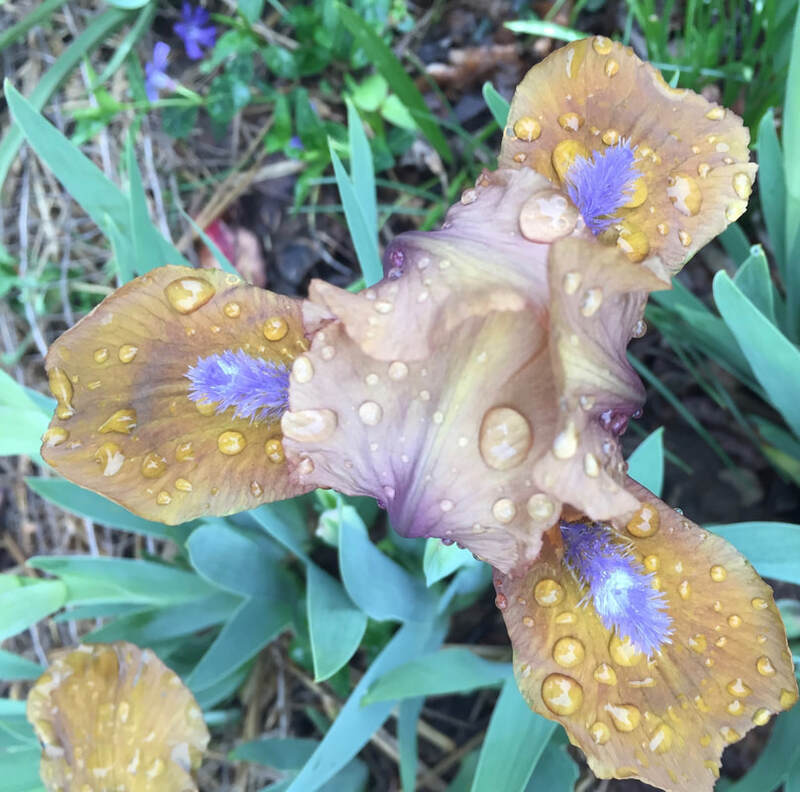
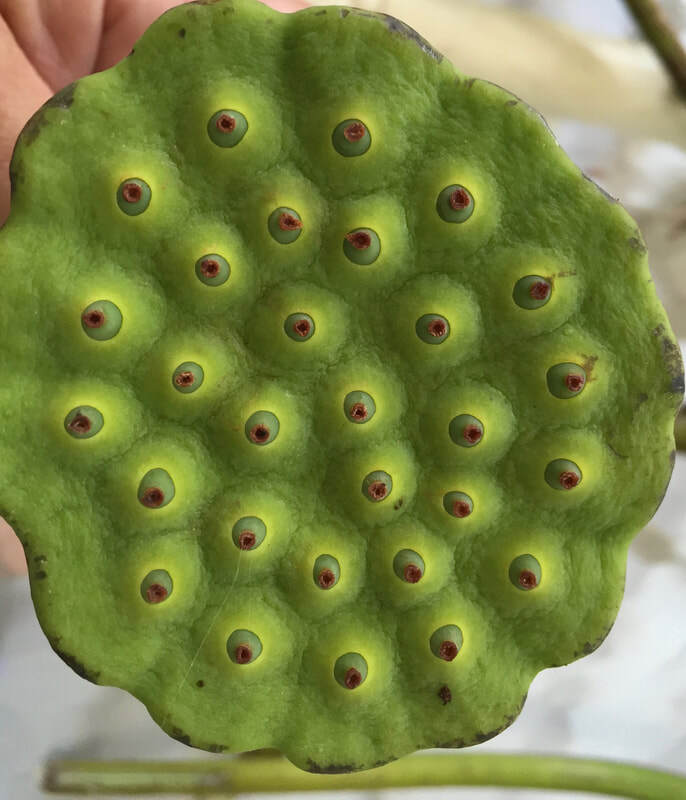
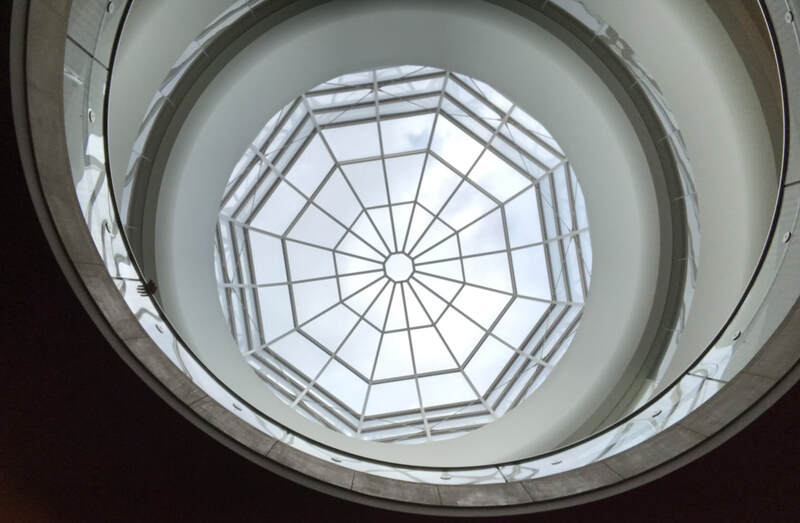
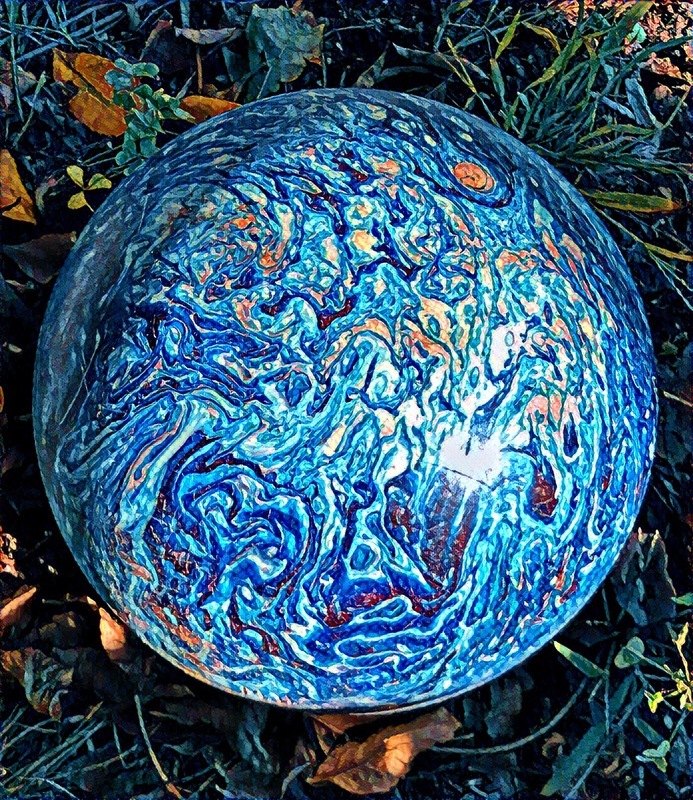
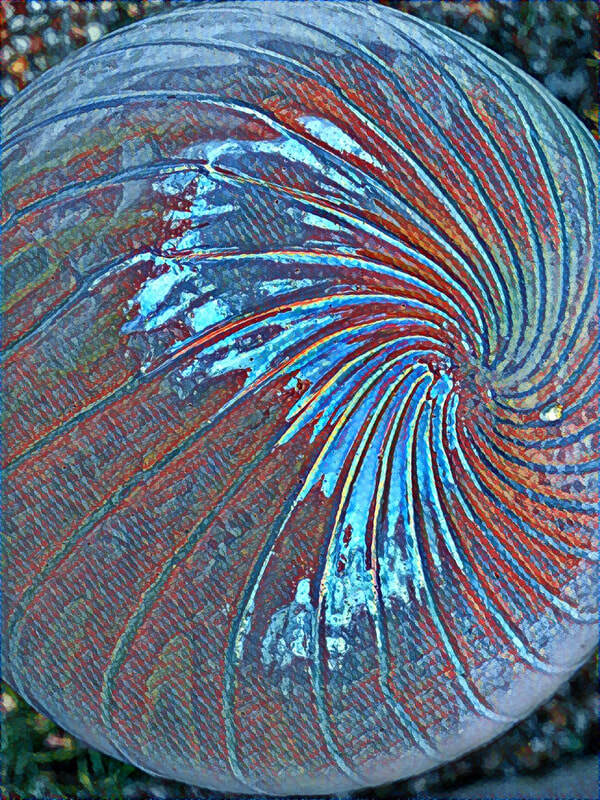
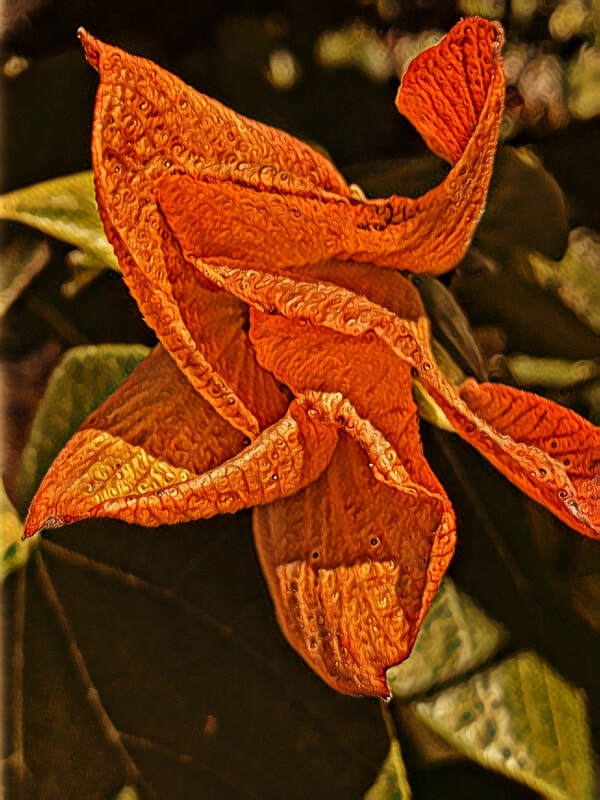
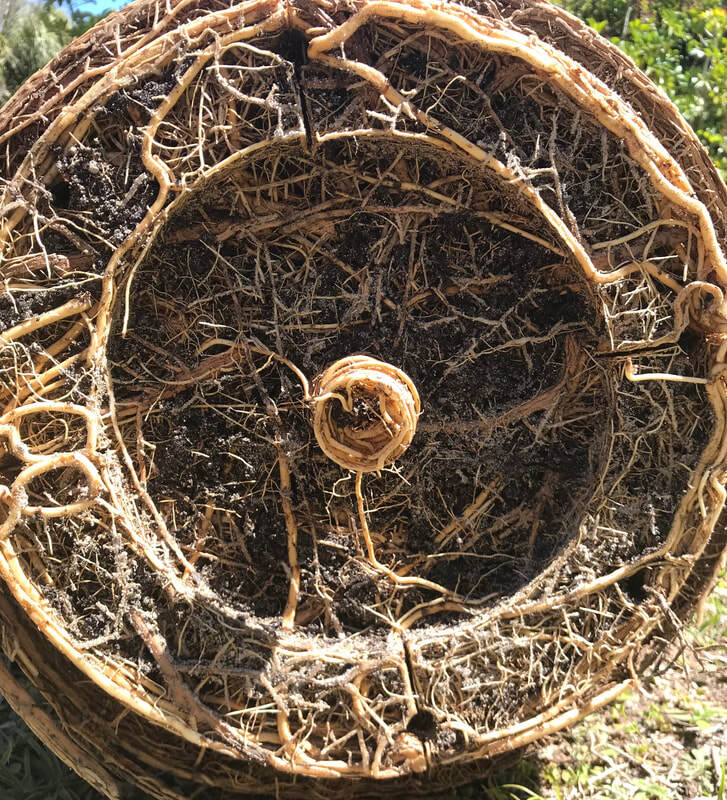
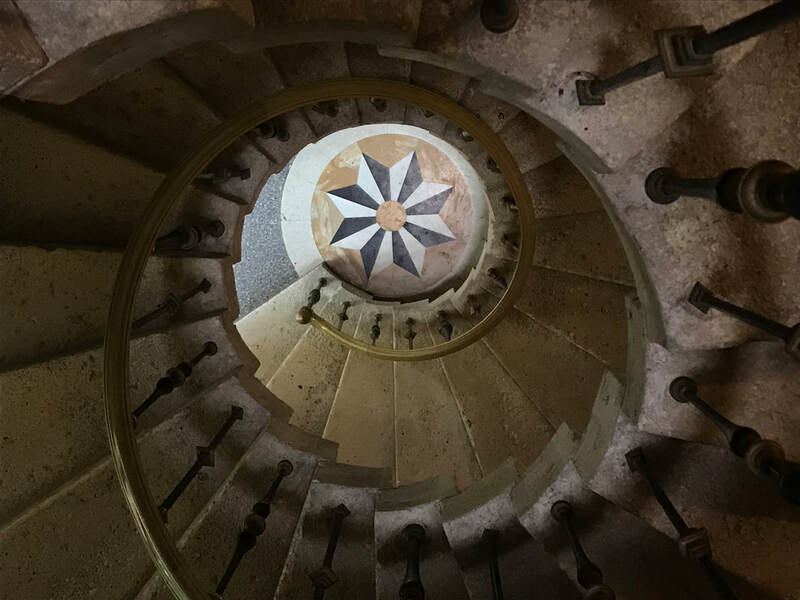
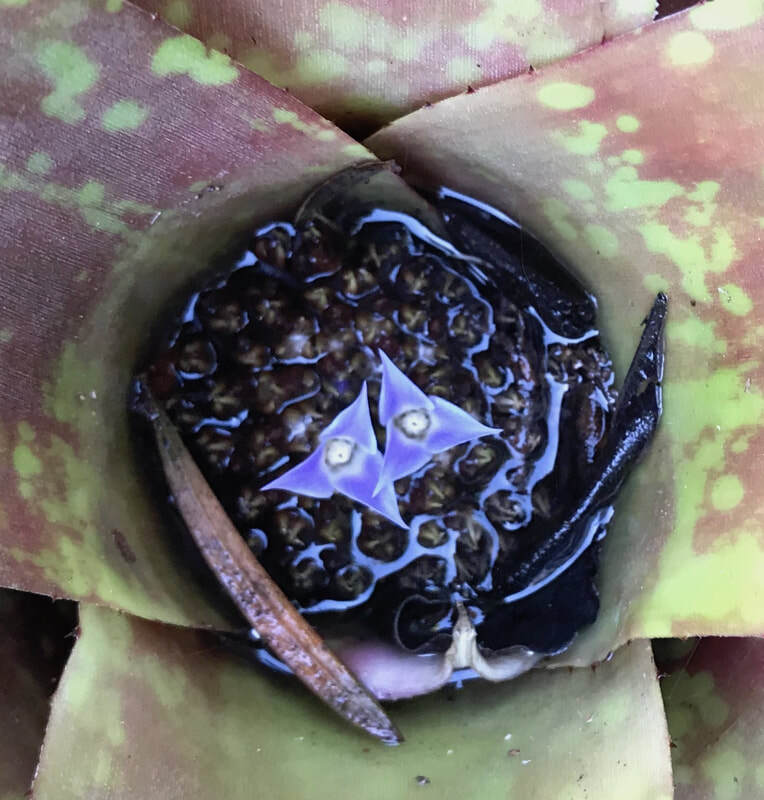
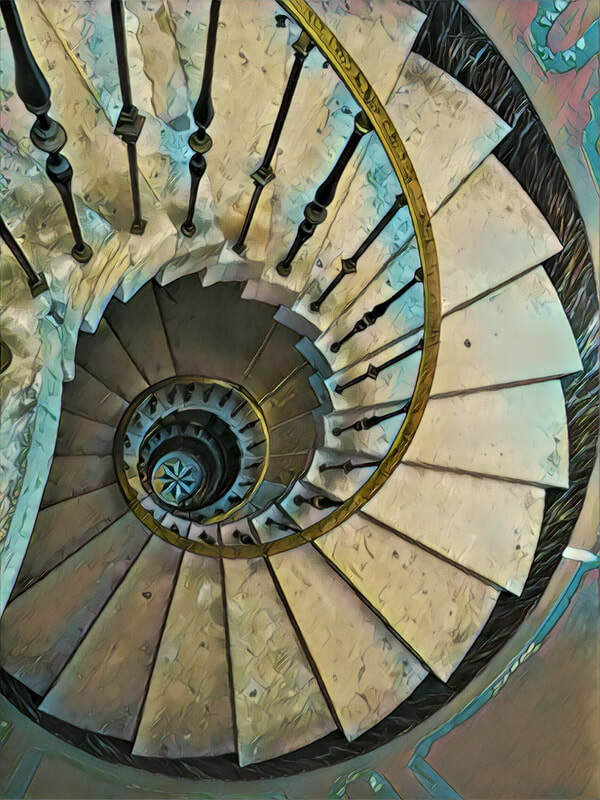
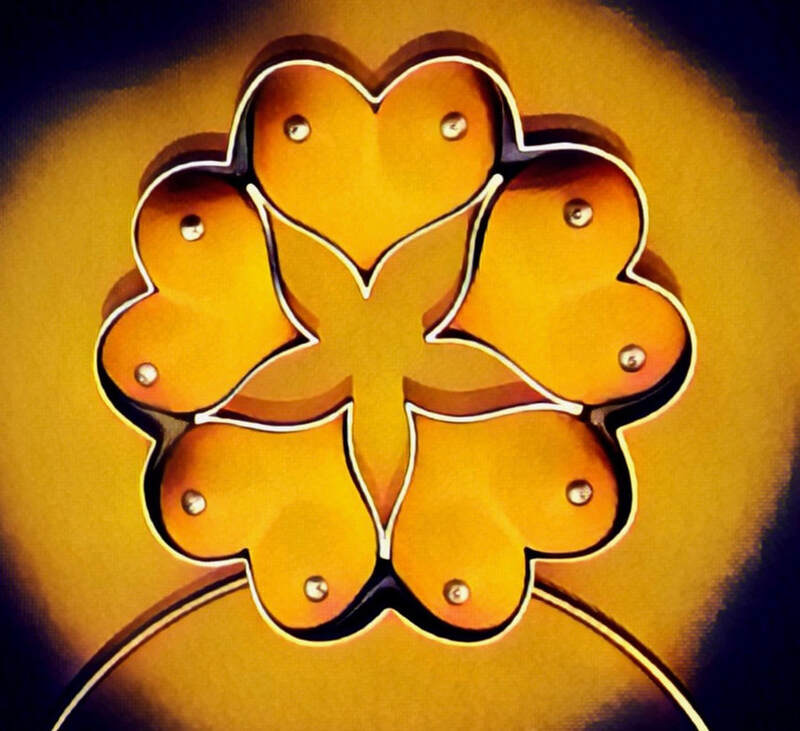
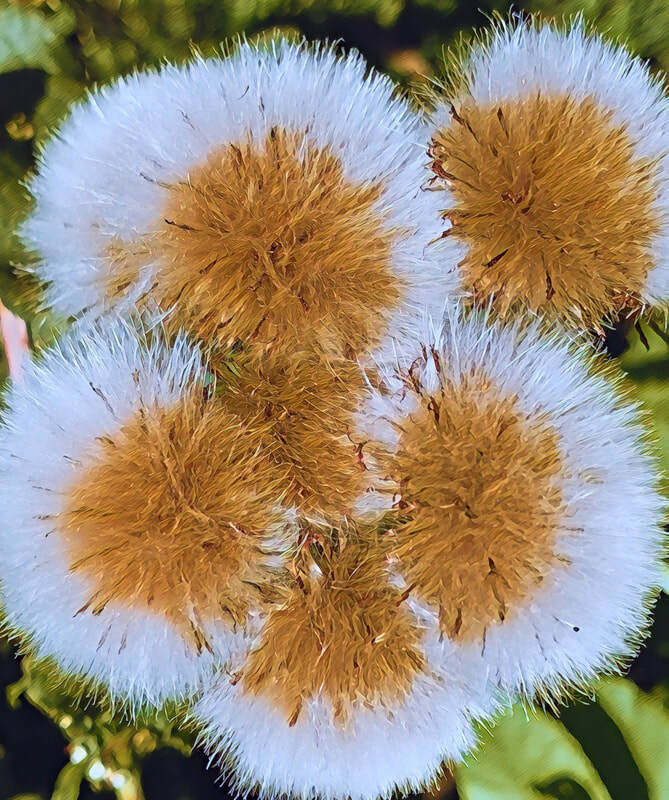
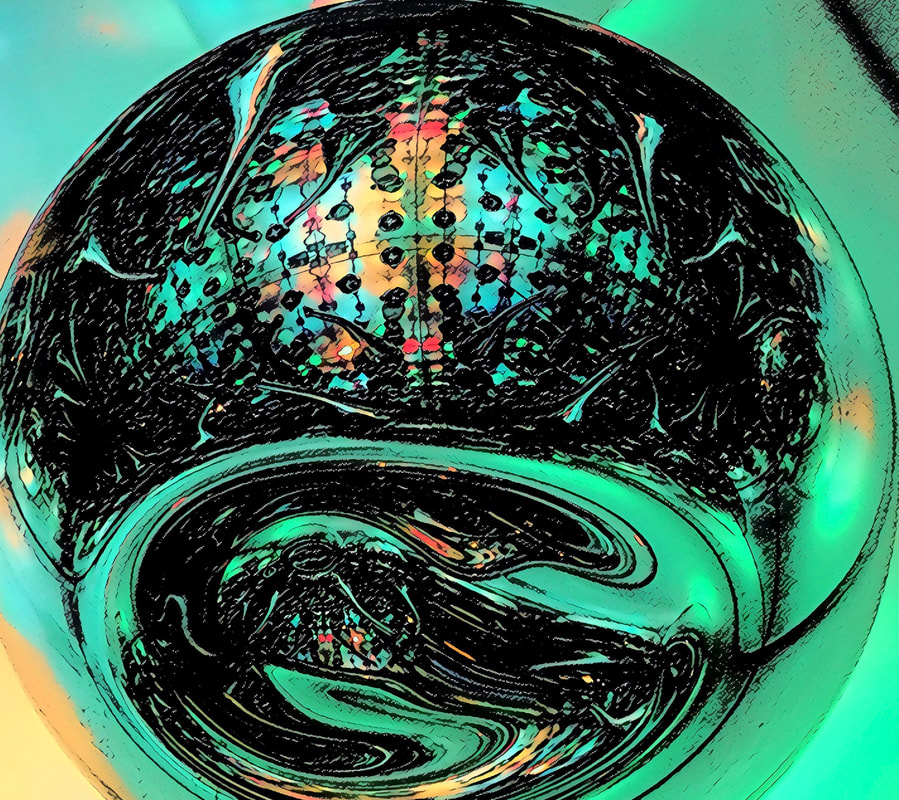
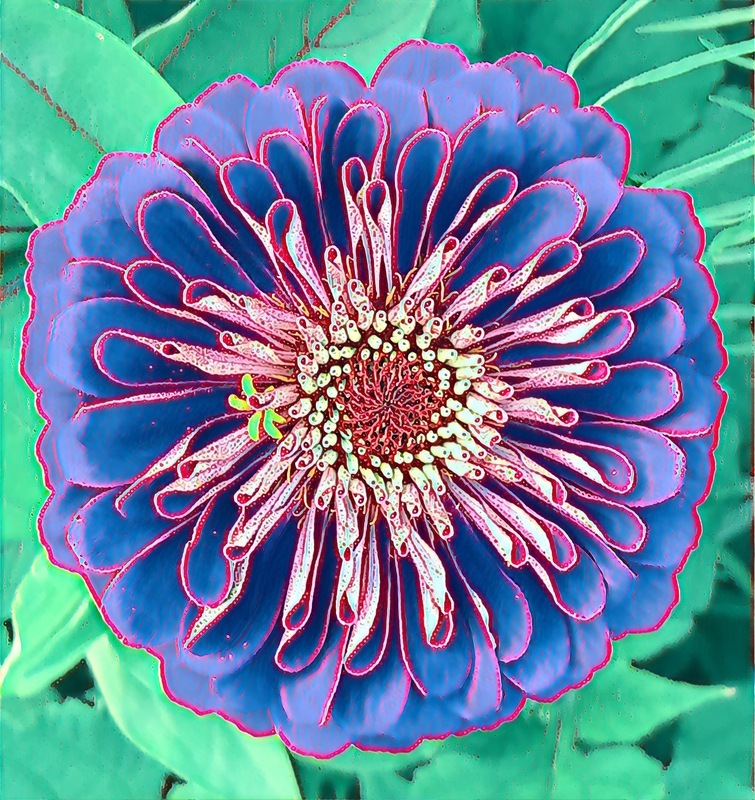
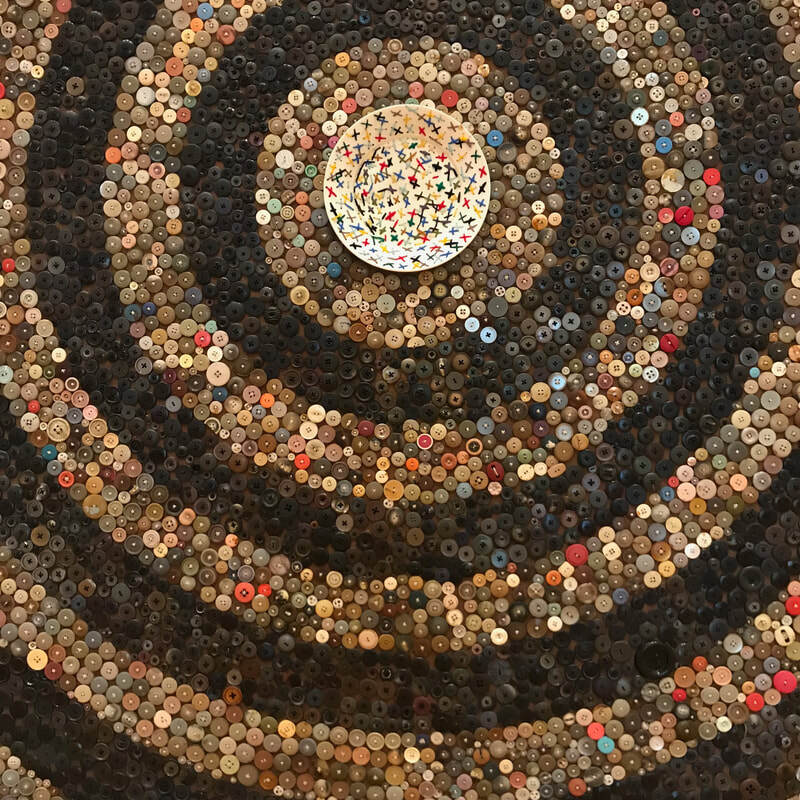
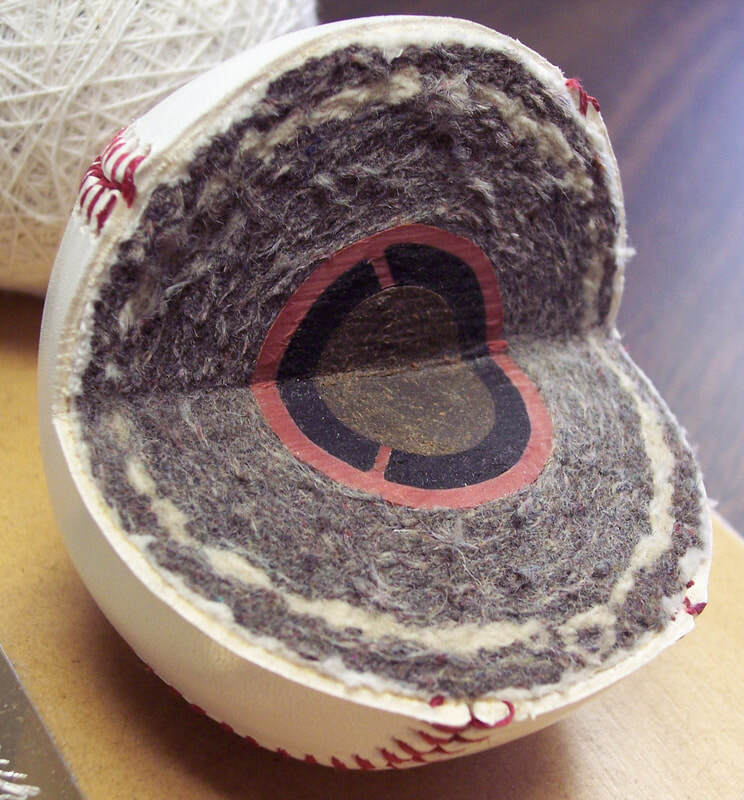
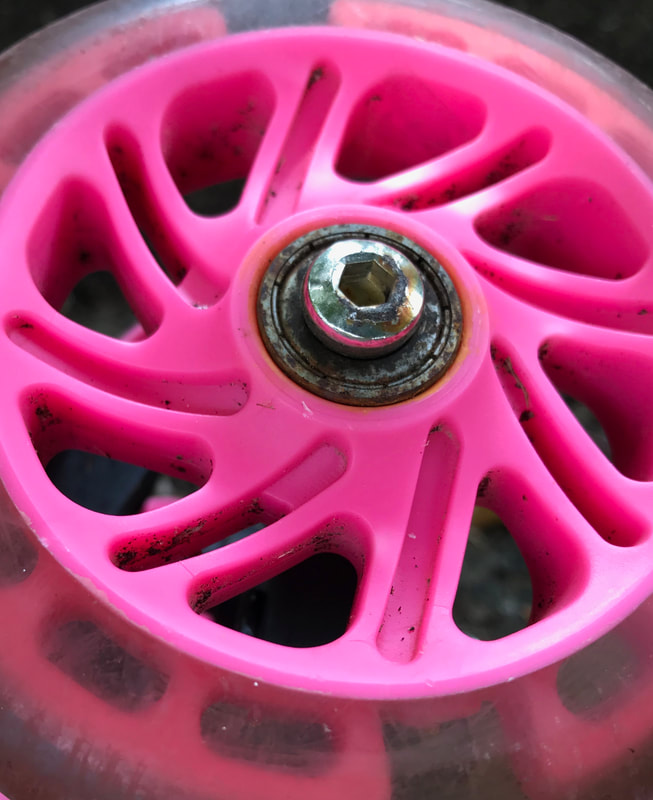
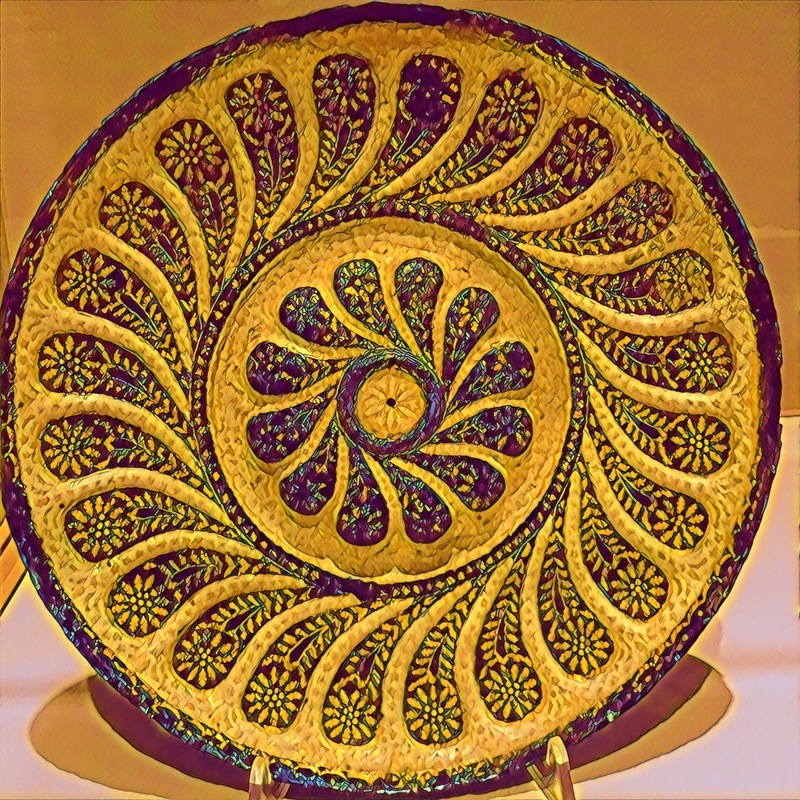
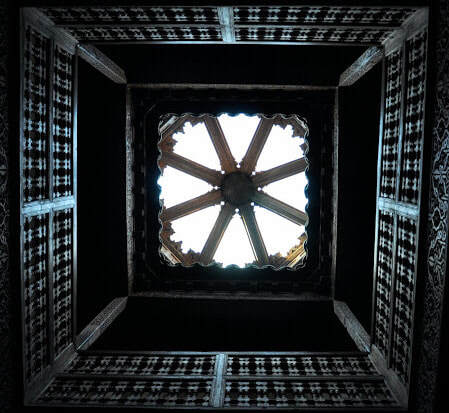
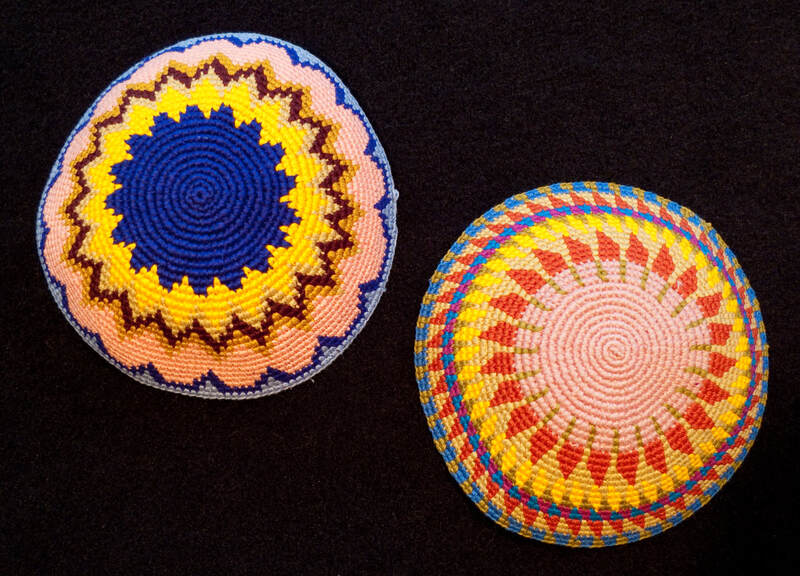
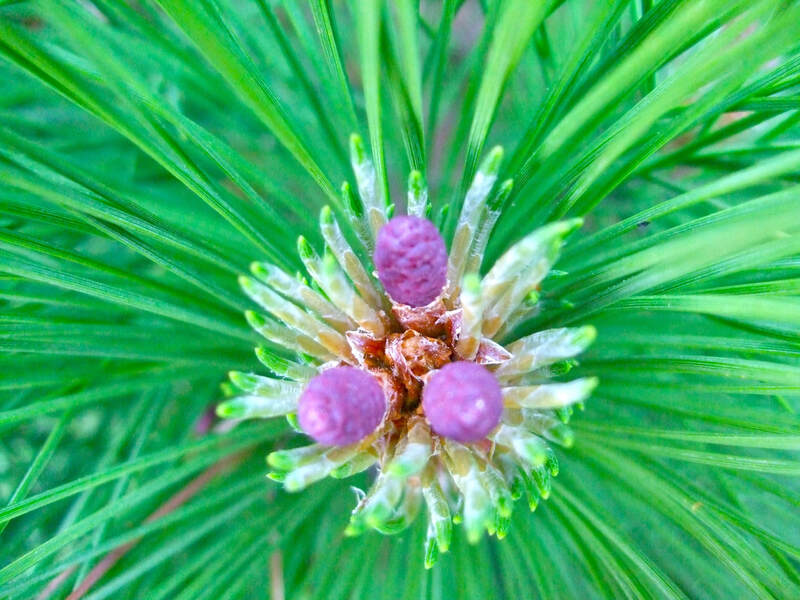
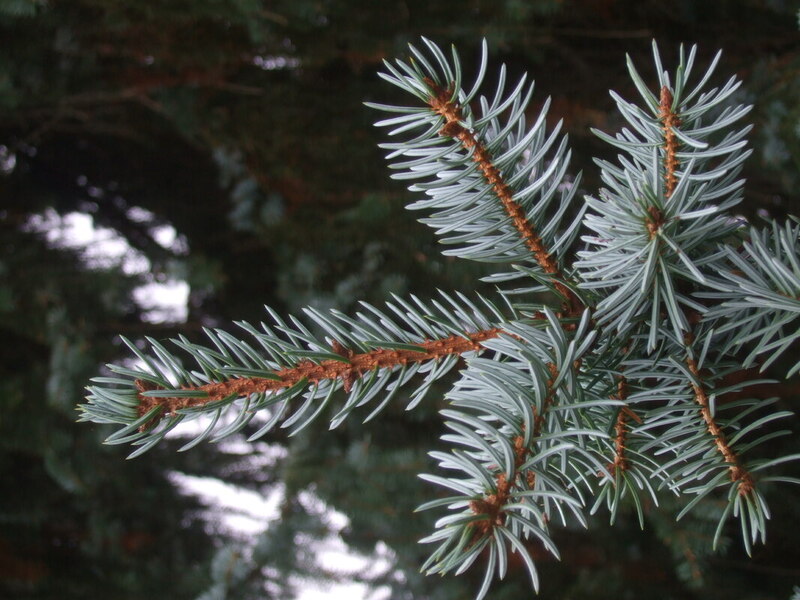
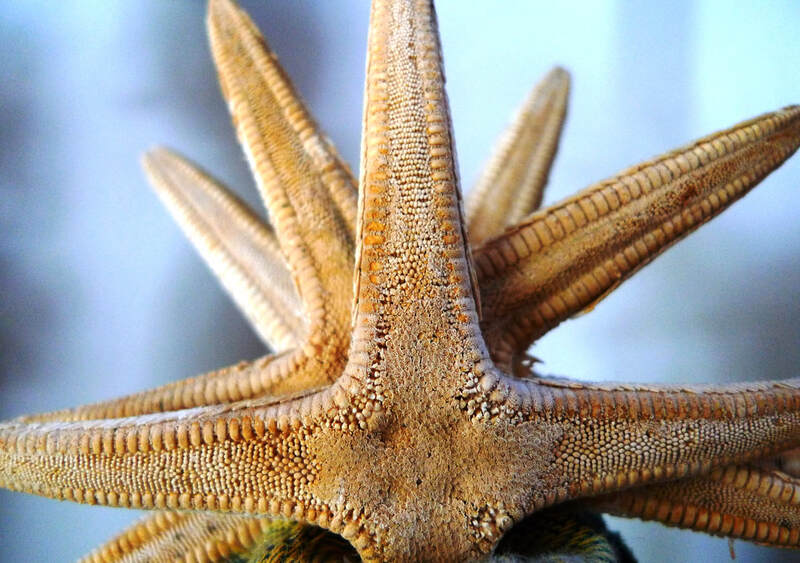
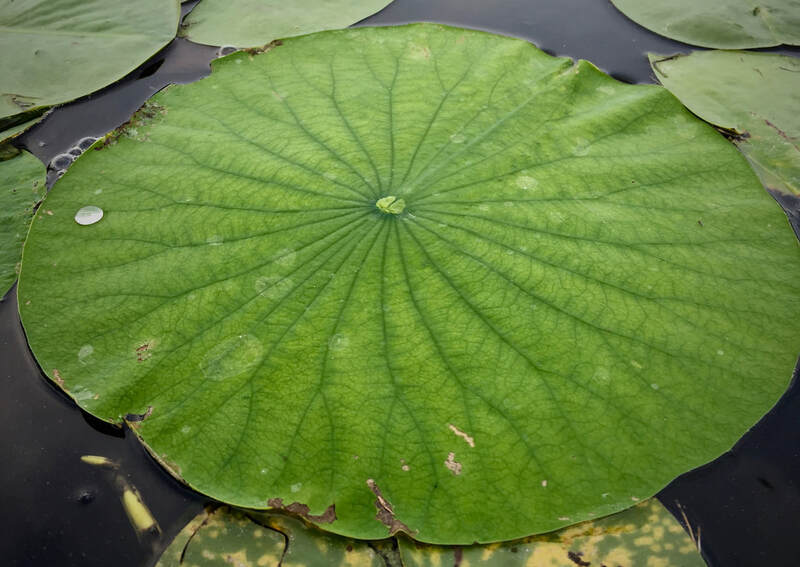
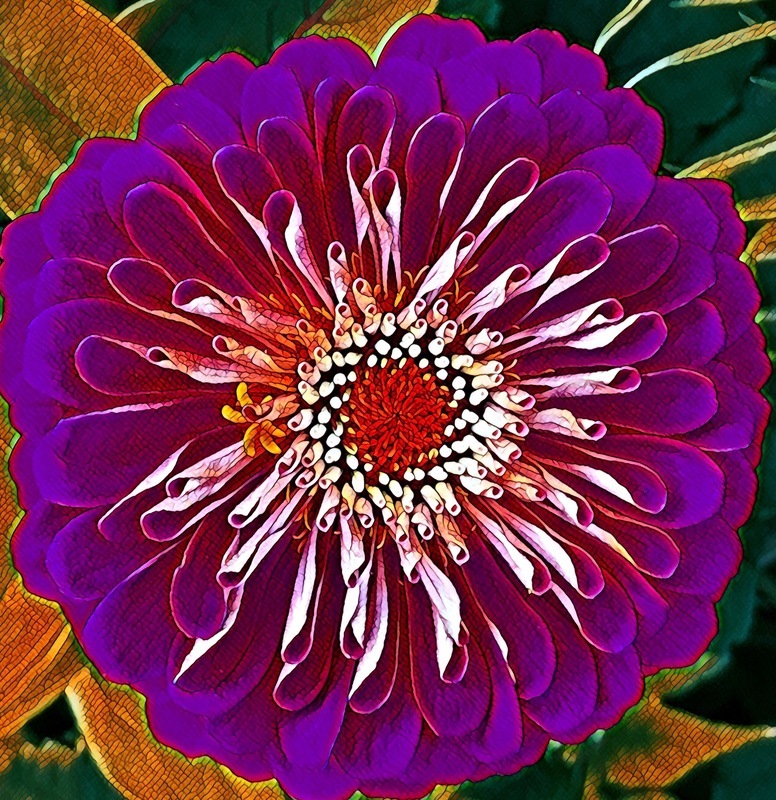
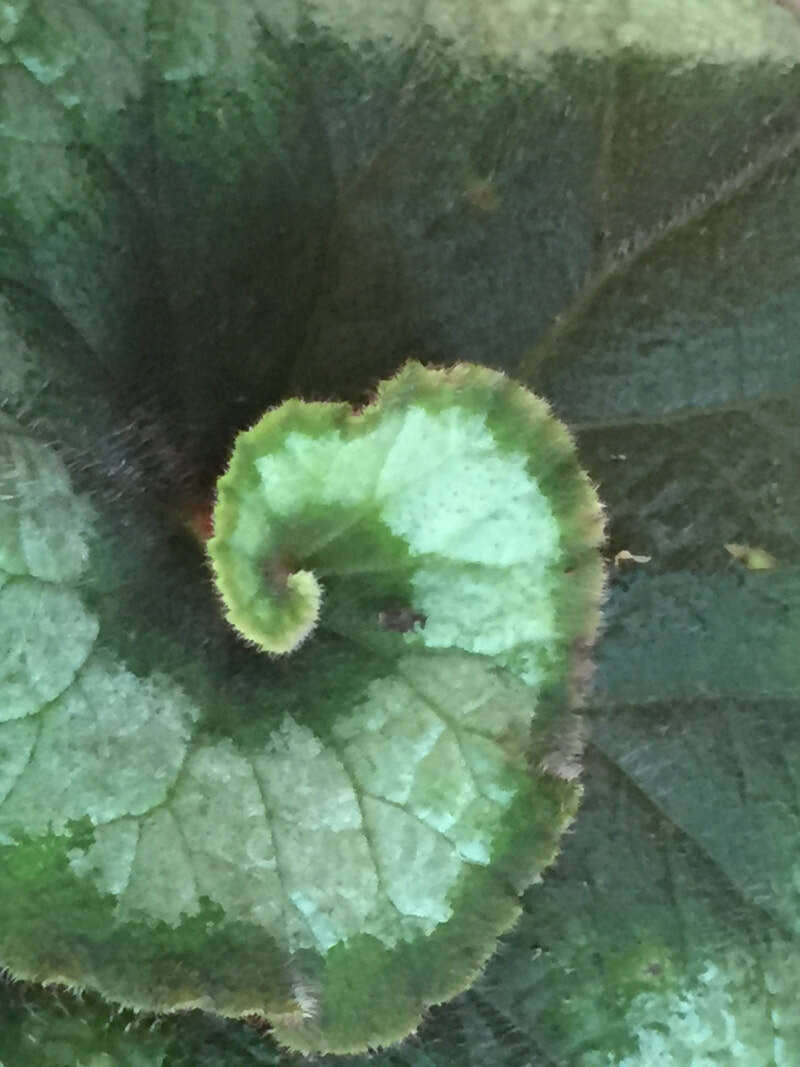
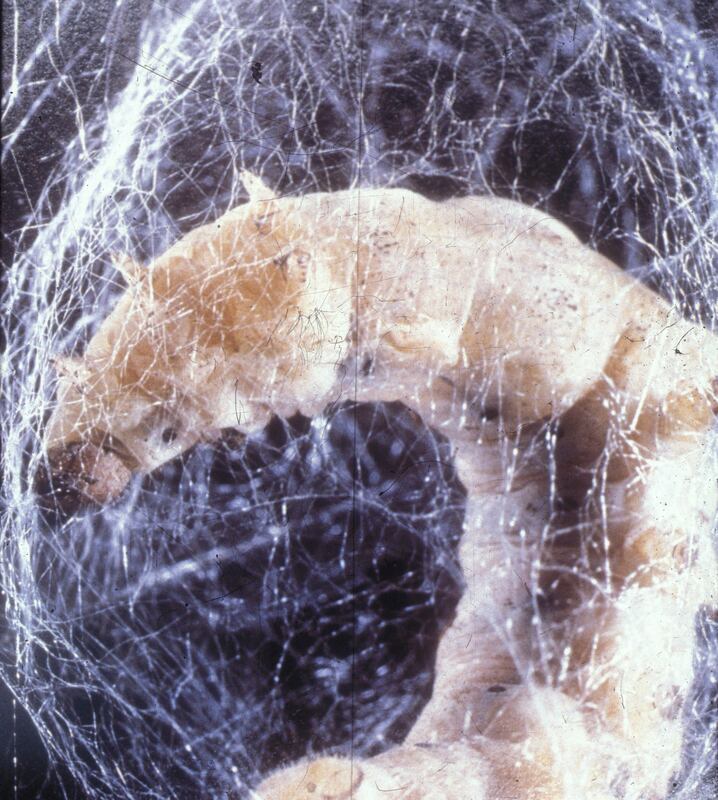
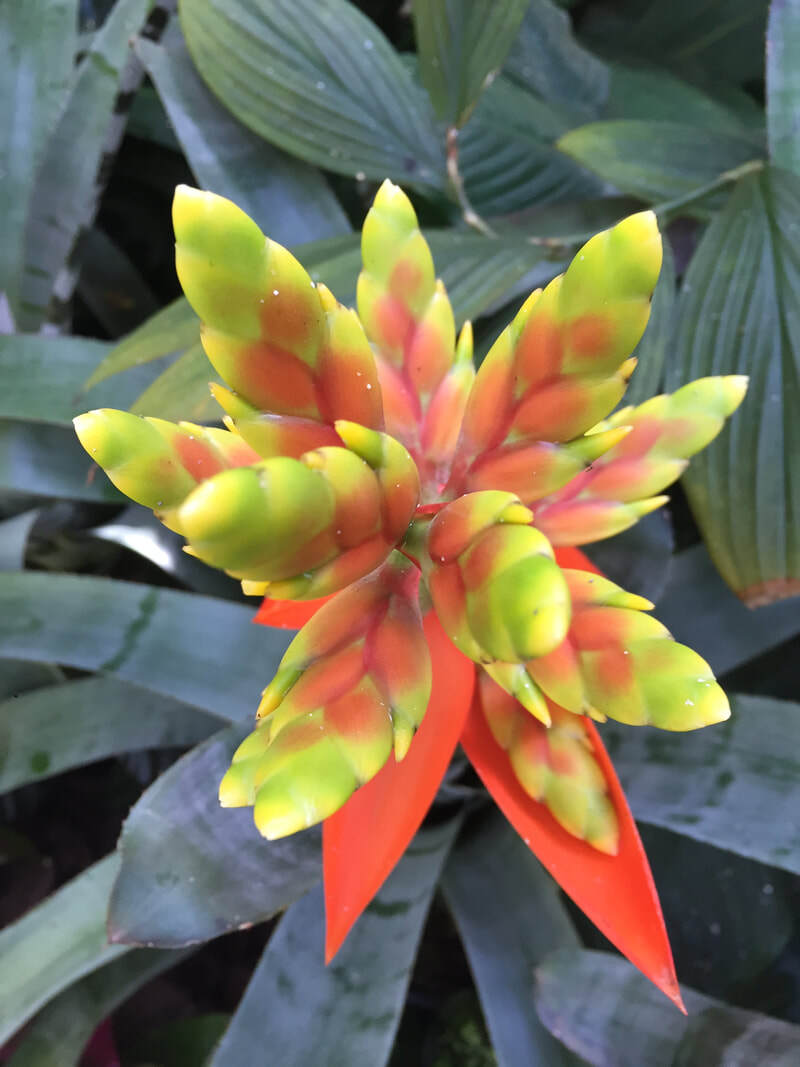
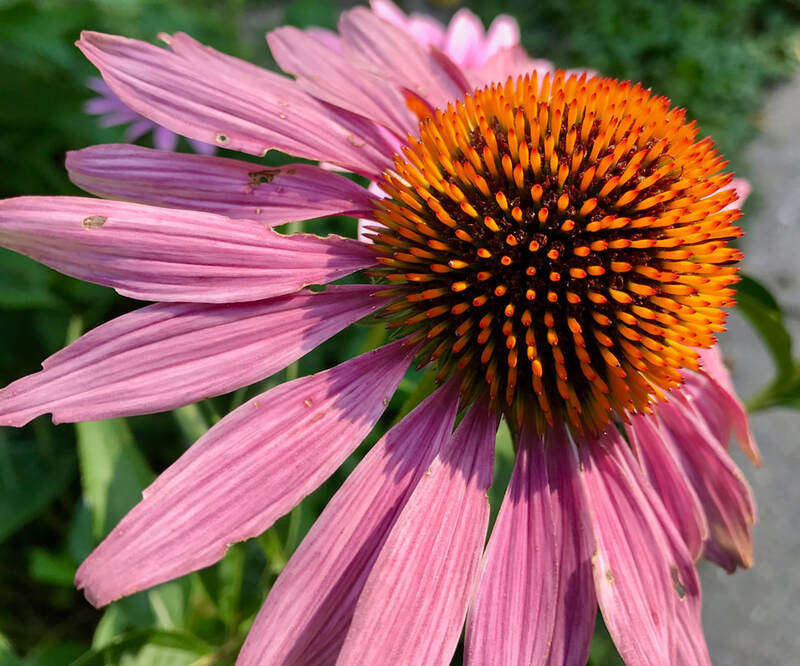
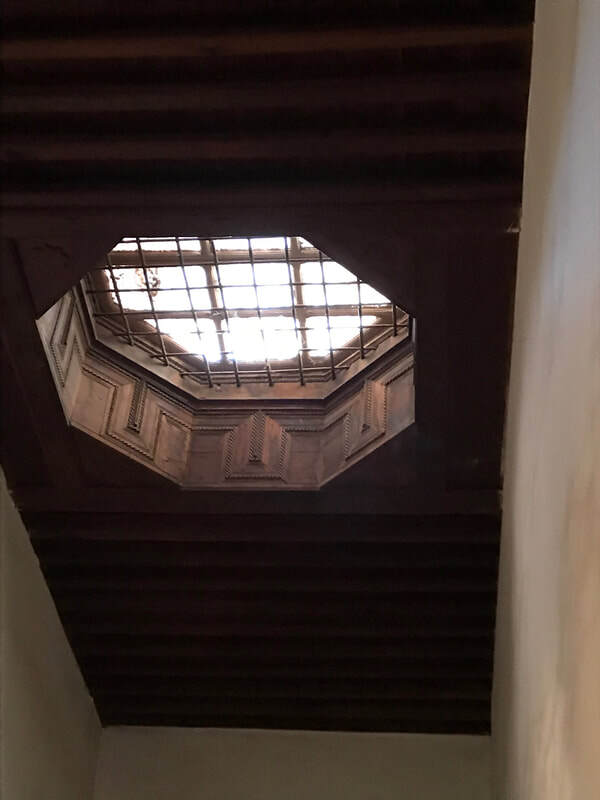
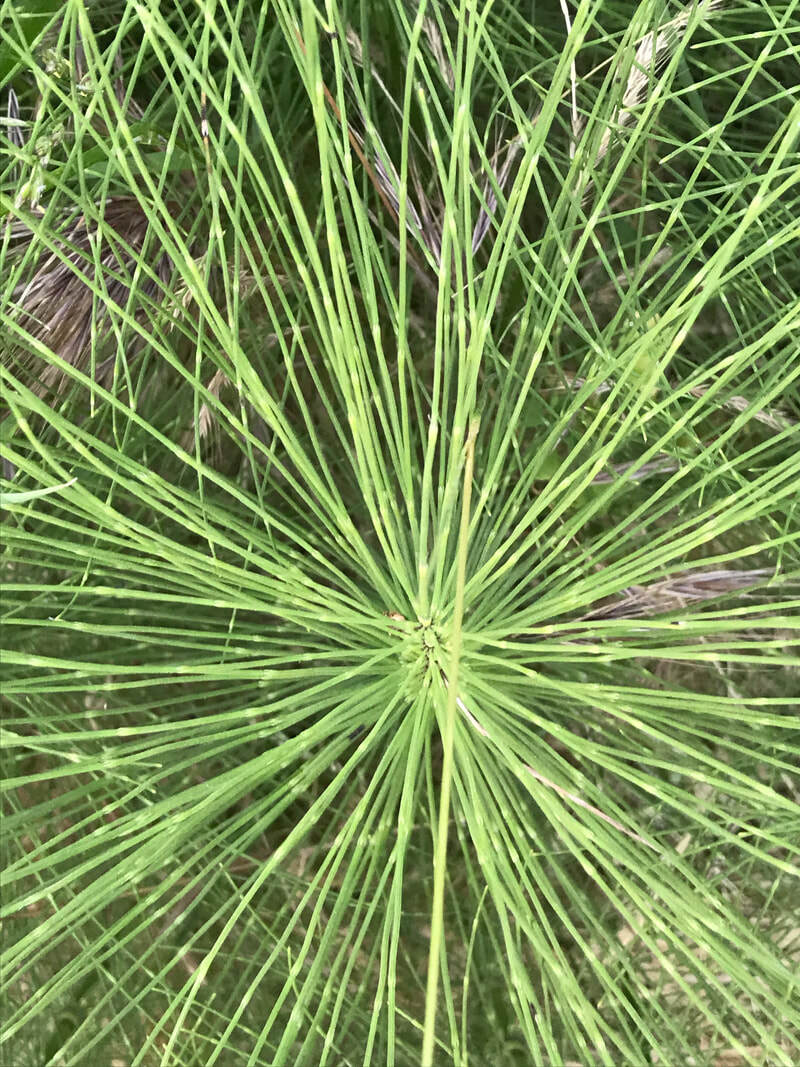
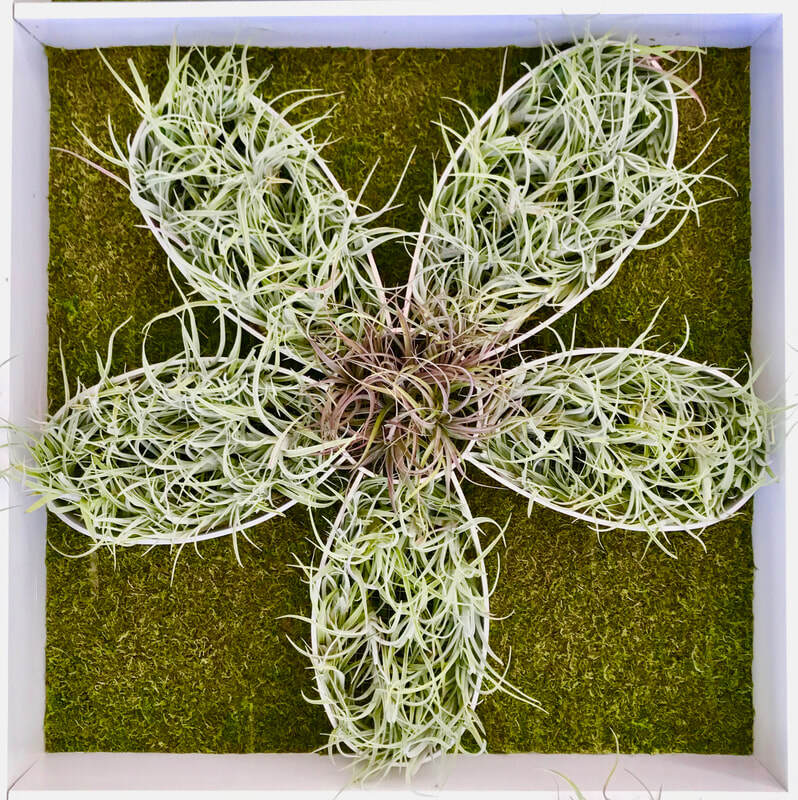
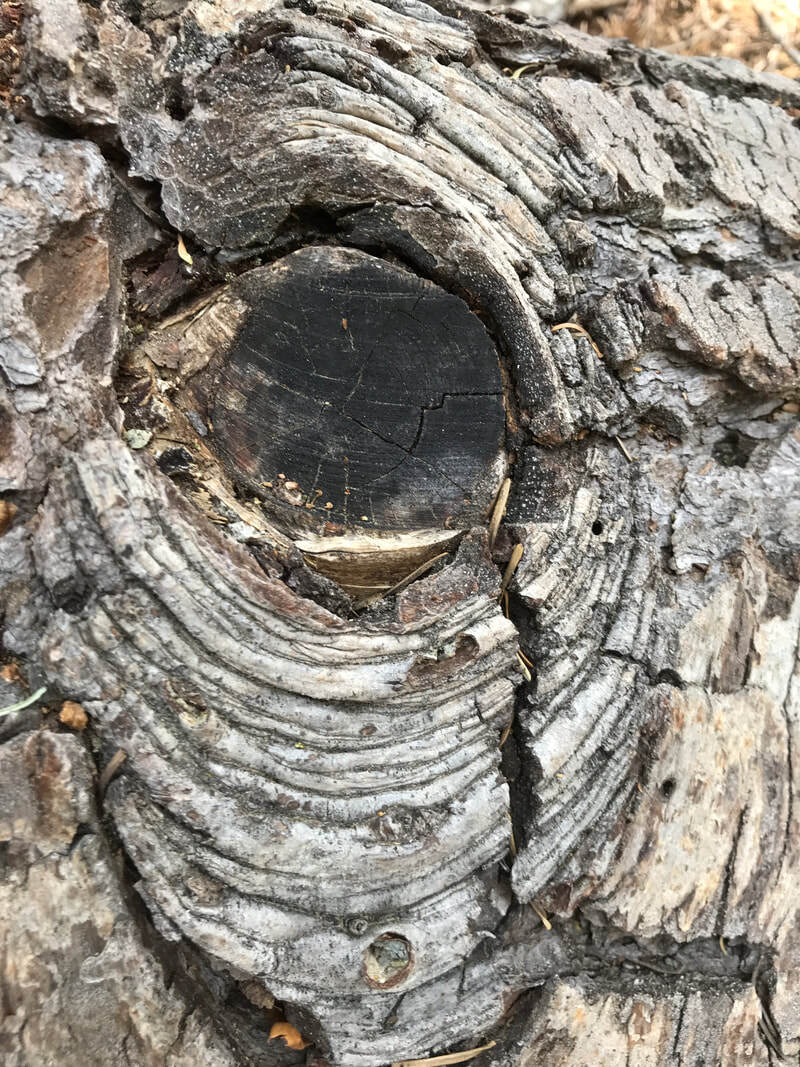
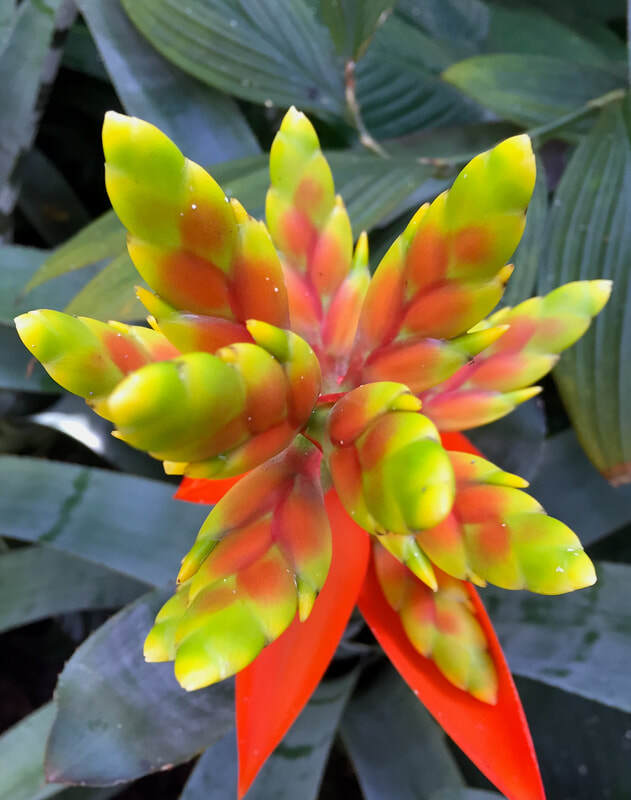
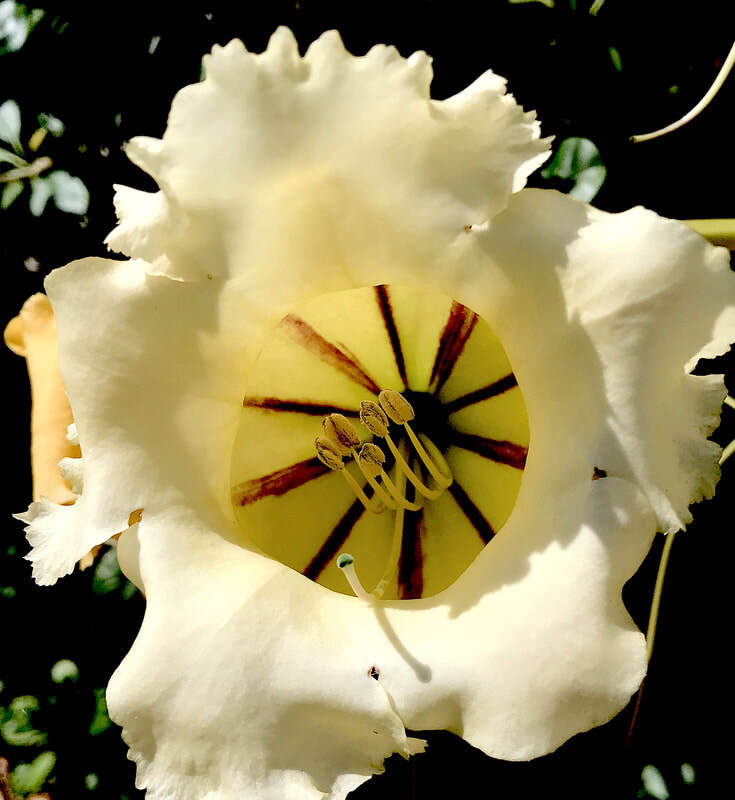
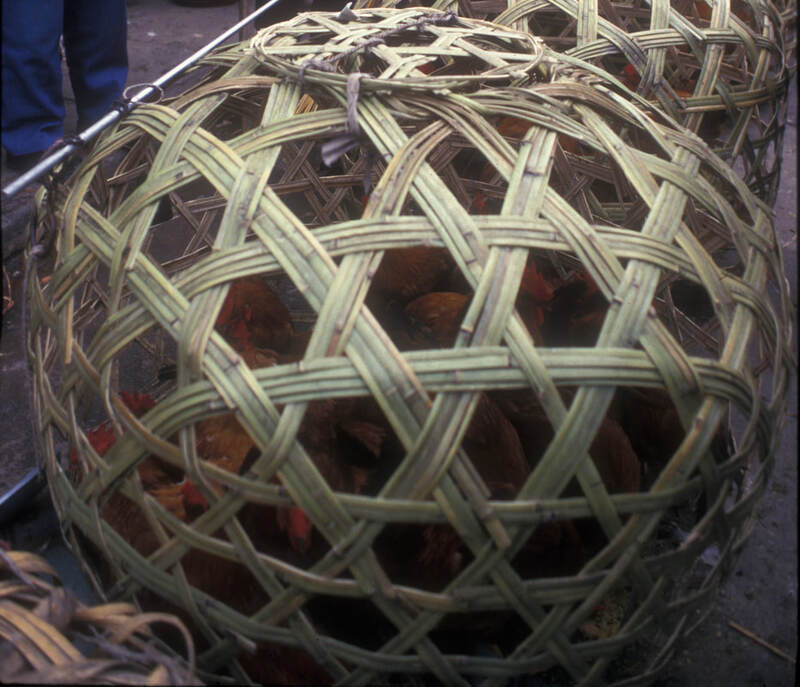
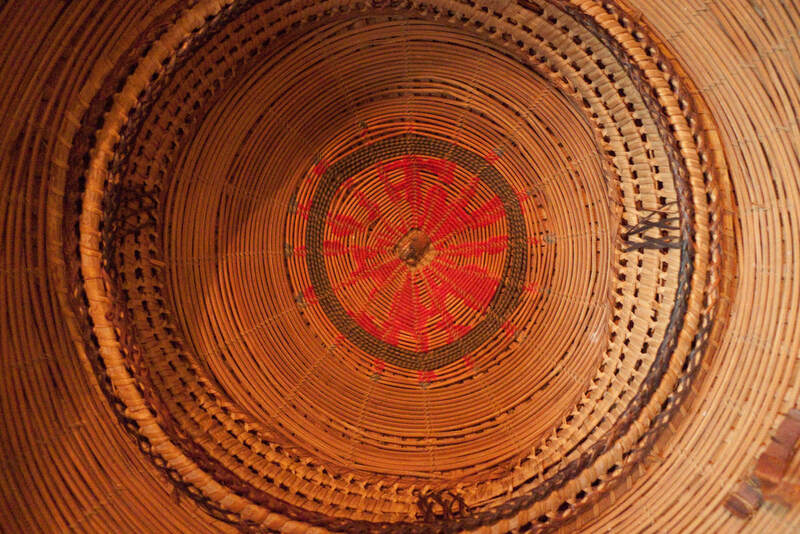
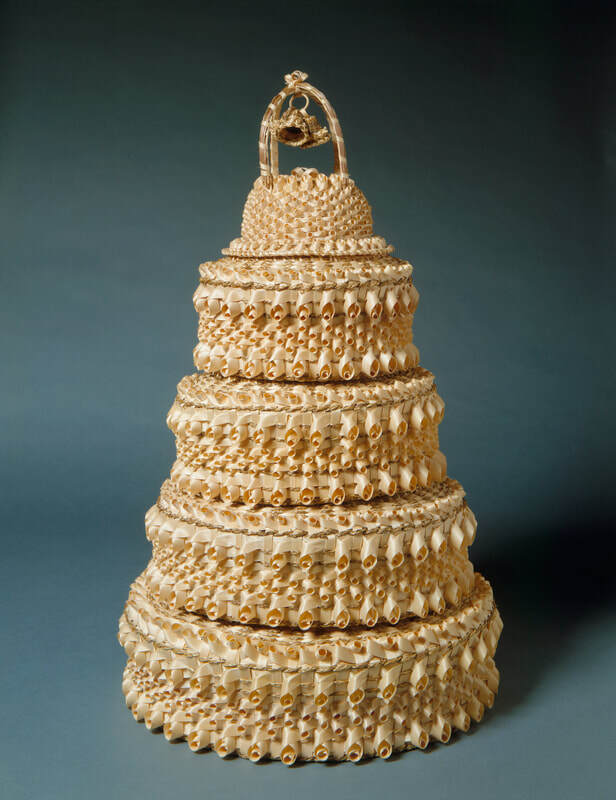
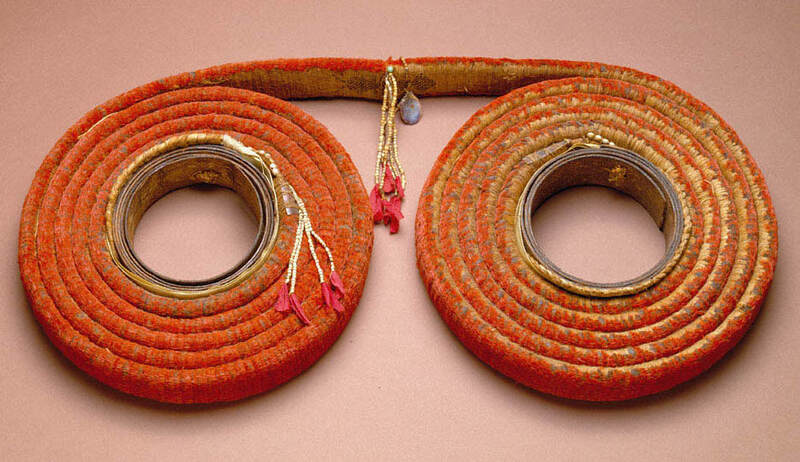
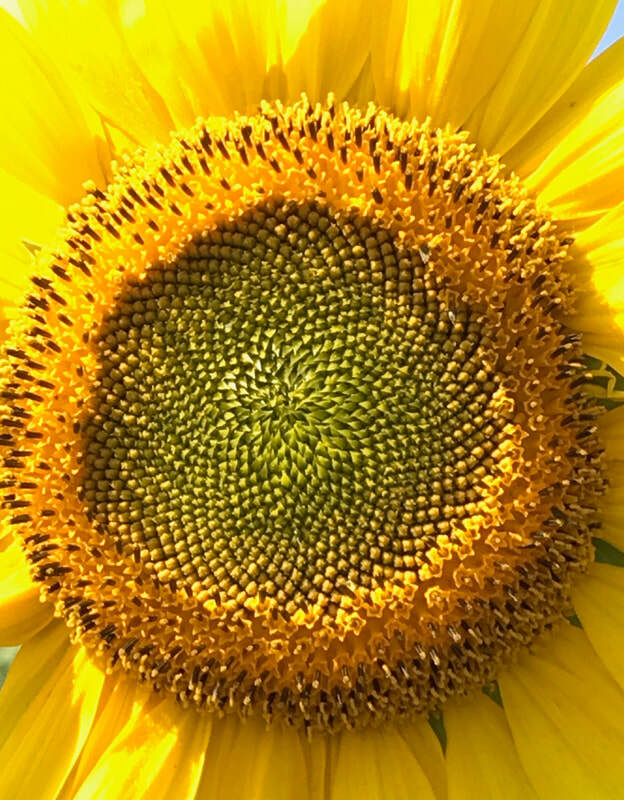
    What I offer here are photos I've taken in widely diverse places and contexts that capture this sense of mandala, moving (often spiraling) in (or out) to (and from) a center. Many of the images are unsurprising--there are umpteen plants and animals (or parts of animals) that grow from a central point. In our image-heavy media, we're familiar with these, and we've even become used to astonishing photos of space and galaxies that remarkably reflect photos of small forms like seashells--images of macro/micro resonance (a concept I was playing with 50 years ago, I joyfully add!).

    On one level this collection of mine might thus feel a bit trite, but I still find the images newly-compelling, and we can always stand to be brought back again to center. When we witness this primal form and centering journey in so many different manifestations, it reinforces our understanding of the underlying unity of this planet. I intermix photos of natural forms with photos of human-made objects that reflect the same idea, further reminding us that we are inexorably a part of nature and the natural world, and we manifest its inherent impulses. And finally, since these are my own photographs (I shot almost all of them, and a few are even taken from my own art; the few images taken by others are ones that I have previously used in my professional work and have become very intimate with), they are my personal offering; they are my shout-out to the universe and to remembering and returning to the center. If you click on an individual image you will often find a caption explaining what it is. I included explanations where I thought the photo might not be self-evident, or where the element of surprise might add to the delight.
    Picture

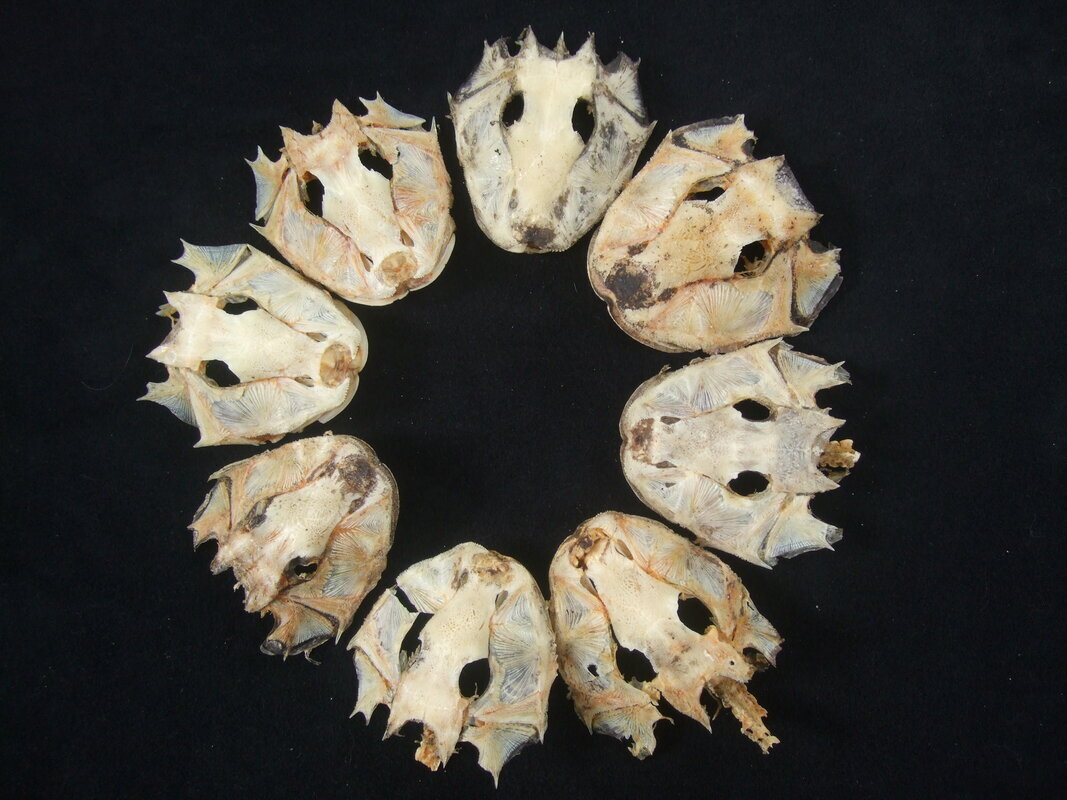
    Sea robin (fish) heads, arranged in a circle.