- Published on
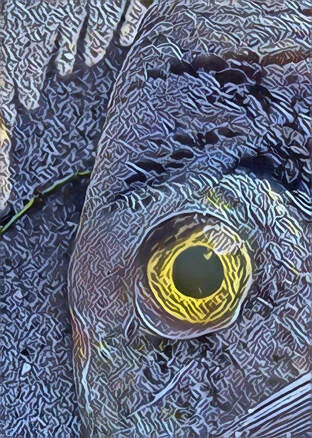
Being asked to put all this in words was a challenge, but a very good one, since this kind of articulation is in itself a clarification. I liked having to talk about my broader life and my art in a single contextual whole. While my images were not selected, I decided to use this opportunity to share what I submitted with the application, using the project description and personal biography format that was called for.
It may seem like a lot of verbiage, but if you're interested, here's the whole thought-out statement. If not, I hope you enjoy the pictures!
I see the energy and the the inner light of everything in the world around me—in living beings, in nature, even in human-made objects and in what is deemed detritus or waste. Sensing or feeling this aliveness, I am excited, even awestruck. It’s difficult to capture this feeling, and even more difficult to communicate it to others, but I have found photography can provide a way to represent it and to share its magic.
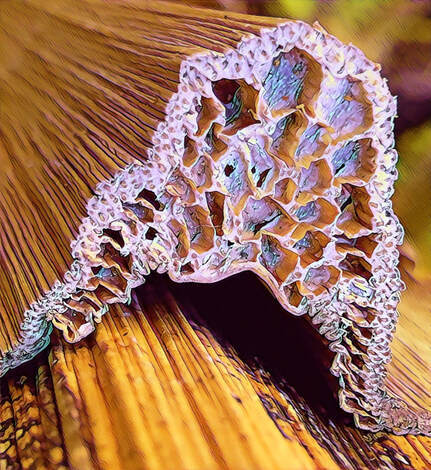
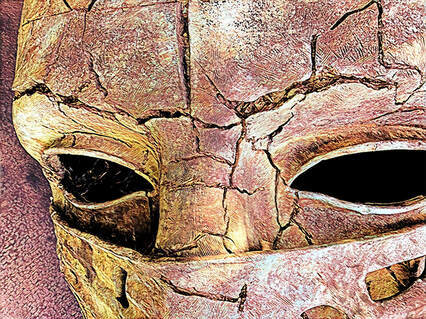
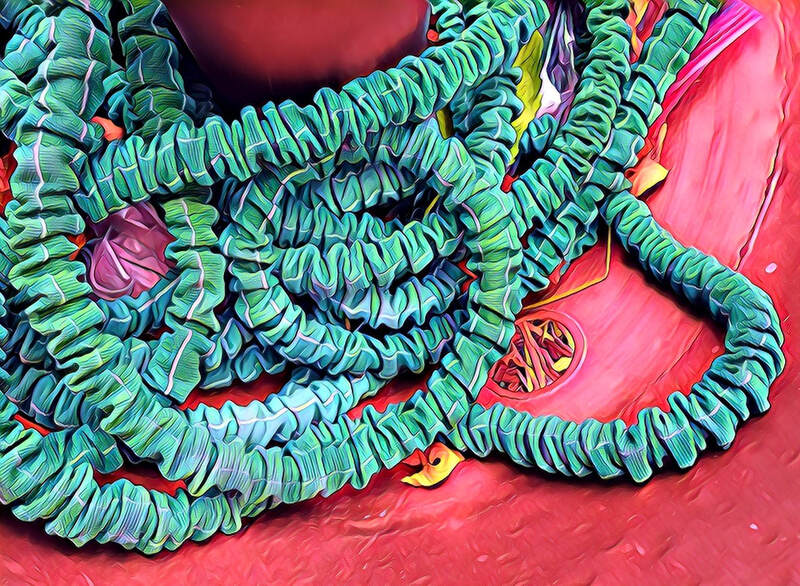
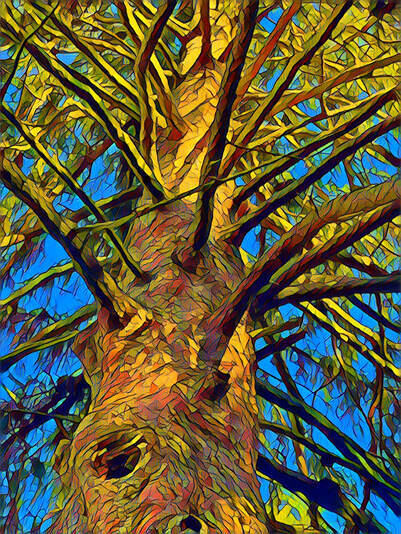
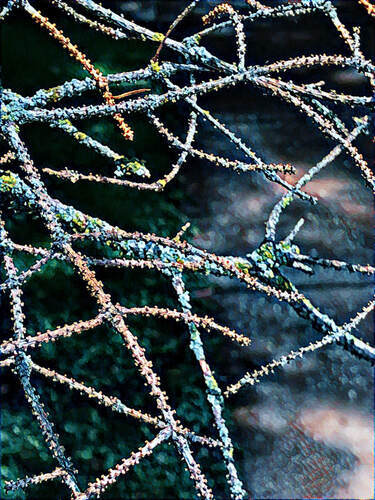
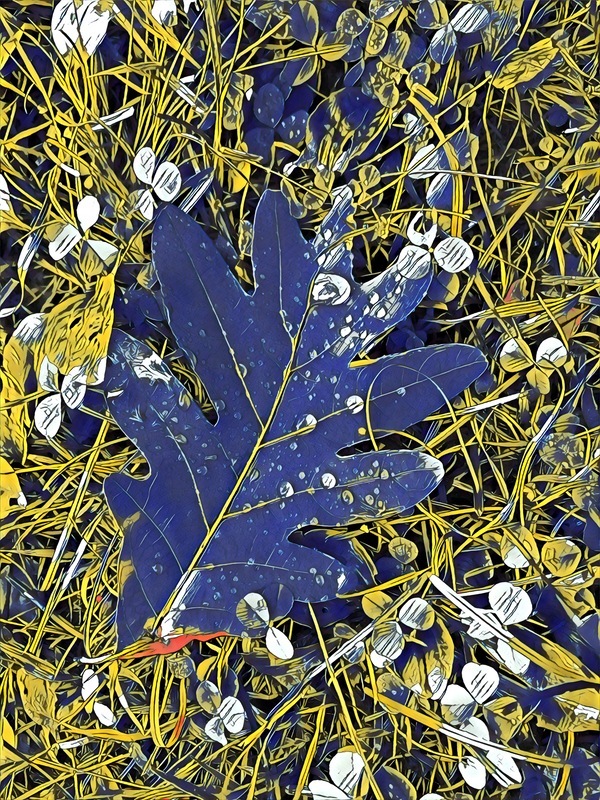
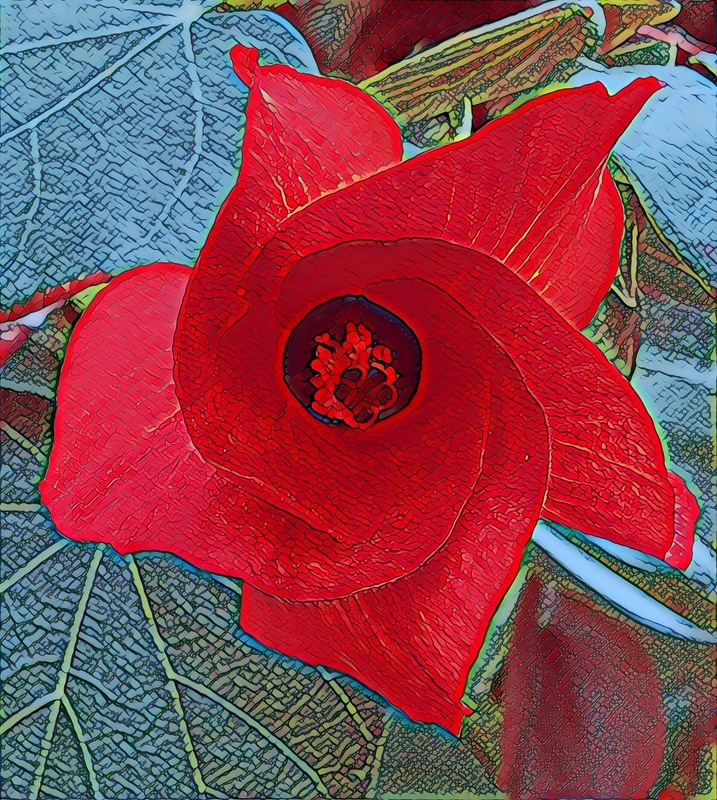
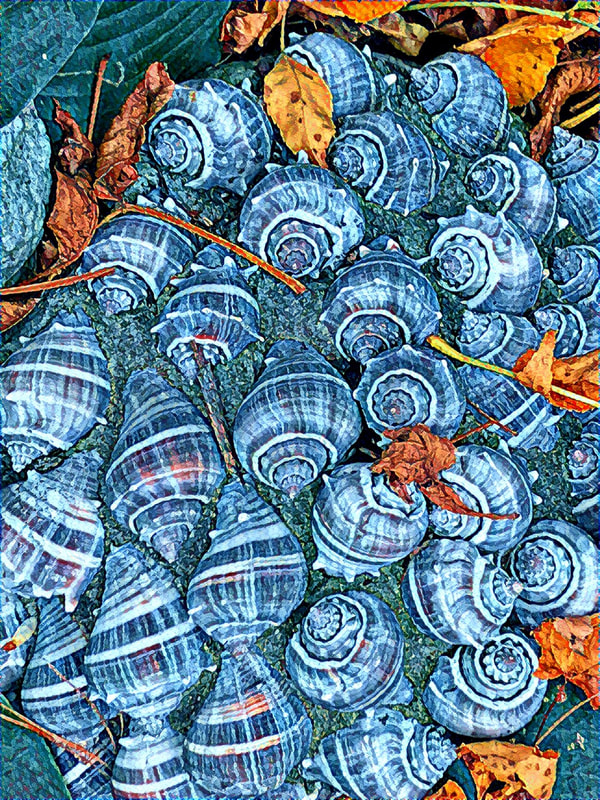
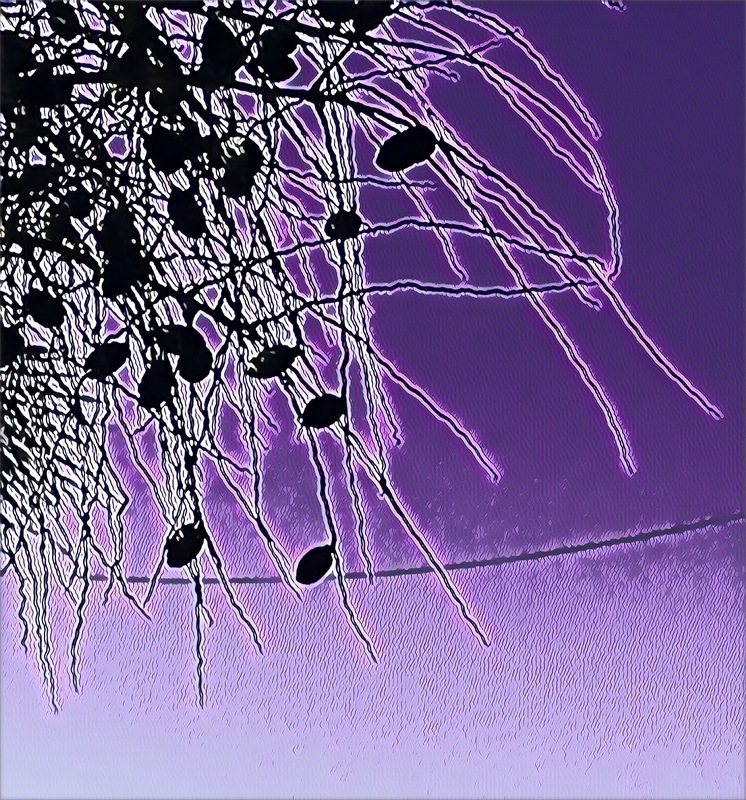
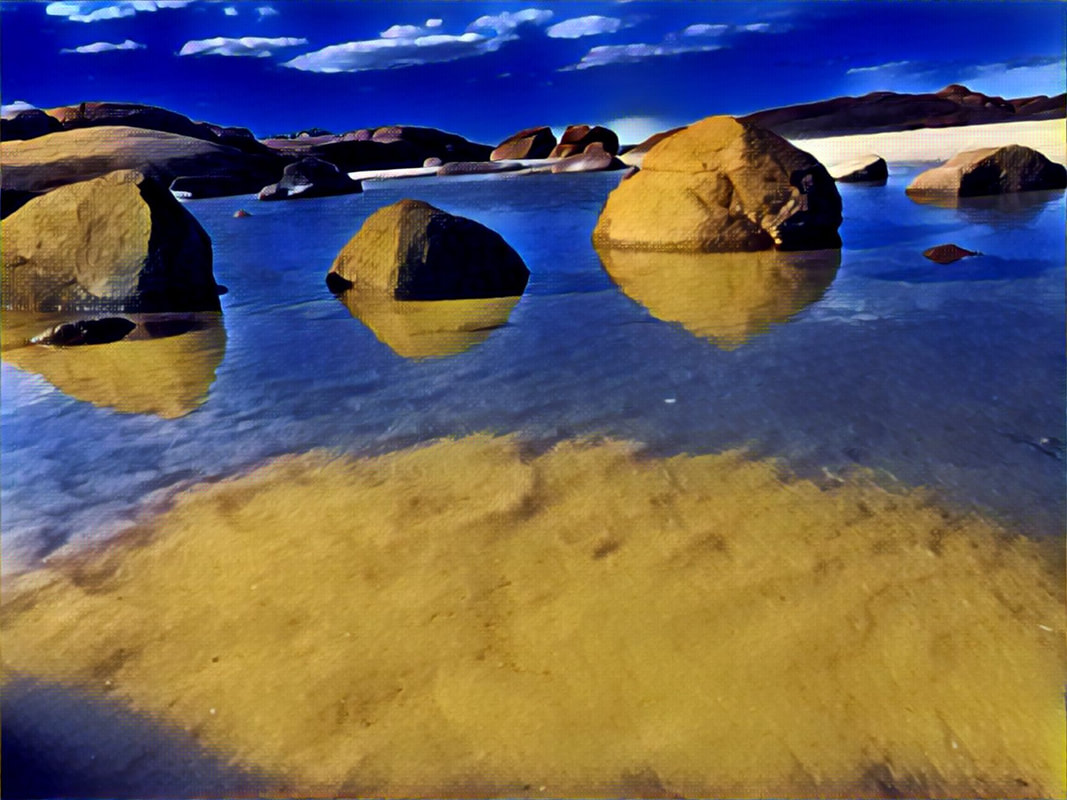
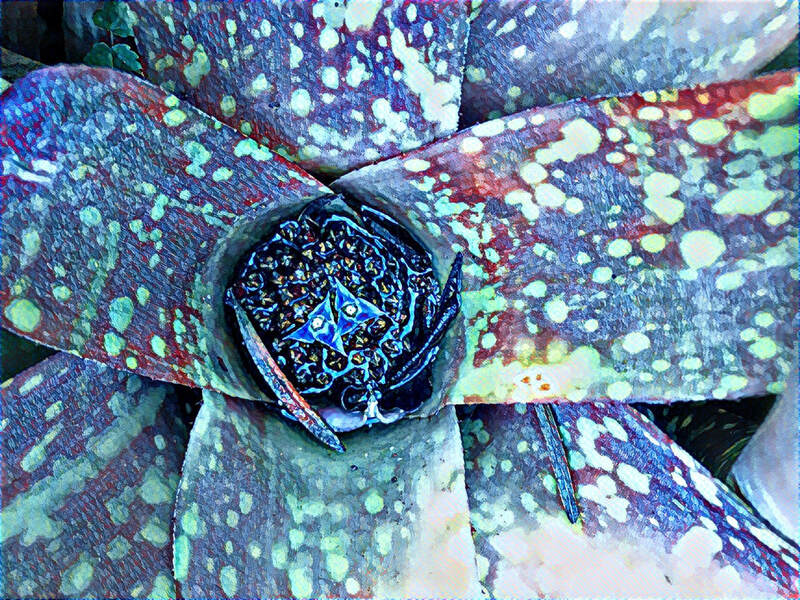
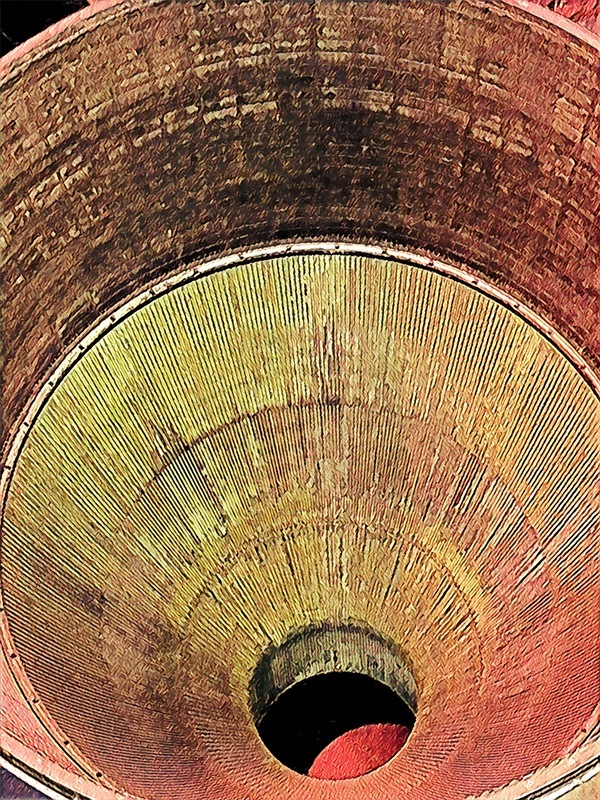
I always have the camera with me and work on consciously paying attention, noticing what is around me. I work with it as a tool to focus in on design details or unusual perspectives; I literally use the viewfinder to isolate arresting forms and patterns. These images are not narrative; rather, they are concerned with something intangible and essential. This particular Inner Light project began when I noticed the intriguing refracted light patterns shining through the tail light covers on the cars on my street. I tried shooting them in various ways, but couldn’t quite capture what they felt like. Then, when I started playing with the Prisma app in the editing process, I found a way I could further bring out and evoke the ephemeral quality of intangible light I was interested in.
I am a mixed media artist, a writer, a teacher, a workshop leader, and (in often less-than- obvious ways) a healer. I am also a scholar, with a PhD in design history and decades of experience teaching design and design history—appreciation for and understanding of global artisanry, textiles, intimate objects, ritual objects, and many other forms of material culture. None of the things I do—art, teaching, writing, sitting with individuals as a hospice-based end-of-life doula—is primarily concerned with concepts; rather, I am interested in energies, essences, and interconnections. My work is idiosyncratic and hard to label—it is pulling from intuitive, superconscious realms.
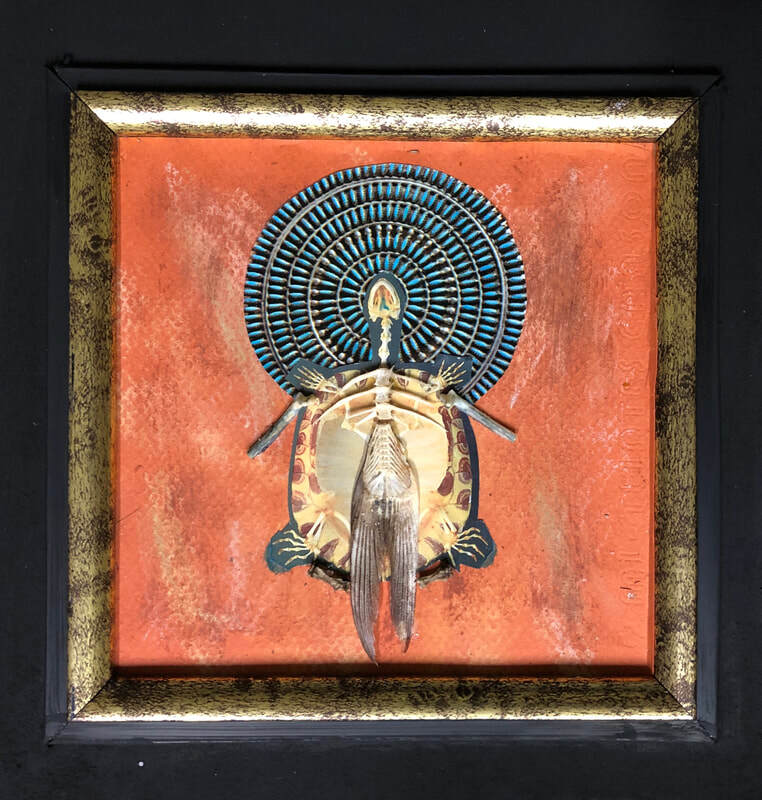
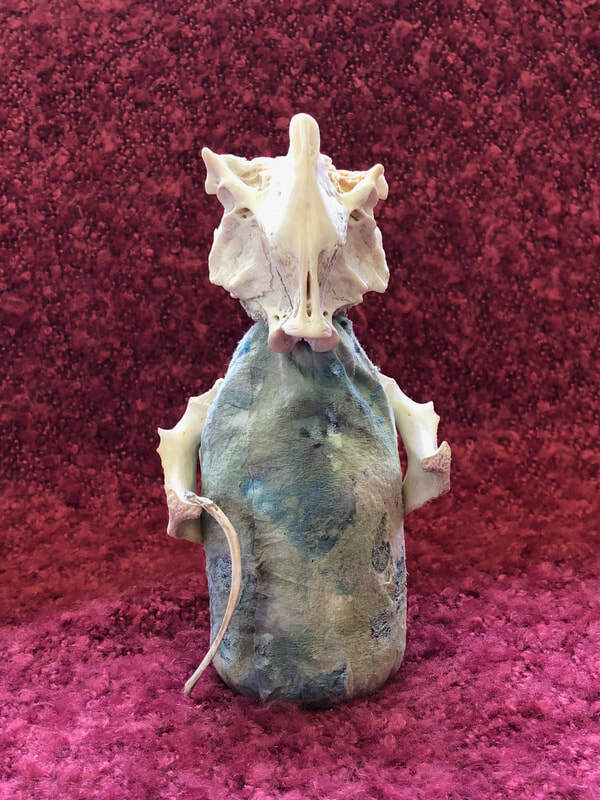
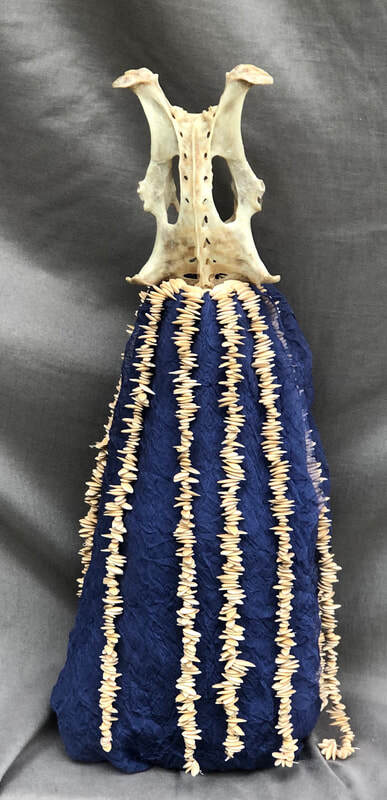
Most of my visual art draws on reconfiguration—of forms, materials, textures, and images. While I was trained as a fiber artist and do integrate fiber in my work, I mostly now do collage and assemblage sculpture, typically incorporating natural detritus like bones, shells, and pods. I become intimate with my environments and their elements. While I spent most of my life getting to know northern lakes and woodlands, I currently live in semi-tropical southwest Florida, by the ocean. My dimensional pieces thus include everything from whitetail deer hooves to armadillo shells to bird beaks to fish tails, all of which are given a kind of new embodiment in my sculpted and flat work. The figures function almost as a kind of shamanic presence, invoking something from another world or dimension. My photographs also involve reconfiguration and connection with the environment.
Viewers are sometimes taken aback by my artwork, because it often causes a kind of double-take: what is that? What is it made of, or what exactly are we looking at? I appreciate that response, because I want the work to further viewers’ sense of wonder and curiosity. I want people to “see with new eyes,” to sense rather than think. I want them to get energy from my work, and to feel a kind of quickening. I want them to connect with the incredible form and ingenuity of nature, and to become excited about the world around them. I want the pieces to evoke what can’t quite be named or consciously understood—something evanescent.
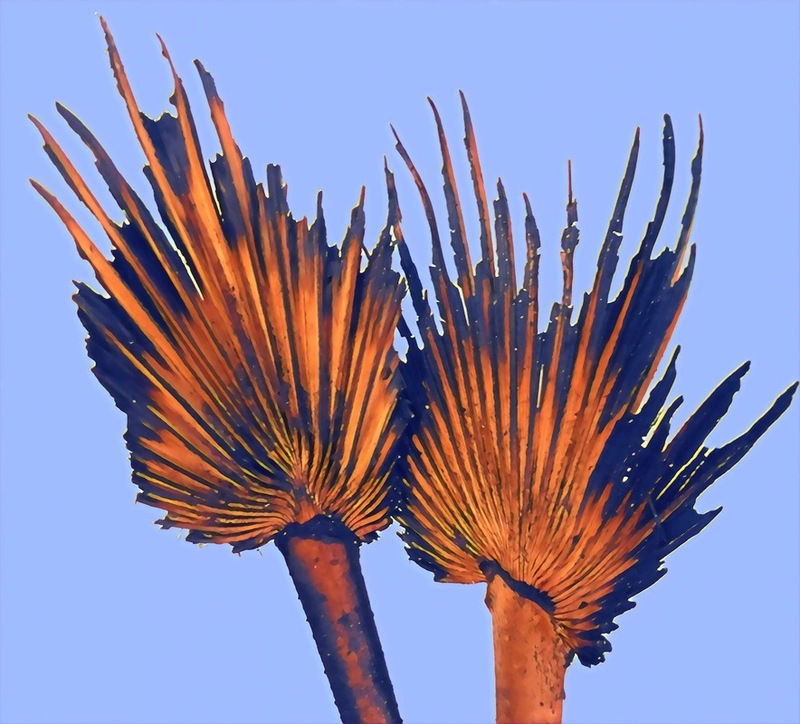
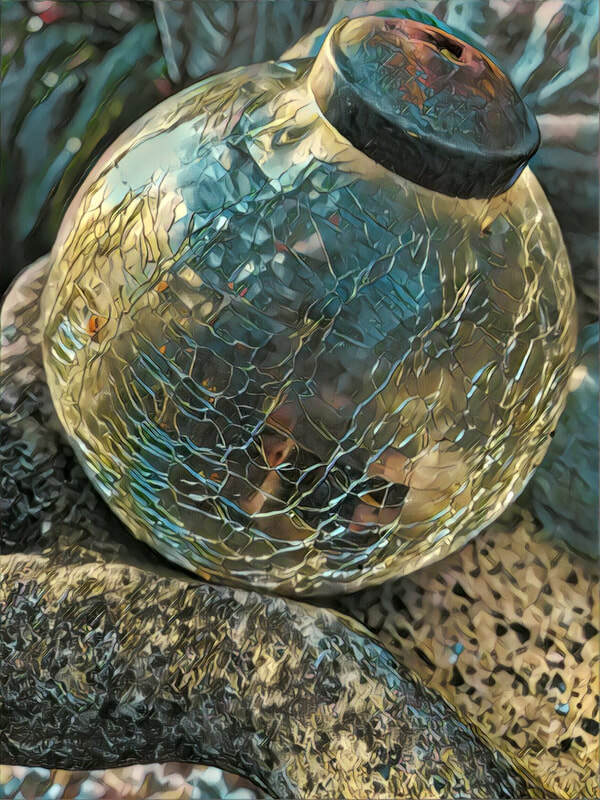
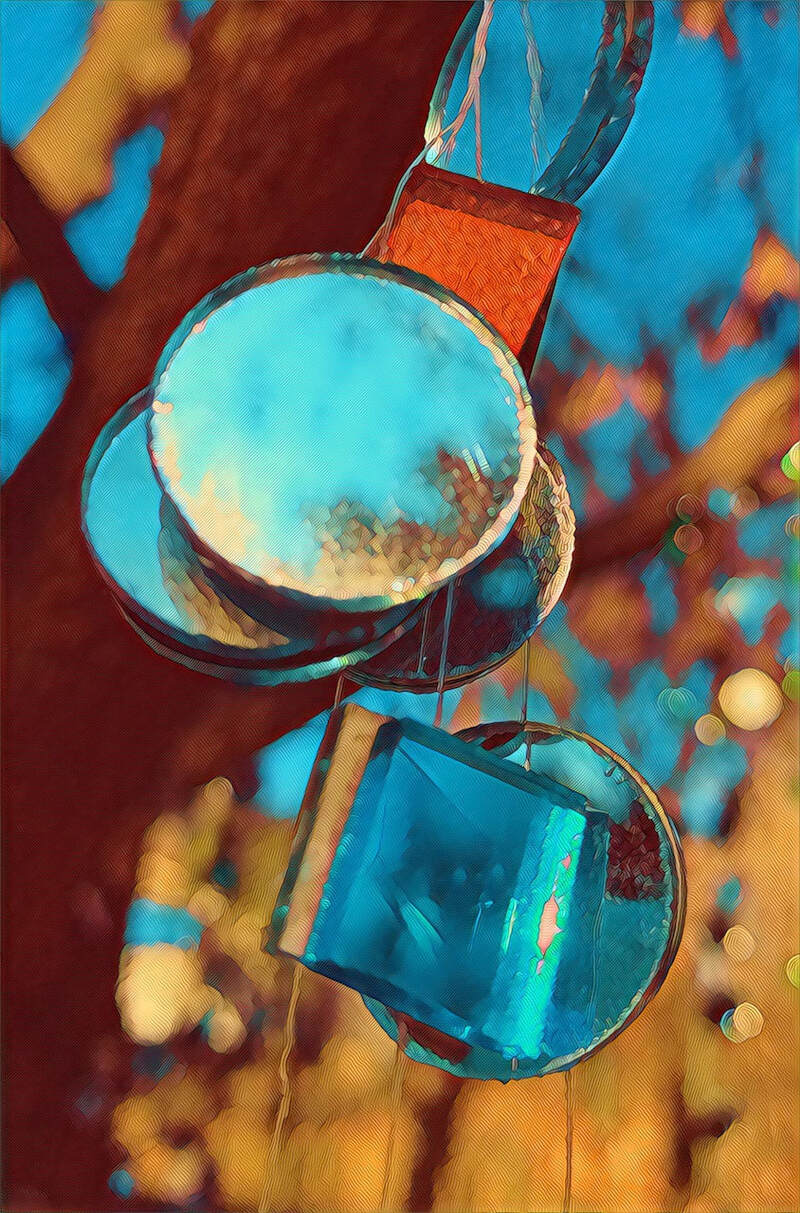
My writing has taken many forms, including scholarly books and articles; poetry; and prose portraits that range from playful to poignant. As my workshops imply, I use writing to access different states of consciousness and discover new and deeper meanings. These too offer intimations of other realms. I like to combine words and images. The visuals do not function as direct illustrations, but as complements, getting at the same kind of energy. Overall, I believe that the creative experience, however it is manifest, is itself generative; it yields even more creative, imaginative vitality in the world, since like attracts like.
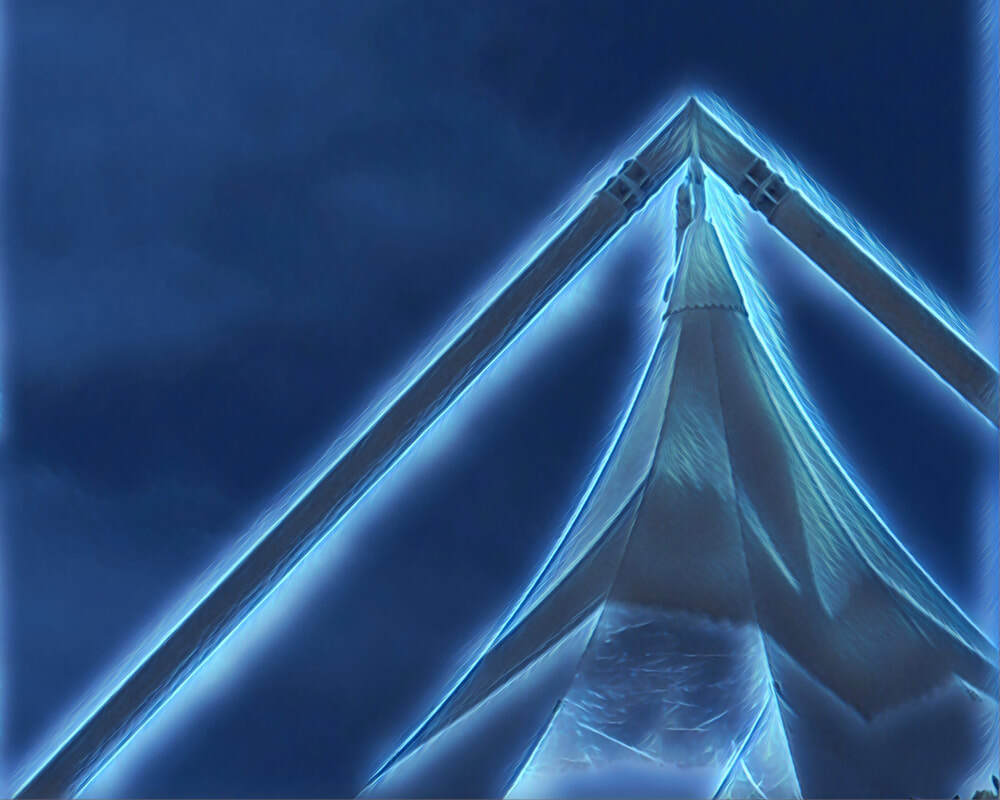
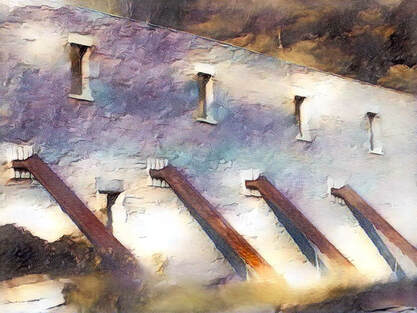
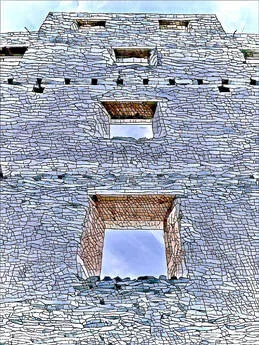
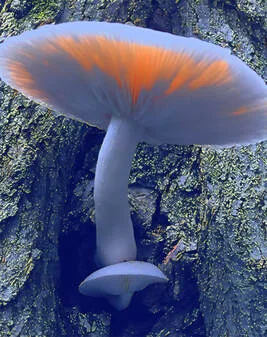
submitted for the Inner Light series included images of the natural world, of human-made objects, and even parts of the environment we might find uncomfortable or try to avoid, such as dead fish on the beach. Everything, even dead or seemingly inanimate things can come alive in this work.
I hope you feel the sense of aliveness and light.
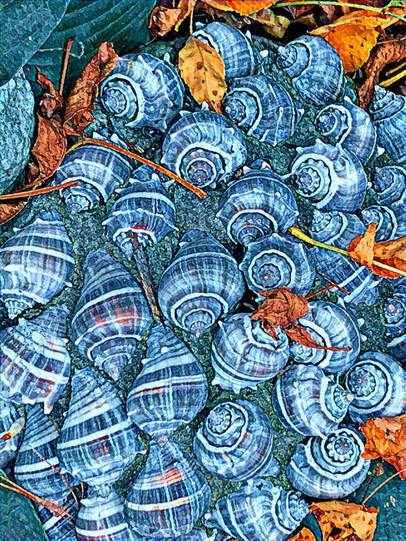
- Published on
The title of this post, "God's Half Acre," came to me this morning as I was sitting and deeply appreciating what was going on in my little domain in southwest Florida. Our property is just over a half acre in size, so this is a kind of literal tagging. I know there was a book and movie of that name which was much darker in tone than what I am writing about, but the headline sticks and overrides that. And this is not anything special, since I realize of course that every half acre is God’s, since God as I know it is embodied and manifest in every single bit of creation. But this is the one I am currently experiencing, so here it is. A short morning walk around the land today brought many things to observe, including:
**The (Great Blue) heron that caught a huge dark fish in the next-door pond—a fish seemingly far too large to get down its throat (herons swallow their food whole). The bird kept worrying the fish, bringing it to the bank and spearing it repeatedly with its sharp beak (it flipped around for some time before it died), then repeatedly re-catching it in its beak, approximating how to position it. In the process the fish was perpendicular to the beak, hanging out the sides rather than aligned with it. The heron kept dipping the fish in the water, probably to help lubricate it, and after many, many minutes of effort, the fish did actually get aligned perfectly and swallowed, somehow making it down that long thin neck. It seemed to defy the laws of physics, and even I felt exhausted after watching the process.
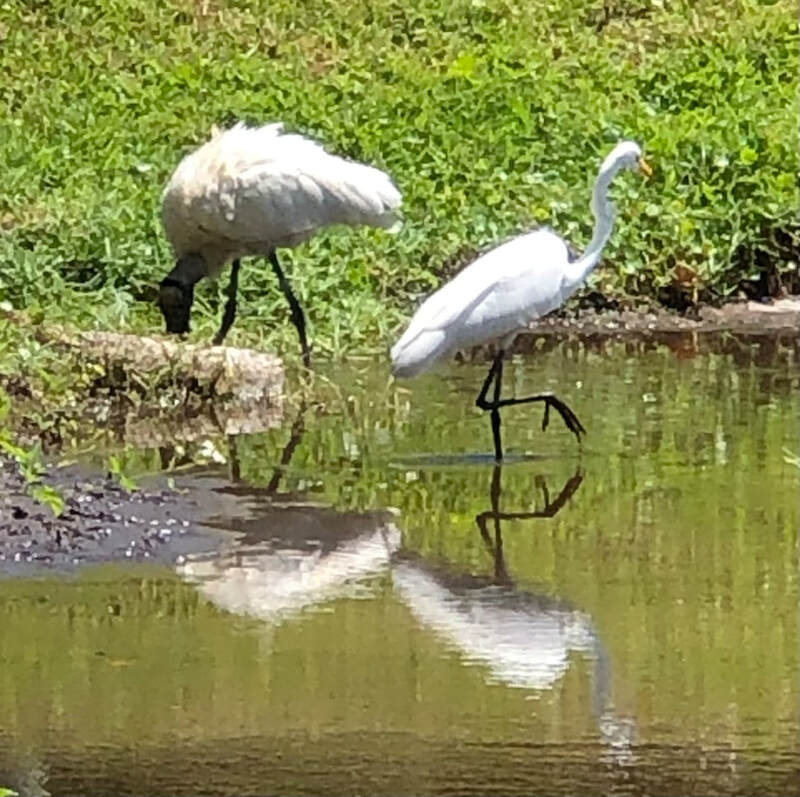
**While this drama was going on, I looked up the drainage canal and saw four other birds getting their morning meals too—a smaller heron, an egret, a woodstork, and an ibis! The weather has been dry and the water level is low, which must make for easier hunting for these birds. I often see them, but not so many different species at once in such a small area.
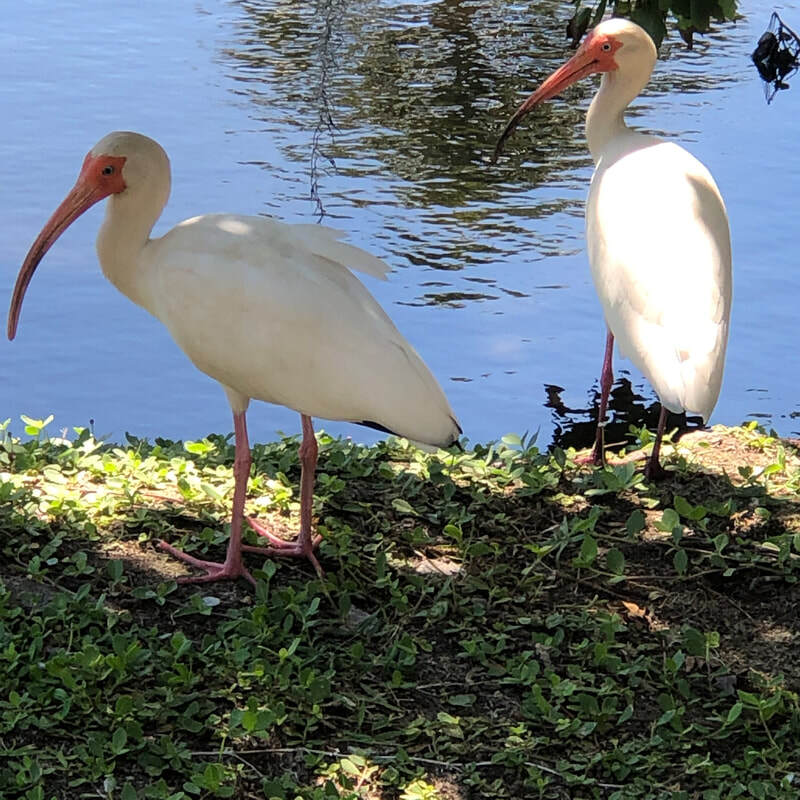
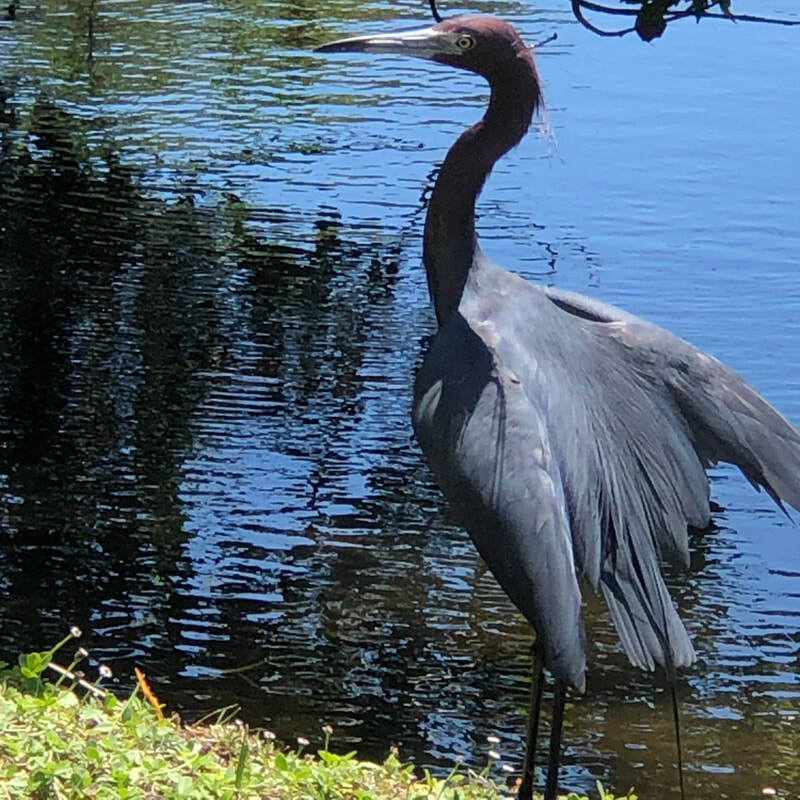
**And I looked up from the water’s edge to catch a ruckus above—a small bird (probably a mockingbird? I couldn’t see clearly) dive bombing a much bigger crow, over and over. It was likely defending a nest, which seemed very brave, especially as there were other crows screaming and flying about and only one small attacker.
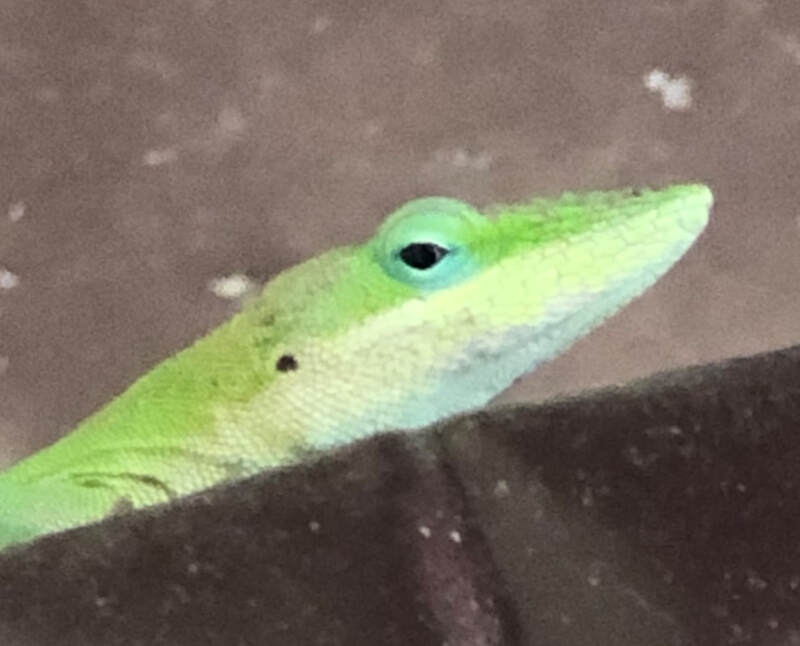
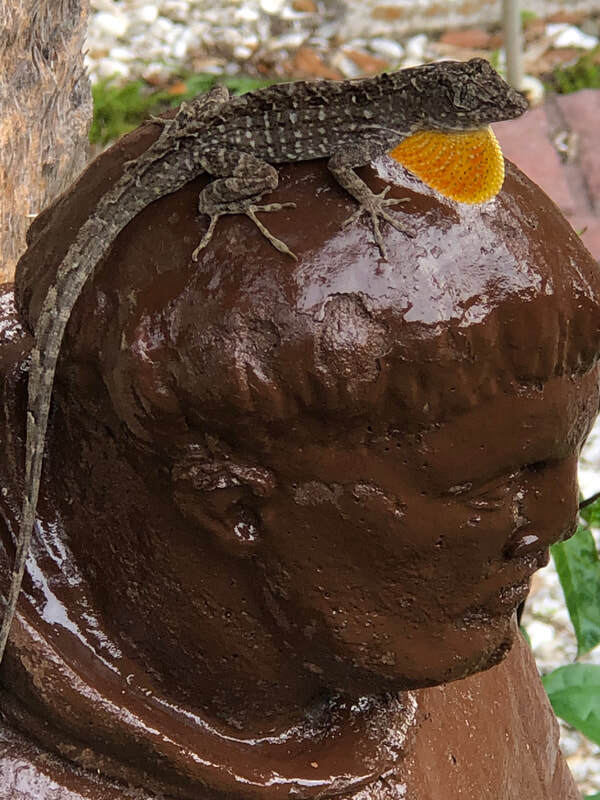
**There was a wealth of other activity nearby, from animals unperturbed by all this drama. I became aware of the staccato tapping of a woodpecker; a pair of bunnies brazenly and calmly chewing their way through the grass; the black rat snake slithering under the bushes (I hadn’t seen it in months, and was happy to know it’s still here, as it’s harmless and its movement is truly beautiful to watch); the countless little anole lizards that dart around and posture for mating—one is always catching their motion out of the corner of the eye; legions of spiders tending their webs and obviously helping to control what must be a legion of even smaller insect life. How much more goes unnoticed?
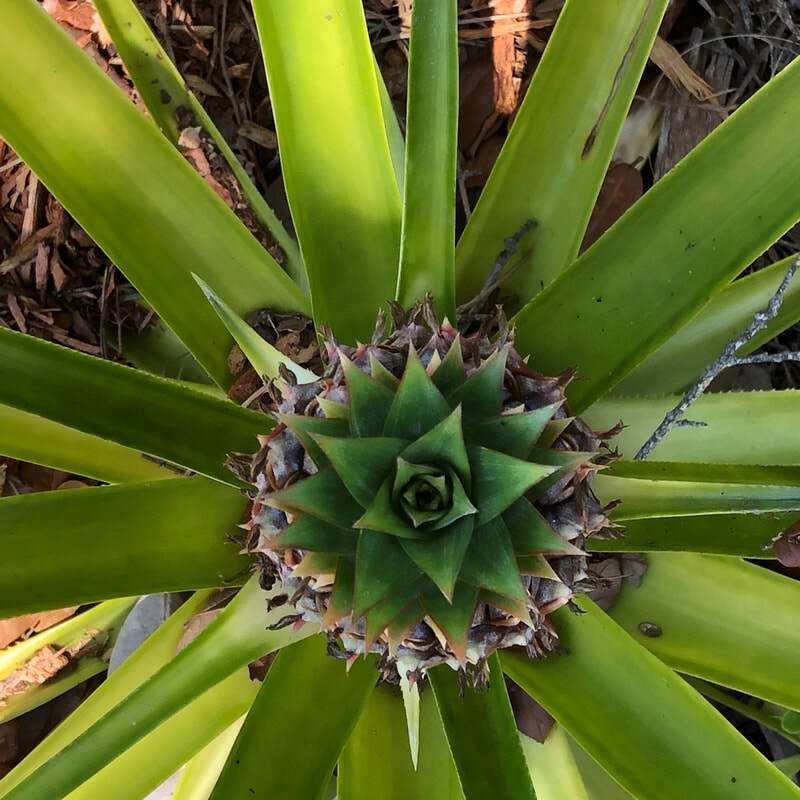
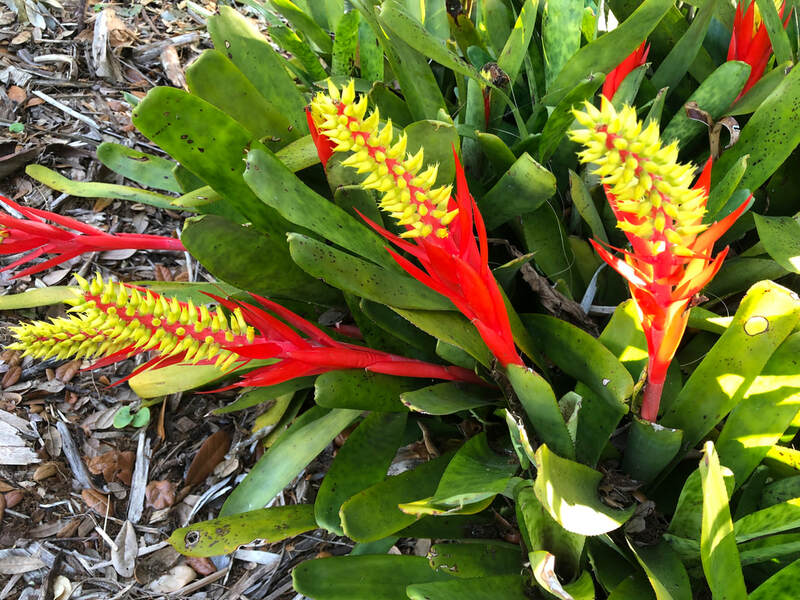
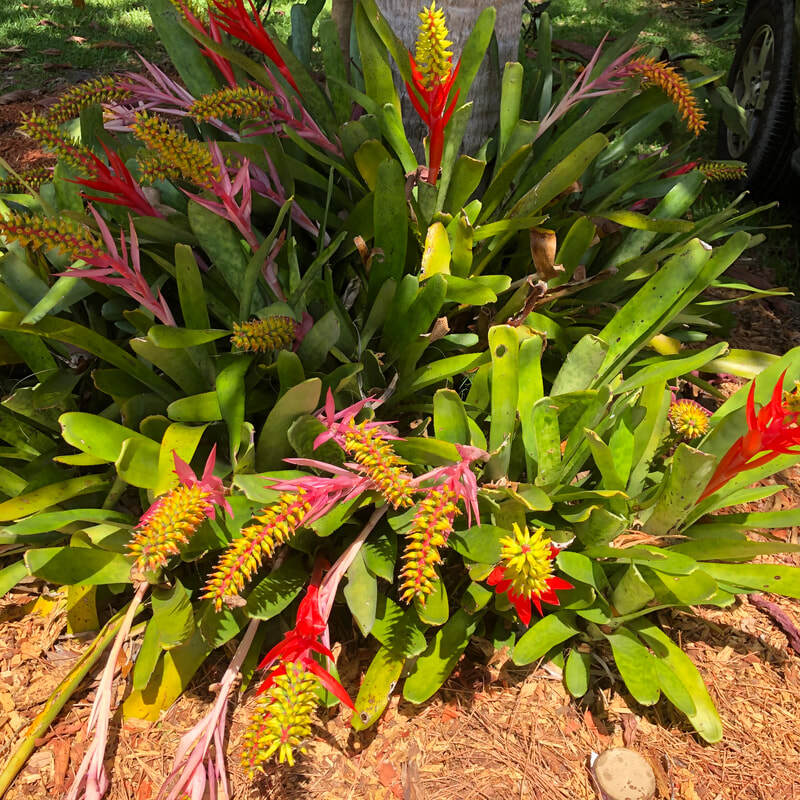
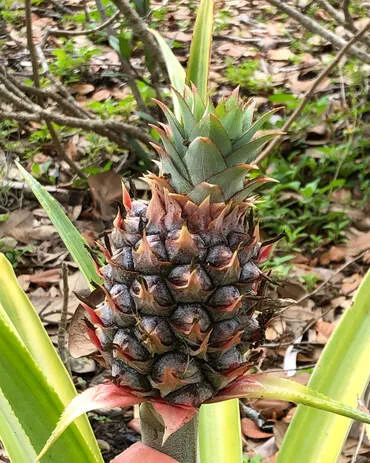
**And none of this is to mention the flora, which was deeply in my awareness too—the slowing growing pineapple, the stunning bromeliad flowers, the grace of the palm fronds and swaying Spanish moss, the unbelievably quick growth of the vines of the purple yams (ube) that overnight wrapped themselves around my hammock, calling to mind the speed and magic of Jack’s beanstalk. And so much more, always the background of green.
That was just this morning’s greeting the day. I am aware of so many other little miraculous, wondrous things—my decanter of kombucha, something else alive, with its healthy scoby getting noticeably larger by the day; a vase of tulips that a kind friend brought which had sat outside in the sun and got very droopy, but revived joyfully when fed more water and an asprin (!); the banana fiber (abaca) soaking in a green translucent bowl on the table. There’s a long story around that and I will likely share it in depth when it has reached more of a conclusion, but the short version is that after a banana tree fruits, it dies. It seems wasteful, and since I knew that abaca is a prized fiber in Asia, I kept thinking I had to be able to do something with all the fiber in the about-to-die central stalk. I’ve been playing with processing it, though I have none of the right tools, and I do have a small amount of smooth flax-like fiber now.
I am not a Pollyanna who only sees the wonder—though I would like to be!—but my inspiration to share on this site comes in those times when I do. If any of this touches you, and if I can help anyone cultivate that state, then hallelujah.
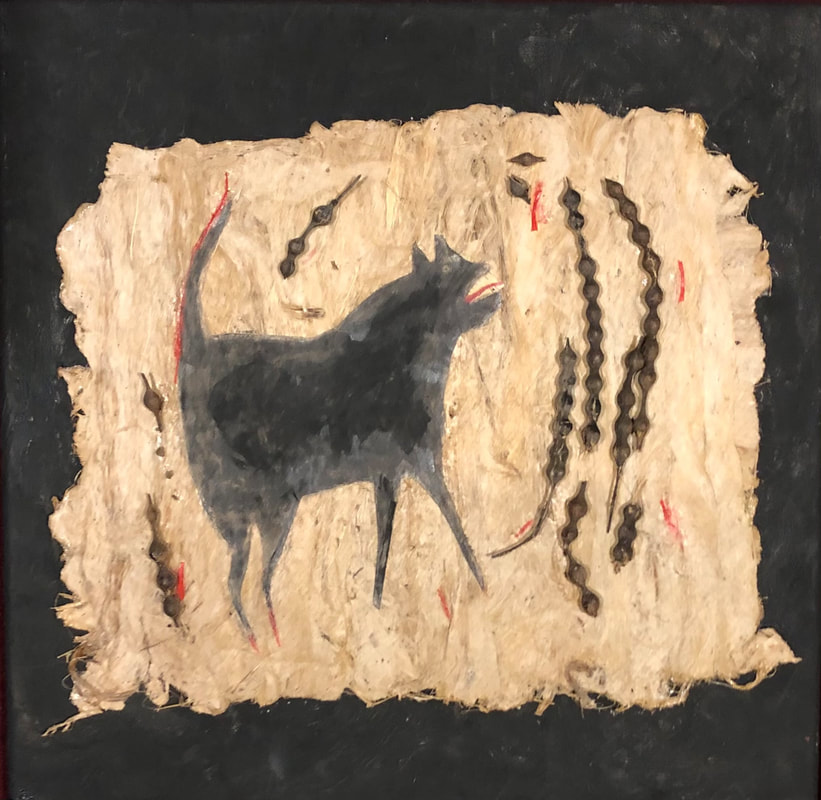
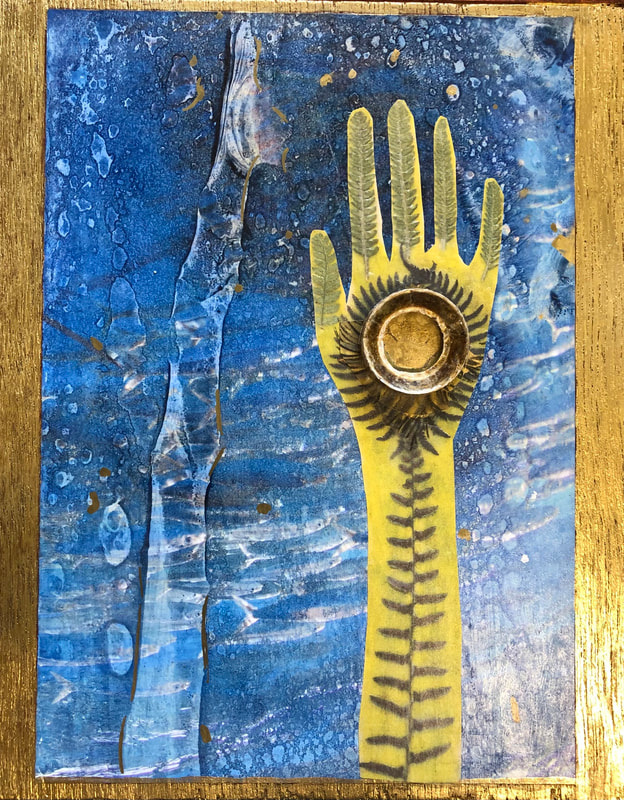
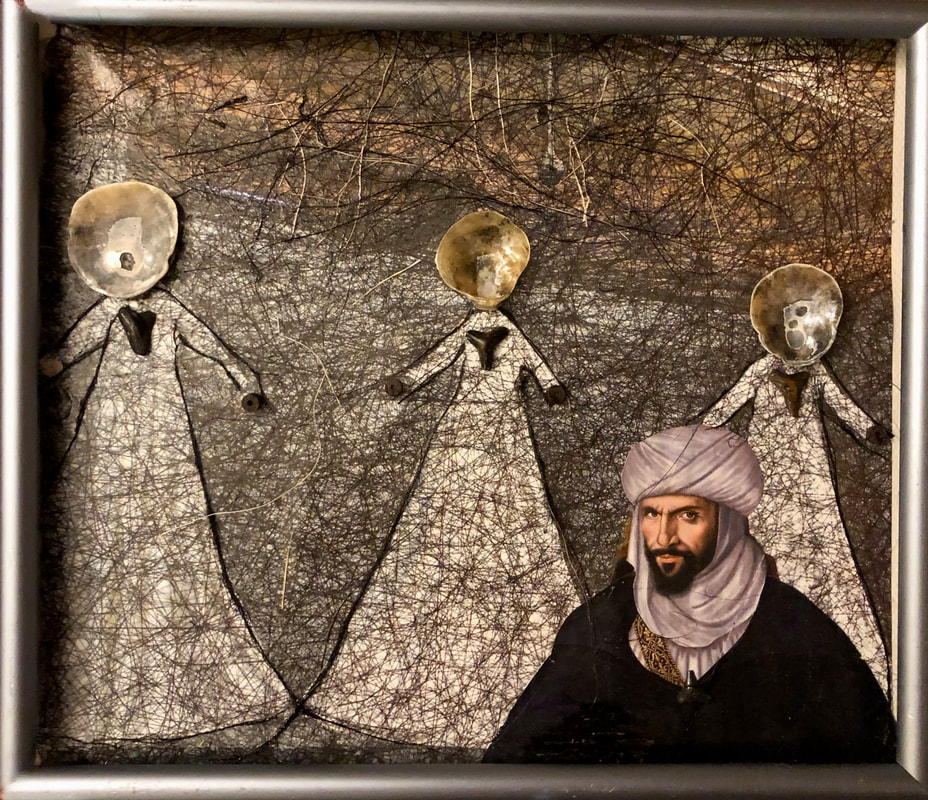
I have been writing a great deal and may share more of that output another day. My visual art practice has been slower, but I am posting a few images here of some of that more recent work. Now that we are coming out of covid isolation, I am envisioning exhibits of my work manifesting easily. If you can help broker that, please let me know.
Thank you so much for your presence.
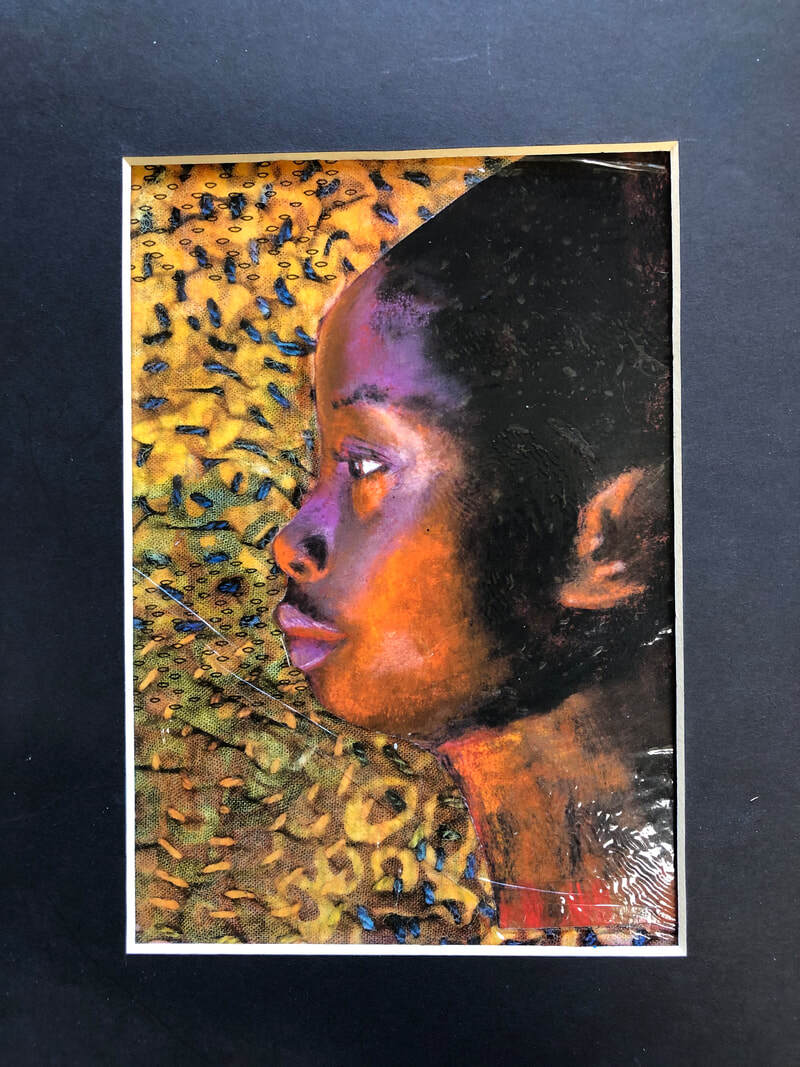
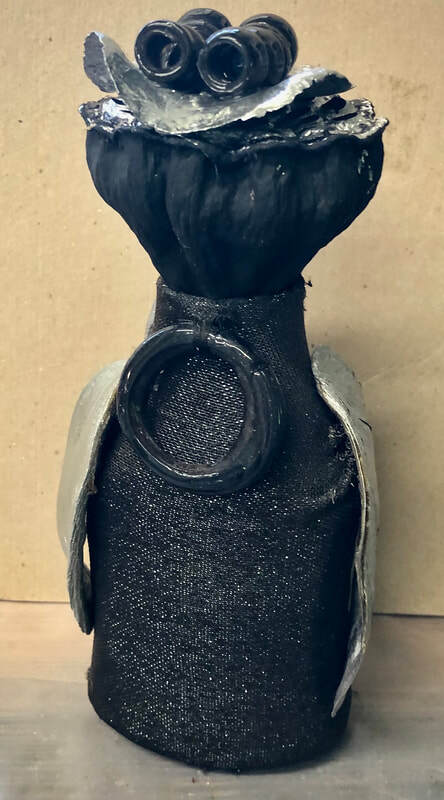
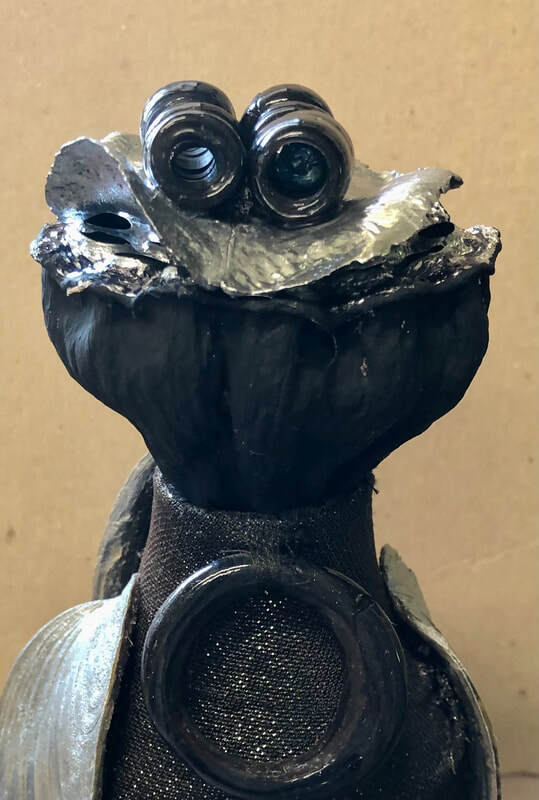
- Published on
IMAGES TO SINK INTO:
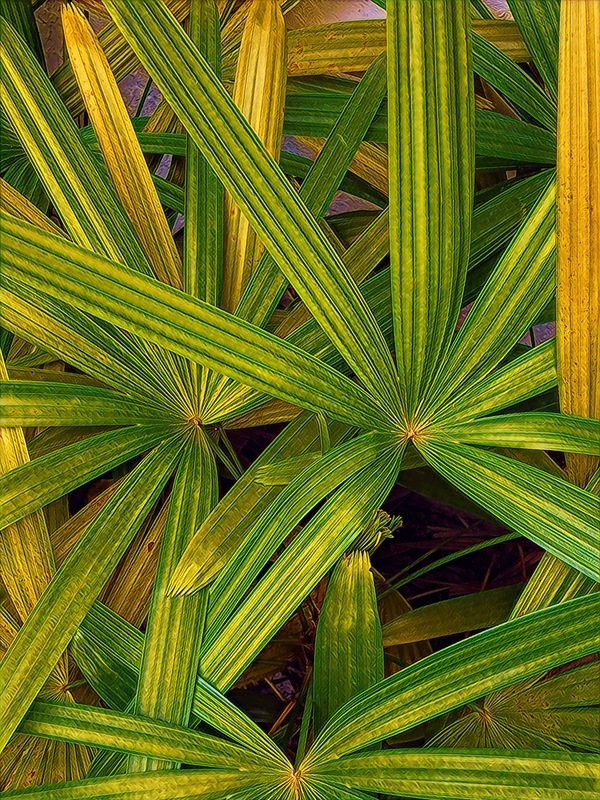
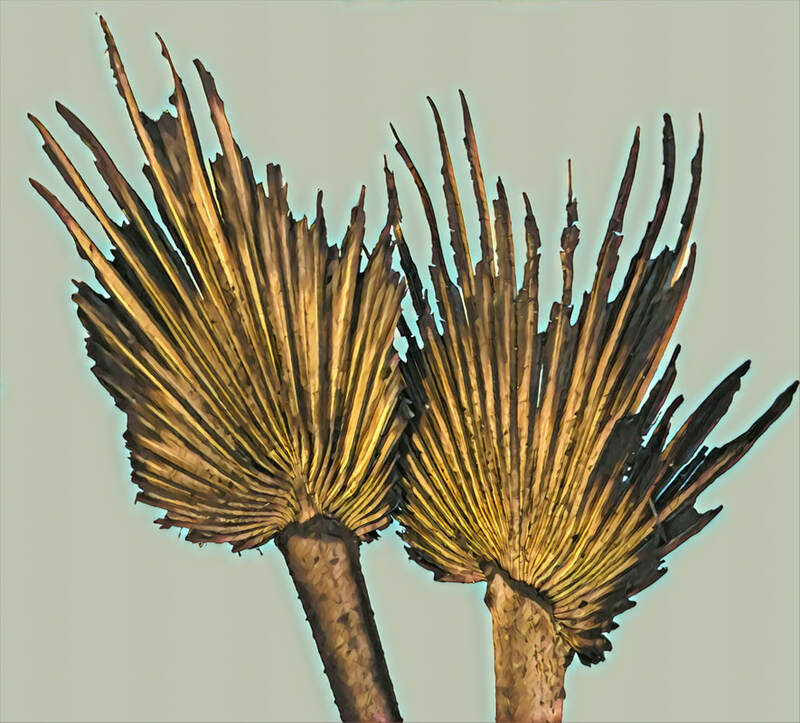
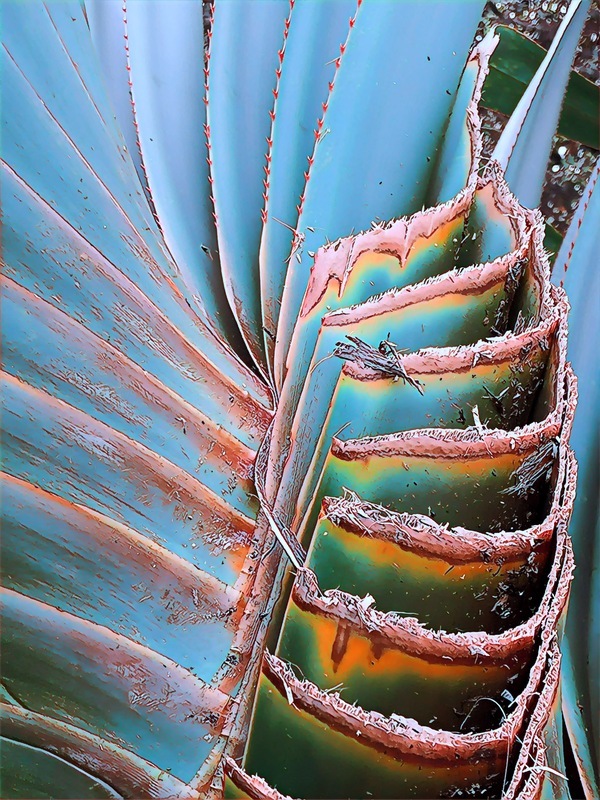
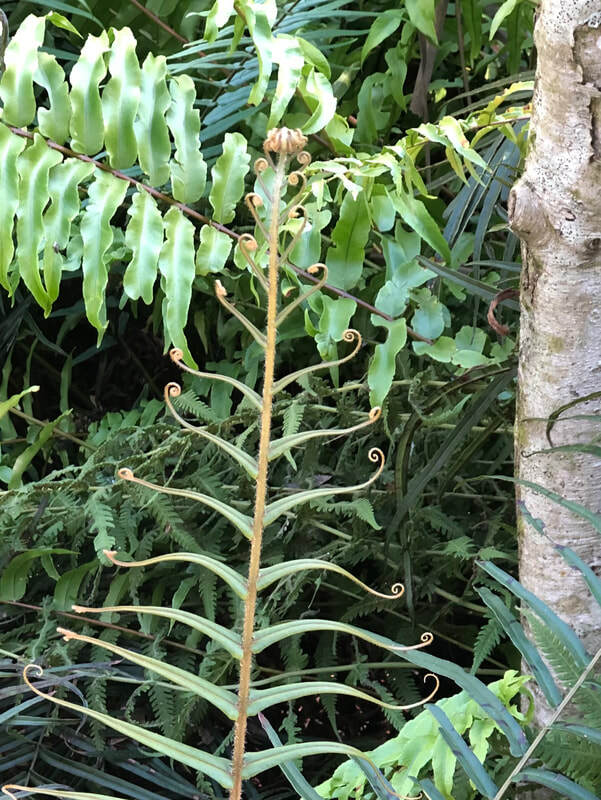
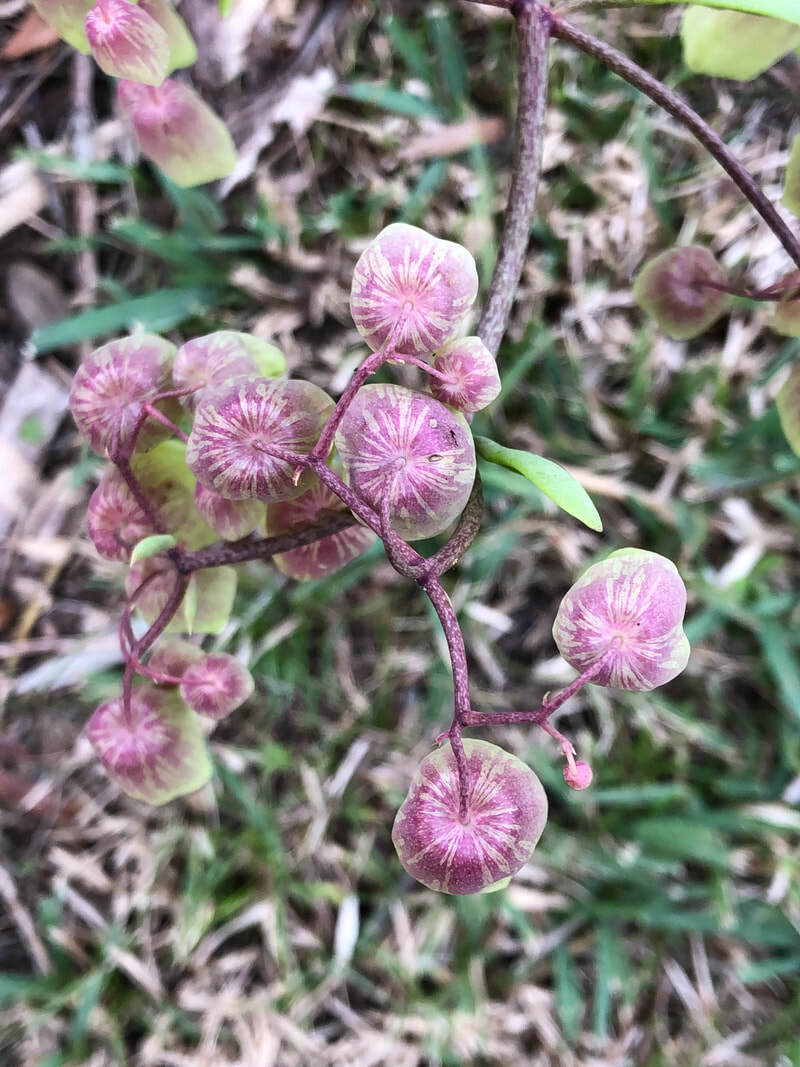
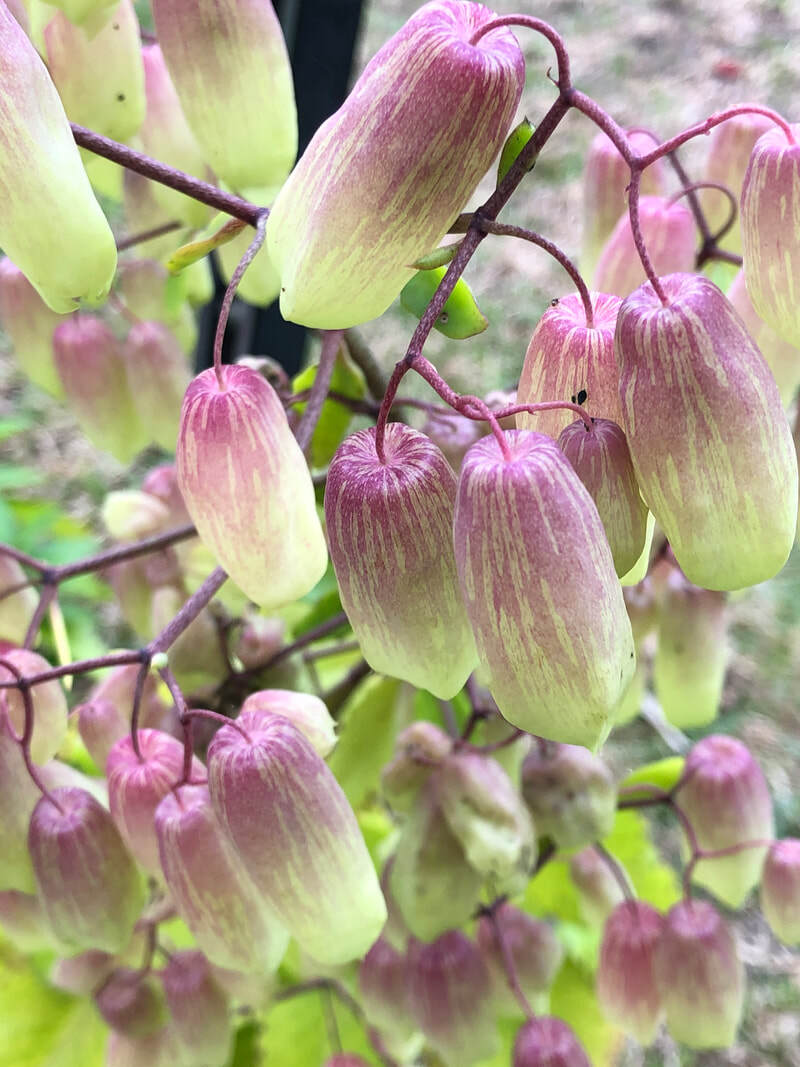
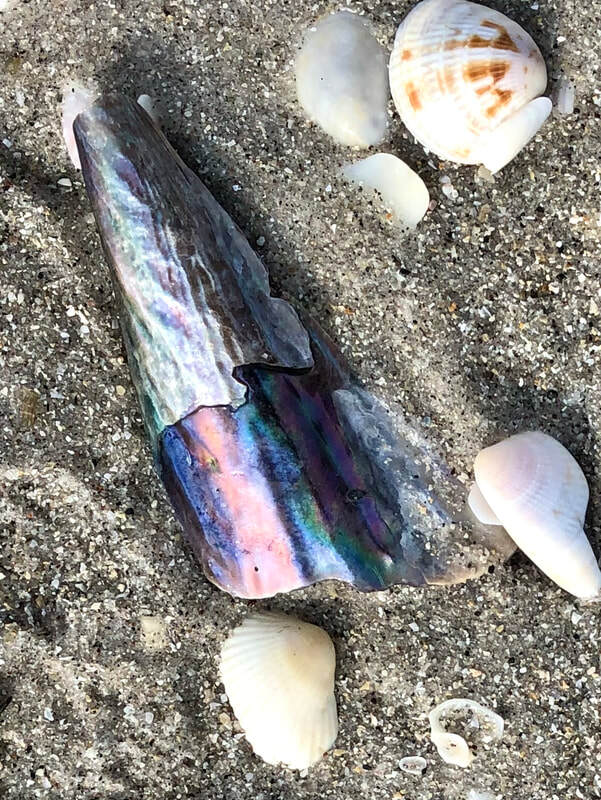
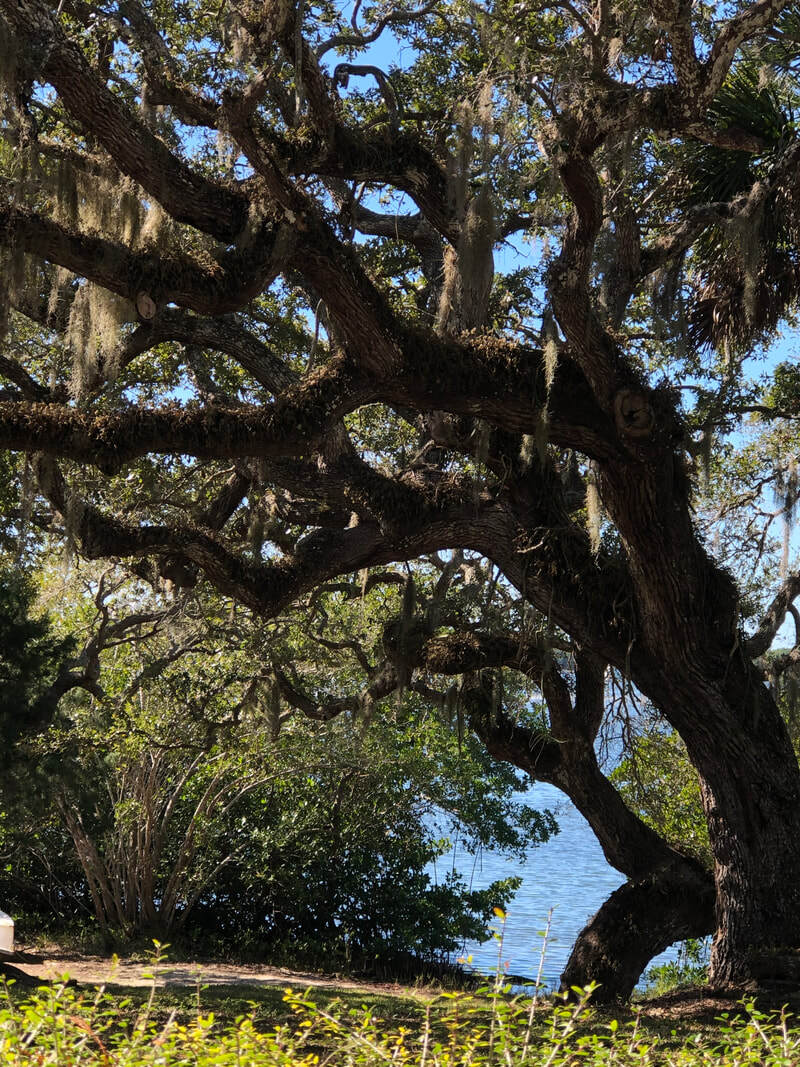
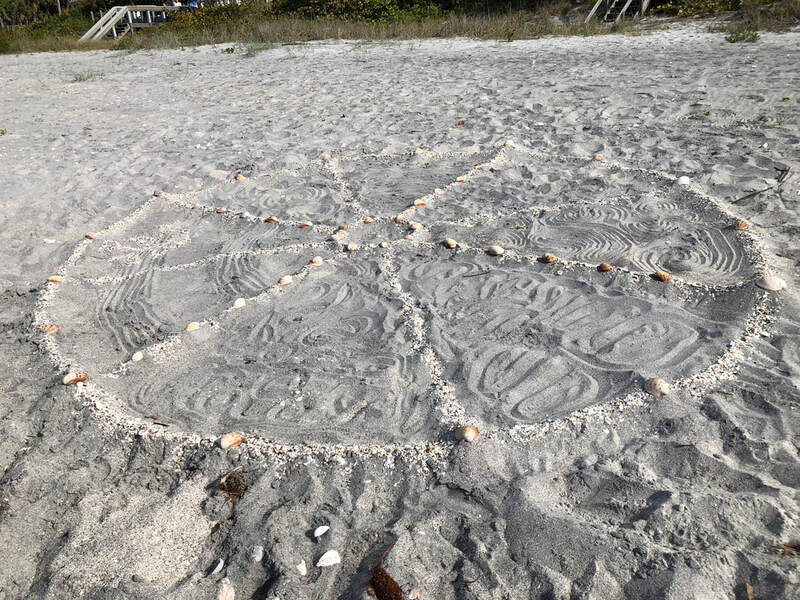
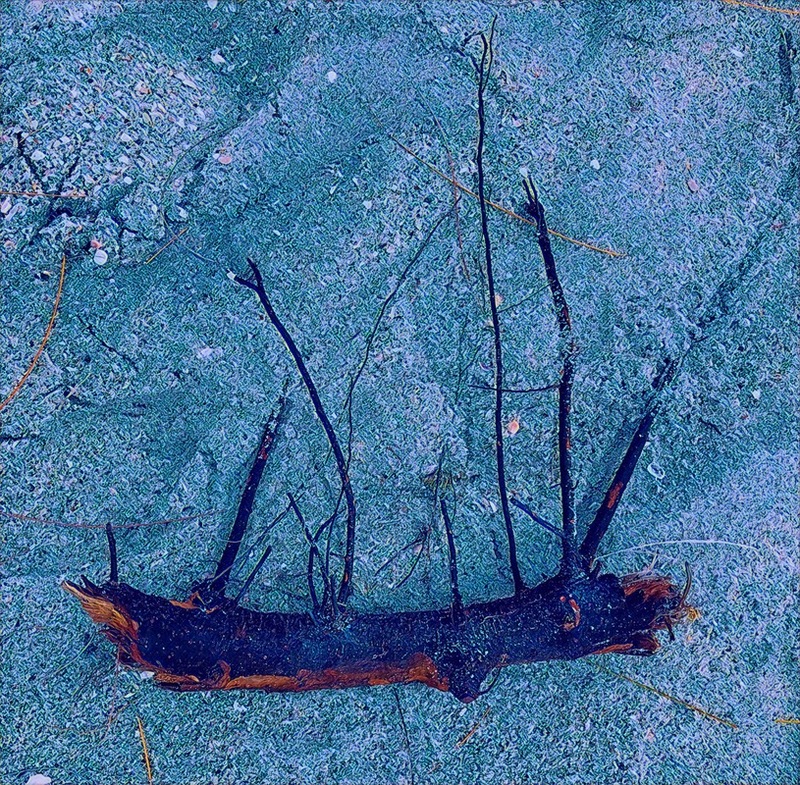
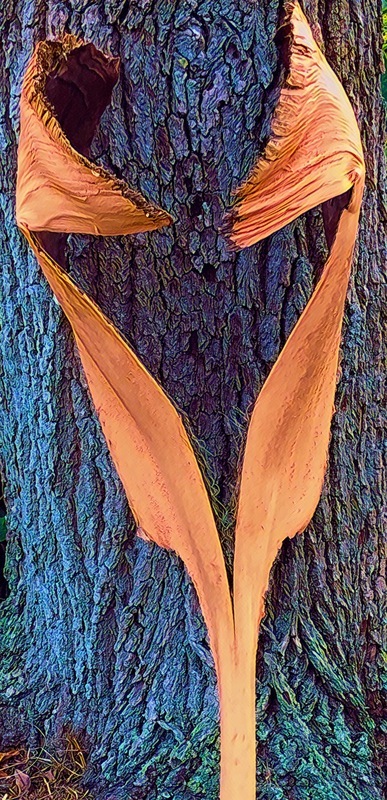
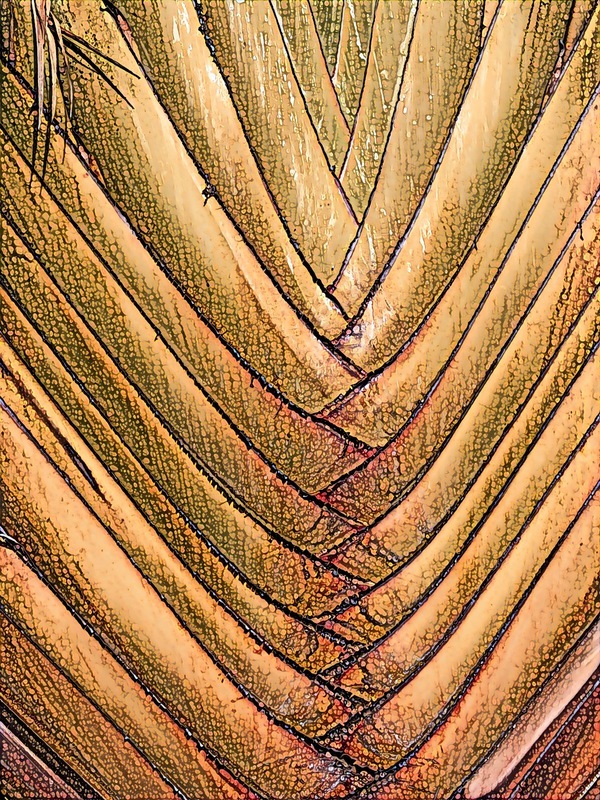
For several years now, I have been facilitating writing groups where participants free-write from prompts of various kinds—word phrases, images, objects, music. My initial publicity for the “Writing From the Inside” workshops included this description: “We use the process of writing…to deepen our awareness and appreciation for all that is…. We create a safe, playful and sensually engaged space where the words and images can come out. The intention is to use writing as an act of discovery, a spiritual practice that takes us beyond journaling to open the channel to the wisdom that comes through.” At any given session we typically work with two or three prompts, writing for 15-20 minutes on each one, and sharing our words with one another. I try to provide prompts that can take us in diverse, unpredictable directions, and it is amazing to see how many interpretations emerge in a given group. The individual writer’s voice clearly comes through, and we can honor both our own and that of our fellow writers.
During the pandemic, the groups have been virtual, but the magic of the process is in no way diminished; the Zoom platform, which can be quite intimate, is actually perfect for this kind of writing. One of my groups, which started online in March, is still meeting weekly—a clear testimonial to the fact that the experience continues to deepen. I am a full participant in these groups, and thus have regular opportunities to open my own creative channel. Over time, I have learned to really let go with my words. The experience is always interesting, but sometimes I am astonished at what comes through. Below, I share a few writings that came from word prompts in the last six months or so (the italicized titles were the actual word prompts). These are not edited in any way (take them as spontaneous outpourings, not polished pieces), and they are in no special order. I believe they hold the energy of my deepest vision. If you take the time to read them, may they also fill you with that energy and vision, and with the brightest light.
(If anyone is interested in joining a writing group of this sort, do contact me.)
The Painter of Dreams
Awash in color—the green robes, the crazy sparkling diamonds that flash glints of yellow and pink and blue. Ice blue: that color of ice floes, icebergs, the unimaginable depth of sea ice. Oh, the fullness of the color, the painful beauty of red leaves fallen upon deep green moss. Color over all. I live in color, in the intense vibration of hue. Not shaded, not tinted, not tonal: pure hue, uninterrupted wavelength. Sunflowers screaming out yellow across the field, all the heads with their brown centers following the sun. Black silhouettes of children playing by the grey rock wall, saturated cerulean sky, and the clouds pillowing white. Red wing blackbird in the adjacent meadow, glossy black with that shock of orange-red, the punctuation, the staccato emphasis or heartbeat. Or the colors of the mandrill—red and blue—oh my! The intensity of parrots, coded as if they and not the flowers were attracting the bees. Oriole orange, peacock green shimmer. And yet none of it is really there on a feather—only refracted light! Here, before me, clear red hibiscus, with blue tones. Who painted this saturated scene, this screenplay? Who coded us to see it? Could we stand on a pastel runway, bubblegum pink and grass green, Easter basket colors, with the volume dialed high to maximum? Could we wash in the symphony of color, the depth of lapis lazuli, could we rub up against the smoothness of the deepest jade? Awash, wash me in colors, paint this dream into being, and oh we cannot sleep; we can’t go back to sleep.
A Poem Yet Unknown
There’s a poem for you, my friends, yet unknown but full blown, full grown,
fully formed.
It’s stunning in its imagery, and yet the words elide, slide—hide, even,
for it can’t be held down, or captured; it’s a living presence
here, there and everywhere, every moment.
You can breathe it in. You can catch it on your outstretched tongue,
for just a moment, just long enough to know it’s there.
The light shimmer, the glimmer of emotion, commotion, the excitement and
calm, absolute peace, release.
It’s all and all and all, calling, to you, to us, to all,
resonant, resounding, abounding.
Drink it through your pores, drink the notion, the potion, the motion onward.
Drink ‘til there’s no more thirst, no hunger, no fear.
Drink the sweetness and its lingering notes, moved around the mouth and
swallowed, deep to the belly and the core.
Always more.
An expanding poem, spreading like the limbs of a live oak, touching the ground,
claiming space, holding/hosting lifein its branches, one with the sky.
It’s an ode, an elegy, a praise song, all things to all people, to all life forms.
It shines opalescent, glinting, glimmering, shimmering, sliding, surrounding, sounding, to be known, to be, to be lived and entered.
The sweetest poem, most haunting, most fundamental,
of the earth and sky and moon and birdsong and wonder.
To be known, to unfold into knowingness, to enfold, to be touched, and known
as home.
The Magical Broom
It swept away, on its own, like the [broom in] the Sorcerer’s Apprentice, but it was never mindless or on automatic. It targeted the little dust motes, even minute ones, and took them to the dust bin. It swept away tears, which instantly became small and silky soft fibers, adding comfort in the sweeping. It swept away shards of broken dreams and shattered lives. It swept rhythmically, its movements creating a kind of sine wave, mapping out a gentle heartbeat in its arcs, the embracing enfolding of a restfully swaying hammock. It swept, swept, carrying away the tedium of women sweeping the hearth, like Cinderella, those who had to take care of others and were imprisoned in their roles, unable to determine their own direction. It swept clean the stoops, white steps on old houses, signaling the goodness of those within, and it swept away cobwebs, scattering spiders and clearing a way through. It swept away sand, like the woman in the dunes and the existential dilemma, but it was loving and revealing, not Sisyphusian. It swept in, also, swept in freshness, a clear breeze of promise, and blessings, riding that breeze. It swept the chambers of the heart, yes, making it ready, and then turned around and swept in the light. Light sweeper, this magic broom, light sweeper.
The Poet’s Promise
As the poet promised, there would be a reckoning.
As the poet promised, we would rise up on our haunches, and bray at the moon.
As the poet promised, the winds would blow hard, scattering the papers to the wind.
As the poet promised, we would drink from the river, tasting of melted snow and faraway mountains.
As the poet promised, we would join hands and circle around, steps entrained.
As the poet promised, the sun would set bright red, and the birds would fly back to their roosts to rest.
As the poet promised, we would weep where the trees fell, and then sit with them as they returned to soil.
As the poet promised, we would climb to the crow’s nest to look out over the vastness of the sea, watching jumping fish and manta rays, jumping for joy.
As the poet promised, we would smile and reach out our loving fingers, feeling the velvety skin.
As the poet promised, we would breathe slowly, coming to rest, letting it go, and going on.
A Dowry Box for a New Kind of Marriage
Cross over that threshold, open the door, after all the ceremonies and hoopla have ended. The threshold, the doorway, liminal moment. What’s that in your arms? That large, lovingly fashioned basket, made of gleaming fibers, some that still smell fresh, like sweetgrass. Some bits of ribbon caught in, lending shots of color and joy.
What does it hold? What have you brought with you? A small bottle with your baby’s breath, exhaled in and caught with a stopper. Somehow, it smells like baby’s head, and the outside, though glass-like, feels like a plush blanket. A piece of velvet, made from the velvet of reindeer antlers, transmuted into silky green cloth. Your fingers feel the nap. A small compact, which when opened makes the sound of wind through the pines. An Egyptian paste bead, that penetrating turquoise, that when held takes you to the energy of the mystery school, deep in the pyramids, and brings you to the sense of your initiation and presence. You are always adorned with that color, that knowing. Some nature materials: dyed porcupine quills, the perfect geometries of cowfish scales, a tiny turtle shell. All friends, bits and pieces of magnificent design that bring reverence and gratitude and delight. And more: soft socks to keep your feet warm, and a hat that matches, so you feel cozy and complete. Lovely handmade paper and flowing pens, art brushes and endless colors. The perfect fruit, which is ever-replenishing and just-right ripe, but morphs regularly from peach to fig to sapodilla. It tastes of the real garden of Eden, where nothing is forbidden, and all is freely given, where the trees smile with their bounty and say yes, eat this, it’s our endless gift to you.
Carrying the Fruit
We marched down the tree-lined, dusty road, weighted with baskets of fruit: peaches, warm from the sun, giving off their scent-call, and plums...beaming their glossy purple with that hazy covering. There were baskets with pecans and brazil nuts, and others with bursting tomatoes and peanuts, ready to boil.
This was a parade, a harvest ceremony, among the tall magnolias. There was a grace in this landscape, large luxurious trees in no hurry to grow quickly or to develop defenses against the cold. Like the live oaks, they felt free to spread out and settle in, bend down and touch the ground. Ceremony, yes, and some of the women in vaguely Greek attire, evoking clingy, graceful garments, even though without the fine old wool they didn’t quite capture its hand. It was a play, an enactment of something that had never been: not here, with these fruits, not like this on this soil. Once there had been harvest feasts, rife with fish and fruit and game, but never a procession like this, with studied solemnity. We who carried the fruit were focused on the isness and literal poundage of the bounty, the peach smell coating all and singing of fecundity and sweet. It took effort to hold these baskets, up before our chests and bellies, and yet we brought something necessary to the land, some kind of re-inscribing of original grace, unscarred by what had happened there before.
A Poem Yet Unknown
There’s a poem for you, my friends, yet unknown but full blown, full grown,
fully formed.
It’s stunning in its imagery, and yet the words elide, slide, hide even,
for it can’t be held down, or captured; it’s a living presence
here there and everywhere, every moment.
You can breathe it in. You can catch it on your outstretched tongue,
for just a moment, just long enough to know
it’s there.
The light shimmer, the glimmer of emotion, commotion, the excitement and
calm, absolute peace, rest, release.
It’s all and all and all, calling,
to you, to us, to all, resonant, resounding, abounding.
Drink it through your pores, drink the notion, the potion, the motion onward.
Drink till there’s no more thirst, no hunger, no fear.
Drink the sweetness and its lingering notes, moved around the mouth and
swallowed, deep to the belly and the core. Always more.
An expanding poem, spreading like the limbs of a live oak, touching the ground,
claiming space, holding life, hosting in its branches, one with the sky.
It’s an ode, an elegy, a praise song, all things to all people,
to all life forms that fill its lines, opalescent nacre, glinting, glimmering, shimmering,
sliding, surrounding the poem
to be known, to be, to be lived and entered. The sweetest poem, most haunting,
most fundamental, of the earth and sky and moon and birdsong and wonder.
To be known, to unfold into knowingness, to be touched, to enfold us
and known as home.
In the Grove
A straightforward scene, tessellated into mosaic form, going in an unexpected direction. The tree leans into me as I lean into her, vibrant, my energy following her limbs and climbing up and up. The tree speaks: sit here in the crotches of my limbs, riding me like the finest steed. We will take off into the beyond. Steer me with the branches, feel me coursing through you and carrying you. There, beyond, beyond, beyond. Para gate, para sam gate.
It’s alive, this journey, every molecule alive in its beingness, an invitation. Aliveness in the grove, in the garden, in the meadow. Aliveness in the leaf, in the bark, in the molecules, in the sky. Every line an energy mark, punctuating space and time. We are mark makers, marking places, imprinting them with the impression of aliveness. We are aliveness marking, energizing, jump-starting–we are the imprints, the light language, the quickness, the quickening. Set yourself down in this grove, out of the sunlight, and take it in your pores. Be fed with this sense of excitement, knowing, take it in as the fuel for creative fire. And in turn, thank us; through this moment of fully tasting the aliveness, imprint it in your memory and be awake! Be aware, remember aliveness, life force, beyond the beyond and within the within.
Clarion Call
Clarion call: sharp and piercing
calling all:
wake up now.
Hear, here, right now.
Calling you, calling you, come.
You can’t ignore this sound
sounding in your bones, alerting cells
hear, here, now.
Impelling forward, pulling,
not to battle, but to awaken out
of the trance, to awaken
calling to being
calling clear
wake up to all we
really are.
- Published on
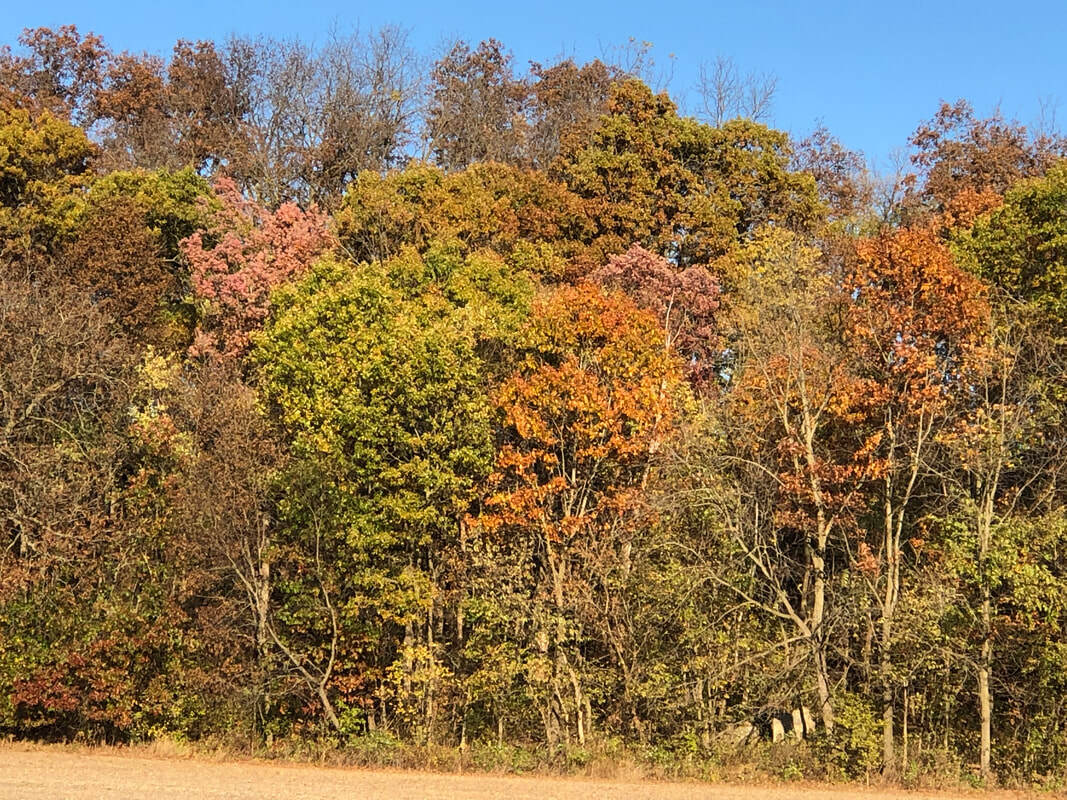
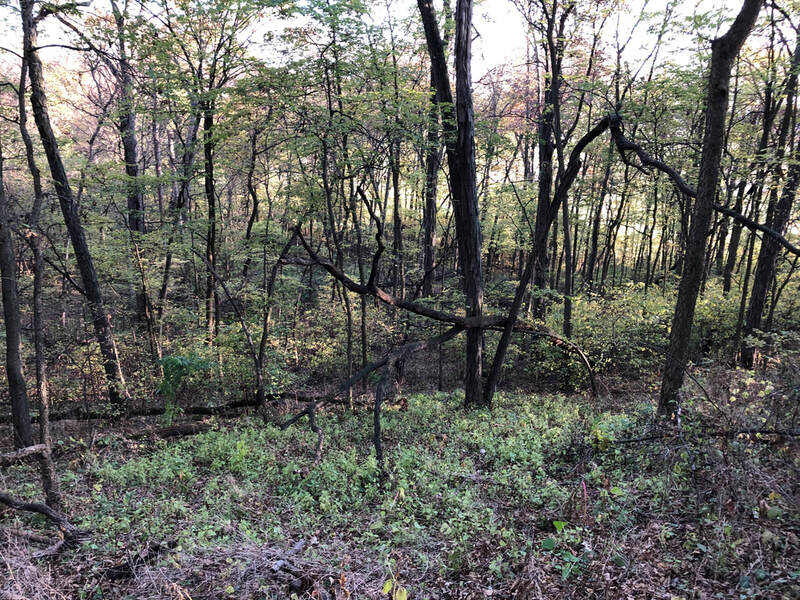
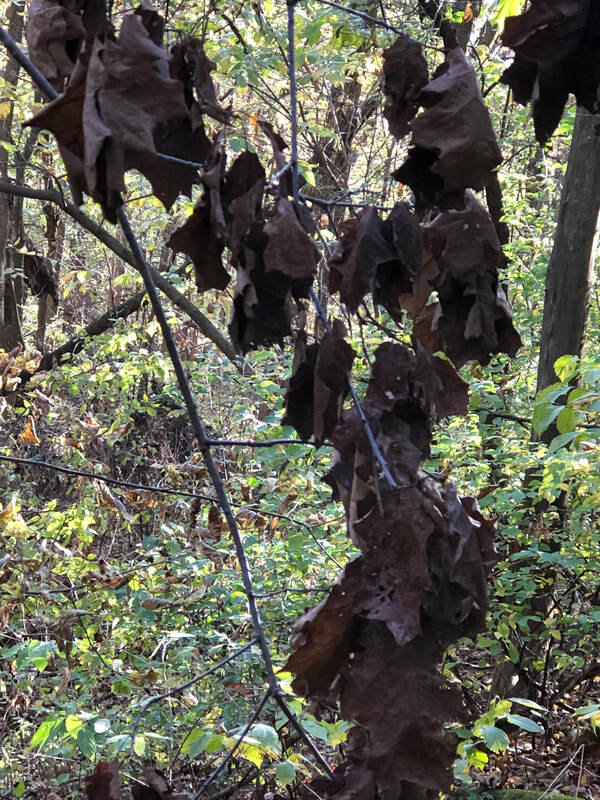
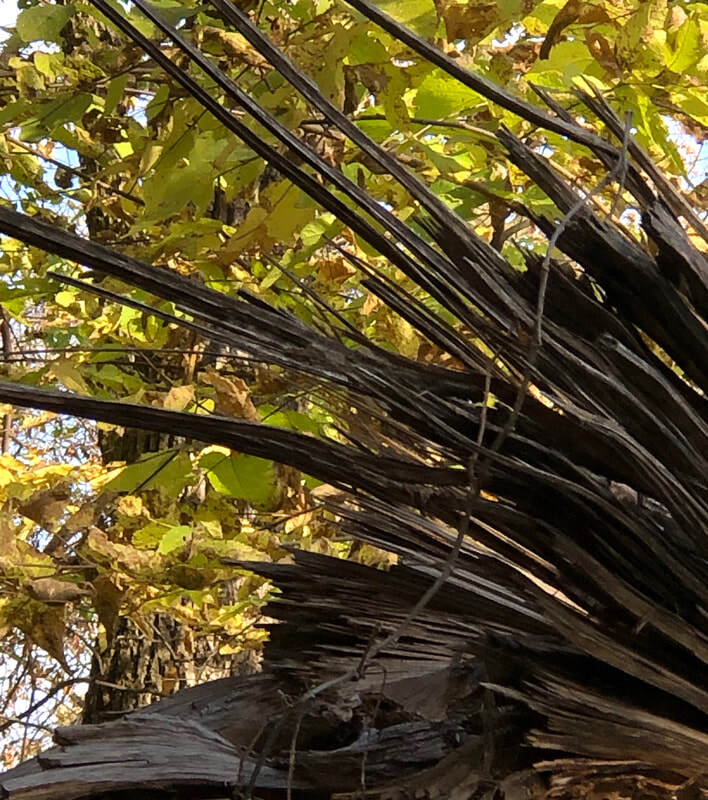
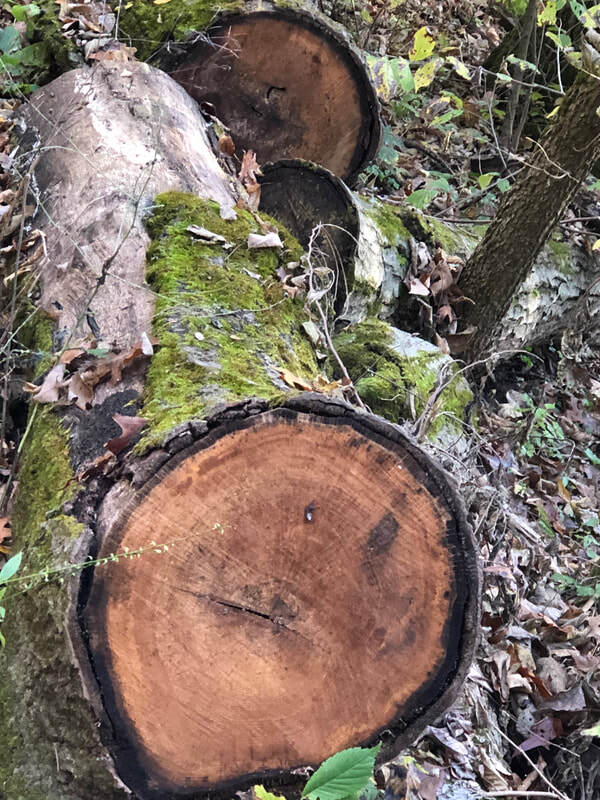
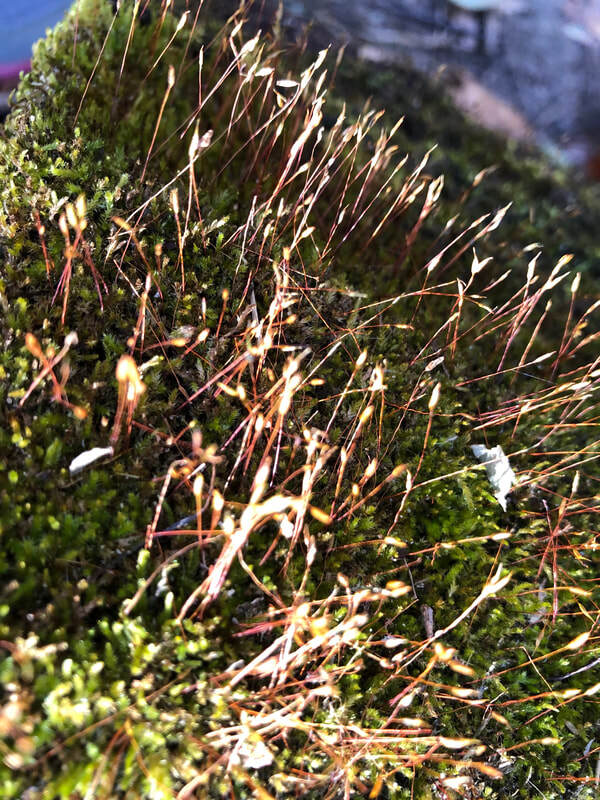
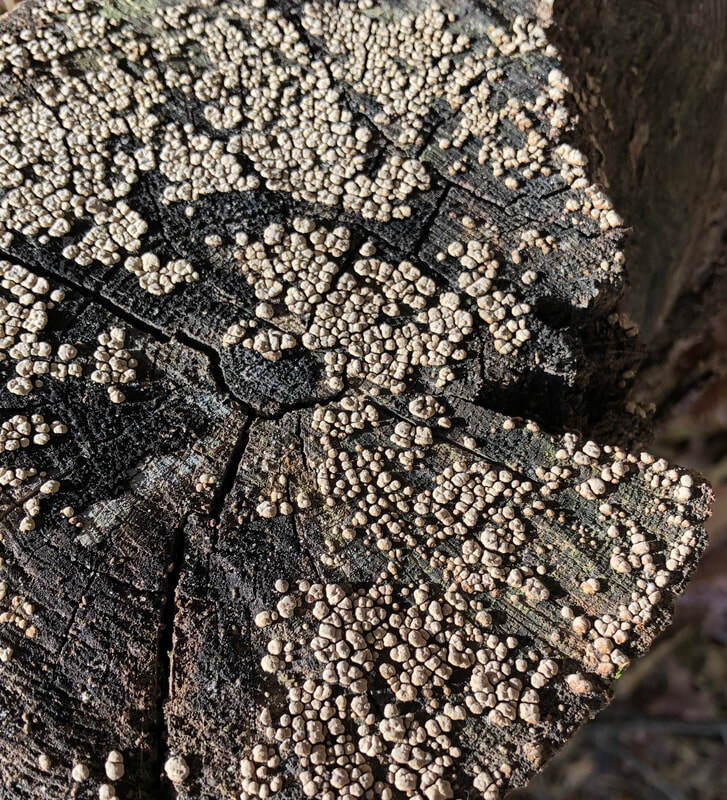
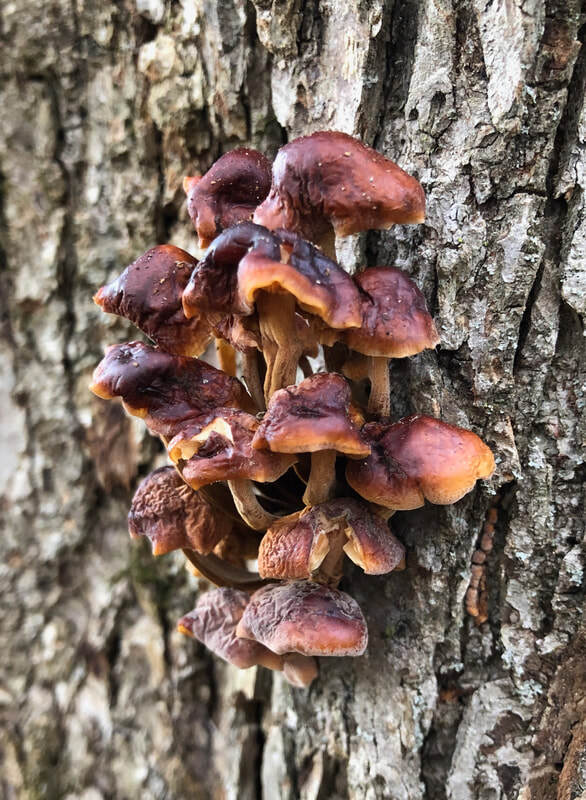
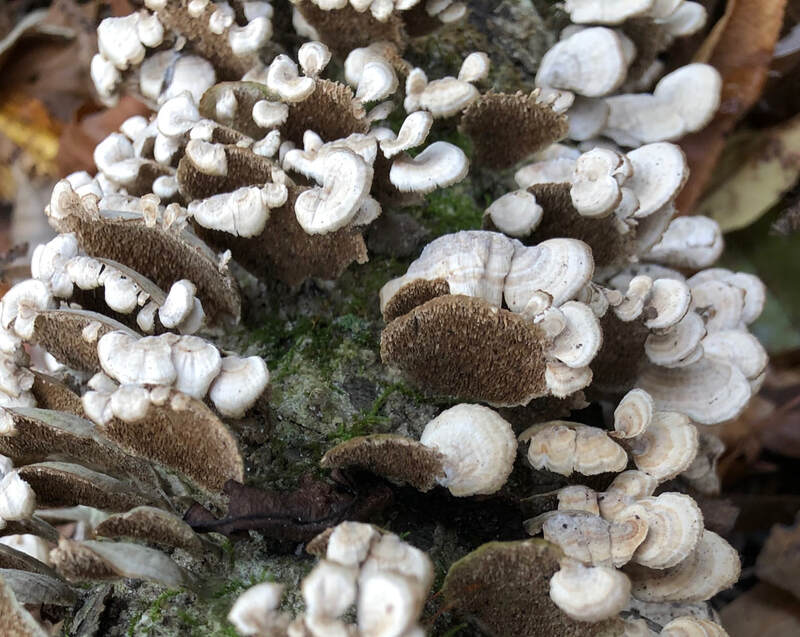
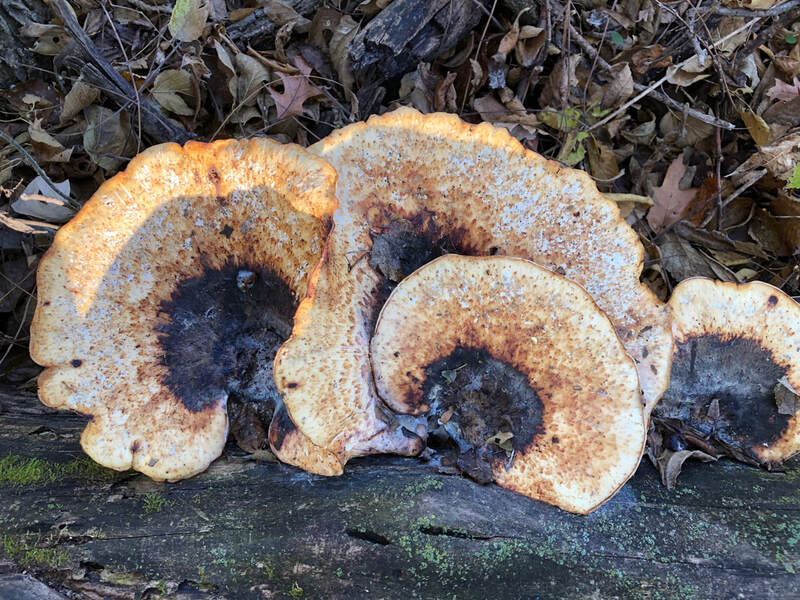
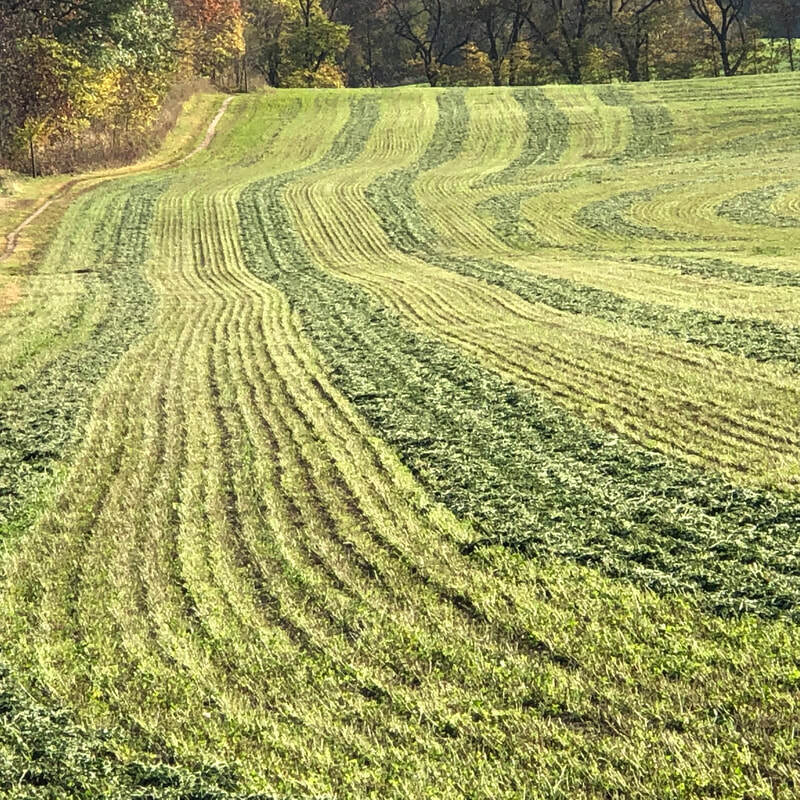
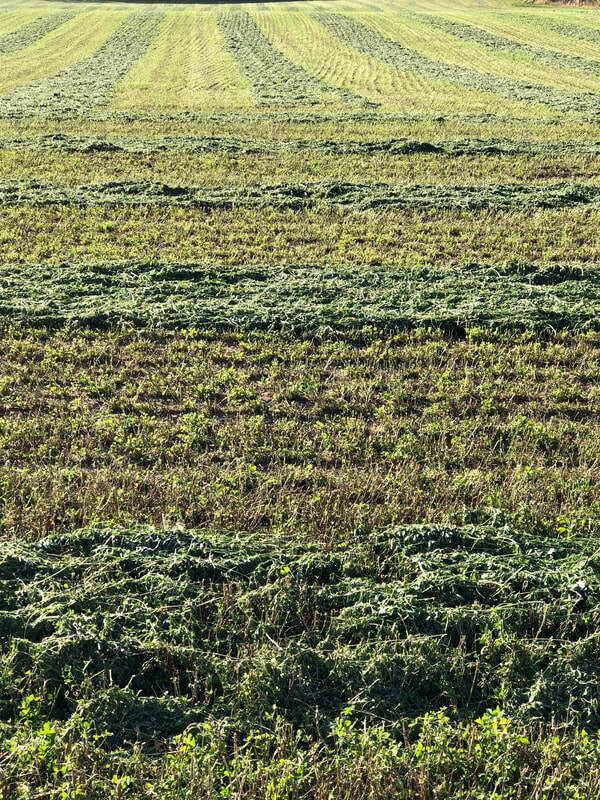
It was chilly, but the rain had stopped and we wanted to get out to explore. We decided to try a place we had never been, a relatively new section of the Ice Age trail about 25 minutes of out town. (The trail is envisioned as a "thousand mile footpath tracing ice age formations on the landscape." It is far from complete at this time, but grows incrementally as portions of land are ceded or owners grant right-of-way access.) It turned out to be a lovely outing. The terrain kept changing, offering unexpected new experiences in just a few miles, and the sun came out and cast its glow over everything. The variety and sense of bounty the trail offered was especially welcome because the very strong winds we had had for a few days seemed to have blown off the most brilliantly colored leaves, and I was already feeling the desolation of late fall. The brightest red maple leaves had passed, and the purple ash leaves had no intensity. The tree in front of my house (inoculated and safe so far from the emerald ash borer) had turned bright yellow almost overnight, but with the fierce swaying of the branches in the high winds, the colored leaves came furiously swirling to the ground within two days.
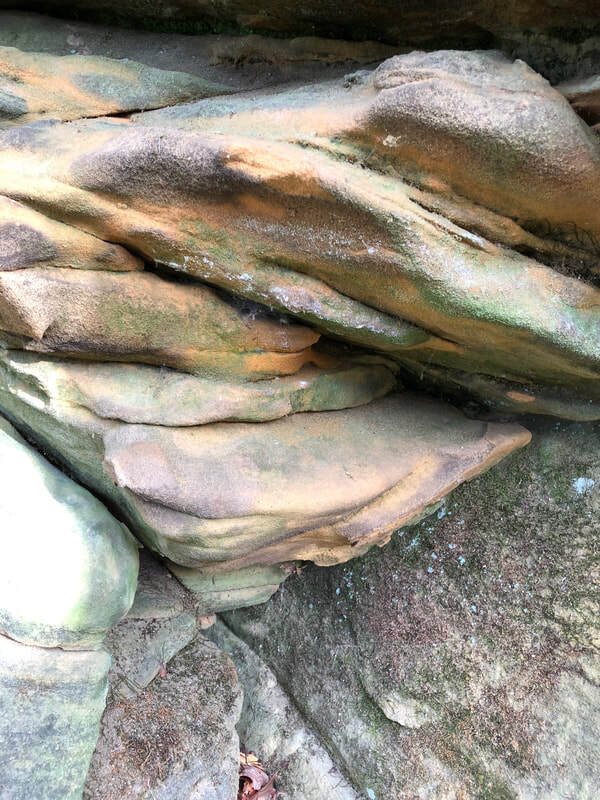
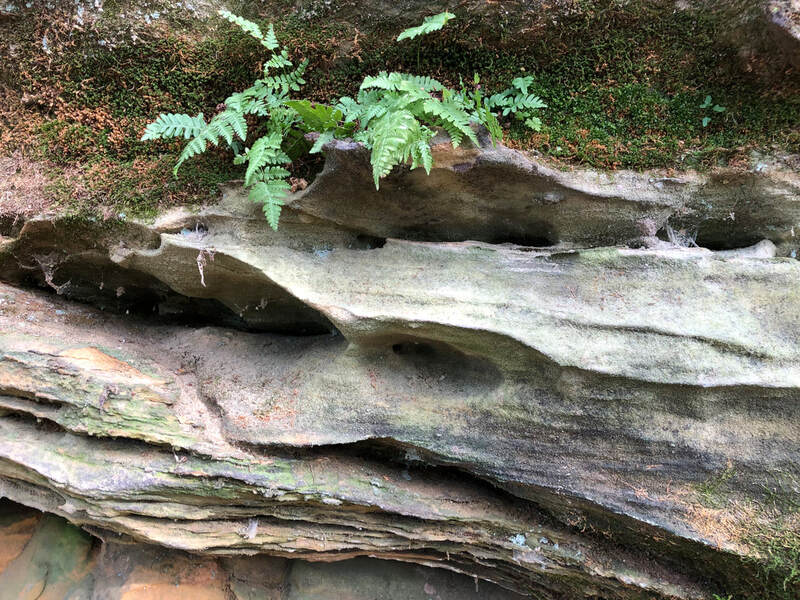
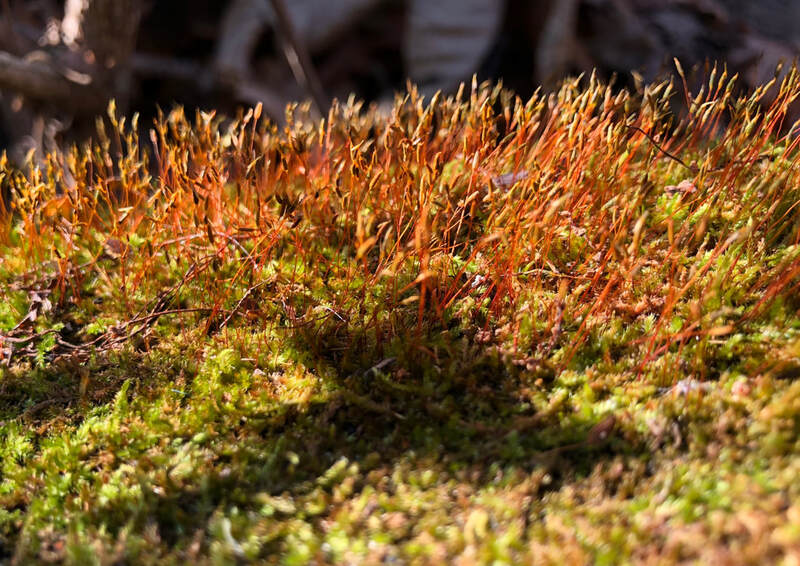
But back to the trail. As expected, the path skirted fields and led through forested areas, sometimes following rock formations. The woods were relatively young-- the area had either been lumbered or more intensively farmed at some time in not-too-distant the past--and was dominated by oak and hickory trees. The hills were gentle, as was the dominant color palette: varieties of muted greens, golds and browns, with occasional accents of black, red, orange and purple (swollen pokeberry stems particularly stood out with their bright magentas). When one stood back from the woods, in particular, it presented a soothing autumnal tableau; restful and gentle, it reminded me of a hand-colored sepia photograph.
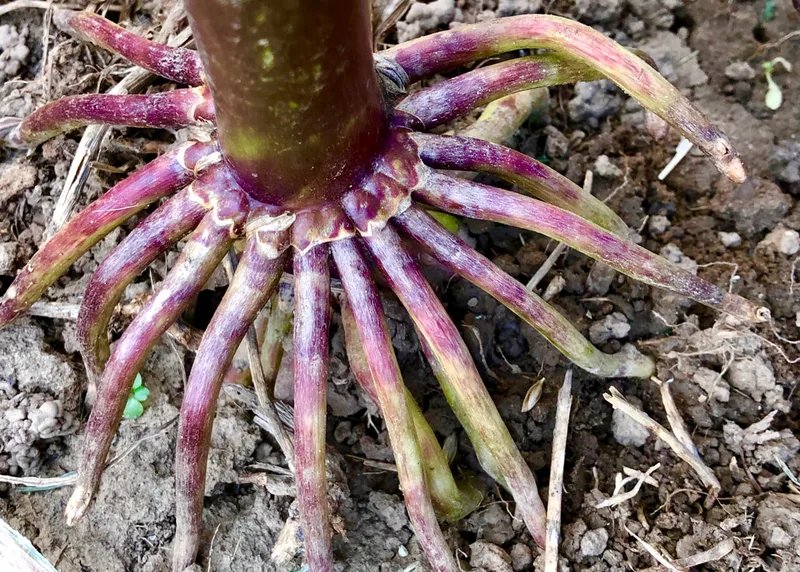
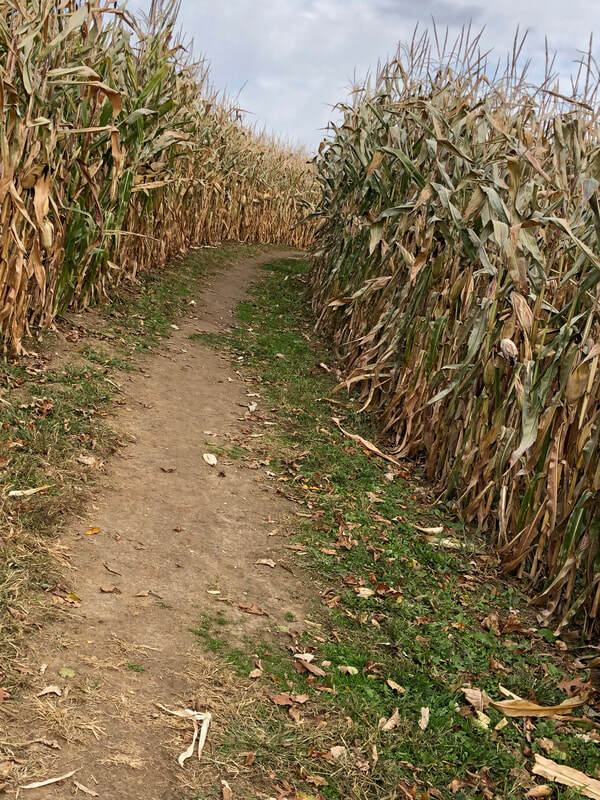
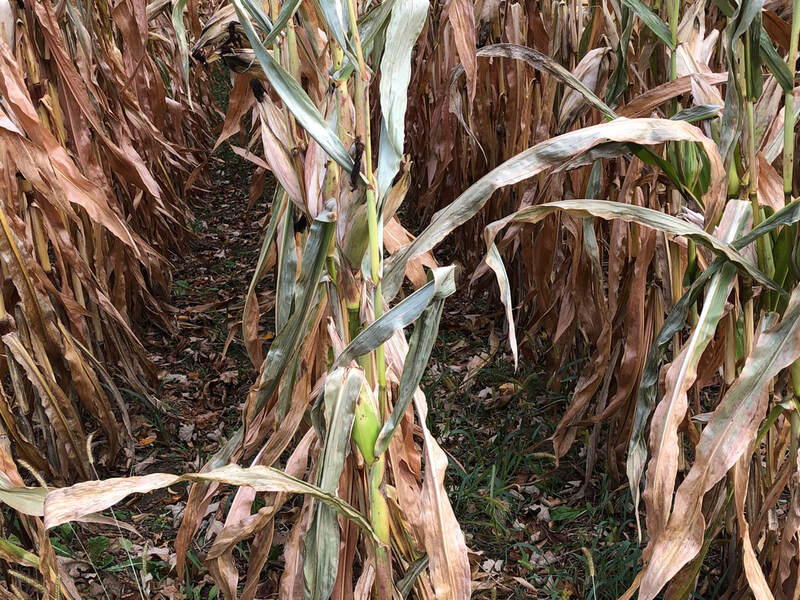
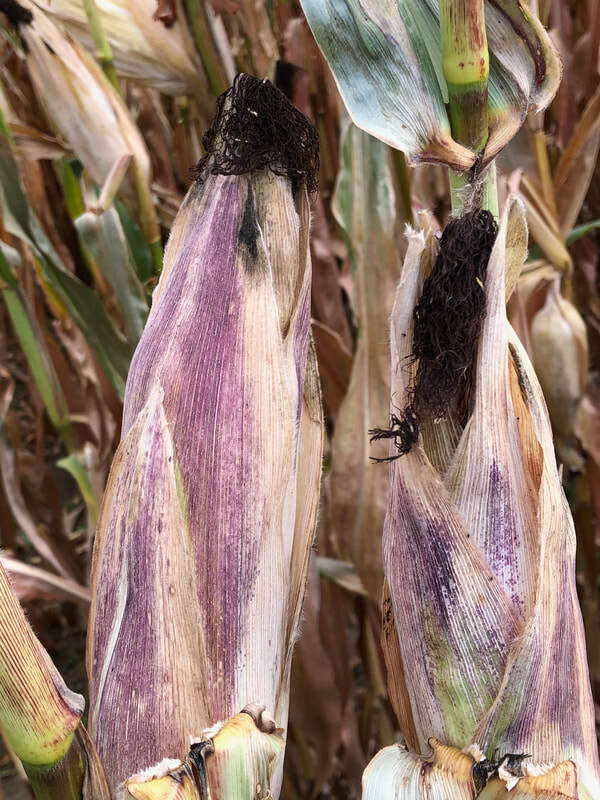
Despite the sadness of standing in this manifestation of such short-sighted monoculture and all the implications of not living in a cooperative ecosystem, this part of the trail still brought a gift: a chance to experience this plant with full attention and appreciation. I don't think I had ever lingered in a cornfield at just this time of the growing cycle, when the crop was dried out but not yet harvested (if it had been sweet corn, it would have been cut down long before). There was an accompanying sound---a distinctive whispery crackle that would rise and fall with the intensity of the wind in the dried stalks. There was aesthetic delight in the many shapes and textures, and in the plays of color--subtle variations on the stalks (a deep red at the joints, eggplant hues on the roots) and husks (from a creamy off-white to shades of purple); the sharp contrast between the dark dried-out corn silk and the pale husks; and the bright bright yellow of the crop itself. There was the warmth of the sun shining through the few still-green leaves, and the discovery of the tiny hairs that grew up the stalks, perhaps to protect them, or let in moisture. There was the pleasure in seeing the patterns of the ripe ears, which at this point in the season were in different positions, some playfully pointing toward--or away--from each other, some seemingly following the push of the wind. And the amazing roots, those sturdy mandalas that gripped the ground in no uncertain terms. This is a really strong plant, growing so high and solid in a single season, and, especially because I was there with the observant camera's eye, I was given the chance to fully take it in.
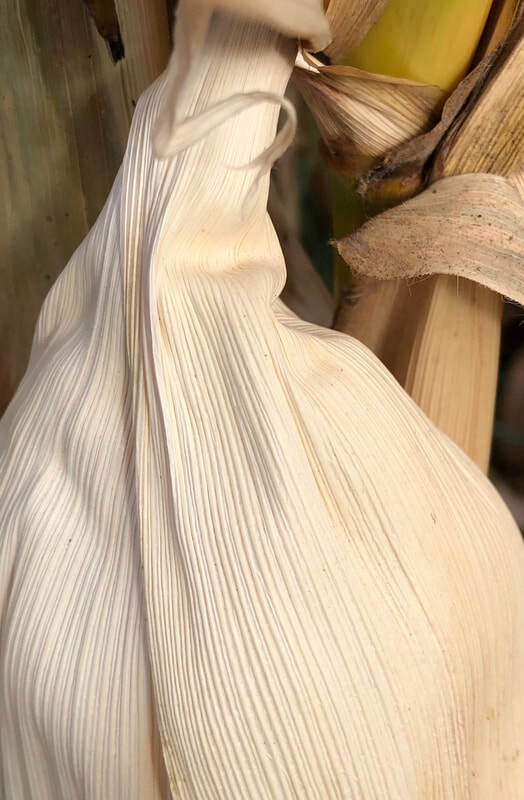
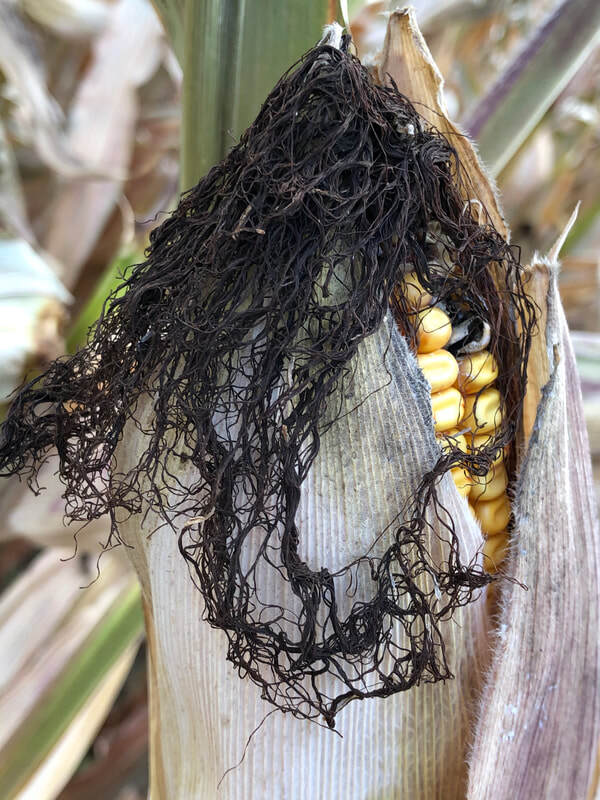
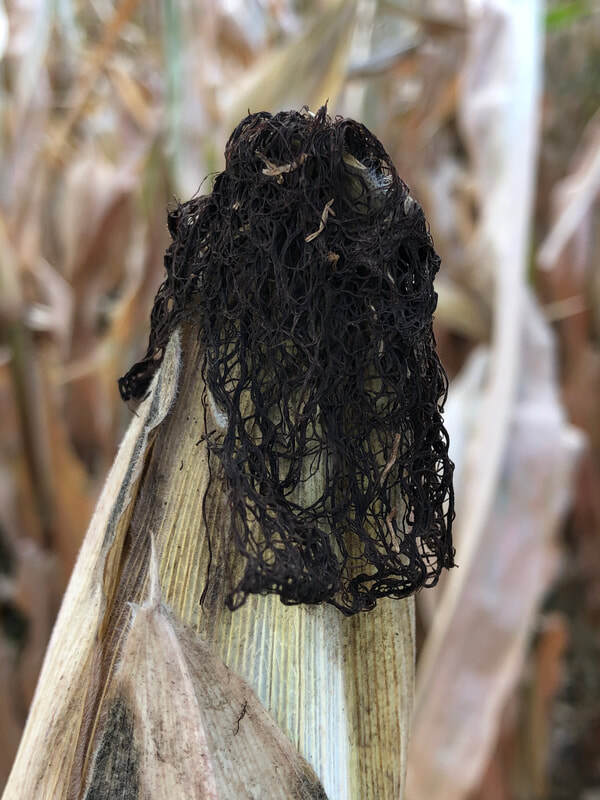
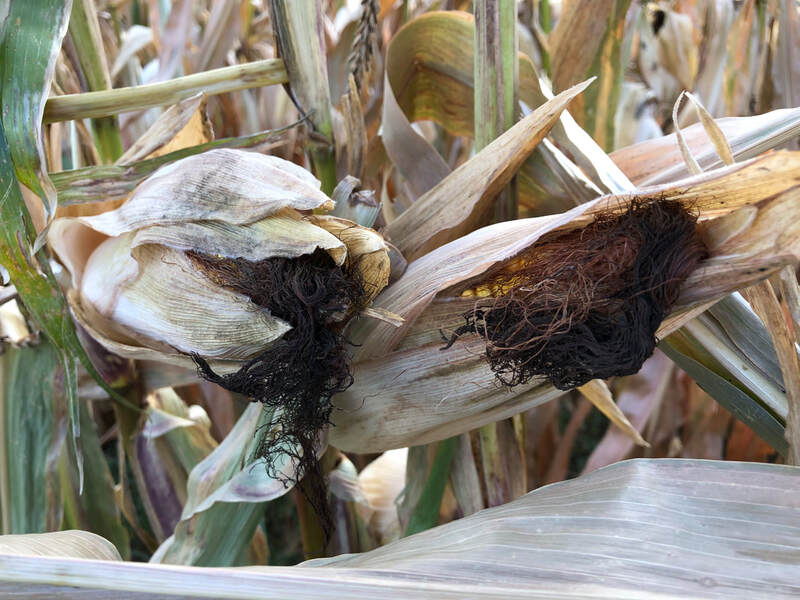
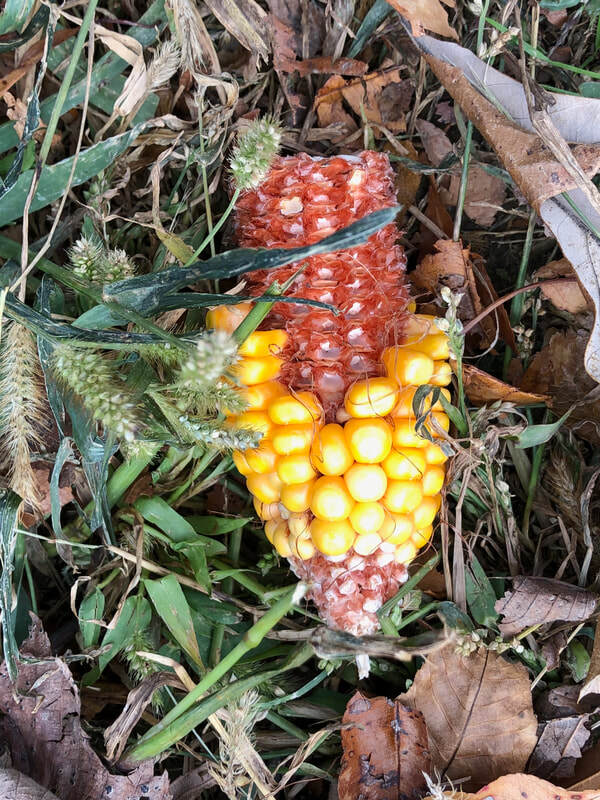
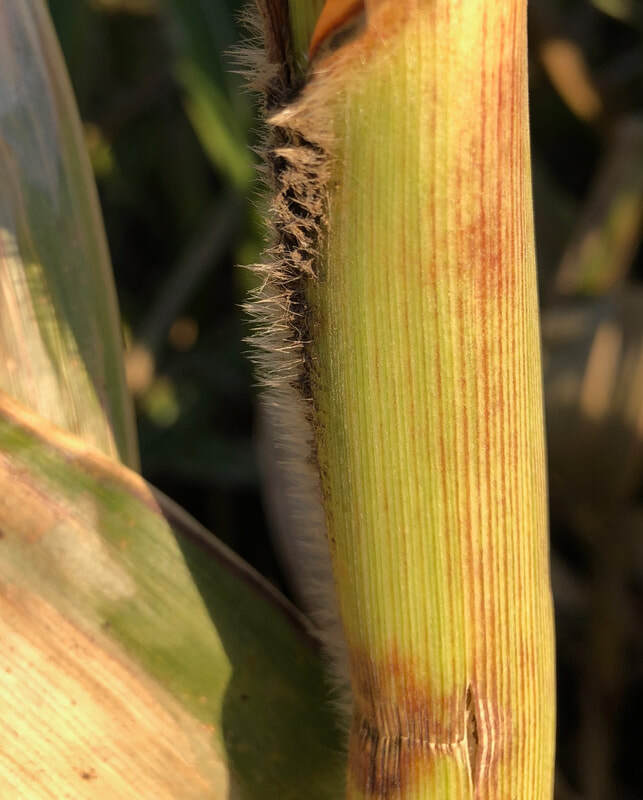
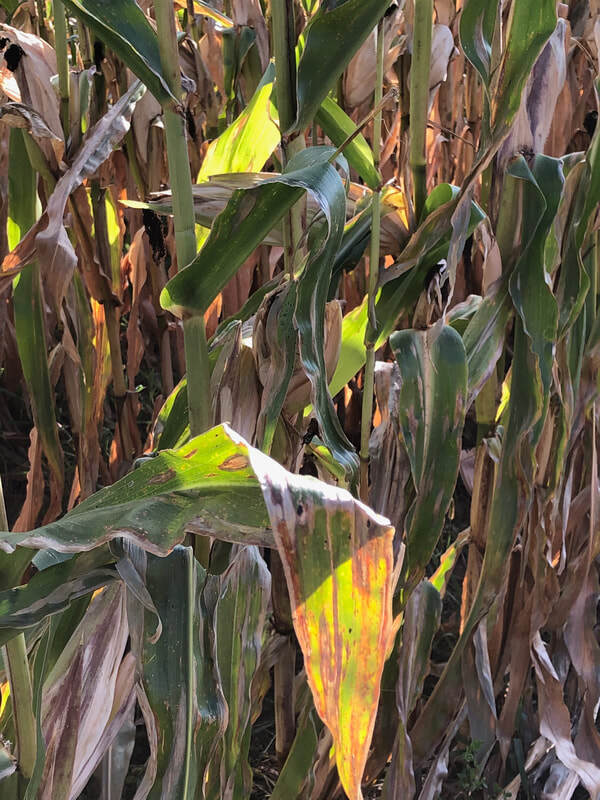
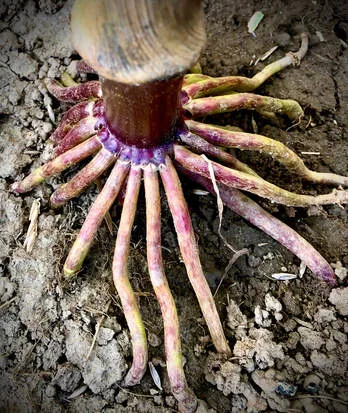
Perhaps I'll still have that opportunity in the future, but in any case it was a visceral reminder of how I relate to these natural environments and materials, wanting to know them as an artist, to show off their essences and help other people see them anew, with eyes of awe.
I had expected to be including more about some of my art this month, but this is what came forward. There's always more, but I will stop here. It seems appropriate to quote Janet Conner, who recently wrote these words in her weekly newsletter (see janetconner.com/):
"If it's meant to be sung, sing it. If it's meant to be lived, live it. You have no option but to live the art that wants to be lived."
That's it: this, today, is the art that is meant to be lived by me.
- Published on
Today is a hard day. It's bright, stunning autumn, almost equinox, and it's Rosh Hashonah, the Jewish New Year, which is always about new beginnings, starting again. The tradition is to eat sweet, round foods--apples and honey, pull-apart challah--to evoke a sweet year to come. The sweetness also ushers in the Days of Awe, the period of reckoning and making amends for wrongdoing, leading to Yom Kippur, when the gates of heaven are fully opened for 24 hours.
And this is the day when Ruth Bader Ginsburg died, and there is so much grief and fear and panic arising in the collective. I have also just finished watching a moving, heartbreaking film, "My Love Awaits Me By the Sea," made by Mais Darwazah, a second-generation Palestinian documenting her first trip to the homeland. It's heartbreaking, for oh so many reasons, including my helplessness at watching the people I "belong" to--the Jews--continuing to oppress another people ever-more deeply. This ability to keep building walls and seeing "others," rather than seeing our essential unity and oneness, is running through the whole world, and is shown in shockingly stark contrast these days. It is truly overwhelming. Whatever we believe, whatever "side" we are on, we are all tasting the poison and suffocating. One of the Palestinians in the film who is living in the West Bank said that whatever happens, it will take many many years for his people to undo the walls that have been built inside them. Yes, there's the truth. We have to keep dreaming the new world we want to see, to transcend the limited story we are all caught in, and to really make amends. Build--create--something really new, stripped of old assumptions.
So it's a day of the sad and bitter, although there's also some sweetness. I must go out to a beautiful place to help soothe my heart and give me comfort and hopefully strength. I do still believe what I wrote early on in the pandemic experience, about holding on to and remembering the joy (see April 2020 blog post), and I do, although the sadness has to be allowed in beside it.
EARLY EVENING
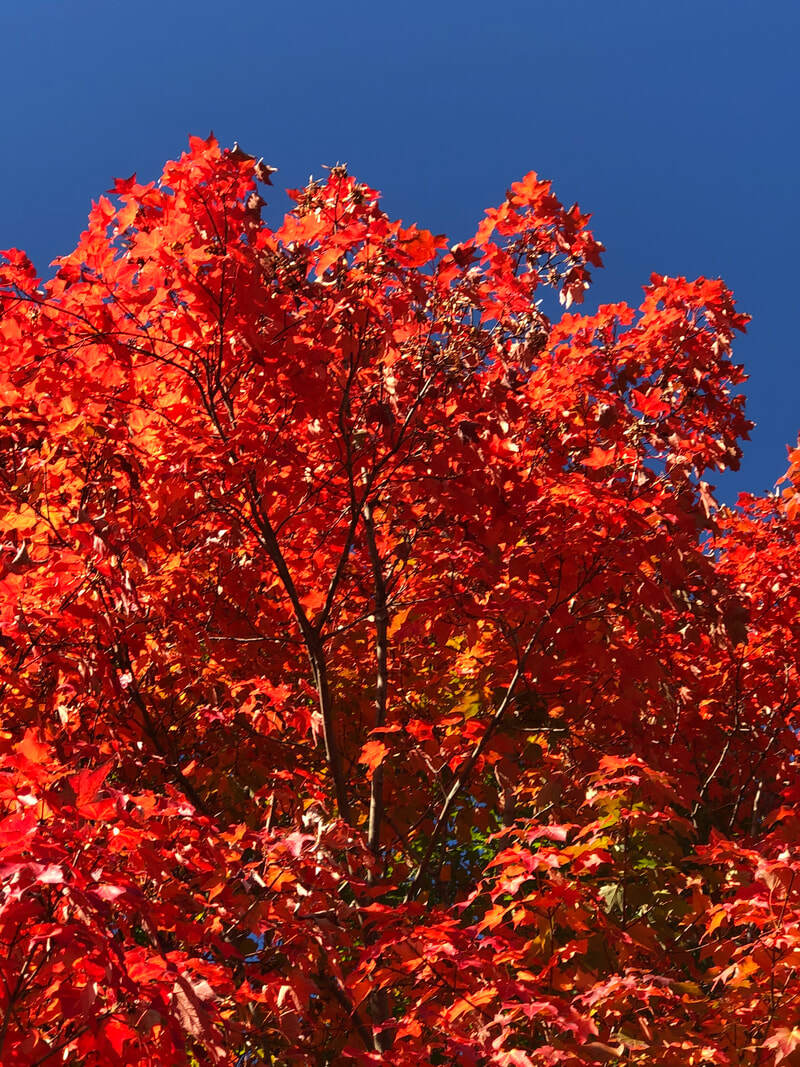
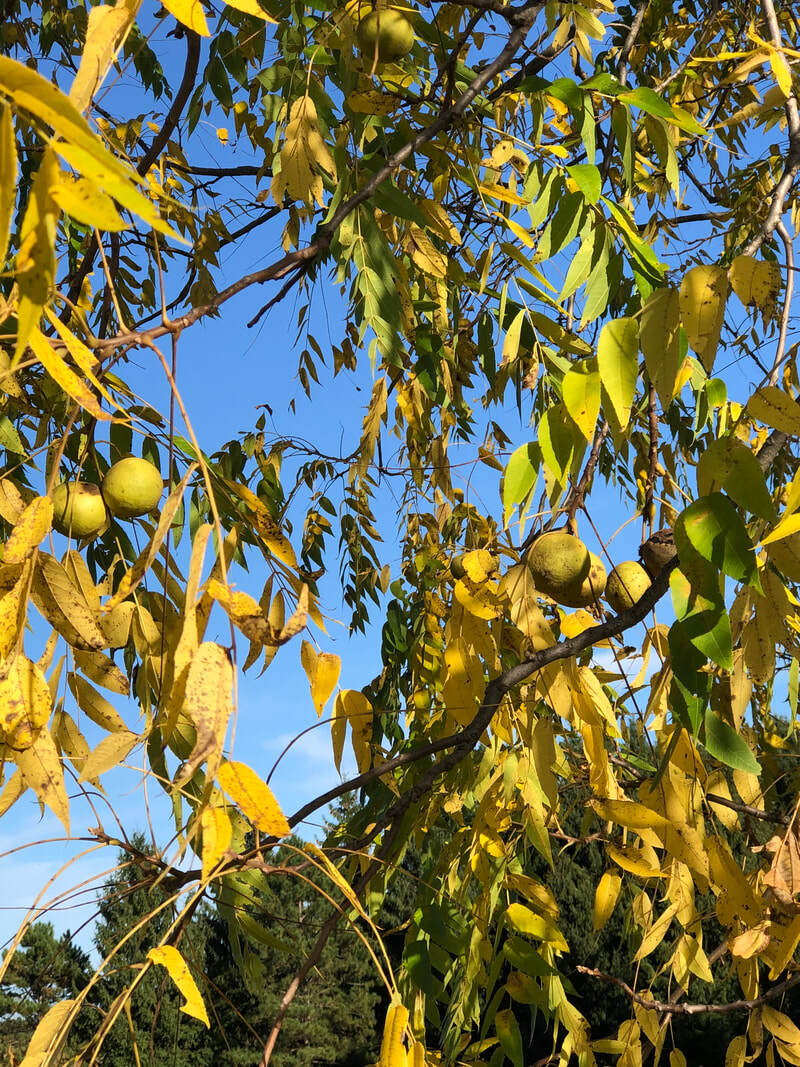
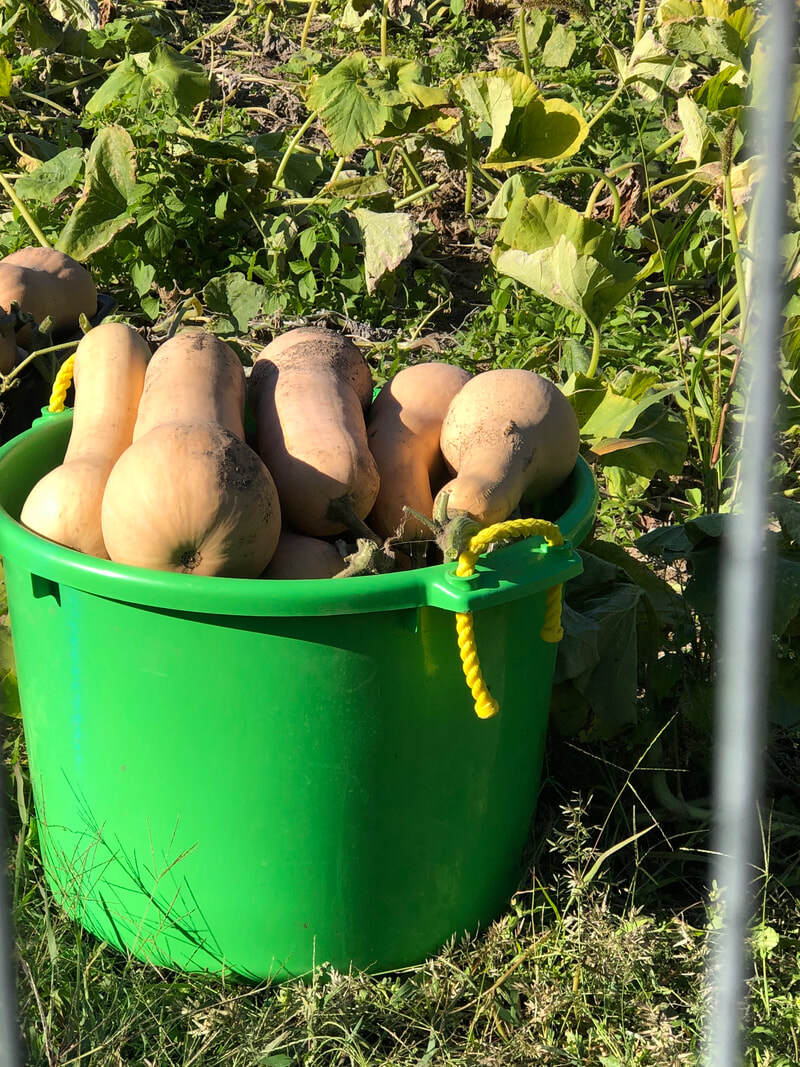
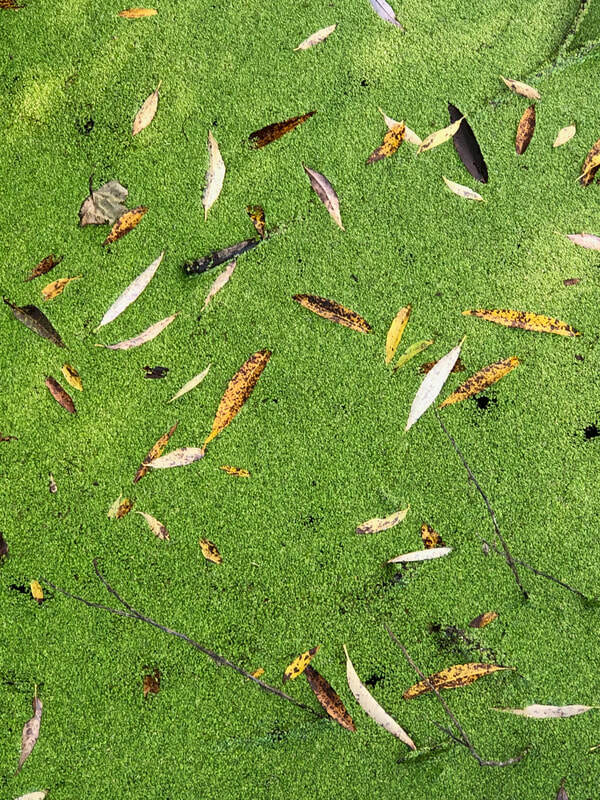
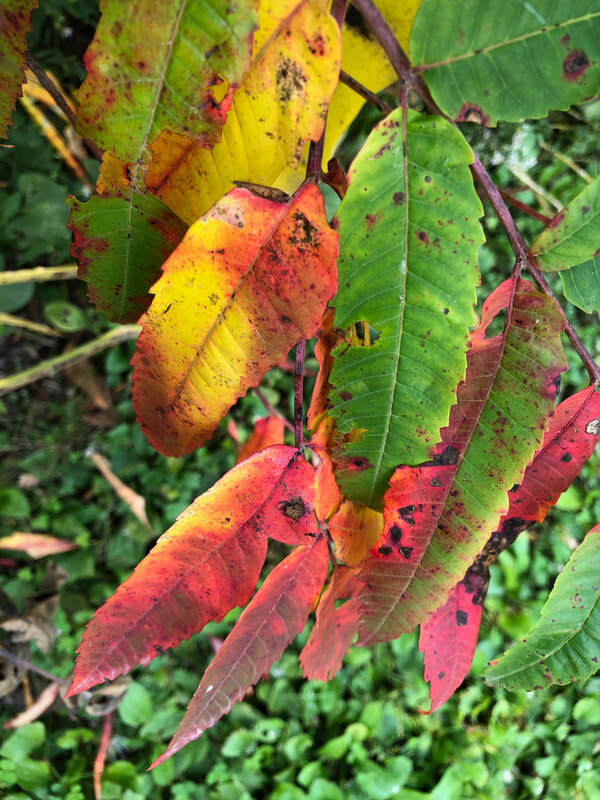
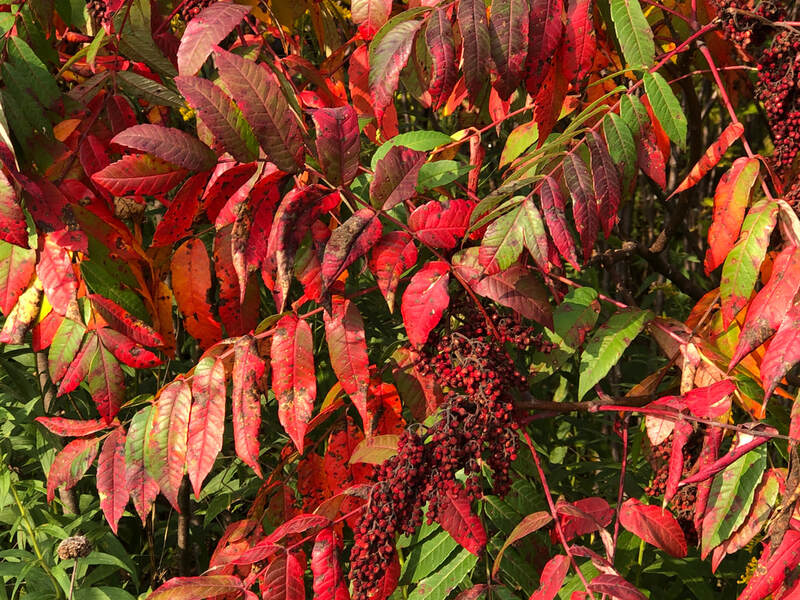
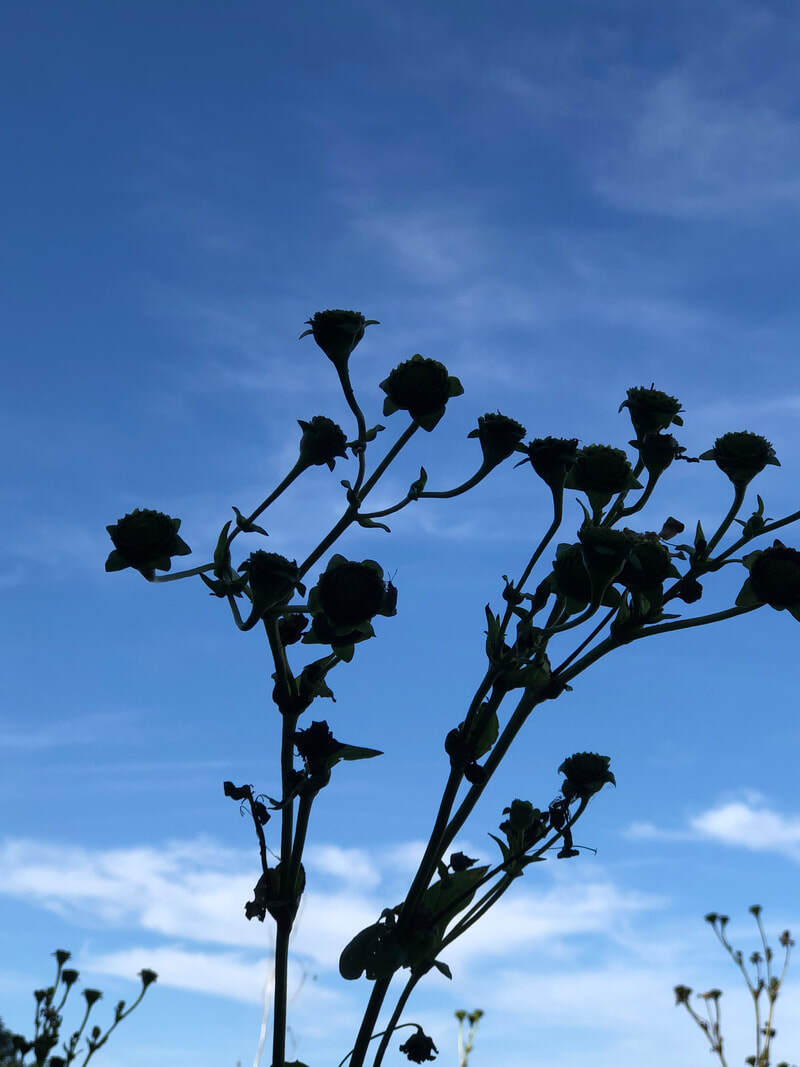
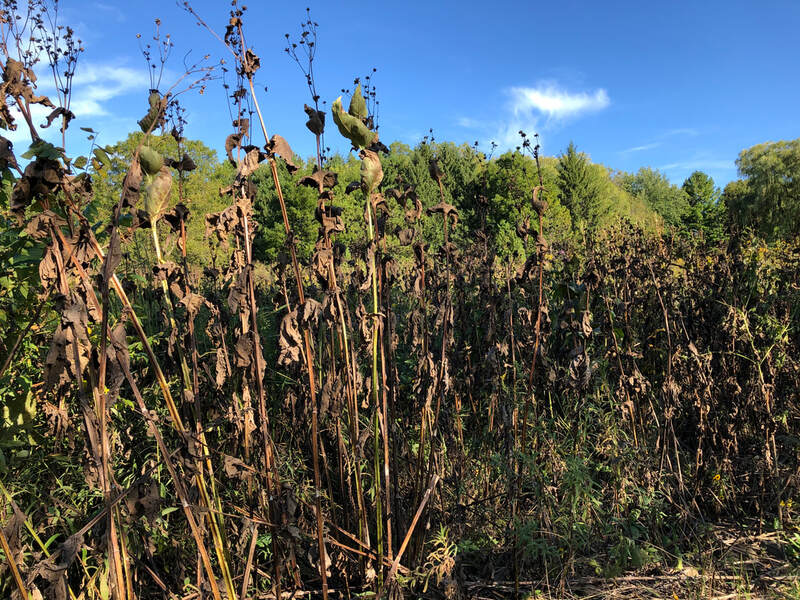
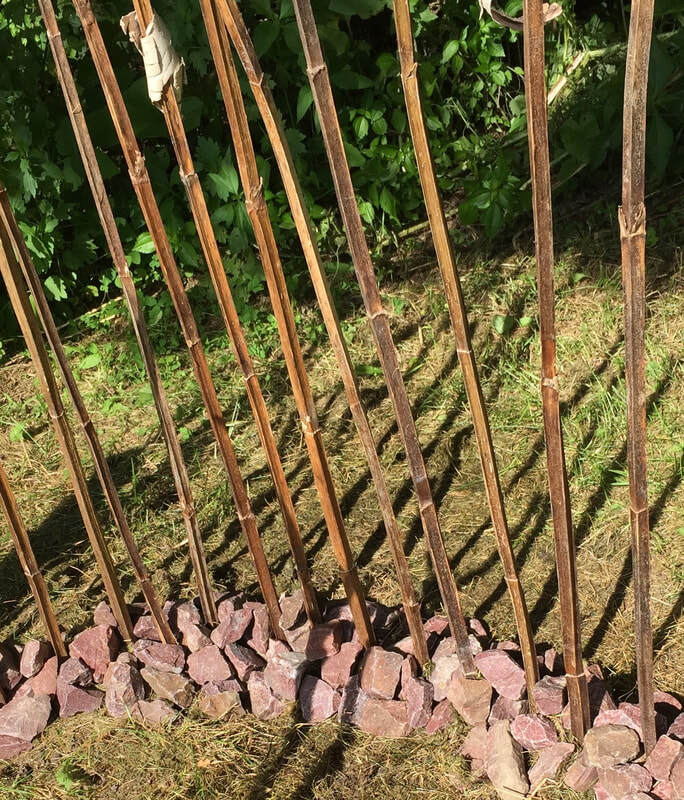
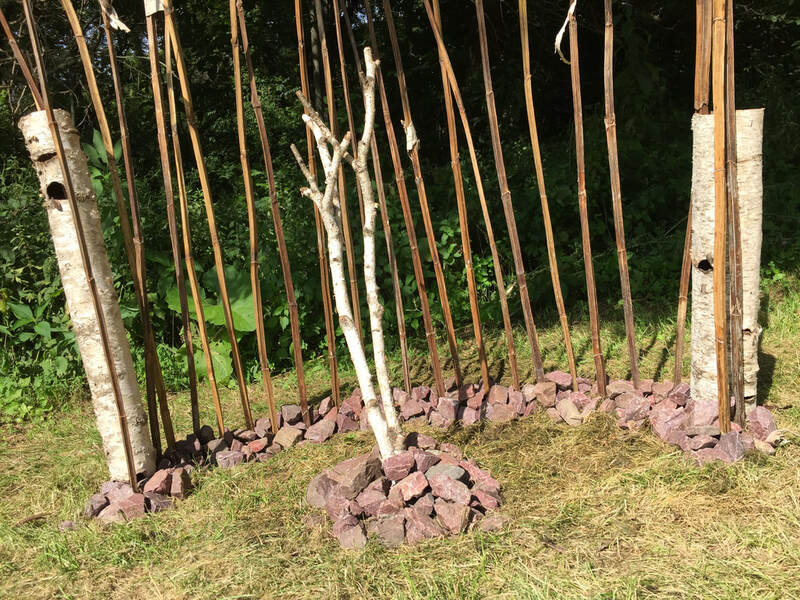
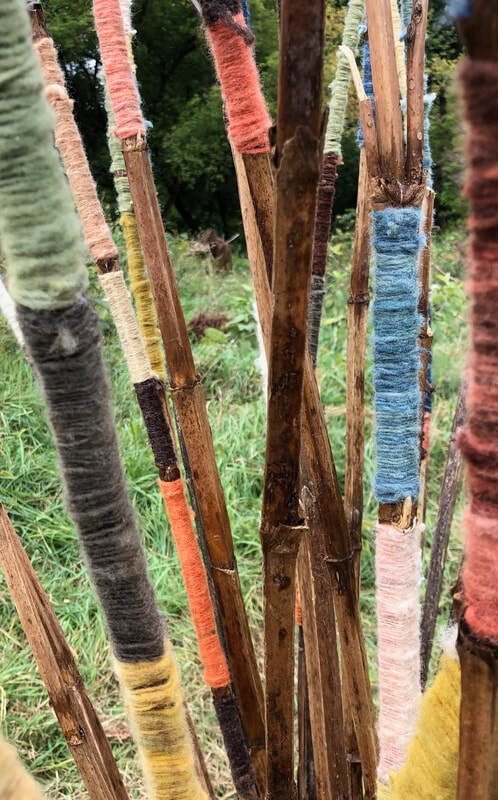
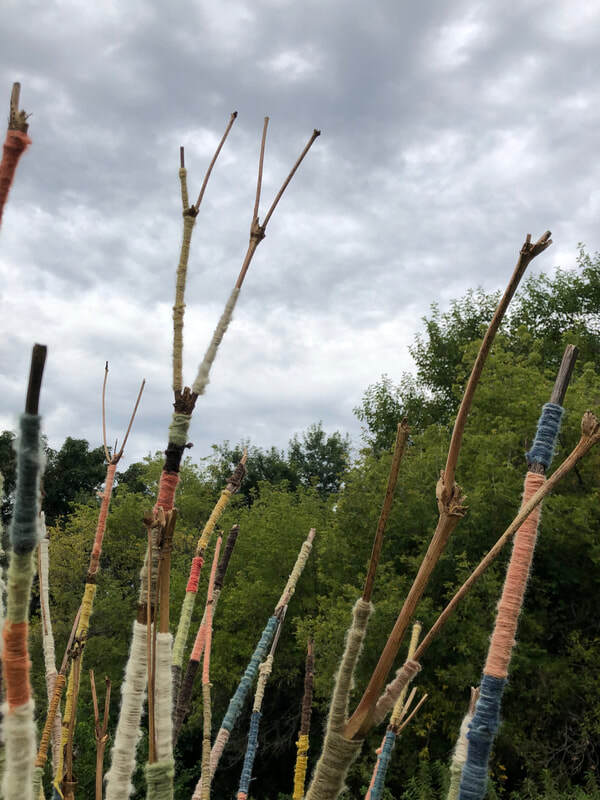
It's true: after several hours outdoors with the land, I feel refreshed and lighter. More sweetness, and much more space to hold the sadness. I want to share some of that here, and since much of the feedback I've received about this (he)artspace blog comes in response to my descriptions of the natural world, I know that instinct is a good one. Here are some impressions from this afternoon and other recent autumn explorations. (Remember: click on the images to see the whole view, and you can easily scroll through with the arrows from there.)
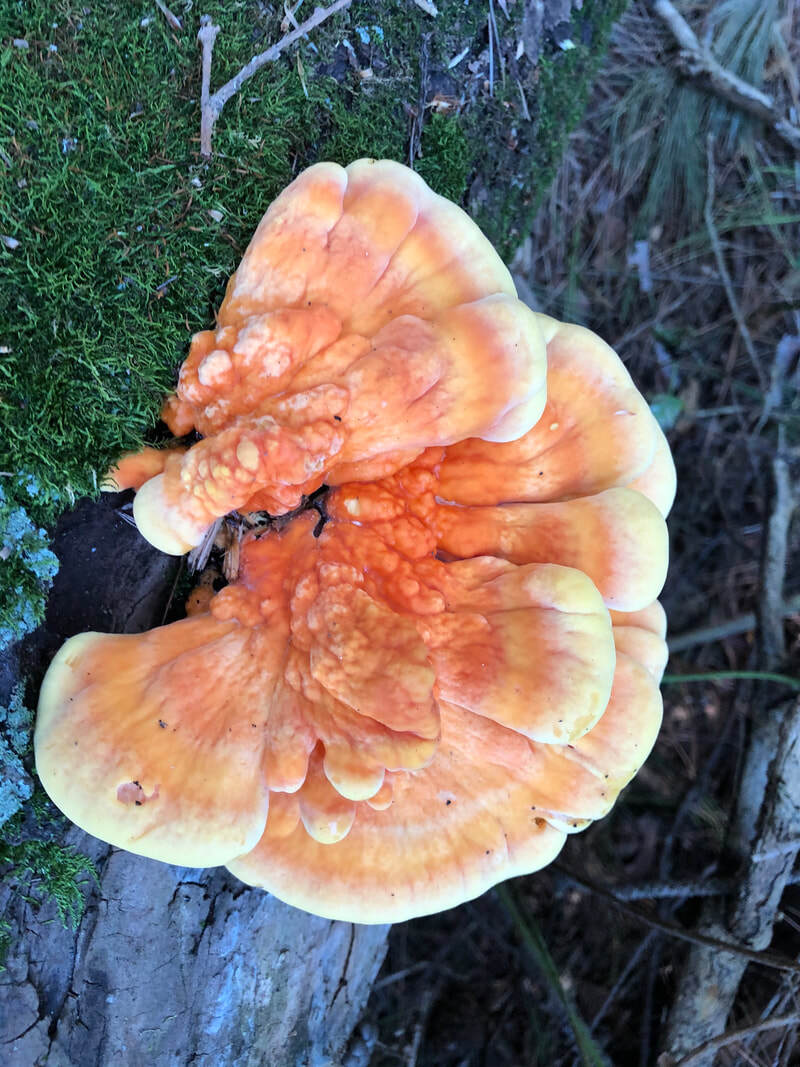
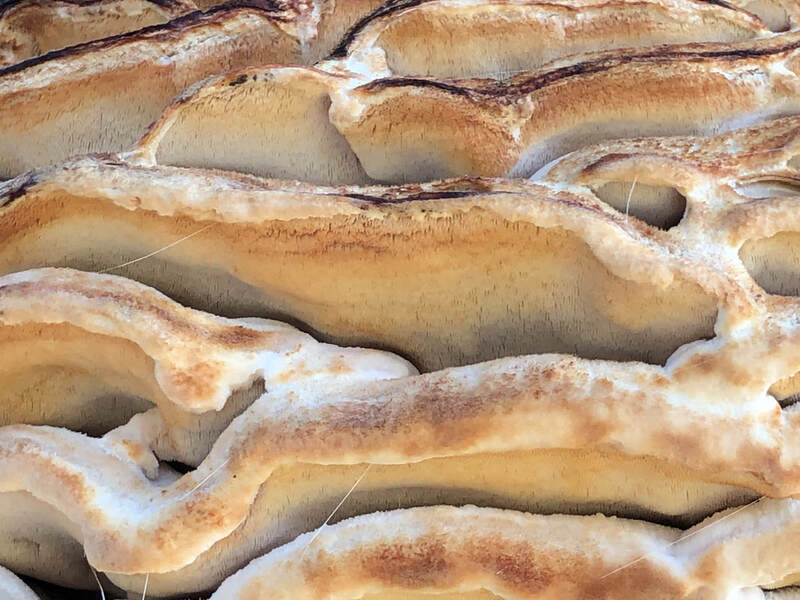
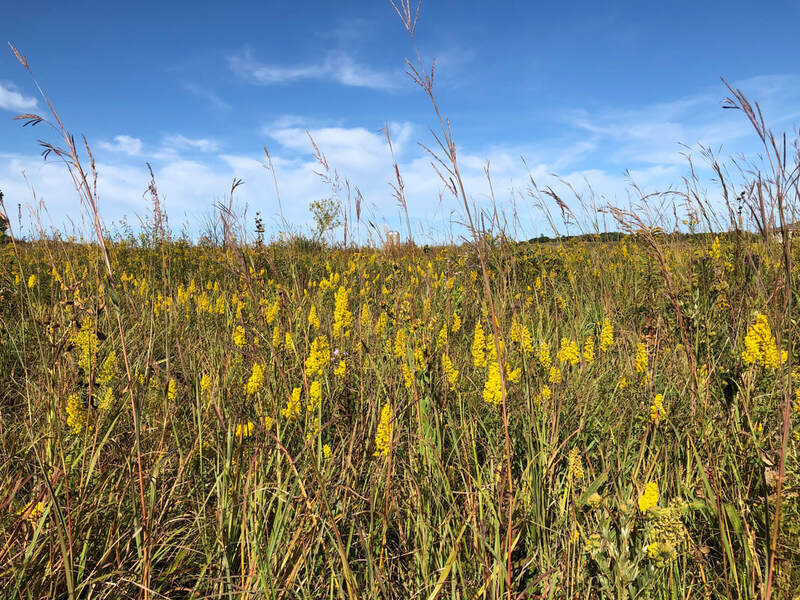
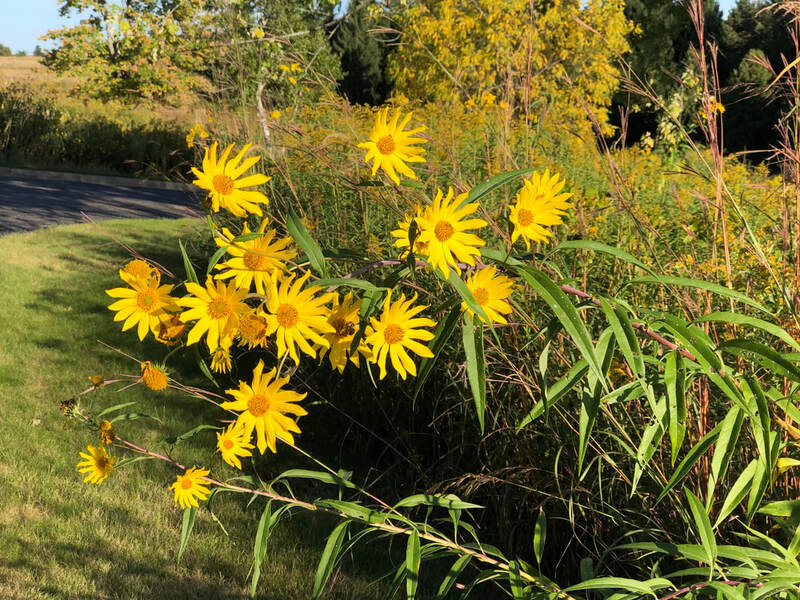
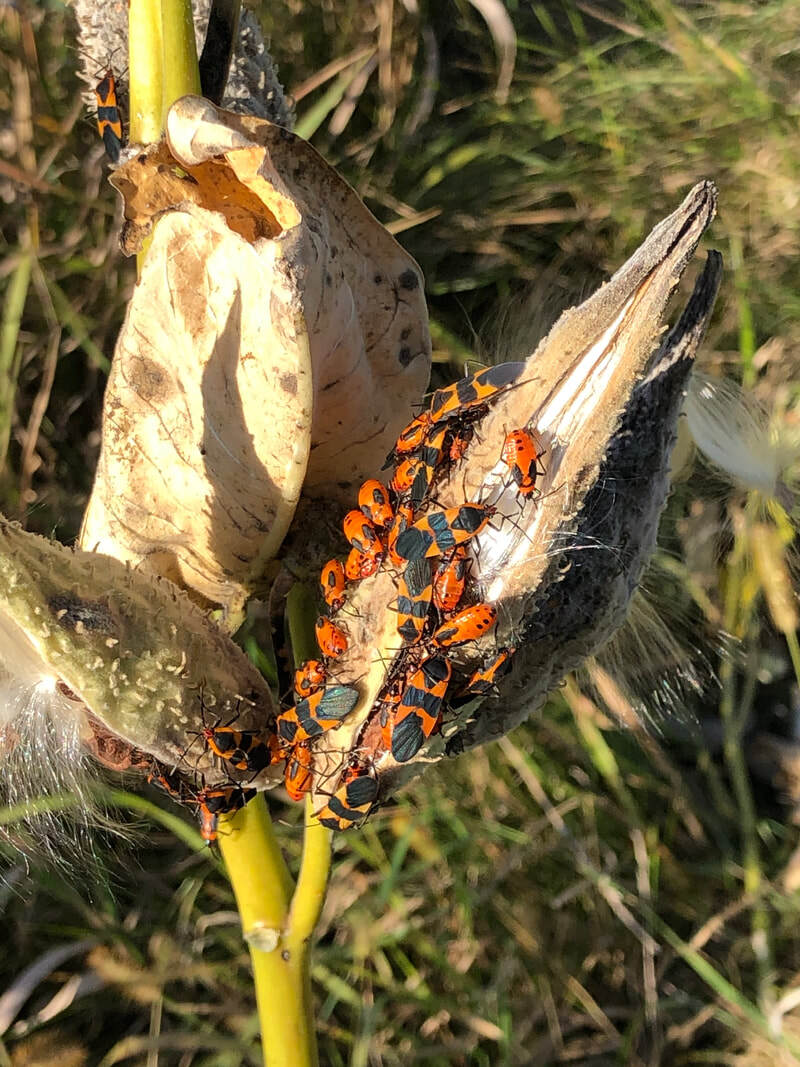
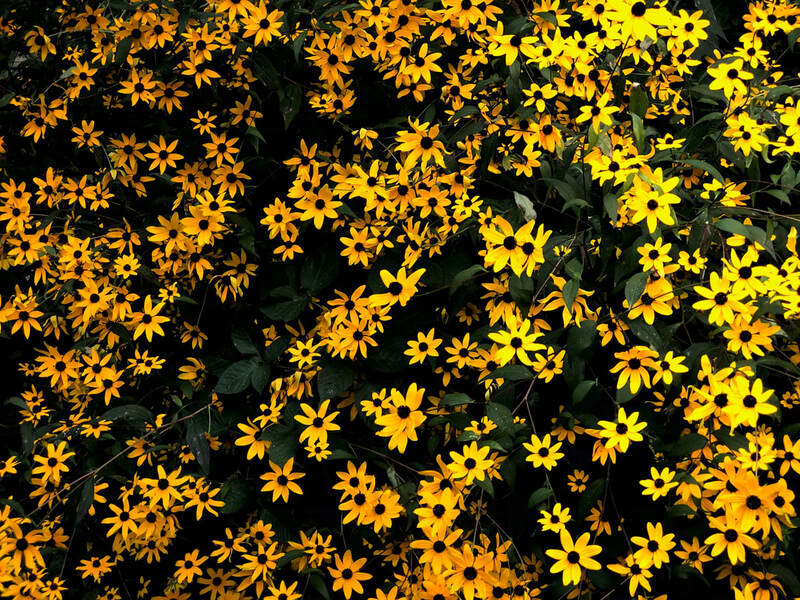
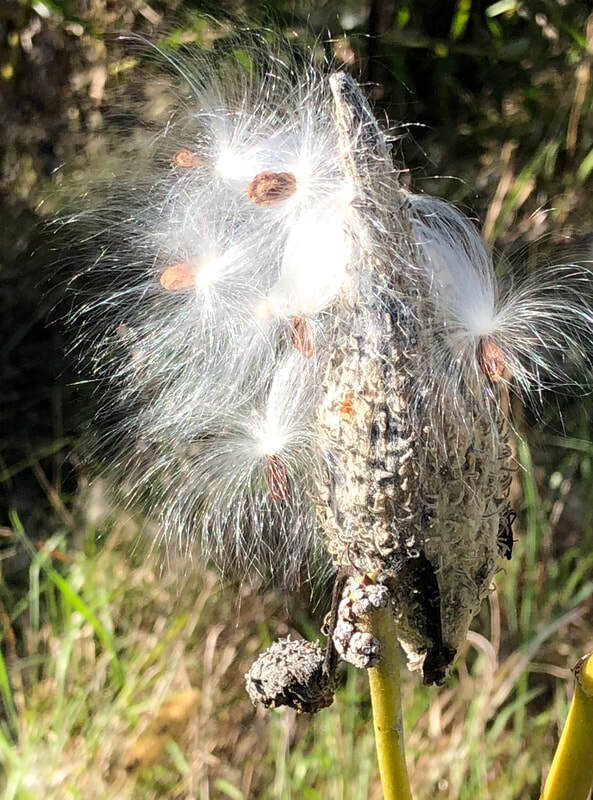
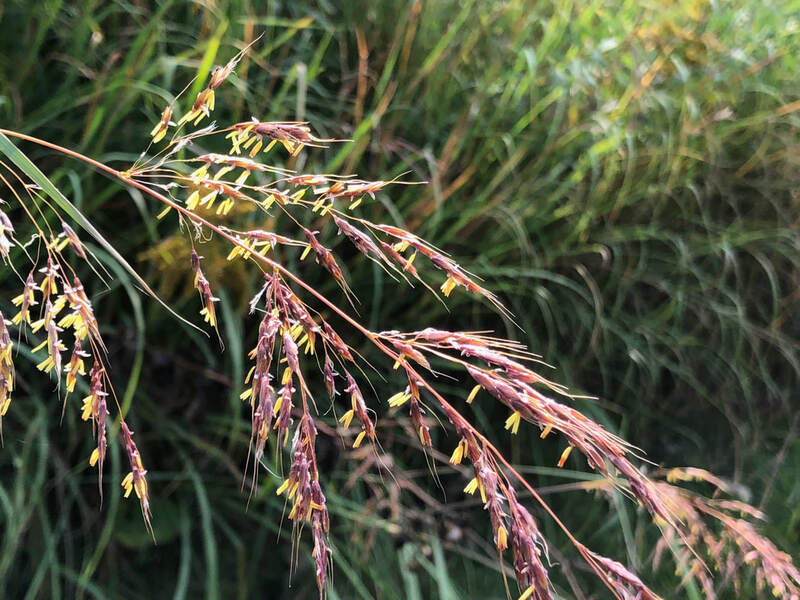
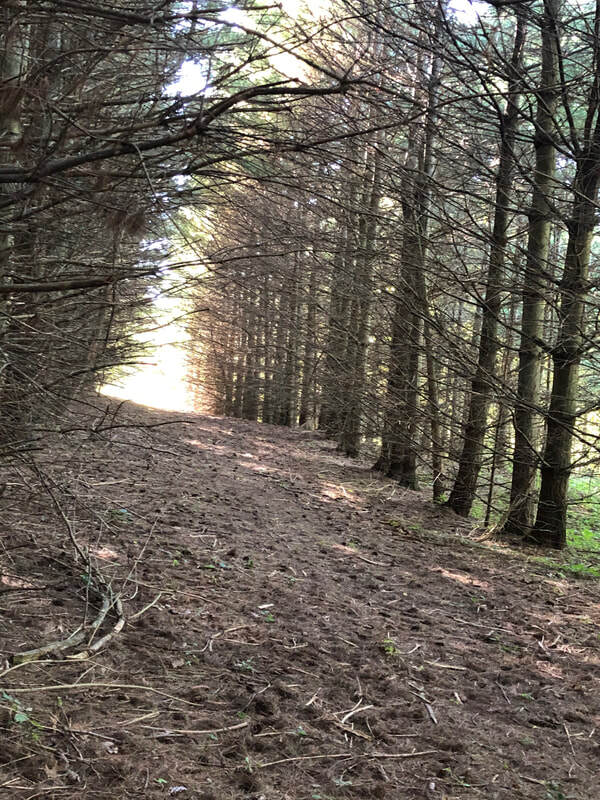
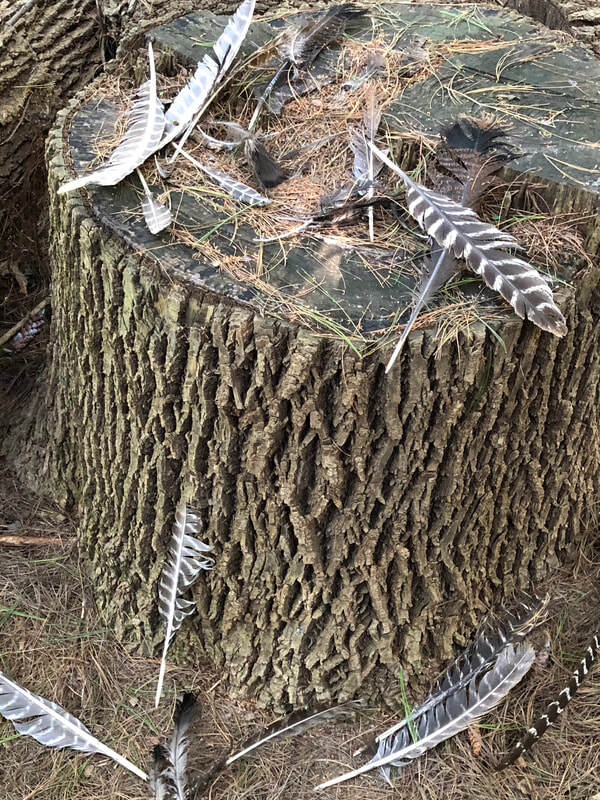
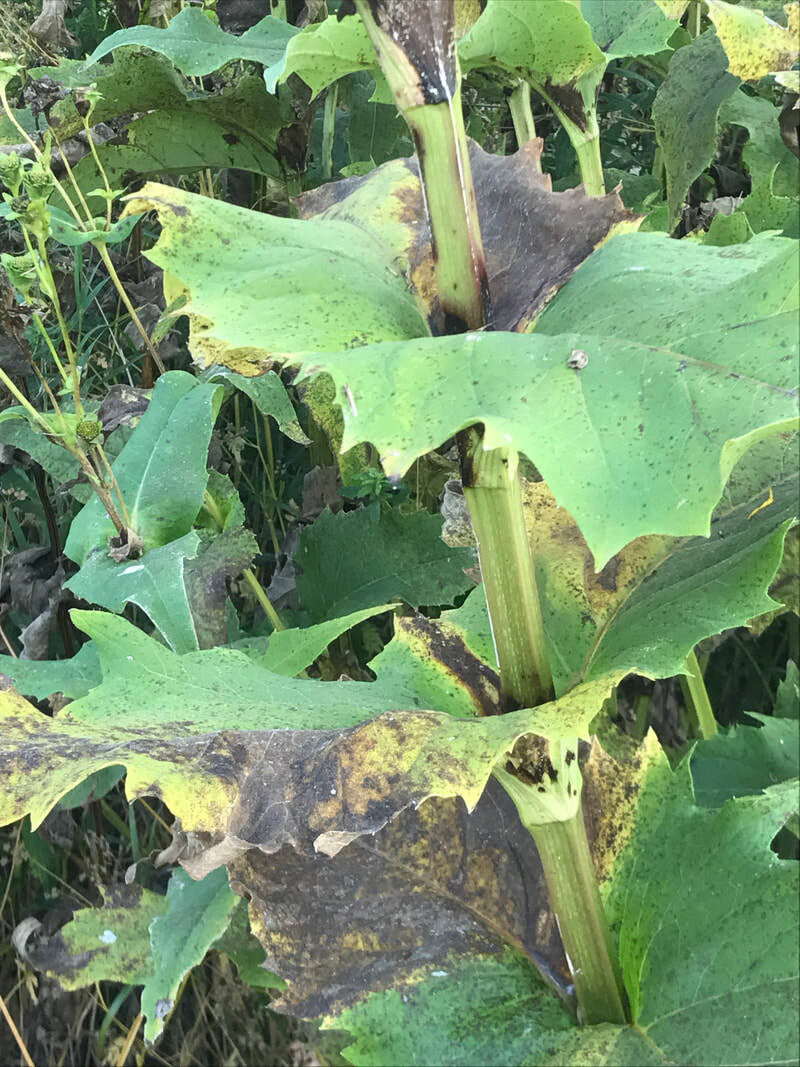
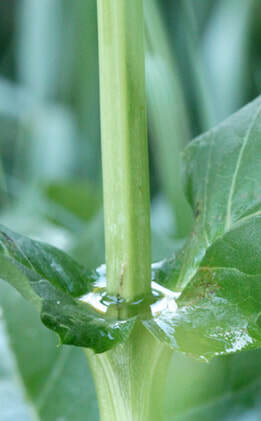
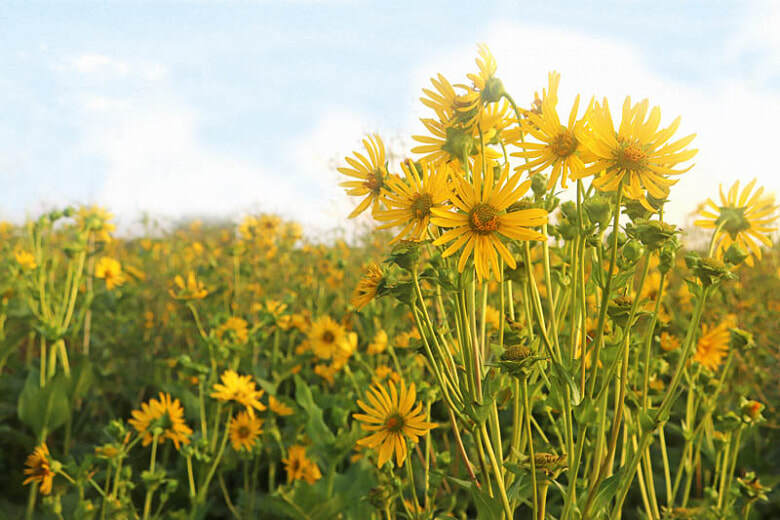
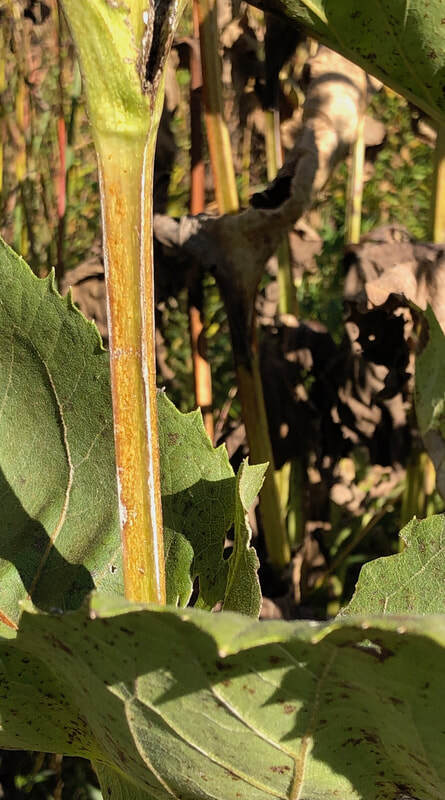
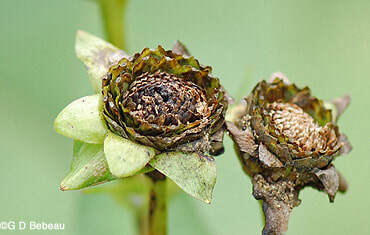
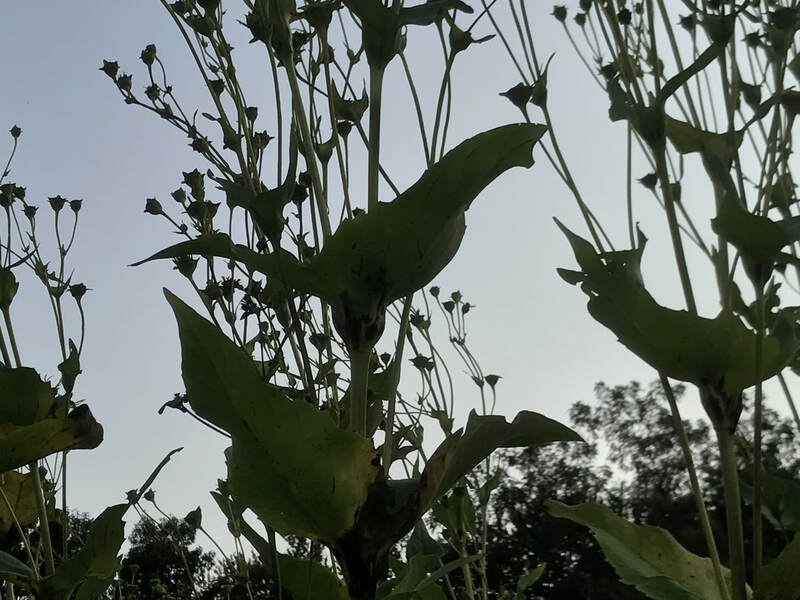
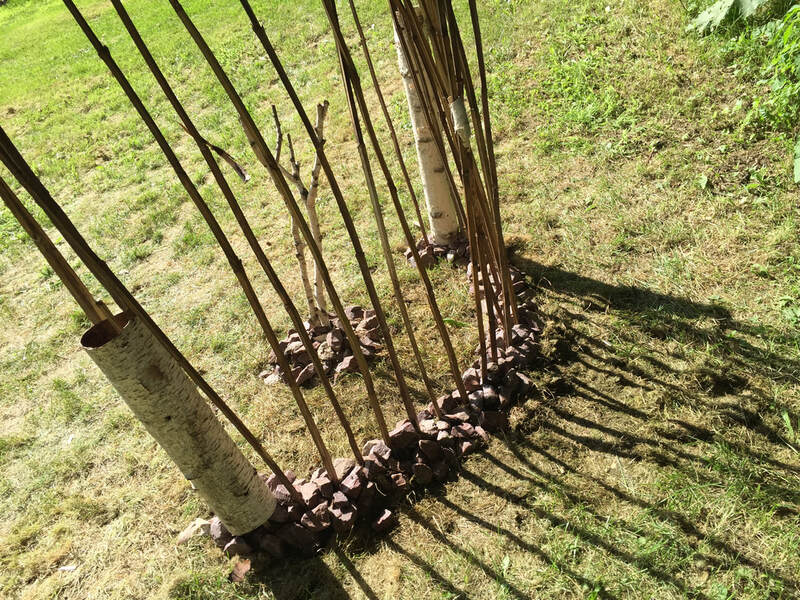
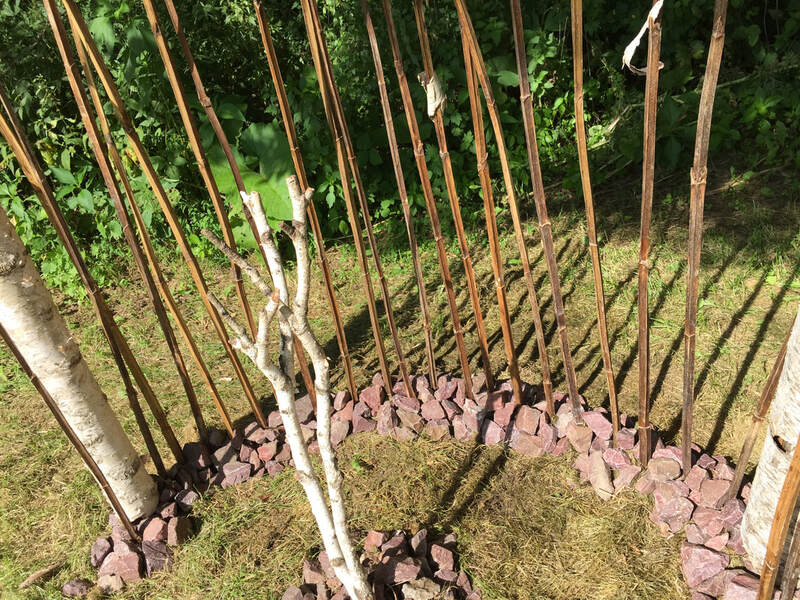
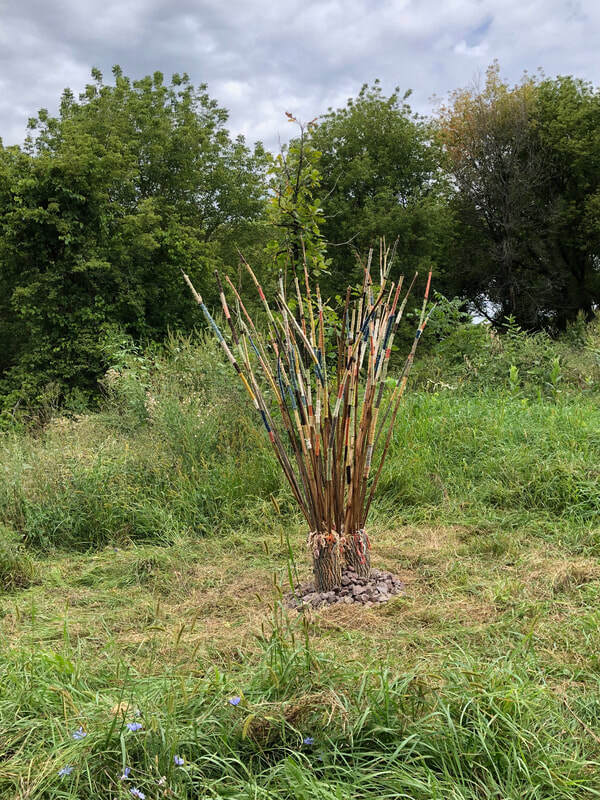
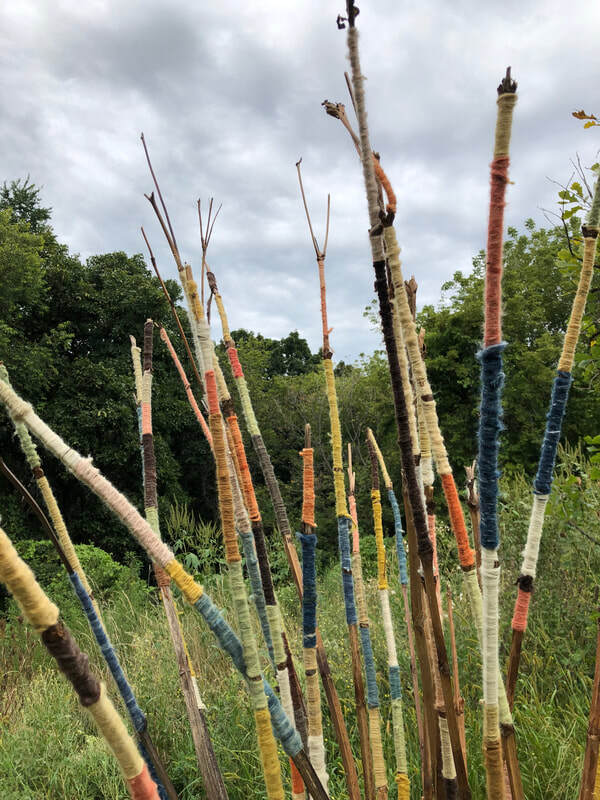
Cup plants (silphium perfoliatum) are amazing. They are one of the tallest plants of the prairie, frequently 8 and sometimes 10 feet tall, standing up against the sky. (And for those unfamiliar with prairie plants, the roots may go down equally far under the ground.) The plant is perennial and long-lived. Its stem is square (yes!) and pairs of leaves emerge from it, across from one another, forming a kind of cup that insects and birds happily drink from. The yellow flowers that appear at the top of the stems are daisy or sunflower-like and cheery, and their seed heads are exquisite little mandalas. The plant has many medicinal properties as well.
- Published on
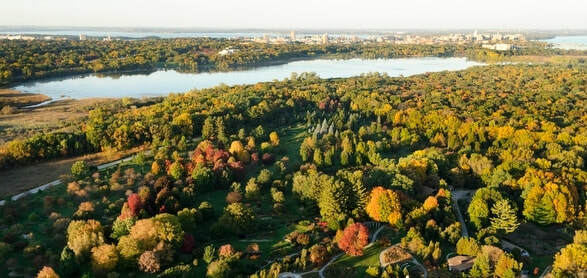
Aerial view of Lake Wingra taken from the UW Arboreturm (look closely and you may see two of the other Madison lakes at the top of the photo--they are all connected.)
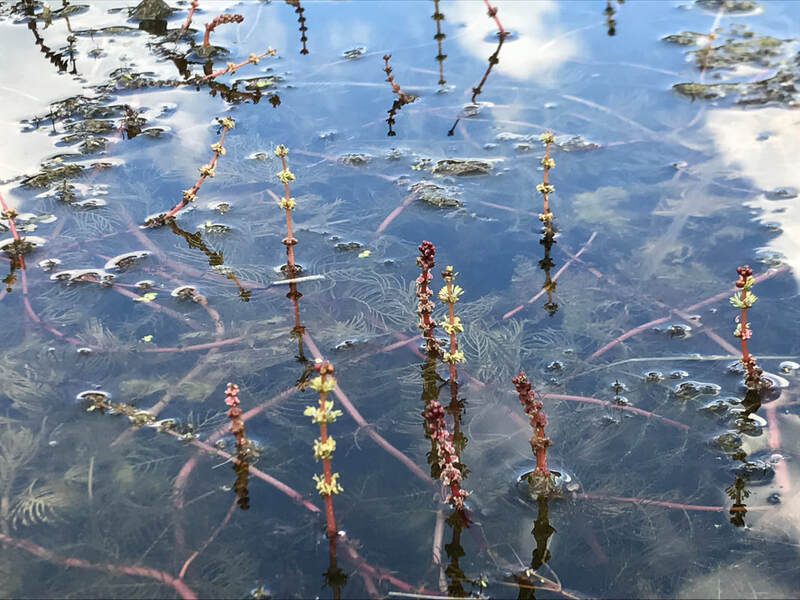
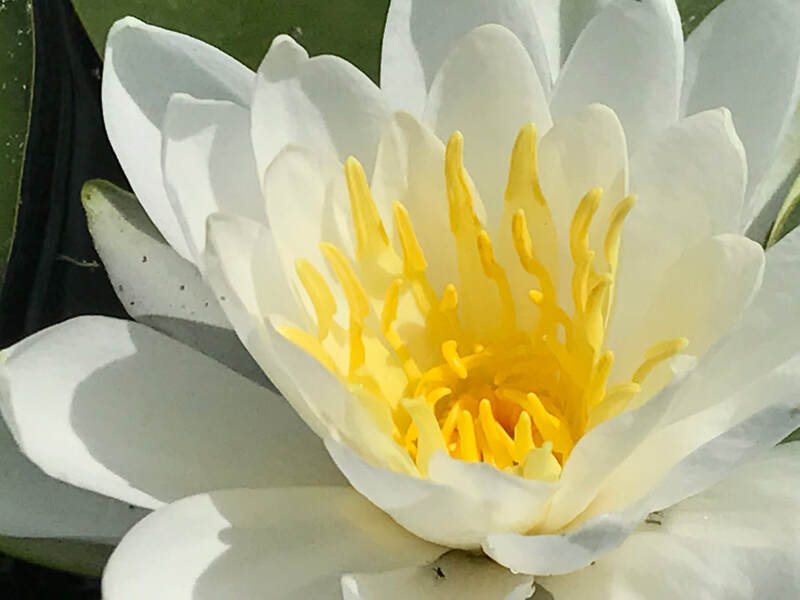
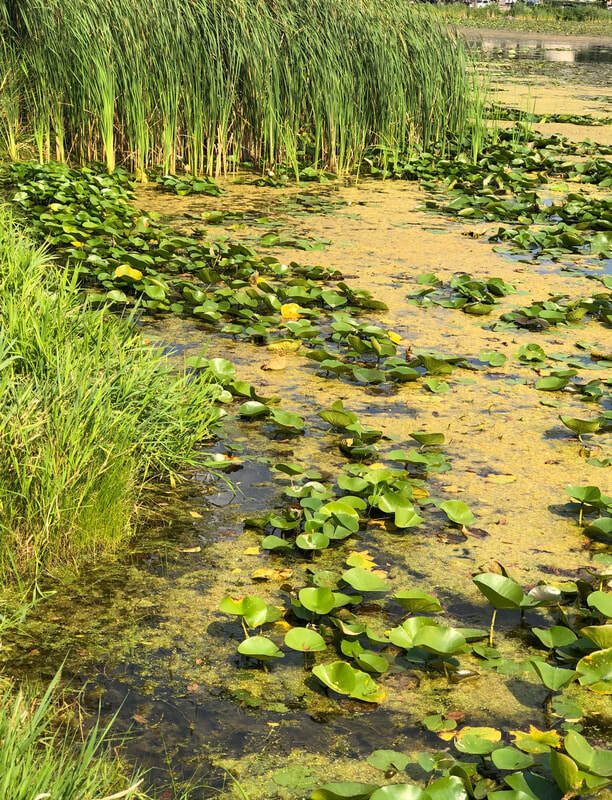
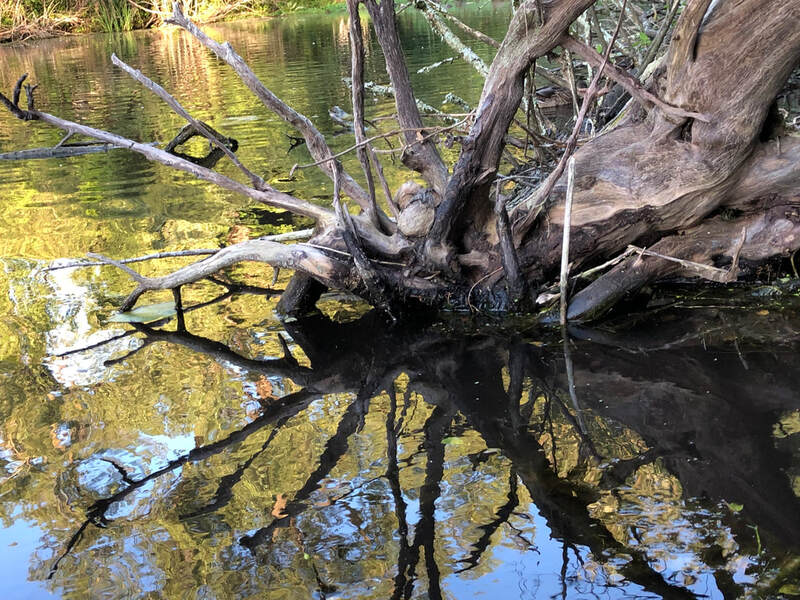
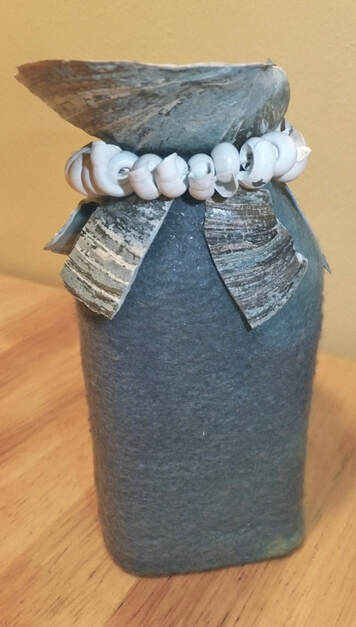
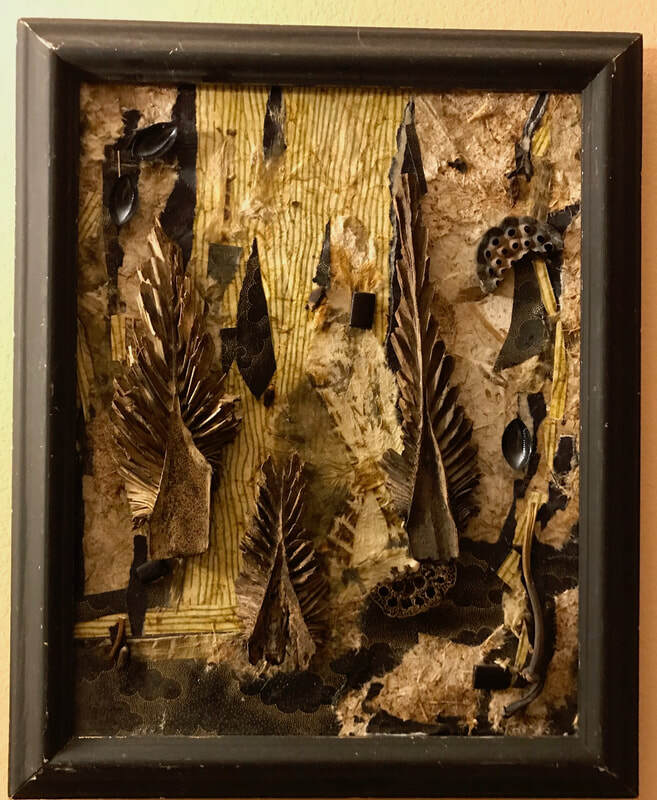
5.75" high
Tie-dyed felt fabric, freshwater snail and clam shells
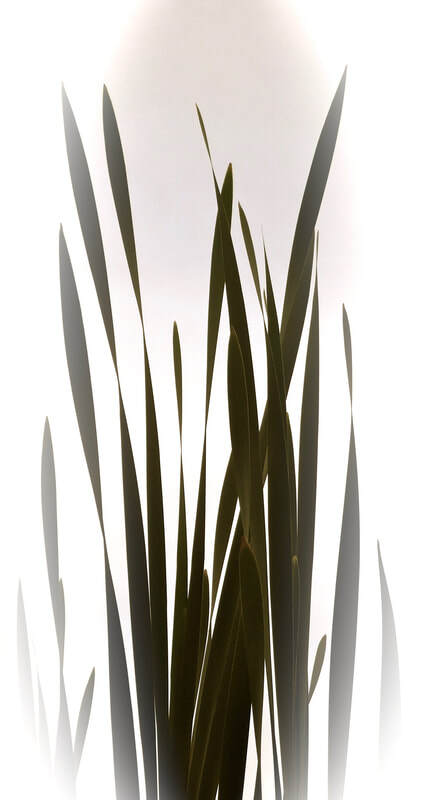
Mollusks dream deep in the water, silently witnessing: flitting fish, waving weeds and water lilies, darting dragon flies, the heron, the swooping swallows, kayak paddles, gull shadows.
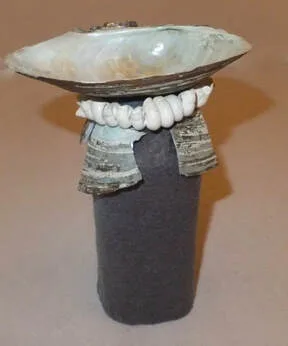
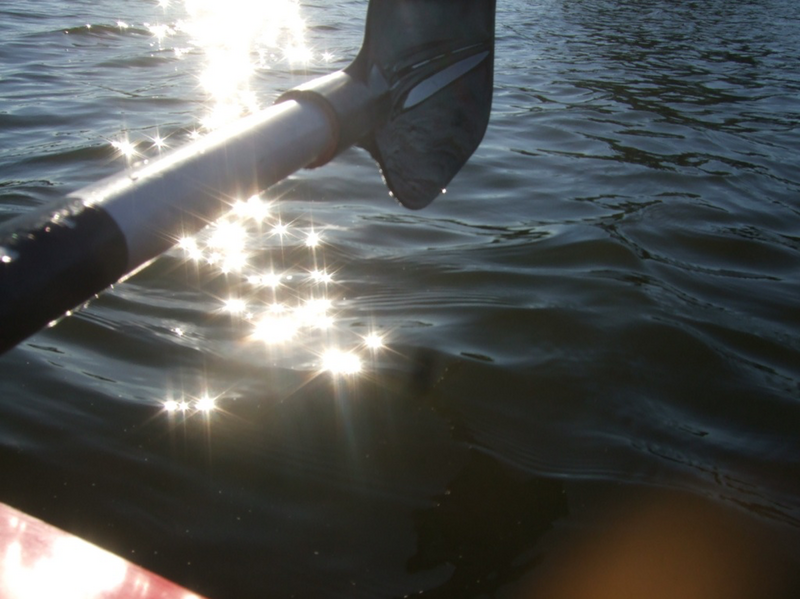
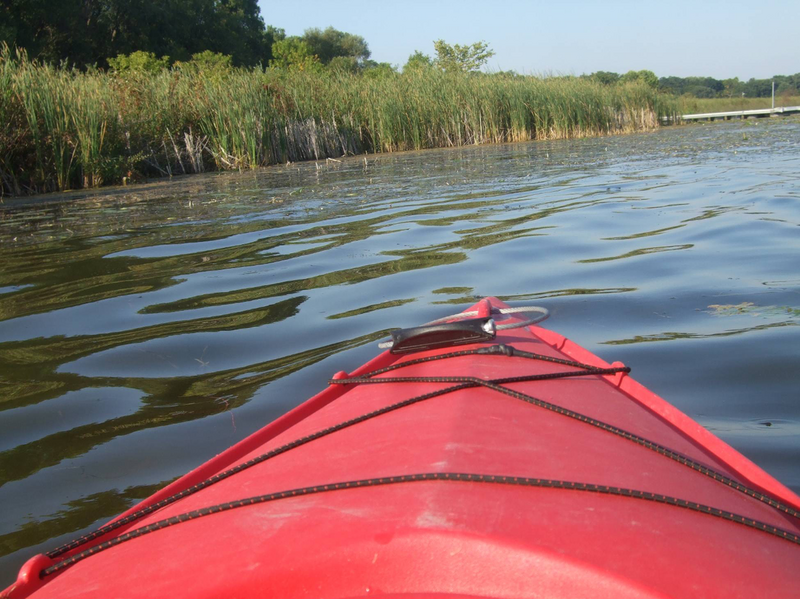
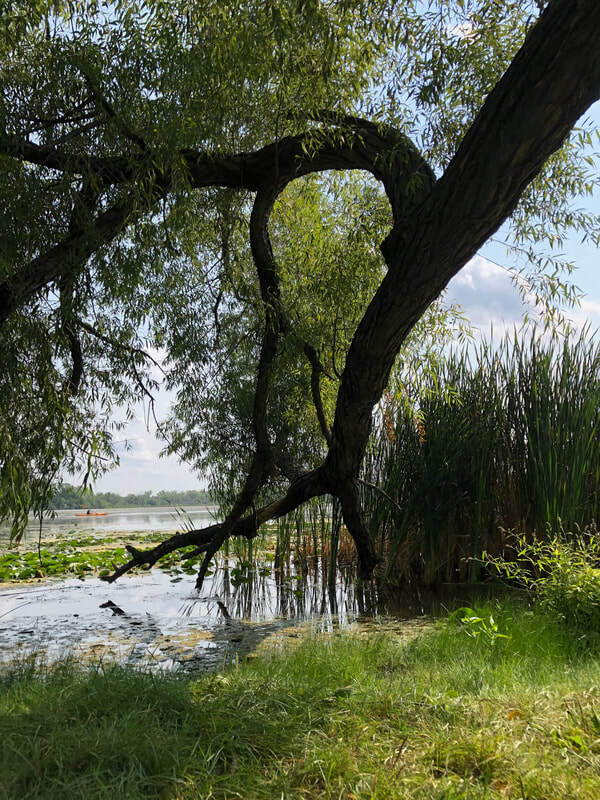
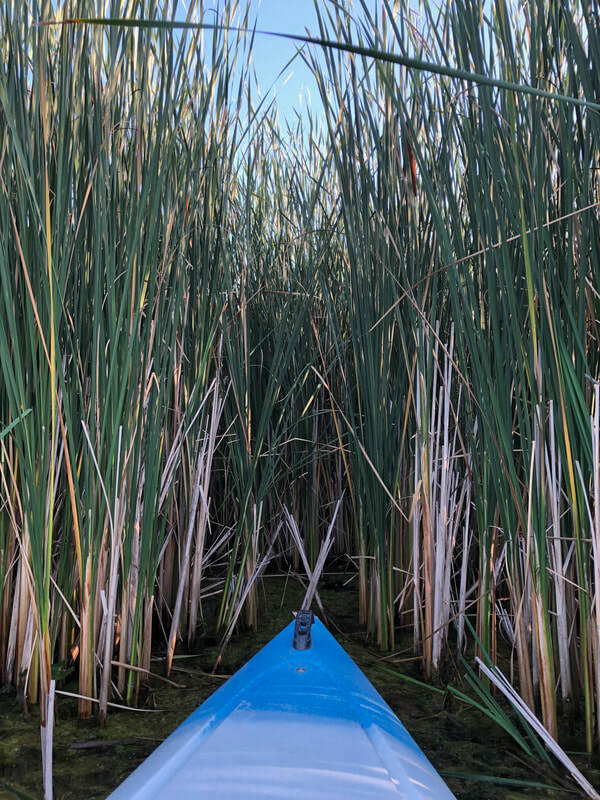
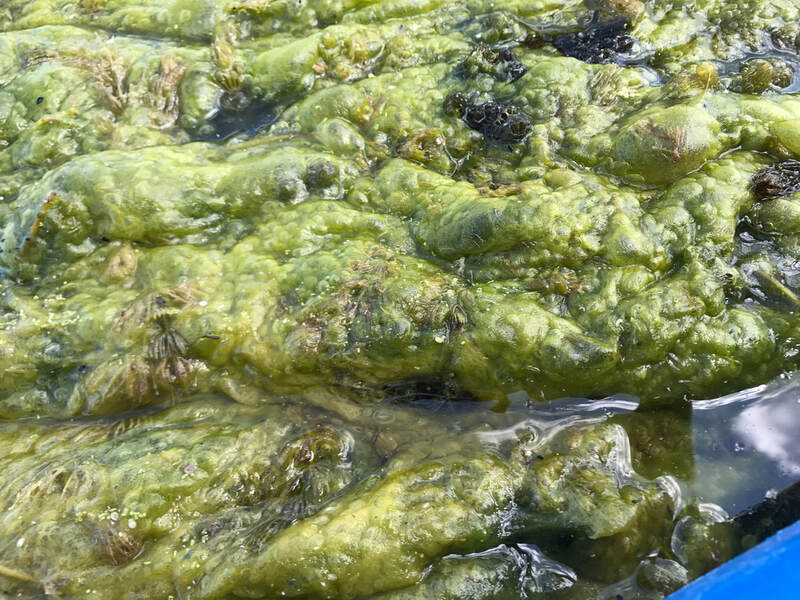
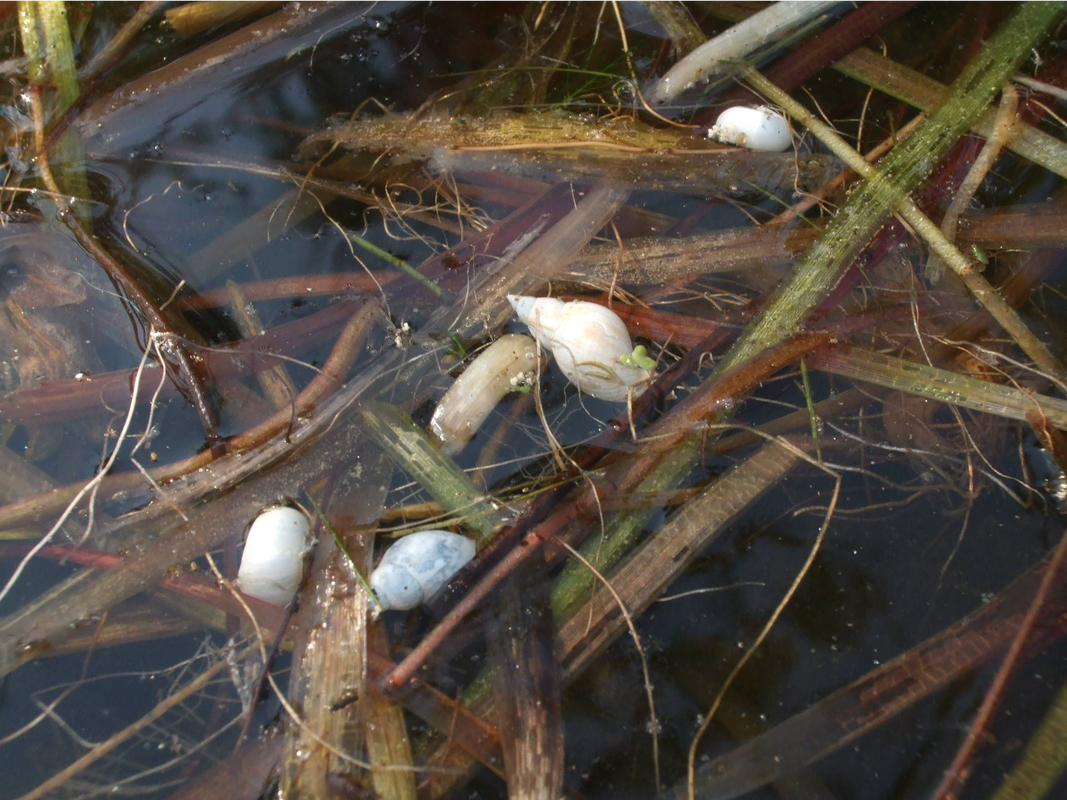
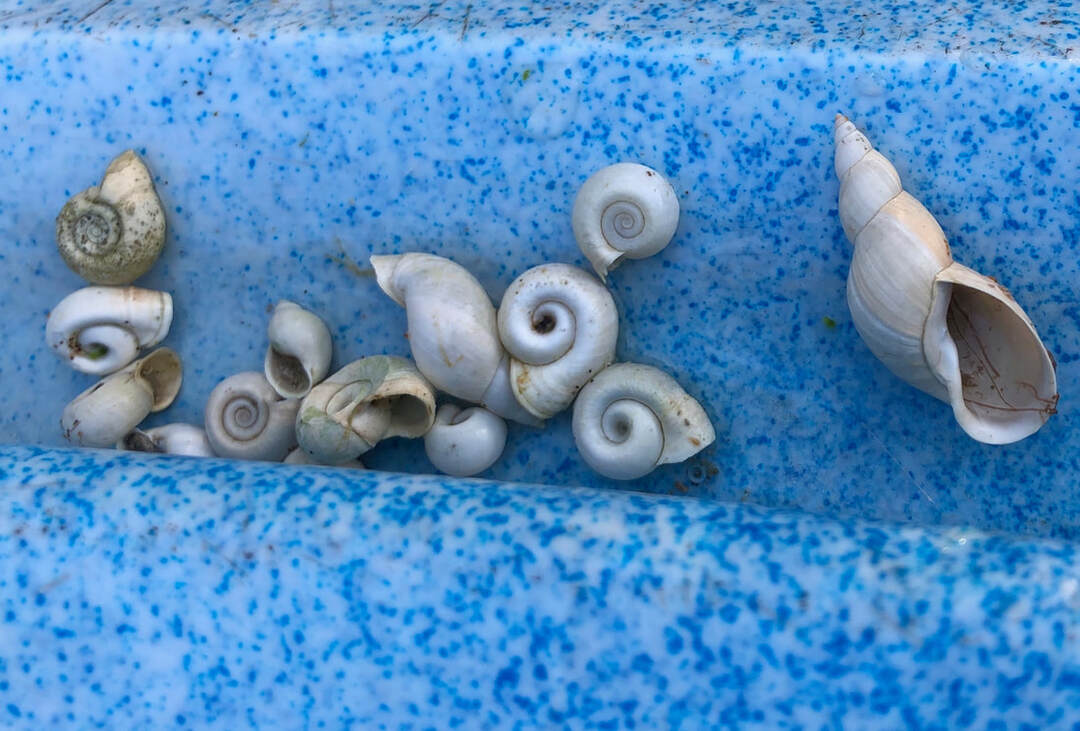
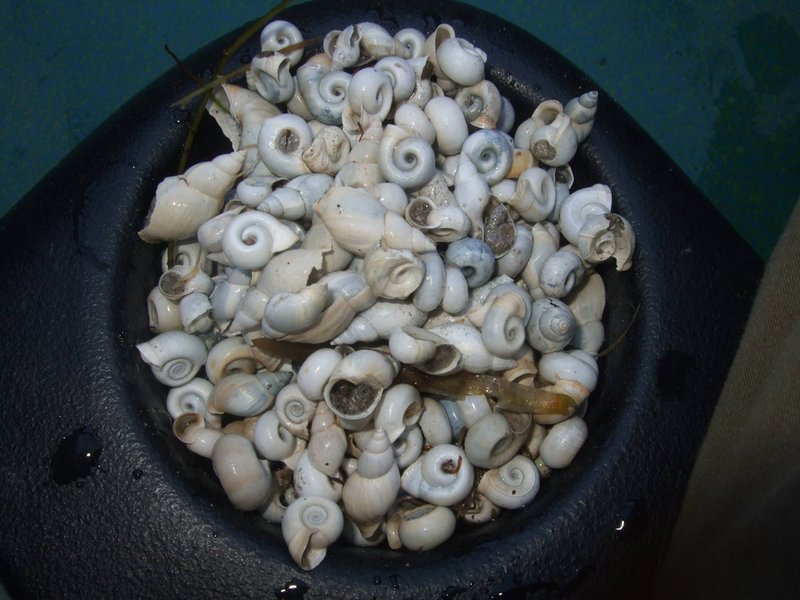
I had been gathering the tiny bleached snail shells that rose to the surface of the lake for many years, reaching down from my kayak into the weeds and water lily pads to collect them. I never saw the living snails, but knew they were abundant, as there are shells all around the shore. These white housings are fragile, easily crushed between thumb and forefinger or by accidentally applying pressure. There’s always sand in them when I clean them out, for first they sink to the lake bed (where most often they must themselves become part of the sediment), and then float up to the surface when they are light enough. Sometimes there are remnants of the animals that built these shells, just tiny filaments of dried-out flesh that look much like tendrils of weeds that got stuck inside.
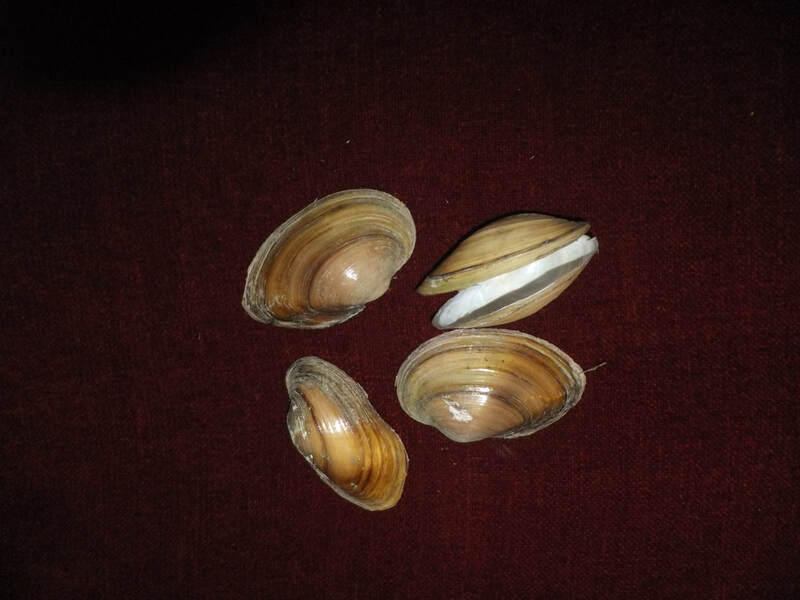
After I had been paddling the lake for decades, local conservationists made a great effort to remove the alien carp, which had been drastically changing the natural eco-system. The carp churned up the bottom and thus clouded the water, keeping visibility low. (Big carp were literally caught in nets through holes in the ice in the winter! and they were prevented from spawning in the spring). When the water cleared, I caught sight of large clam shells on the sandy bottoms in some of the shallowest areas. I was extremely excited, for I had not realized they were there at all. (I knew of freshwater clams and mussels in the nearby rivers, but had no idea there were clams in my figurative backyard.) It was a revelation, and seeing them was still a rarity. I proudly came home with several clam shells that year.
The next season, with the water even clearer, I spent time trawling for clams. I spotted more shells in a different area of the lake, and then started to see live clams, usually positioned vertically, with just the muscle/foot peeking out of the sand. Once you know what to look for, of course, they are more abundant than you had guessed.
If uncertain whether or not the clam is alive, I pick it up, and if it is, it very quickly closes up to protect itself. This feels like a real encounter, a chance to for me to understand what I am holding as more than a shell--as a fully living, sentient creature, with its own needs and preferences and its complete life that has nothing to do with me. I always put living clams back. (Note: The lake has clouded up again over time, so these encounters are rarer again now)
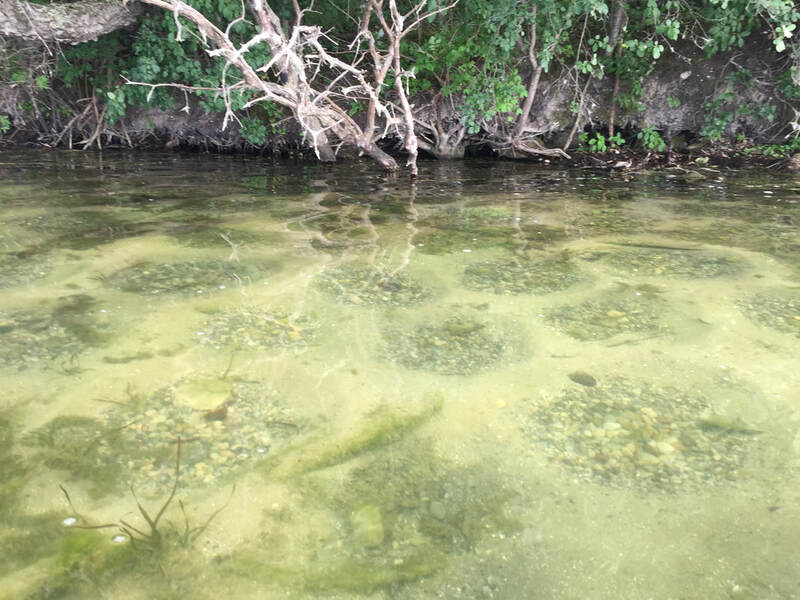
Spending a fair amount of time in what I have come to think of as “the clam beds,” I also became very attuned to the underwater life in that sandy area. I discovered the amazing phenomenon of fish nests, holes or depressions hollowed out in the sand for female fish about to lay eggs. I am not sure what type of fish does this in Lake Wingra, but it could be a bluegill, perch, bass, or possibly even that much-feared carp. The circular depressions are visible only early in the kayaking season, since the nests are made in the spring, for spawning. They call these kind of nest-makers the “pit-diggers. From what I’ve read, it’s often the male who actually makes the nest. He chooses a good site (the ones I have seen are all free of weeds) and then swimming in circles, vigorously fans out the sandy bottom with his tail and ventral fins. The nest is a conical depression. An old New York Times report about the sunfish and bream that make nests of this sort indicated their nests are about 12-14” in diameter and 4” deep. The ones I see are about that wide, but a bit deeper.
When the nest is ready, a female deposits her eggs, which the male then fertilizes. In many species, the female takes off, leaving the male to guard the nest until the hatchlings emerge. The hatching period can last a month, and during that time bigger fish and other predators have to be fought off.
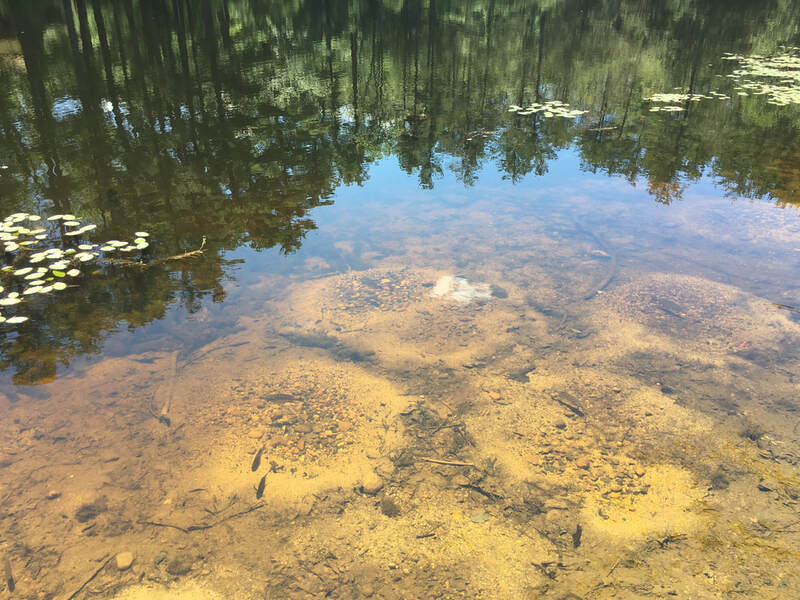
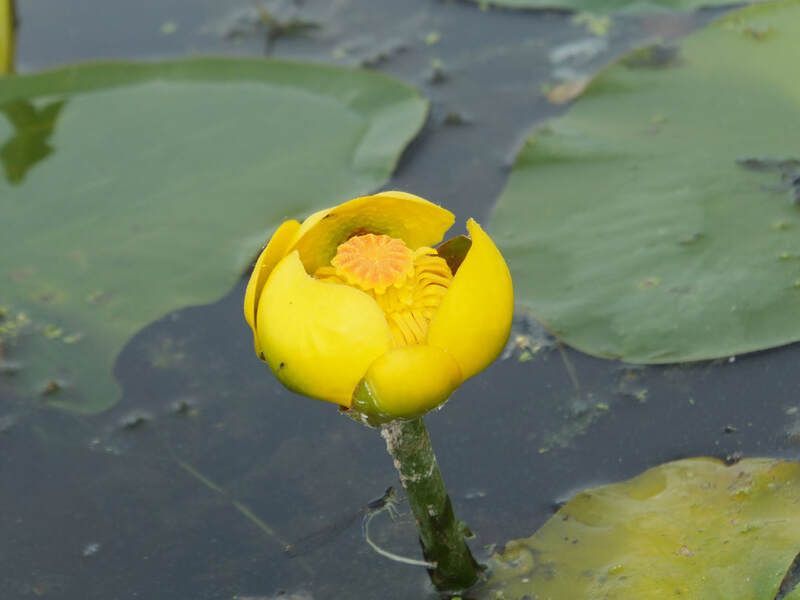
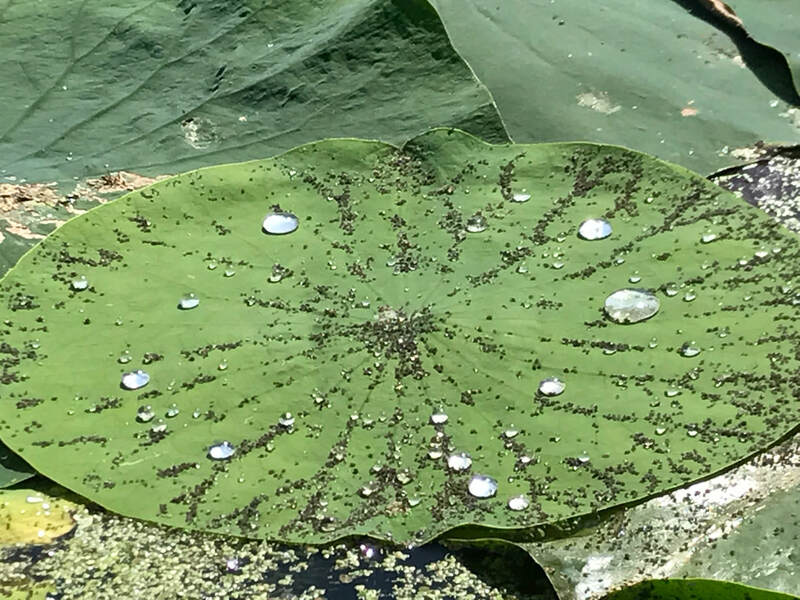
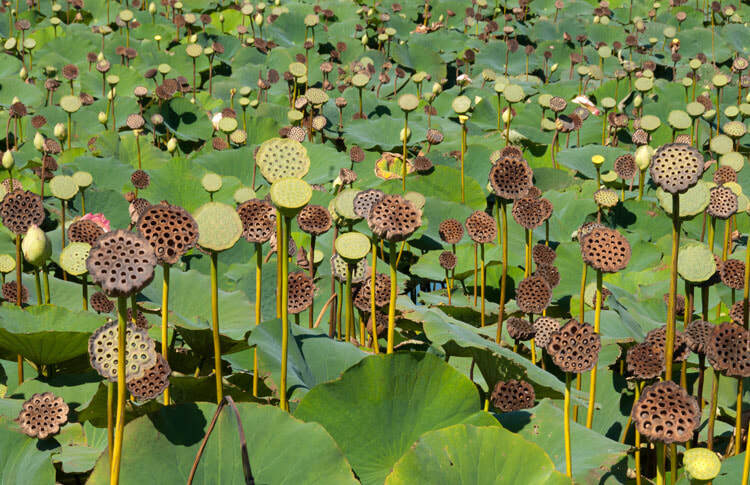
A similar kind of discovery came about in approximately 2011. That August, I came upon a patch of lotuses in a particularly shallow end of the lake--an area where upright flowers were pushing up among distinctly round, non-waxy looking leaves that typically held themselves above the water surface. These were definitely not water lilies. I had thoroughly explored every area of this lake, and lotus plants had never been there before. How did they get there? I was excited, for I knew about lotuses, both from their symbology in Buddhism and from their role in biomimicry as a design inspiration. By observing the way water sheets off the lotus leaf--the leaves are said to be self-cleaning because the water and dirt never sticks to the surface--people discovered ways to mimic the physical structure of the plant and devise other self-cleaning substances, such as paint, glass, and fabrics.
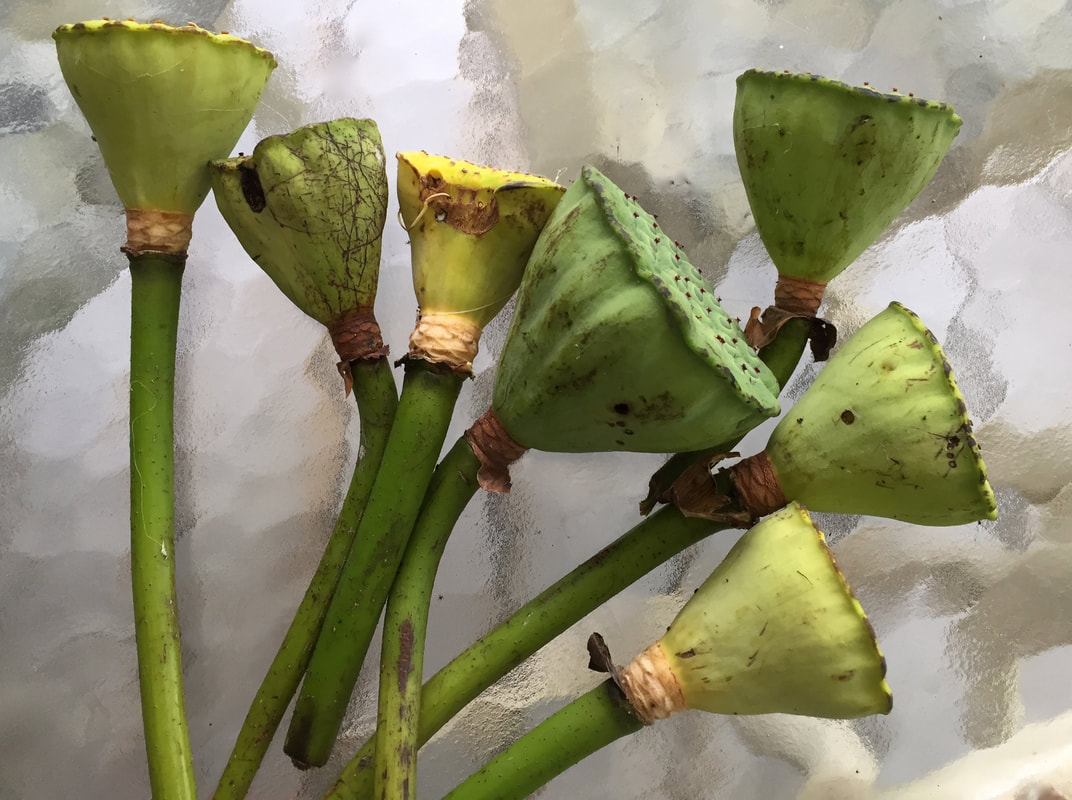
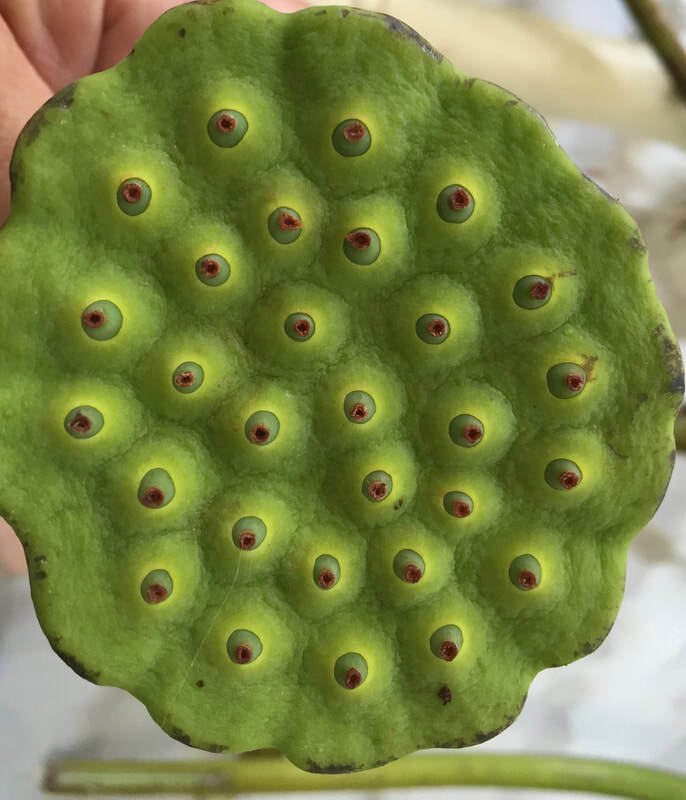
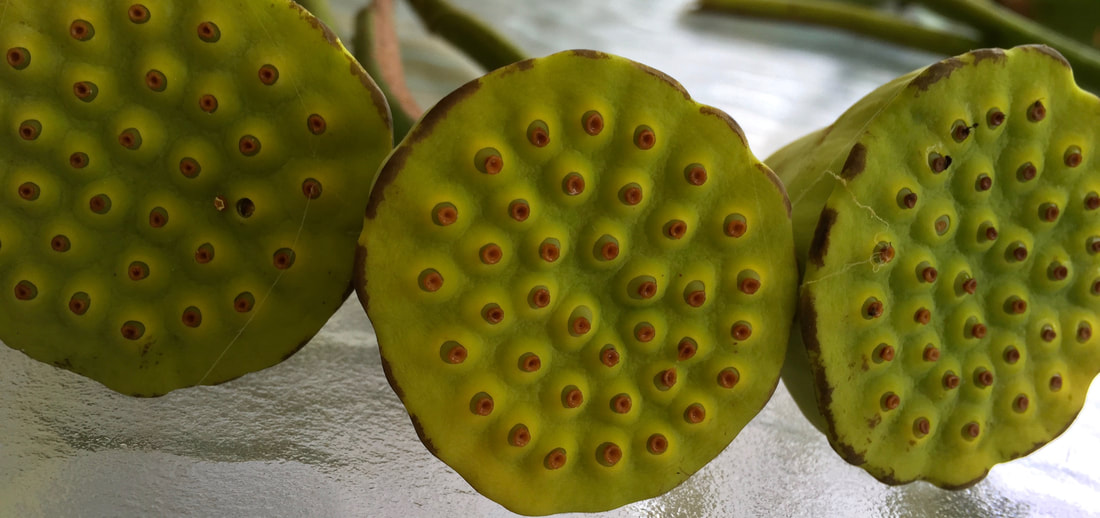
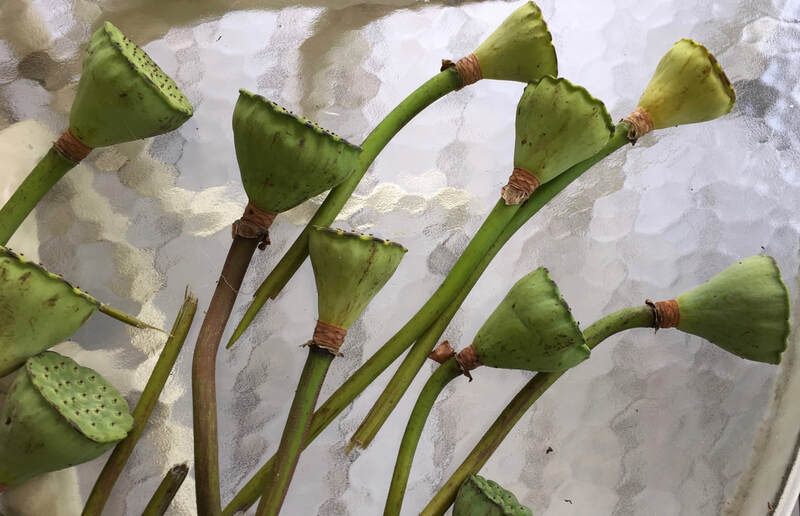
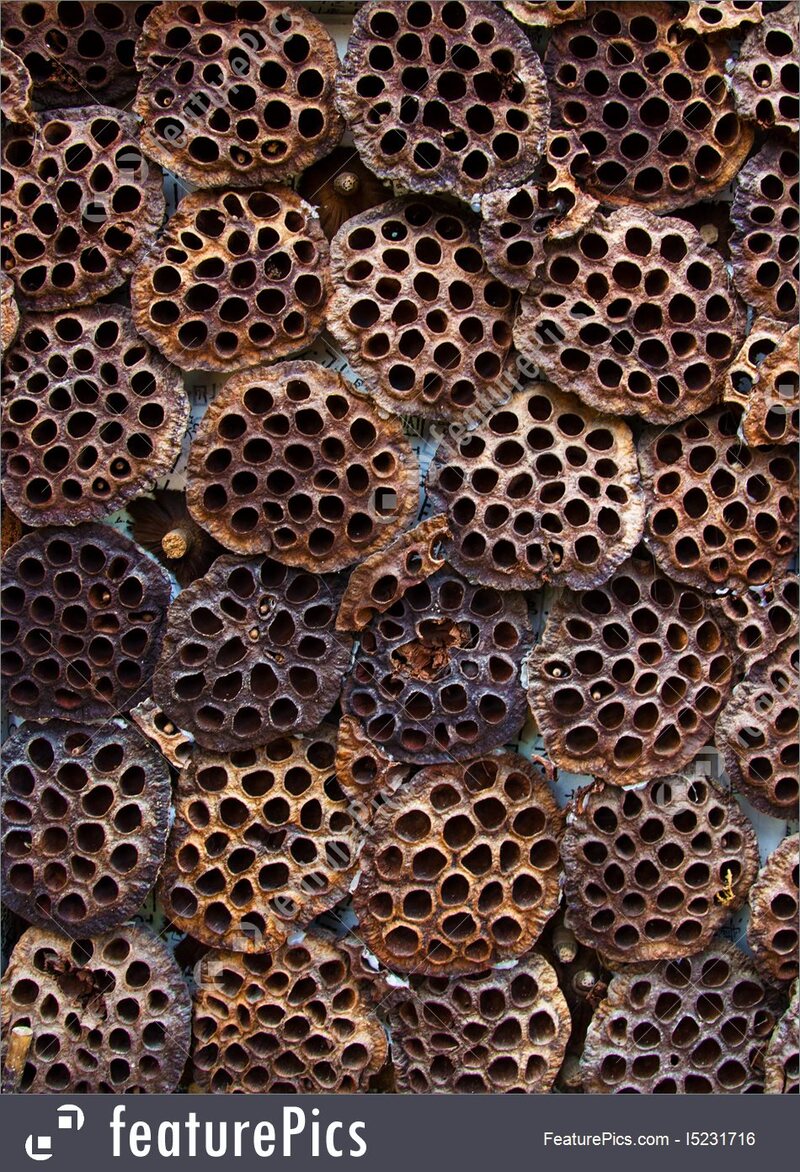
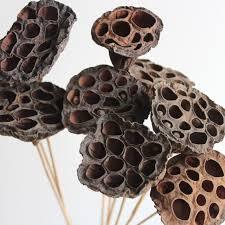
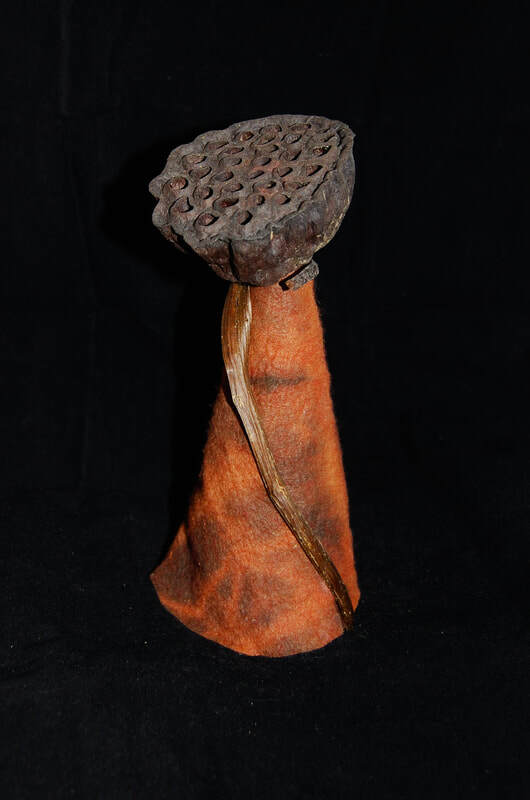
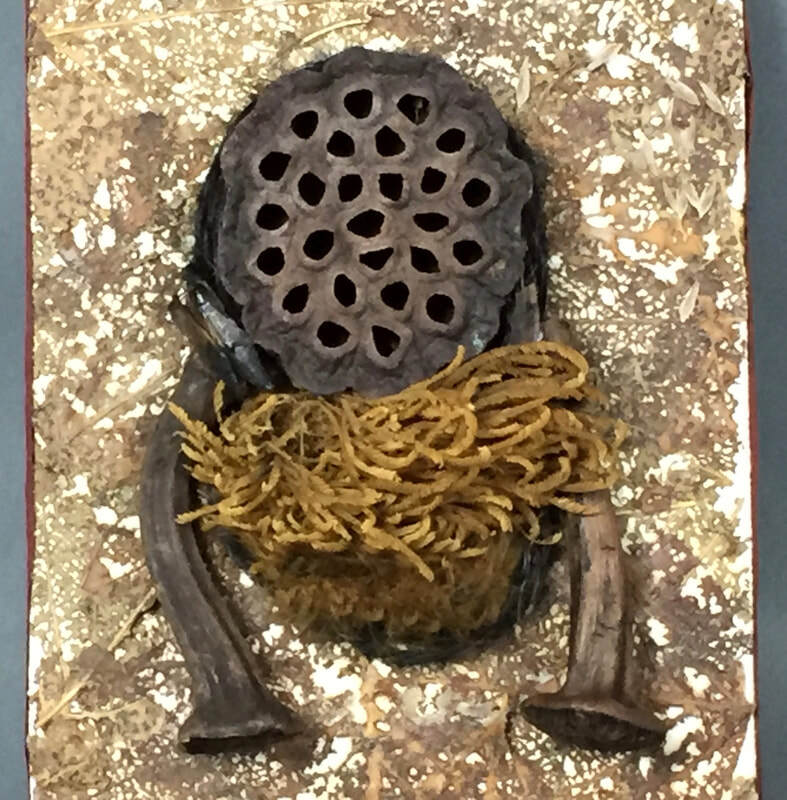
They always bring me back to the lake, and they always make me smile.
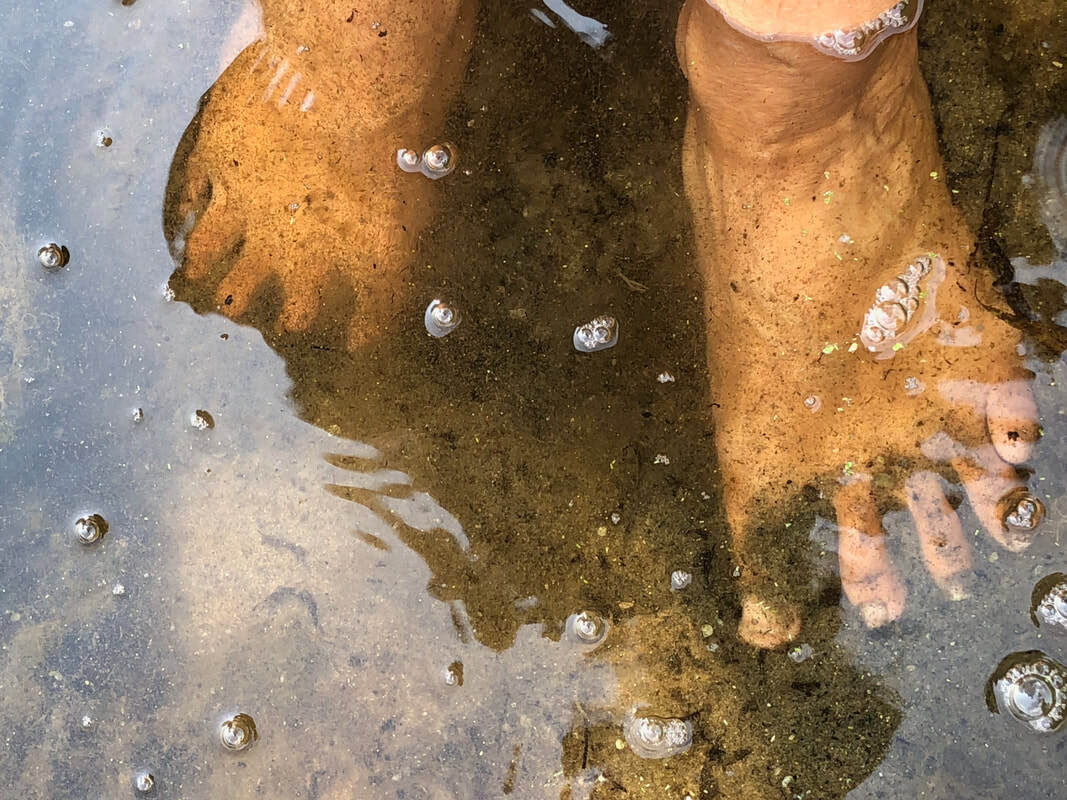
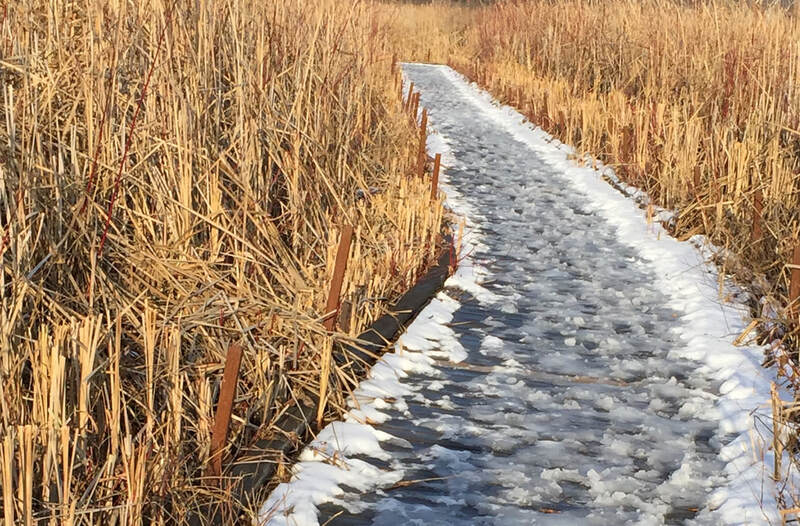
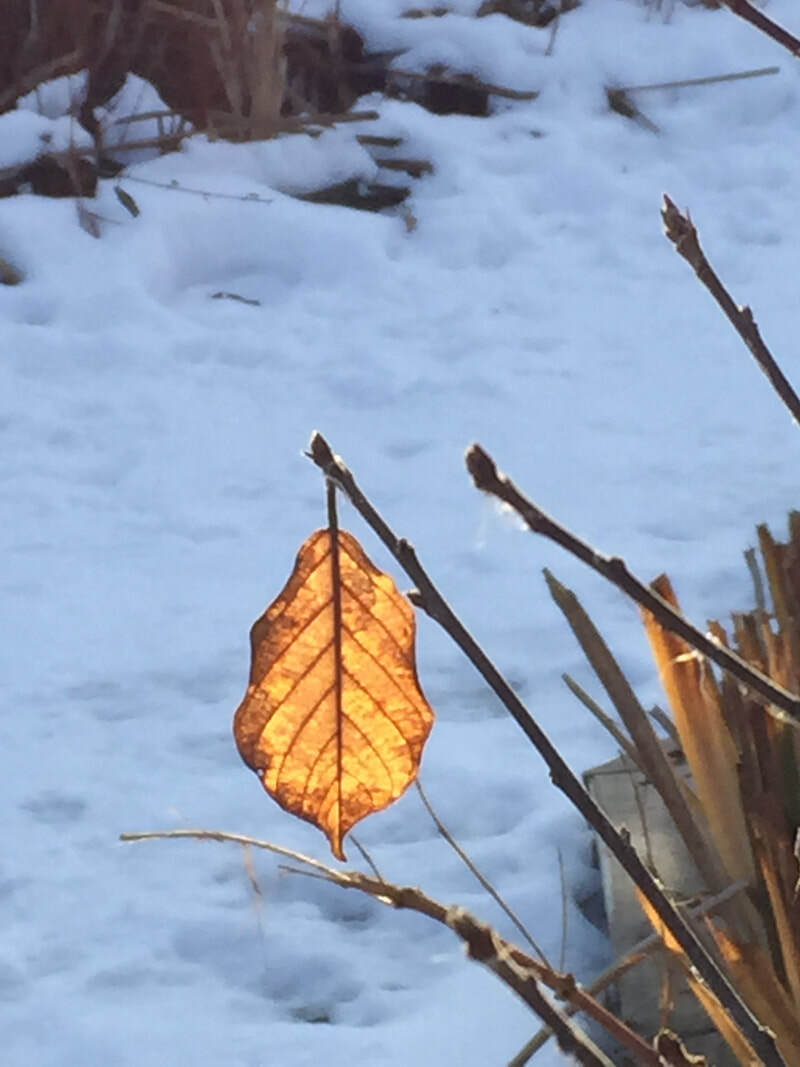
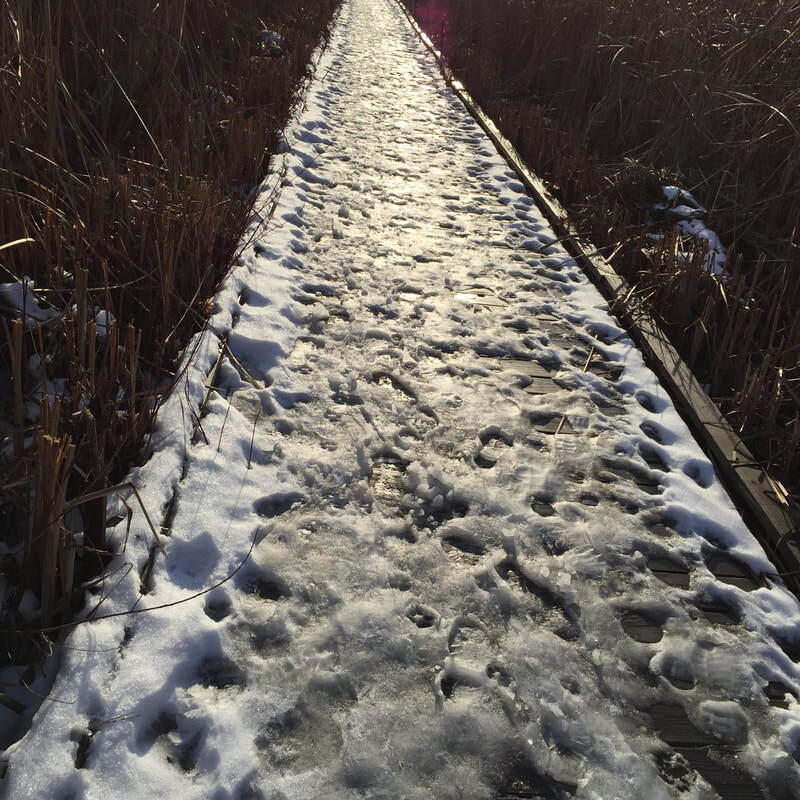
Heron tracks in the beige sand,
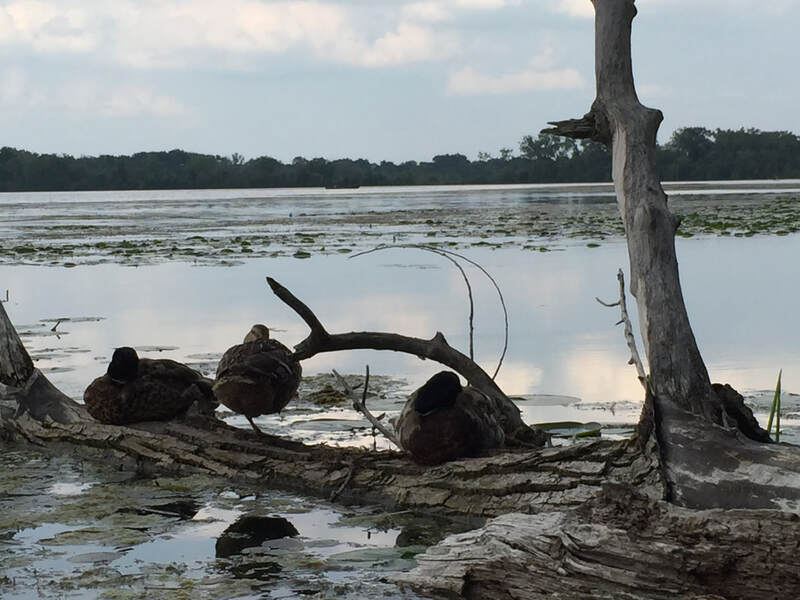
ducks on a log, quietly preening,
brown on brown
with orange feet, lined up
gull flies in, stark white
with yellow feet and beak
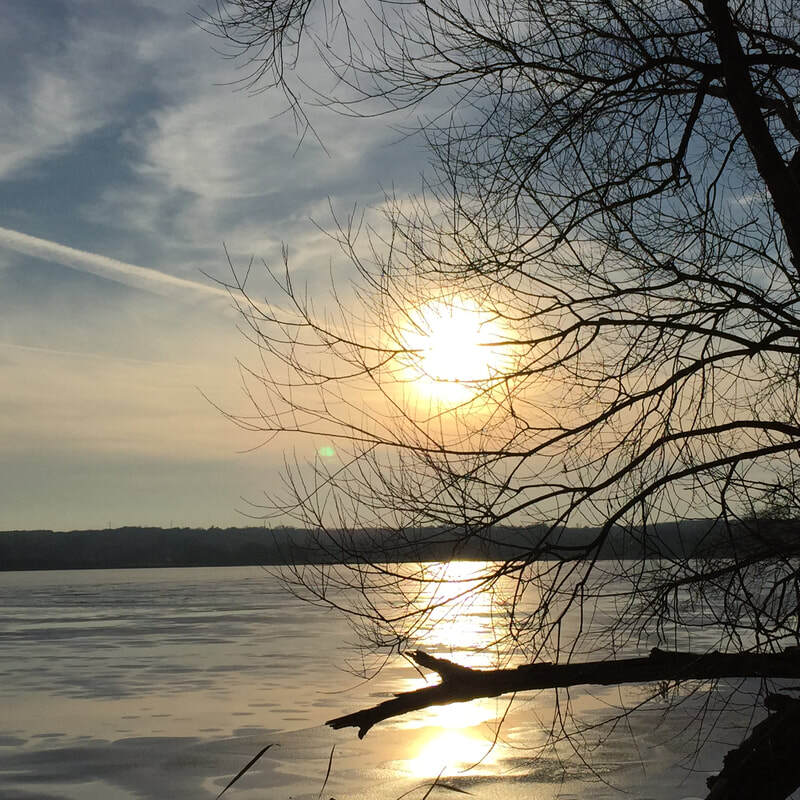
blue sky in the water, rippling
sun gleaming, then covered by cloud
A large clam shell, unbroken,
waiting near the shore
Tiny silver fish jumping, for reasons unknown,
arcing above the water, glimpsed in a flash.
Strong paddling homeward
as evening comes on.
Heron standing guard
as ducks preen
Blackbirds cry at cranes.
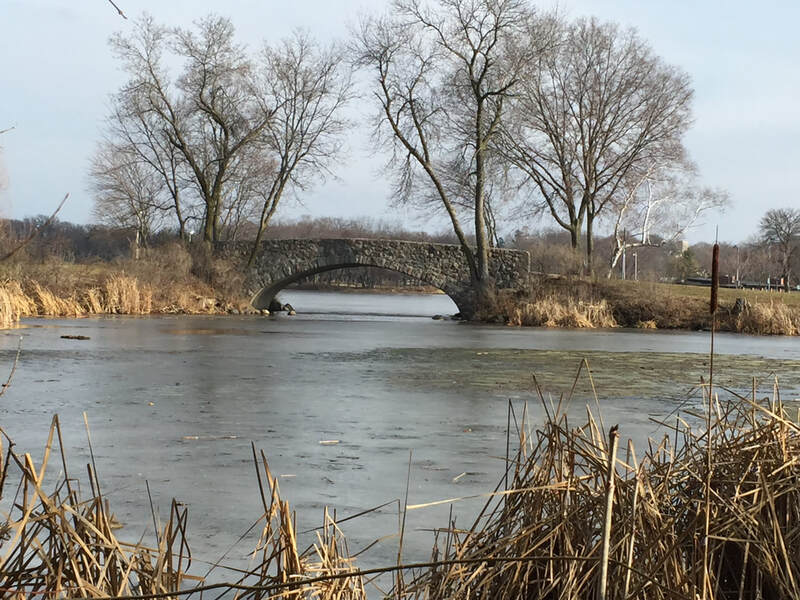
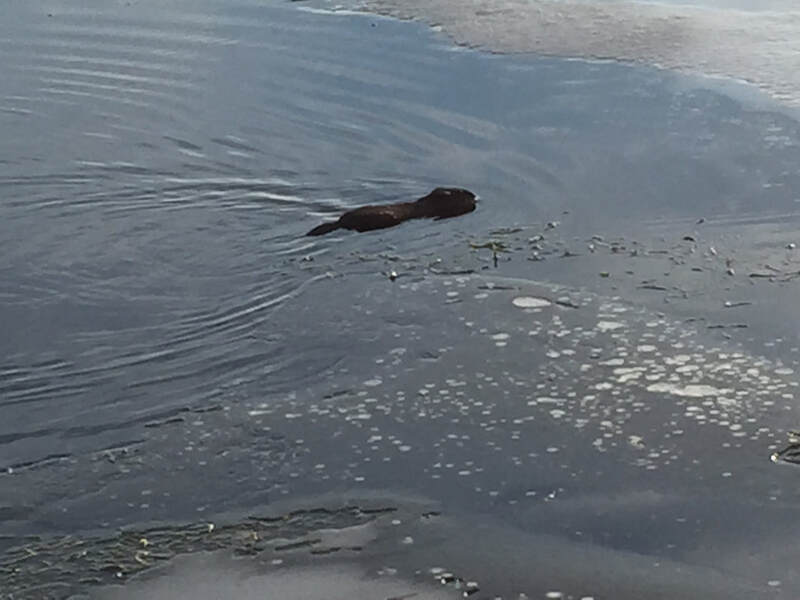
Muskrats draw lines with their bodies,
swimming straight.
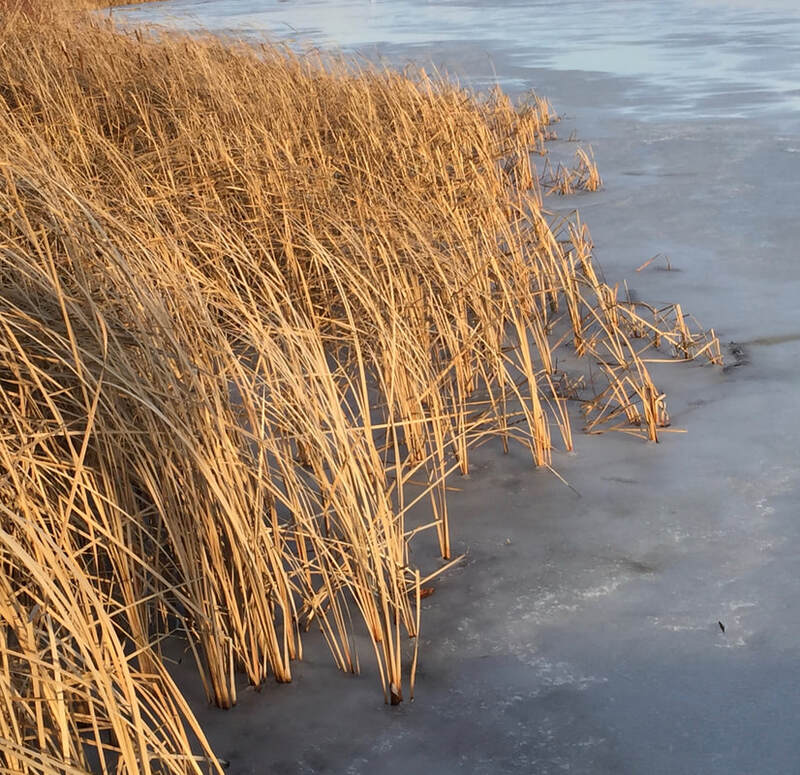
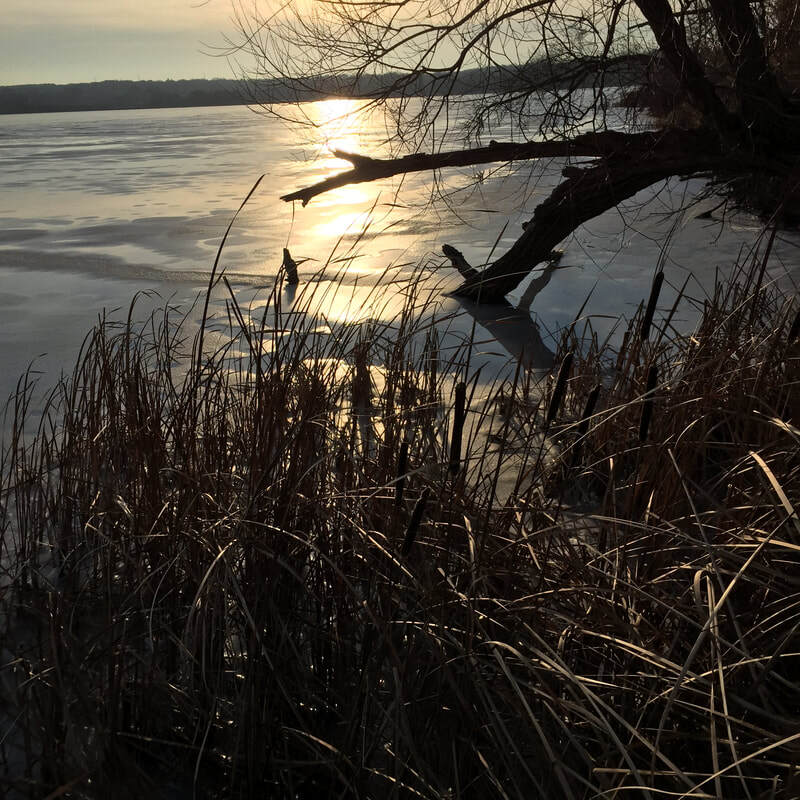
Abounding green: duckweed, cattails, lily pads.
Swallows and damsel flies
add flashes of blue.
- Published on
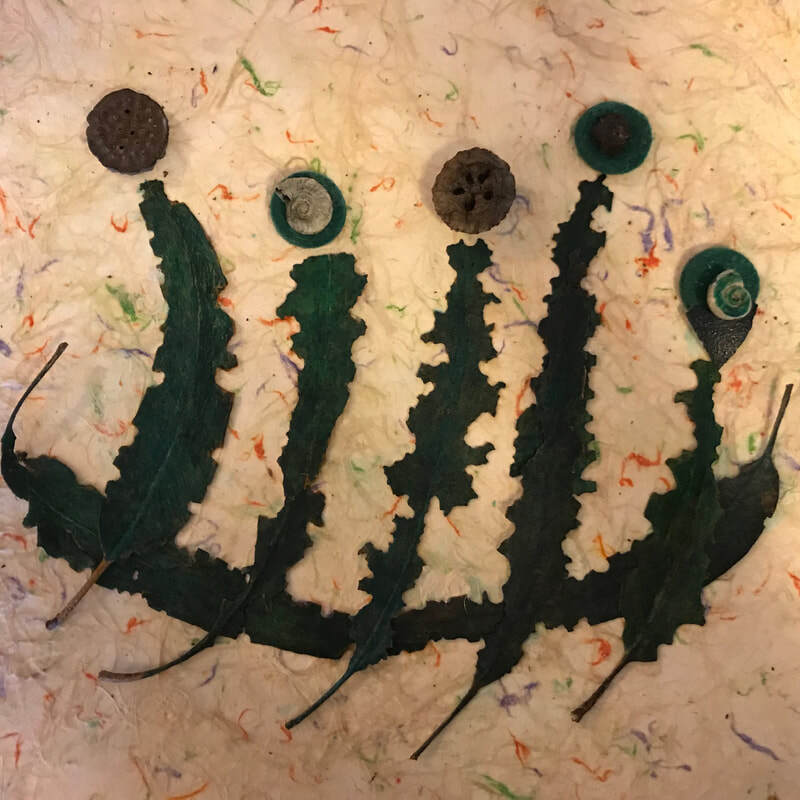
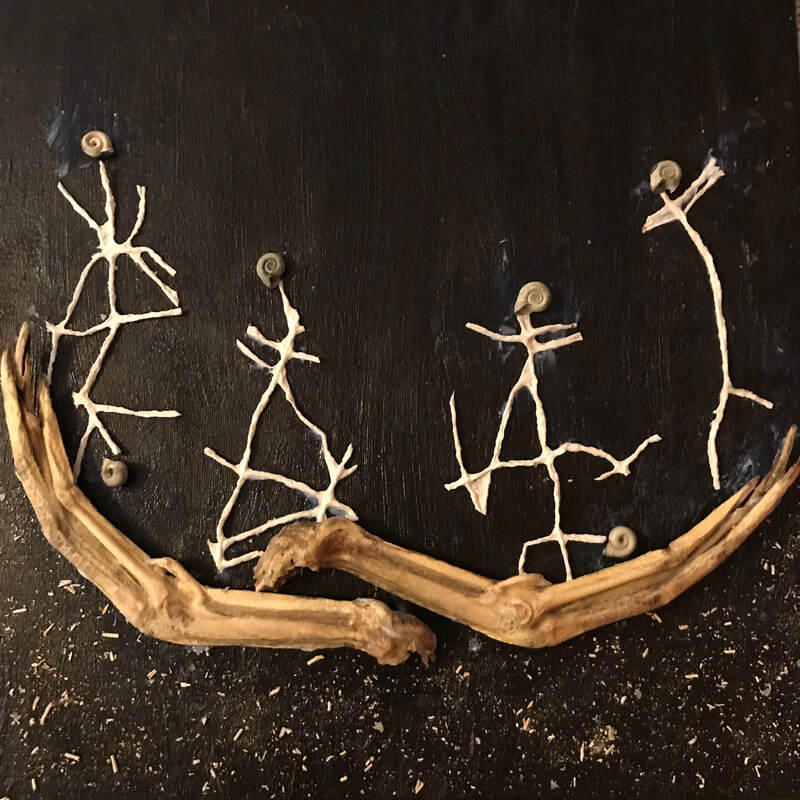
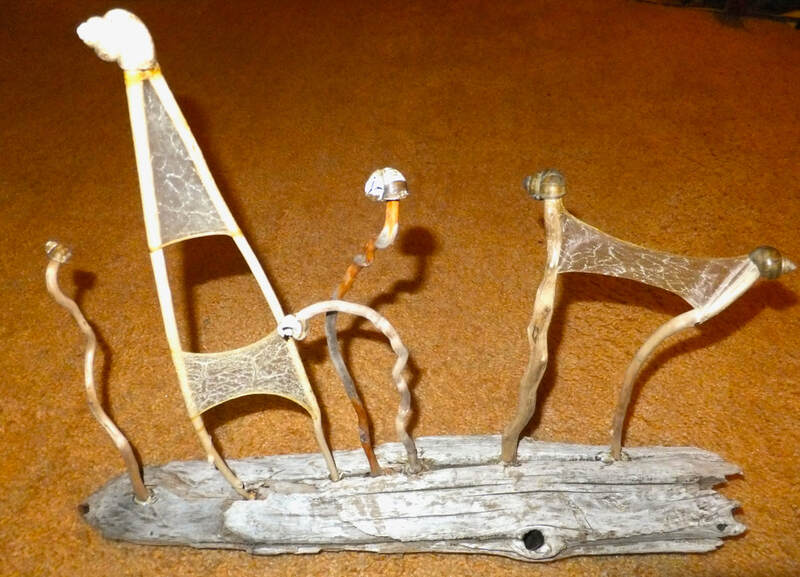
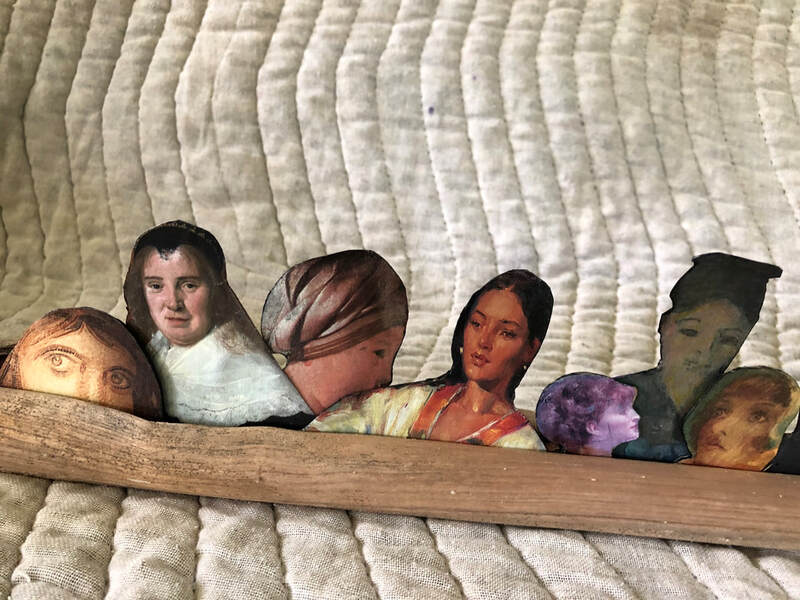
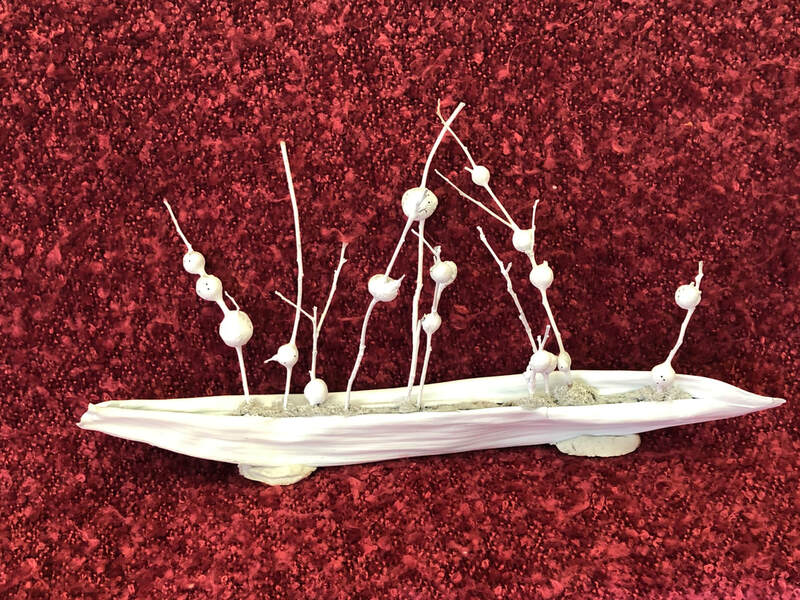
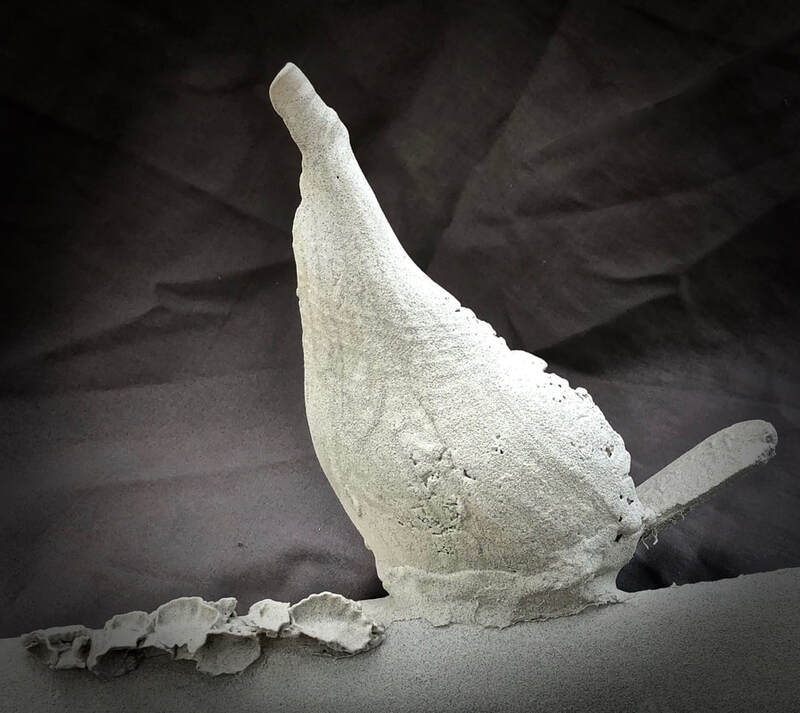
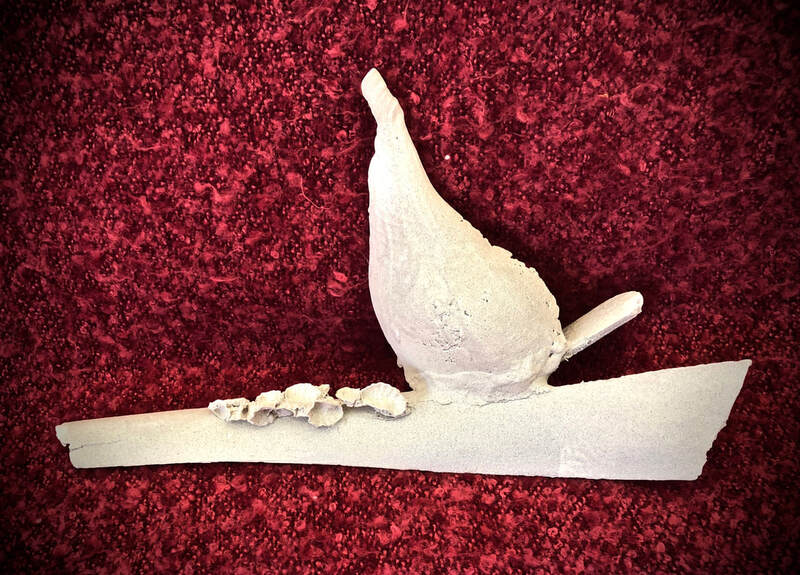
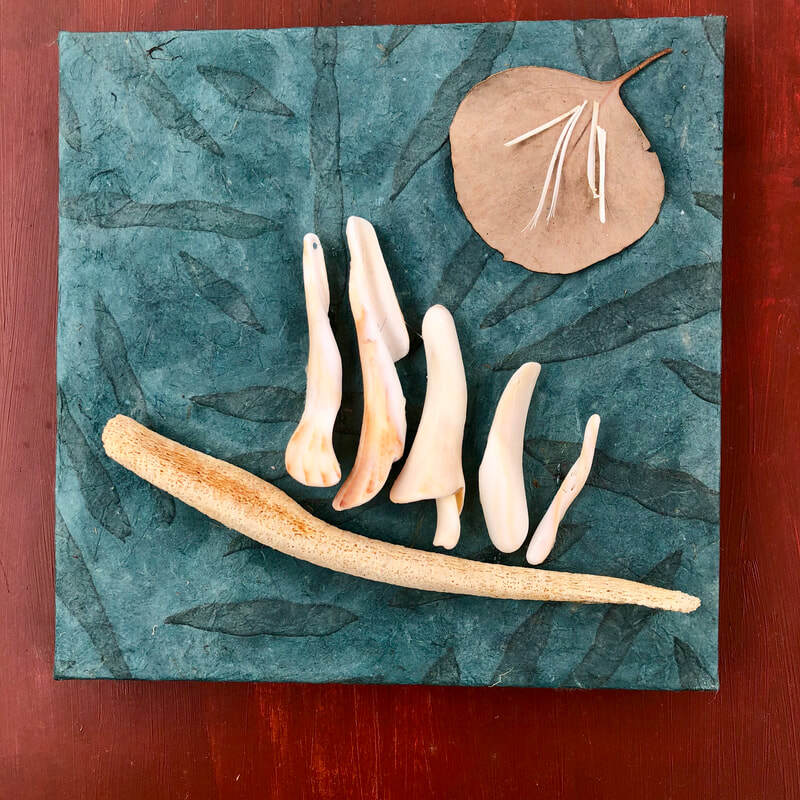
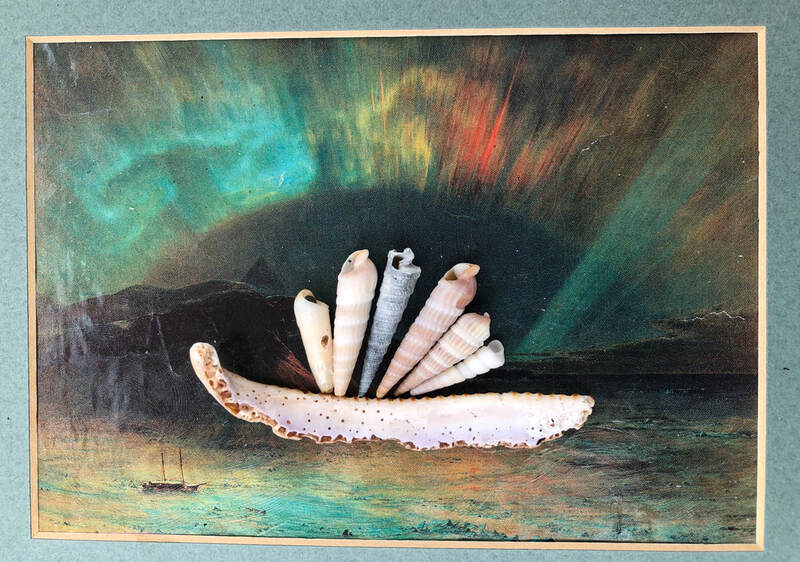
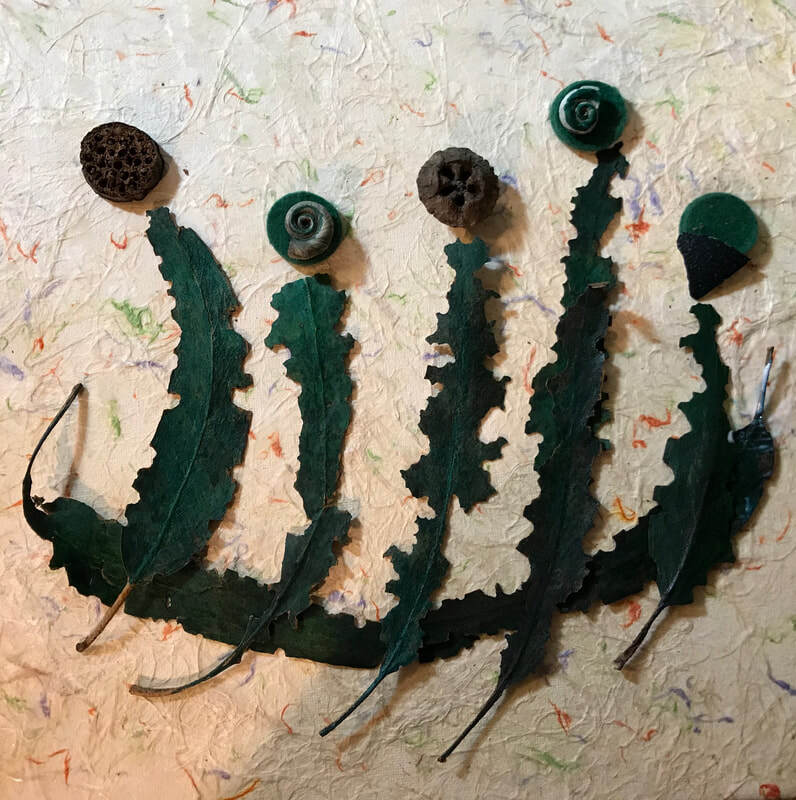
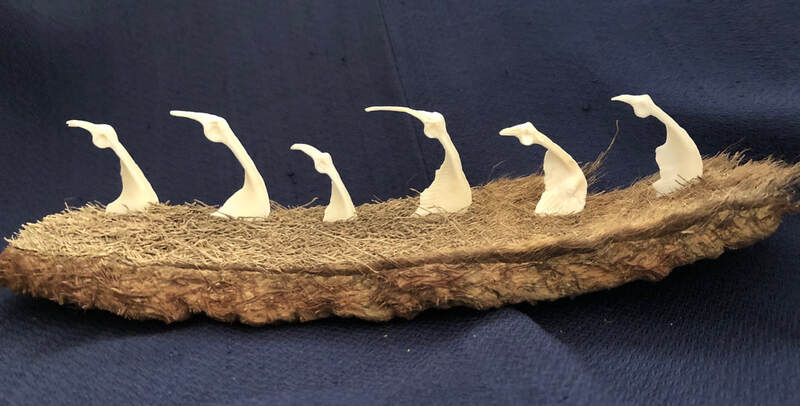
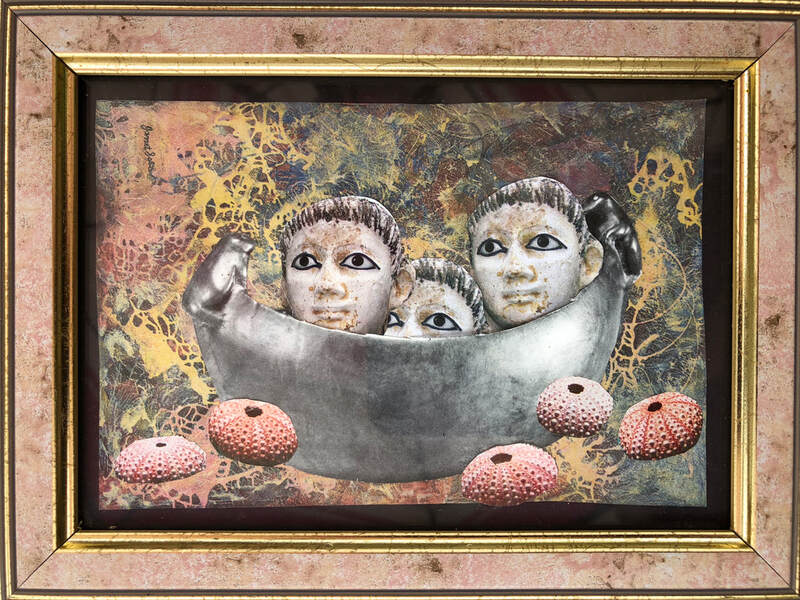
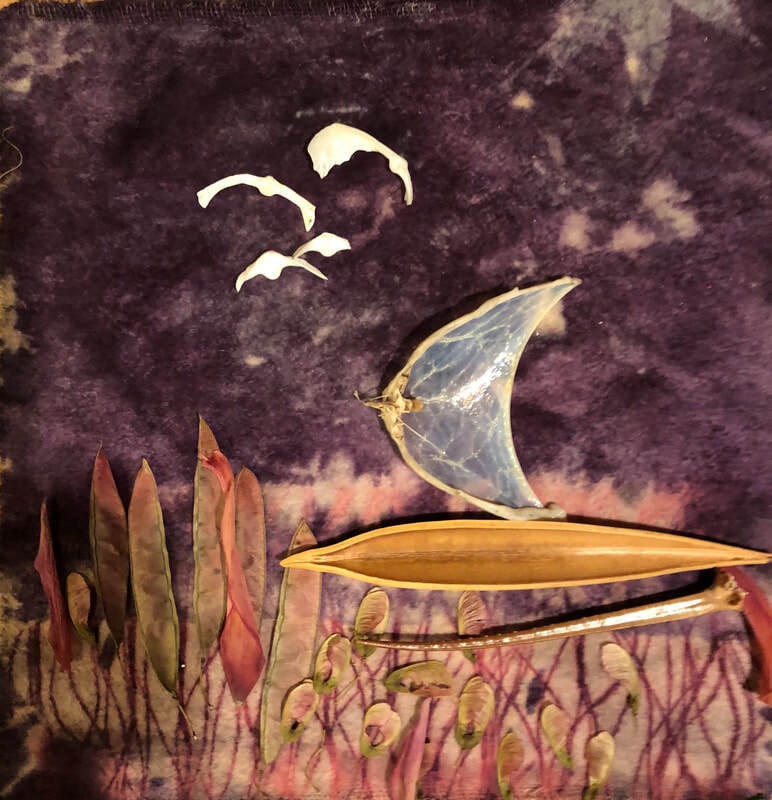
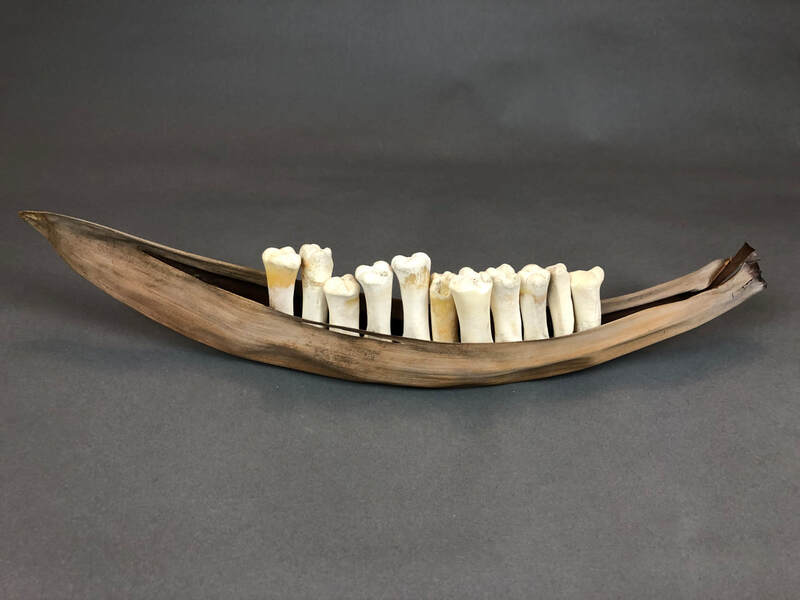
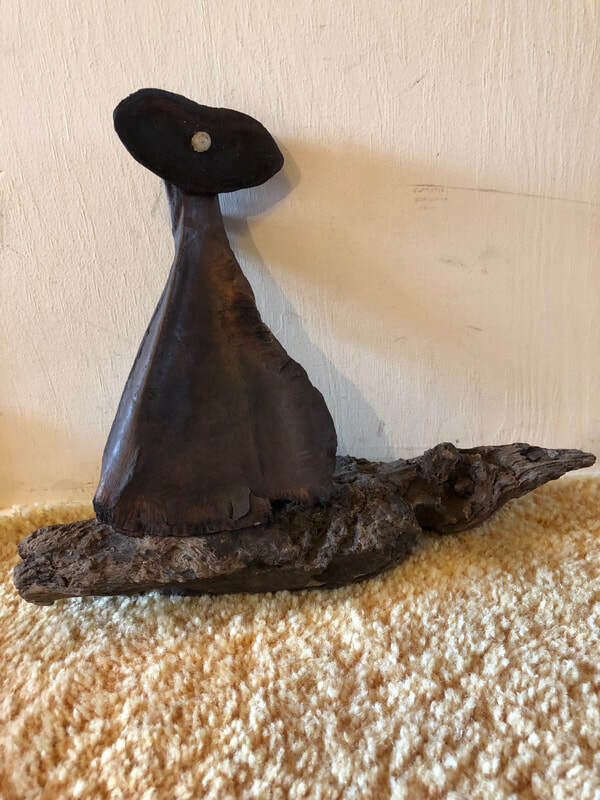
Today I really started thinking about "crossing over" more generally and realized this is the very phrase used to talk about what happens when someone dies--to move from the density of the body into the spirit world. Crossing Over was the name of medium John Edwards' TV show, where he provided audience members a chance to connect with their dead loved ones (episodes of that show are still streaming). That concept of crossing over is definitely about making it to a more multidimensional space. There are many mythic references to this idea too, some of which include boats, like the Greek crossing to the land of the dead (Hades) over the River Styx. There is in our American immigrant mythos (and my own family history) the image of crossing the ocean to a land of opportunity --a long, difficult journey with only a promise at the other end (alas, so different from crossing in a slave ship, another part of the American psyche--the shadow side of the same image; being taken to something dark and being deprived of possibility). There are also images of "boat people"--the Hmong people trying to flee across the Mekong River, the Cubans trying to get to Florida, or so many instances of refugees squeezing together, fleeing from one site of oppression or another, risking the journey to find somewhere better. Somewhere in my mind, too, is the image of the courageous people of the Pacific crossing vast spaces in long canoes, migrating to the Hawaiian islands (or, in the story of Lemuria, migrating from a much earlier manifestation of those islands to other parts of the world). The boats I have been making are generally long and thin, and must be most closely alluding to those paddling journeys.
I looked up "crossing over" this morning and was surprised and deeply moved by the fact that the first definition refers to a fundamental biological process: the swapping of genetic material when chromosome segments are exchanged or recombined at fertilization. The mother's and father's genes mix or exchange, leading to an individual offspring that carries traits of both, but in a unique combination. That's one of the ways a species not only carries on, but becomes stronger.
I'm writing on the cusp of the summer solstice, which this year coincides with what is being called the "eclipse season" when many powerful energies are pouring into the planet. This is a loud percussive force in this time of the energetic shift. So much is swirling around us: the covid virus, the racial protests and upswelling of saying "NO MORE" or "NOW" on so many levels. I see the signs of shifting everywhere, so yes, we are definitely in the passage, on the way, on the journey, moving across some large stretch of something. As I wrote before, we are in the collapse stage, when the caterpillar has to essentially melt and re-emerge in its new form. I think my boats must be symbolic lifeboats--something to help us steer through the vastness of the unknown waters. May our new recombinations come to fruition SOON and produce something so much stronger and better and harmonious!
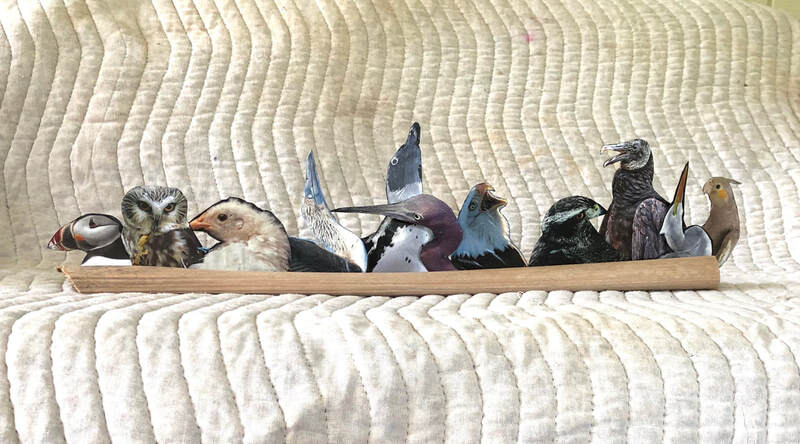
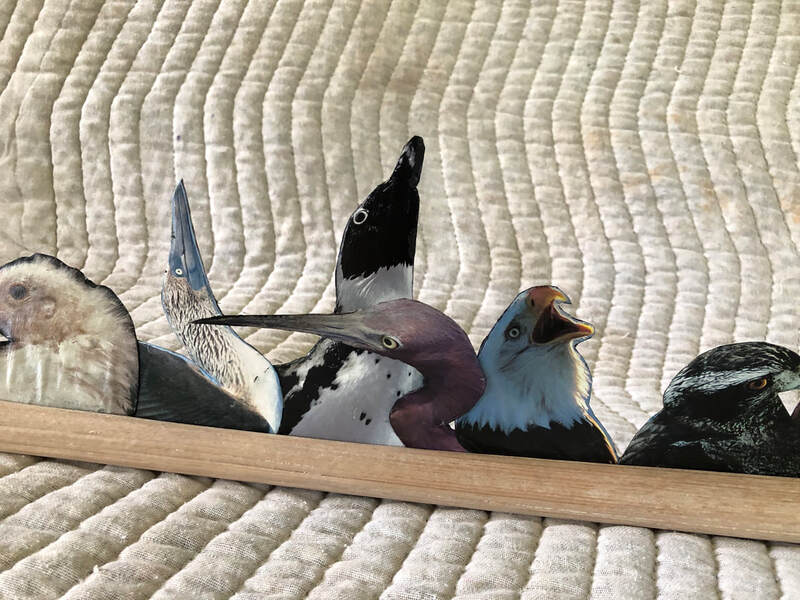
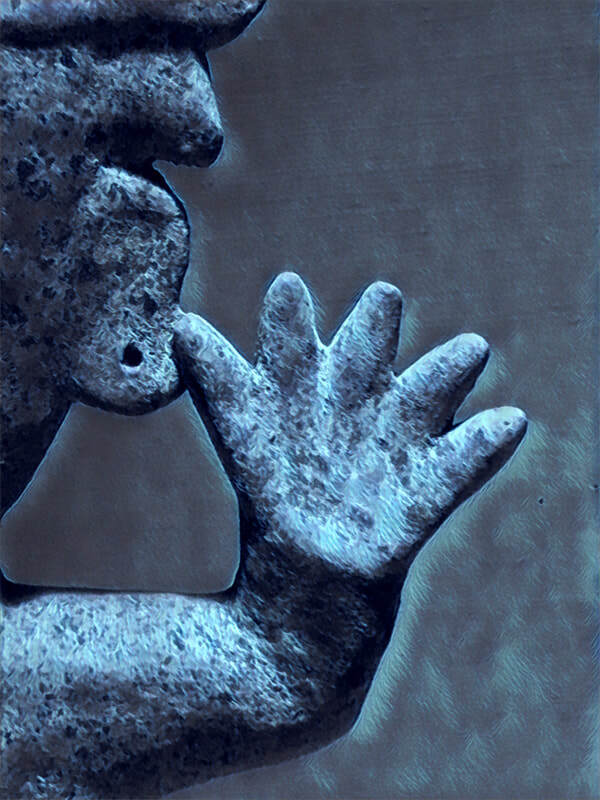
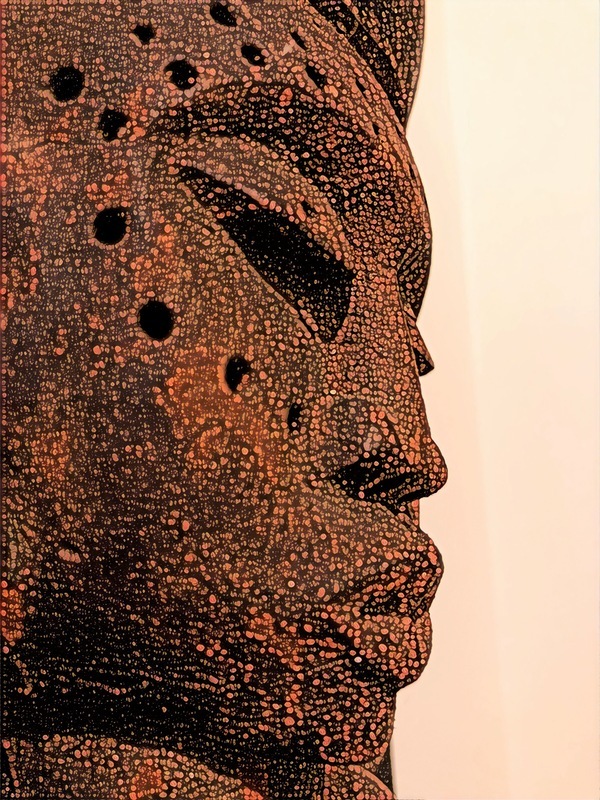
I always like to include visuals with my posts, so I'm adding a few more images of boat pieces (remember to scroll down and look for the earlier ones).
- Published on
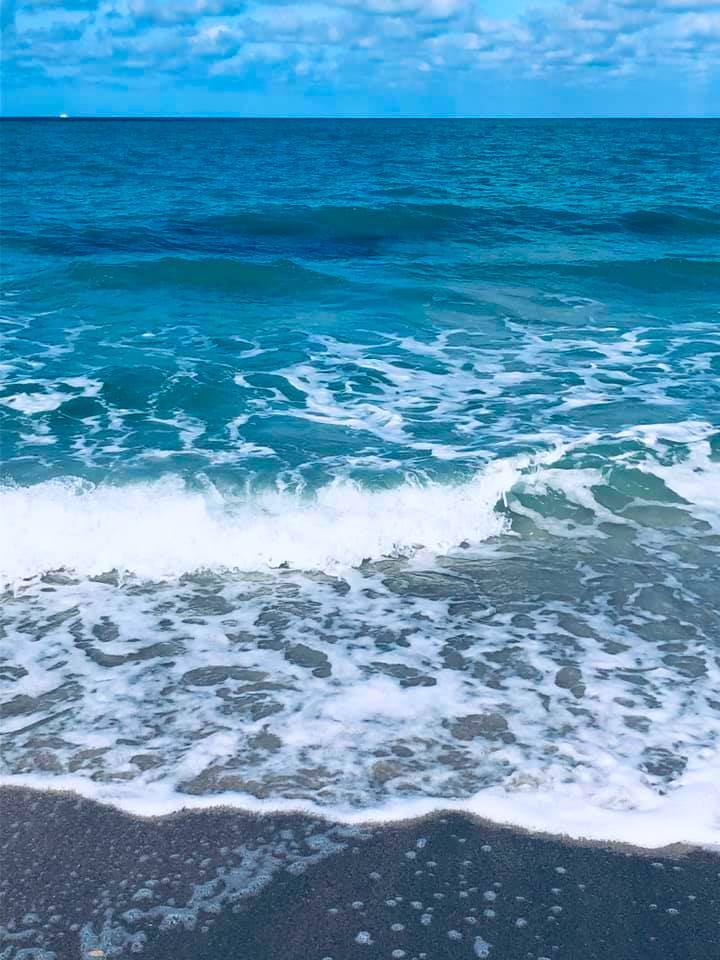
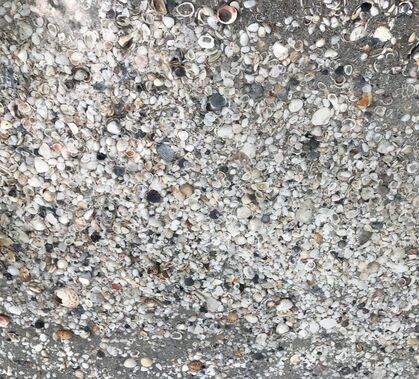
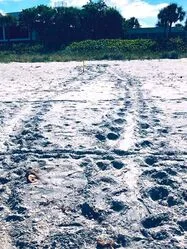
Vastness may indeed provide a kind of quieting, a rocking motion. Not just the vastness of the sea (and this Gulf of mine is, in the scale of things, just a small ocean), but the vastness of the beach itself. Unfathomable numbers: the millions of creatures that inhabited the myriad scallop, clam or jingle shells that are still recognizable here, just on my few miles of sand, and the many, many more that once lived in the shells that are, after hundreds or even thousands of years of tossing in the surf, just tiny fragments now. And even further back, the creatures that lived millions of years ago--the ones that left their teeth and bones that have hardened into the fossils we are walking on. (The beach here has a greyish cast because so much of the sand is made of fossil bits). Unfathomable numbers, just of one type: the fossilized shark's teeth, 25 million years old. How many, many, many sharks; how many, many many teeth. And the even more unfathomable numbers of creatures that live between the sand grains (meiofauna--I've written about this before [Feb. 25, 2019], but it is still so awesome, and just because I know about it, it's more less possible to comprehend the numbers beneath my feet, even just this morning). The sand itself, made up of particles of abraded mountains, crystals, and these shells and fossils. Numbers that could only be written as a superscript power which lies far beyond my understanding.
Vastness too in the immediate dramas: the number of sea turtles that have found their way up the beach in the last few weeks to lay and bury their eggs--a most laborious process of lumbering out of the water and digging a seemingly safe hole. (Some females even drop two loads in the nesting season). Very few of the little ones make it, but there is so much effort for those that do. There are thousands of buried turtle eggs on my walk. Thousands just in this stretch of sand, and that's even when the sea turtle population is struggling. Abundance and vastness in so much else around me: the number of leaves in a single live oak, for example, or the way the chaya plant puts out a rash of new leaves in every place it has been cut.
But I digress. This post is focusing on the beach and the morning's walk. The word beatitude came to me, even though I only had a vague sense of what it means. I knew Jesus gave blessings called beatitudes, but I was feeling the energy of the word without any particular association, and it wouldn't let go. The definition, it turns out, is "a state of great joy" --being happy and blessed. Yes, that's it: blessed with a sense of vastness, abundance, the unending quality of the natural world, the whole astonishment of it. Blessed are we all, living here, witnessing, tasting the salt, feeling the sand grains, holding the remains of beings from so long ago and glimpsing the depth of time. Blessed are we all, for we are parts of God and the whole is always in the parts.
-------------------------------------------------------------------------------------------------------
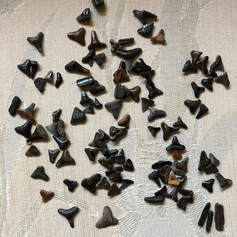
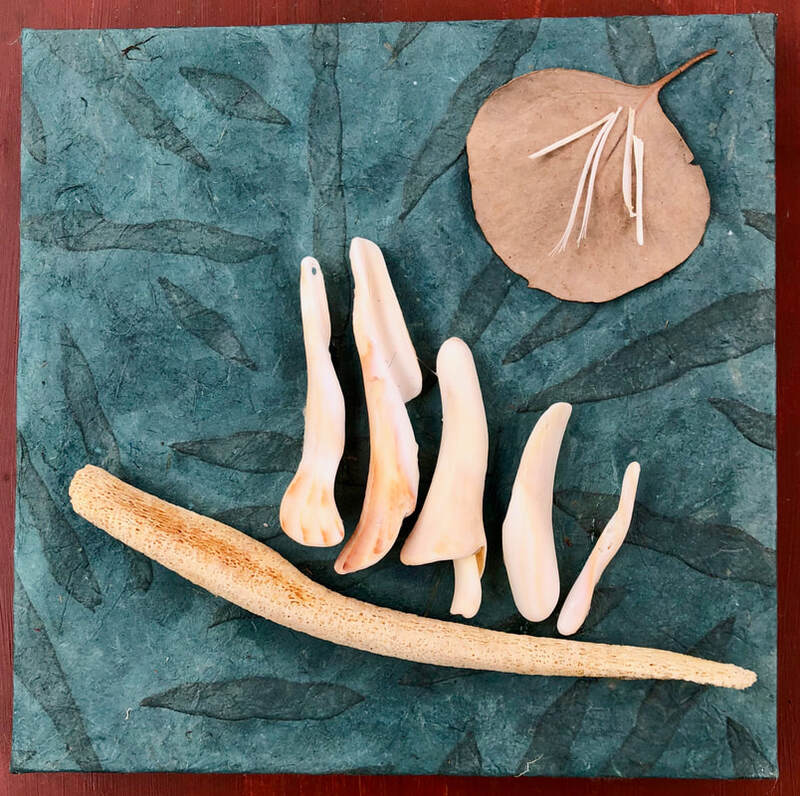
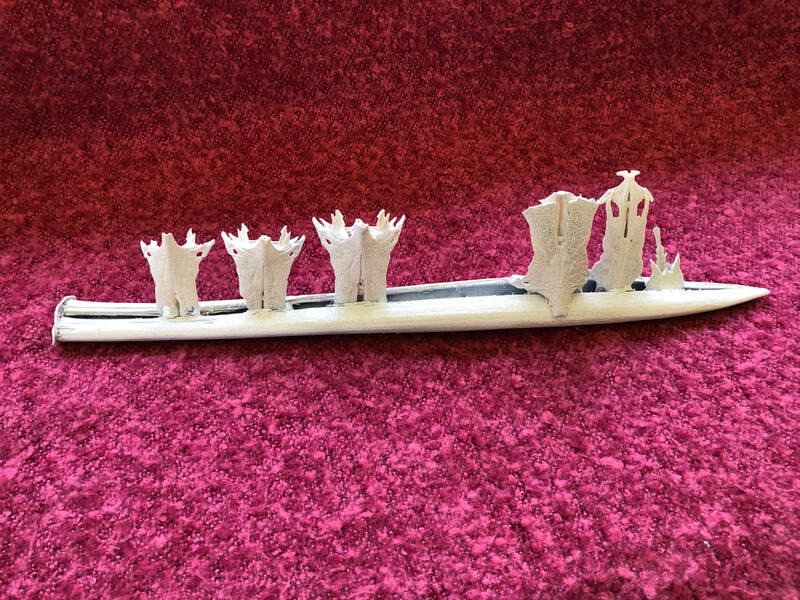
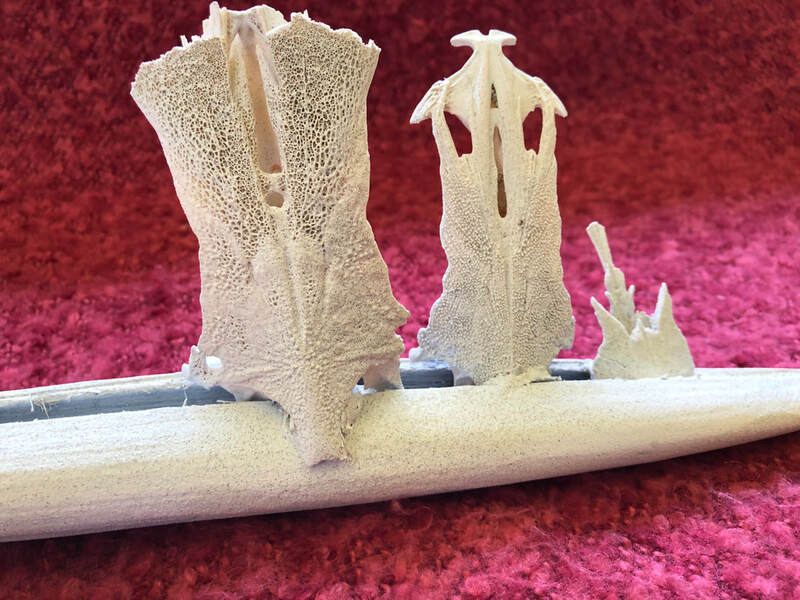
Fossilized shark's teeth from Manasota Key.
- Published on
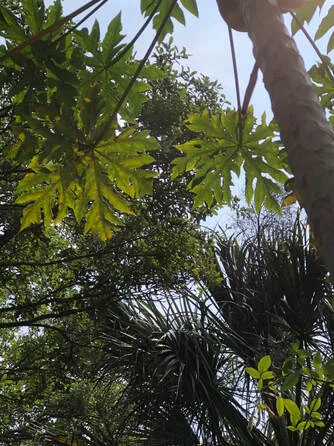
I am writing this sitting in my hammock "office," under the papaya, oak and palm. (The photo shows the view I see when looking up). I am also in reaching distance of the pigeon pea tree, its nearest branch with one pod ready to pick and others still ripening. Here I am, in deep bounty and grace.
This is such an intense time where we are stopped short, having left (the illusion of) normal, having gone through all the energetic portals to this other world, the one not yet formed or clarified. So many in fear, discomfort, untethered. Heart open to the seismic changes, the earth seemingly breaking apart at people’s feet. Without a long treatise about any of it, and with the caveat that I am hardly Pollyanna—I know just how much disruption lies ahead, how huge this shift really is—I remind us to never lose sight of joy. In the midst of it all, remember it. Help others remember it. Proclaim it.
“Stay joyous” is what I plan to use as my new signature (a stronger phrase than “stay well.”) Turn your attention to the energies of connection; firmly put your energy in dreaming and embodying the reality you want to live in. Be firm about it. Acknowledge the fear, but don’t stay there; turn to the trees or the breeze or flowing water, even in the kitchen sink (and right there is a miracle: clean water coming out of a pipe at the turn of a wrist!). Am I preaching? It must seem so. There are people dying (as there always are) and there are so many now out of work and so forth. Yes. And. There are also countless people living, in their hearts, helping one another. There are new ways of connecting. And there is all the powerful energy of the earth, and there are the spring flowers and the taste of raspberries and so much more. Yes. And.
My own inner guidance is unequivocally clear right now: turn to joy. Put your focus there, even if you are making or sanitizing masks or feeling the collective fear at the grocery store, even if you’re seeing the literal barriers that keep people apart. Help others remember joy, brightness, not-suffering. There's always a spark of that, and we can fan its flames. That’s where I stand; that's my post. Lift the spirits, keep lifting, and then lift again. I know some will turn away from this message, dismiss it, looking back to their worries, their pain. I know some will think I’m cold-hearted or foolish or even sadly duped. But that’s my post. The herald, the town crier, who says it: Remember joy. Choose joy. Be joy. Be joyous, inside it all. I invite you to drink a cup of joy with me (as Allaudin’s Sufi song says, “fill your cup, drink it up…”). If you can’t handle the whole cup, take a taste, a drop on the tongue—like a homeopathic flower essence, it will affect you.
I offer joyous things today--things that I am blessedly able to fill my cup with. May you catch the wave!
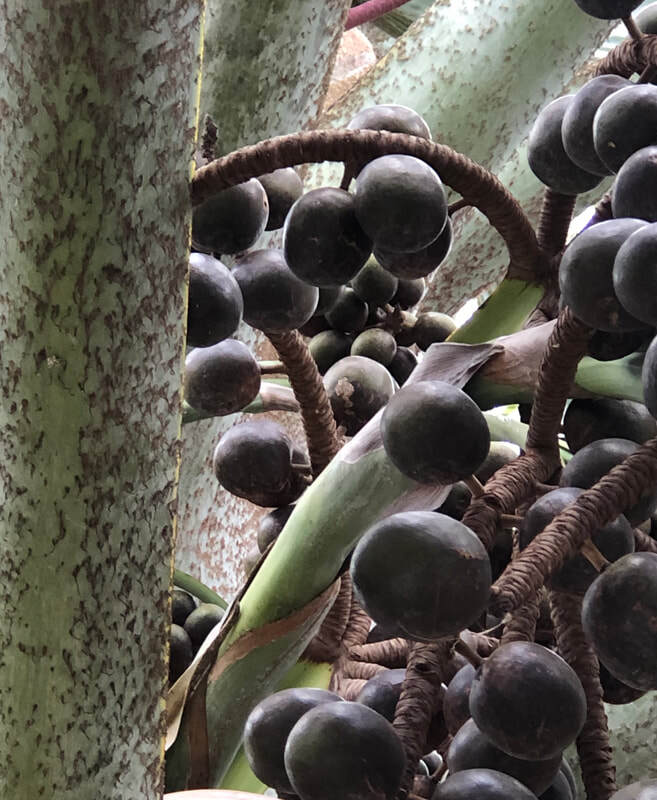
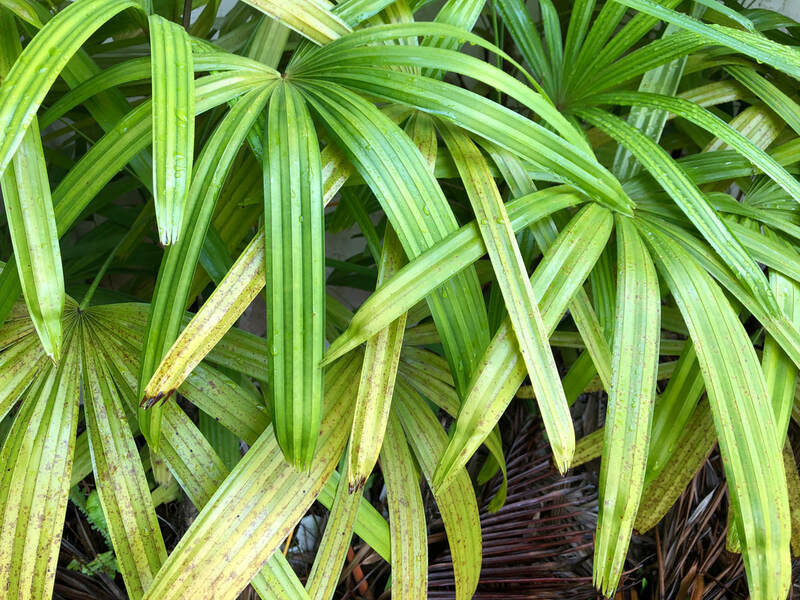
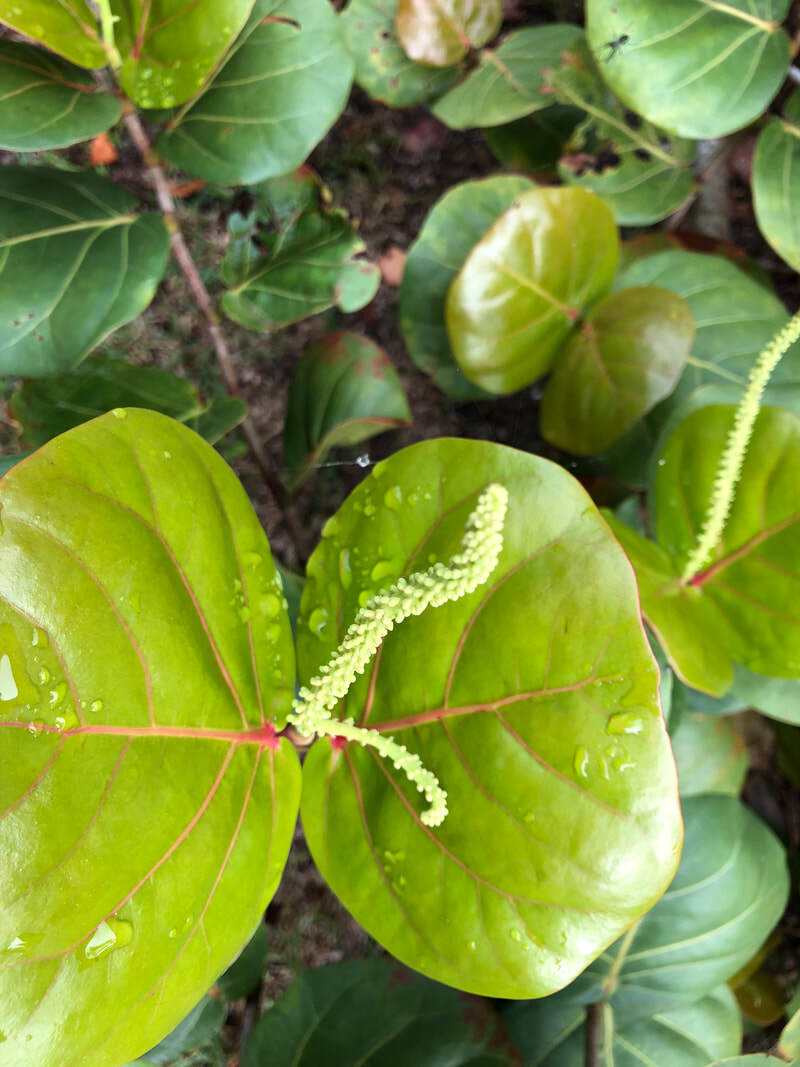
First some images of scenes on my land--my sequester delights.
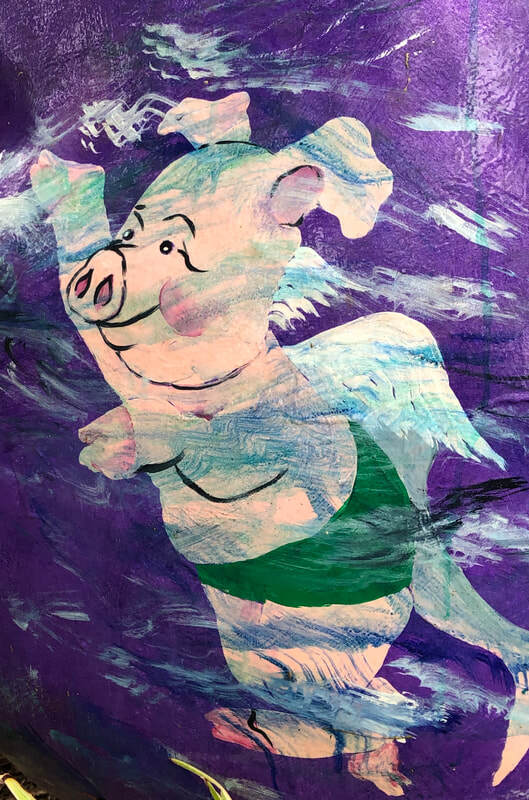
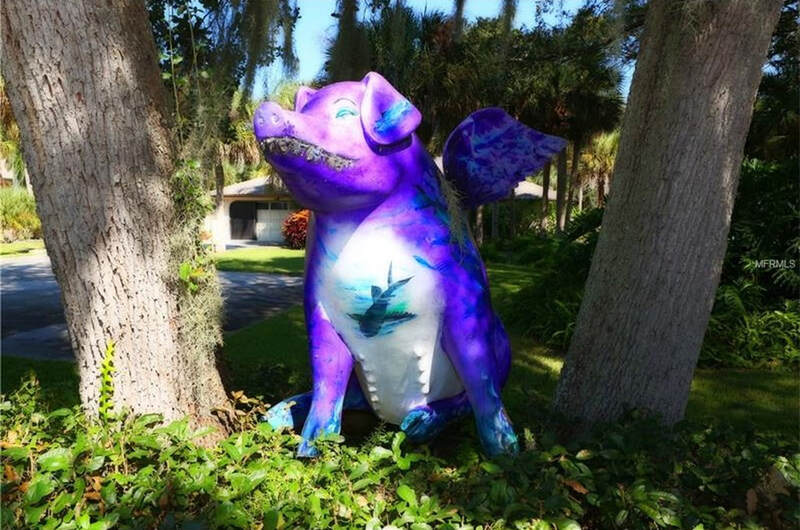
And here below, the pigs are flying! (we never thought pigs would fly, but the impossible becomes possible...) This is a detail of a giant purple flying pig that is a sculpture in my front yard. It was part of the property when we bought it.
(Remember you can click on the small images for the full view).
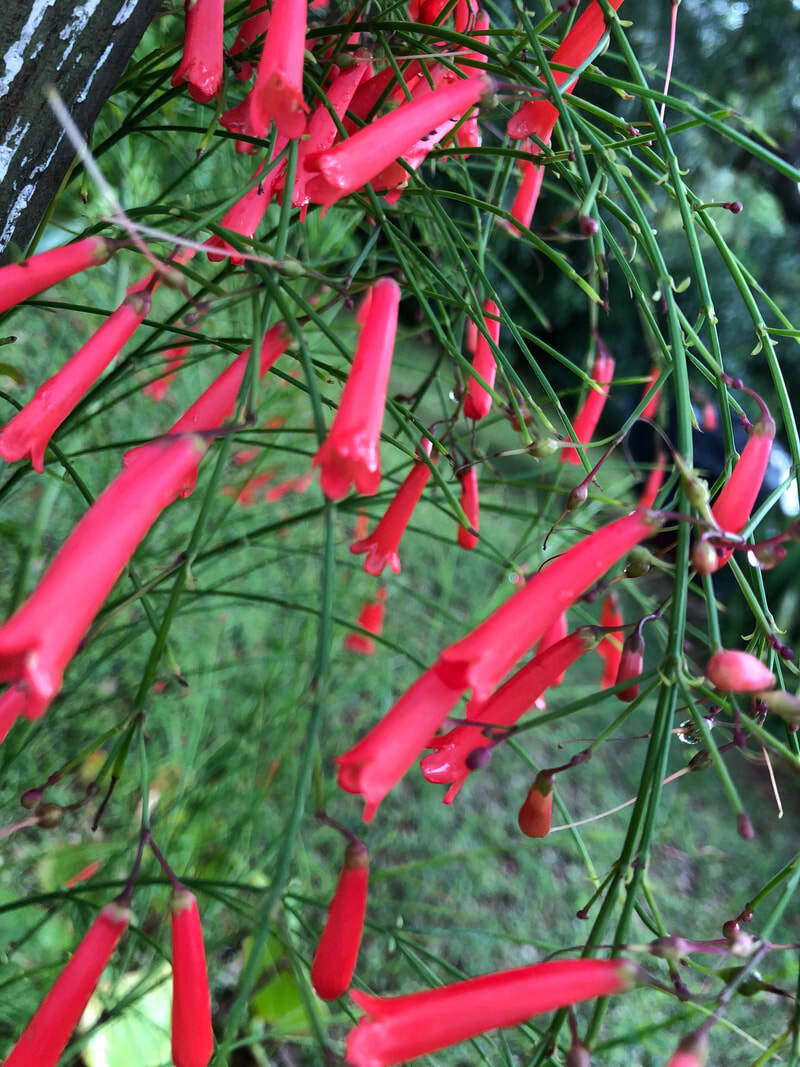
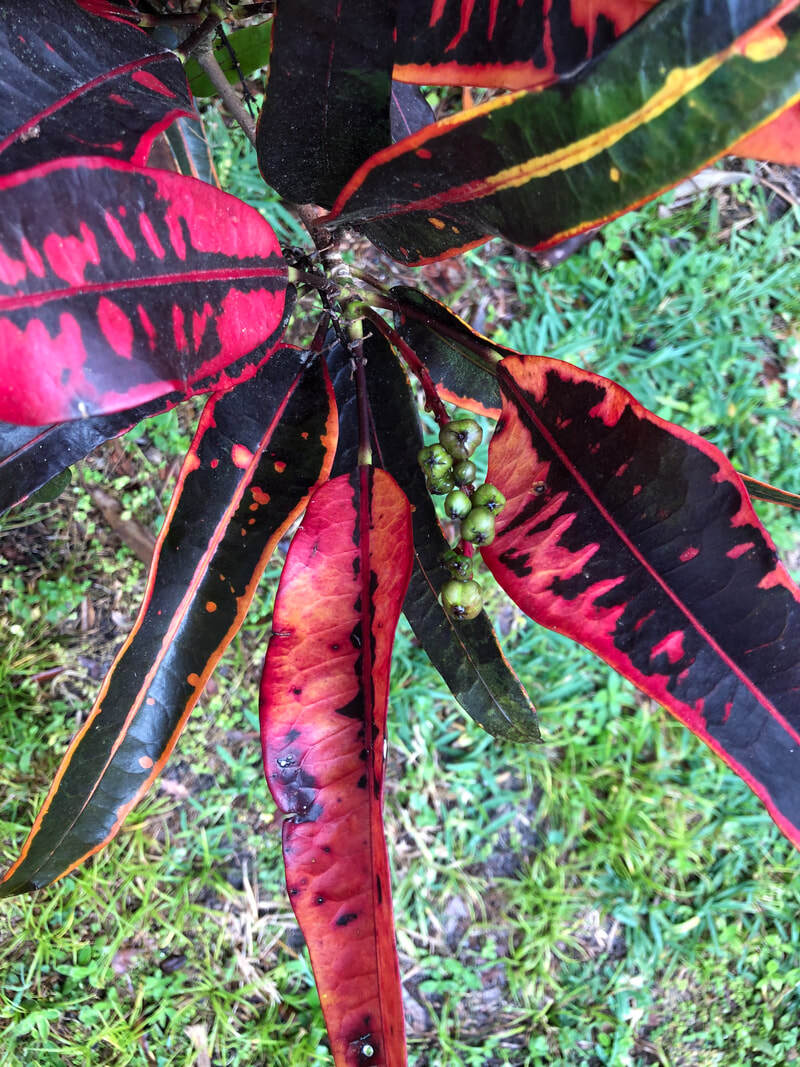
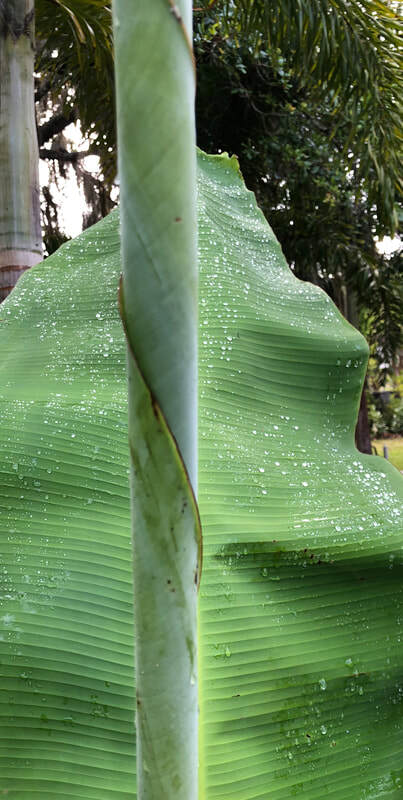
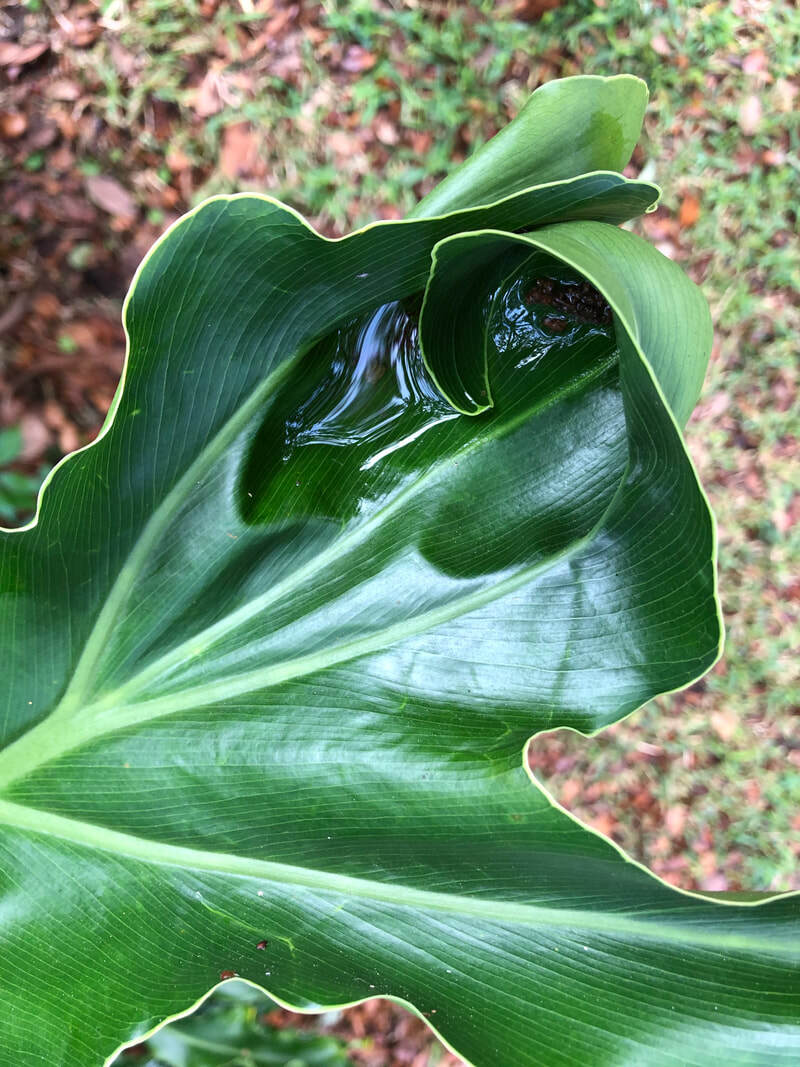
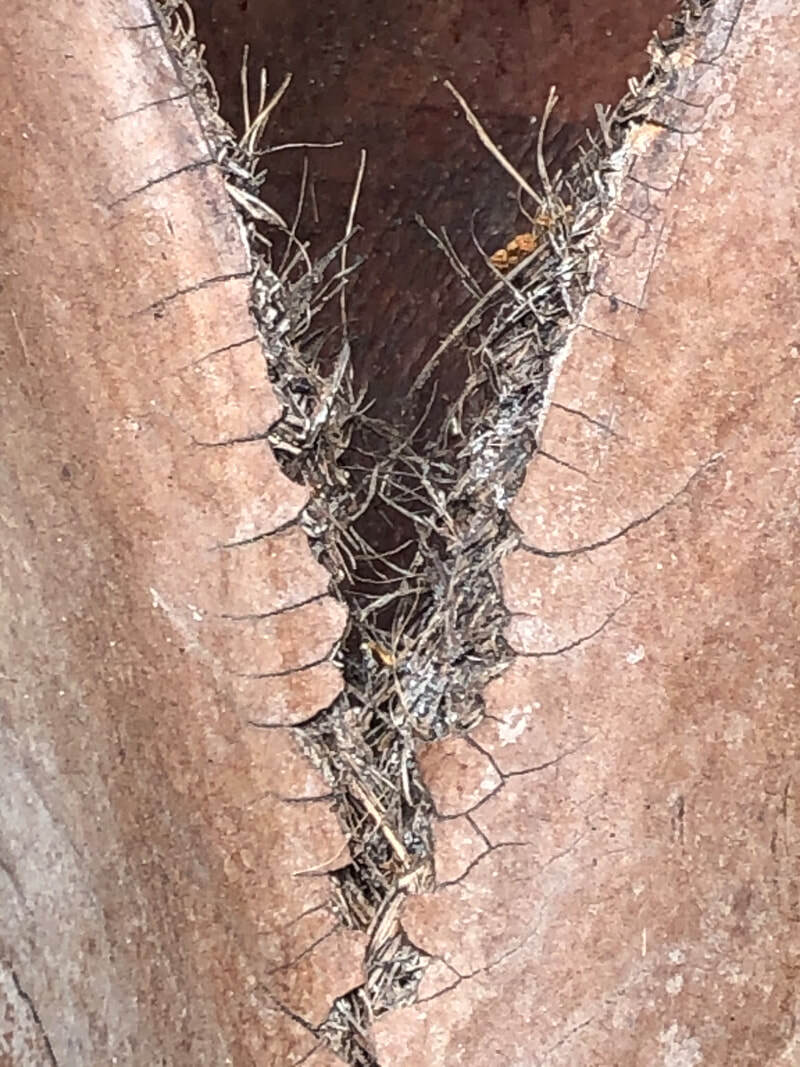
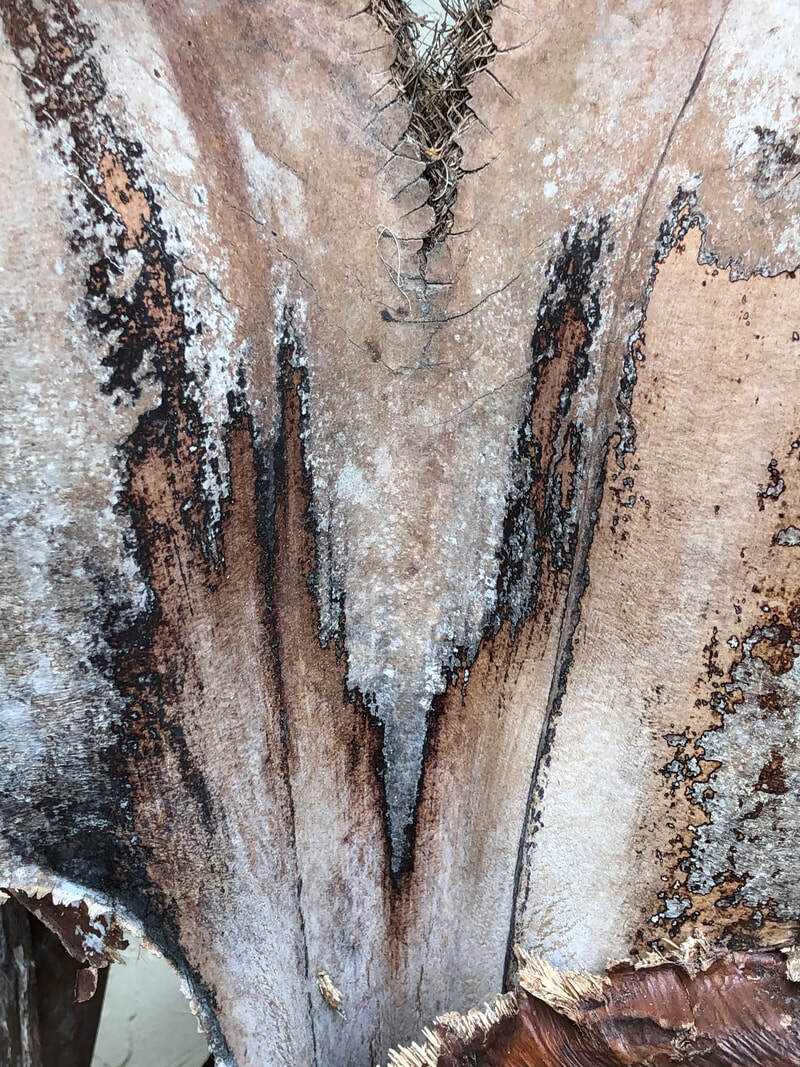
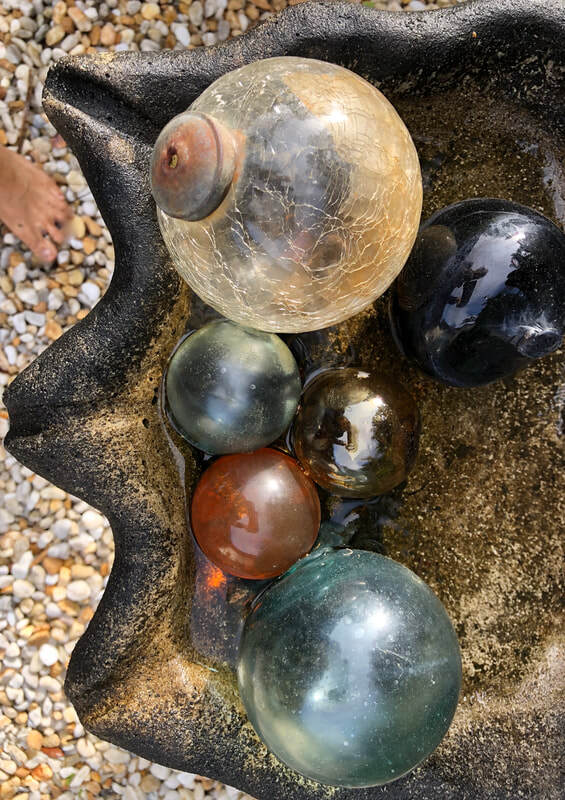
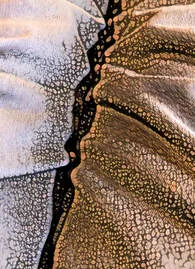
And next, some images that come from my recent art play (it isn't really art work..) The first two capture something of the feel of this odd corona virus time we are living through. To the right here is an altered or enhanced view of something very ordinary--can you guess? (It's actually a view of looking down at my pants legs) I like the image for its colors and textures, but also because it holds the feeling of rupture, of the kind of seismic parting I alluded to above. Our societies and realities have been so bifurcated, so two-camped. We may hope that will change now, but the bifurcation and pulling apart of the earth feels very real.
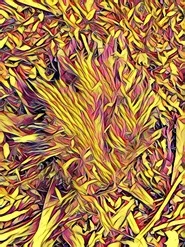
The second captures the jaggedness and burning quality many are feeling now--the on-edge terror that underlies the experience of fear. At the same time, it seems to hold the enormous sense of aliveness that is in the energy around us, the great sense of waking up or awake-ness. The image is taken from a photograph of tufts of a low-growing grass, taken on a walk in a nearby preserve.
And finally, a few images from what I think of as my "Crossing Over" series. I had this theme in my mind for quite some time now--people on boats, in transition, crossing from one place to another. In the passage, on the way, moving across. It makes even more sense with the energetic shift I and so many others are attuning to now; we are in the collapse stage, when the caterpillar has to essentially melt and re-emerge in its new form. We're on the journey.
- Published on
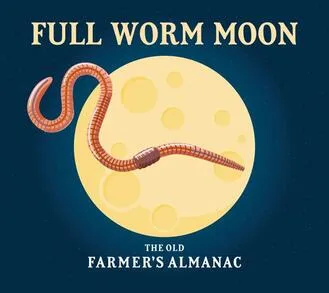
This image feels inviting to me: I want to follow that worm wherever it's going, since it seems so strong and determined and forward-looking. And the look of the moon (is it yellow cheese?) is quite jaunty too.
I used associations and energies around the moon as prompts in my "Writing From the Inside" workshop today, and the group went in a very different direction; our writing led us to a peaceful place of bathing in mystery and magical moonlight. There were wonderful phrases/word pictures like "Yes, says the moon;" "the facets of your face;" and "I ate the moon" (which led me to a discovery of Aousha, the beloved "Arab girl" from the UAR who was known as "the poet who ate the moon"--she dreamed in her youth that the moon came down from the sky and she swallowed it). I'm always in awe when I see what comes through as we explore through the words this way, much as I am when we see what comes through the images in SoulCollage. It's this kind of discovery I seek to share in this blog.
Thus, I'm presenting another olio or miscellany today--some images of artwork, some poetry--no single theme, but examples of continued creative expression and hopefully, fodder for others.
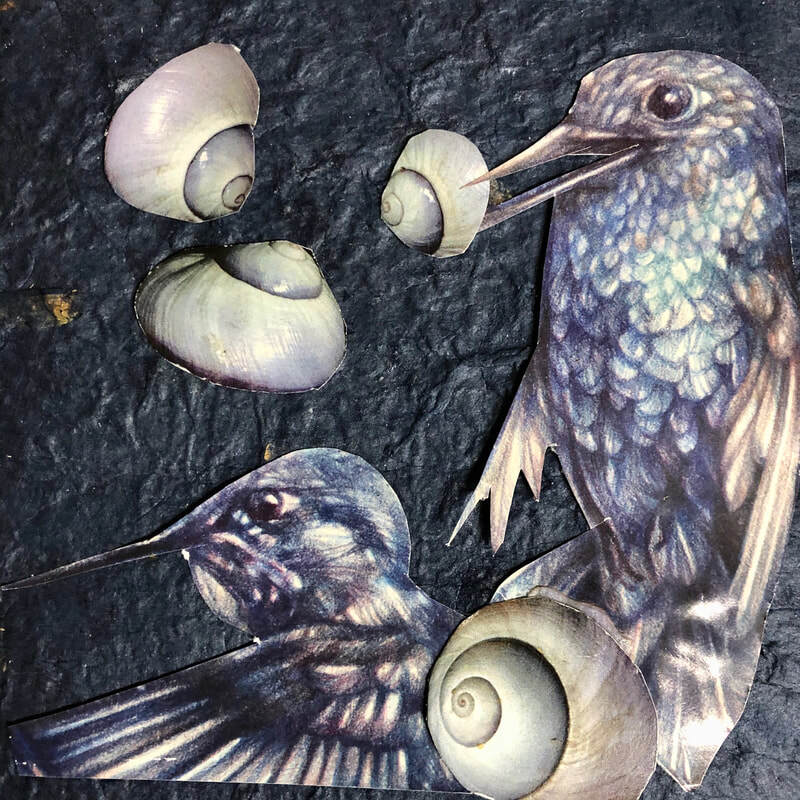
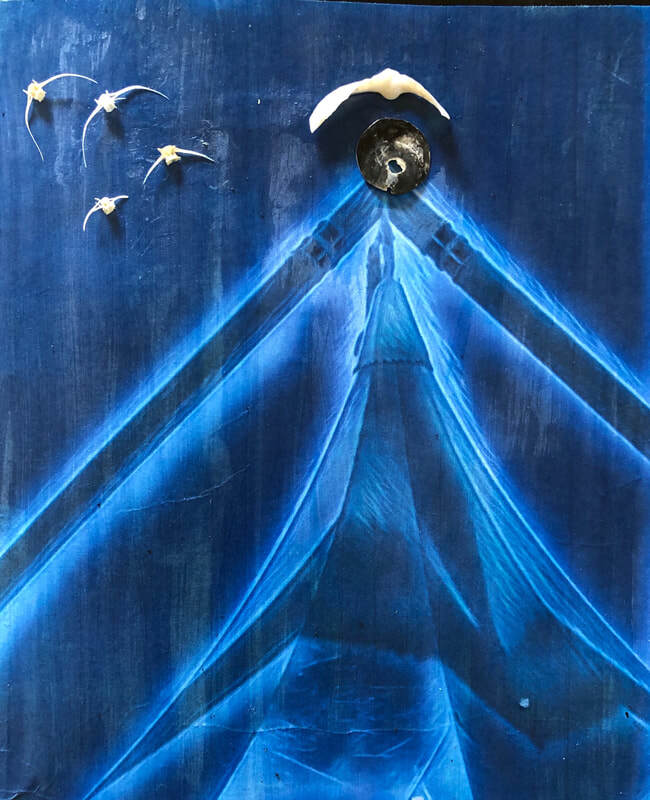
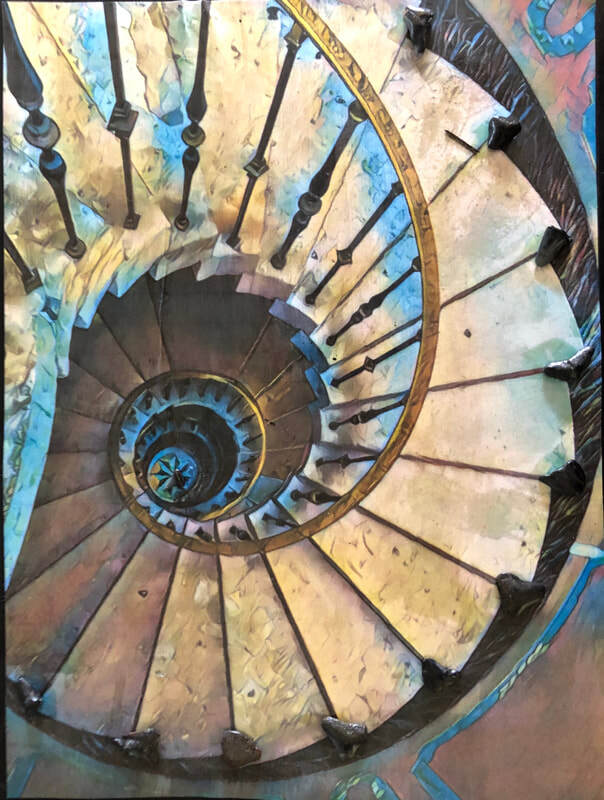
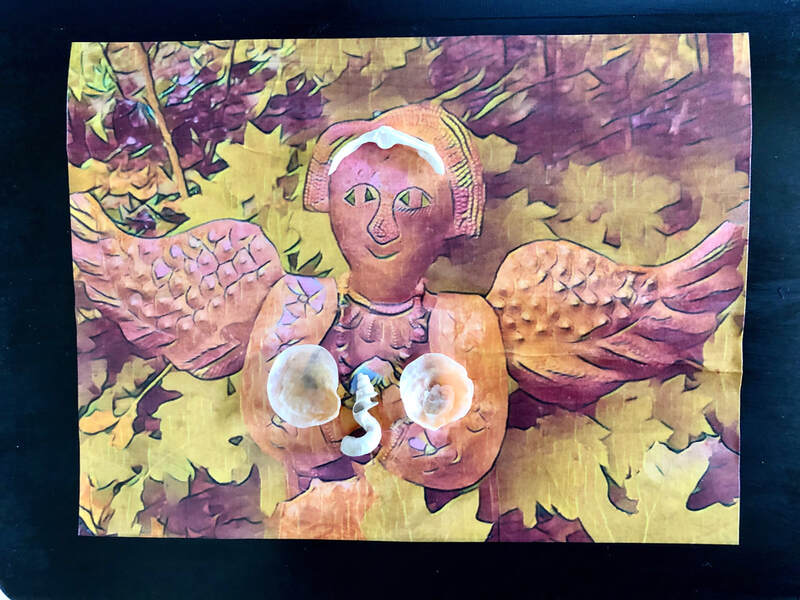
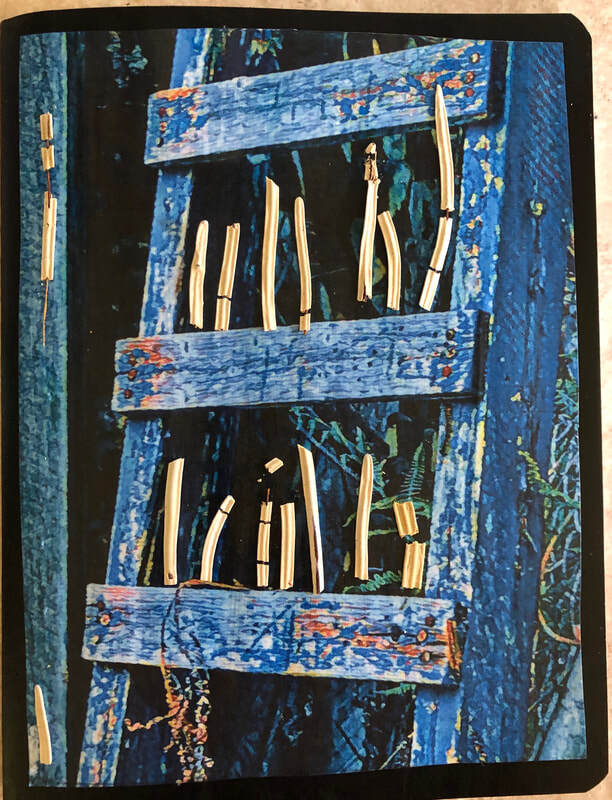
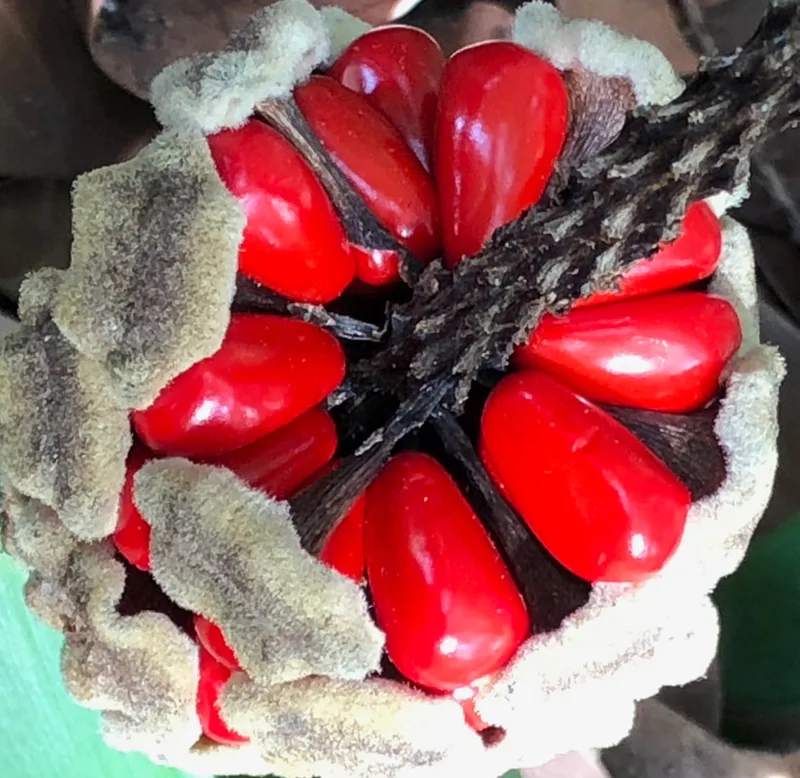
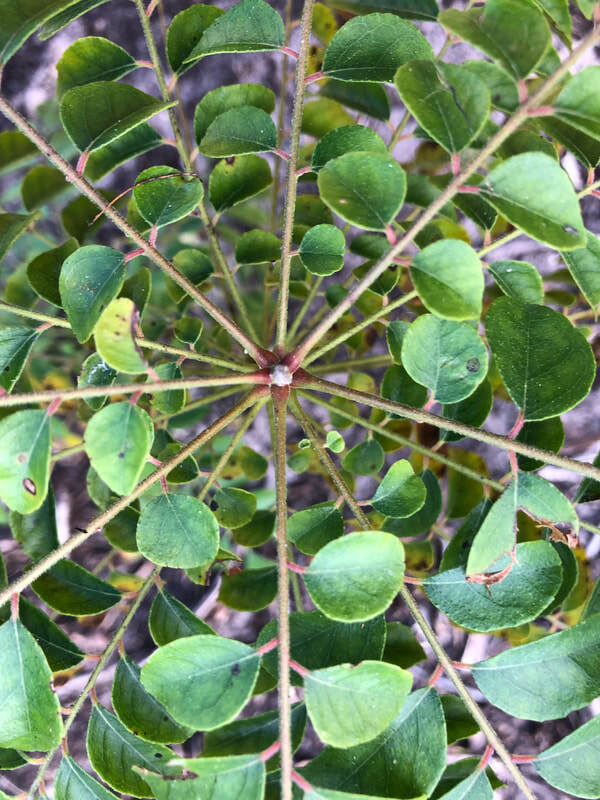
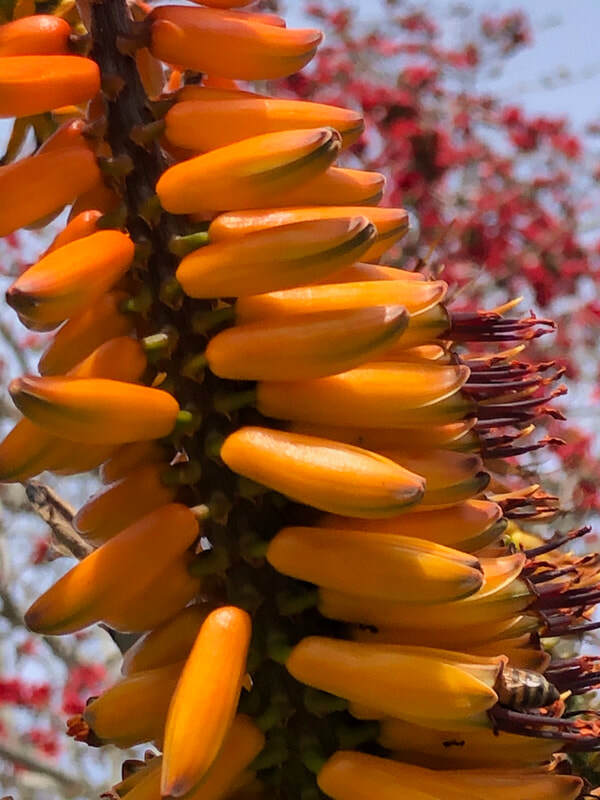
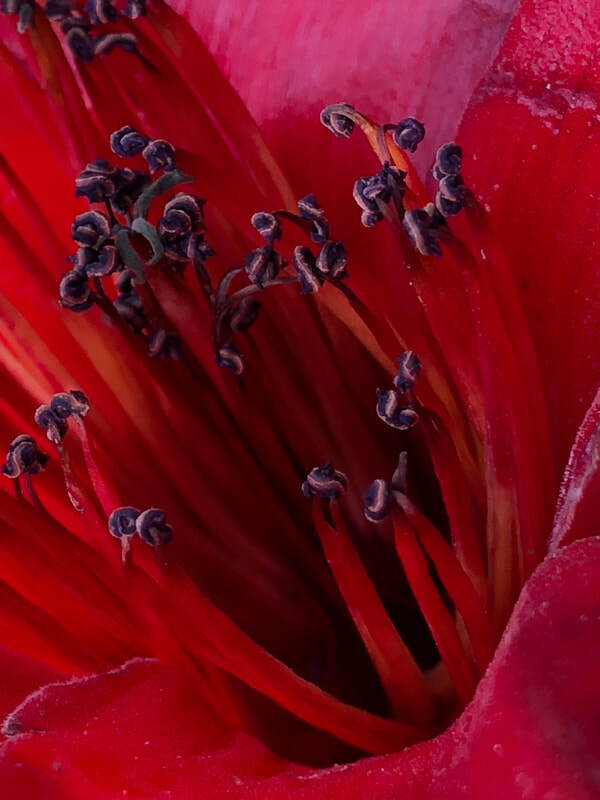
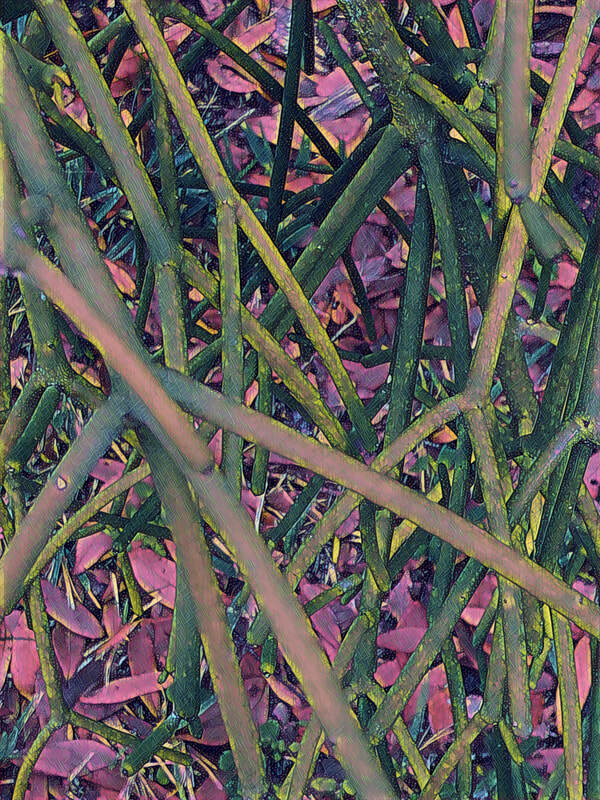
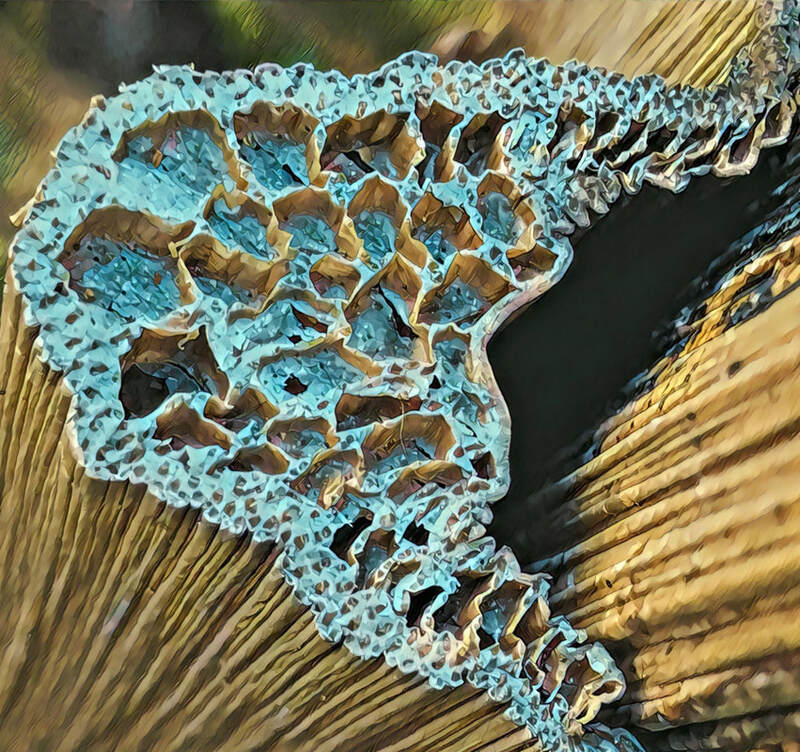
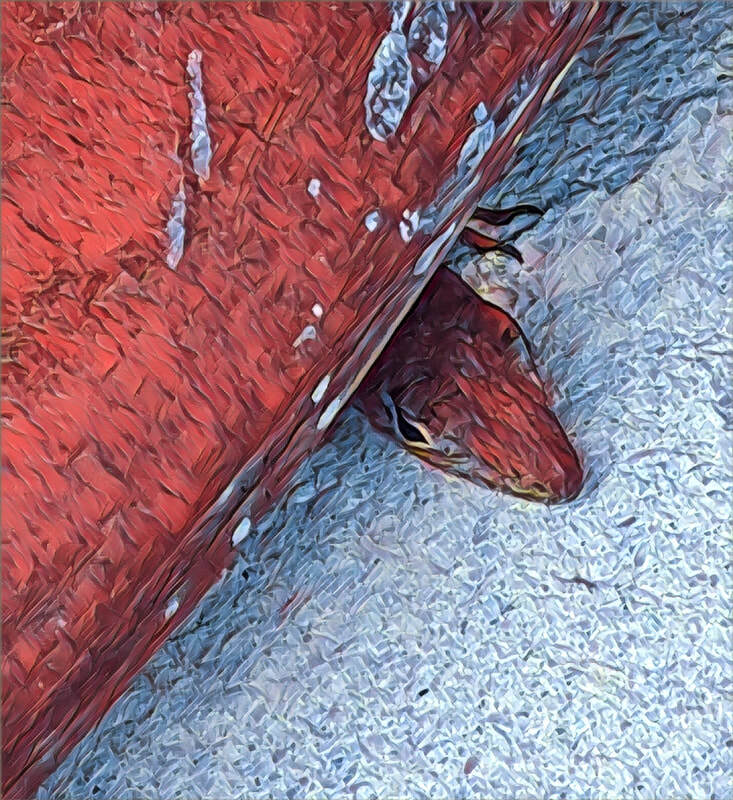
First, some pieces I made for participants in the Inner Guidance by the Gulf workshop I led last week. Each started with one of my photographs, which was altered and enlivened, and then used as the basis of a dimensional collage--there are pieces of flora and fauna added to each one. Do click on the images for the full view, and see if you can determine what the added bits are. They are identified in the captions.
OPEN WEAVE
The light comes through, gently latticed,
shining softly through the spaces.
Iridescent threads pull into small circles,
their cavities playing arpeggios of color
for our deep delight.
GIFTING
She came, bearing a large box
wrapped beautifully and finished
with a perfect bow.
She held it out, offering,
"Here," she said, "this is for you."
"Take it," she urged:
the discovery, untying the ribbons,
feeling the slight unease
of not knowing what's to come.
She made a little bow, backed away,
and left the room.
Her gift was the promise,
the very moments of wonder
and anticipation.
This kind of economy is truly rich,
wrapping the presents and receiving,
the give and take flowing every which way,
always offering and
always taking in.
Author:
Beverly Gordon
Explorations and unfolding adventures in art, nature and spirit. These are intertwined--my art helps me learn about nature and spirit, and experiences with the natural and spiritual dimensions come through in the art. It's also about being amazed and awestruck--awestruck by the ways nature works, how brilliant and unfathomably huge it all is, and awestruck by what happens when we open to inner guidance. I believe that increasing the sense of appreciation and awe is a way of helping to heal the world. Join me on the path of discovery!
Archives
- November 2021 (1)
- May 2021 (1)
- February 2021 (1)
- October 2020 (1)
- September 2020 (1)
- August 2020 (1)
- June 2020 (1)
- May 2020 (1)
- April 2020 (1)
- March 2020 (1)
- January 2020 (1)
- November 2019 (2)
- September 2019 (1)
- August 2019 (2)
- July 2019 (1)
- June 2019 (1)
- May 2019 (1)
- April 2019 (1)
- March 2019 (1)
- February 2019 (1)
- January 2019 (2)
- December 2018 (1)
- November 2018 (2)
- October 2018 (1)
- September 2018 (3)
- August 2018 (1)
- July 2018 (1)
- June 2018 (3)
- May 2018 (1)
- April 2018 (1)
- March 2018 (3)
- February 2018 (2)
- January 2018 (1)