- Published on
So, some everyday wonders from my life by the Gulf. Savor them with me.
***the breeze blowing the lightweight curtain behind, lifting gently
***sitting in silence as the sun gets lower
***shaking my head in amazement at the tenacity of the Brazilian pepper tree, that sends out shoots and comes back no matter what you do
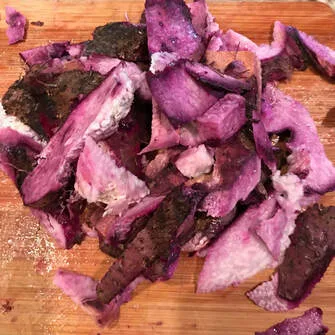
***the surprisingly rich color oozing out of the gelatinous purple yam, dug up from my garden
*hosing off with a stream of cold water after the intense heat of the sweat lodge; feeling the inner steam in my cells
*the curved form of the essential oil diffuser, like an ancient Greek libation vessel
*towels drying on the clothesline
*the symmetry of the spider web stretched between the upright spiky leaves of the snake plant—the “mother-in-law’s tongues” that grow freely under the oak
*absorbing the energy of really good acting, where the character becomes someone you seem to know well
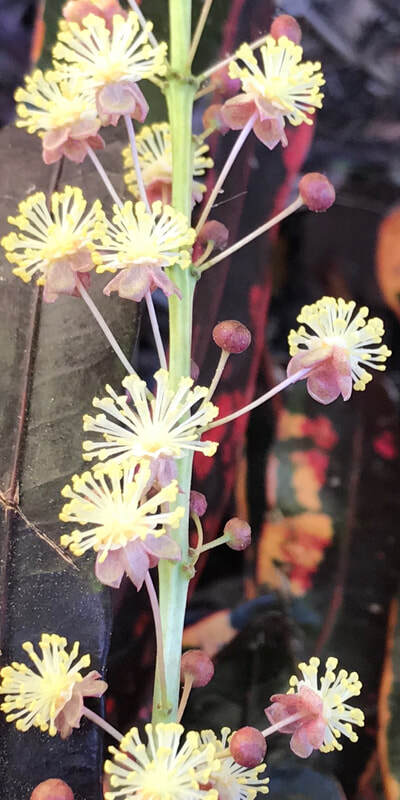
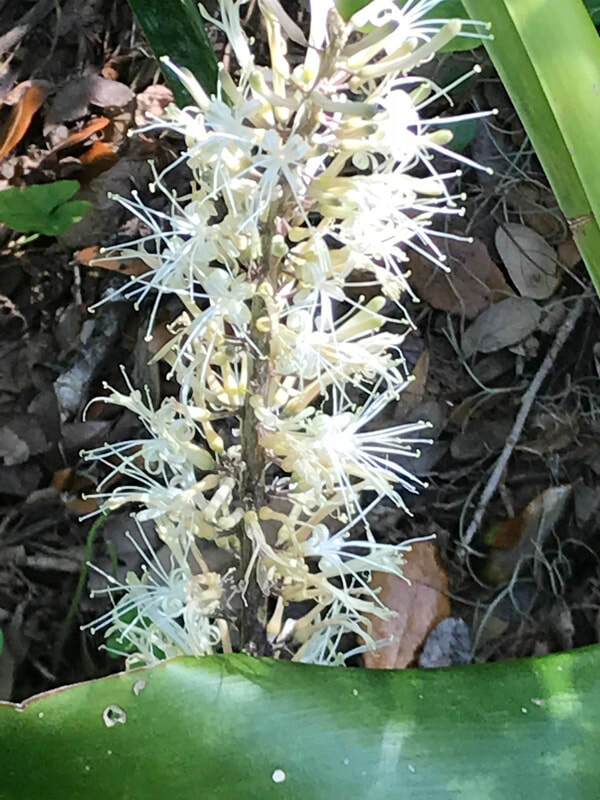
* the ecstatic spiky flowers of snake plants and ti plants—bursting bits of joy
*digging soft heart of palm out of the palm tree stumps—the surprising soft center
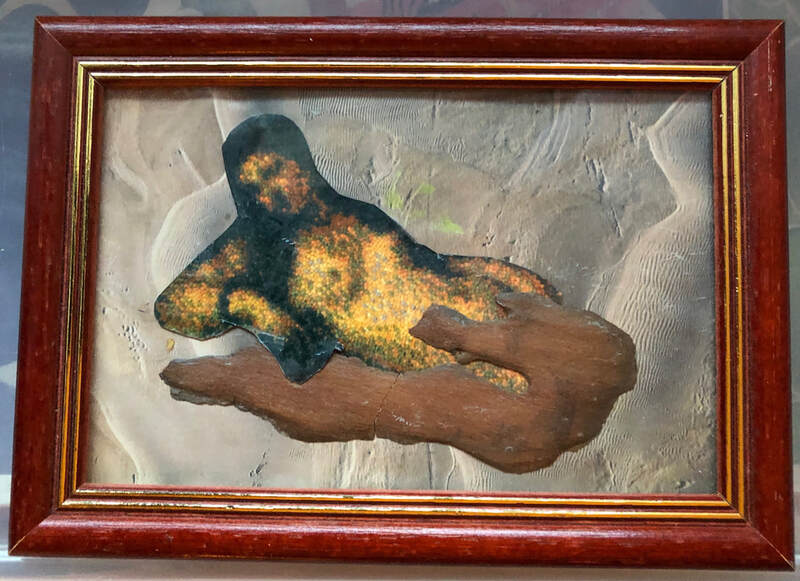
*looking across the room at two of my collages displayed on the shelf, my heart full with feeling that they hold the essence
***smelling and chewing the fresh leaves of the root beer kava plant, which evokes something unidentified that seems to be long gone by
***the tiny bubbles bouncing off the surface of the hot tub, dancing in the sunlight with joyous momentum
***discovering plantain growing in my yard, just when I need the leaves to soothe a bite on my leg
***connecting online with my we-consciousness community and feeling the deep love that has no boundaries
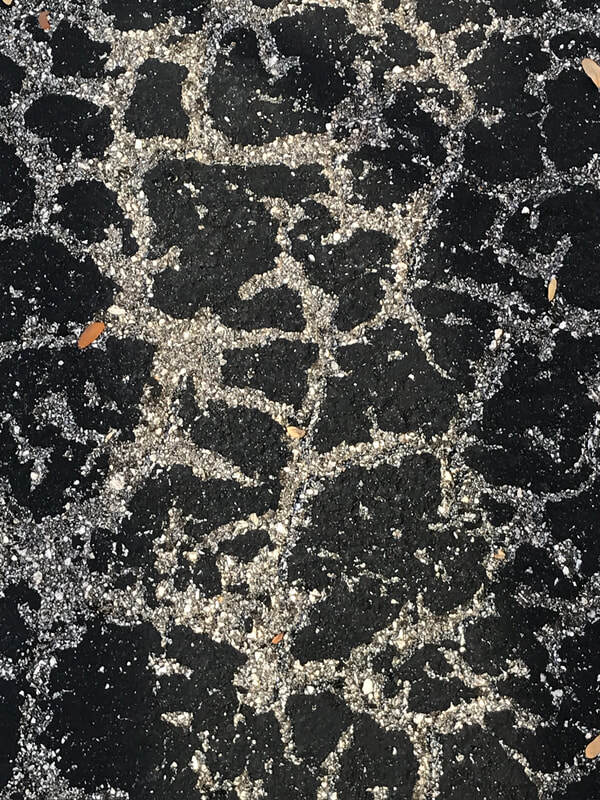
***the patterns beneath my feet in the parking lot, mapping the path to everywhere
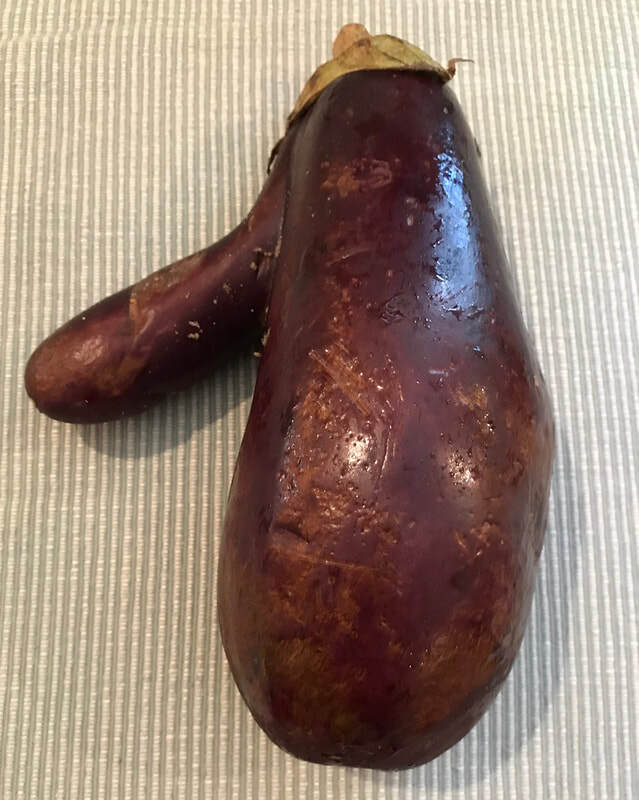
***opening a “dollar bag” of quick-sale eggplants from the vegetable market to reveal a big-nosed character
***the pleasure of pushing a needle in and out of thick blue cloth
***the lifeguard’s tinted sunglasses reflecting an endless blue vista, times two
***light shining through the croton leaf, highlighting the veins that reach from the center in a repeated motif of “here I am, opening!”
***the silk ribbon place marker on my aqua journal, peeking out beneath the pages
***the kombucha “scoby,” growing larger than it was yesterday
***learning what smilax leaves look like, and remembering Civil War era descriptions of smilax-filled Sanitary Fair horticultural displays—the sense of the plant, coming to me 160 years later
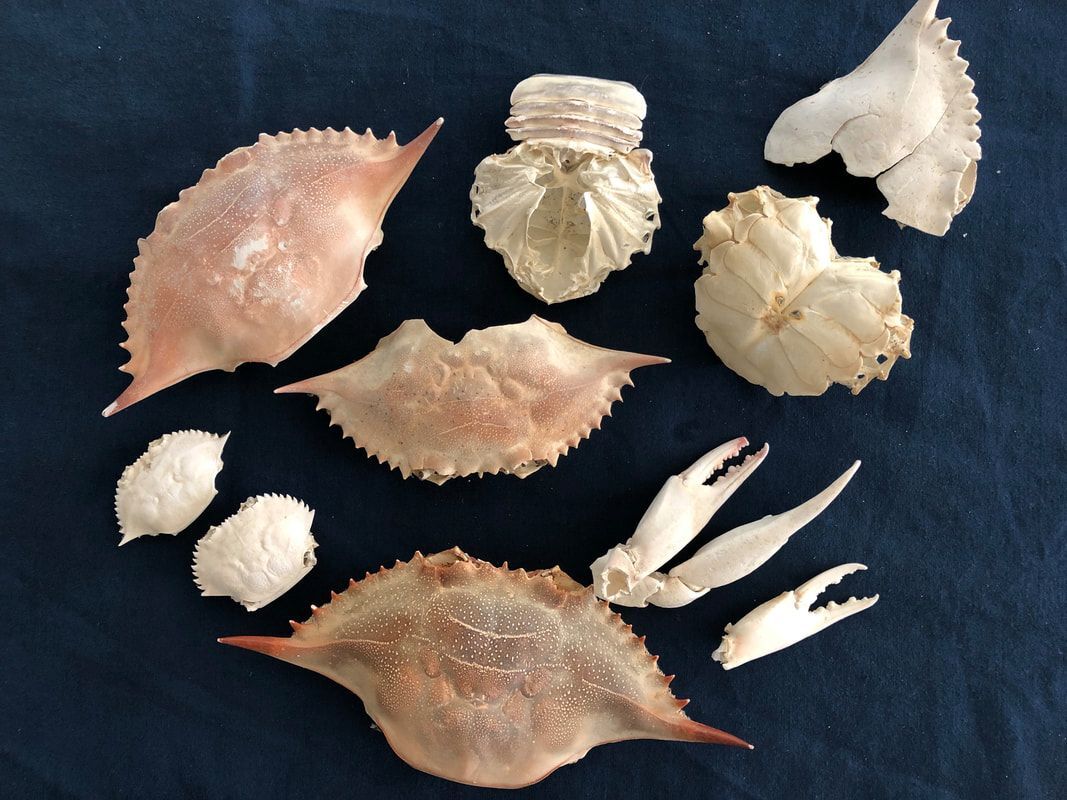
***taking in the beautiful colors of sun-bleached crab shells--subtle pastels and cool, pure whites
- Published on


One of the first elements or principles in the cultivation is to pay close attention to what is really there. The great poet Mary Oliver (who sadly just passed away, but we are all so much richer because of what she passed on) phrased it this way:
Instructions for living a life:
Pay attention.
Be astonished.
Tell about it.
So that's what I want to do now. One of the things I have been paying attention to in recent months is the sheer abundance that exists in all aspects of the material plane. It's astonishing, and I want to tell about it. Perhaps the most familiar sense of abundance comes from looking up and considering the stars; many of us have had the experience of contemplating the vastness--but beyond contemplating it, feeling it in an embodied way. (If I just use my mind in this kind of contemplation, I get headache; it is literally too much for my brain to take in. But I can feel it in my spirit, or allow it as a felt sense rather than an idea.) But there is vastness much closer than the heavens--even our bodies hold astonishing abundance.
Abundance is often expressed in terms of numbers. Even though there is "an unbelievably large number" of stars in the heavens, according to science writer David Blatner, about the same number of molecules can be found "in just ten drops of water." (Really?!!!!) Our bodies, of course, are largely made of water--about 75% in an infant, and 60%in an adult. And what if we look at other body components? An adult human has somewhere around 37 trillion cells, and ten times as many microbes. The estimate for the micro-biome is about 100 trillion cells. (Again, it's not possible for me to think about this--the headache comes on again, for the number is too big to actually understand-- but it is certainly possible to be amazed.)
There are an amazing number of sand grains, too, each one ground down from a once-solid rock, shell or mineral of much greater size. Some estimate about 5 million grains of sand in one cup (depending of course on the fineness of the sand). Expand that to a child's beach pail or sand castle, or to one small beach, and then think of all the beaches.
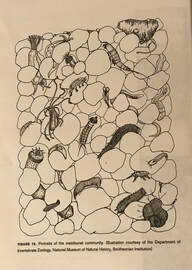
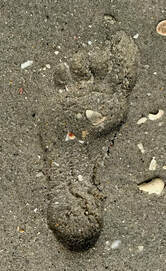
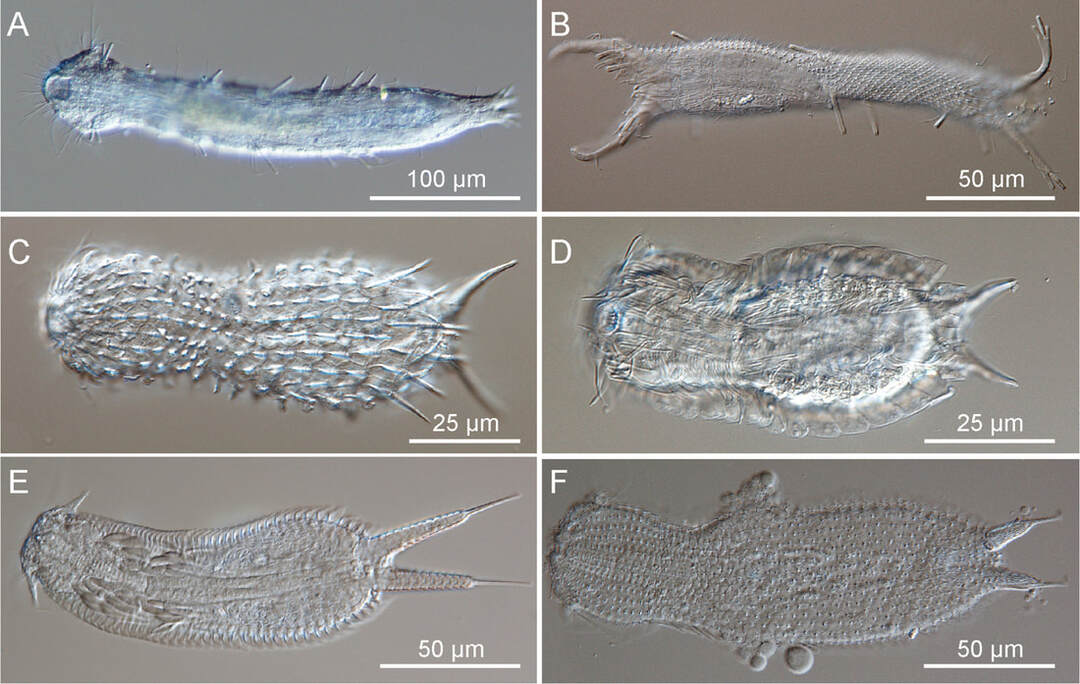
But just as we have to keep looking deeper at our bodies--from the organ level to the cell level to the microbe level--we can go deeper into (or around) the sand grains, too. There is a whole world of creatures (meiofauna) that live between the wet sand grains on a beach! How amazing is this! It's a separate, distinct microscopic universe, made up of tiny organisms about 30 to 50 micrometers (bigger than bacteria, but less than a millimeter long). I first learned about the meiofauna in Michael Welland's book, Sand: The Never-Ending Story, and it is fair to say I was totally blown away--another whole world of life I knew nothing about, another level of life on the beach. Just think how many of these beings would be underfoot on a 3 mile walk along the beach! Just think how many would be under a single footstep!
This drawing is what first captured my imagination.
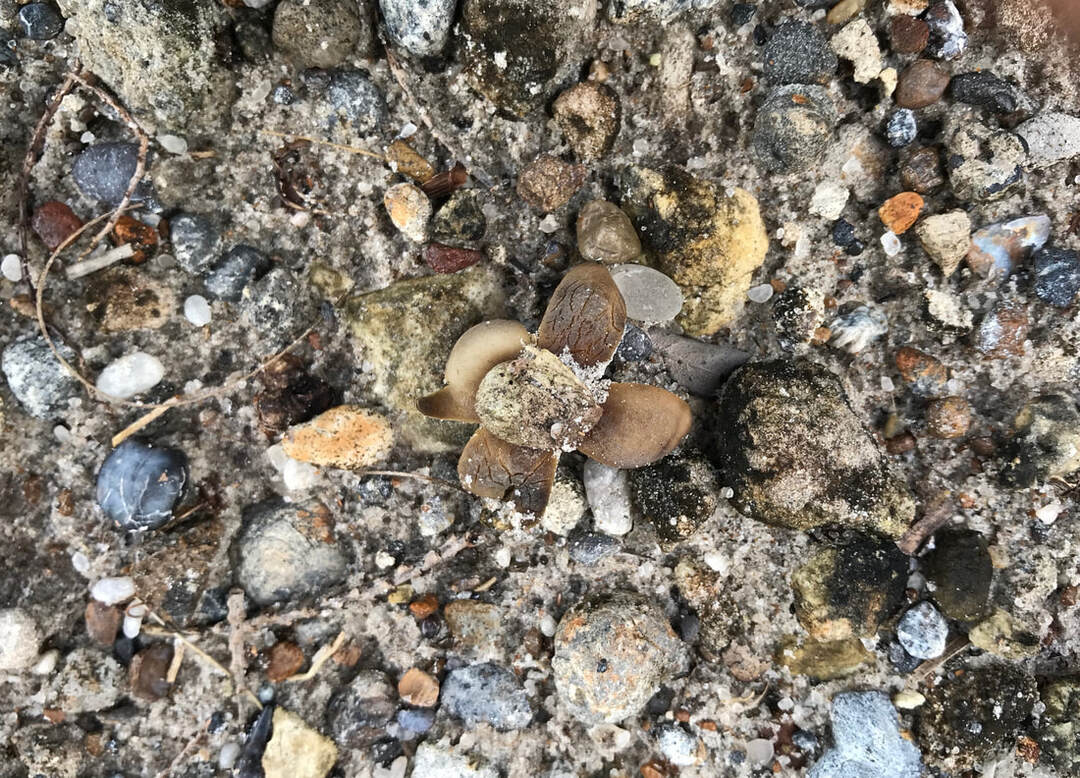
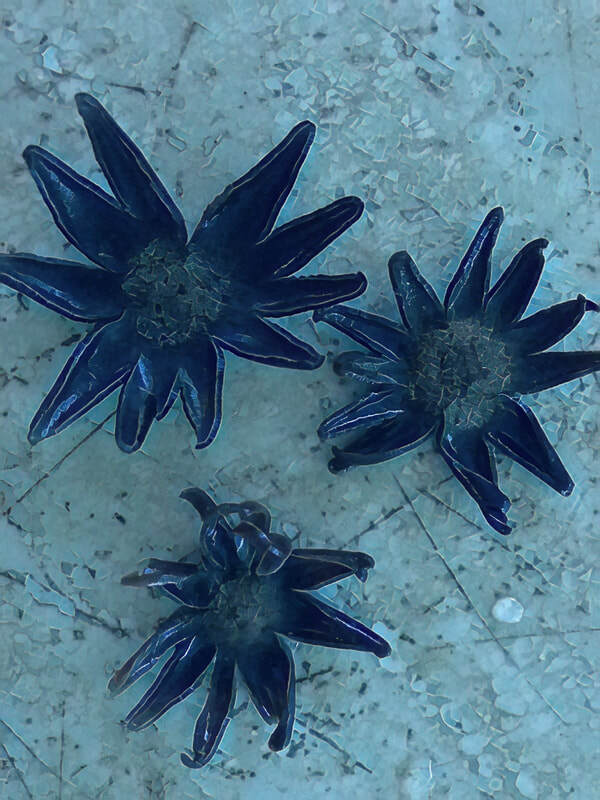
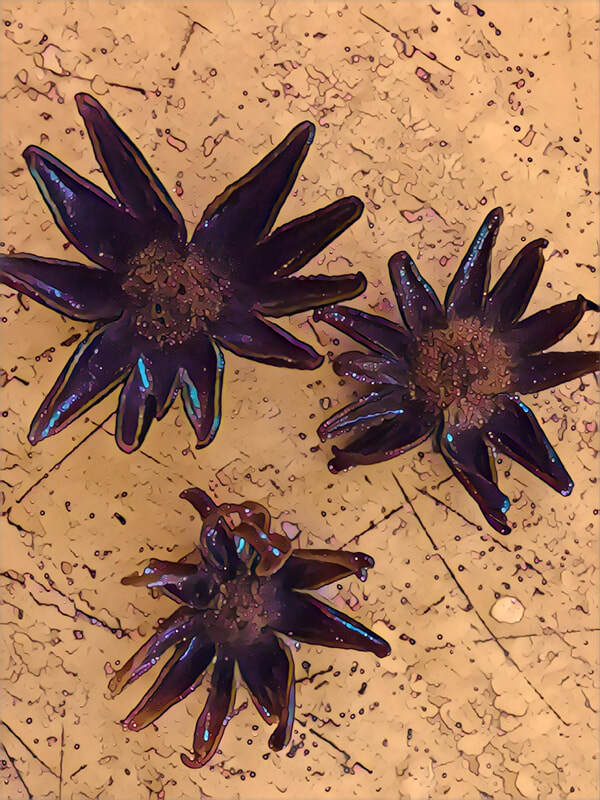
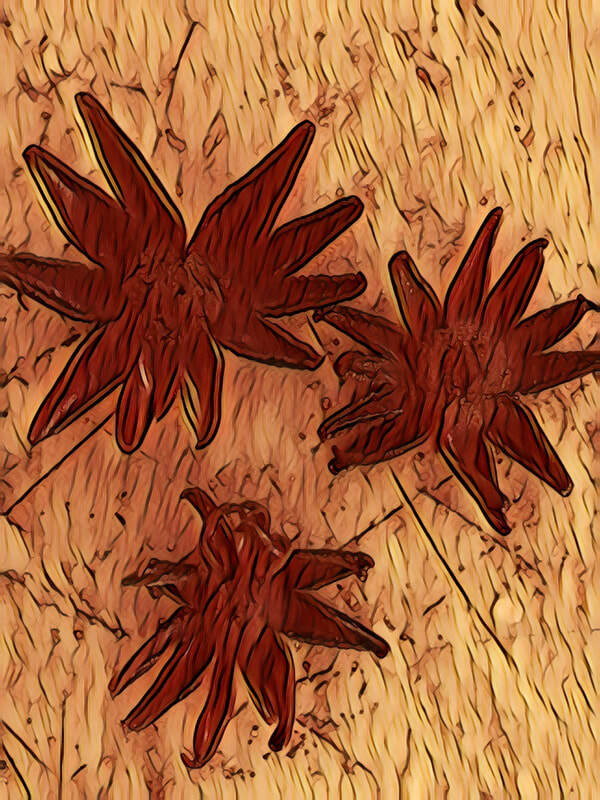
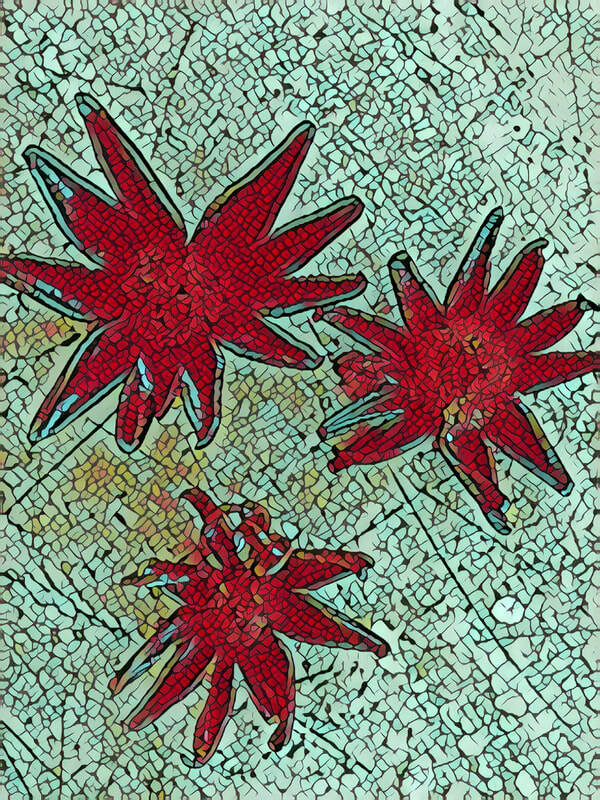
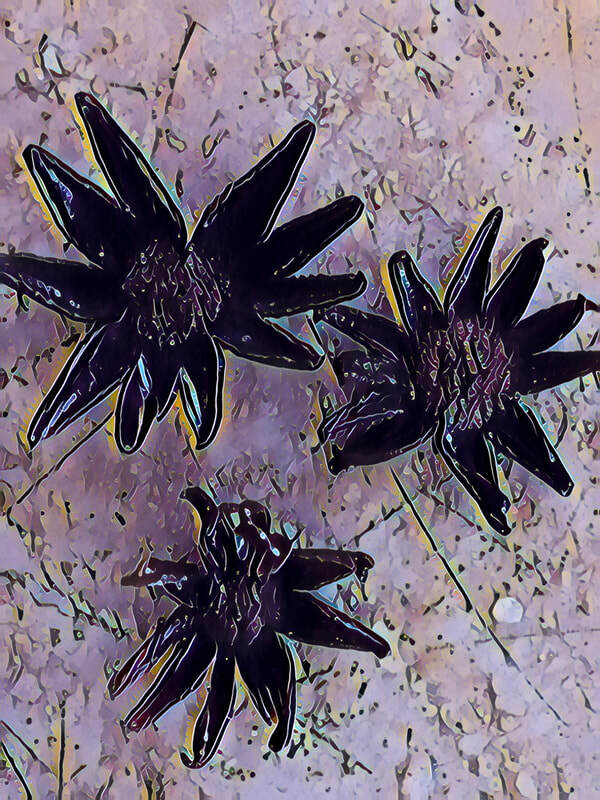
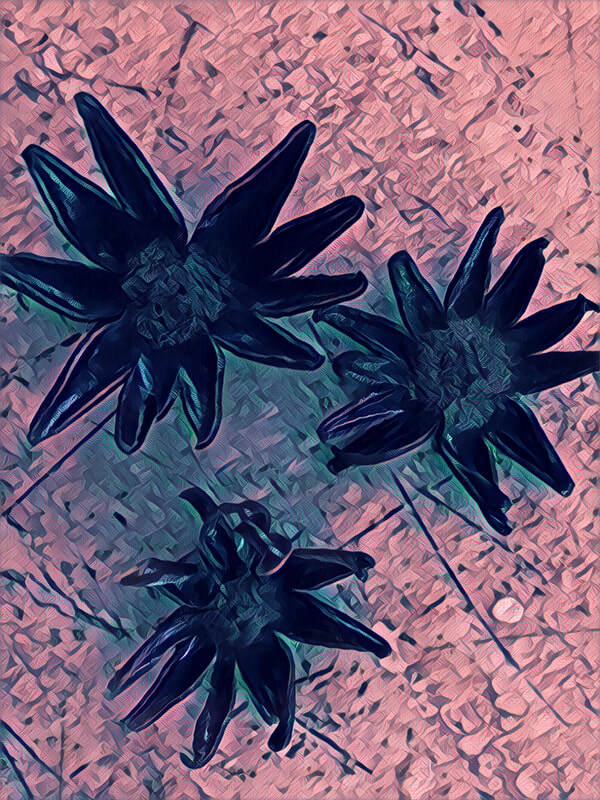
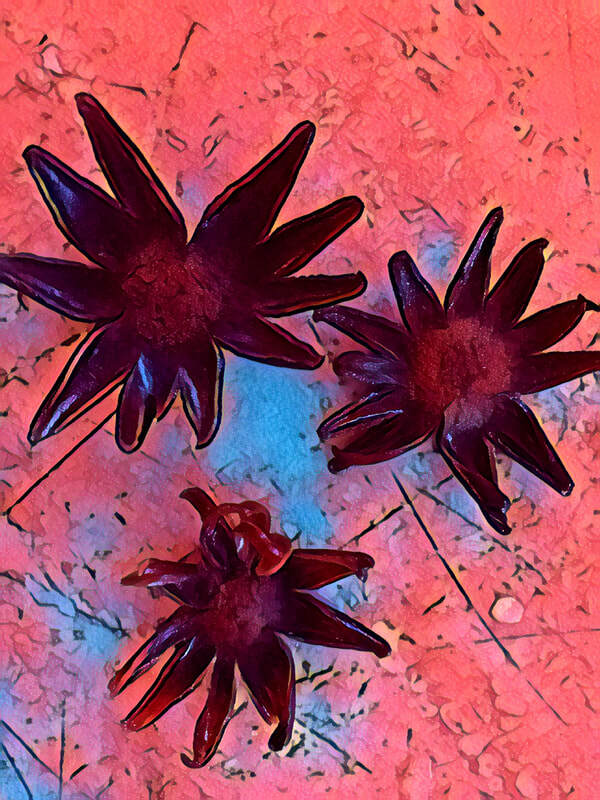
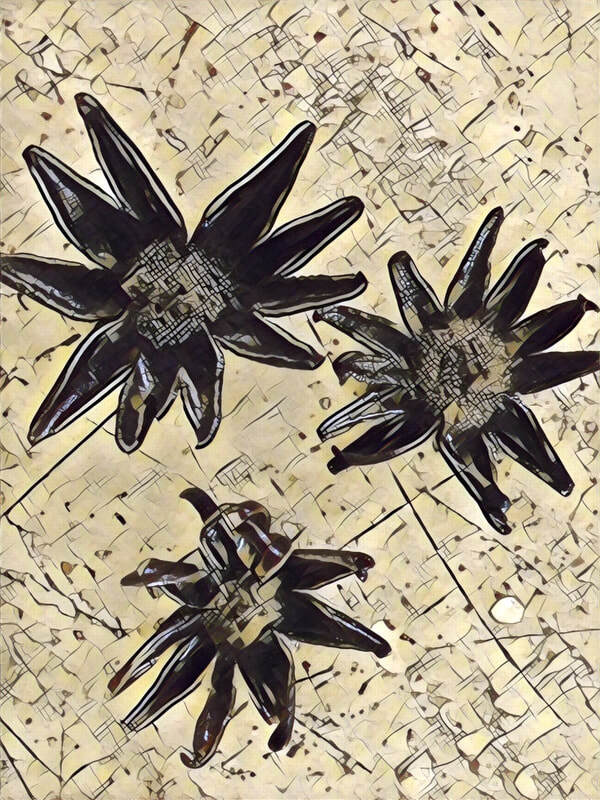
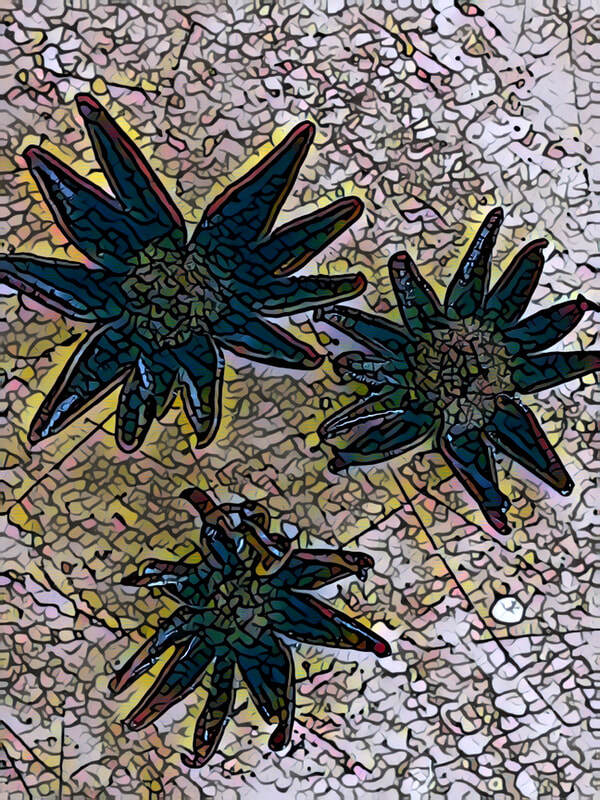
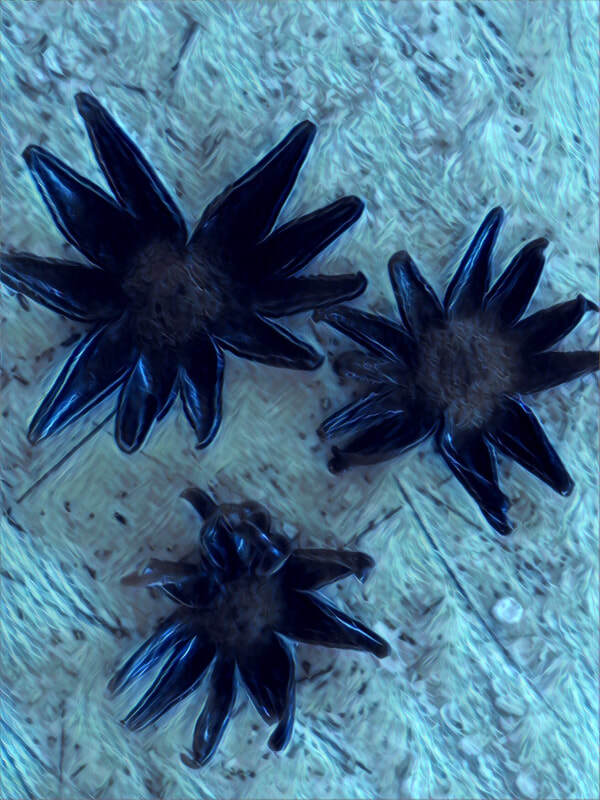
Let me share something else I discovered in my environment recently that has brought me into a state of wonder. This was not literally hidden or invisible, but it was so well camouflaged that it might as well have been--that is, it was hidden until I started paying close attention. Last month I was wandering among some scrappy dunes near the (southwest Florida) intercoastal waterway, in a place where waste was once dumped after the bay was dredged to make the navigable canal. The area is now part of a nature preserve, and because there are no trails in this particular section, it's little visited and remains relatively undisturbed. I had been walking around those dunes for about 20 minutes, and suddenly noticed that there in the sand was a flower or star-shaped form that looked a great deal like one I had found in the forest of northern Wisconsin--in a very wet environment, among the hardwoods. I had been amazed at that form, and was able to identify it as an earthstar fungus (Astraeus hygrometricus, family Diplocystaceae). Young specimens look like puffballs, but when they mature and it is moist (one of their nicknames is "barometer earthstar"), the mushrooms open out into an earthstar shape, (the outer layer of the fruit body tissue splits open in a star-like manner). This was piece was sitting in the sand, and there were no large deciduous trees nearby. Could it really be the same thing? My husband, who was with me, wasn't even convinced it was a fungus; he insisted it had to be a flower.
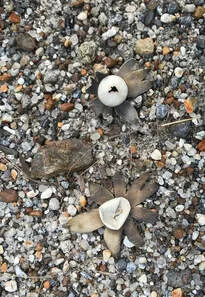
There are a number of fun facts about this type of fungus, including: the German Mycological Society chose this species as the "Mushroom of the Year" in 2005; earthstars are regularly eaten in Asia; they have been used in traditional Chinese medicine to help stop bleeding and reduce chilblains!; and people of the Blackfoot tribe called them "fallen stars," and considered them to have fallen to earth during supernatural events.
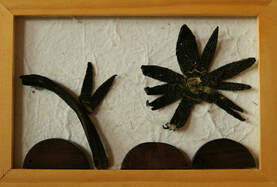
I hope you can enjoy some of this earthstar play with me in the photos below.
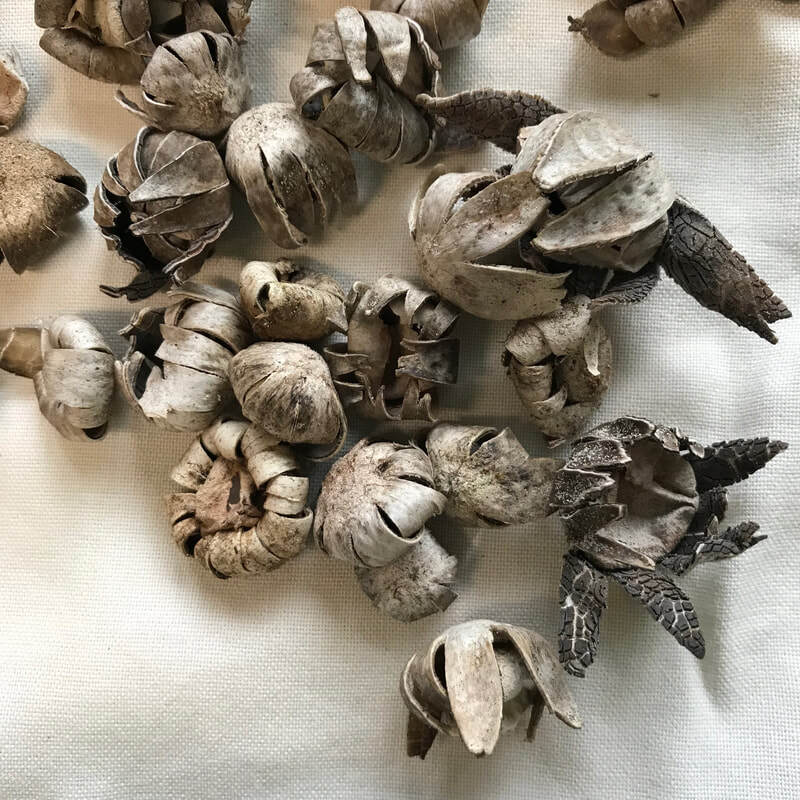
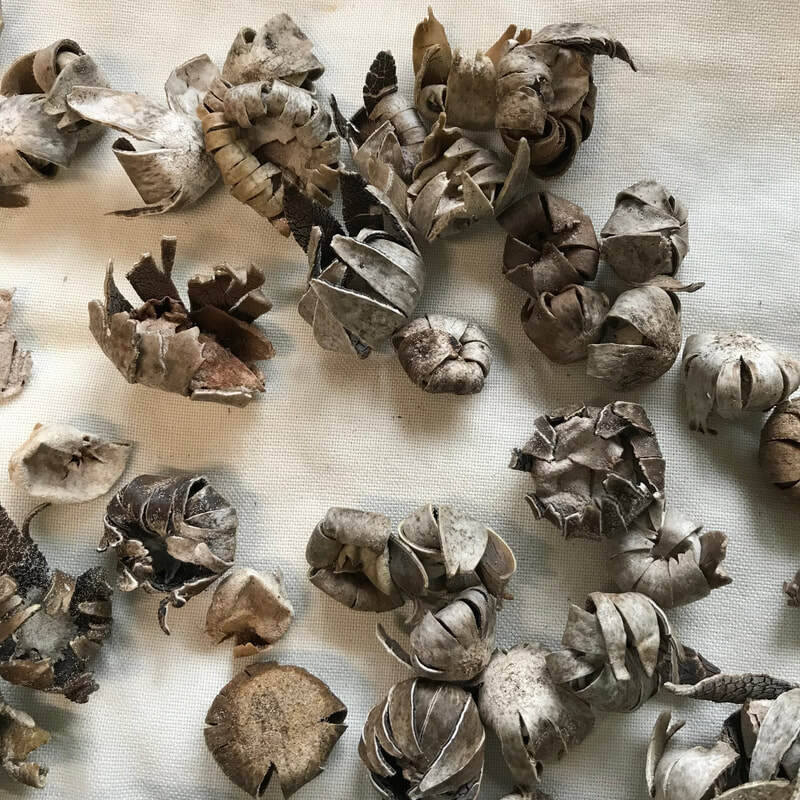
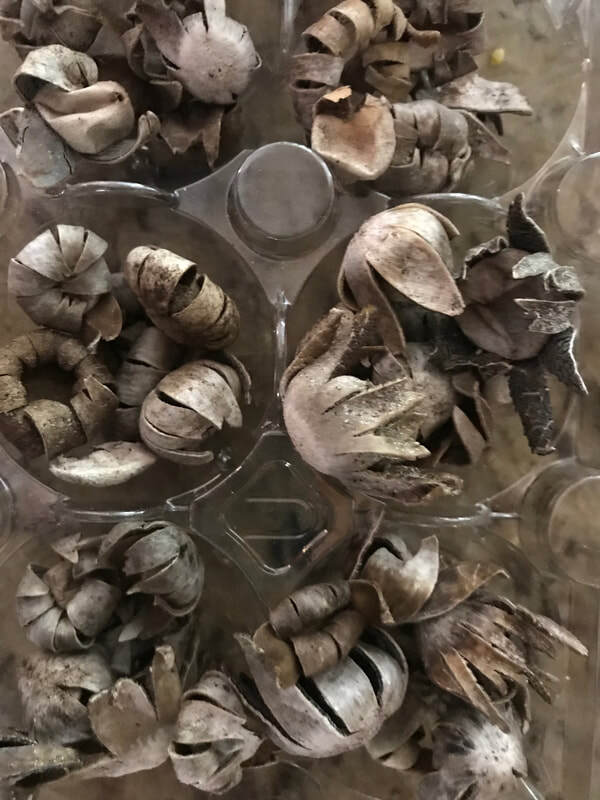
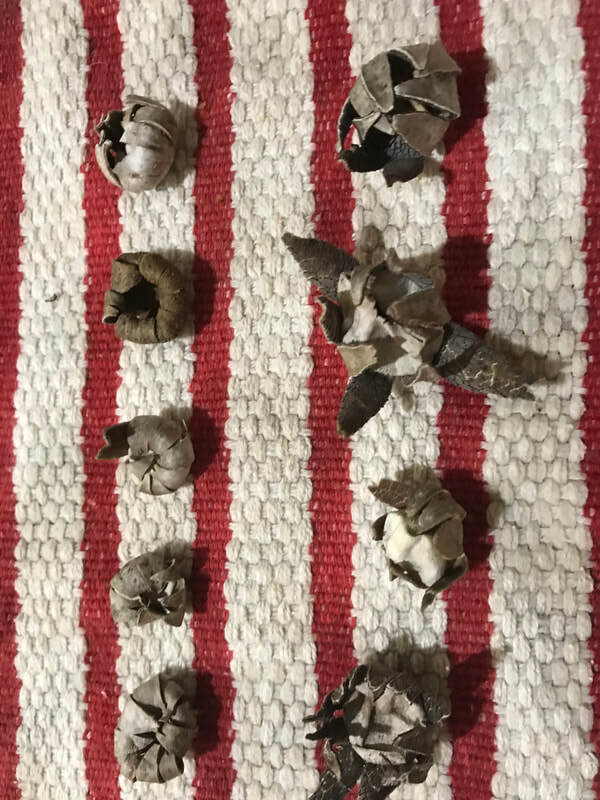
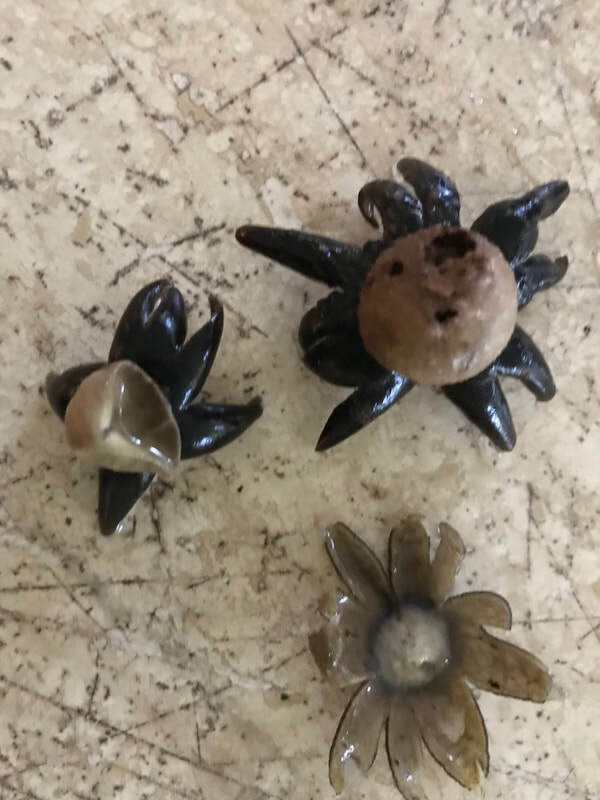
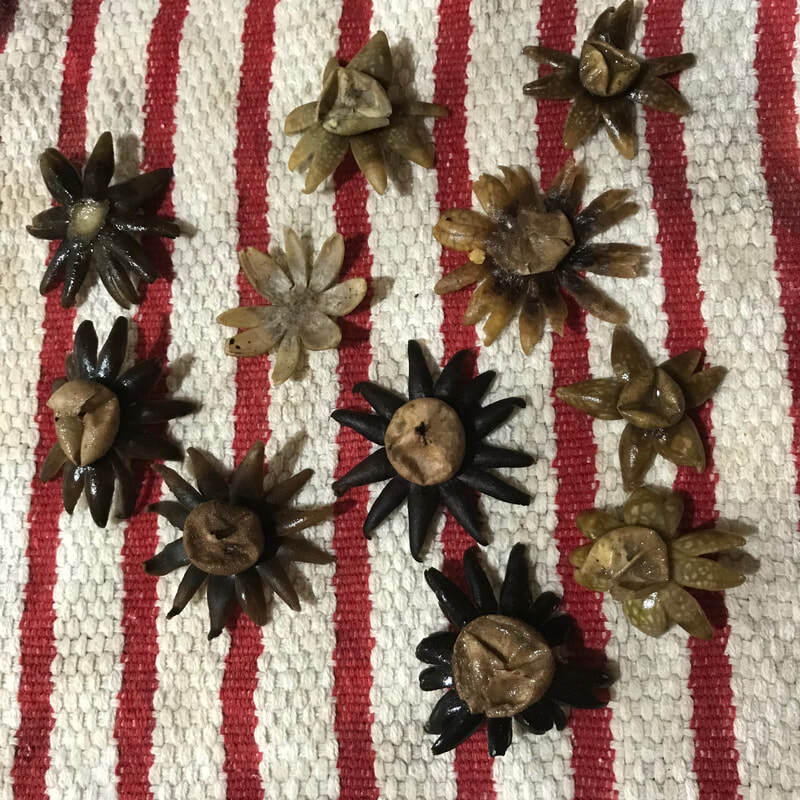
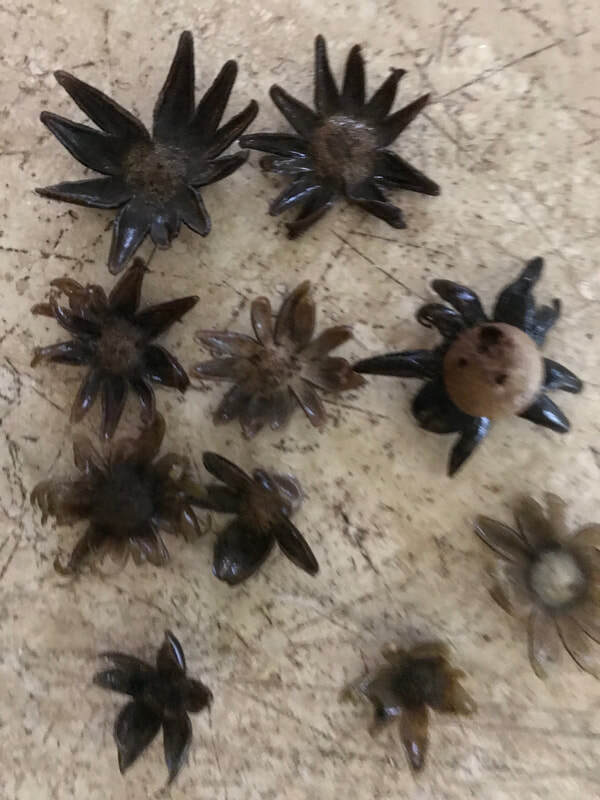
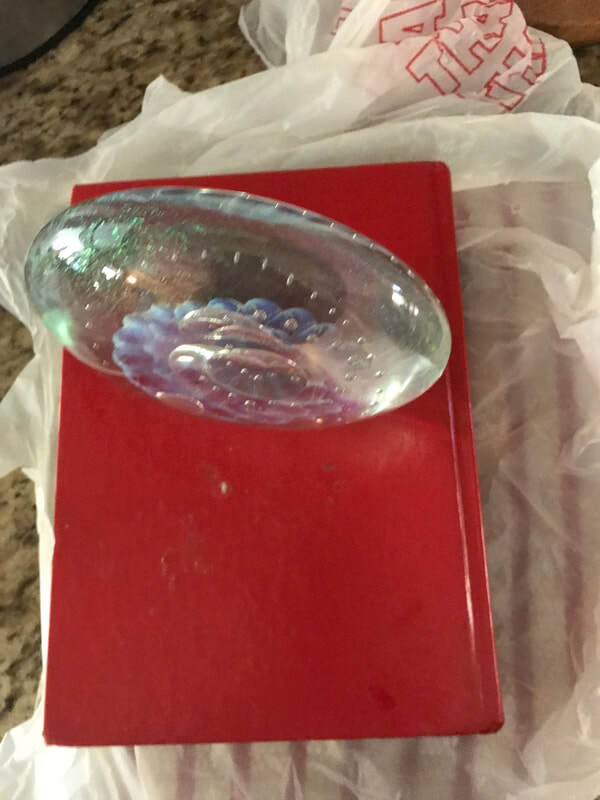
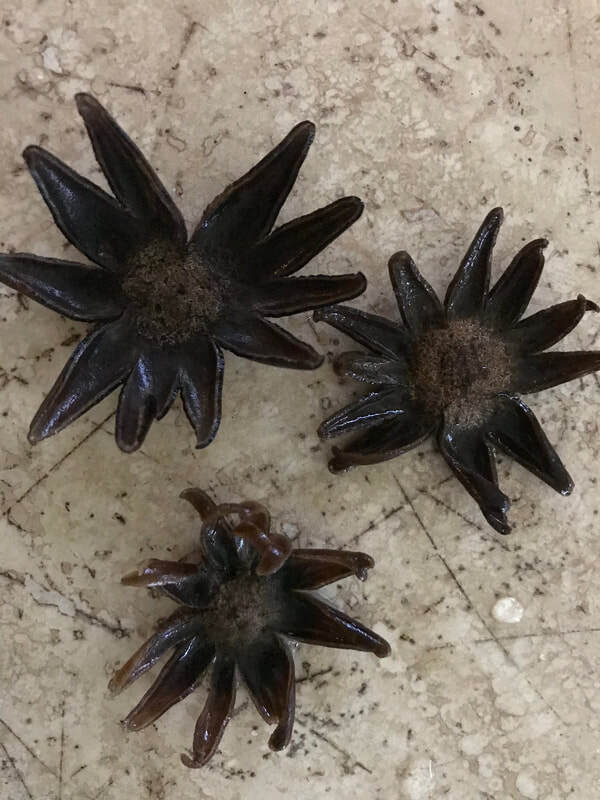
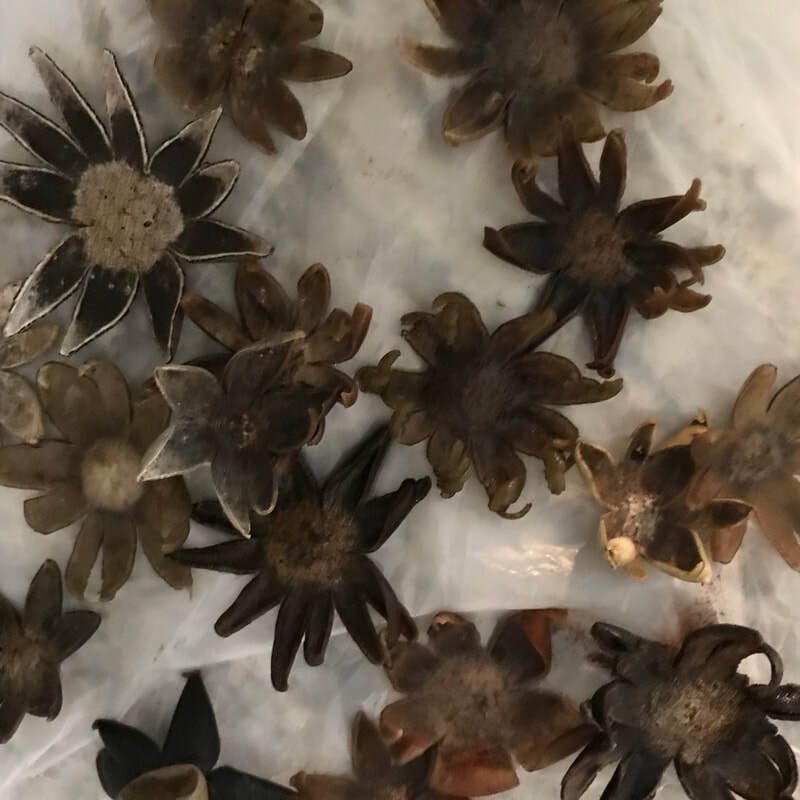
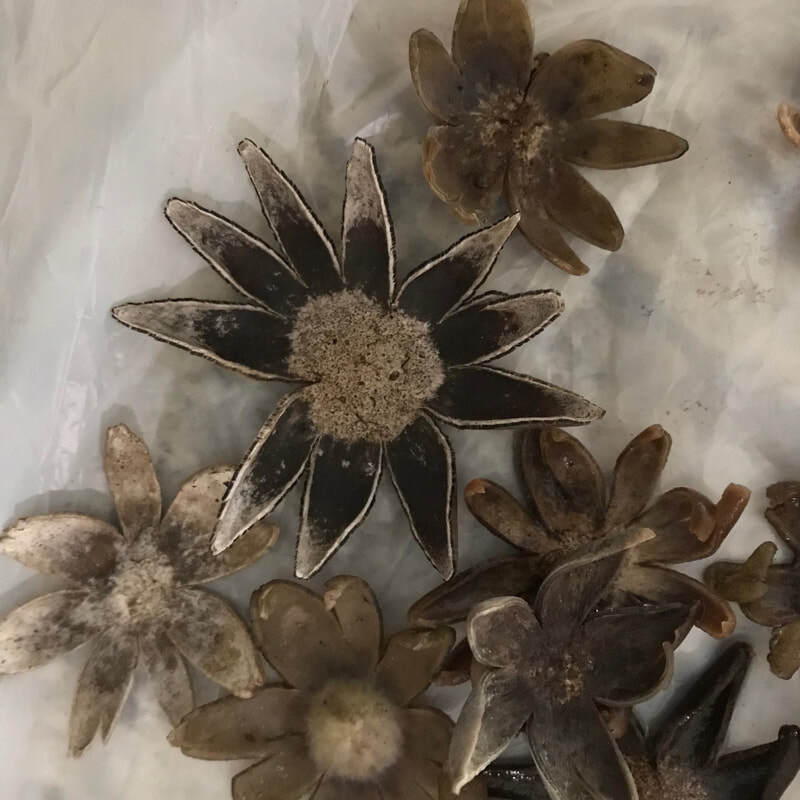
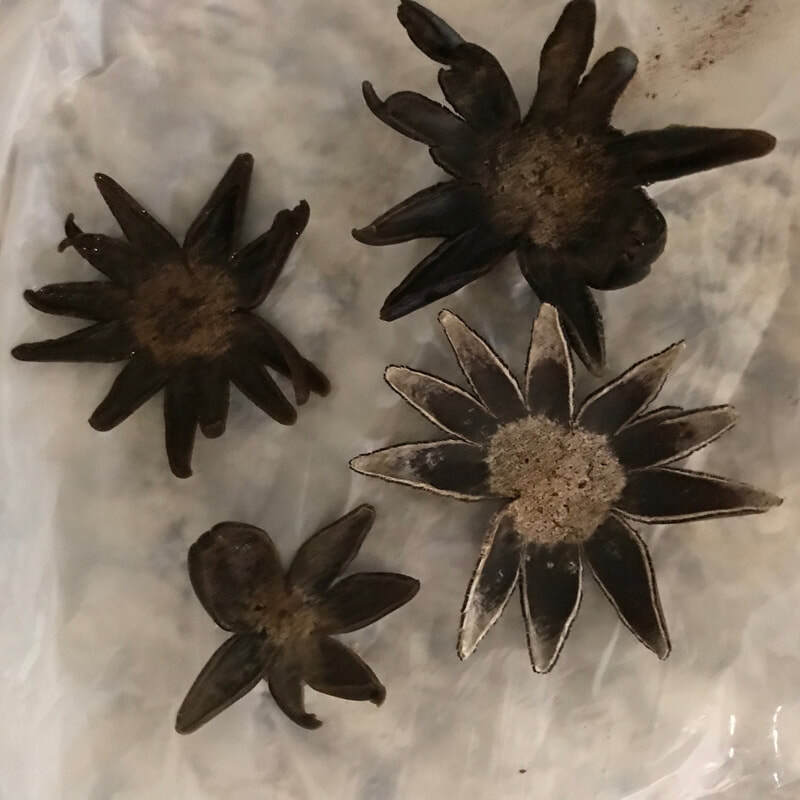
Remember: pay attention, be amazed, be astonished, play with it, and love what is hidden all around us.
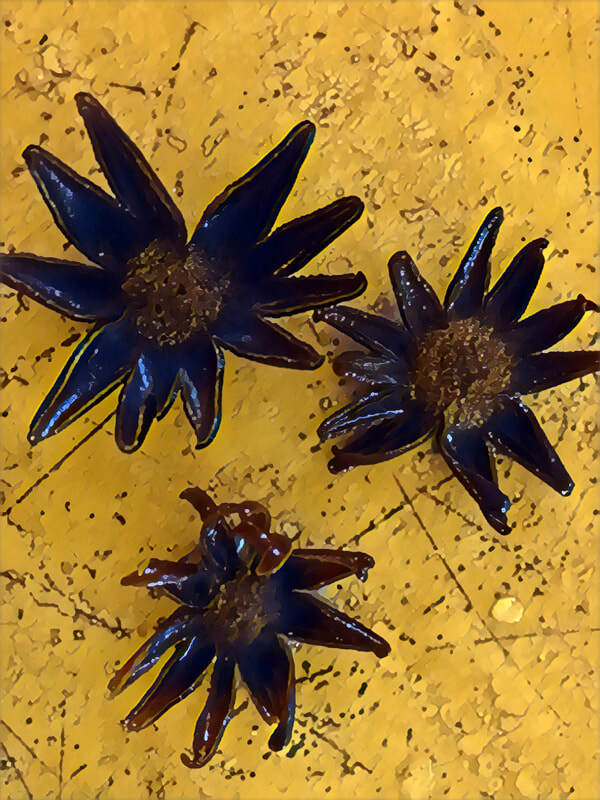
- Published on
I’d like to share the story of my beach walk yesterday. It was a lovely day, in the mid-70s and not windy, and even before I checked the weather, I had a feeling I should go to the beach in the afternoon. There was no particular agenda, but I always bring a collecting bag and like to take a long walk, well past the folks who have settled near the beach entrance. (I am blessed to live by the Gulf of Mexico in southwest Florida, near a sandy key (cay) where one can walk unimpeded for about 20 miles. My end of the key is generally quiet, and not too crowded. There are a few county-run access places with free parking lots, bathrooms, and picnic tables, but even past the park boundaries there are only private homes back beyond the dunes; happily, there are no high rises, restaurants or resort hotels anywhere nearby.)
As I set out walking south, I reminded myself to stay open to surprises, to try to pick up on synchronicities and see what gifts were offered, both in tangible form and as metaphor or inspiration. This is a practice that some people refer to as following everyday oracles. Dreamwork leader and shaman Robert Moss invented the world "kairomancy" to describe the practice of navigating by synchronicity, or meaningful coincidence. I love playing with this kind of navigation and find it can be quite profound.
The first thing I encountered was a fisherman engaged in a mighty battle with something on the end of his line. It was obviously a powerful creature, as he had to grip very tightly and stand his ground with great force. There were about five other men gathered around, and one woman. Even as he was pulling, the men were going on about different kinds of fishing exploits. I asked the man with the rod what it was he was trying to land, and he said it was a sting ray. I watched as the creature thrashed about, pulling itself further out even as he worked mightily to pull it in. I was uncomfortable and began to walk away, but found I couldn’t; I needed to see the animal that was so forcefully resisting him. It was exquisite—more than two feet across, noble-looking, though wounded, with gaping red spots in several places. The line was hooked into its belly (actually it looked to be under its mouth), and I literally winced, sensing the pain of the tugging line. One of the onlookers identified it as a cownose ray, which, as I learned when I looked it up later, can live in these waters for as many as 18 years. These rays eat crustaceans, and have few predators, other than humans.
The video that shows them in action underlines their grace and beauty.
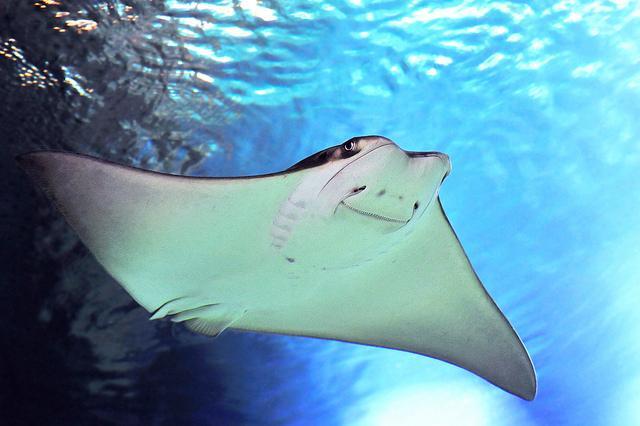
Was this my sign or gift? The sight of that beautiful animal, glistening in the sun, its eyes wide and its “wings” flapping? Or was it the awareness that these men, like all of us, are, as those who follow the Course in Miracles would say, children of God? In one of the Sufi dances I love we greet each person as “the face of God,” and say, “I hold you in my heart; you are a part of me.” I grumbled a bit, but kept sending that out to the fishermen, and told myself: “no exceptions. They are a part of me too, we are one.” I sent out the love I could to the wounded animal and to the people of the fishing party, praying that everyone would wake up to the pain of others to the point where they couldn’t continue to inflict it.
I was not too happy with that gift, although I accepted it as an important reminder—both of the fact that we still have not arrived at a time when the divine feminine principle/consciousness is shared by all (i.e., that I must be patient), and that I don’t only get to pick feel-good gifts. But as I kept walking, I realized there was an unusual accumulation of well-smoothed stones on the beach. Some were the expected (for this beach) black fossil bones, but others appeared to be made of a range of other minerals. I rarely see stones there, and quickly accepted them as messengers too. There were many small fossilized shark’s teeth scattered among them (that’s the “treasure” that so many hunt for on this beach), so I realized part of the message was, “just pay attention. It will be given.” But it went beyond that. I thought back to my musings on rock consciousness that I posted last month, and to my ongoing hyper-awareness of stones. These stones I was encountering are ancient; the fossilized ones date back to the Ice Age, maybe 50 million years ago. All of them have old, old, old awareness. The message came through: “Take the long view. Be patient. Consciousness is shifting.”
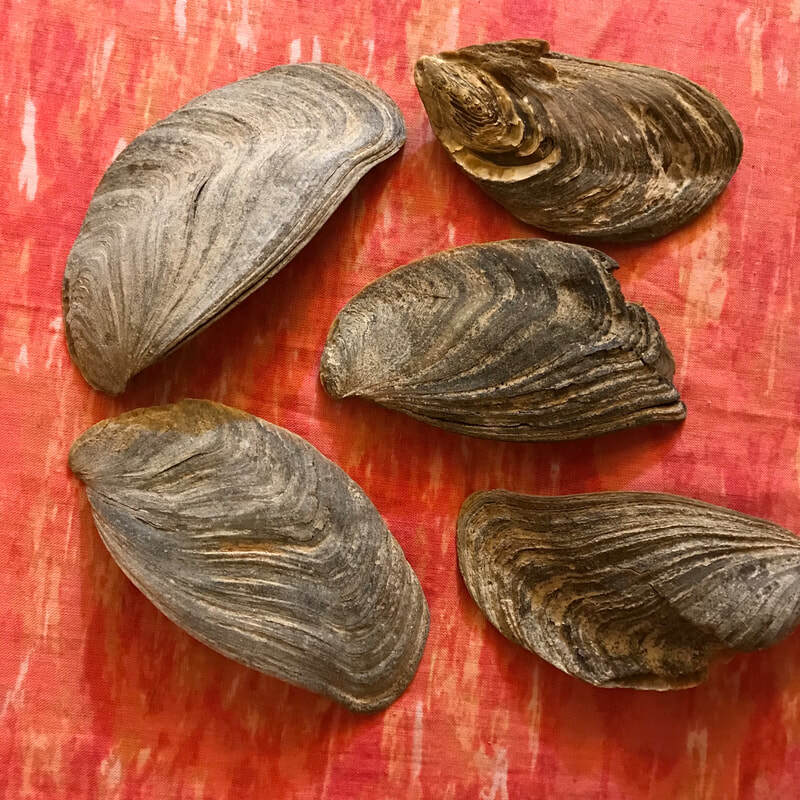
Still further down the beach, in addition to the abundant piles of shells (the usual clams, whelk, scallops, pen shells, jingle shells, and more), I spotted something I had never seen before that reminded me of an angel’s wing. It was vaguely shell-like, but looked more like a plant pod than animal material, and when I found an example that was falling apart, I felt this hypothesis reinforced, since it seemed to have vegetal fibers and pattern growth. Some of the pods had clearly traveled the Gulf waters for some time, however, for they had barnacles attached. There was no tree nearby with pods like these, so they had probably been swept up (in) from somewhere else. I kept spotting more. I will try to determine what they are,*** but since my first reaction was “angel wing,” I knew to recognize the sign: "there are angels present, or phrased differently, there are helpful spirits here." There are so many gifts, when you start to receive. I looked up just then and saw angel wing formations in the clouds as well. There were many different types of clouds, actually: the etheric-looking angel wings; some well-formed cumulus puffs that looked like they belonged in a Grant Wood painting; some low-lying cloud blankets; and some wispy, fast-moving ones in another part of the sky. The message was not too subtle: "abundance, so many different forms and manifestations, and everything always changing."
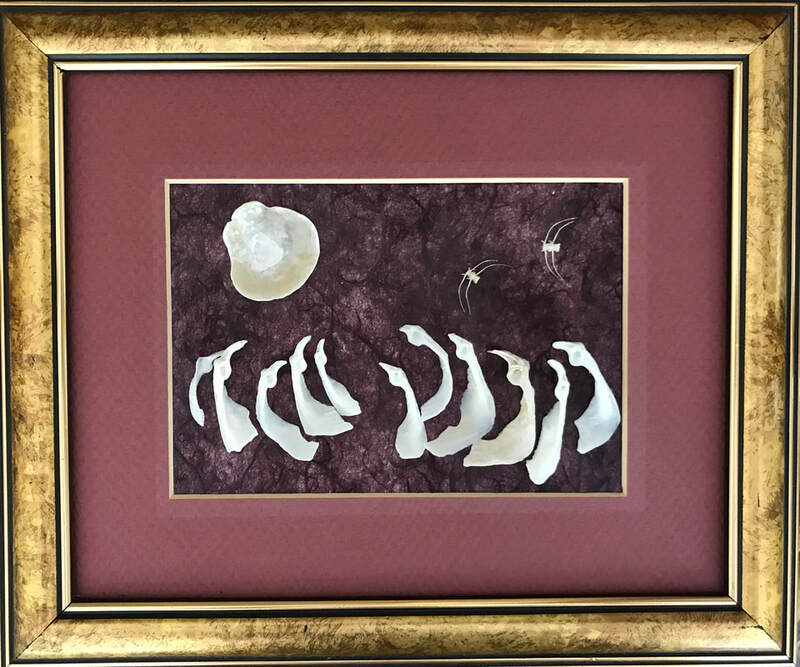
****UPDATE (June 2019): I learned from a helpful visitor to my studio that this wing-shaped bit of detritus is in fact a part of a mollusk, it is not a shell, per se. This is a like the protective covering of a whelk's "foot." It is separate hard, horny plate, called an operculum, which acts like a trap door when the living animal withdraws into the shell. It is sometimes called a “shoe.”
Yes, a day in the blessed life. There were the always-present other gifts, too: the flock of terns gathered together and taking off in a cloud of white; the line of pelicans gliding overhead; the lapping of the soft waves and the sun creating diamonds on the water as far as the eye could see. No dolphins appeared, but I knew they were out there somewhere, just as I knew there were more rays and so much other life. I am gifted, gifted, and I appreciate, and I am watching the signs so I can learn to be more appreciative, more in wonder, more in harmony. I thank this amazing mother planet and all that lives on it, including, yes including, those parts that create pain and disharmony from a lack of awareness of our interbeing. May we all rise to be counted as part of the one, to know our oneness and to claim it.
- Published on
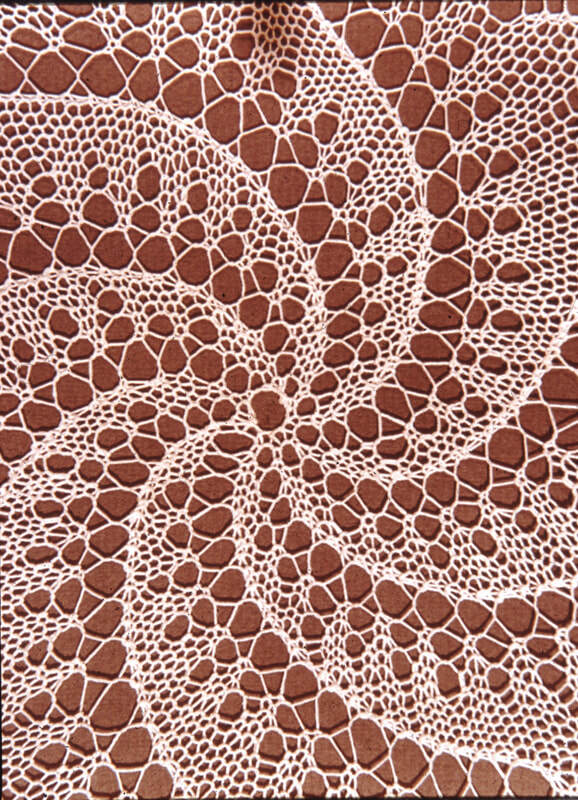
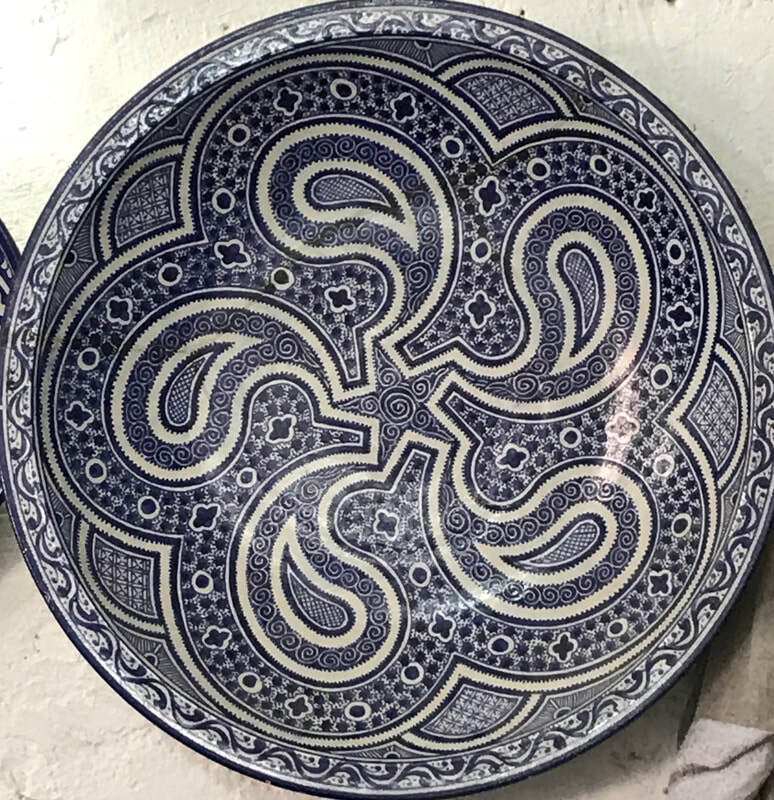
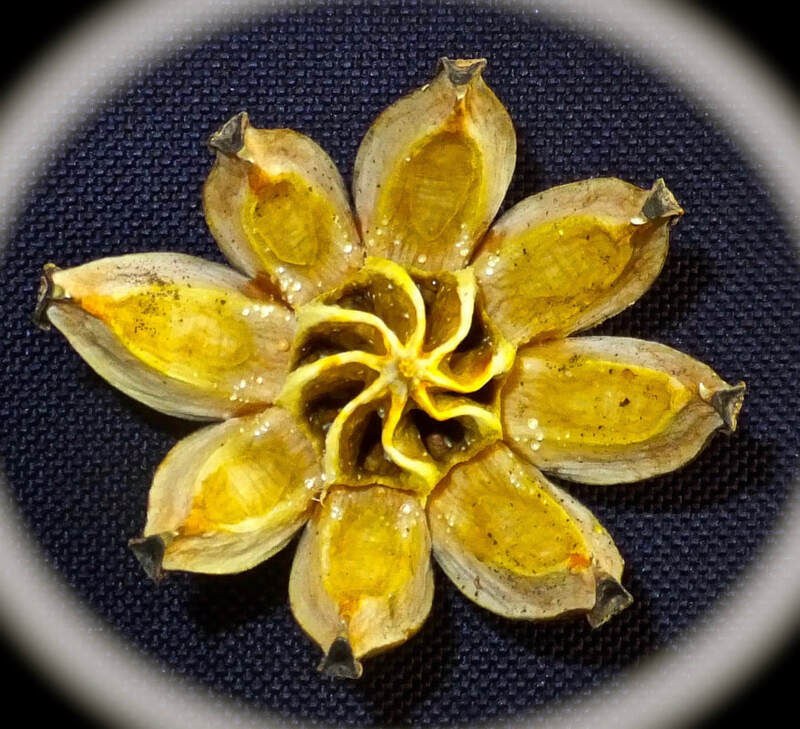
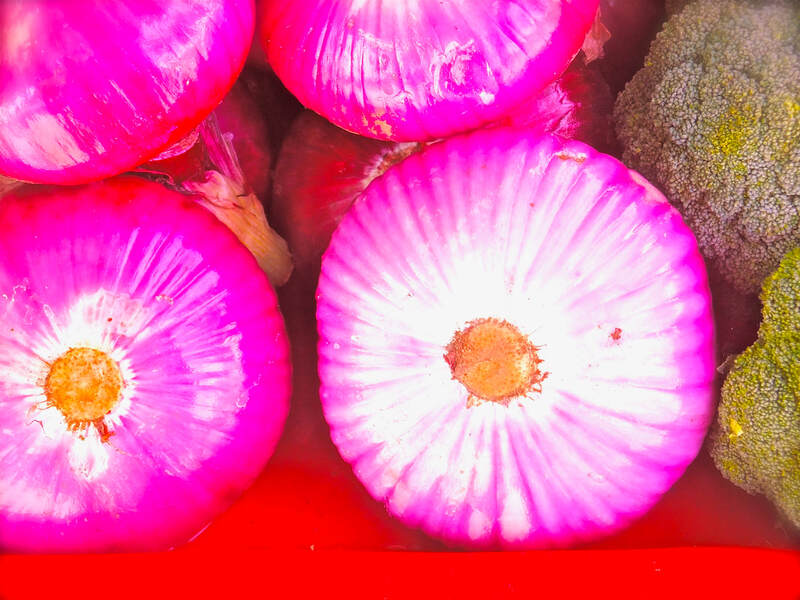
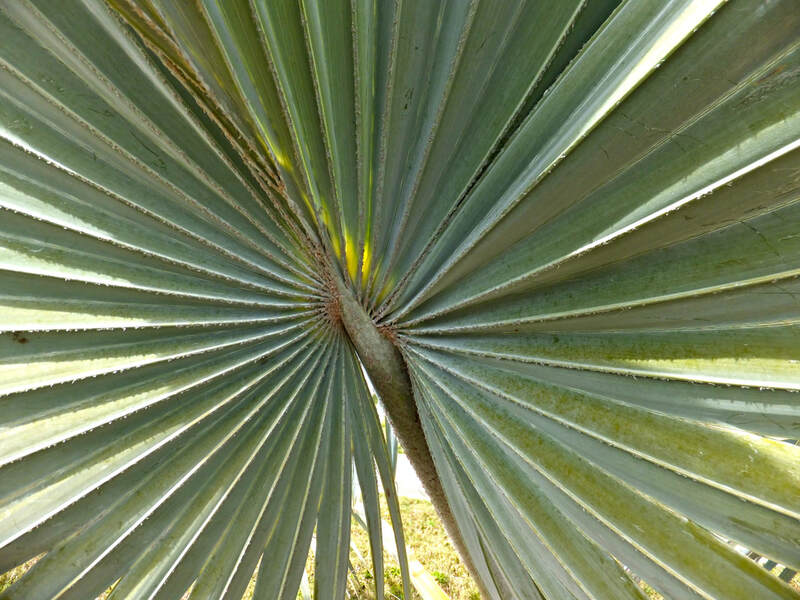
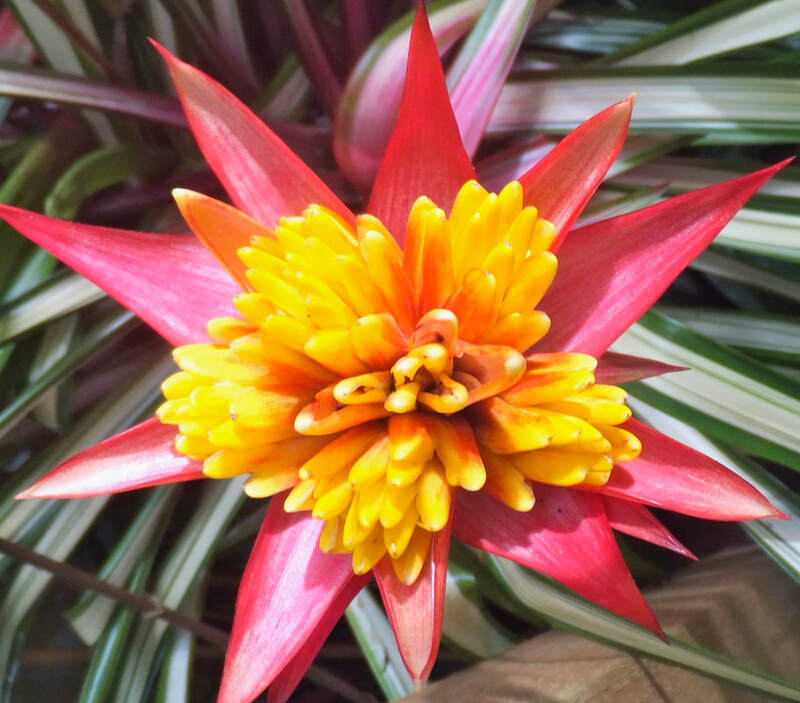
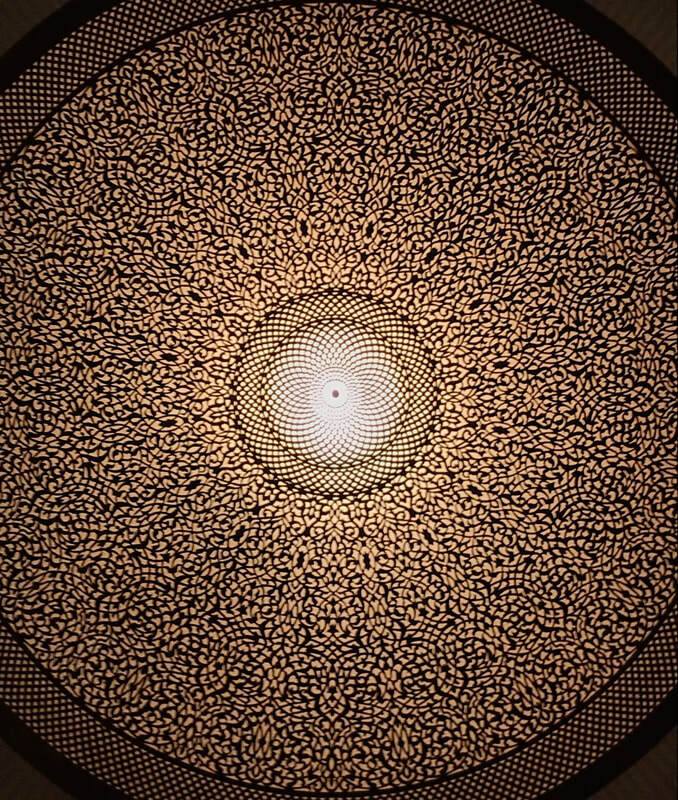
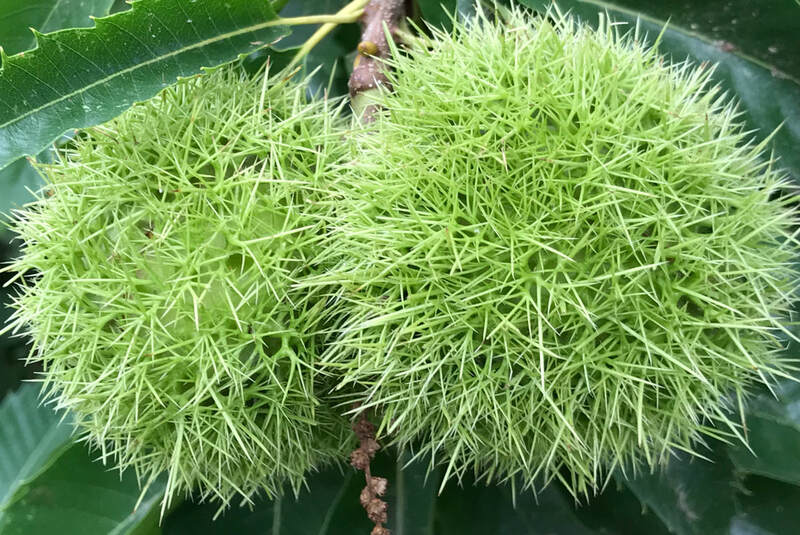
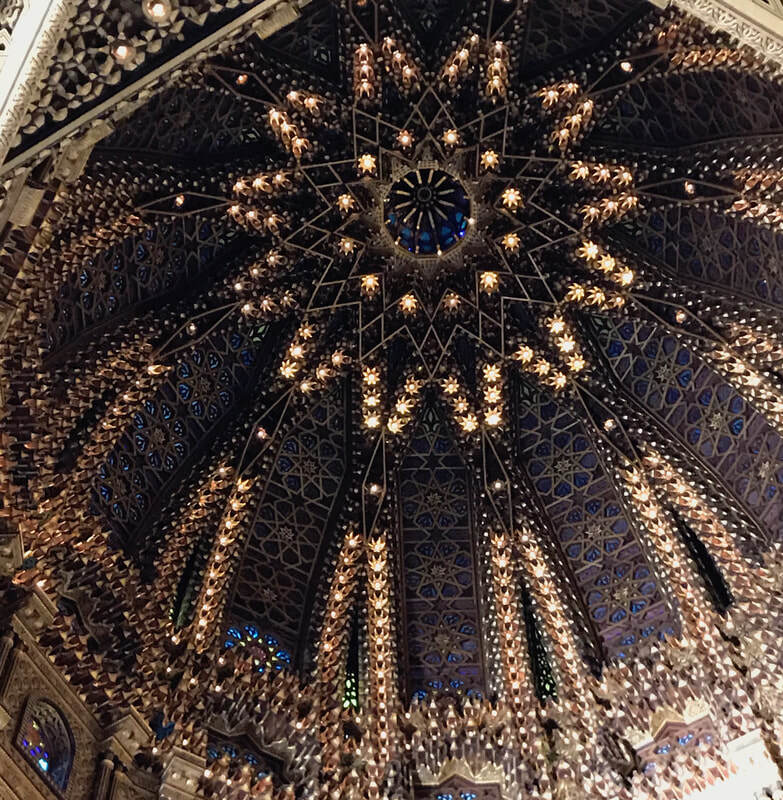
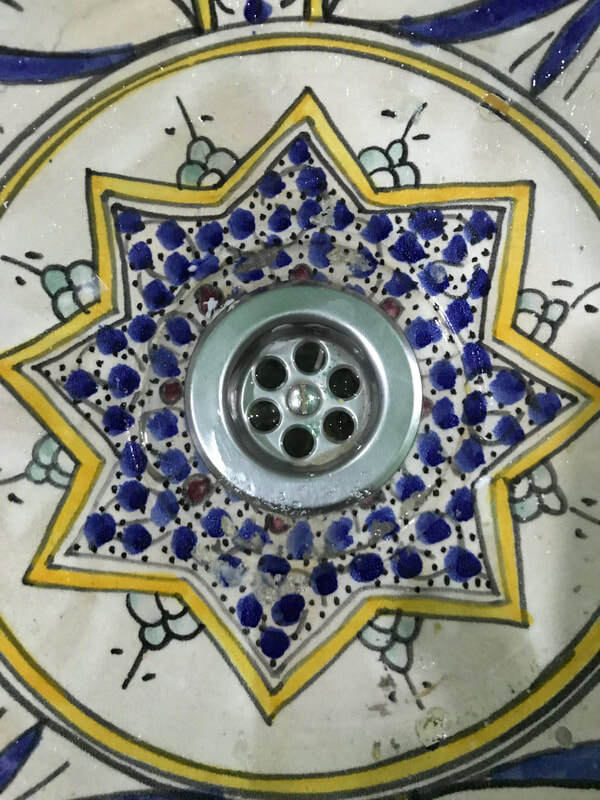
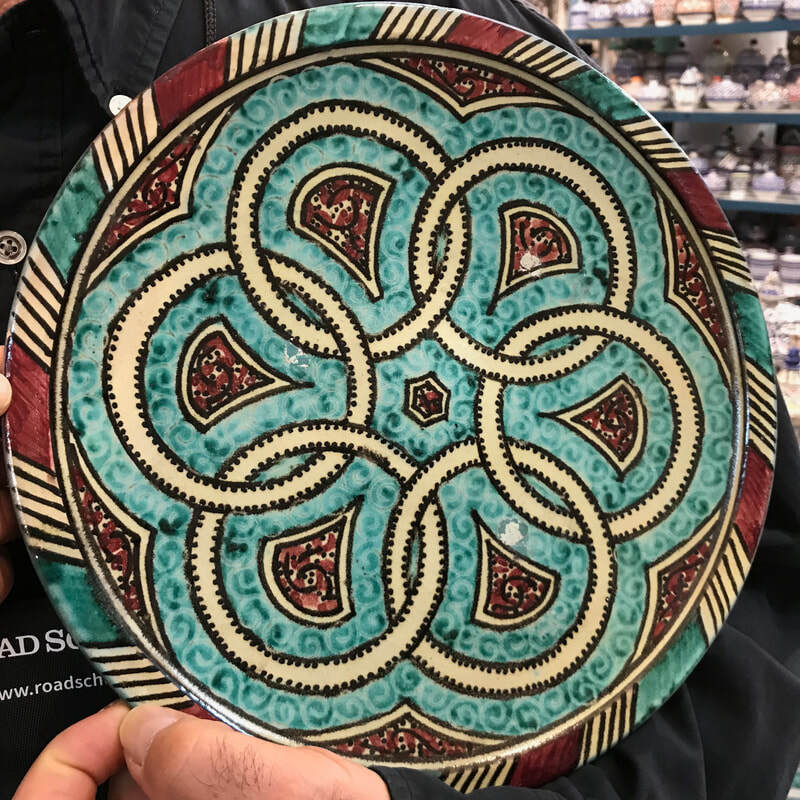
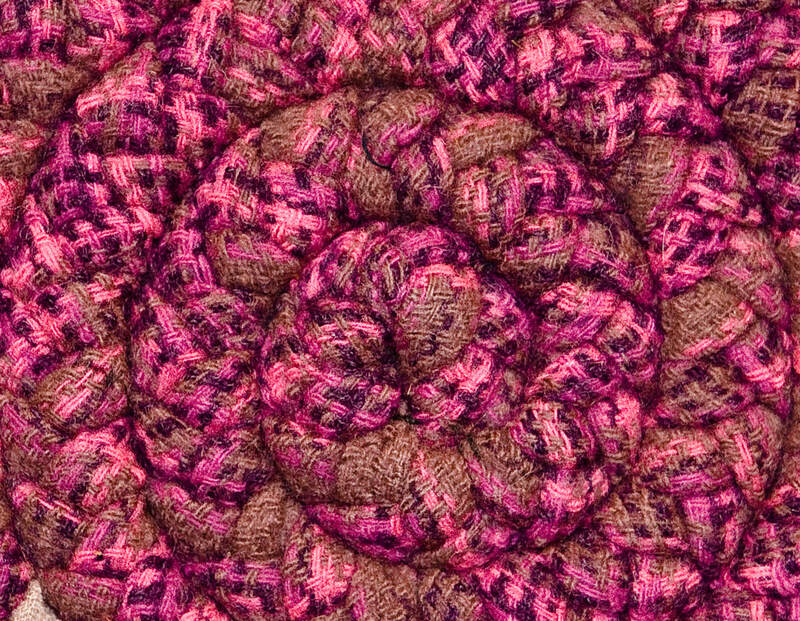
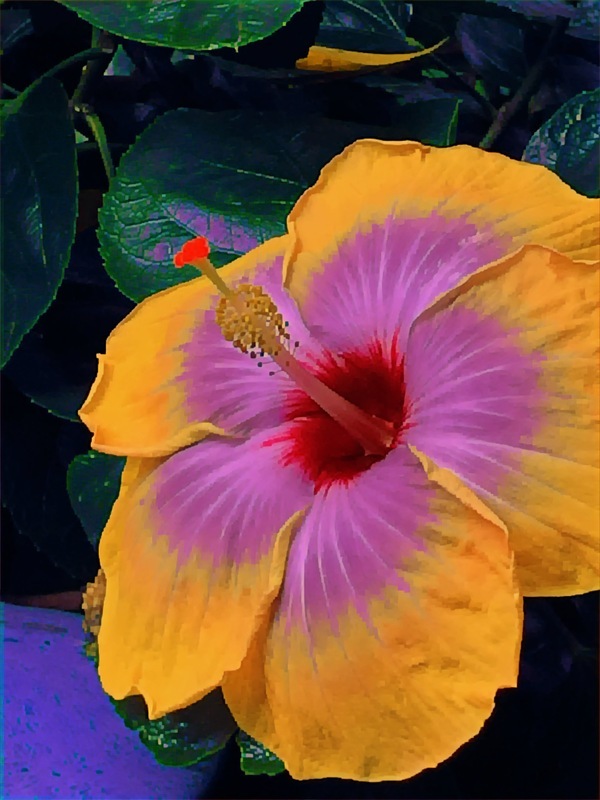
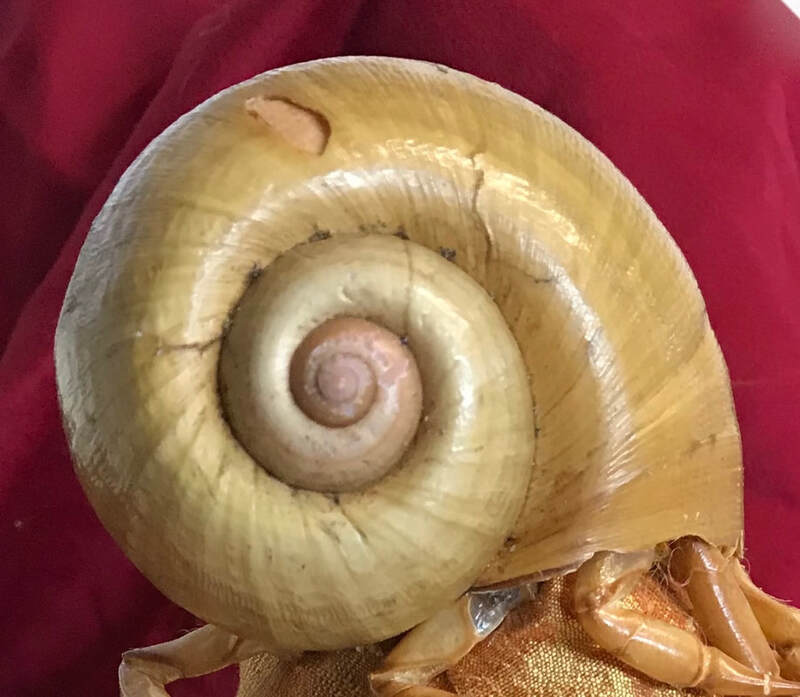
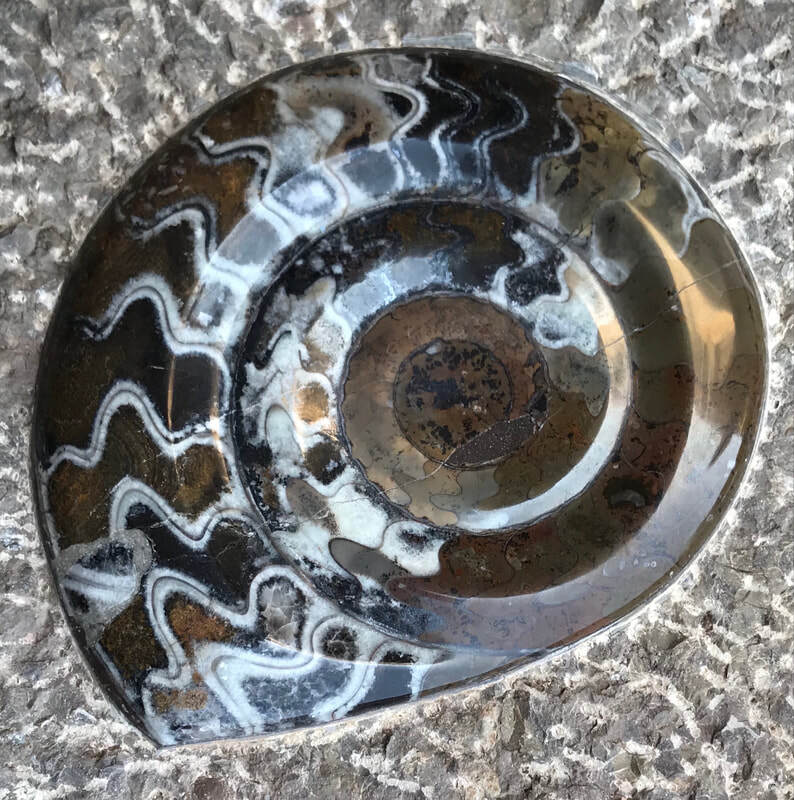
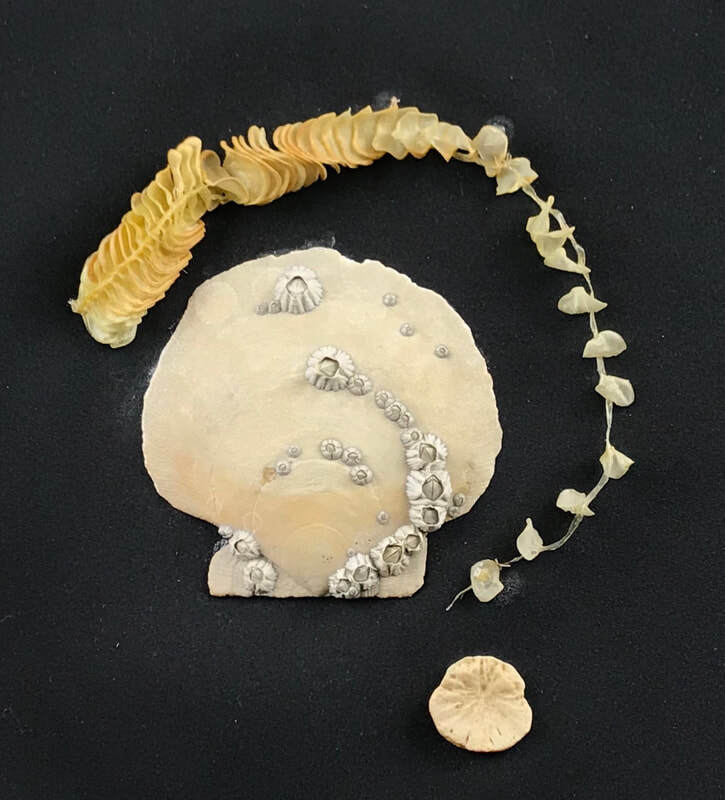
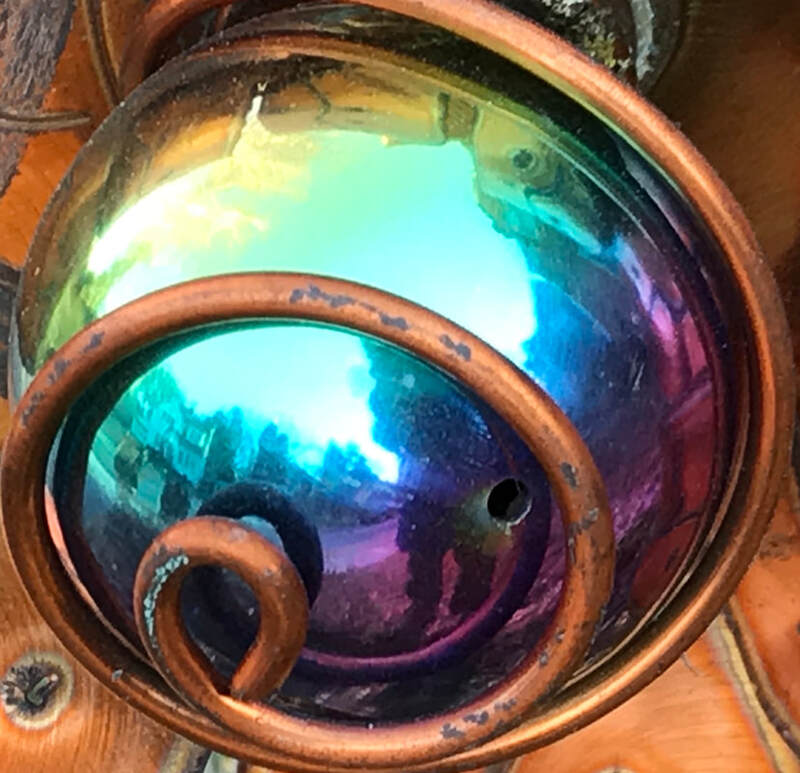
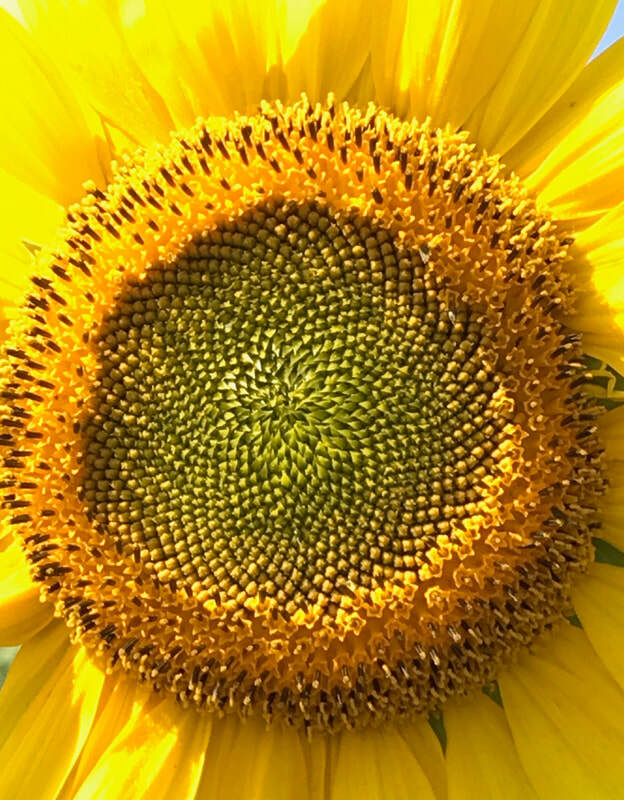
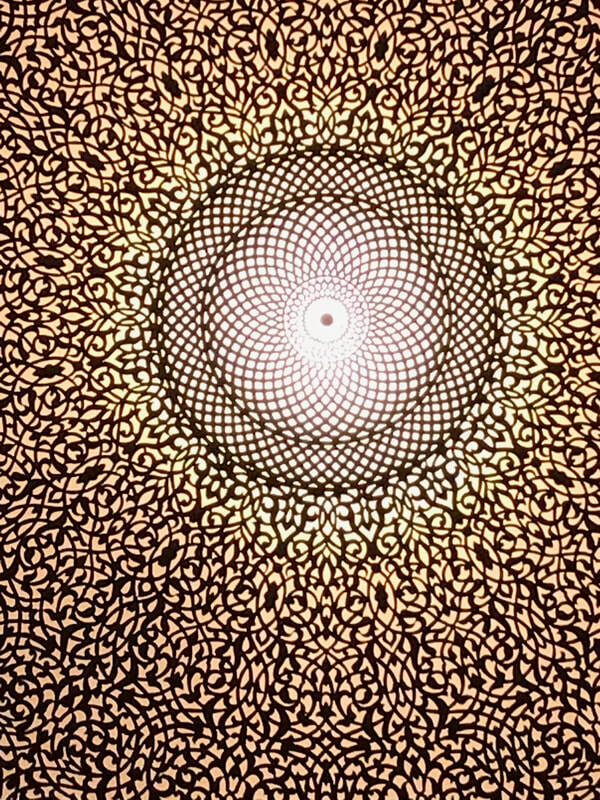
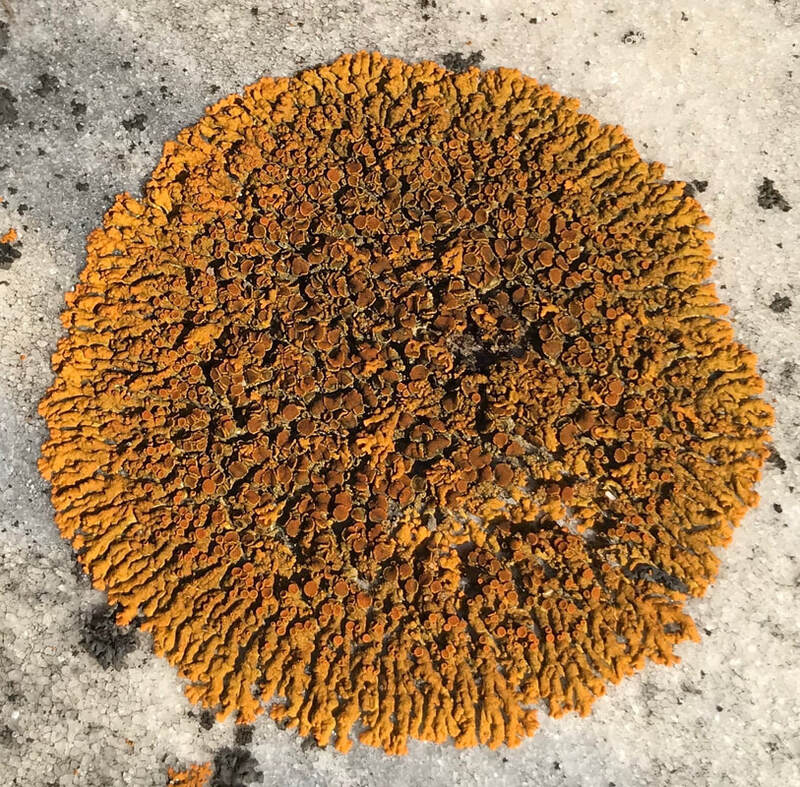
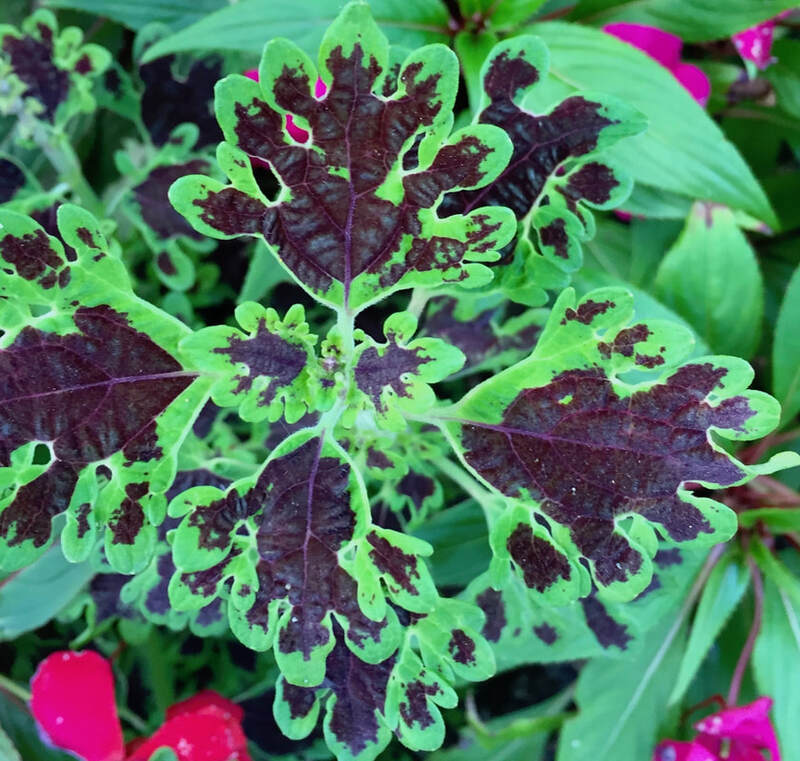
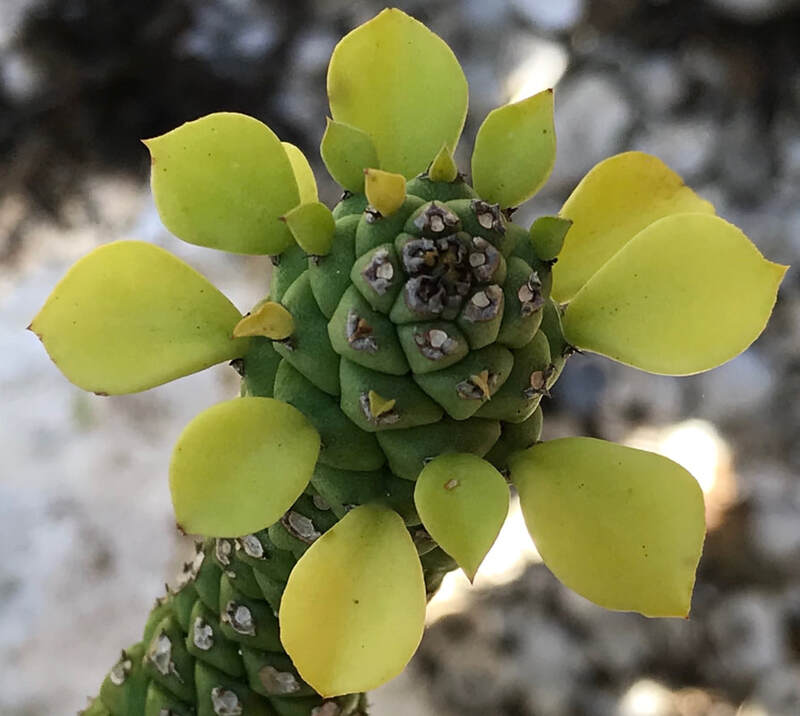
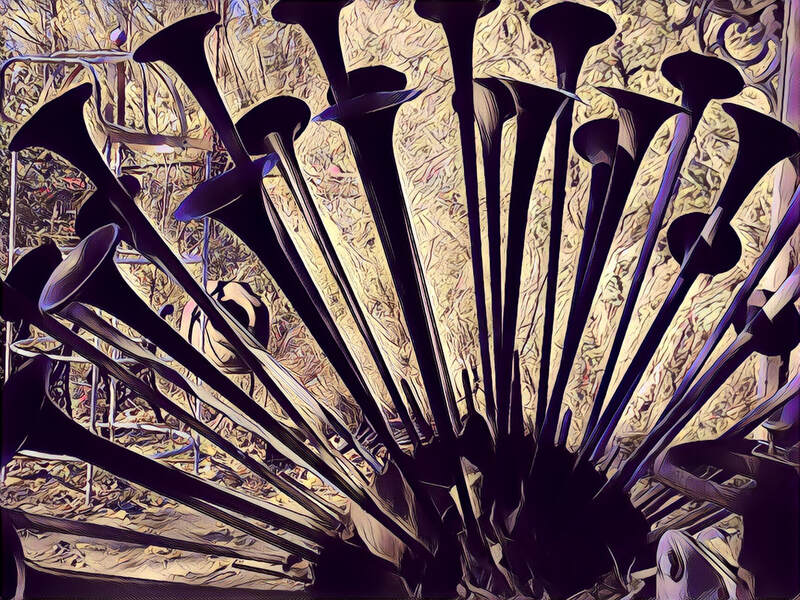
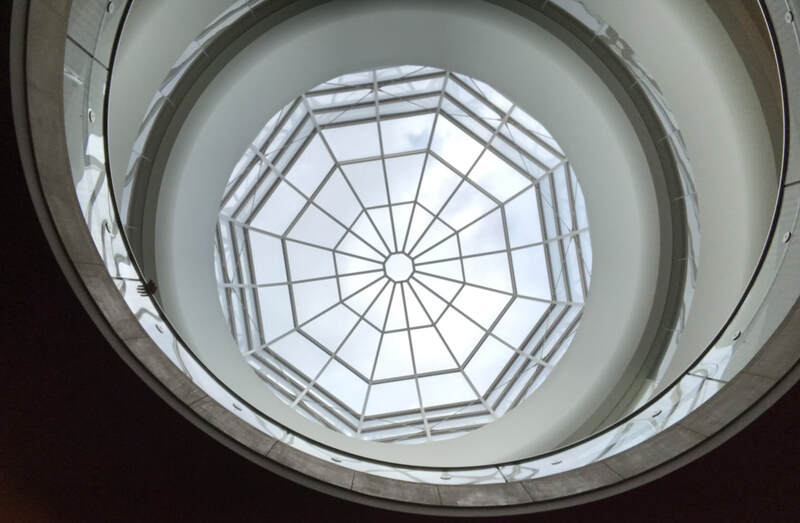
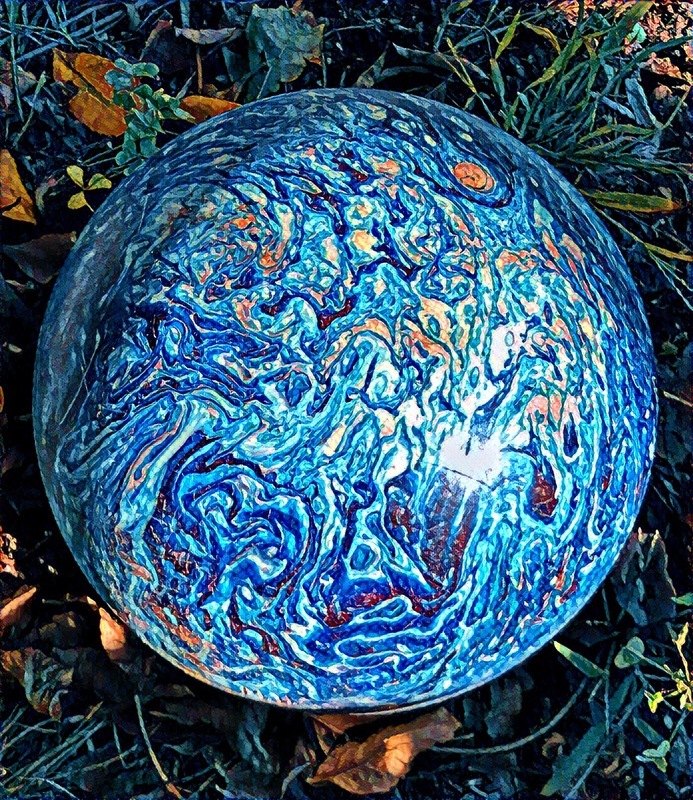
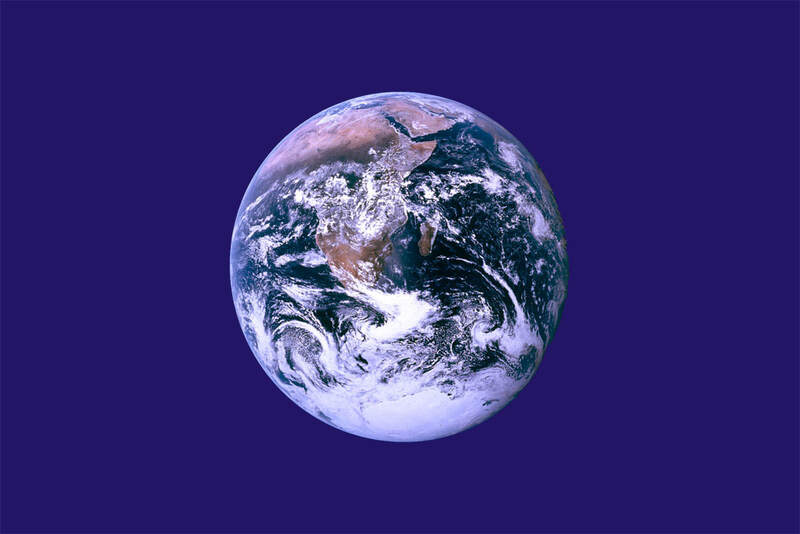
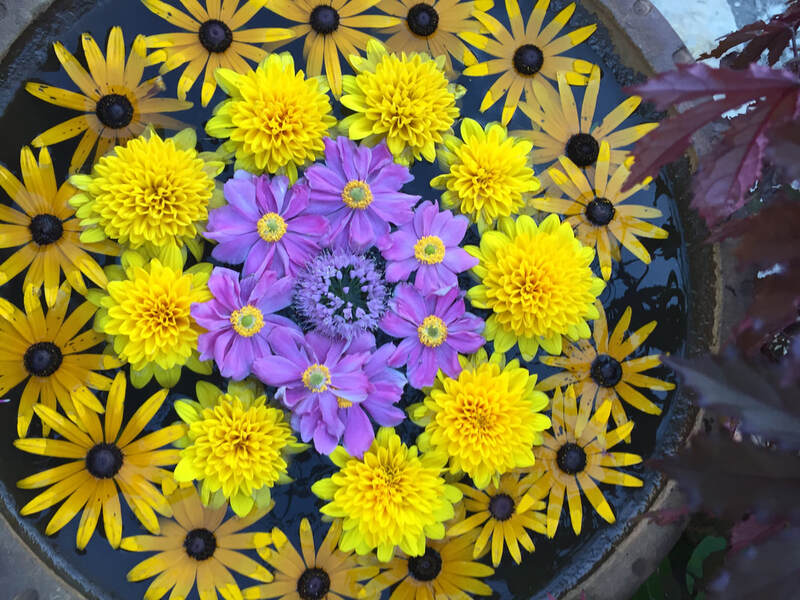
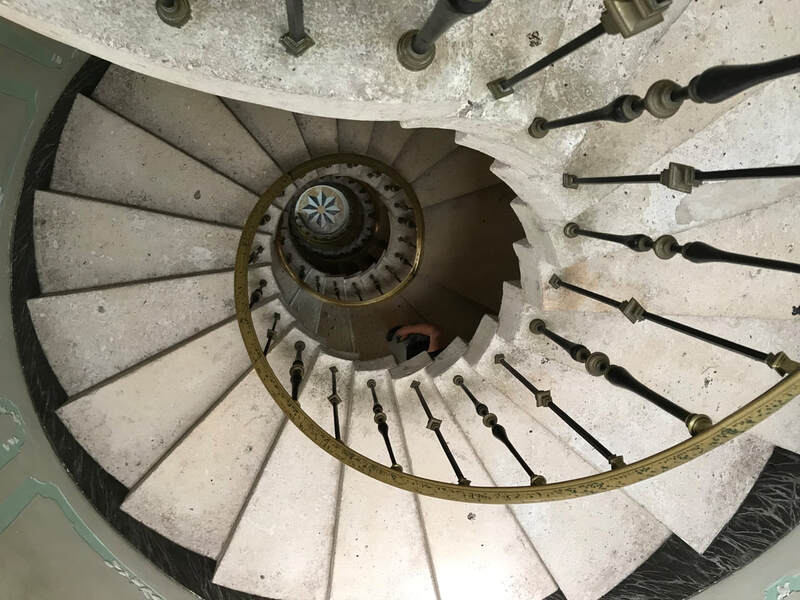
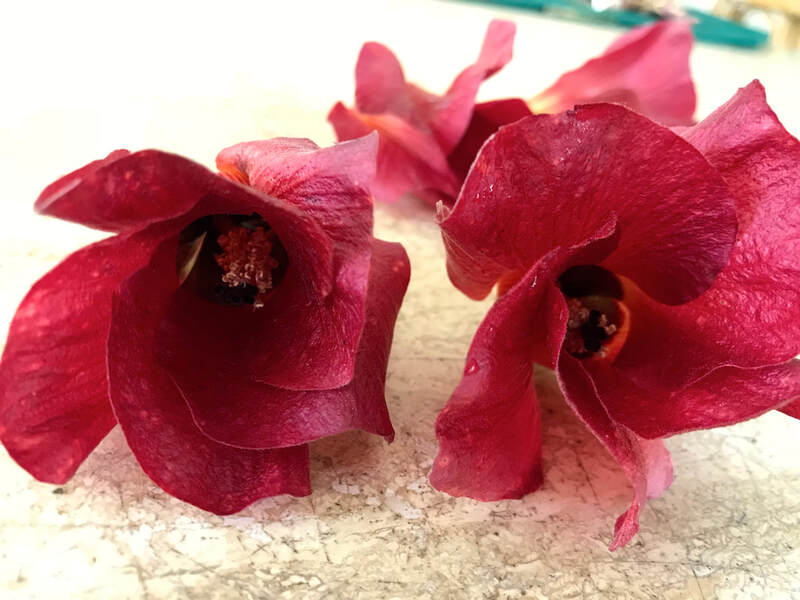
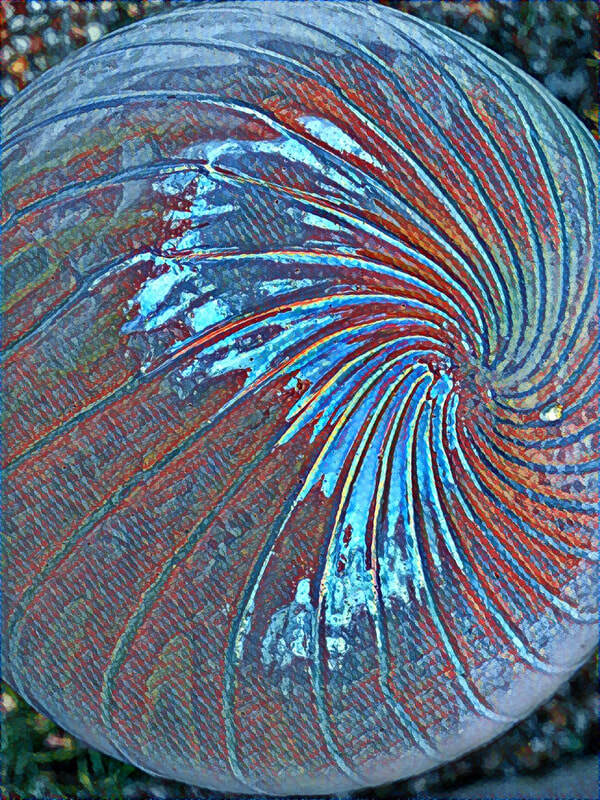
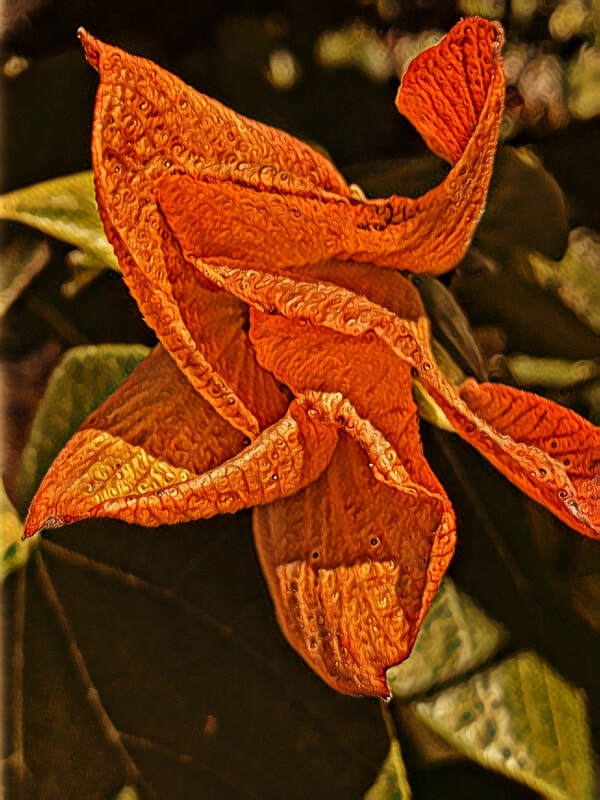
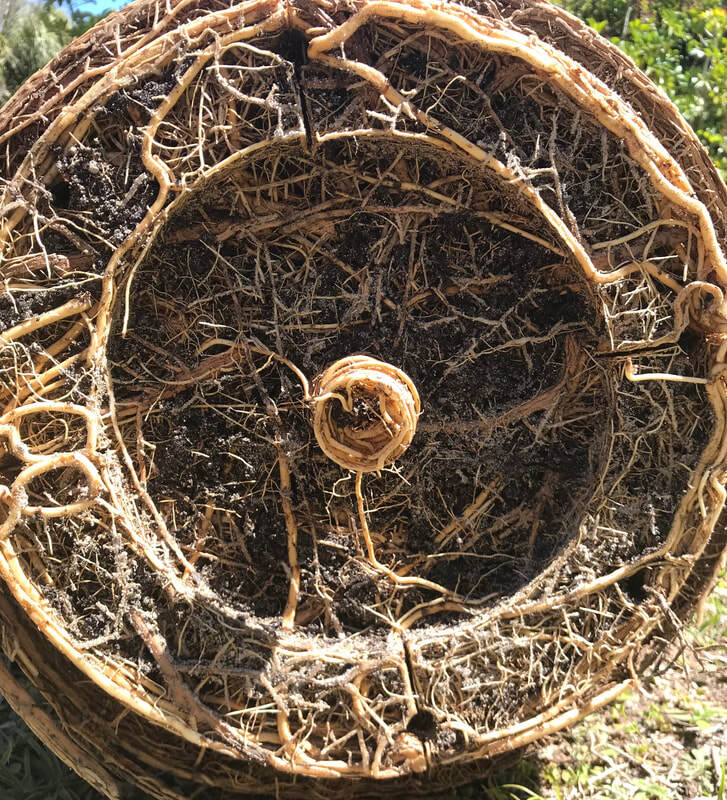
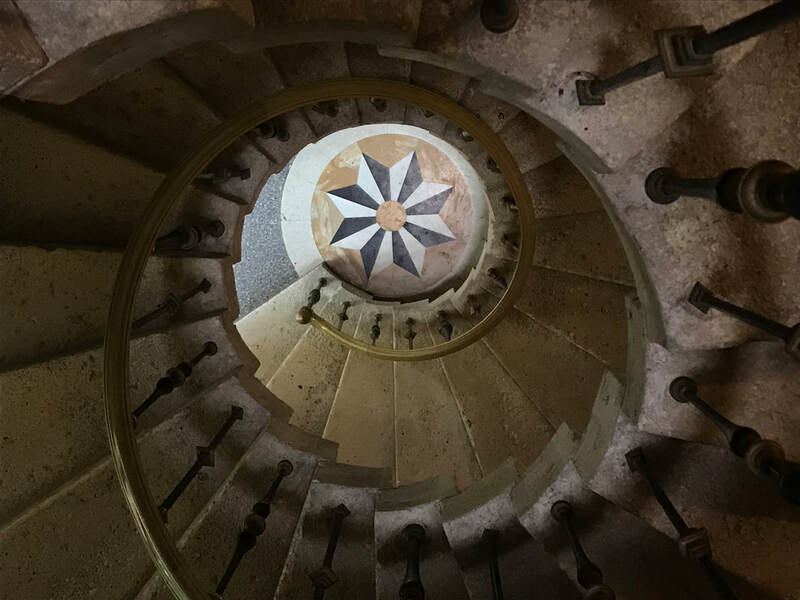
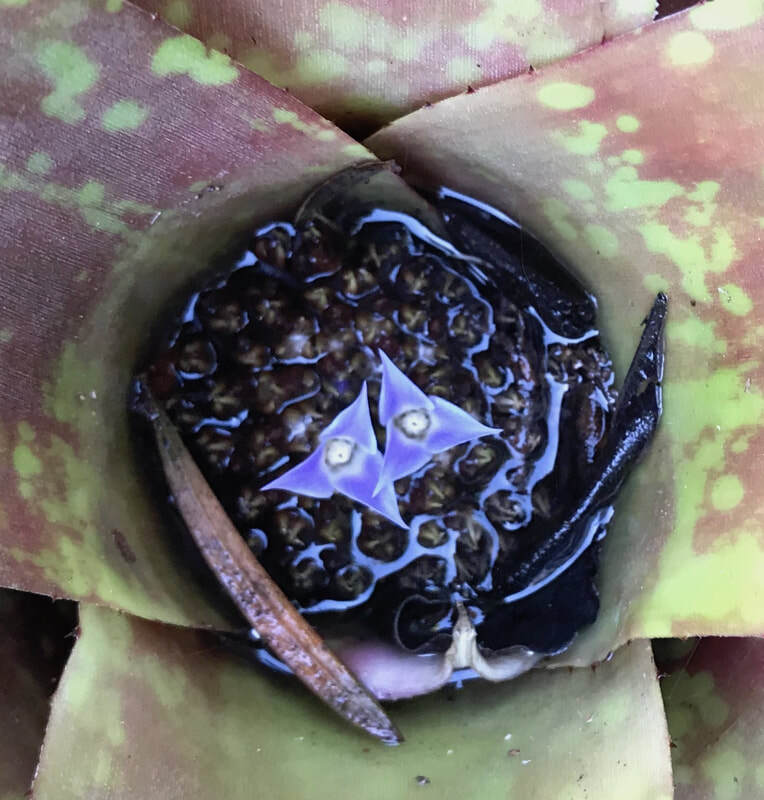
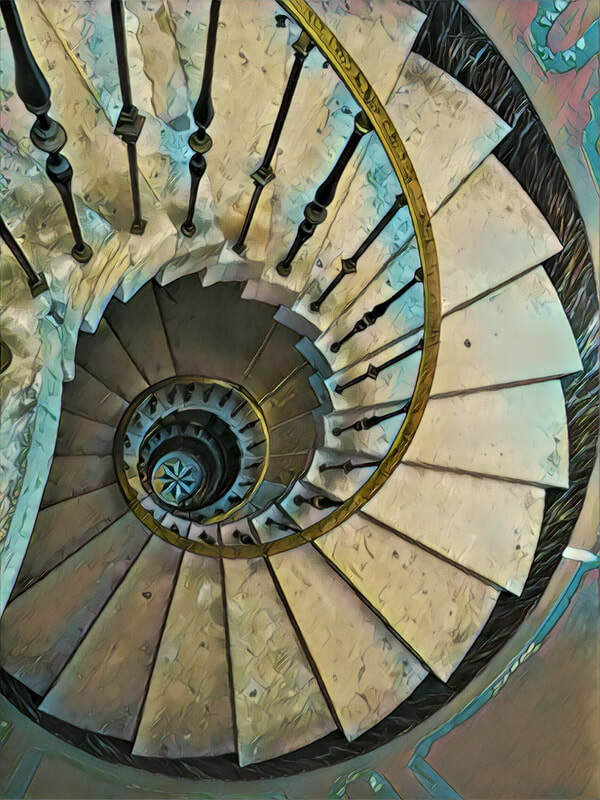
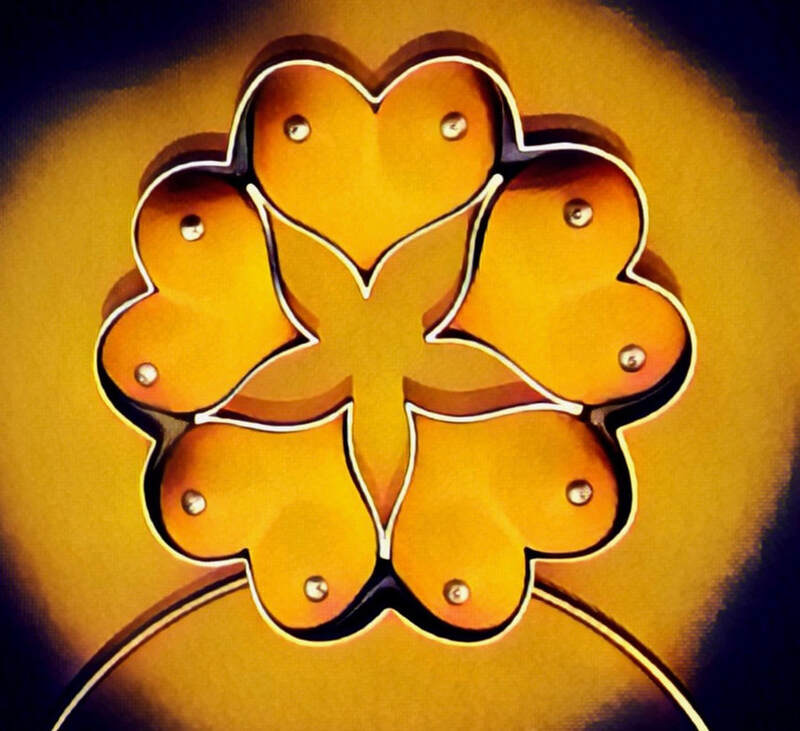
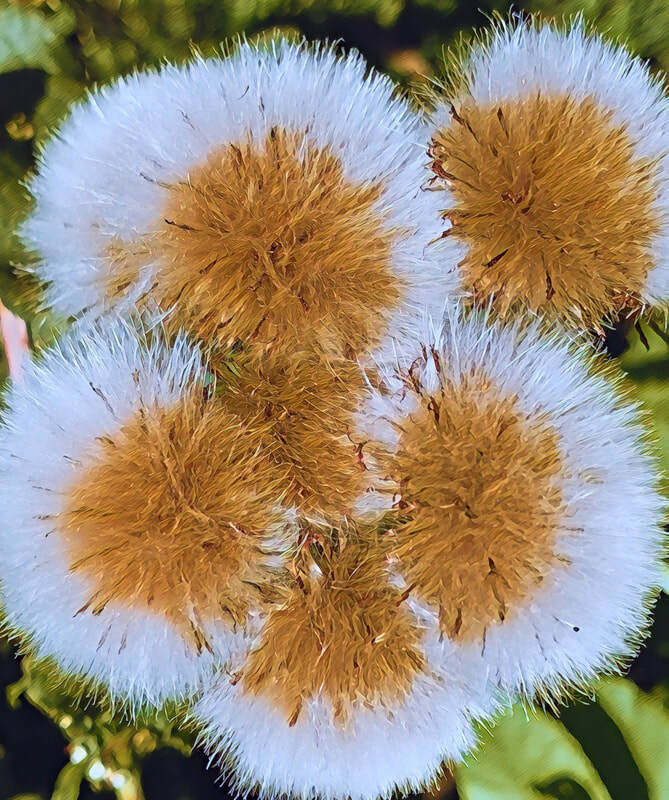
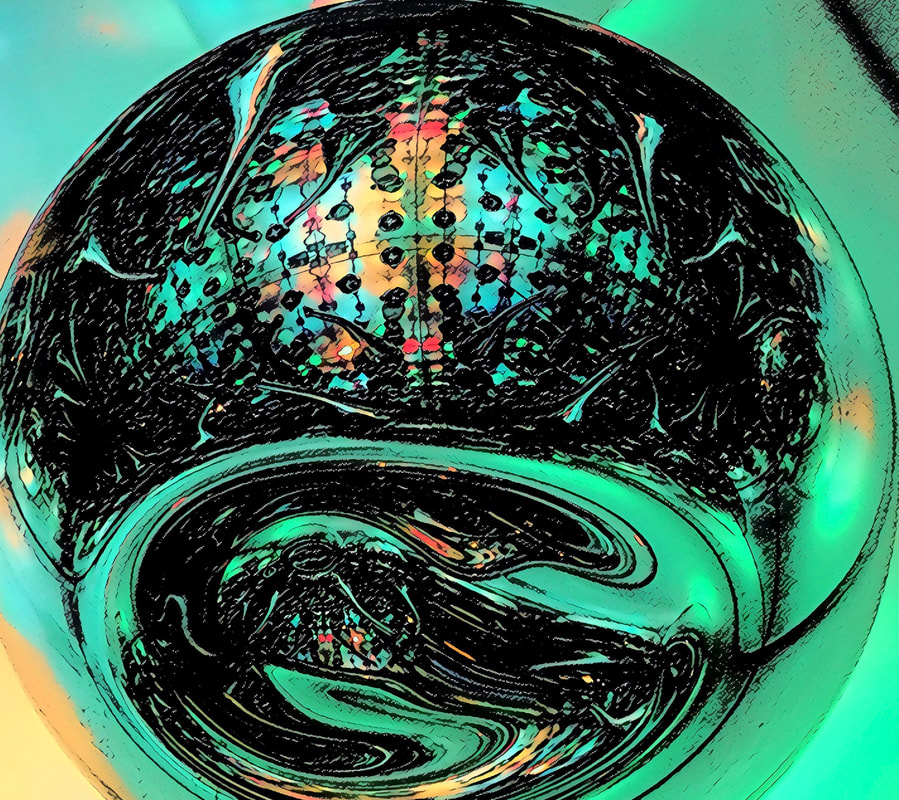
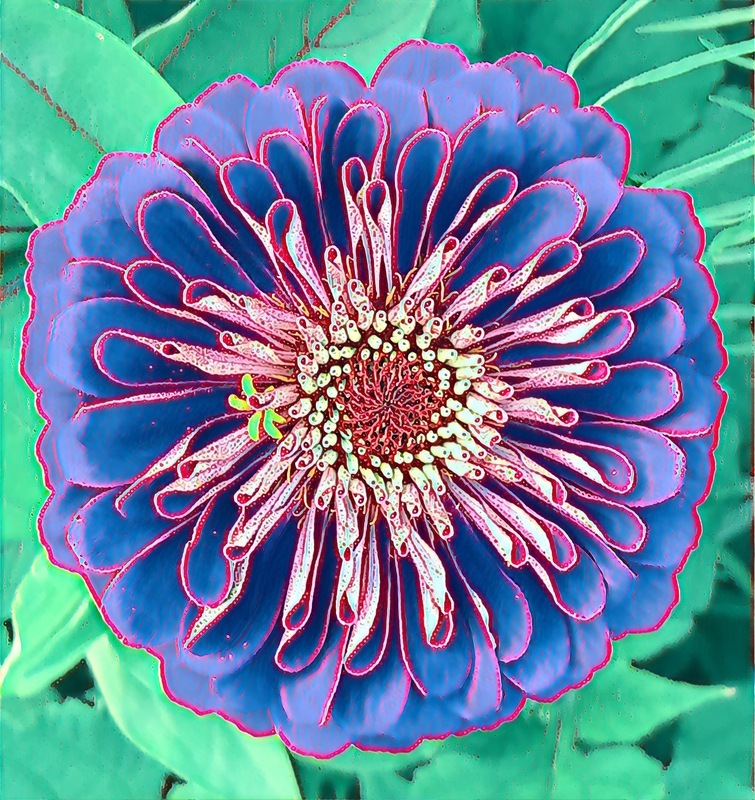
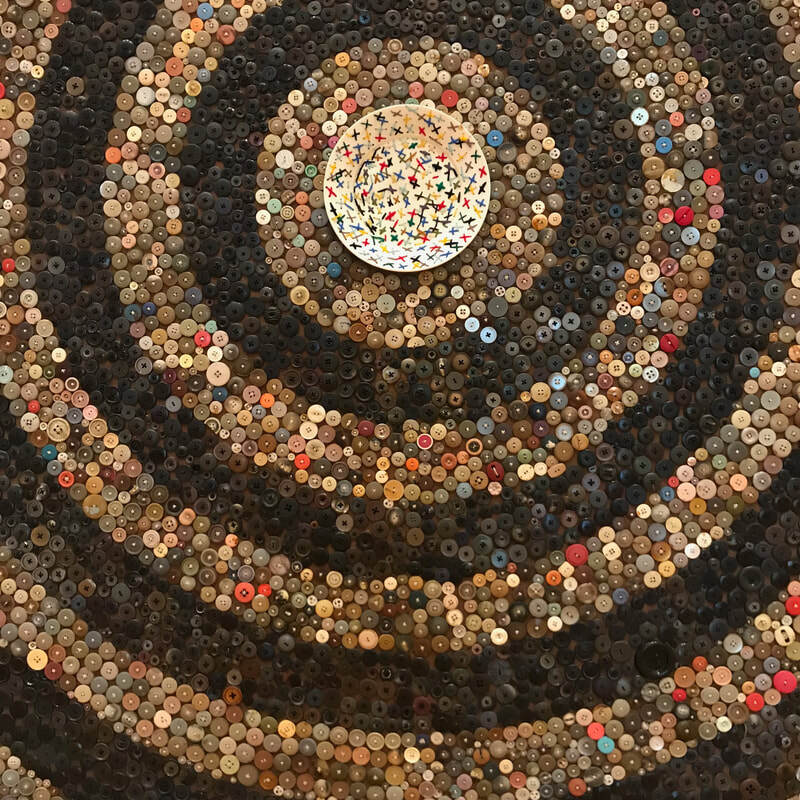
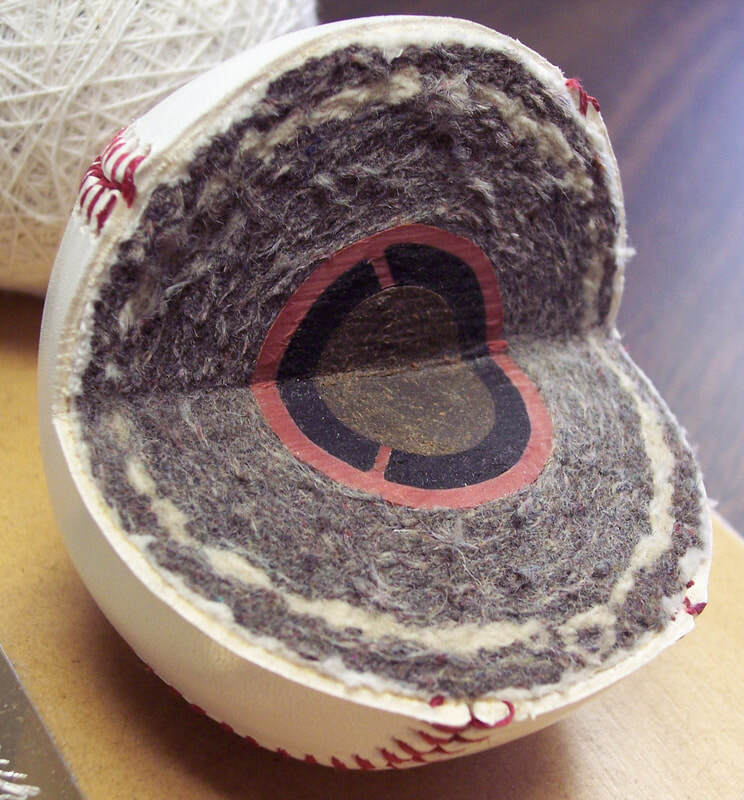
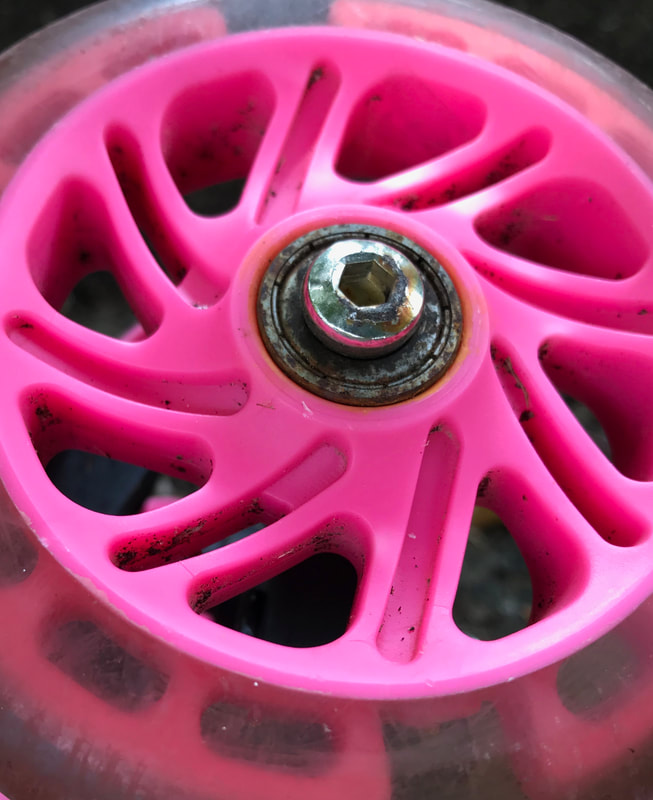
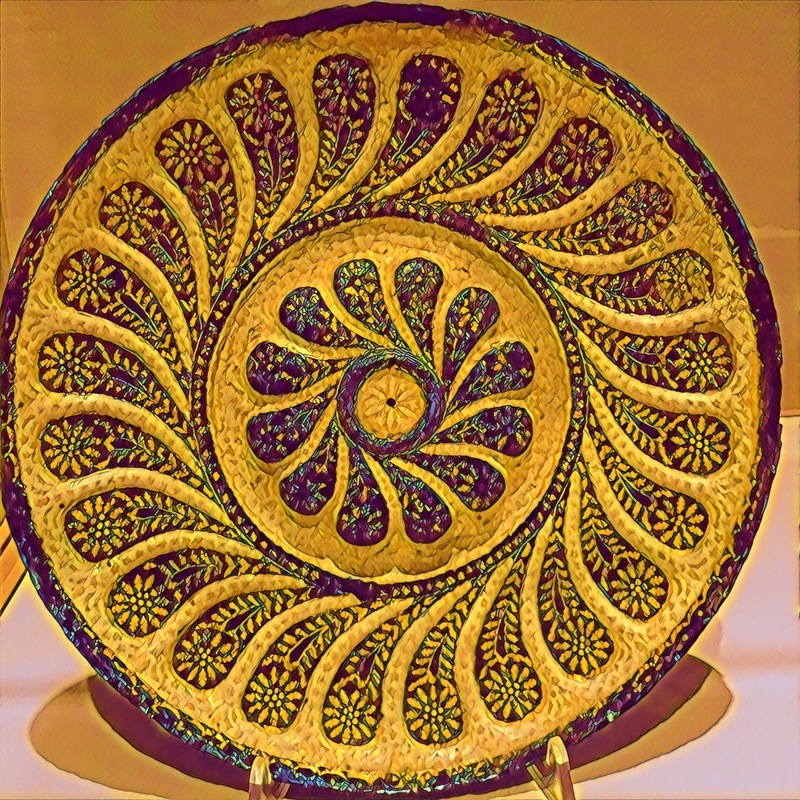
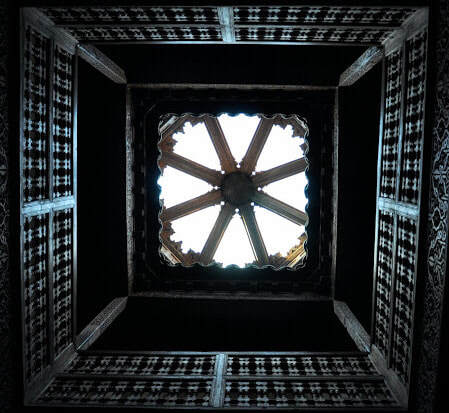
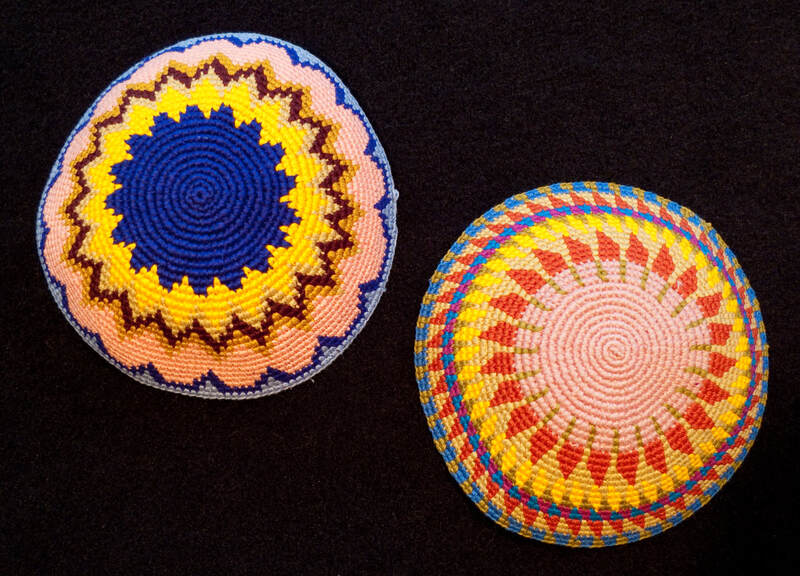
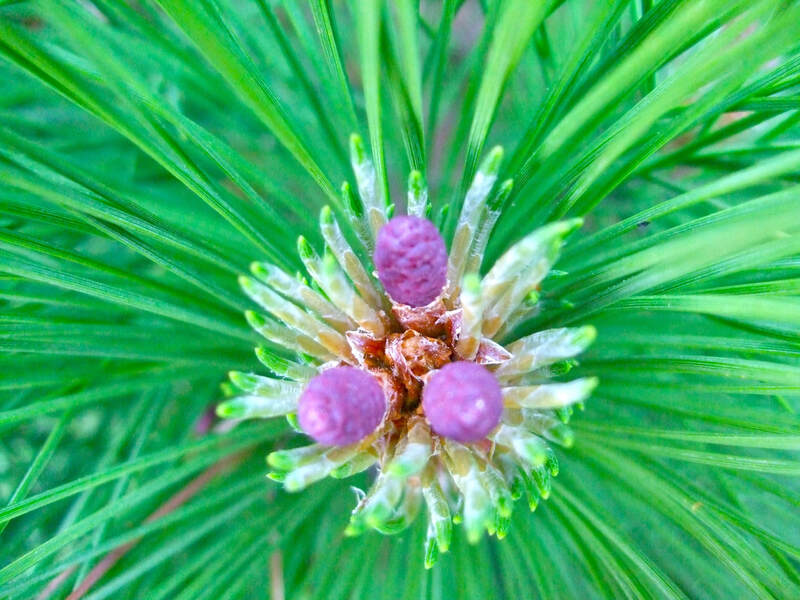
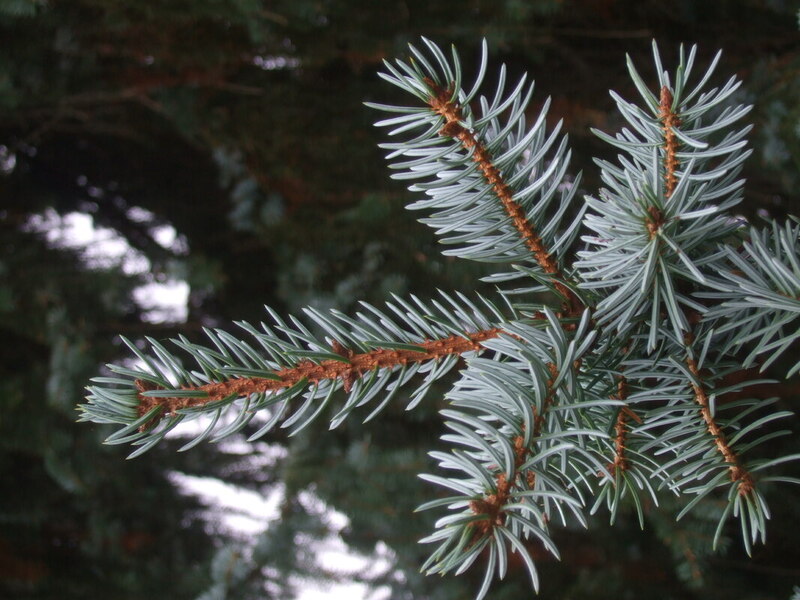
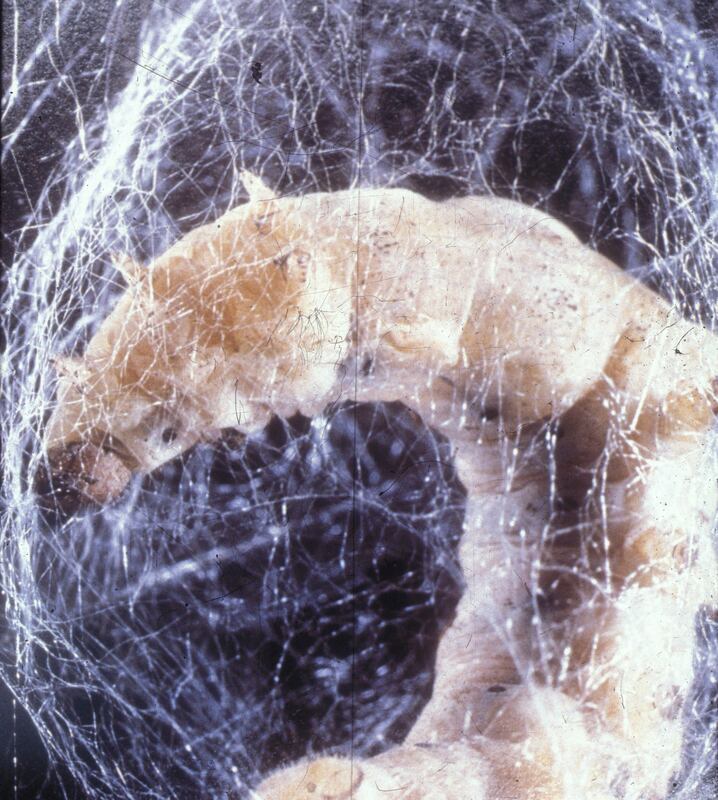
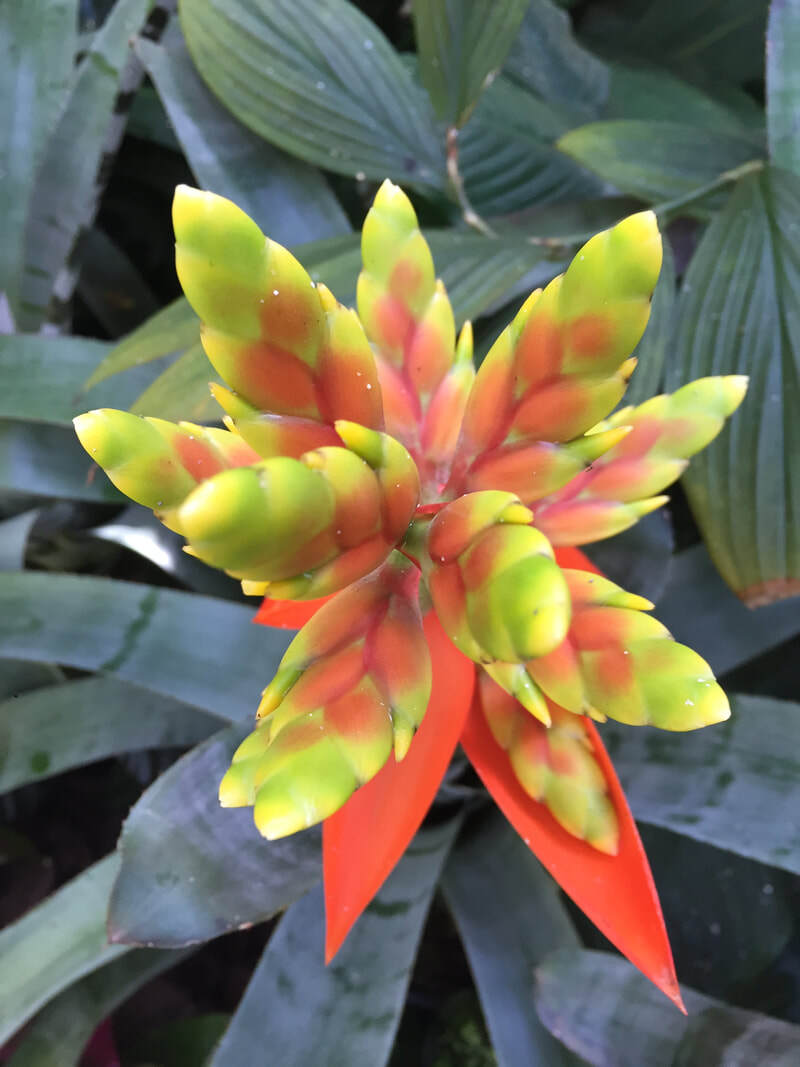
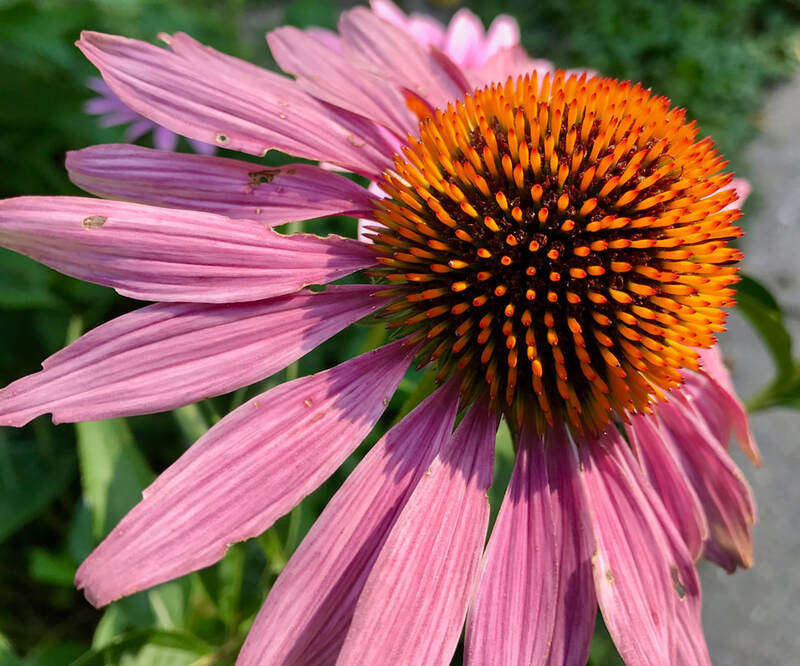
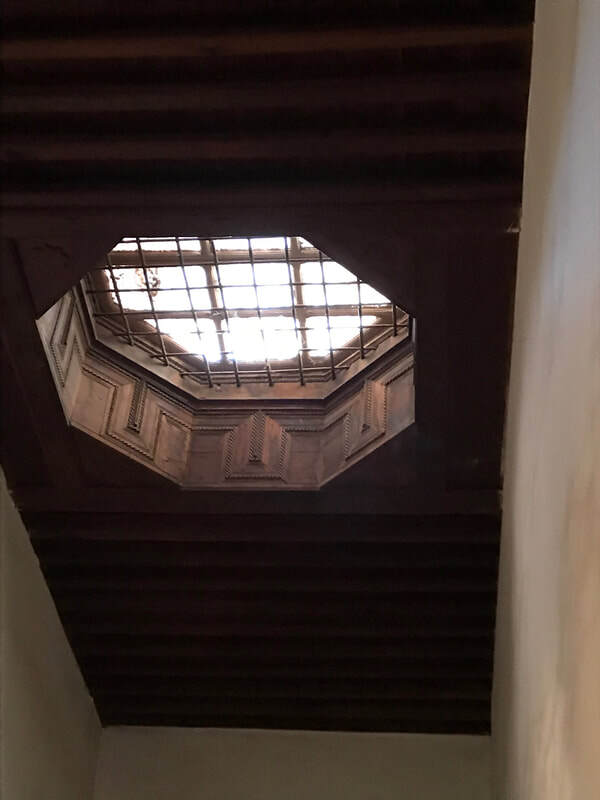
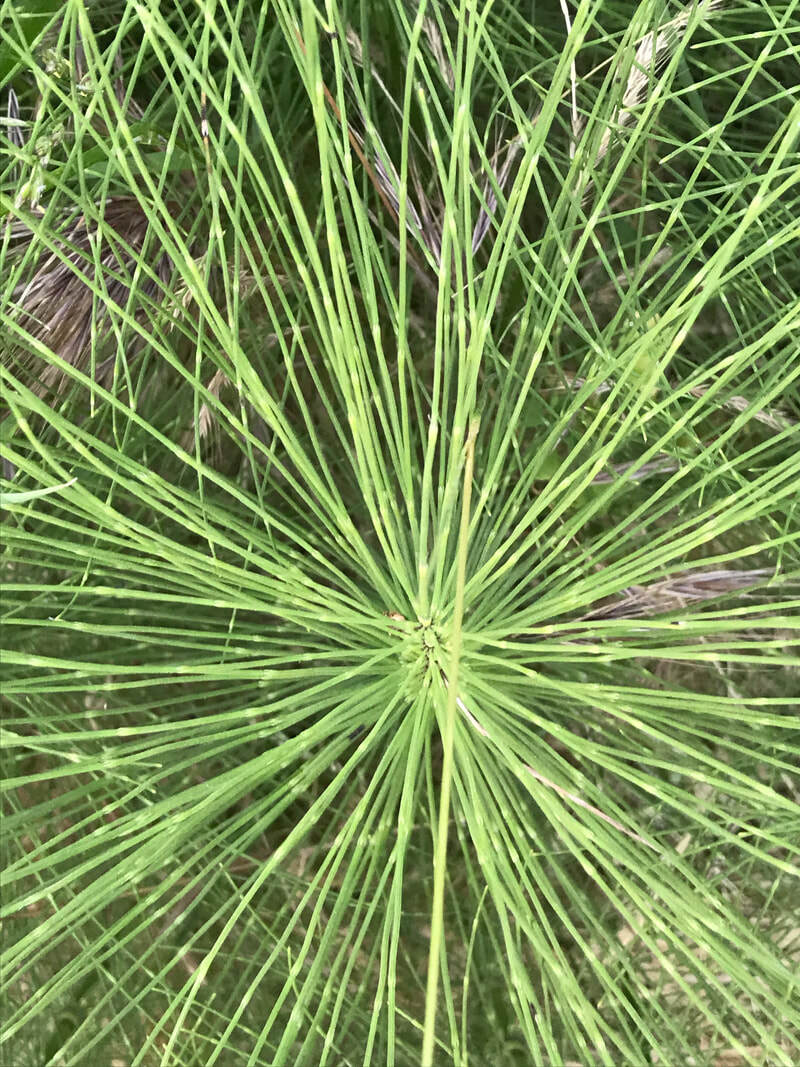
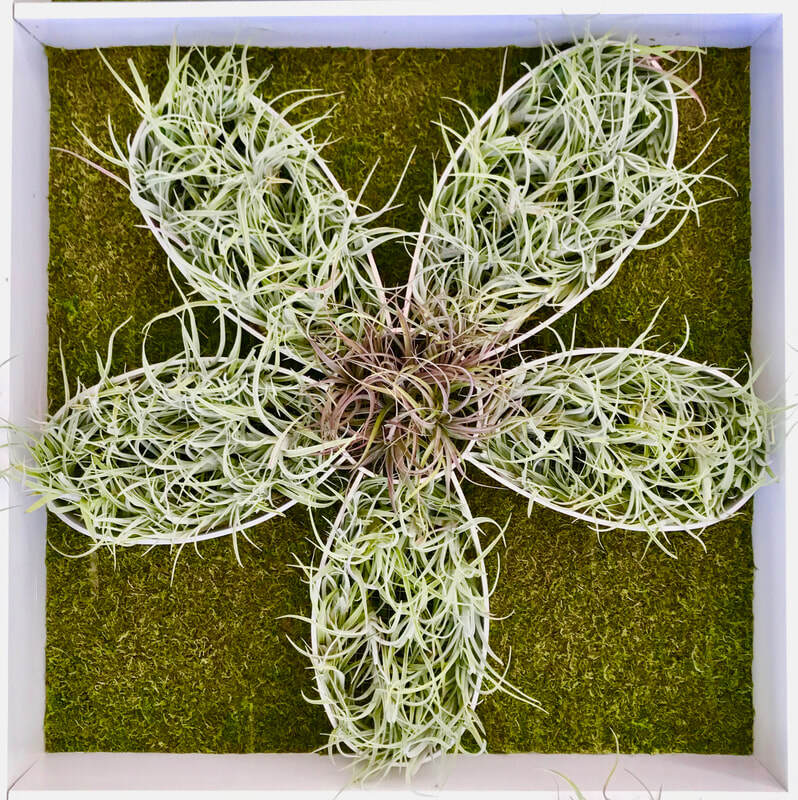
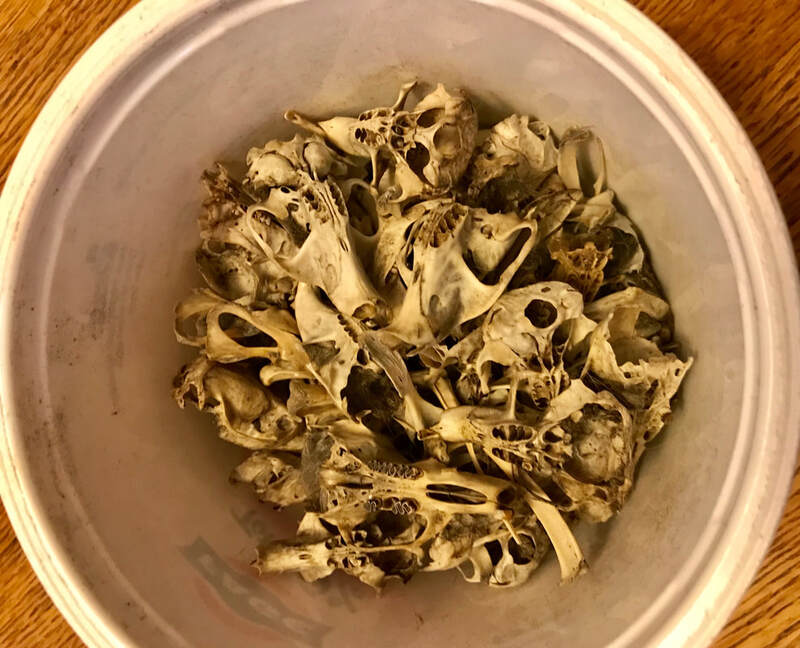
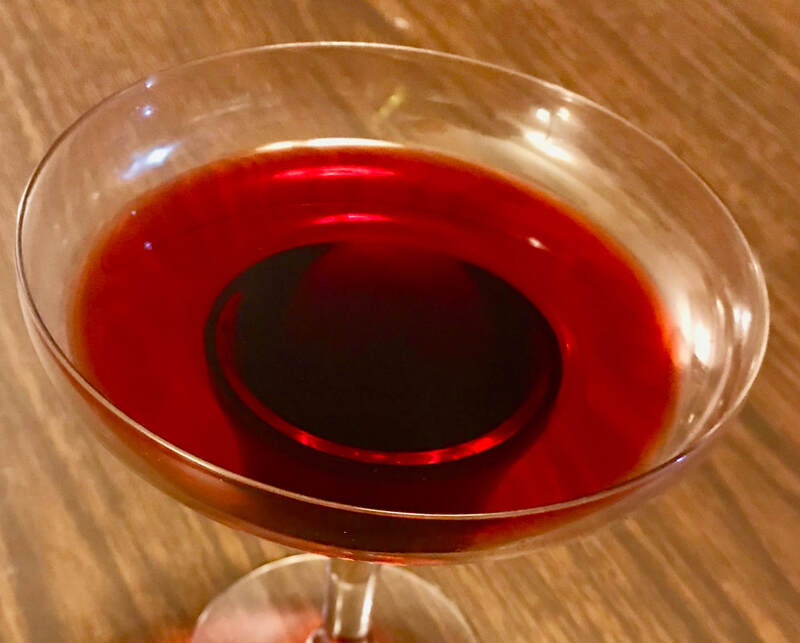
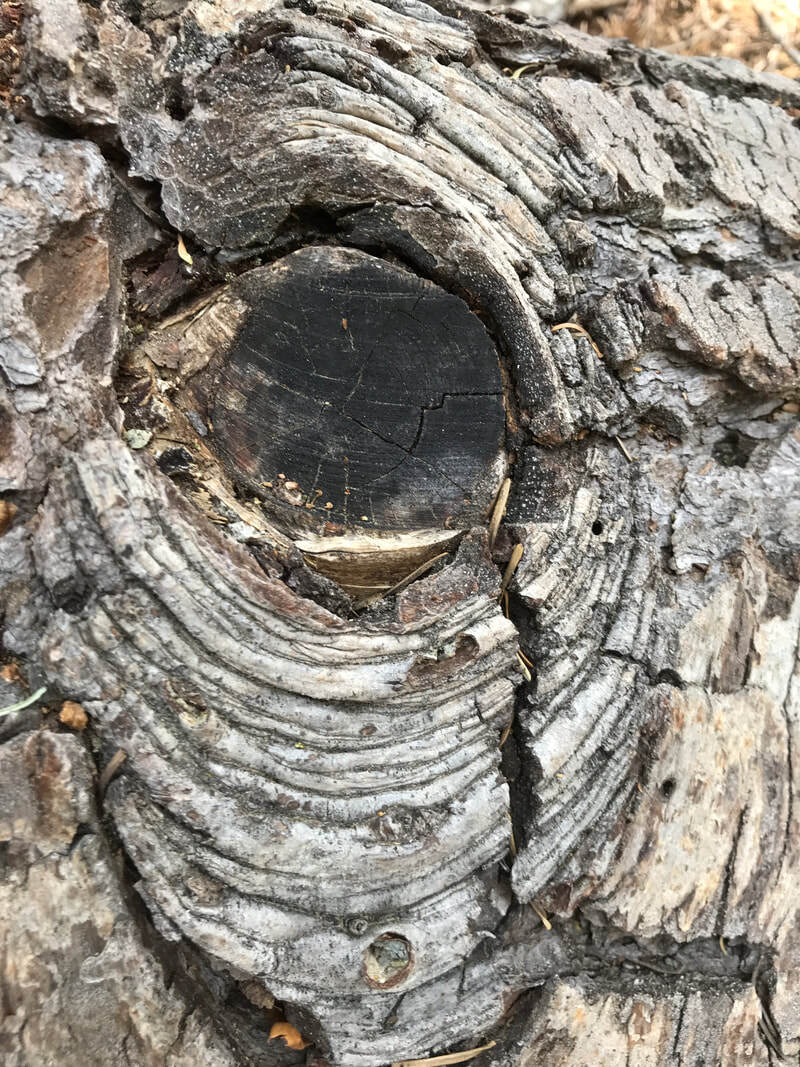
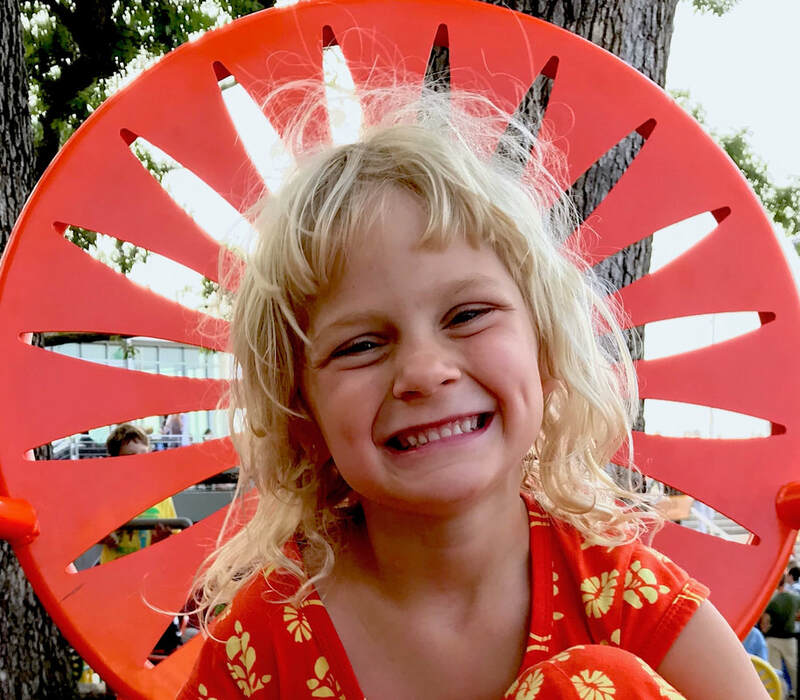
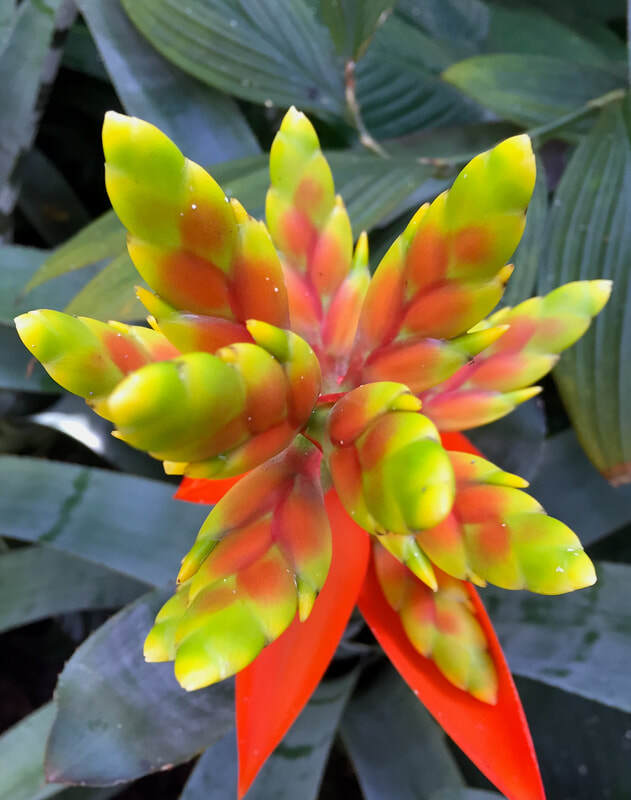
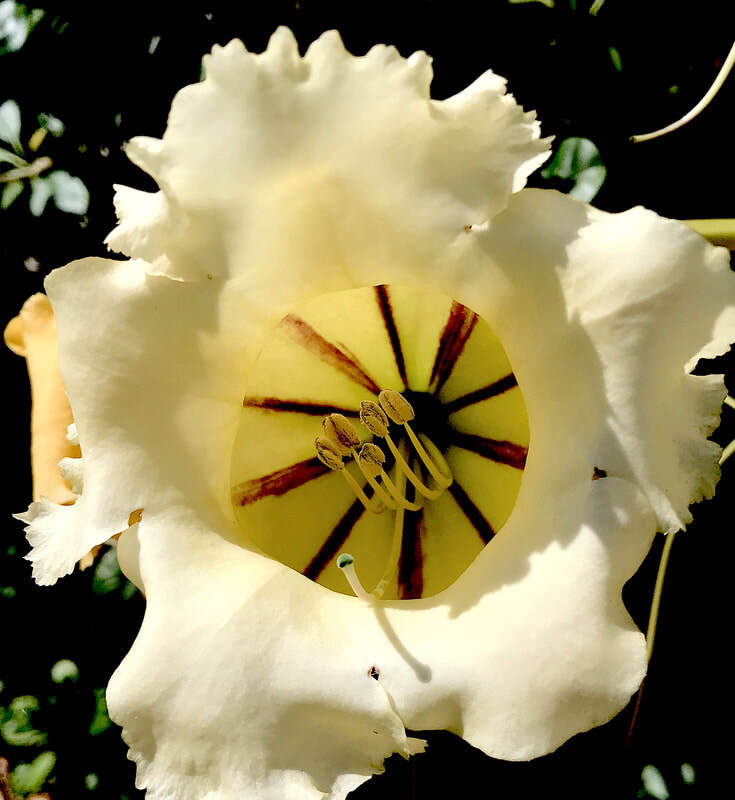
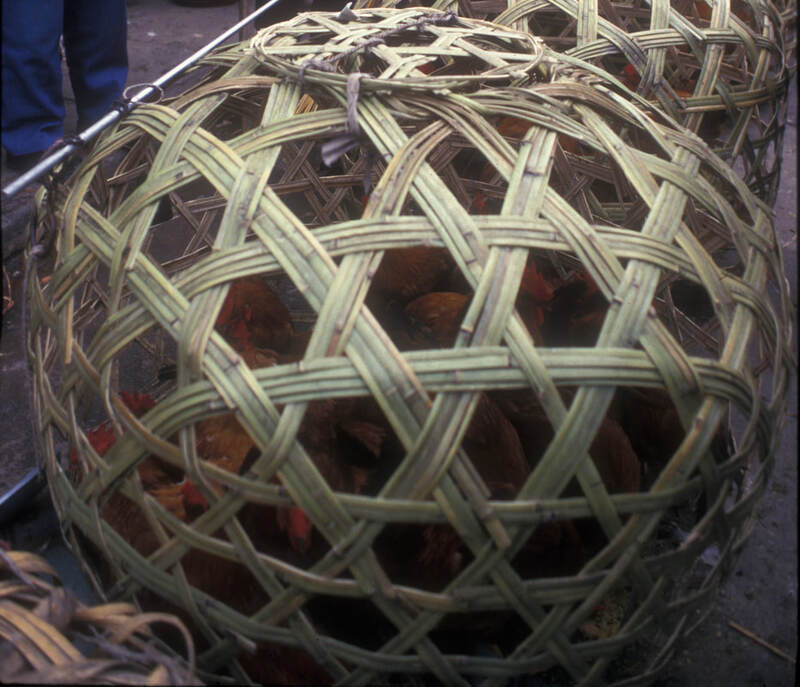
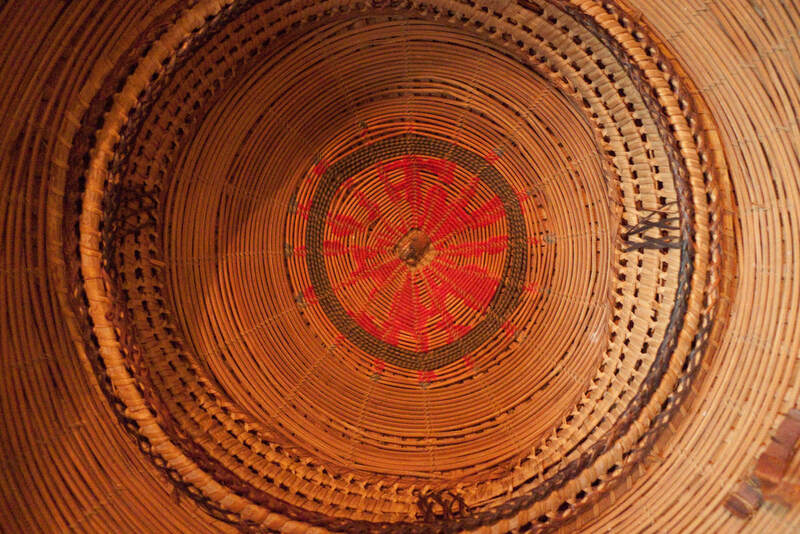
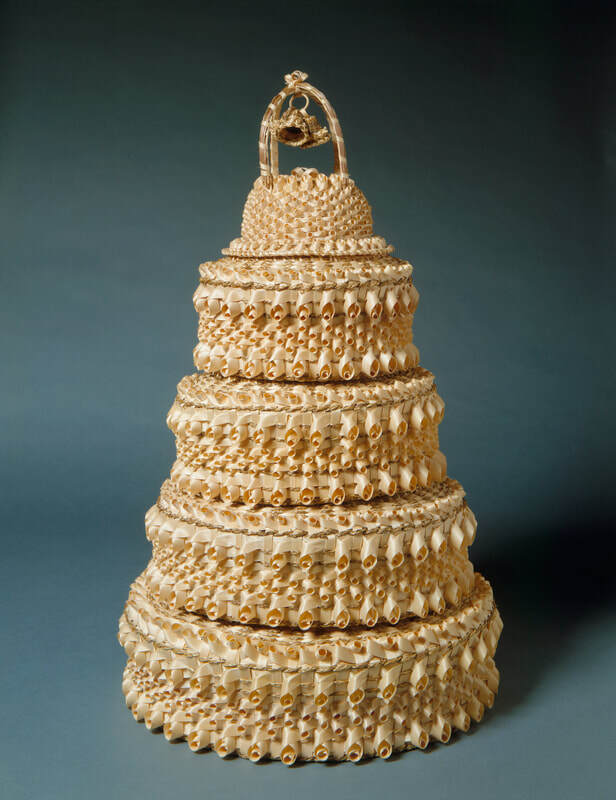
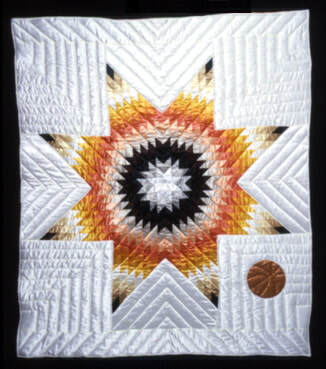
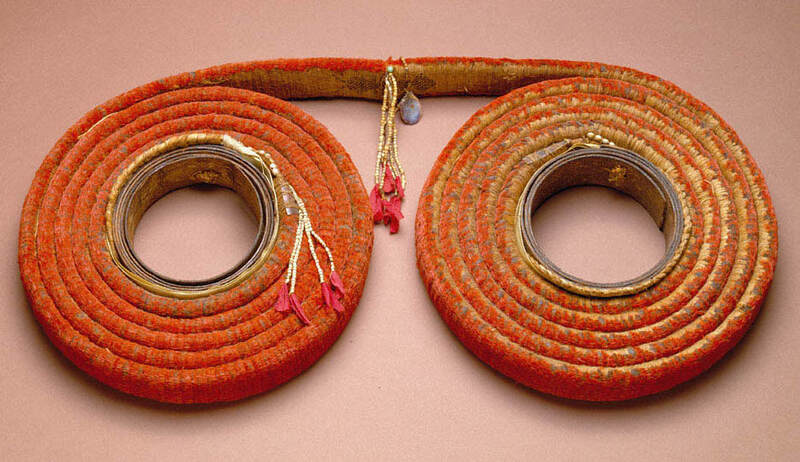
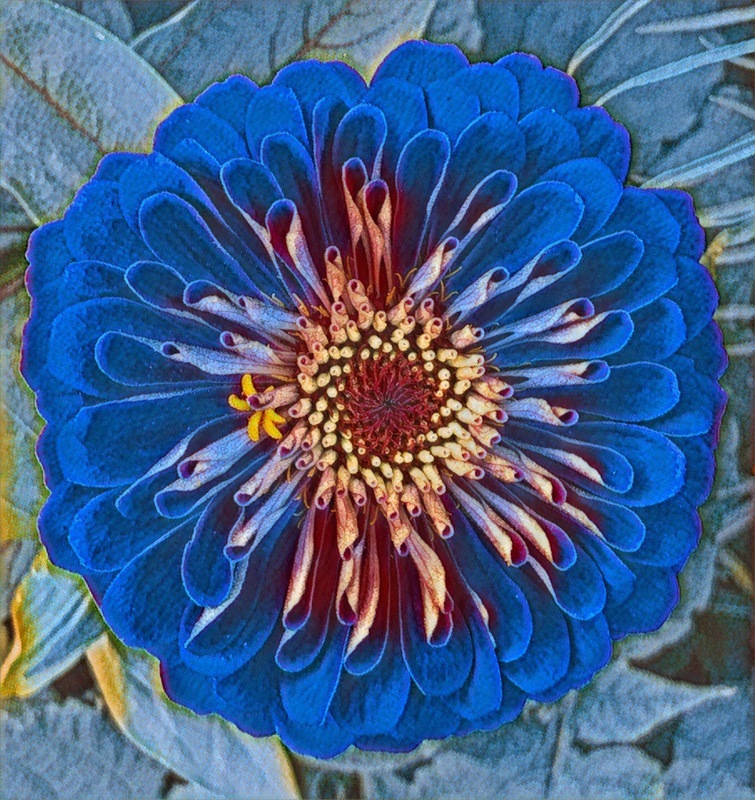
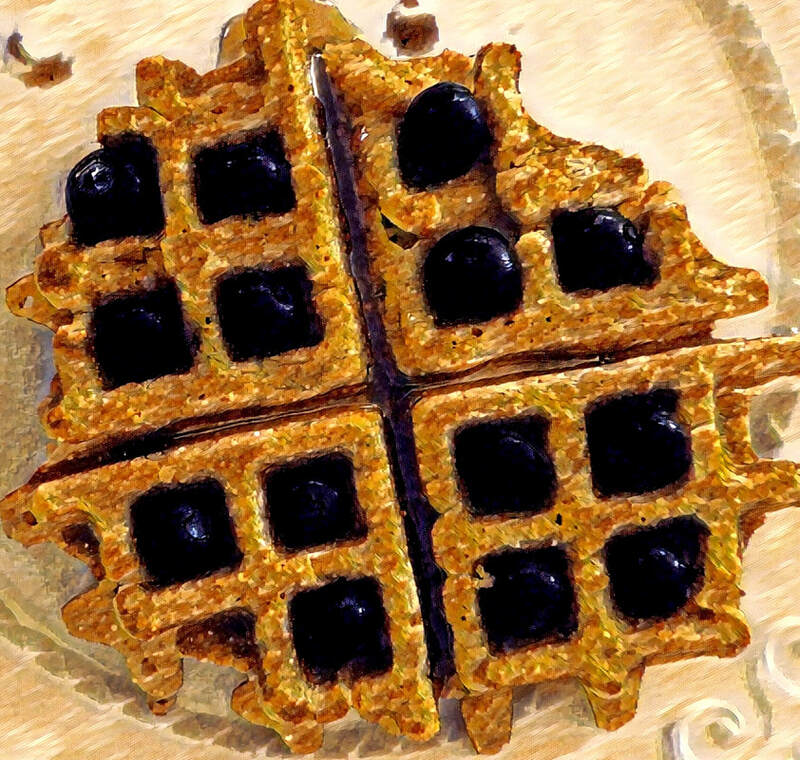
What I offer here are photos I've taken in widely diverse places and contexts that capture this sense of mandala, moving (often spiraling) in (or out) to (and from) a center. Many of the images are unsurprising--there are umpteen plants and animals (or parts of animals) that grow from a central point. In our image-heavy media, we're familiar with these, and we've even become used to astonishing photos of space and galaxies that remarkably reflect photos of small forms like seashells--images of macro/micro resonance (a concept I was playing with 50 years ago, I joyfully add!).
On one level this collection of mine might thus feel a bit trite, but I still find the images newly-compelling, and we can always stand to be brought back again to center. When we witness this primal form and centering journey in so many different manifestations, it reinforces our understanding of the underlying unity of this planet. I intermix photos of natural forms with photos of human-made objects that reflect the same idea, further reminding us that we are inexorably a part of nature and the natural world, and we manifest its inherent impulses. And finally, since these are my own photographs (I shot almost all of them, and a few are even taken from my own art; the few images taken by others are ones that I have previously used in my professional work and have become very intimate with), they are my personal offering; they are my shout-out to the universe and to remembering and returning to the center. If you click on an individual image you will often find a caption explaining what it is. I included explanations where I thought the photo might not be self-evident, or where the element of surprise might add to the delight.
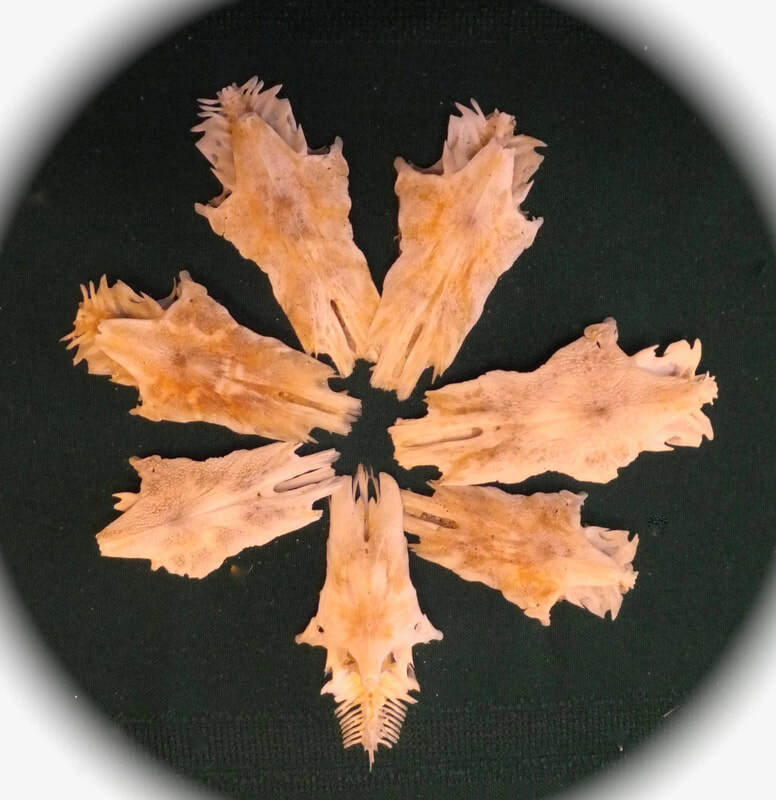
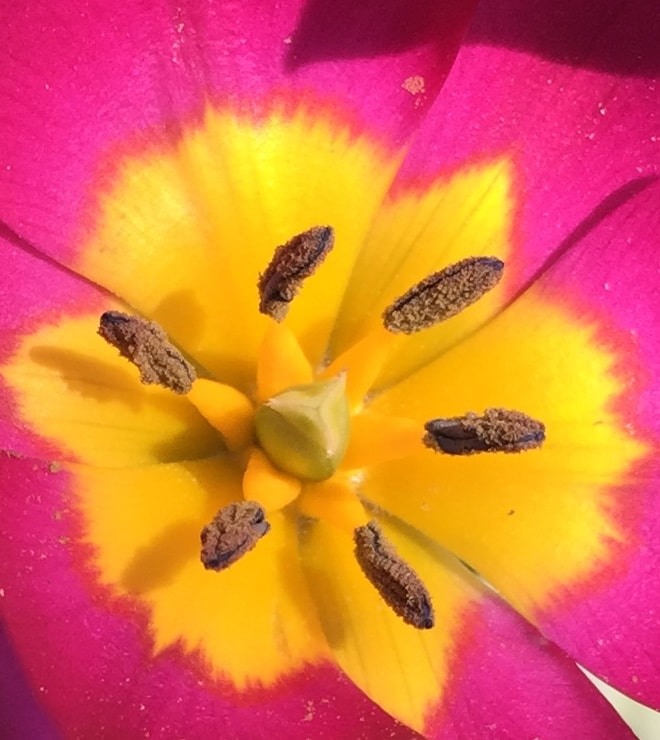
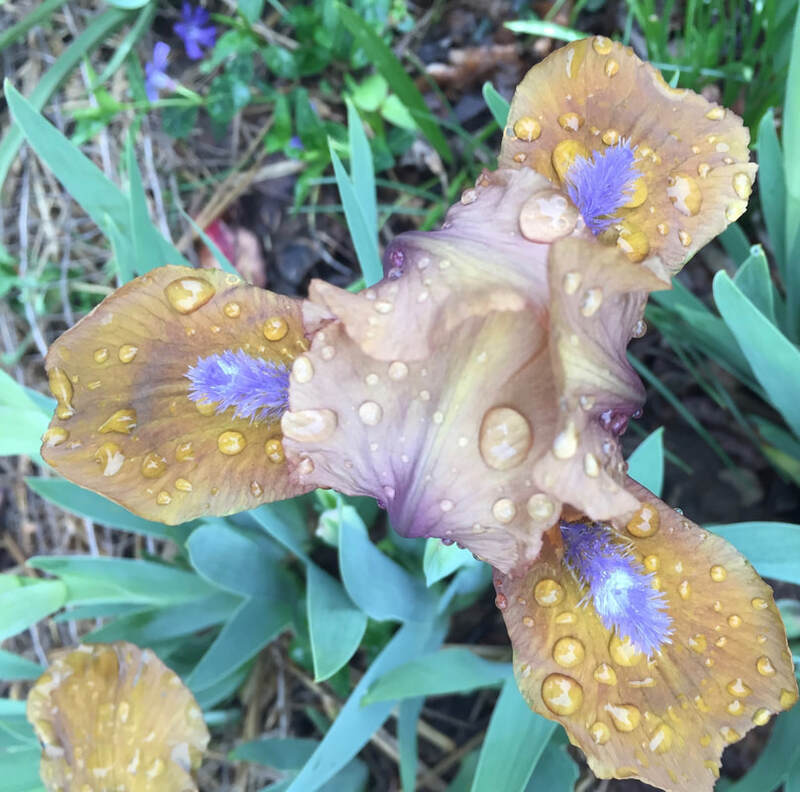
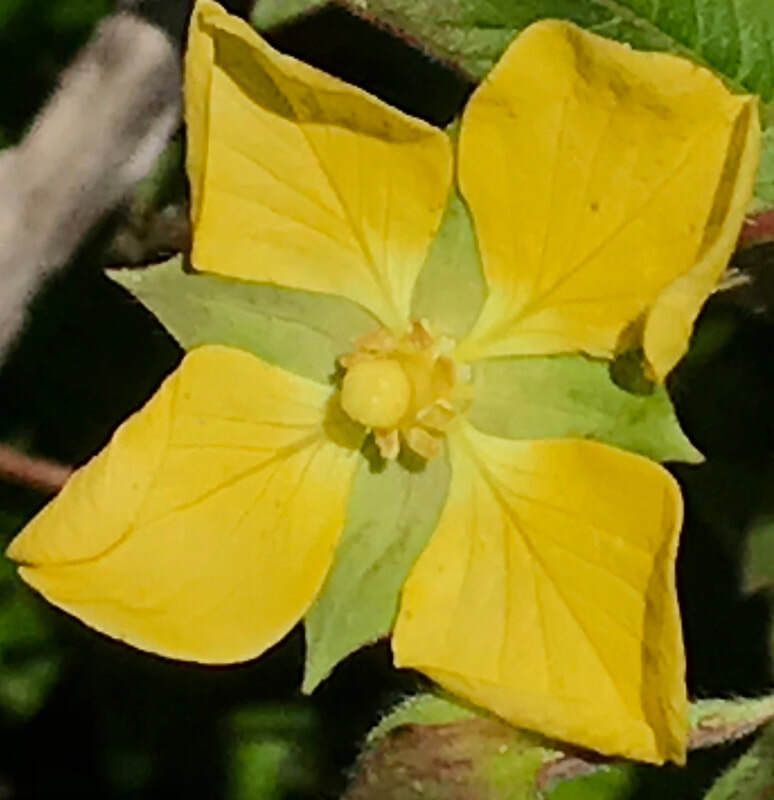
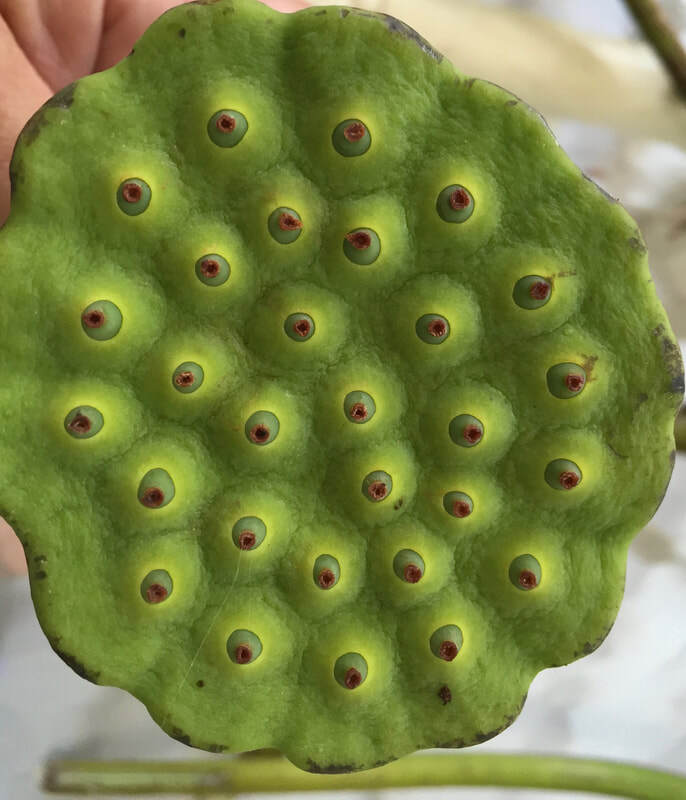
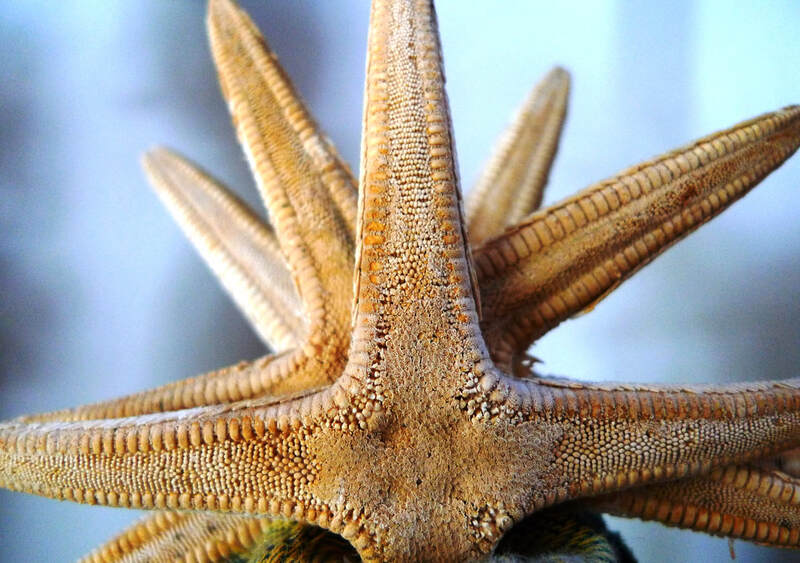
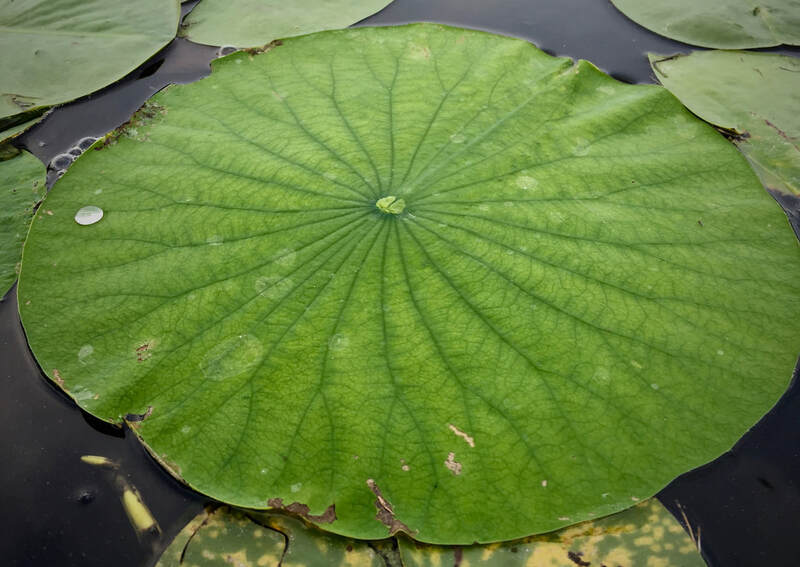
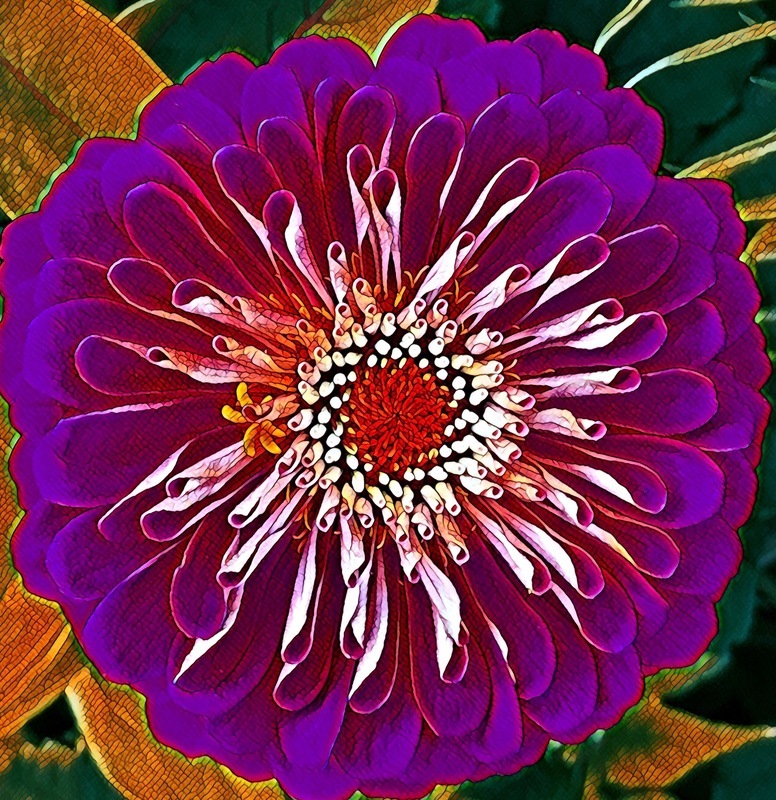
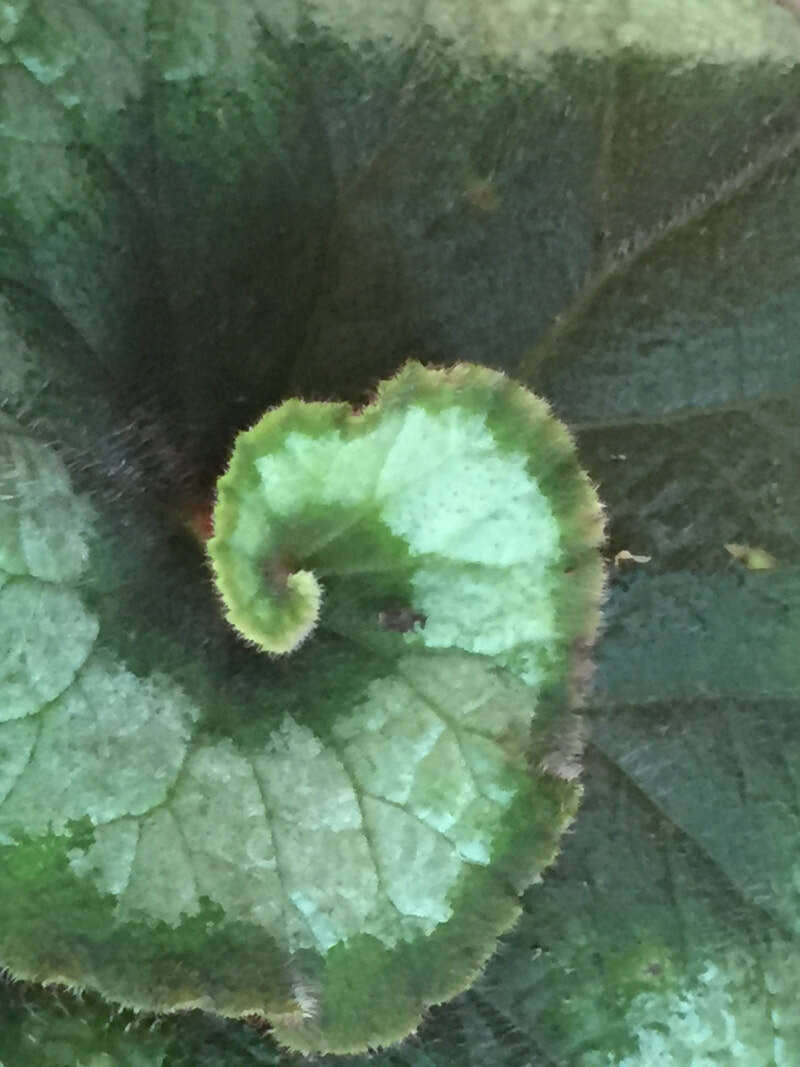
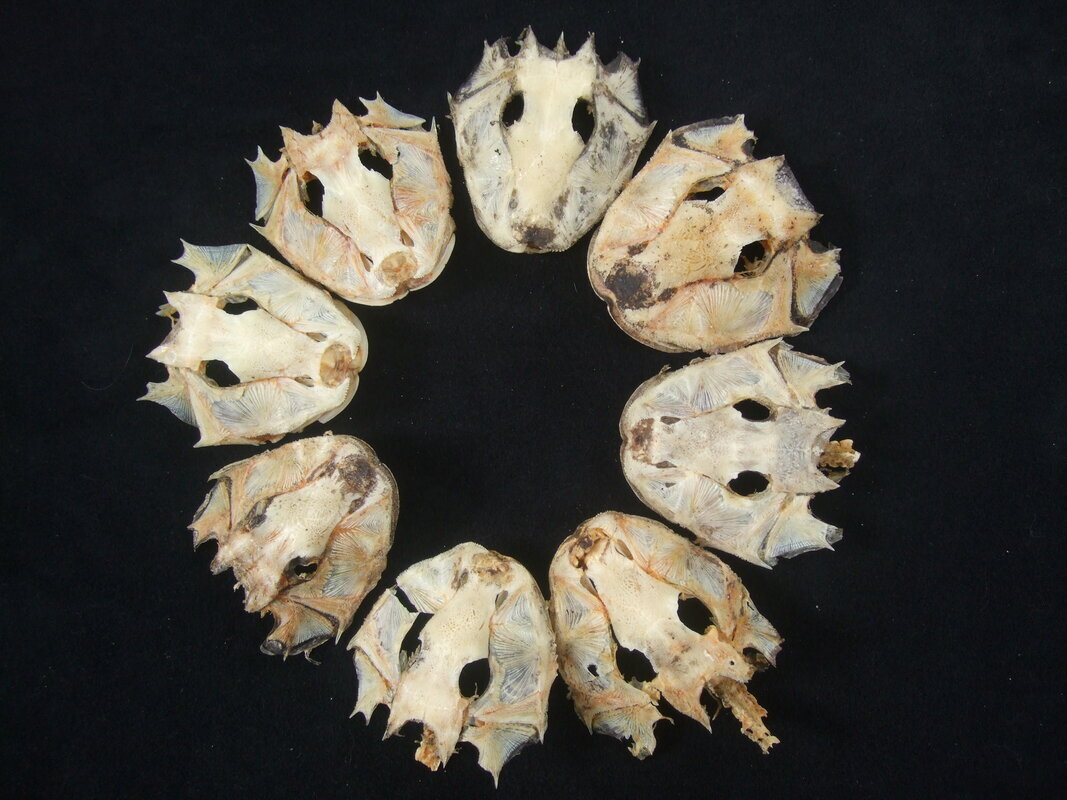
Sea robin (fish) heads, arranged in a circle.
- Published on
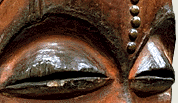
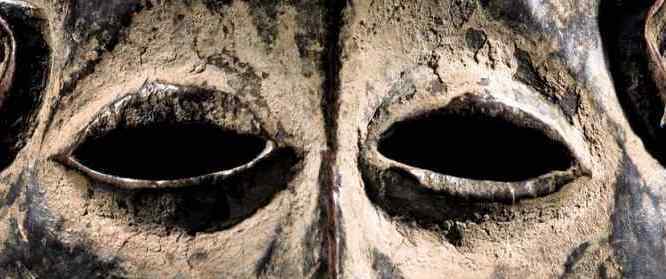
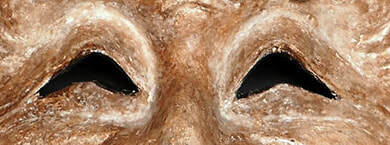
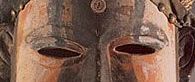
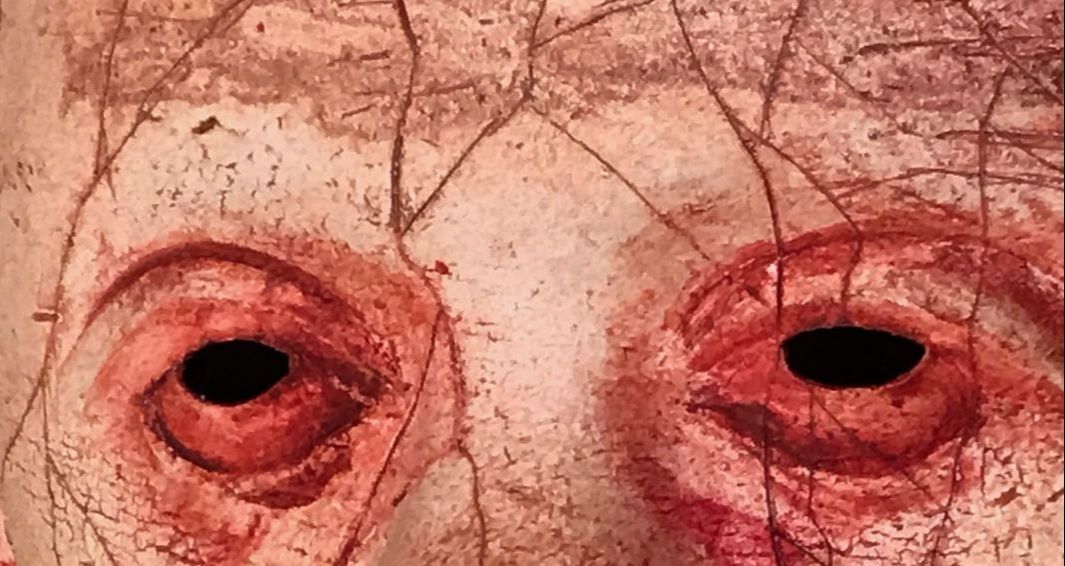
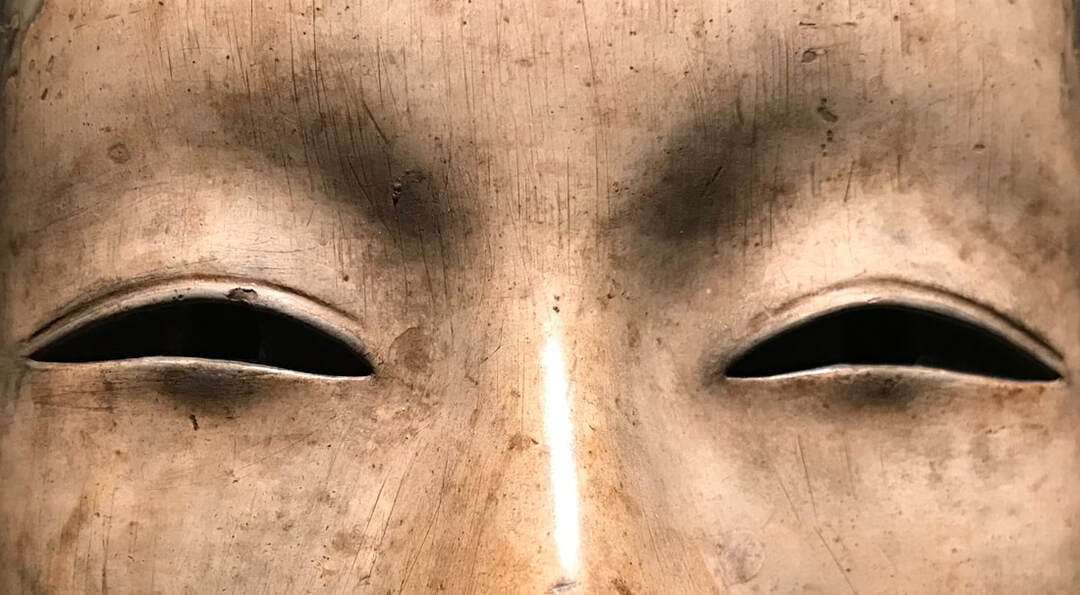
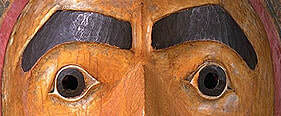
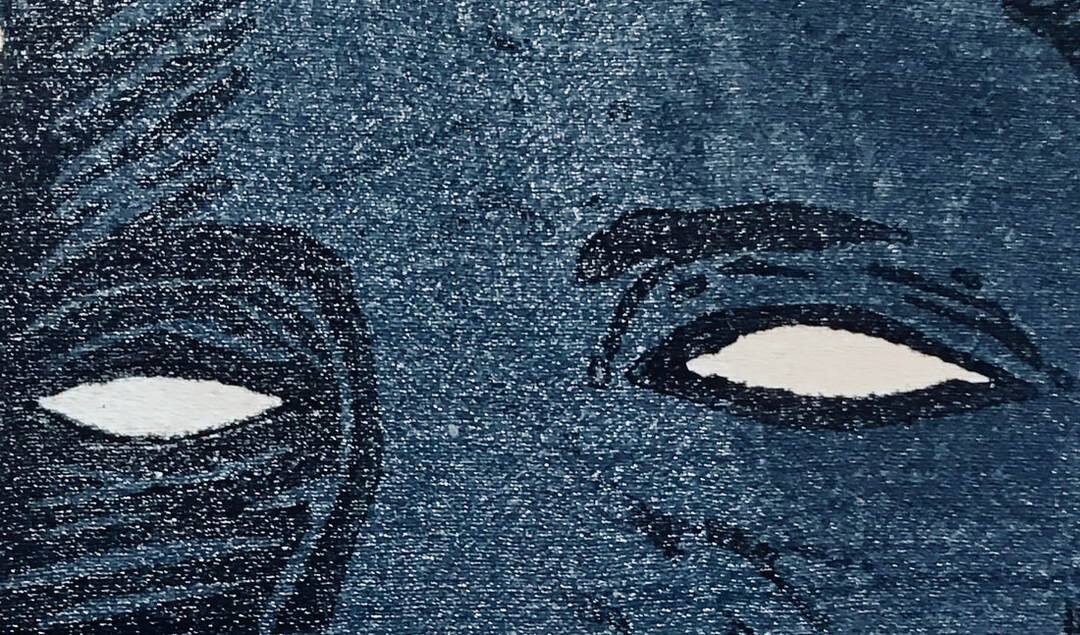
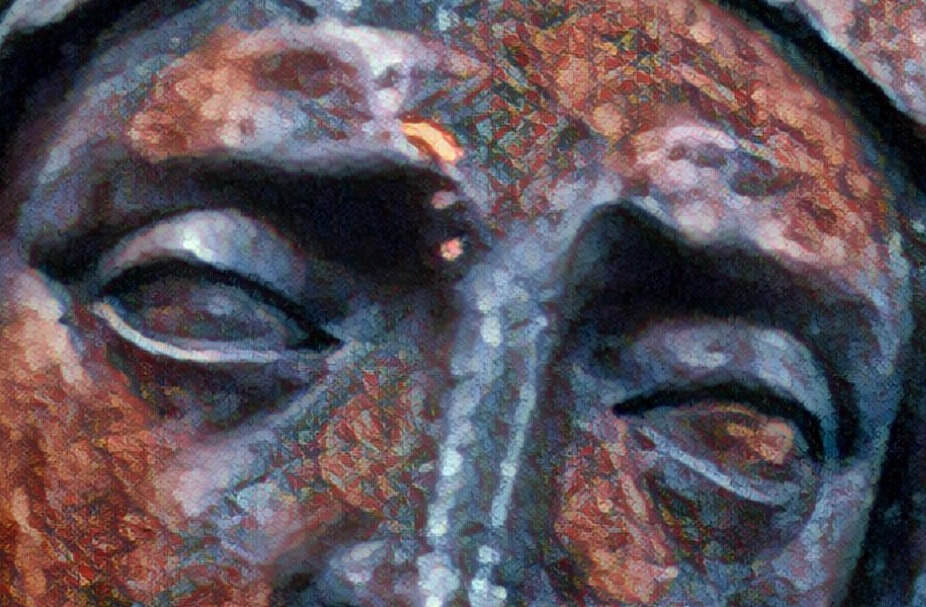
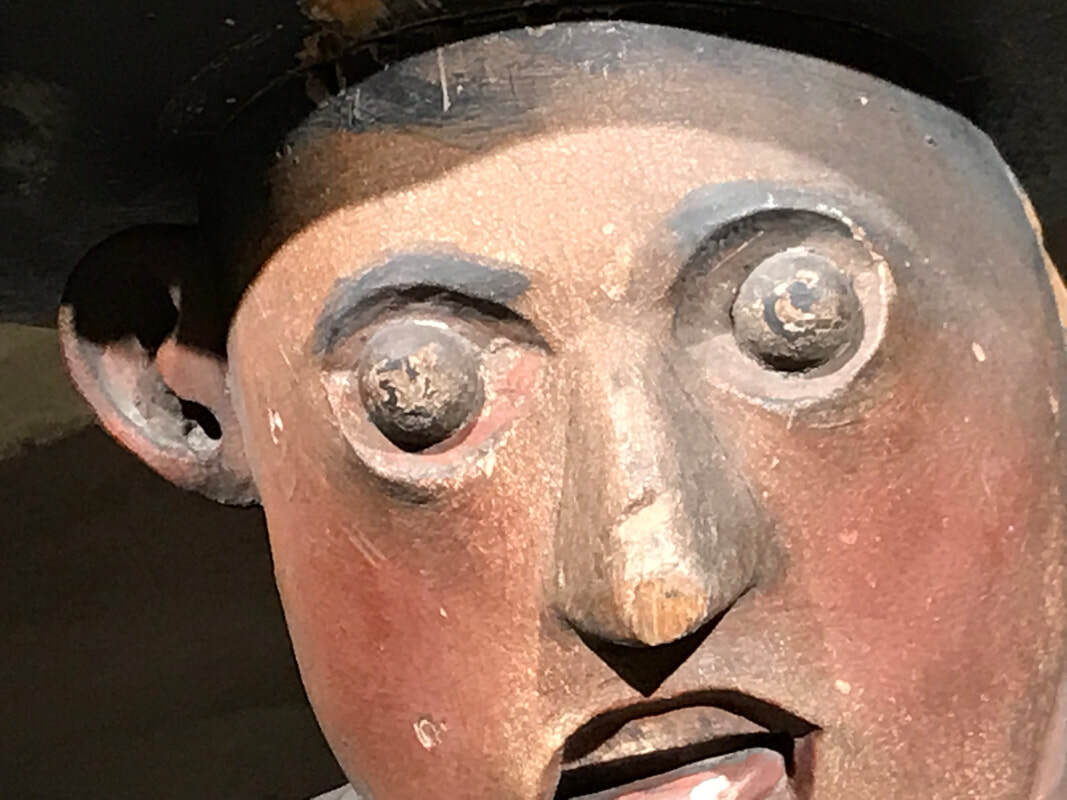
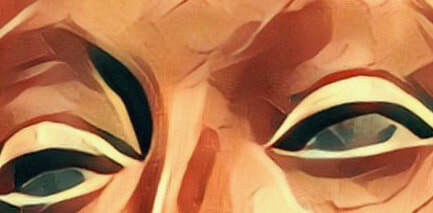
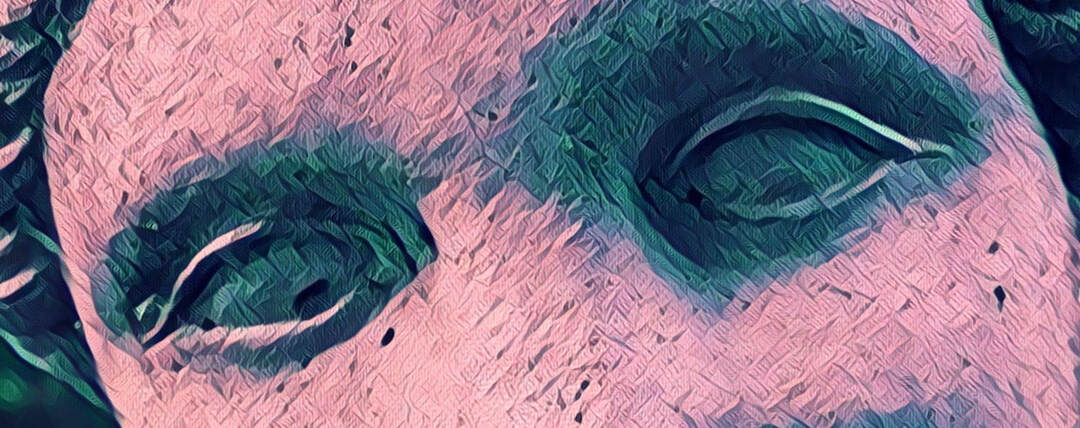
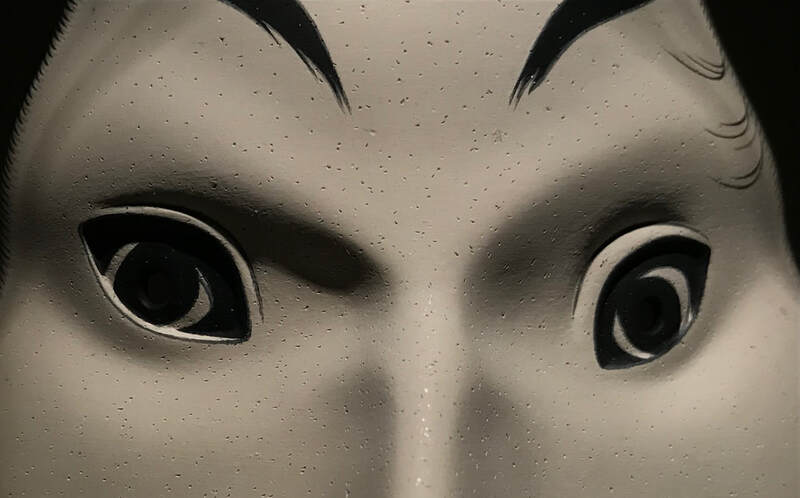
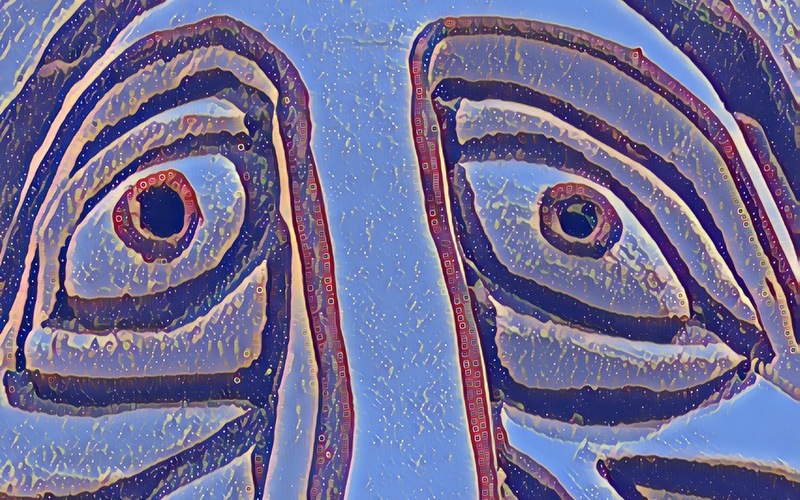
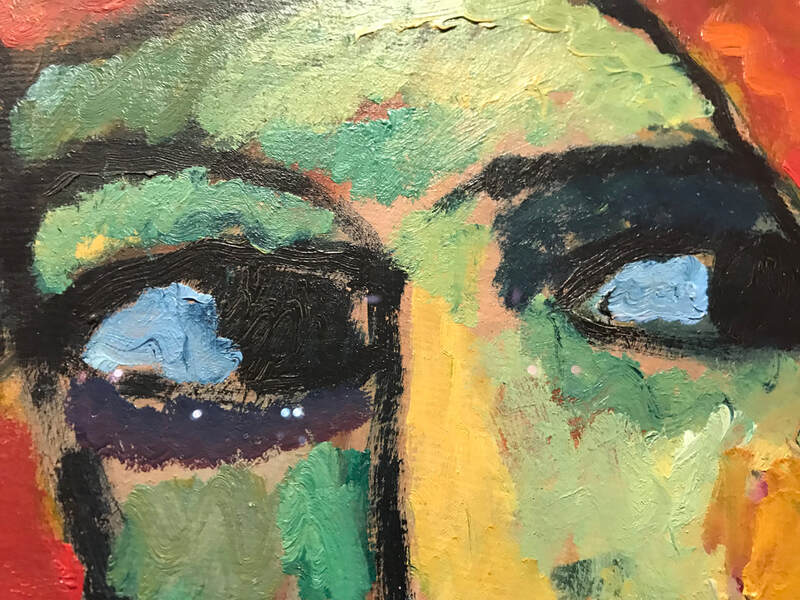
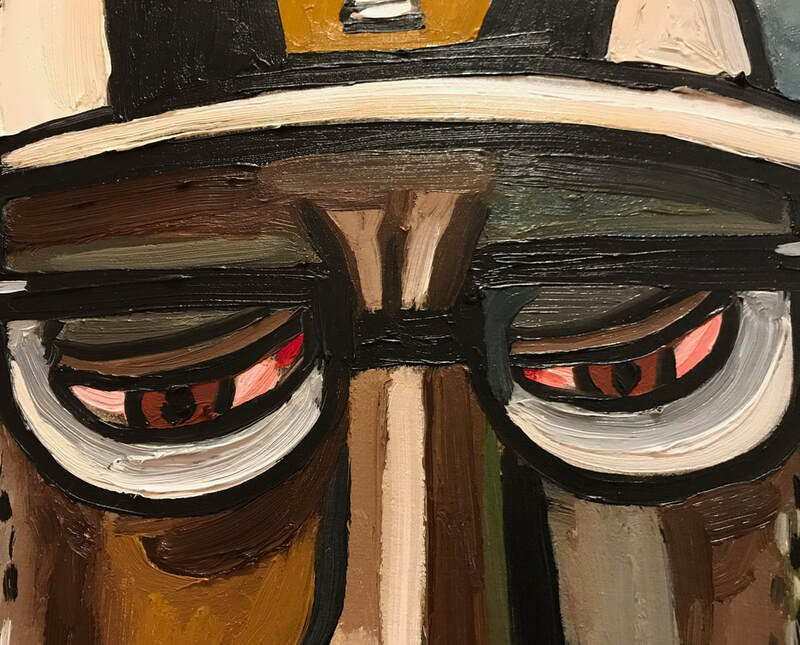
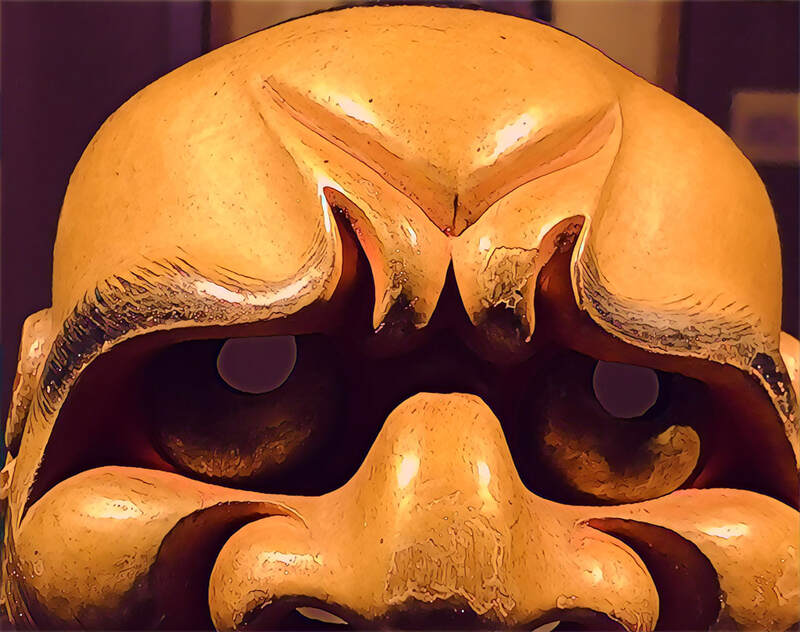
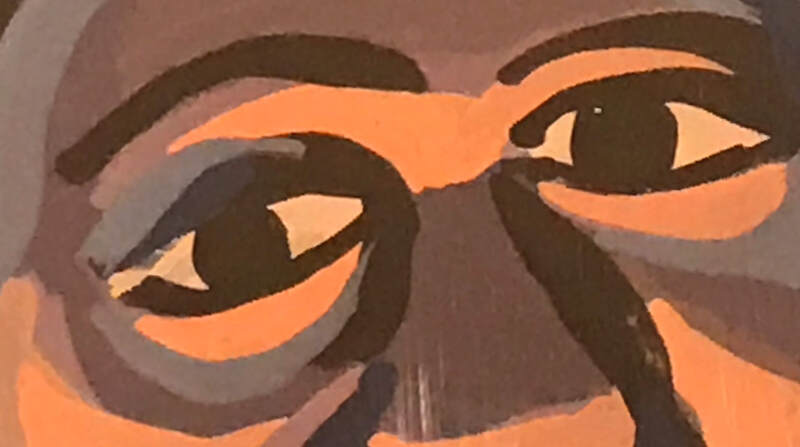
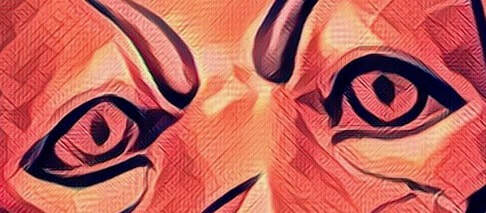
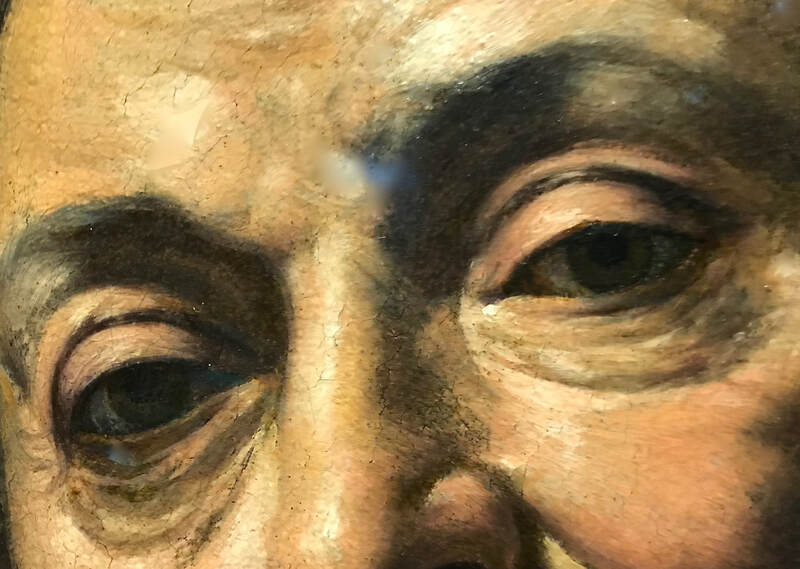
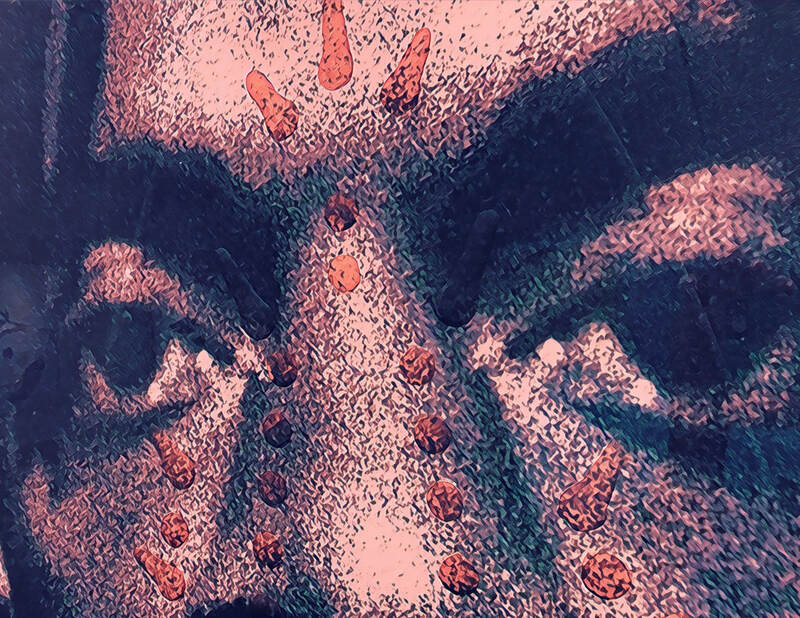
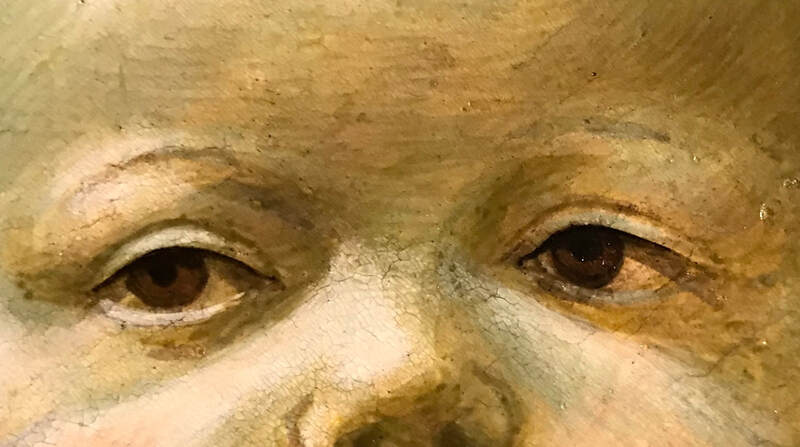
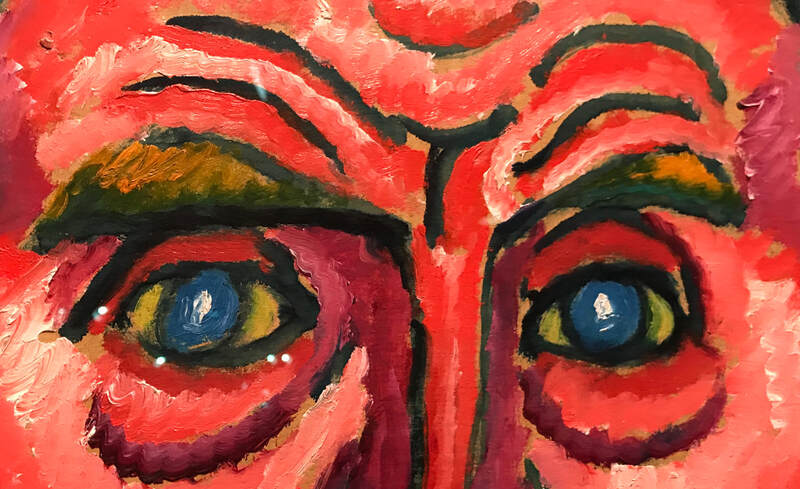
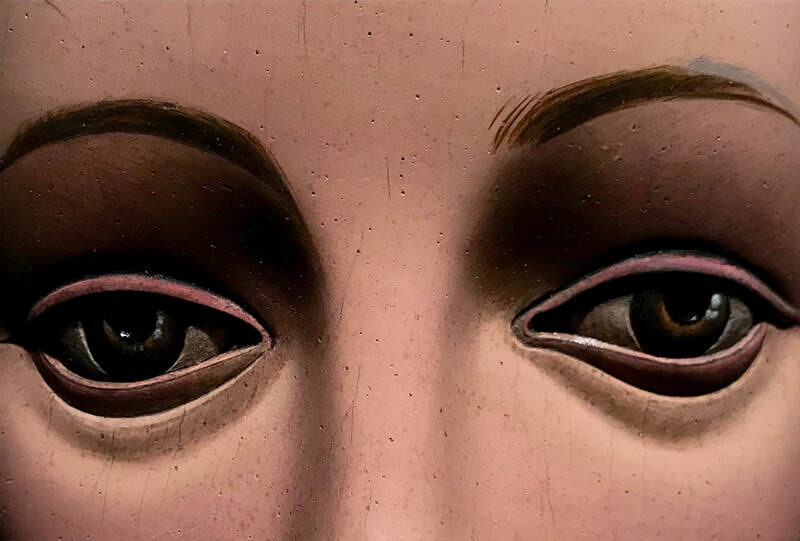
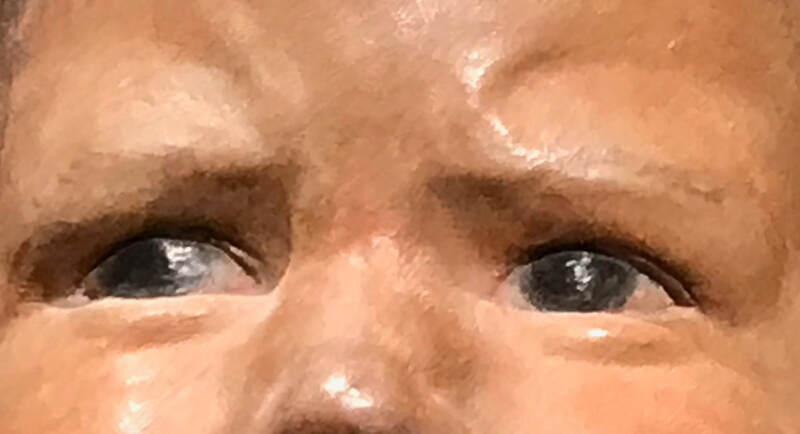
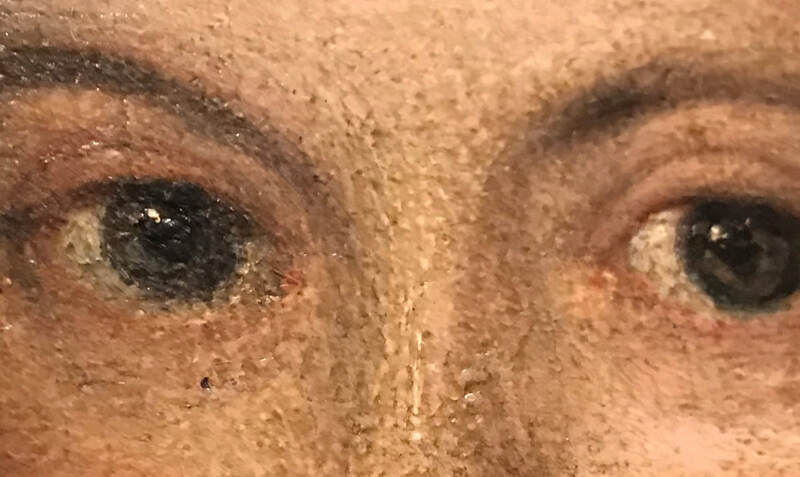
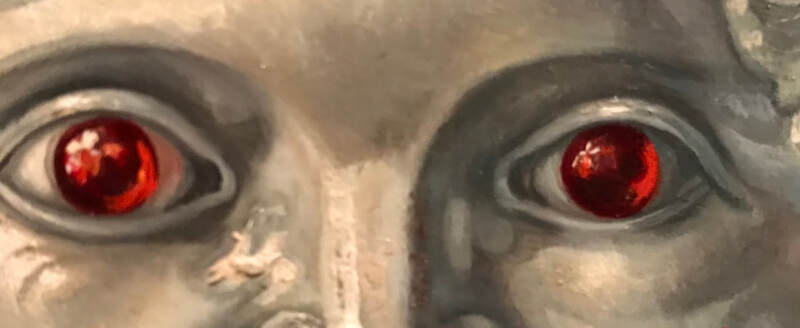
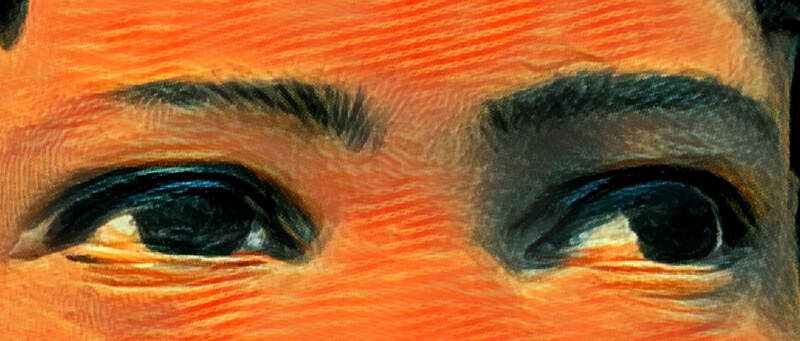
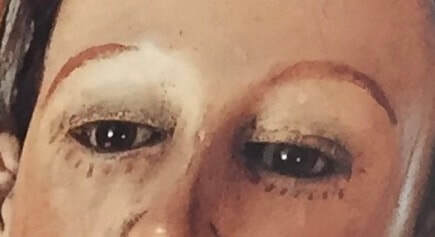
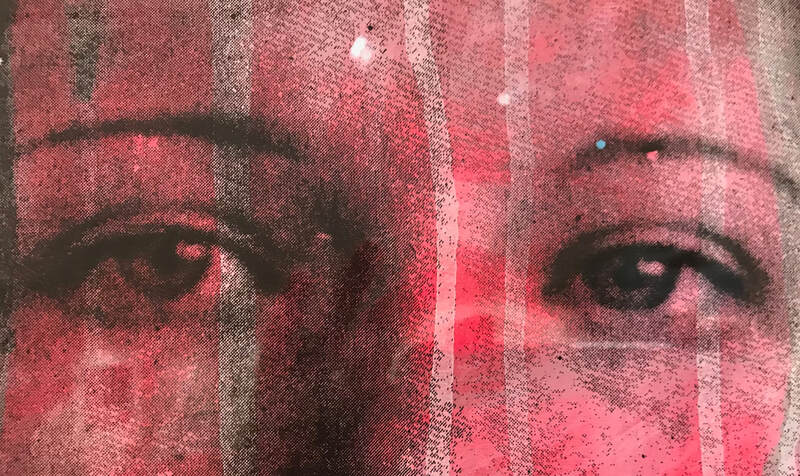
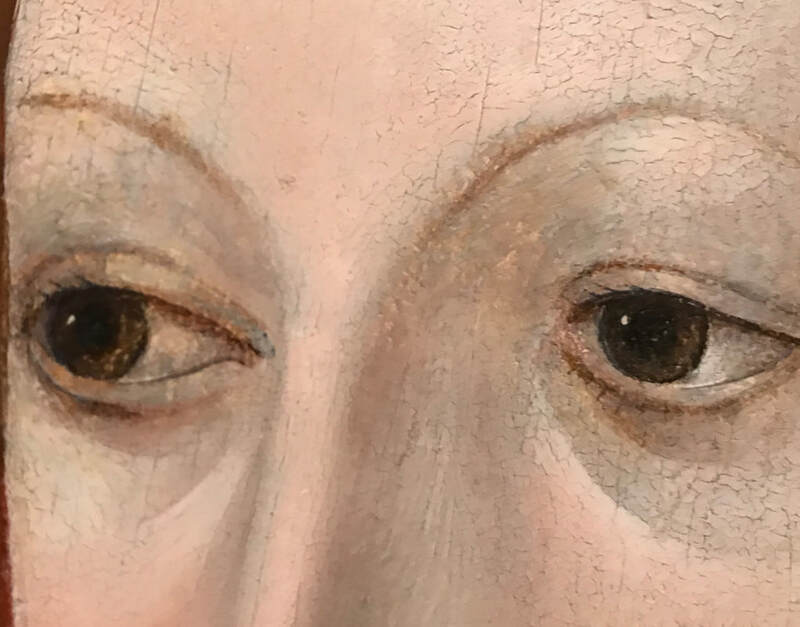
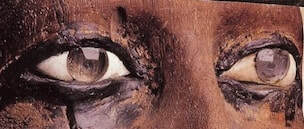
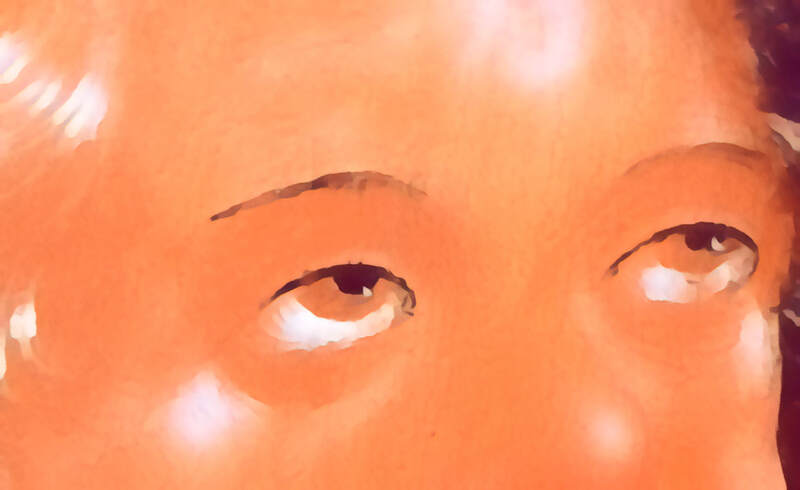
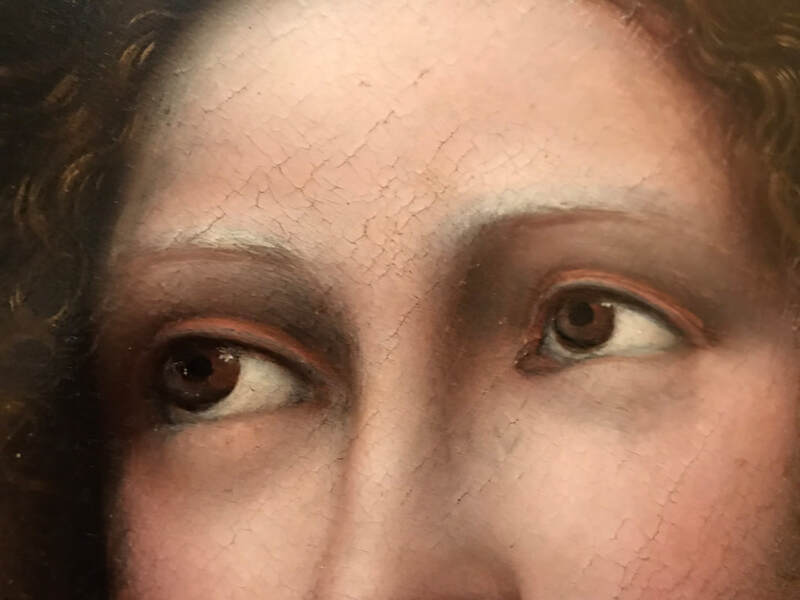
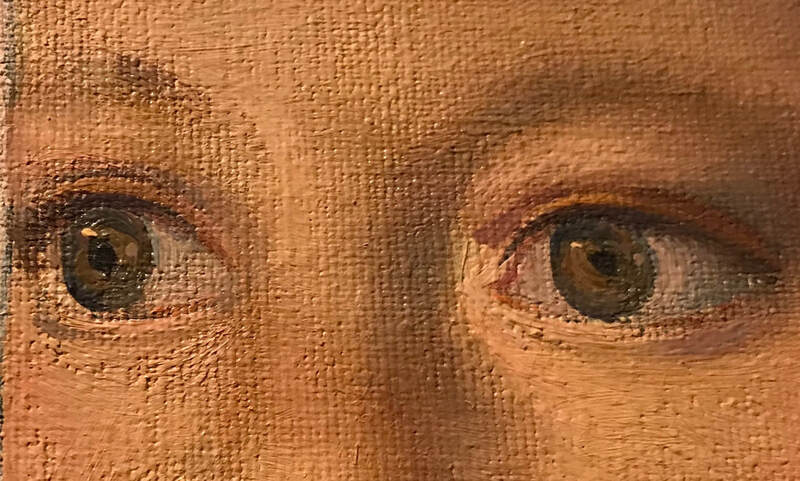
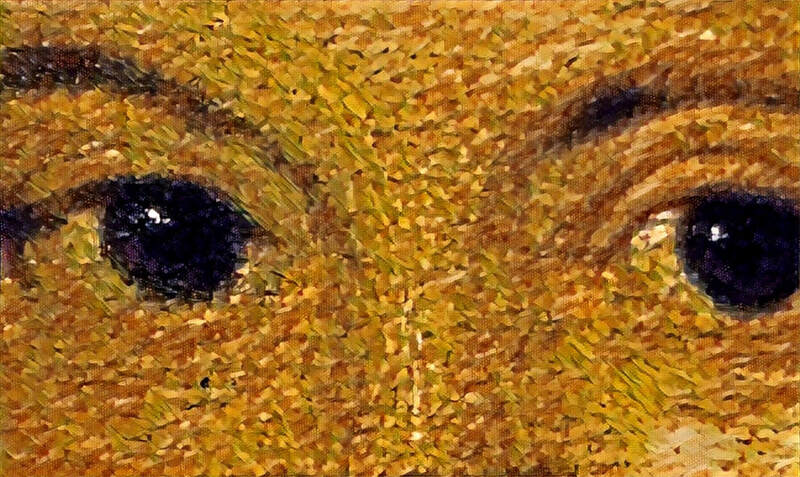
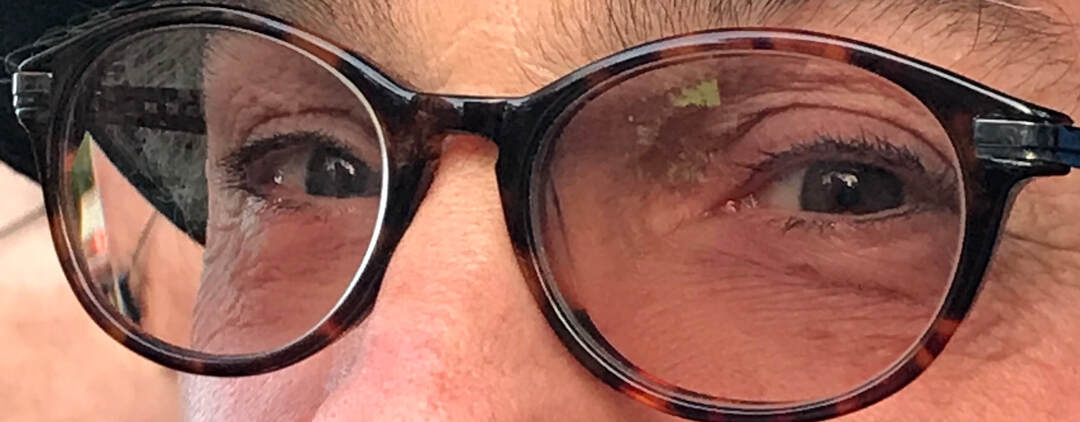
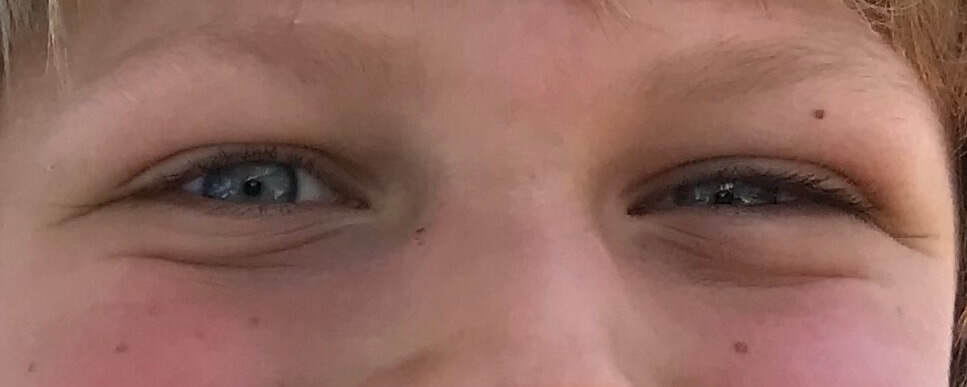
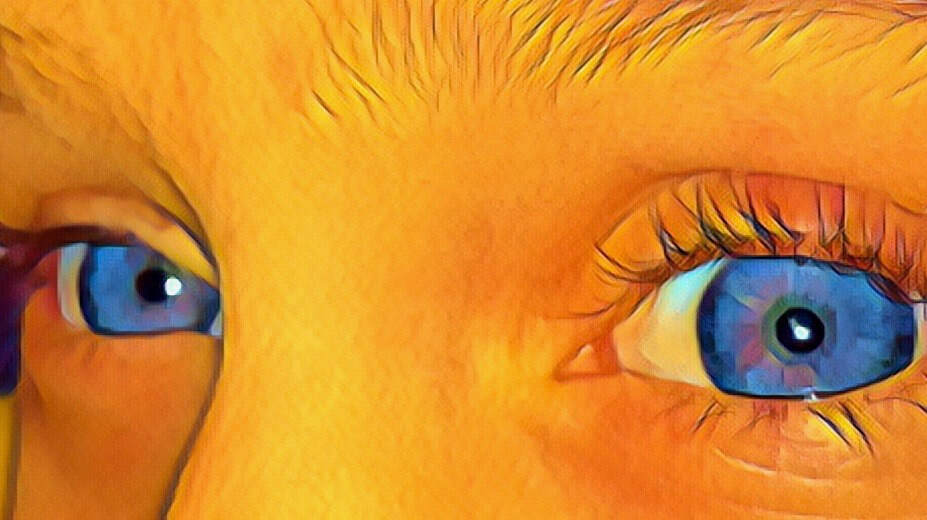
I came to realize that perhaps the most distancing (and sometimes disturbing) aspect of masks is those empty eyes--it's more than the fact that a particular identity is hidden. The blankness is fundamentally disturbing, even though we may be able to feel the character or emotion inscribed by a good mask maker, and even though the blank eyes allow us to project something archetypal.
Here are a few examples of empty eyes (remember to click on the images for a fuller view):

- Published on

View of an effigy mound (ca. 1000 C.E.) in Forest Hill cemetery, Madison, Wisconsin, surrounded by graves from the early 20th century.
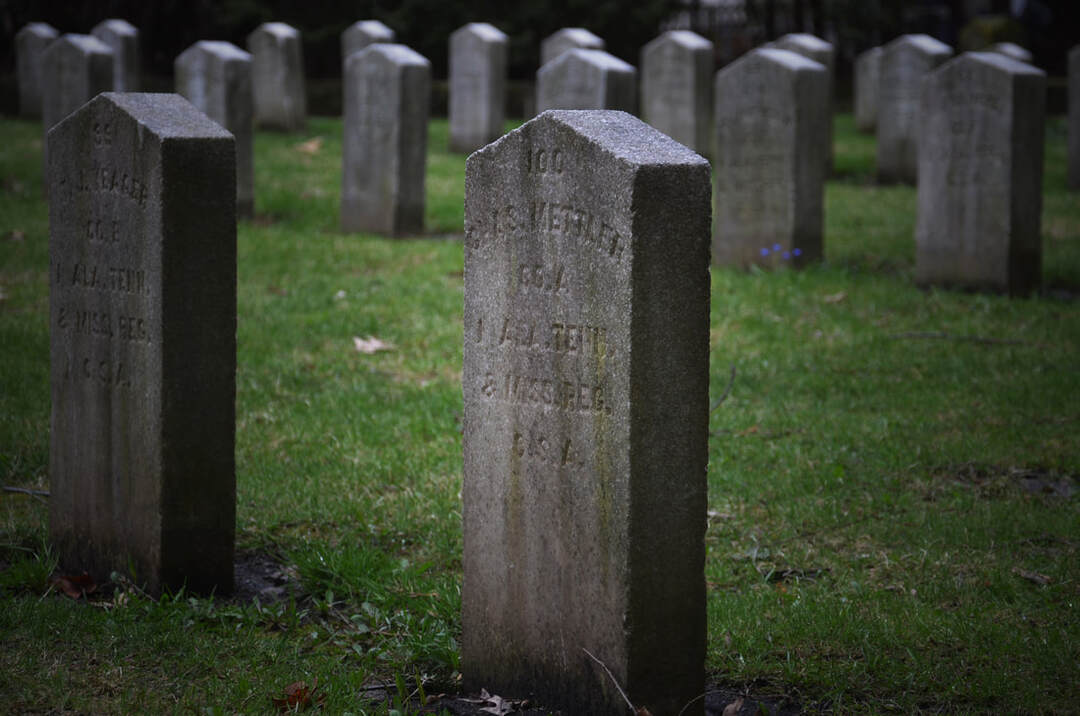
Civil War stones in Forest HIll cemetery.
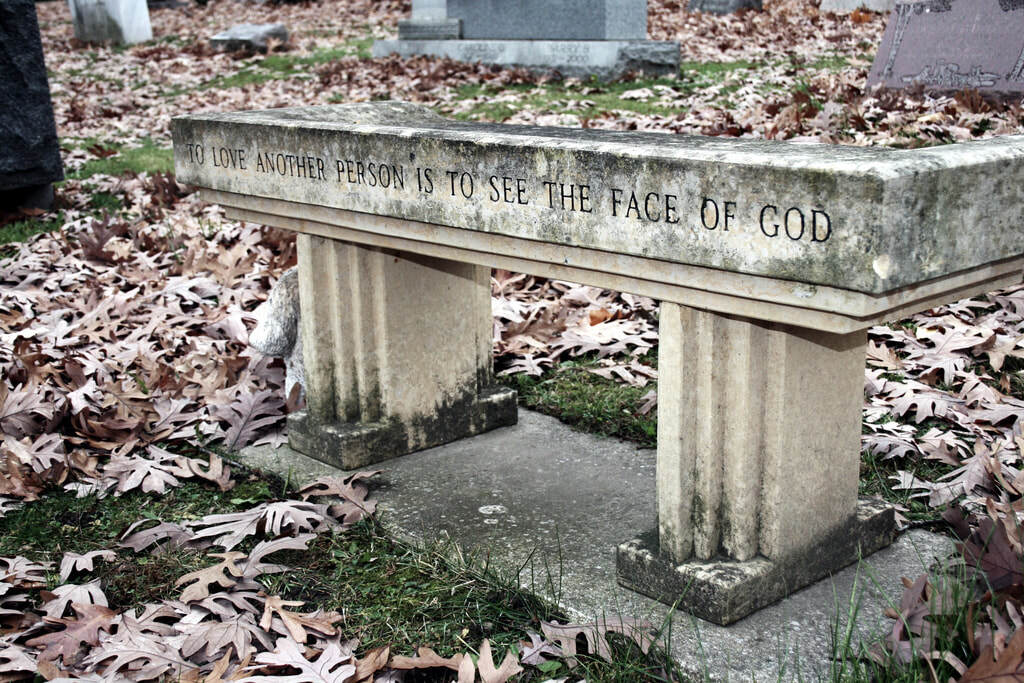
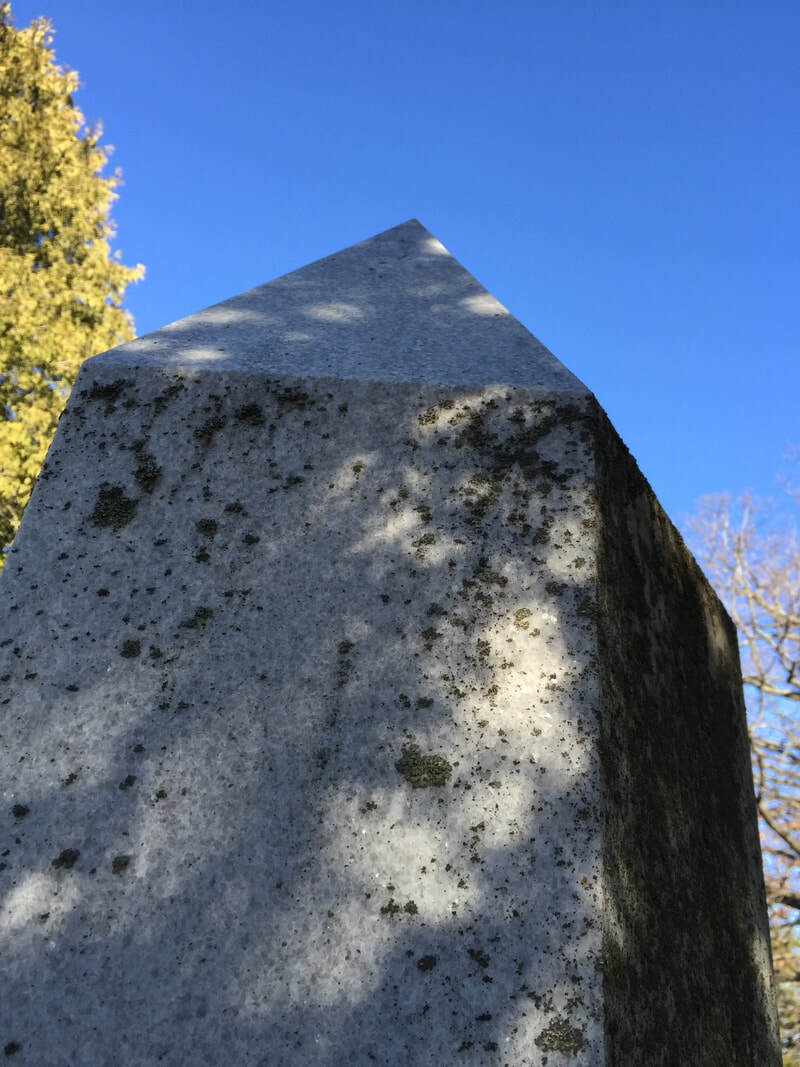
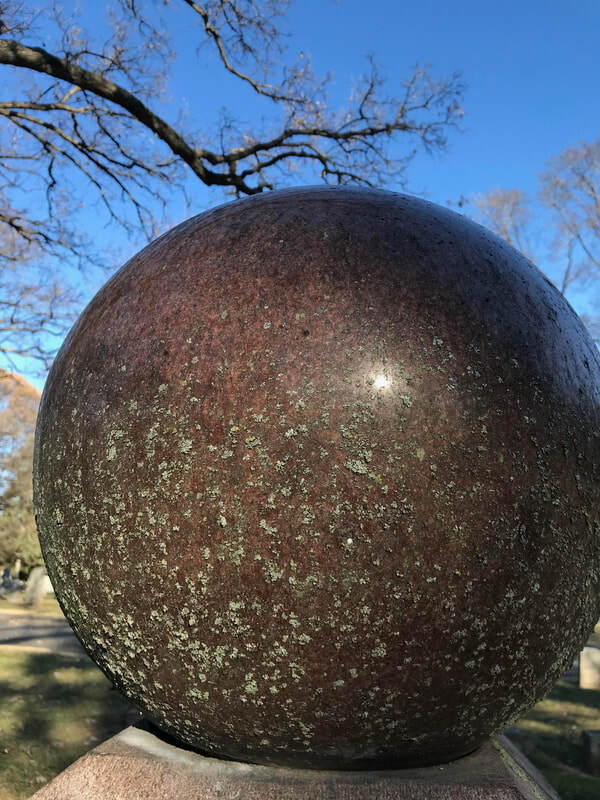
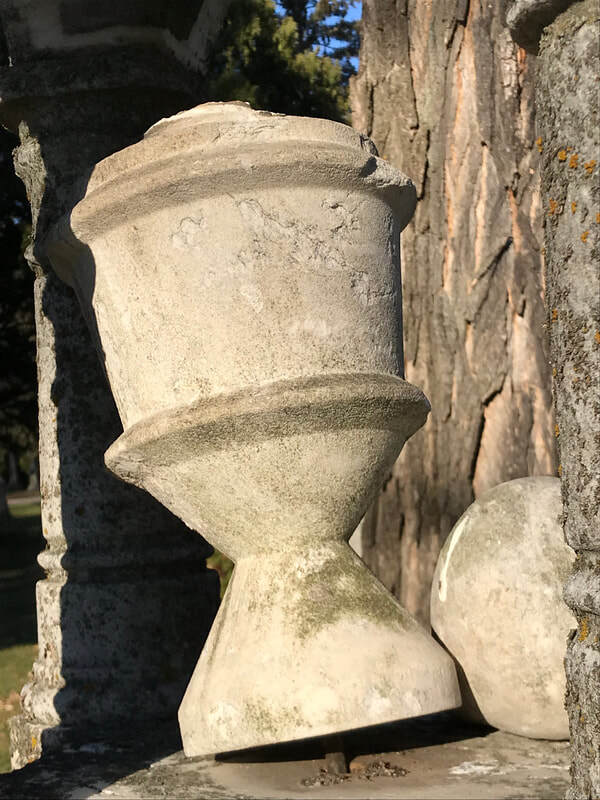
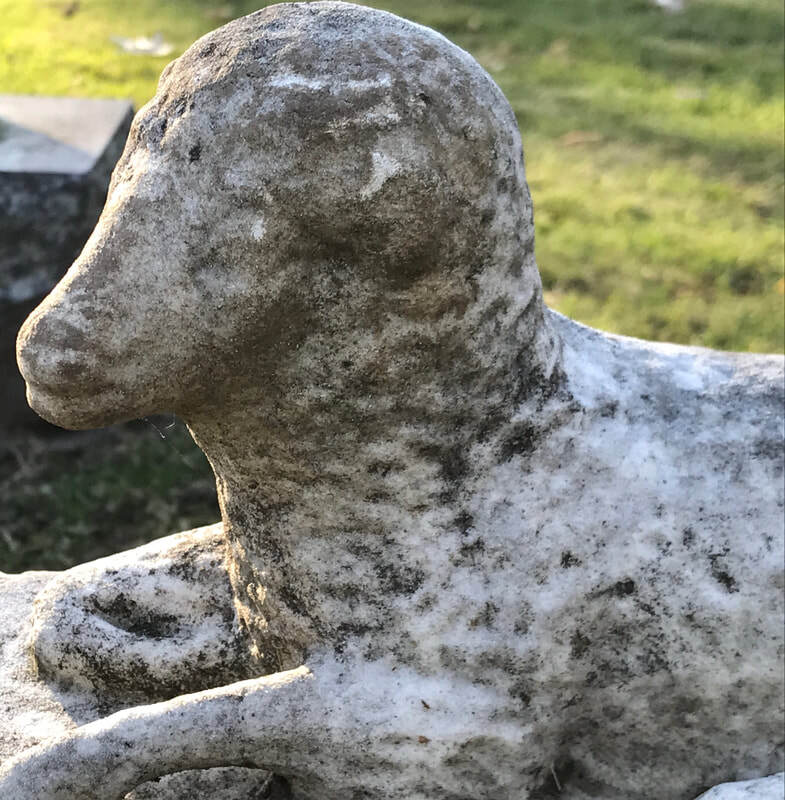
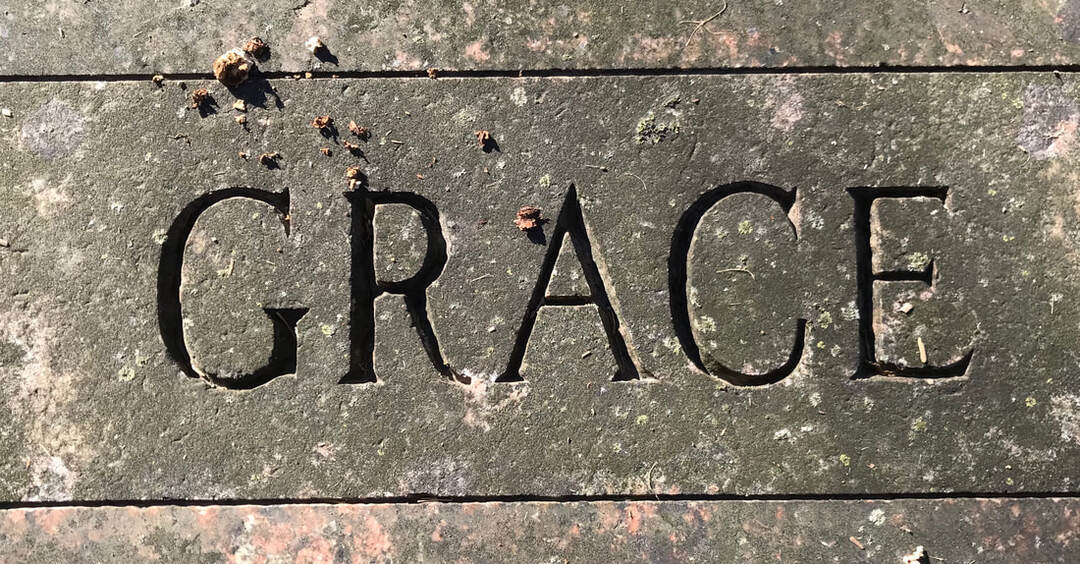
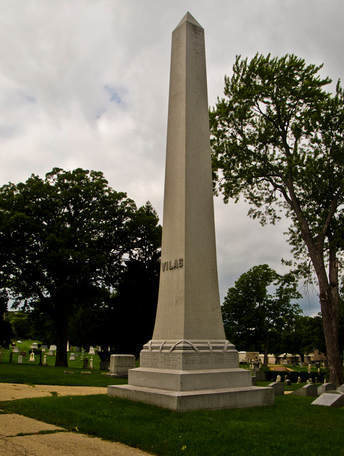
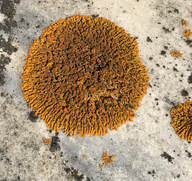
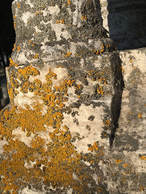
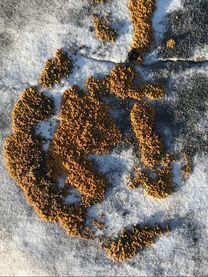
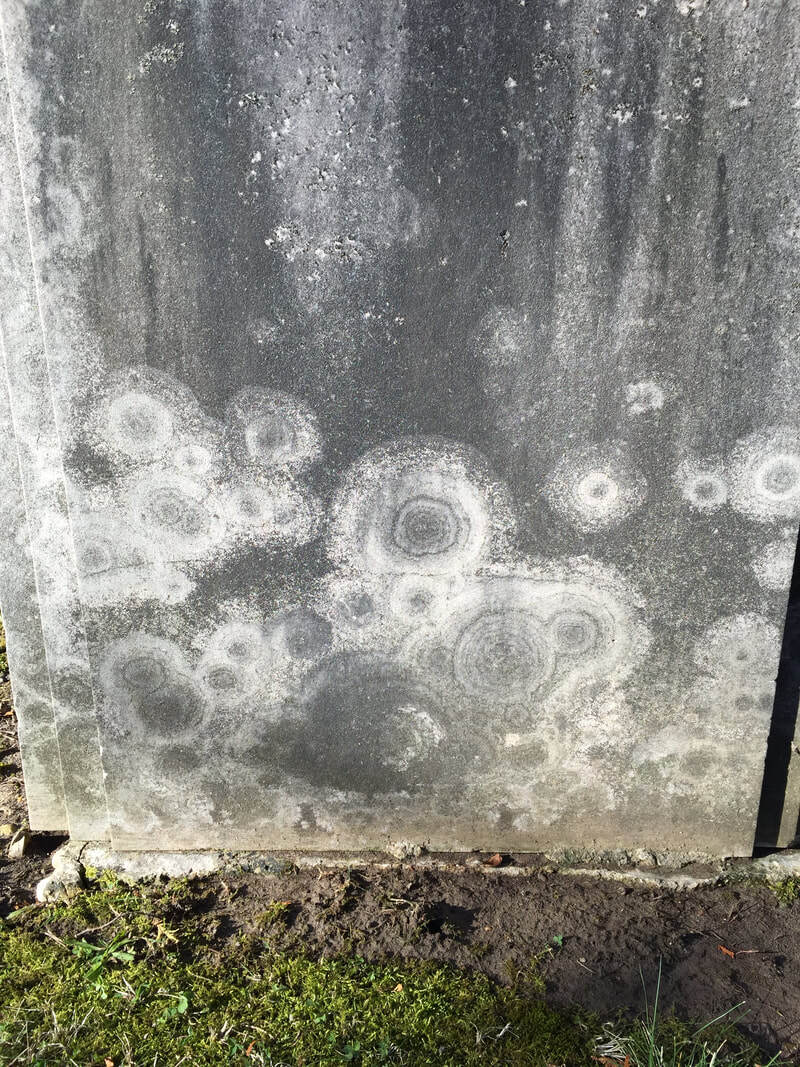
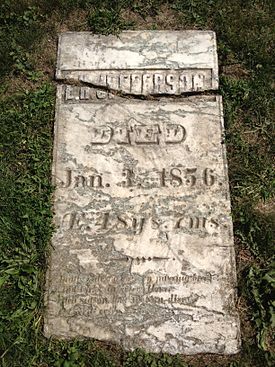
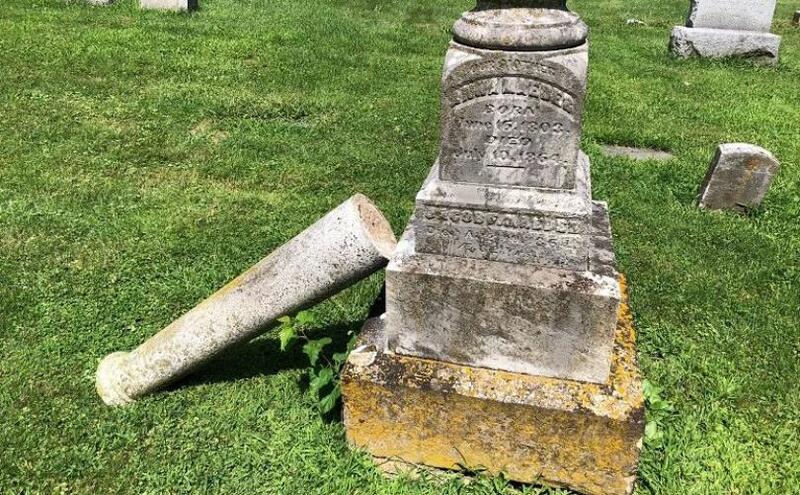
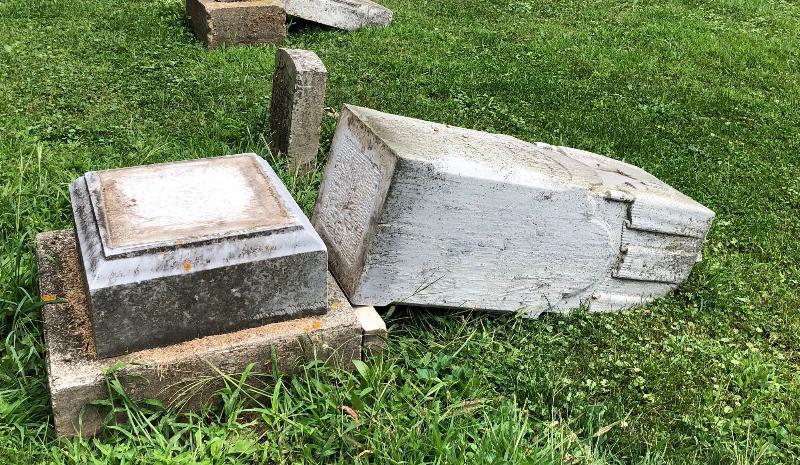

For those unfamiliar with the custom, it is a simple concept. When a visitor comes to a gravesite, he or she leaves a small stone to essentially say, "I was here, and I remember you." The stones are typically pebble-size, but this does vary, and as my images show, sometimes other materials supplement or replace the stones now--pretty pieces of glass, shells, even beads. They accumulate over time, and clearly, if one encounters a memorial marker covered with a large collection of small stones, it indicates how much the deceased was loved and appreciated. One description I read of walking in the military cemetery of Jerusalem, mentions "heaps of stones, like small fortresses" on the graves of fallen soldiers.
Stones may not be eternal, but they last longer than flowers, and do not fade. They give a sense of solidity and allude to the permanence of memory. The origin of leaving these stones is not completely clear, although there are many stories. One I like --although it may well be apocryphal-- is that flowers were originally left at graves to cover up the smell of a decaying body, but because Jews were traditionally buried within 24 hours, the flowers were not needed. Stones were, again, a longer lasting offering. A related idea is that living people like the smell of flowers, but the deceased are beyond that--they are one with God and no longer need such temporary pleasures. There are also stories about stones helping to keep the soul of the deceased from wandering, about laying down arms in death (symbolized by laying down the rocks), and shepherds tracking their sheep by representing each with a pebble. One particularly poetic explanation is that a headstone symbolizes the soul of the deceased (remember, there were not always headstones--just piles of stones that might keep a wild animal away from a recently buried body), and when a visitor leaves a stone, it symbolizes their own soul and the way all is "tethered together in mitzvah [good deed, blessing] and metaphor."
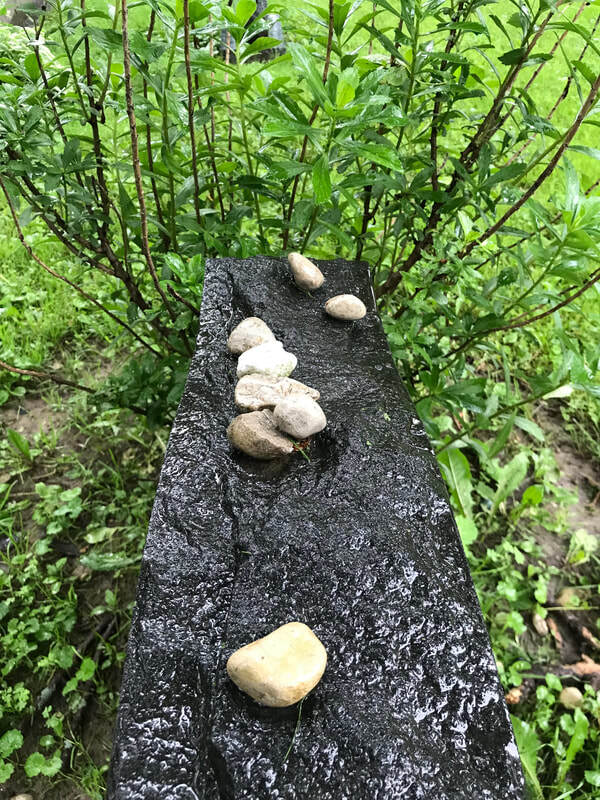
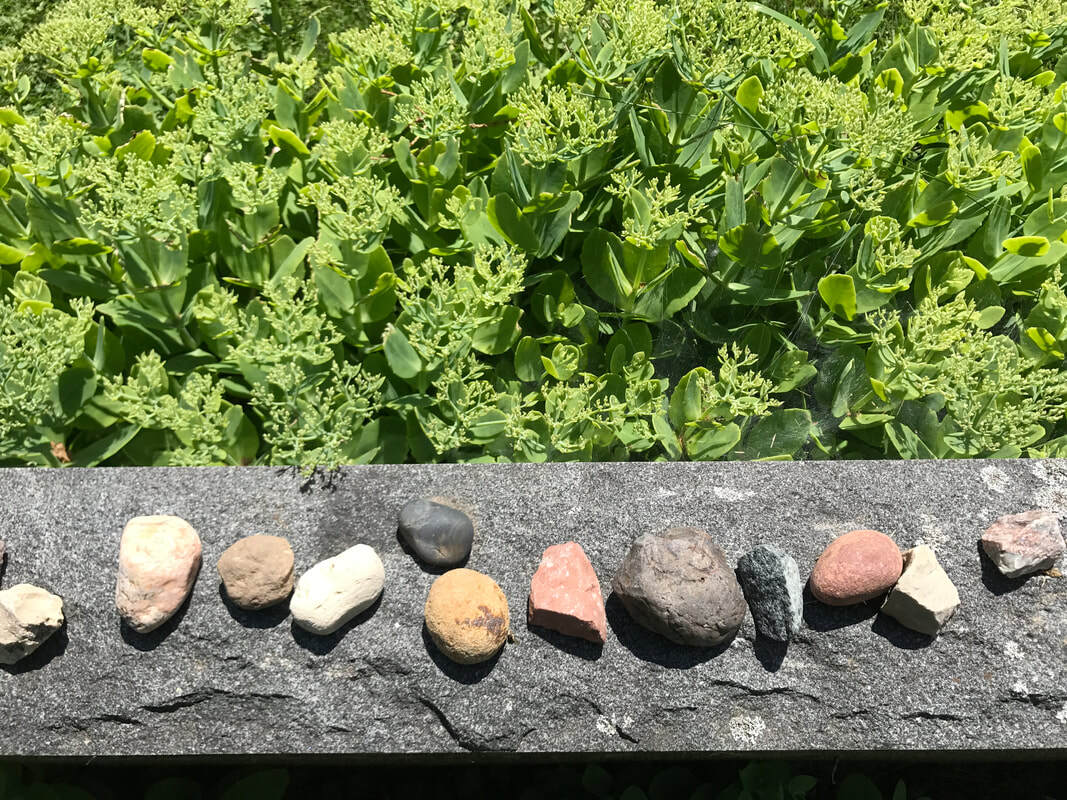
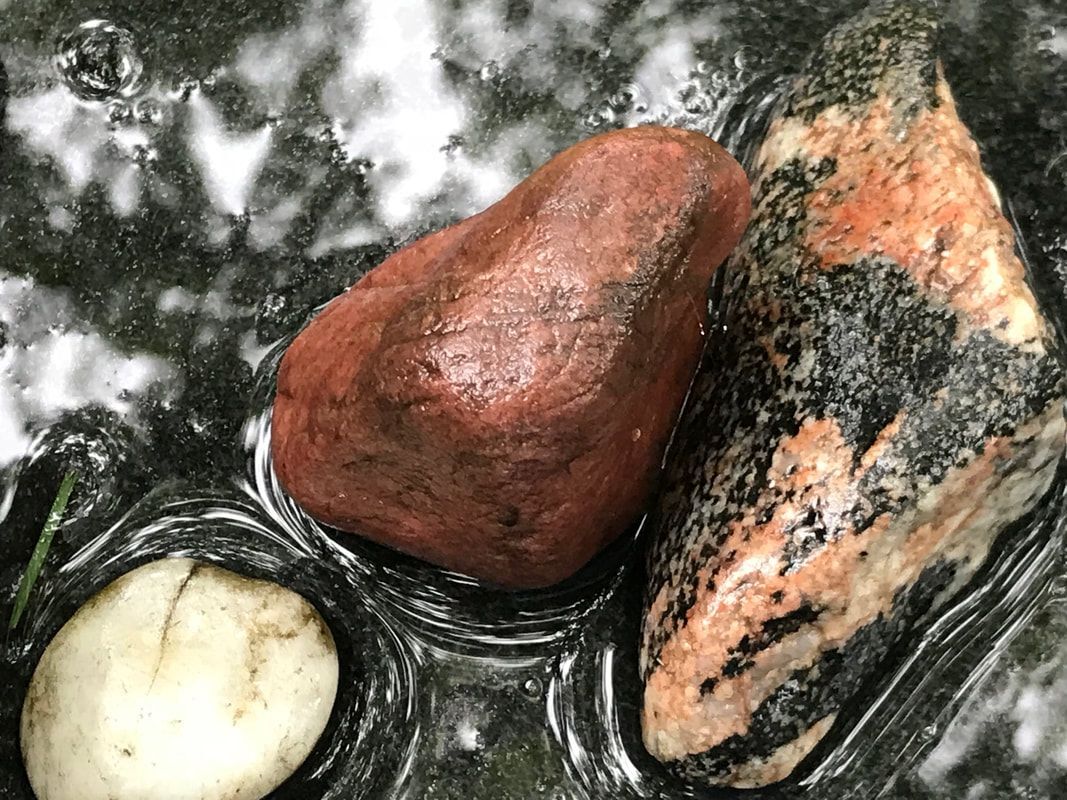
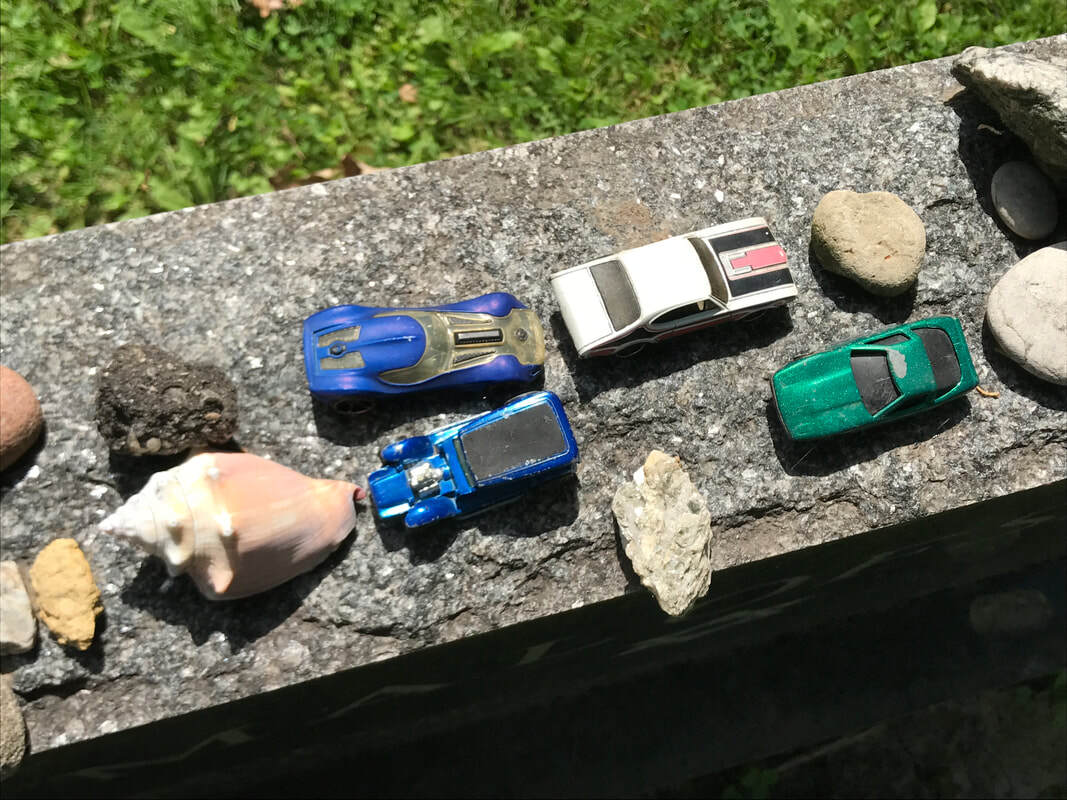
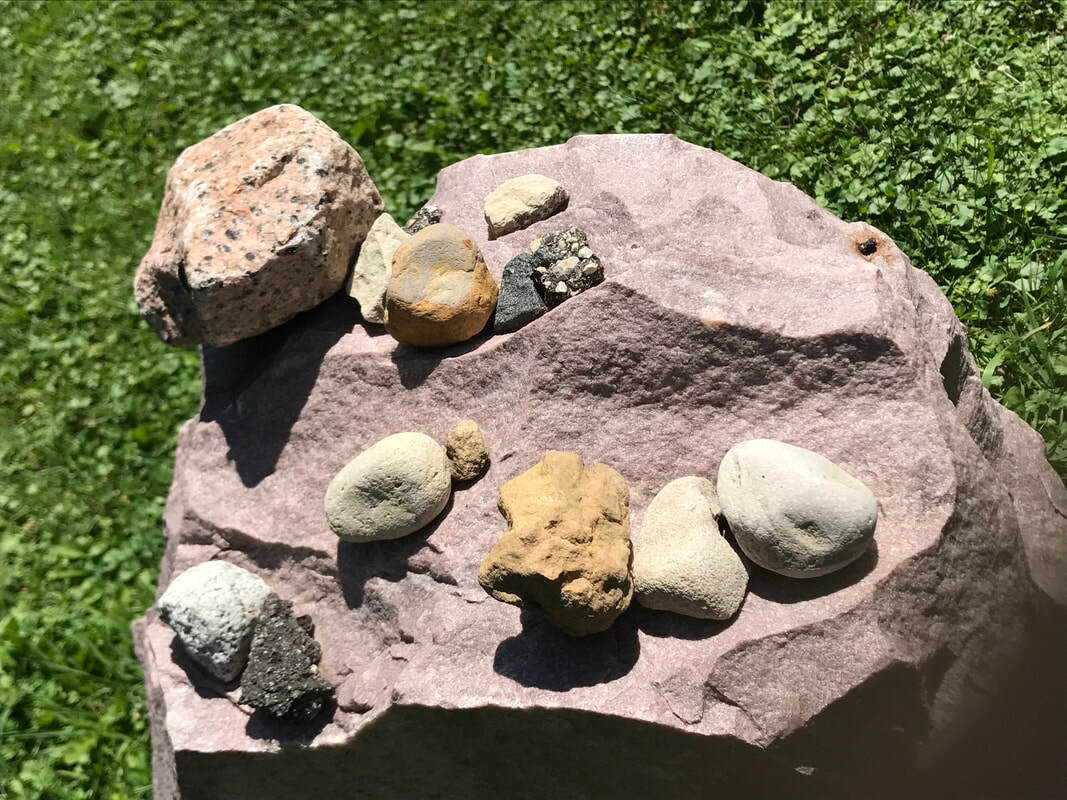
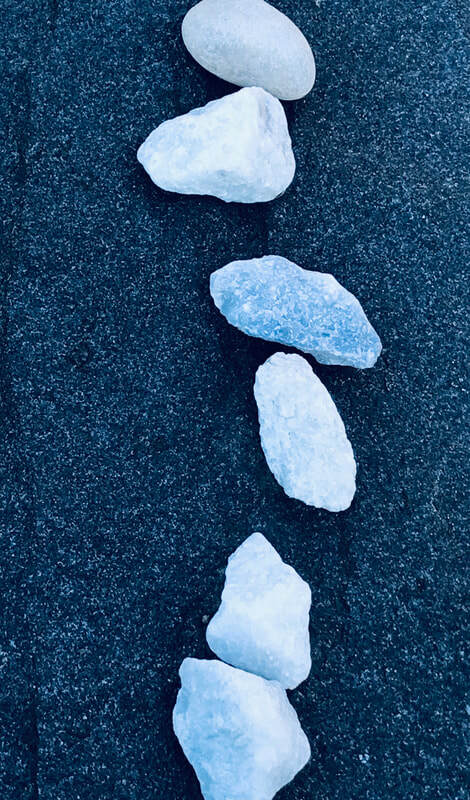
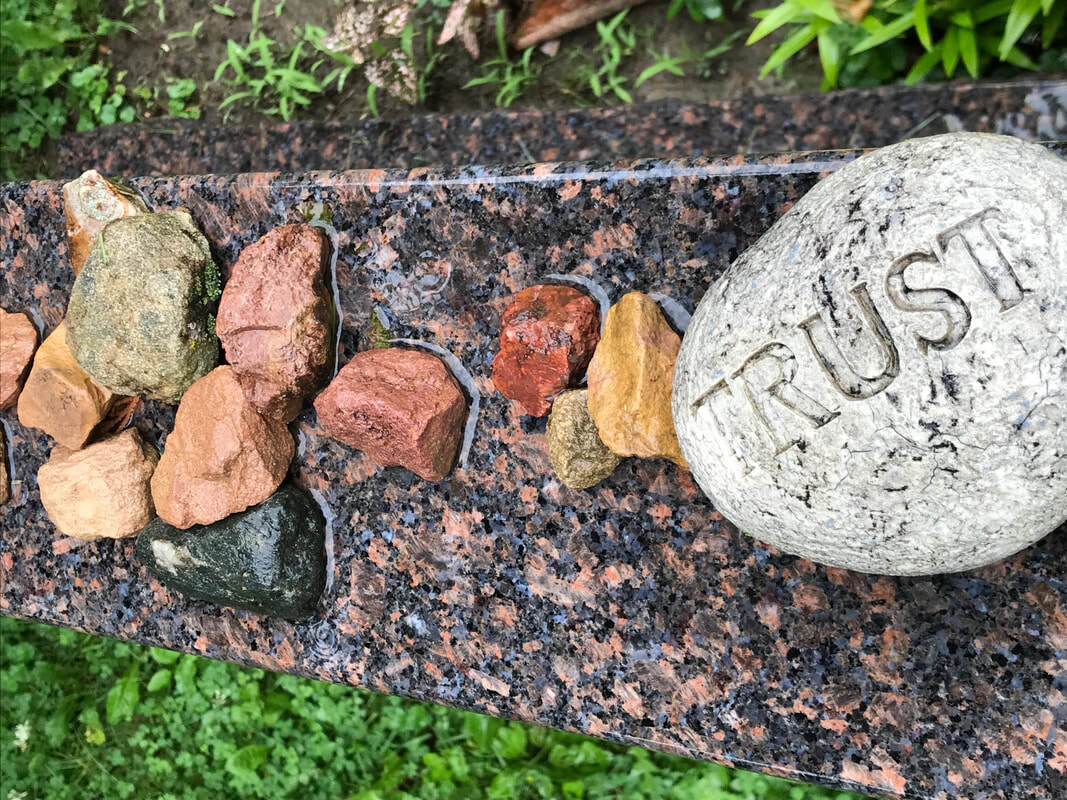
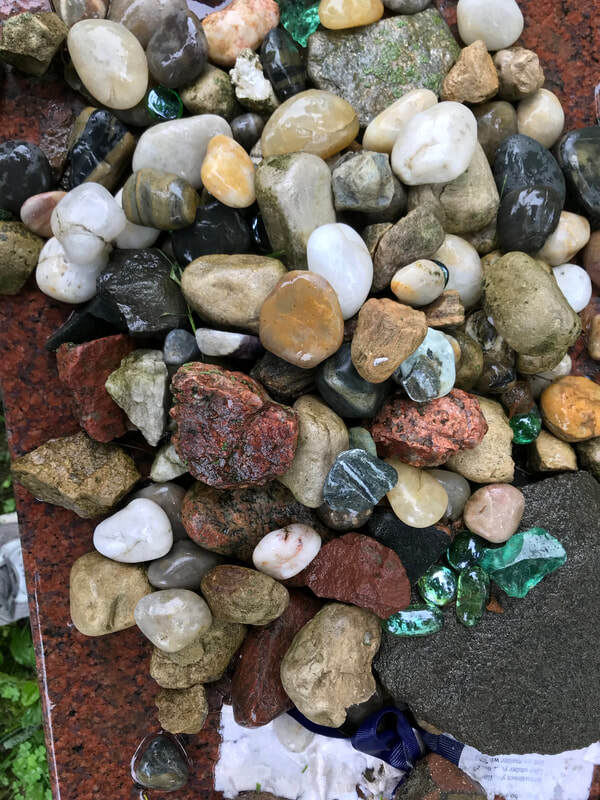
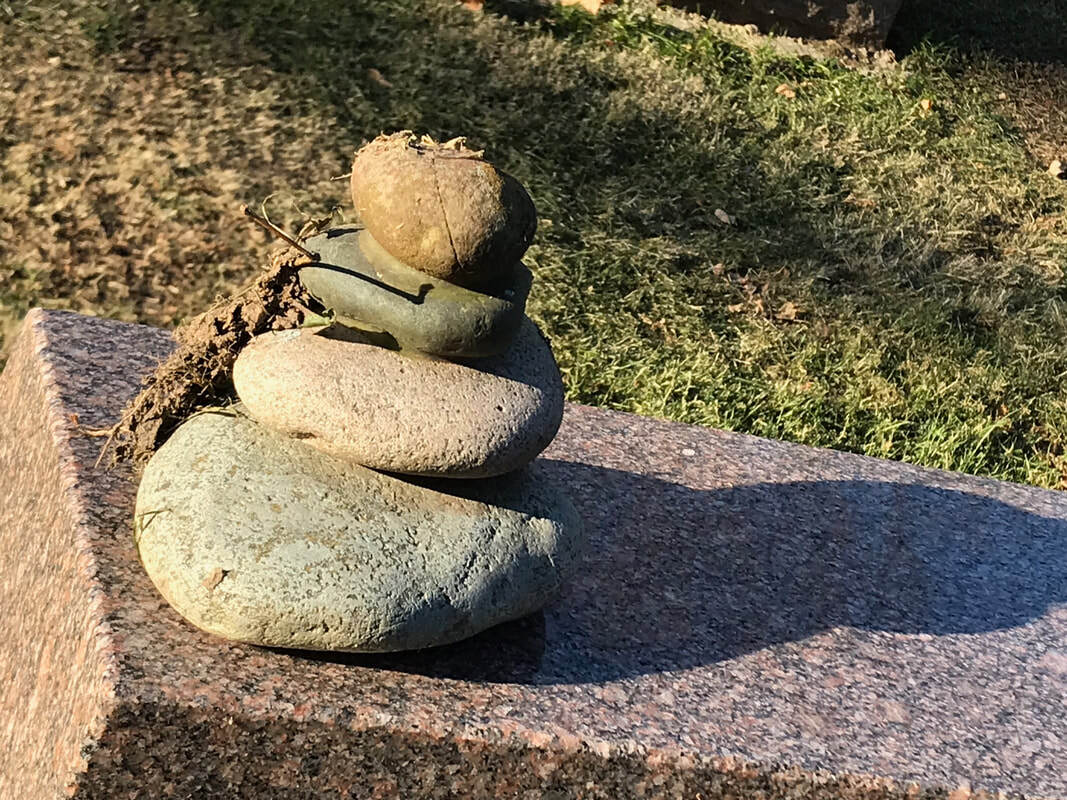
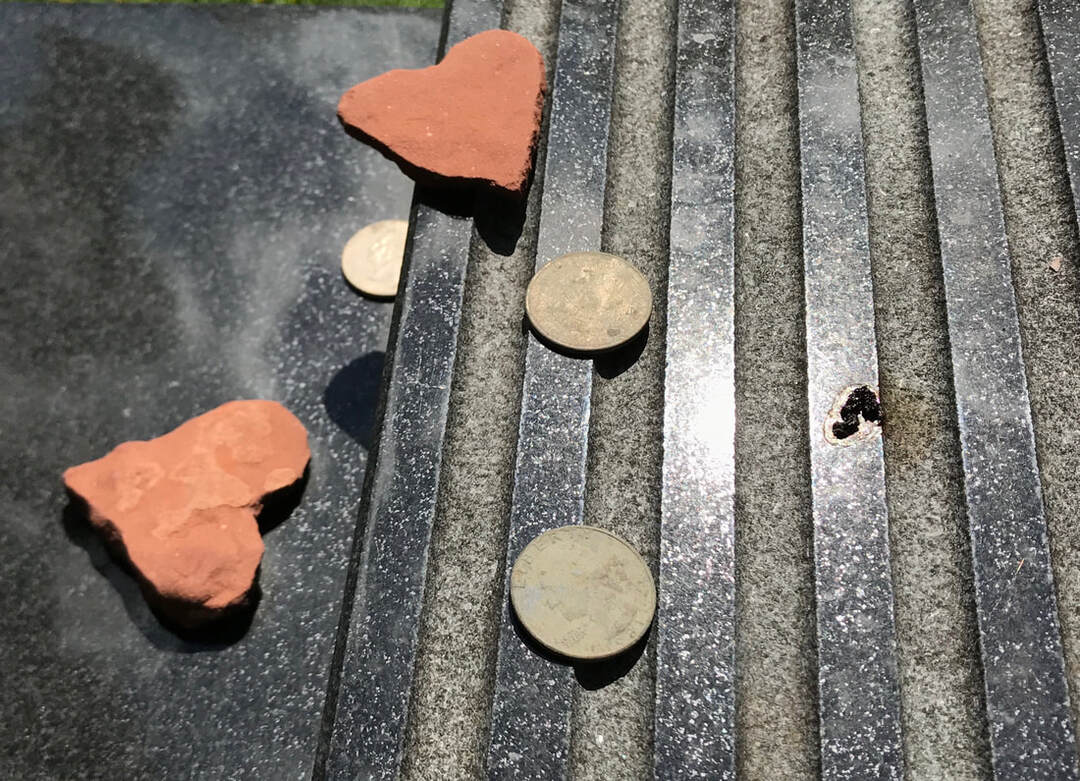
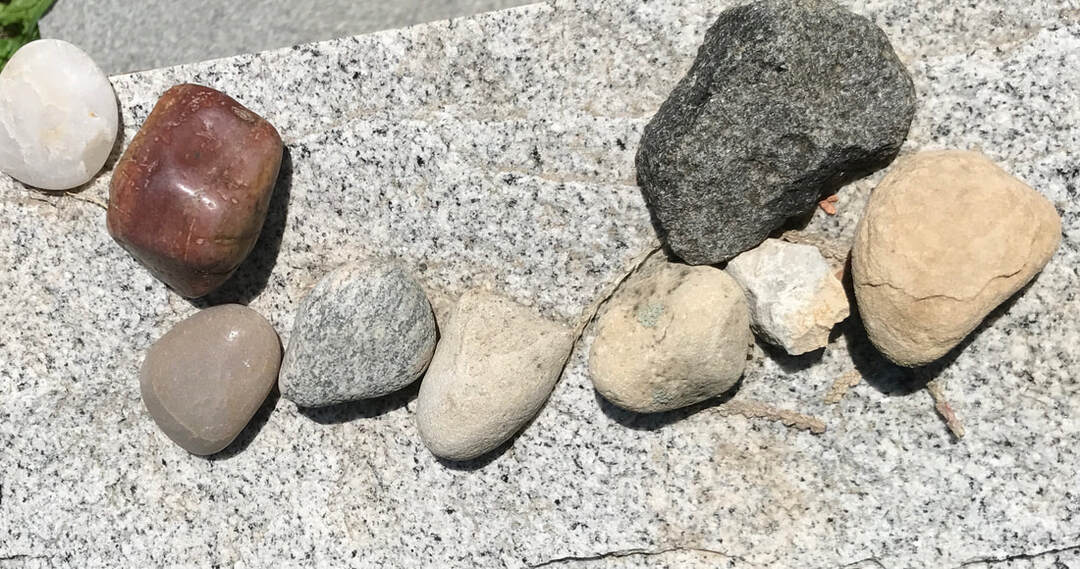
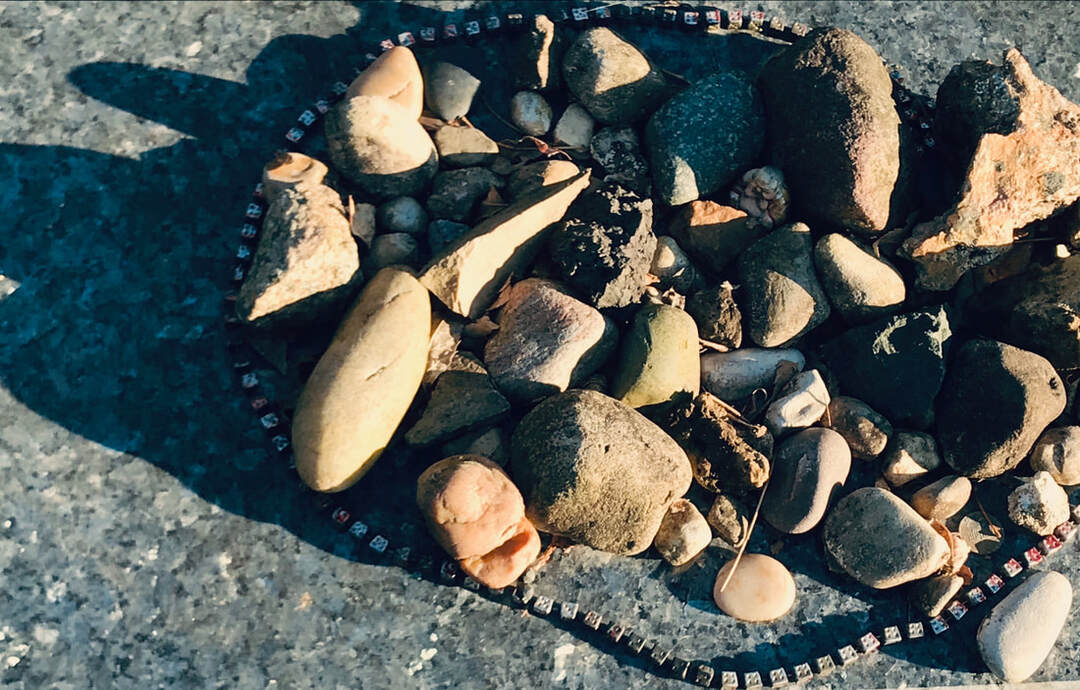
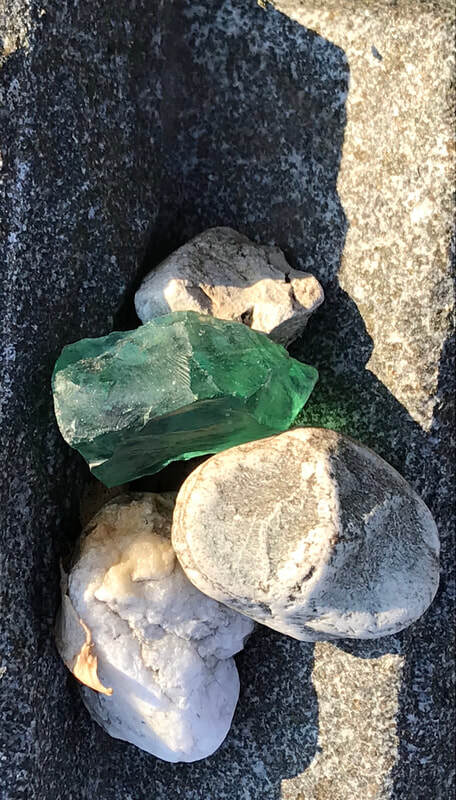
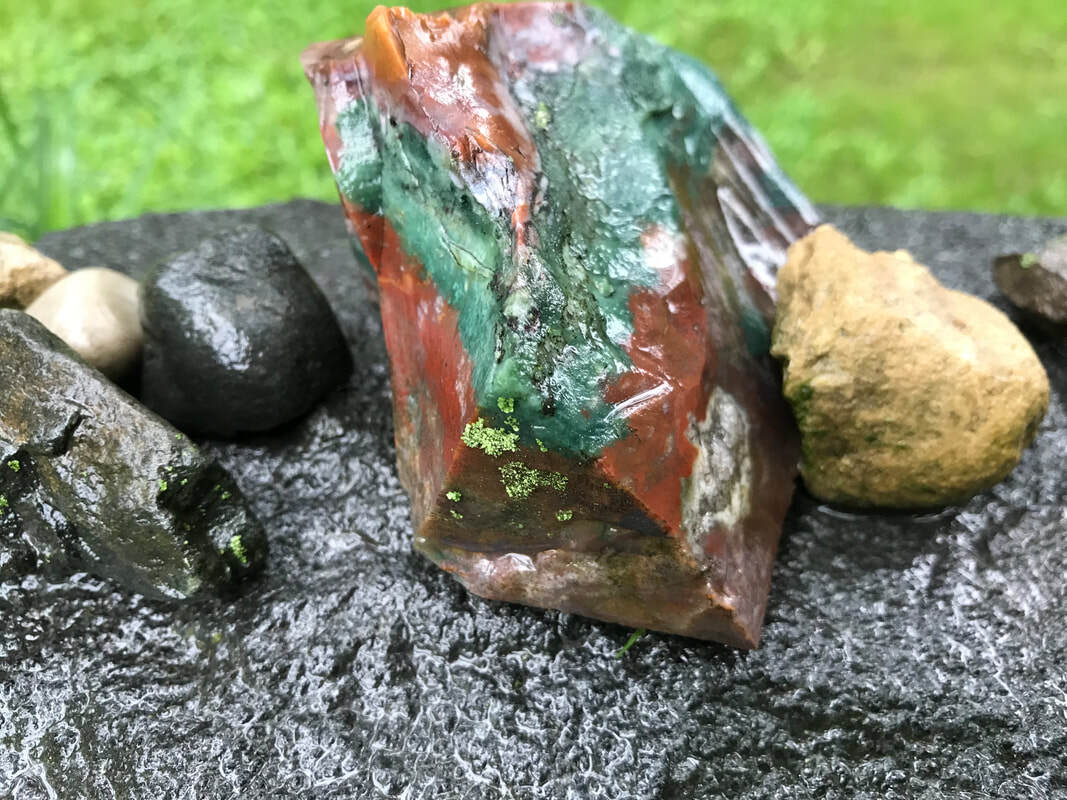
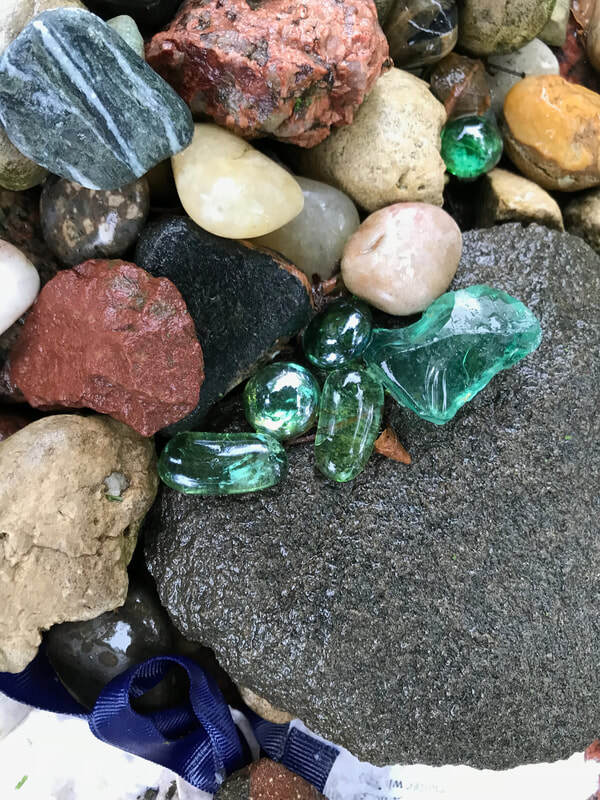
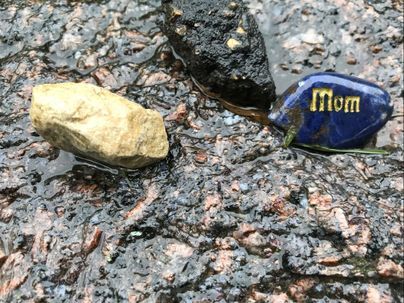
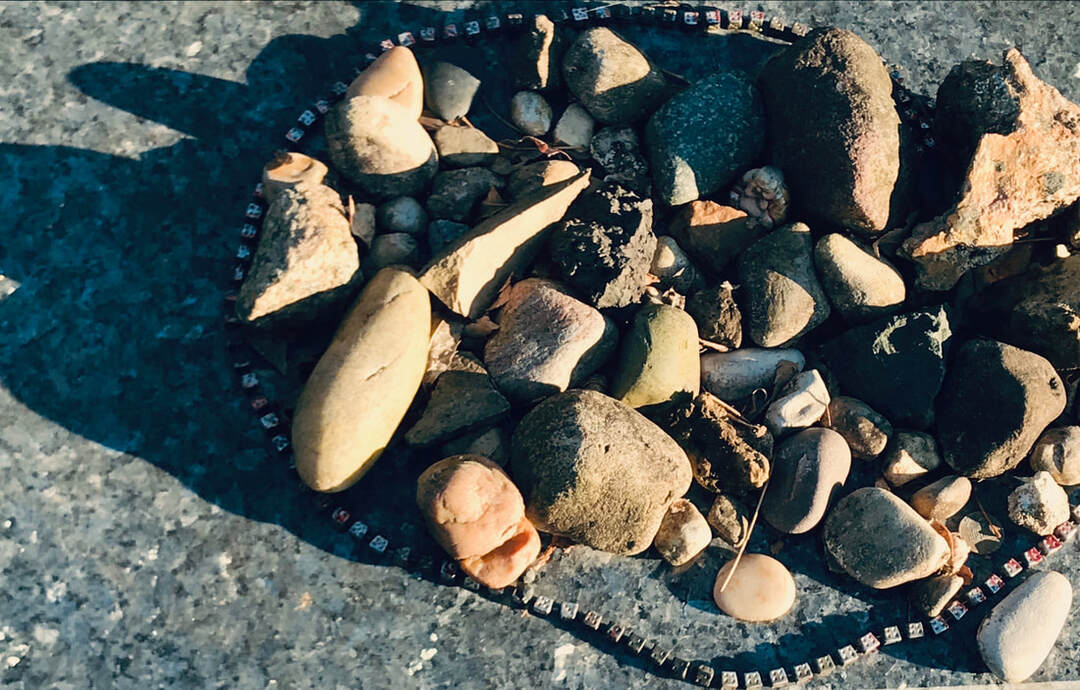
Other than remarking on an interesting practice, I am impelled to write about these memory stones because I've been feeling the energy of rocks so strongly. It's hard to write about; it's a feeling, an intimation about something. It is not a concept. I tried to capture some of it with my poems and images of the rocks on Mt. Shasta (August, 2018), and it has to do with the rocks holding the holographic imprint, holding memory, but maybe a much longer, deeper memory than we even know. Not exactly really permanent, but so long-lived by our standards that it comes close. Discussions of the Jewish custom of leaving rocks keep referring back to the Bible and the rocky landscape that was part of Jewish history. The stone on which Abraham was to have sacrificed Isaac is referred to as hashityah, the foundation stone of the world. A pile of stones could be a sacred place, a place of prayer. Moses sat on "the Rock," and carved the tablets from it. Jacob's Ladder rose from a stone. On the darker side, people were stoned to death, and "stony" implies unyielding, cold, and without empathy.
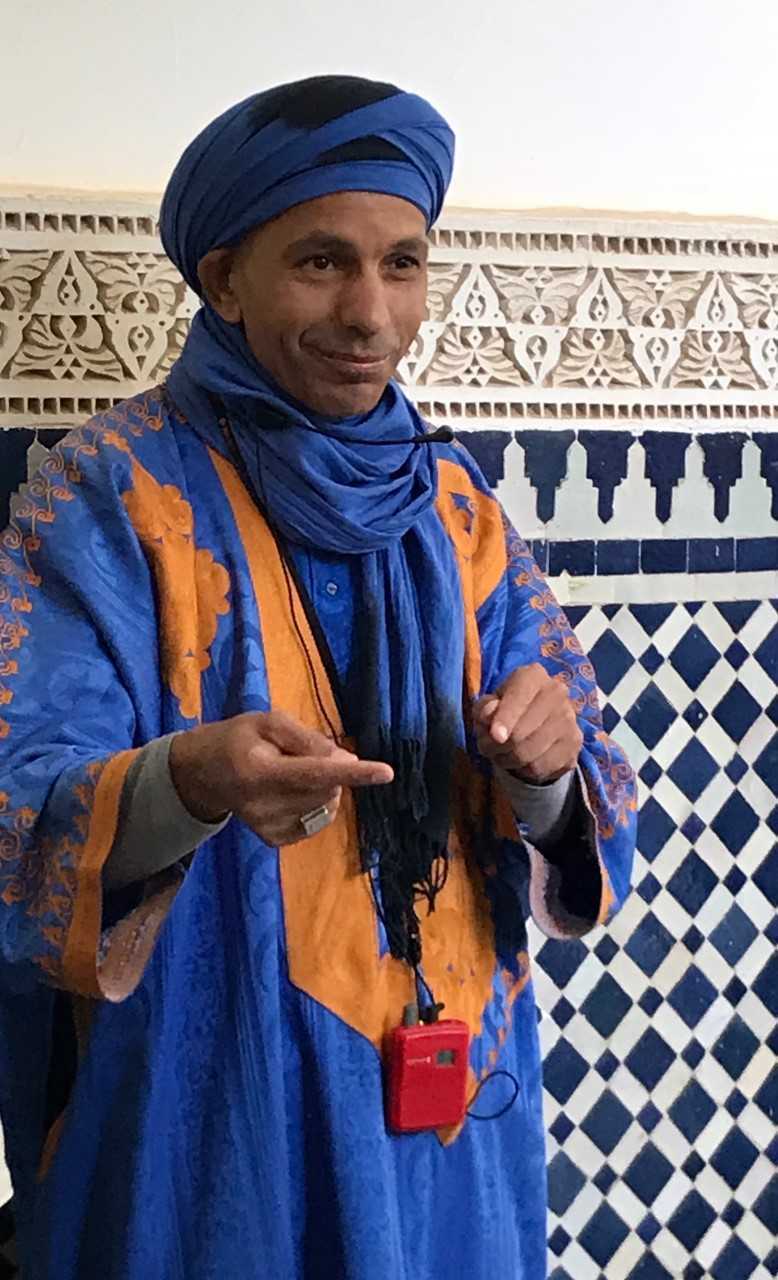
I was very moved recently in driving through the Atlas mountains in Morocco. This is a dramatic region, all about rock and stones. The terrain consists of stones for miles and miles and miles, sometimes pebble-sized, sometimes big boulders. Houses are built of stone. Stone tumbles into rivers. Sheep and goats climb over high stony peaks. I kept sensing the stone memory, the consciousness held in all that rock, but I couldn't really access or translate it. I felt stone-ness, but there are no words or concepts to say what it was I felt. At one point one of my traveling companions remarked that she wouldn't want any of that "real estate"--it was too much relentless rock, too hard to deal with, too unfriendly. Rocky terrain=trouble. I reacted almost viscerally; yes that's true, I thought, but you aren't asking what the stones know, you aren't feeling into the stone or the stone space. Maybe those who live here live deep in the stone, know what the stone knows, hold stone memory. Maybe the rock remembers them. Maybe they have another, silent experience that you can't even imagine.
Maybe. Right now, today, I will hold some stones and breathe with them: round smooth ones tossed by Lake Michigan, and sparkly ones from riverbeds in the high Andes (another oh-so-rocky landscape). I will even touch the very fine sand I brought back from the Sahara--sand that was stone, ground down to the consistency of fairy dust. Maybe I will breathe them in, absorb their stone wisdom. Maybe I will be taken into the secrets of stone.
- Published on
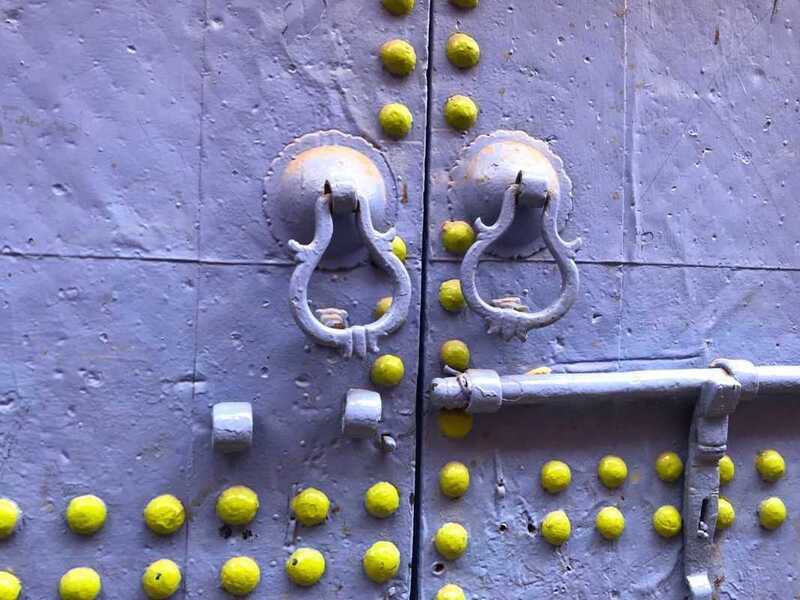
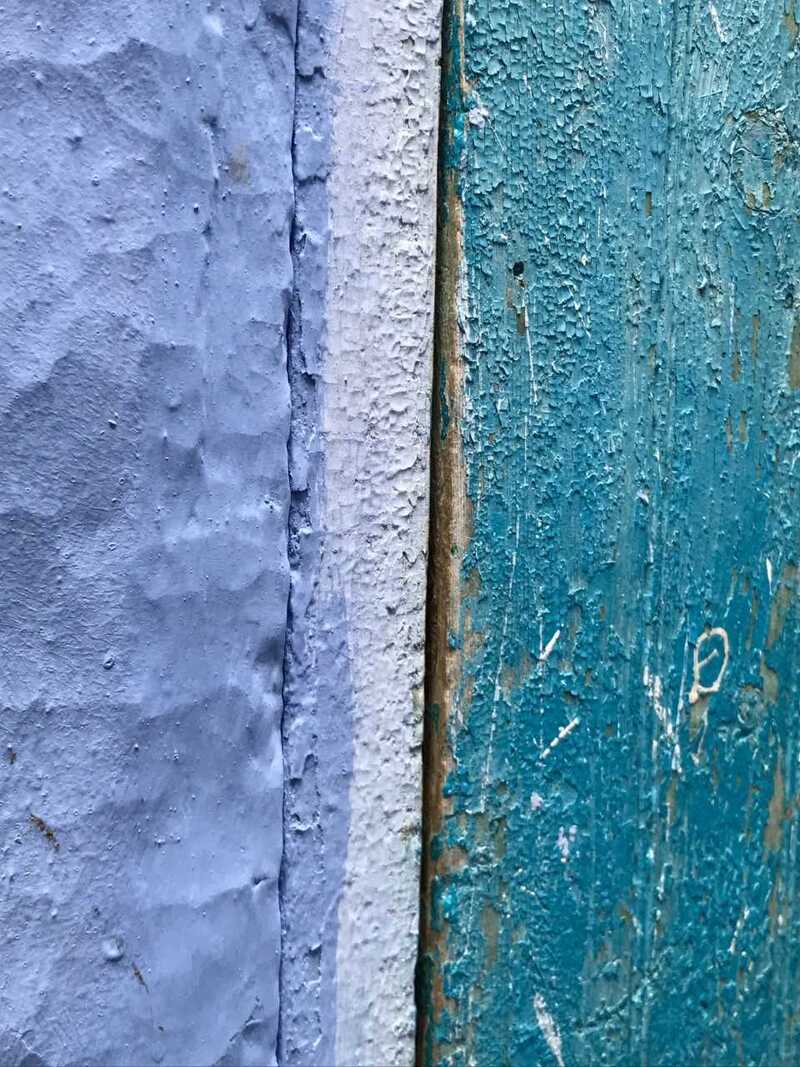
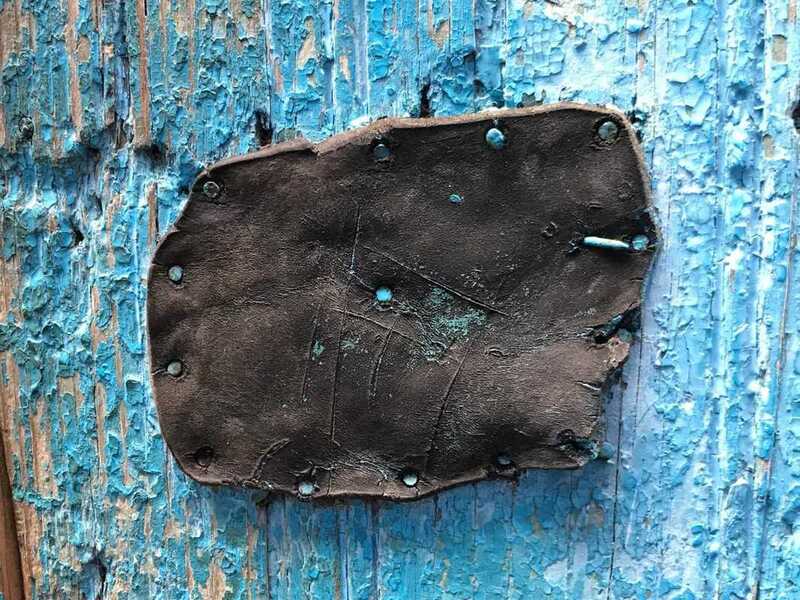
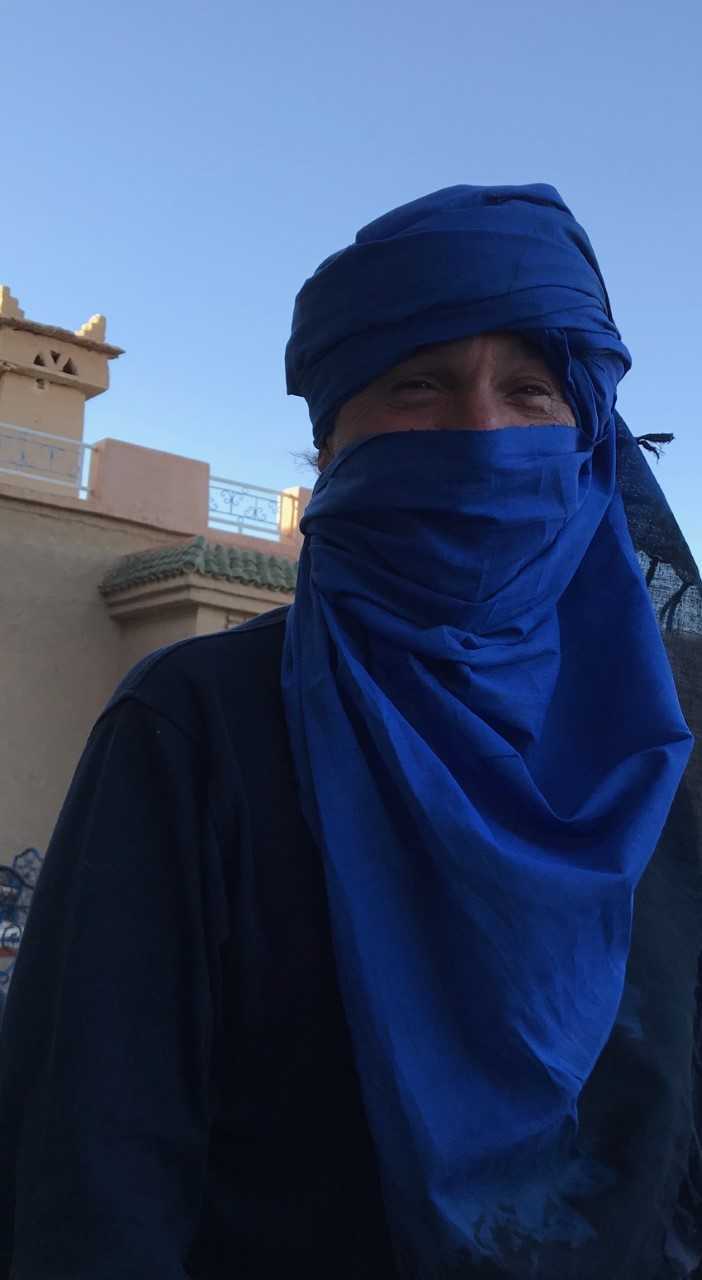
- Published on
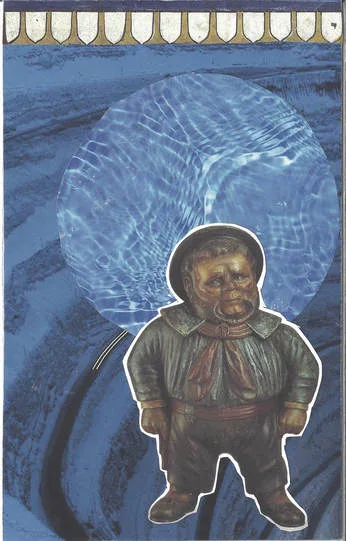
Given the events of the last few weeks--the painful hearings over Kavanaugh's election to the U.S. Supreme Court, and the railroaded "election" itself--it's been easy to laugh bitterly--to say, "ha!, not so fast, dear. You've just been fooling yourself." And it was certainly a horrible process to witness. Yes, patriarchy and its culture of entitlement, violence, and dismissal of women's reality is still here. It's still hanging on desperately tightly and is still--in the political arena at least--in control. But look around with a much wider viewfinder. The shift is happening, but it's happening elsewhere; it's upswelling on its own terms and cannot be seen by looking only at the long-familiar forms we count as "real."
The evening Kavanaugh was voted in, I found myself stuffing myself with food and feeling sick. I knew it was because I was so disturbed and appalled, but also came to realize that I was literally "stuffing it" and acting as women have been taught: to internalize the message and the abuse, and to punish themselves and their bodies. It was a powerful moment, and that insight certainly helped me make a shift. I stopped saying (affirming) the situation was making me sick (and I stopped feeling sick). I took back my autonomy and power.
The story is quite complex and nuanced, and in the last week I have been processing the energies around this drama in multiple ways. It's certainly still an unfolding experience. But what I want to share here is an update of sorts. Because I did feel set back as I witnessed the blatant denial of women's reality, I decided to look at the cards that have come through to me (that I have made) since last spring, and to see if there was more of the message.
Yes, there is. The newer images continue to focus on how much men are wanting to be released. This is certainly not the narrative we were watching in Kavanaugh's furious face, not what we see and feel from McConnell or Trump or the others on the world stage playing out the same game (look at who is rising to power in Brazil!). But I know it's real. It's growing, coming from the ground up, so we should stop looking at the "top." We must track and feel the energy where it is.
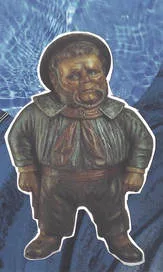
I look at first like the grumpy dwarf from a European fairy tale—rigidly posed, looking unhappy, deprived, stubborn, and always left-out. I have a defensive stance and am always watching out that I am noticed and not counted, not important enough. I am overweight and not comfortable in my clothes, that all seem to be made for a bigger person. I am a little Rumpelstiltskin, angry and demanding your child. I am a spoiler, for I am not seen or understood (no one knows my true name).
But that's not all he said. Look back to the full picture, above, because the contextual information is so important. Here's what his words indicated about the rest of it:
There is more—I am in a universe where things are moving and swirling, and I can float anywhere. There are watery flowing orbs and streaks of light, and it is set apart as a stage set—under a proscenium above. Showing that it’s all a created story, a drama. I was created by a woodcarver/painter with a story to tell. I am a vestige of the old times, the old days. I am still solid but there’s an aura of light around me. I want a new role. Take me as you move though midnight skies and cosmic journeys.
I am here to show you how unhappy I am, how ready I am to be released. Have mercy, tell me my true name and bring me love, and carry me with you, transformed.
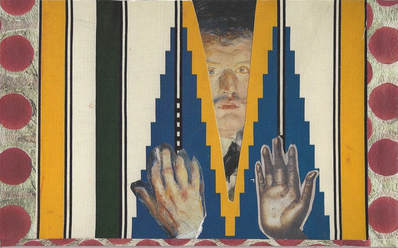
I am a white male looking out from behind the bars of my prison—peeking into your world. I am afraid, still buttoned up in the male costume with a tie. I am still mostly hidden, but showing in the rent seam. I am haunted. I am longing to break out. On this side of the wall, all is dark.
What is on the other side of my prison—the side facing you— is a happy blanket, designed by [Hopi weaver] Ramona Sastieskewa, embodying the dreams of the ancient peoples, their clear vision and clear colors, their geometry holding a sense of order and calm. But it is new, designed for now and for today’s world. The other side of the wall/prison --your side--embodies a resurrected native wisdom, mixing with women’s rightful new place, starting to be recognized. The hands go two ways: in and out, dark and light, pushing and pulling, Buddha blessing and the somewhat blotchy, tired, searching one. The red circles bring more geometries, more primary colors that balance it out, bring regularity, rhythm, framing. They also evoke Mesoamerica, something archetypically holding an old place and old wisdom.
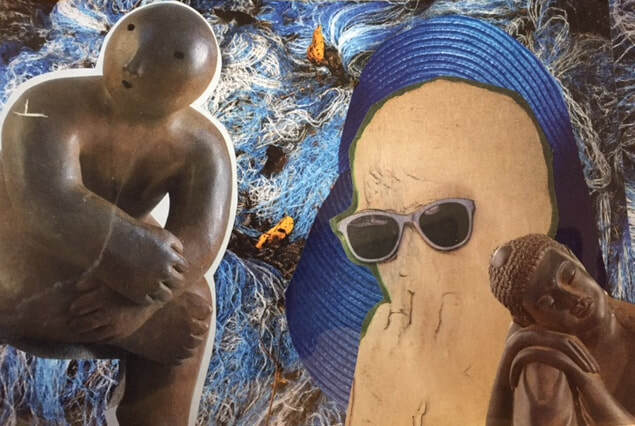
I am one who is looking to the future with some alarm and confusion. Many of my parts are featureless. I am looking through dark glasses. I have a smooth, almost baby-like figure, and another smooth, still largely blank (married) character. Behind us is swirling, knot-free, beautiful yarn. We do have a serene Buddha figure just waiting there, ready to be put to use, but it is not activated. We have some trepidation. But Buddha is there.
I'm here to tell you there is something big still ahead—it creates a sense of wonder, contemplation, and the need to wear glasses for the glare. The blankness is good; it means you will be ready to imprint with new things. The background is a universe of light.
My deepest wish, deepest prayer and heartfelt vision, is that the new Sacred Masculine, which is poised to come forward, is nurtured and able to quickly grow and thrive. It's still blank, a baby, and it is still in the prison of its long-familiar, confining role. But it's yearning for something new.
There was a report on the radio today about a big study where teenagers (10-19) were interviewed about their attitudes about gender roles. The girls had largely (more than 75%) internalized the message we have been reinforcing for the last few decades, that they can be whatever they want to be--scientists, athletes, leaders. The boys felt far more constrained. They felt huge pressure to stay within their allowable roles, even to act violently (e.g., get into a physical fight when they didn't want to). Most did not picture themselves as leaders. That's the prison I pictured. And these boys see the relative freedom the girls now have (in their minds if not completely realized in the world), and they are envious. They do not really want to come out into their fathers' reality; they want to come out into the colorful, calmer world with an activated Buddha and bright light.
In sum, I am impatient, but not despairing. My inner channel shows it coming so clearly, and it's reinforced by the clues like this teen study that show up everywhere. It's time, I see, to fully articulate, image, model, and strengthen that Sacred Masculine. Let's build a new kind of empowerment in the boys we are growing, and gently turn the faces of already grown men to the sun.
- Published on
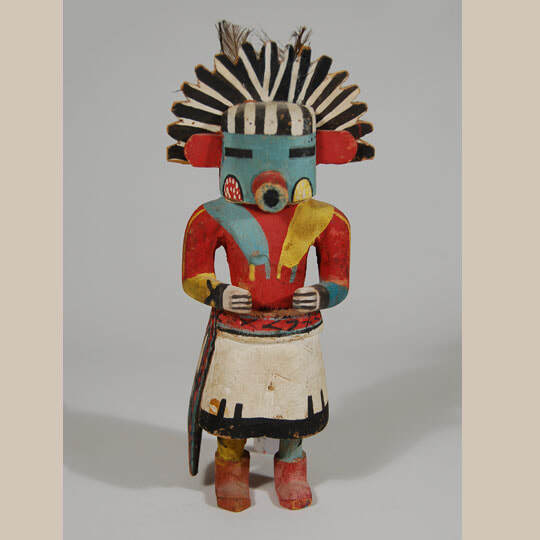
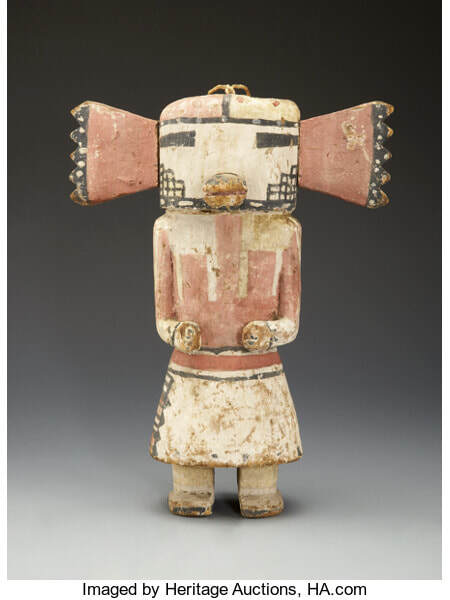
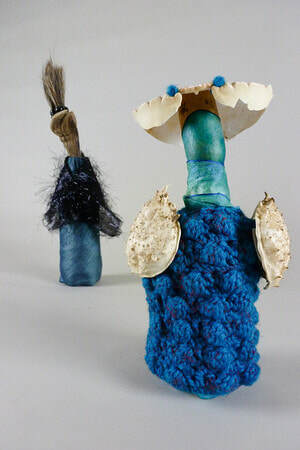
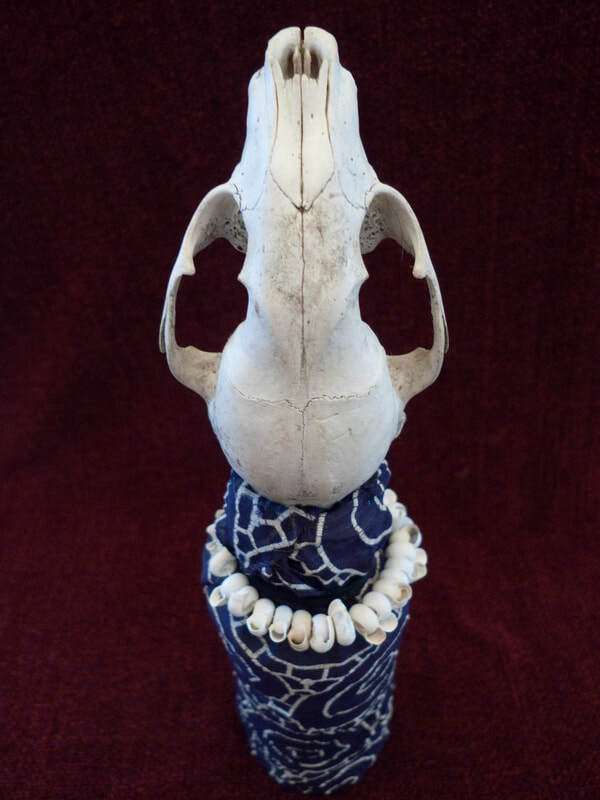
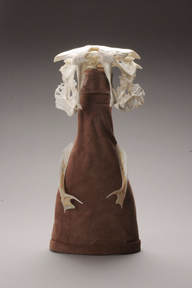
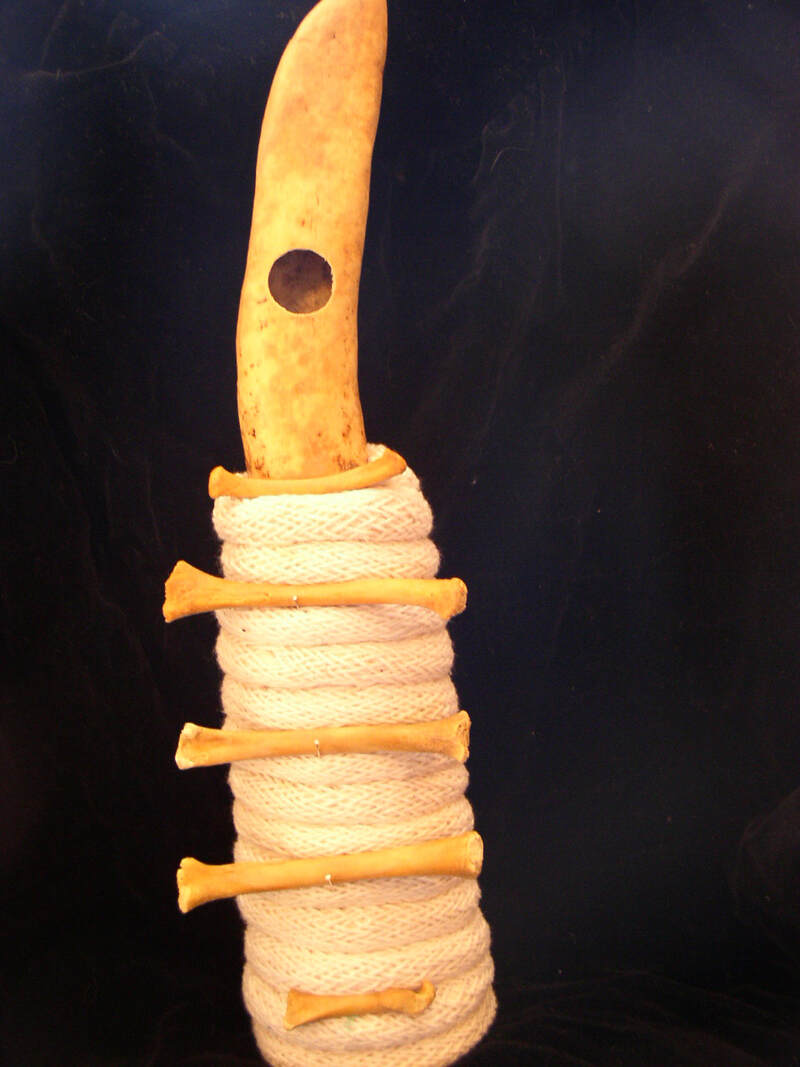
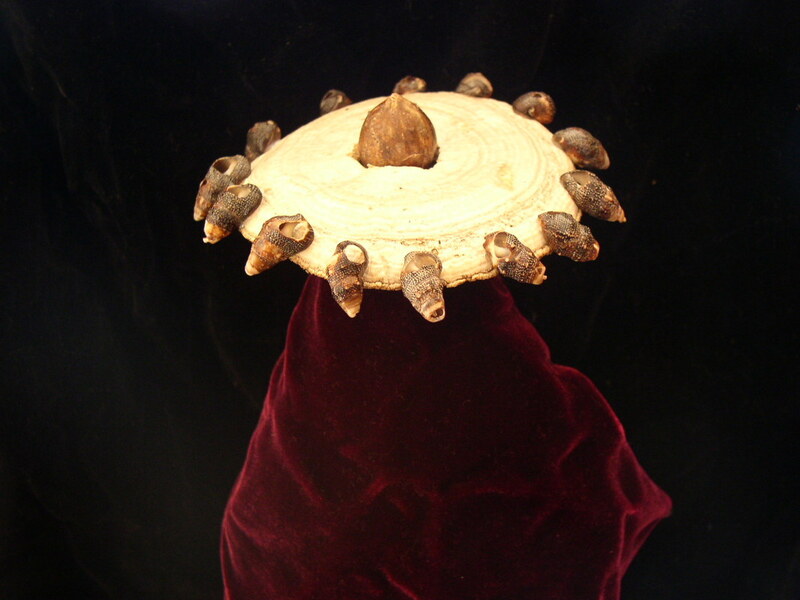
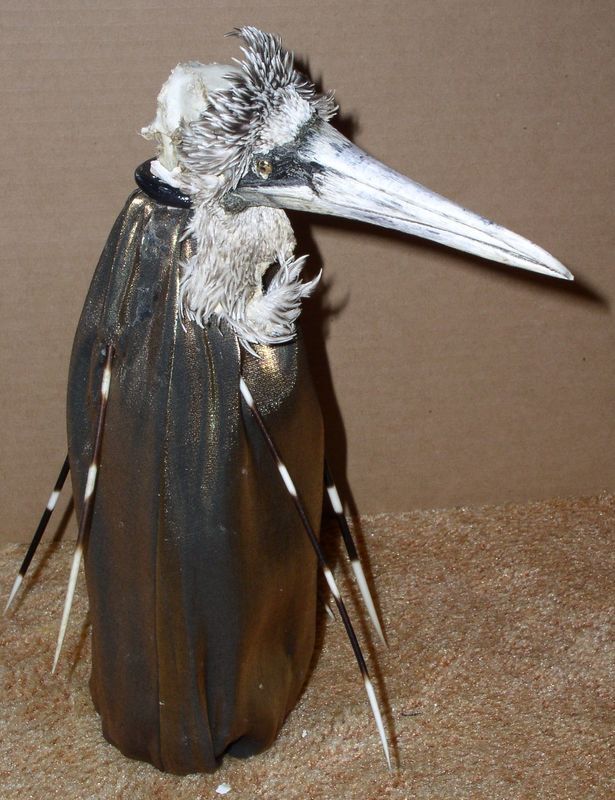
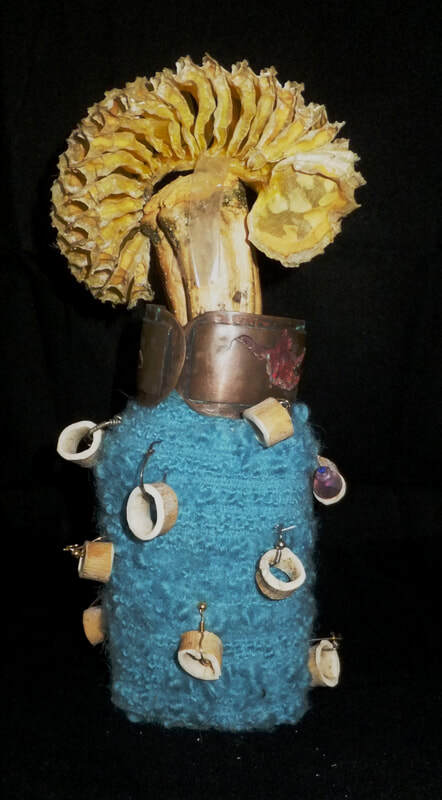
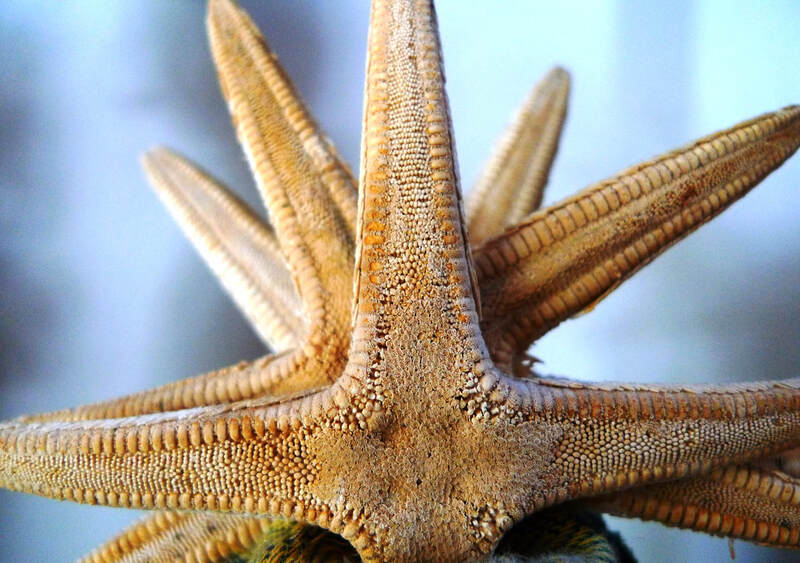
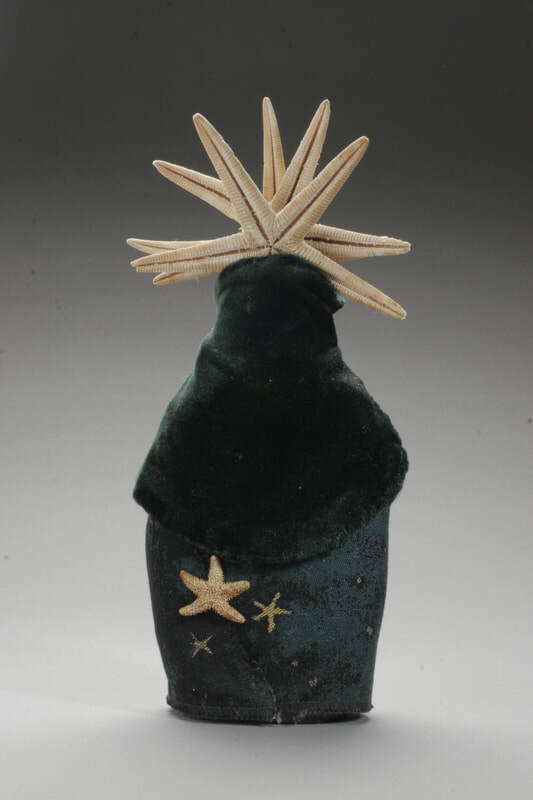
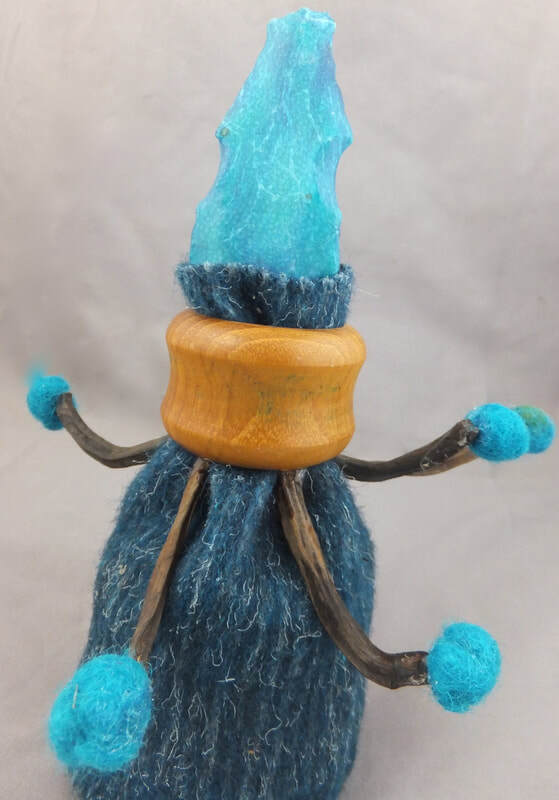
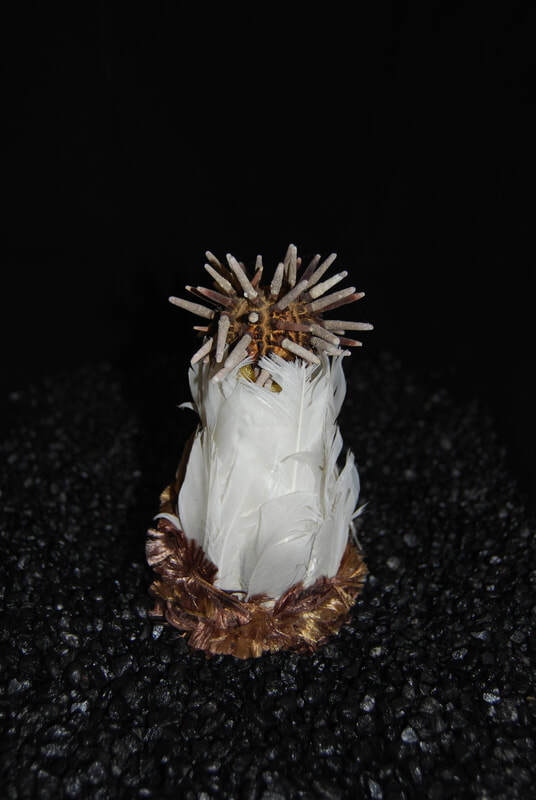
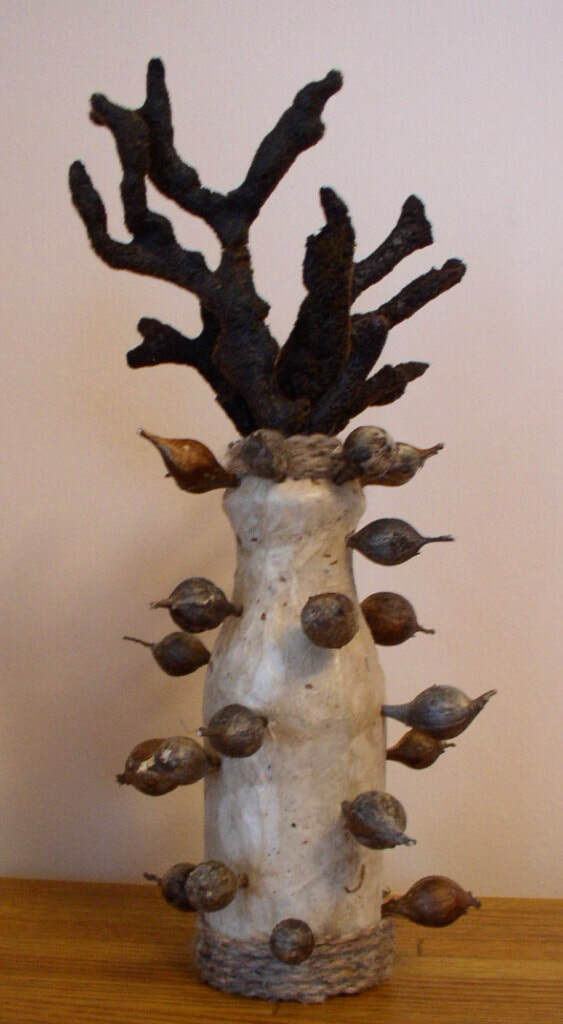
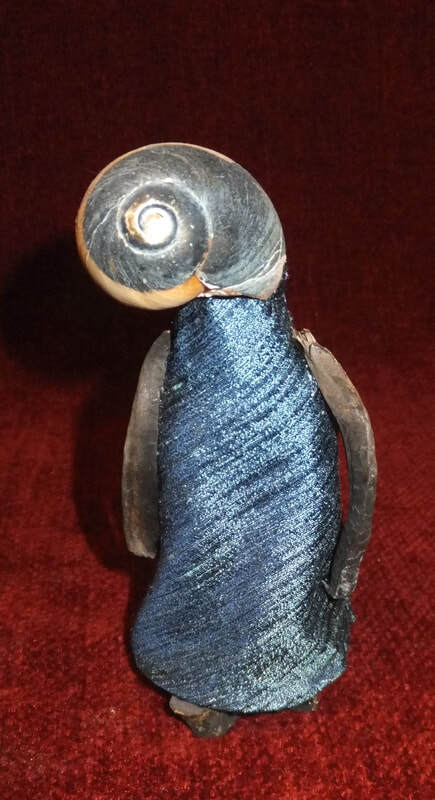
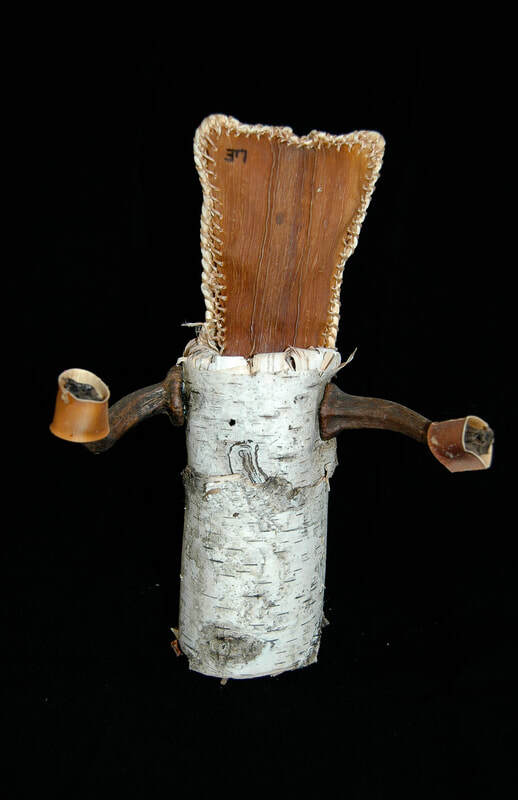
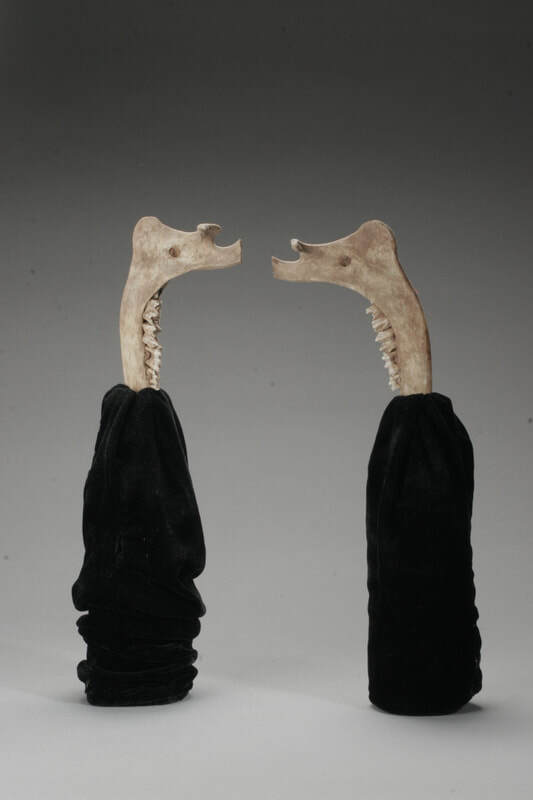
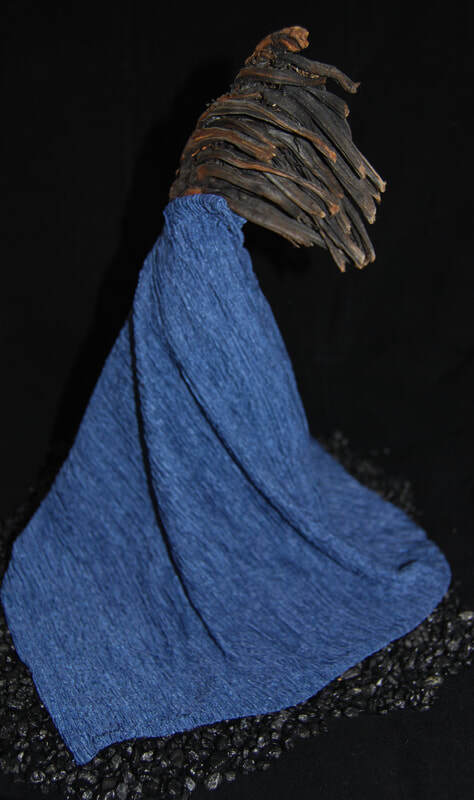
Fast forward a long time, to about the turn of the 21st century. One day as I was dancing around in my attic, where I had baskets holding some of the very materials I collected in the 1970s--shells, leather pouches, driftwood--I literally felt something re-awaken. I've referred to this as my "muse" waking up. I saw those materials that had stayed with me for decades and began to imagine them coming together as beings once again. I had new ideas about how to construct the figures, and I knew their new forms demanded a new name. I settled on (Las) Tierras, which I translate as Earth Beings. Many of the people who see them refer to them as dolls, but I don't relate to them that way. To me they are indeed still spirit figures, intermediaries, not mini-humans. They each have their own character, often emanating from their materials, but they embody energies from another realm. This does not make them unapproachable; like dolls, they are relatable. They are compelling, but not all equally serious--some are funnier than others. Some are forceful, some shy, some mysterious. Some can be disturbing, mostly because their materials remind people of decay and death.
Each Tierra has a story of its own genesis, of its materials and where they come from, and if I ask, each will tell me of its essence. I didn't name them at first, but eventually I had to, just to keep them straight in my mind and even be able to refer to them in my own record-keeping files. I don't always like to share these tiles, since I find if I let people encounter them without names, they relate to them differently; they resonate with them in a more personal way. (The figures can act as a kind of Rorshach experience--one sees what is on one's mind and in one's heart.) Here I am sharing images of some of the Tierras that have made their way into my life over the last 15 years or so, and offering some information on the materials. Perhaps in the future I will tell more of the process stories, and can certainly supply a name if it is requested.
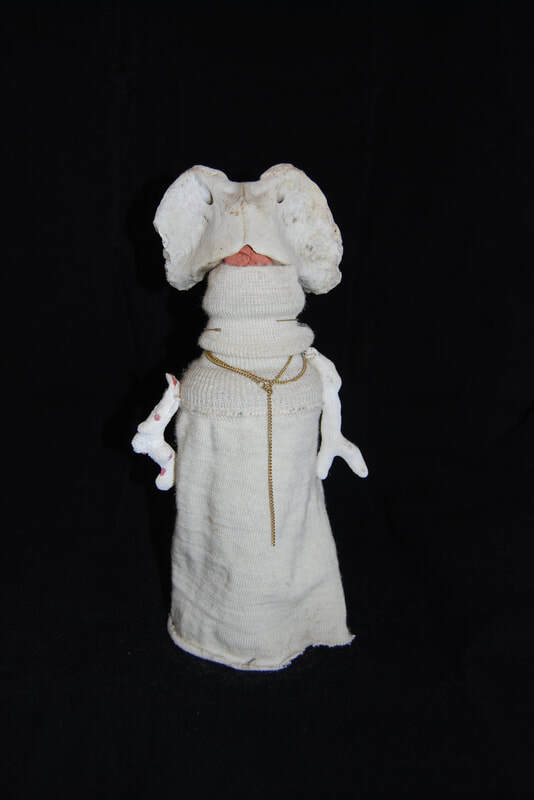
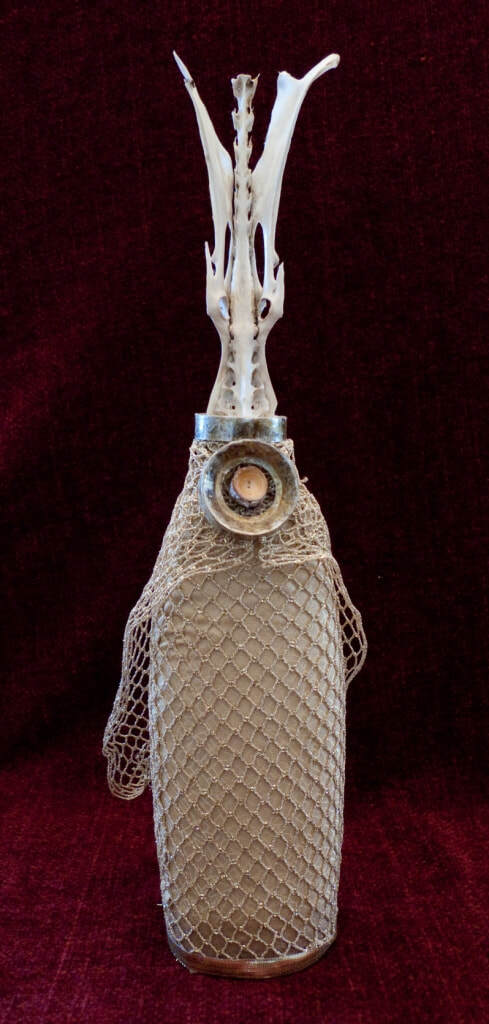
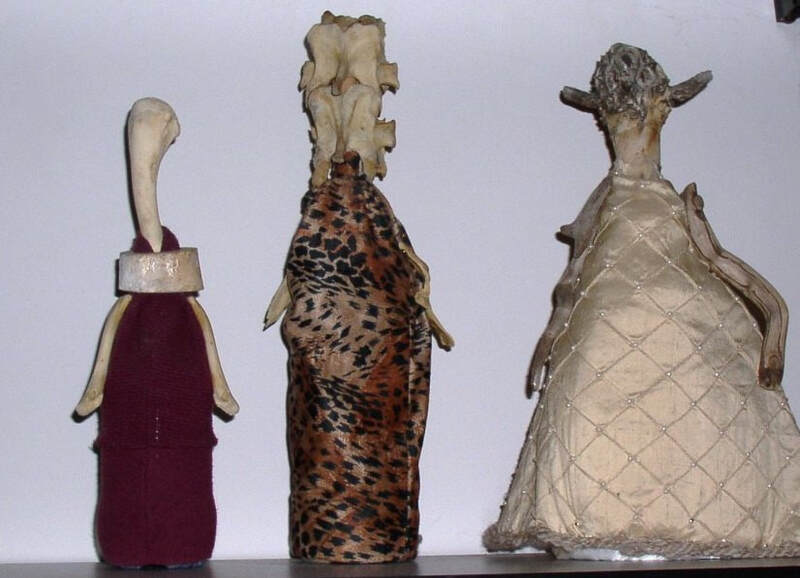
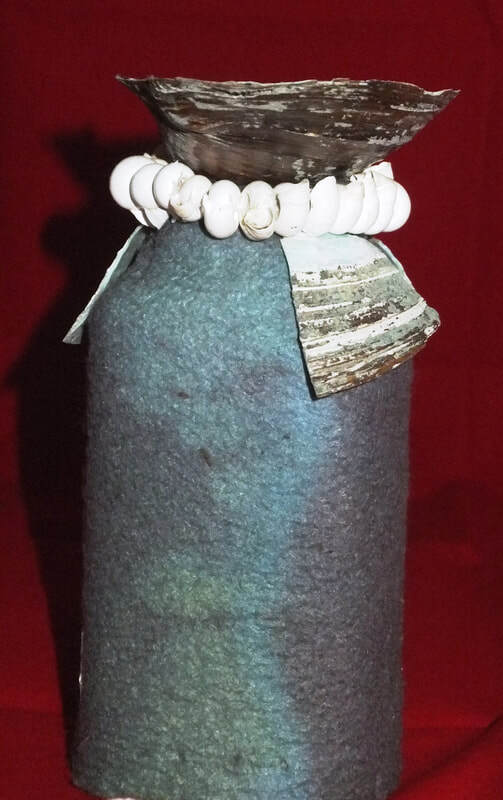
- Published on
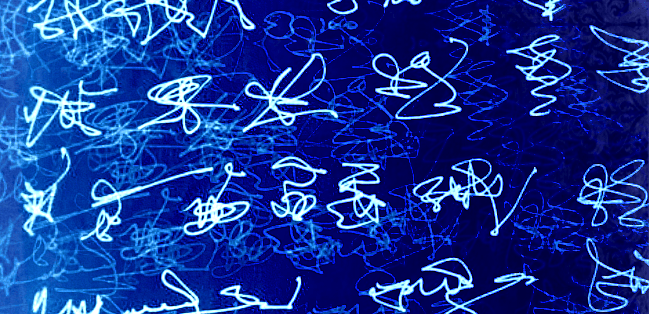
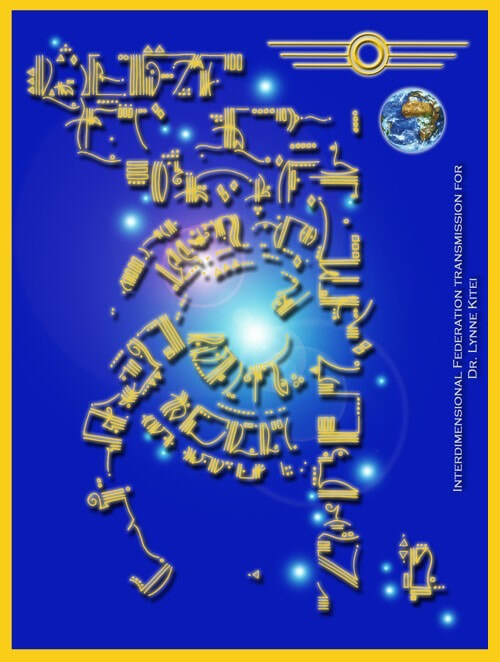
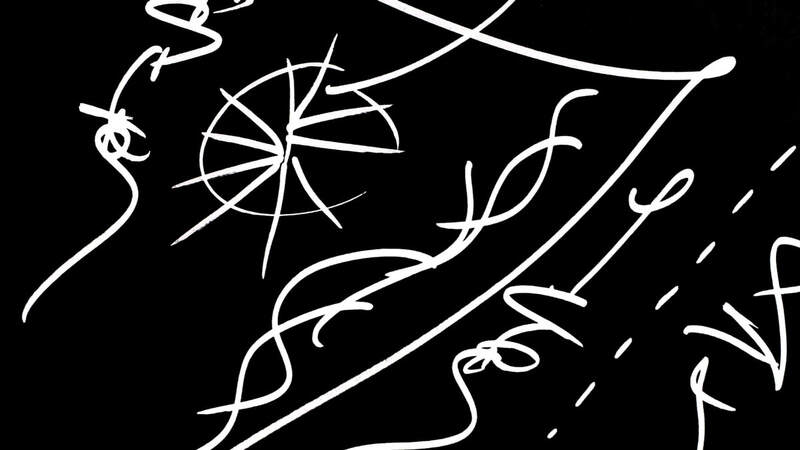
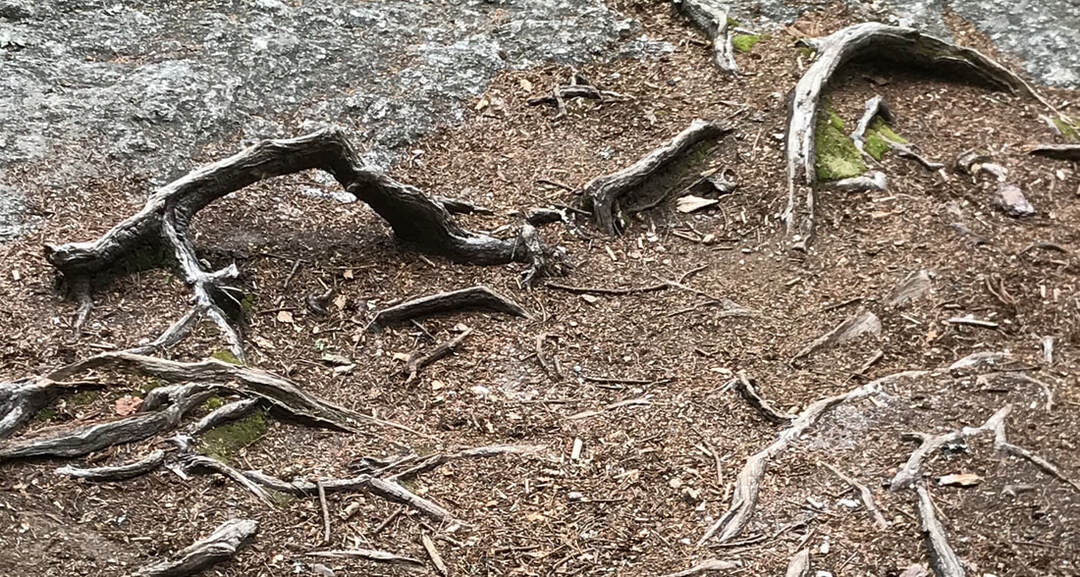
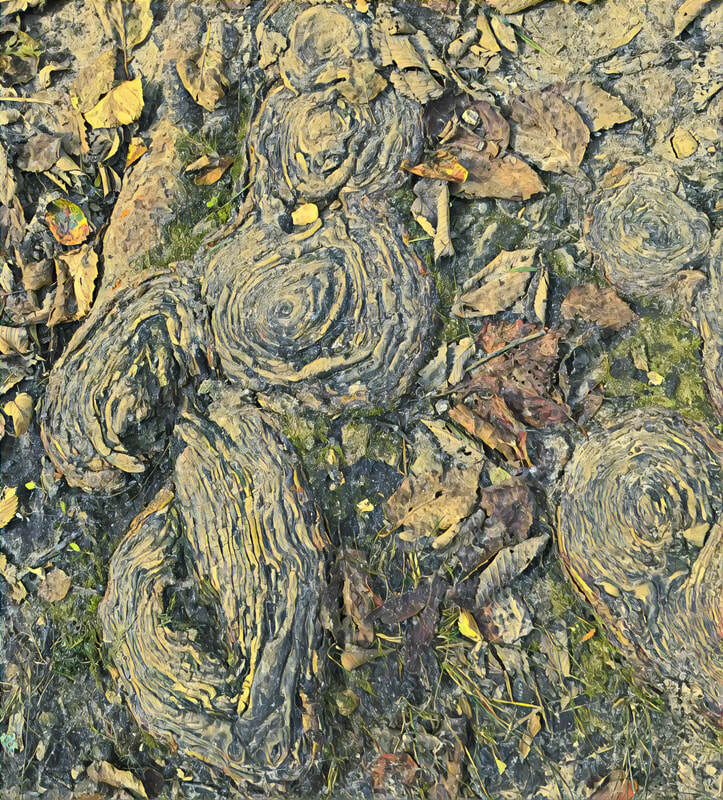
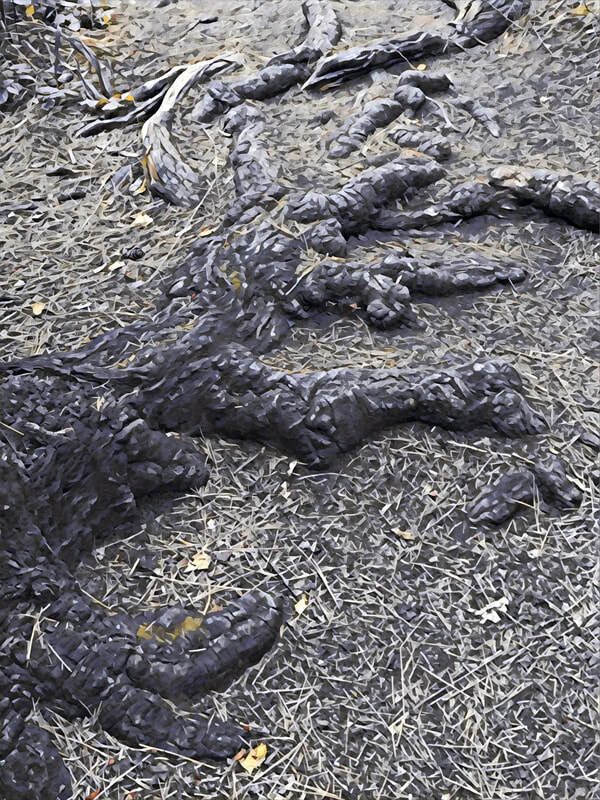
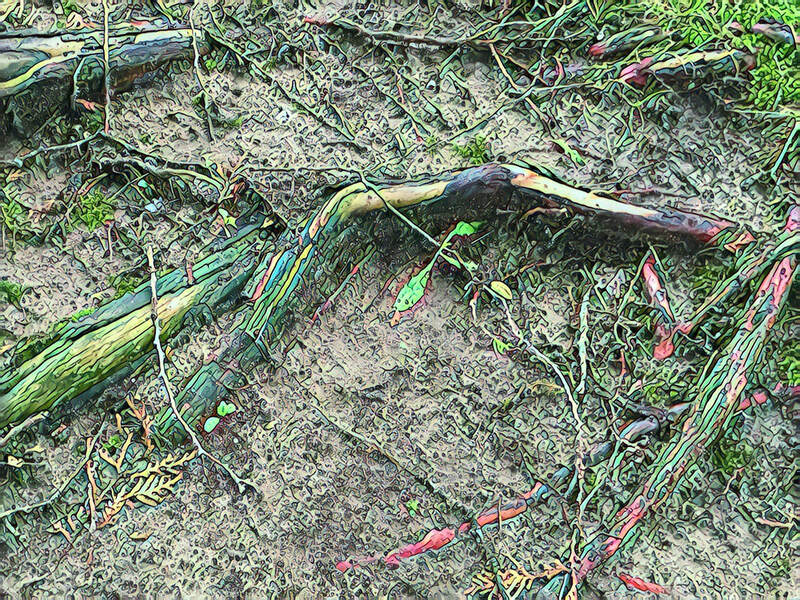
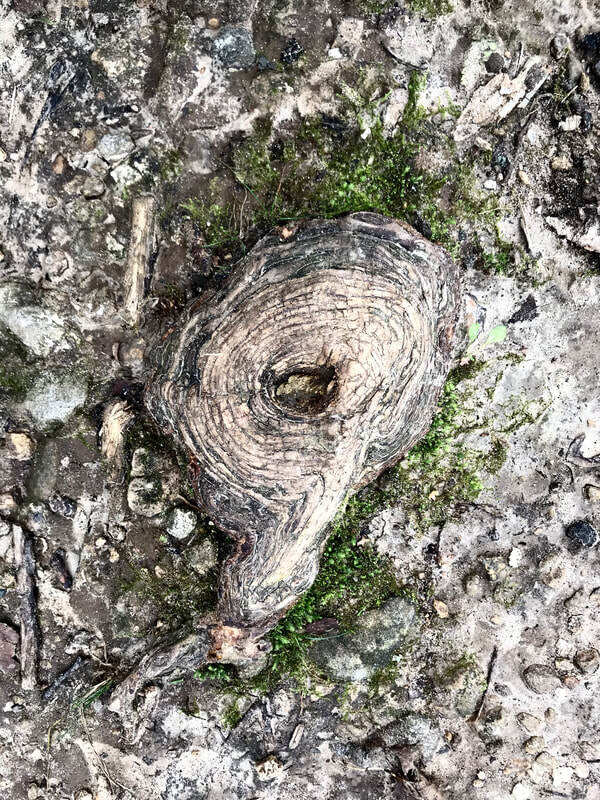
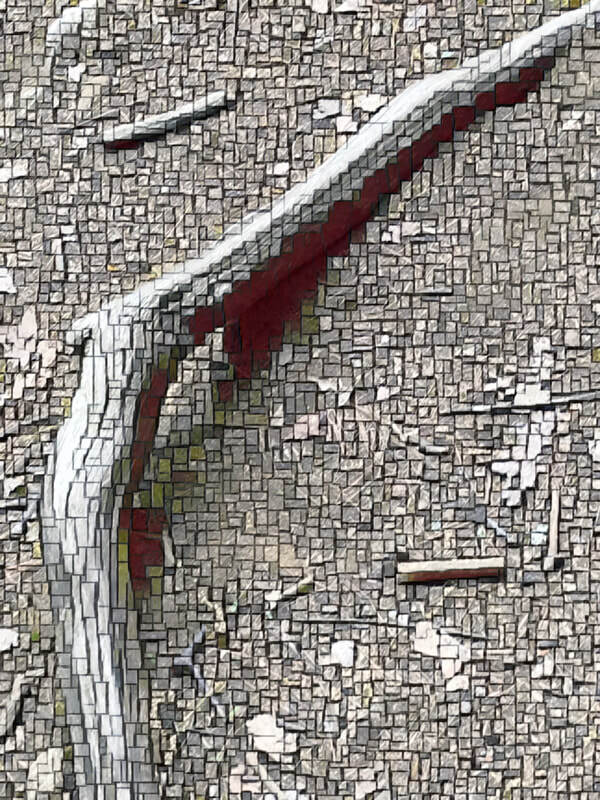
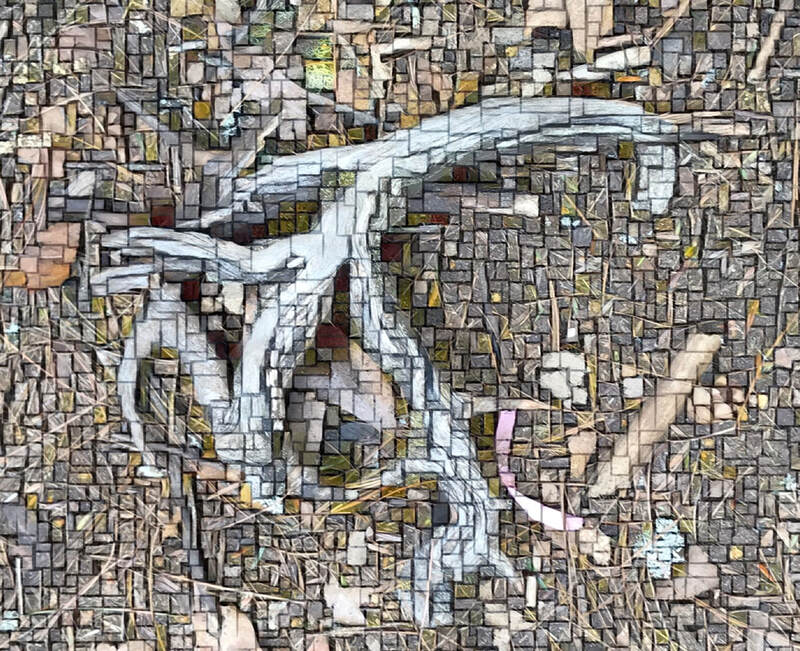
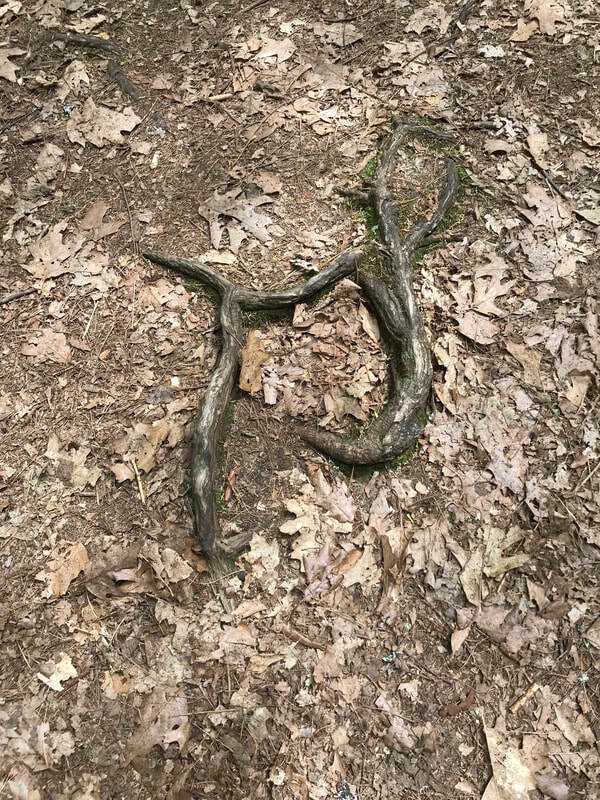
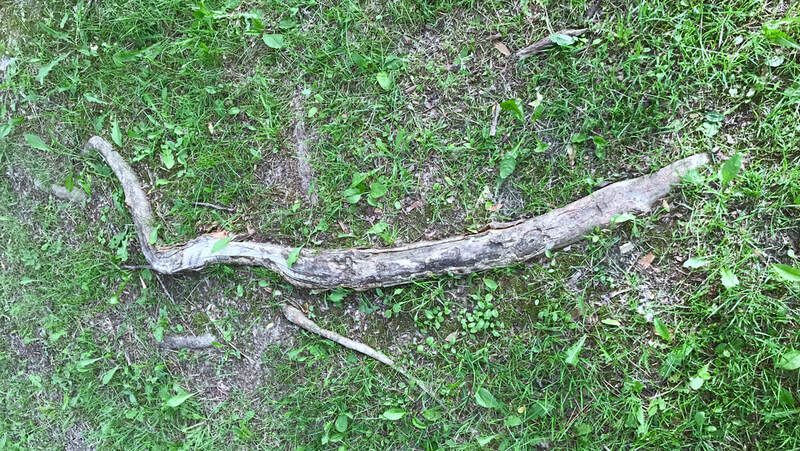
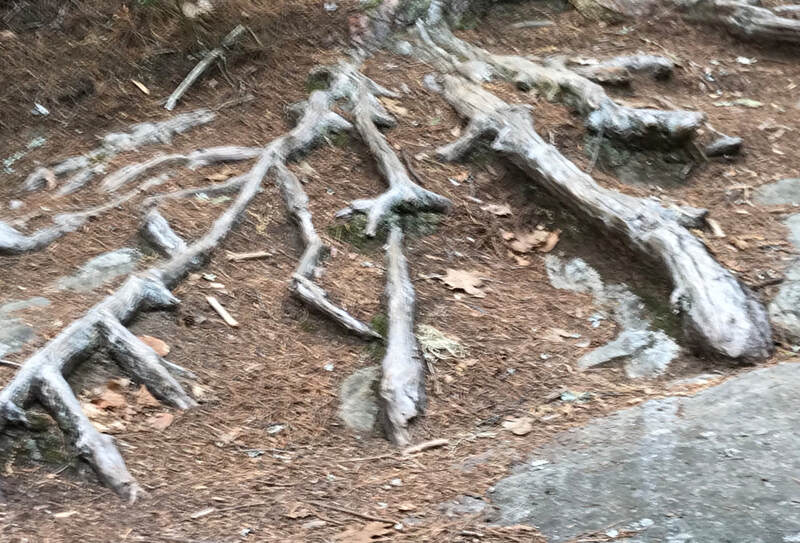
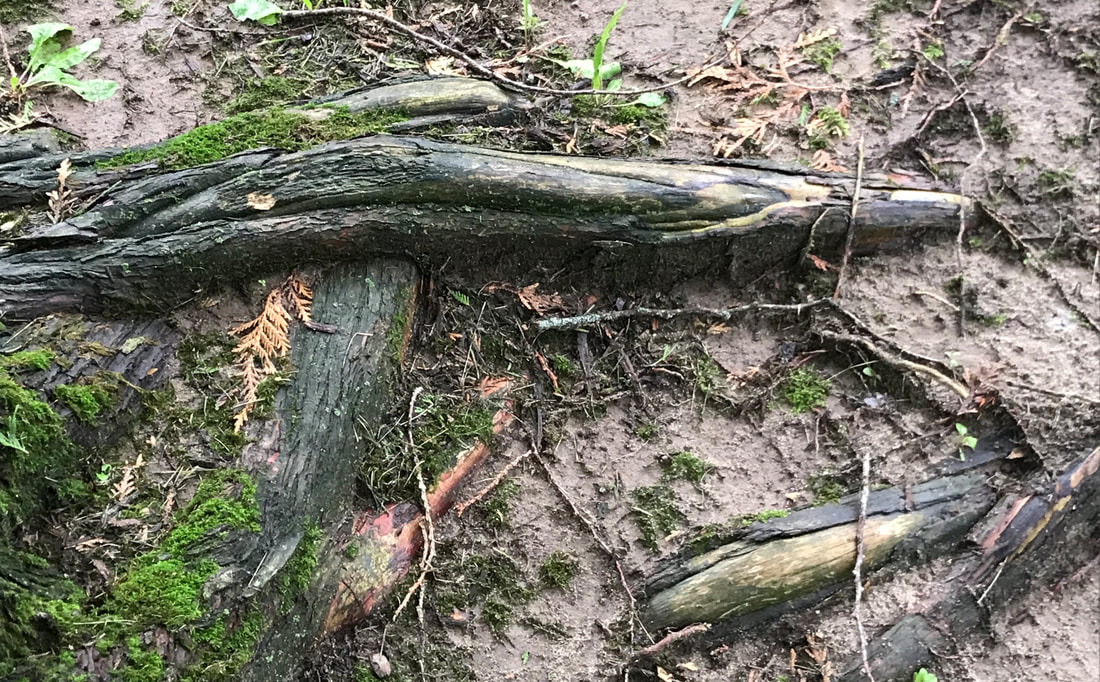
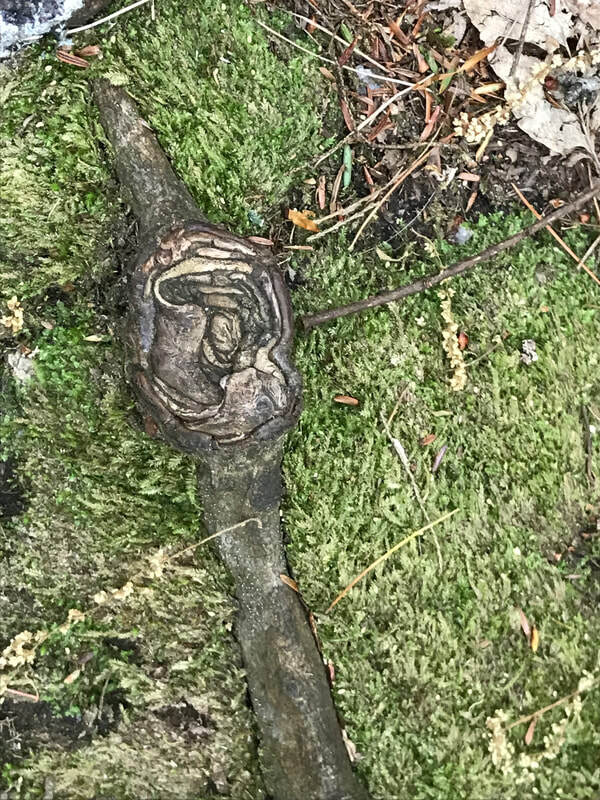
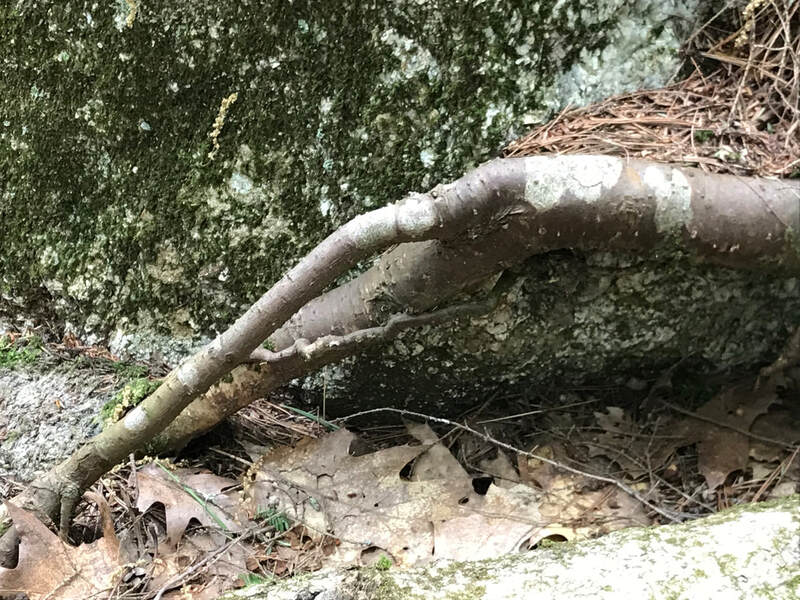
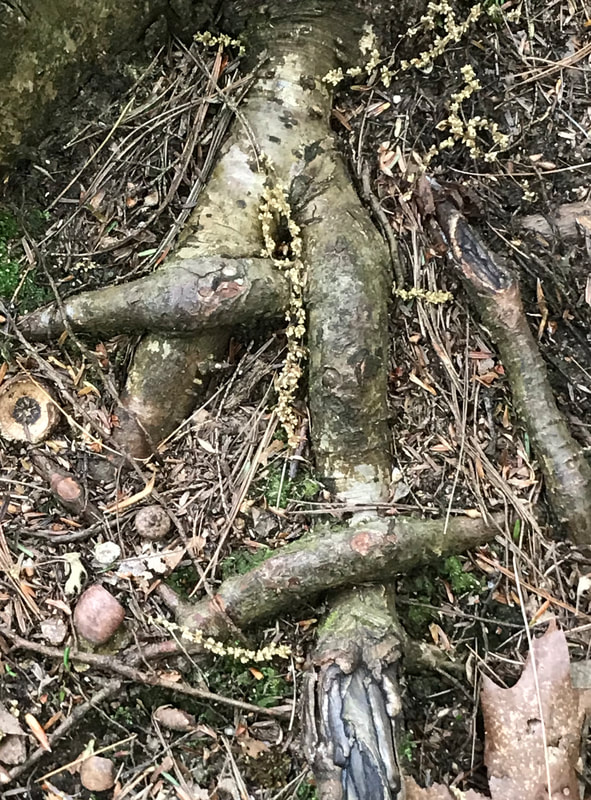
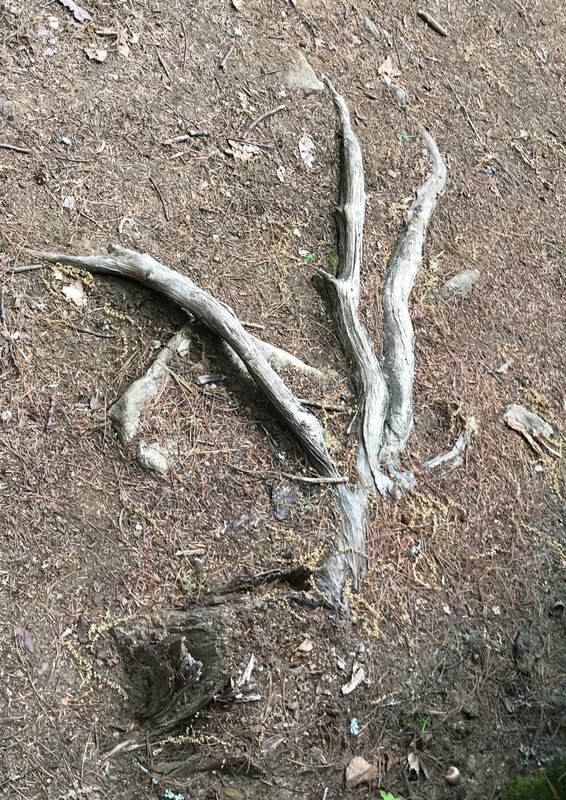
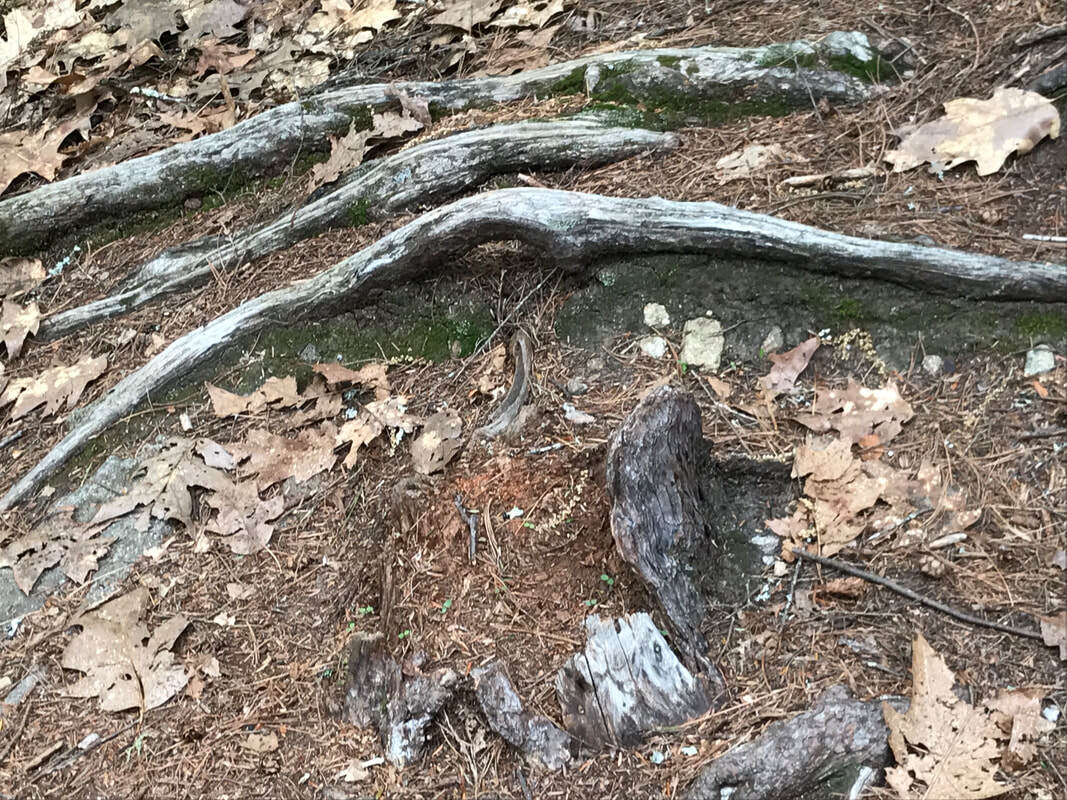
For anyone who has never seen this kind of "writing," here are a few examples one can find on the web:

Author:
Beverly Gordon
Explorations and unfolding adventures in art, nature and spirit. These are intertwined--my art helps me learn about nature and spirit, and experiences with the natural and spiritual dimensions come through in the art. It's also about being amazed and awestruck--awestruck by the ways nature works, how brilliant and unfathomably huge it all is, and awestruck by what happens when we open to inner guidance. I believe that increasing the sense of appreciation and awe is a way of helping to heal the world. Join me on the path of discovery!
Archives
- November 2021 (1)
- May 2021 (1)
- February 2021 (1)
- October 2020 (1)
- September 2020 (1)
- August 2020 (1)
- June 2020 (1)
- May 2020 (1)
- April 2020 (1)
- March 2020 (1)
- January 2020 (1)
- November 2019 (2)
- September 2019 (1)
- August 2019 (2)
- July 2019 (1)
- June 2019 (1)
- May 2019 (1)
- April 2019 (1)
- March 2019 (1)
- February 2019 (1)
- January 2019 (2)
- December 2018 (1)
- November 2018 (2)
- October 2018 (1)
- September 2018 (3)
- August 2018 (1)
- July 2018 (1)
- June 2018 (3)
- May 2018 (1)
- April 2018 (1)
- March 2018 (3)
- February 2018 (2)
- January 2018 (1)