• Published on

    SOUL WINDOWS

    Note: The website has dated this Dec. 5, 2018.  I started working on ihe post then, and inadvertently posted it before it was finished. It's evolved over time. I consider the real "debut" date to be New Year's day (Jan. 1) 2019.  II look forward to more sharing in this new year --from me to you, and hopefully, from you to me and the rest of the world, noting what resonates. My intention is to fill your soul with rich images and ideas. Which ones strike you?
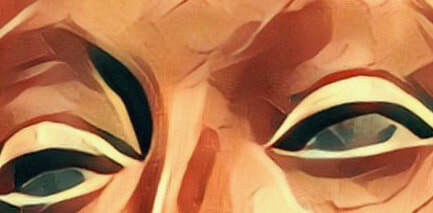
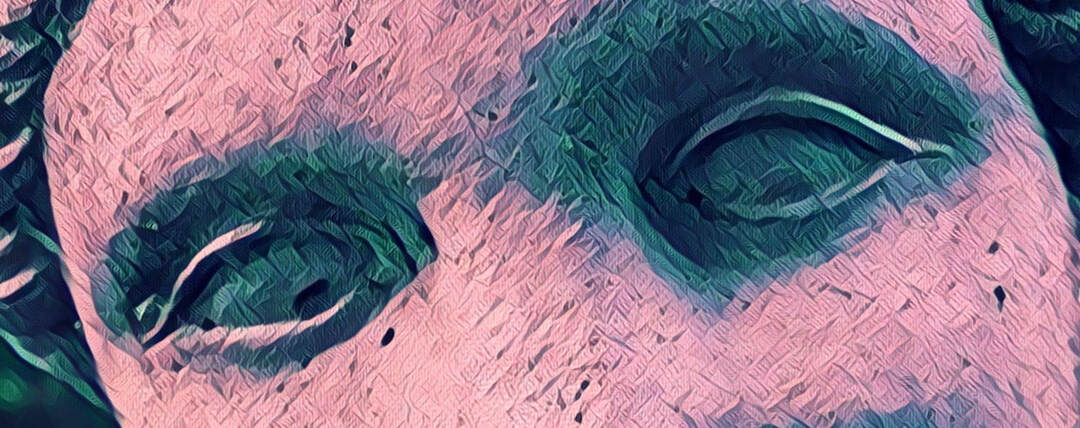
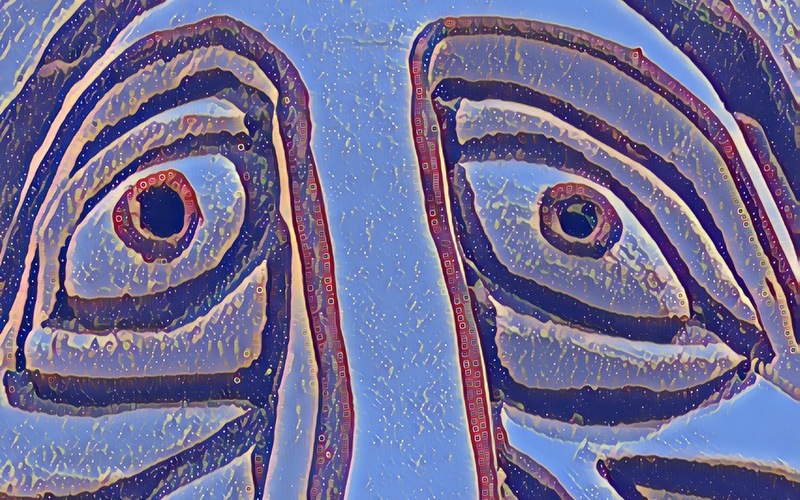
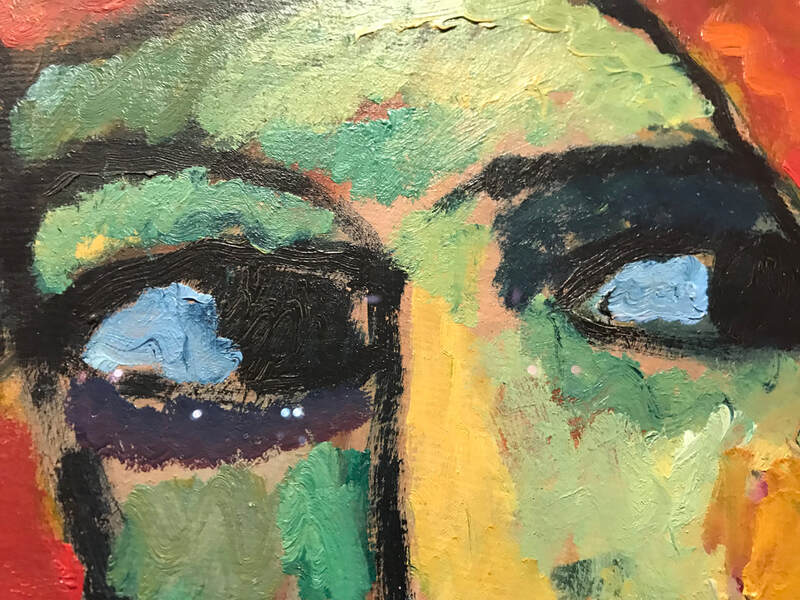
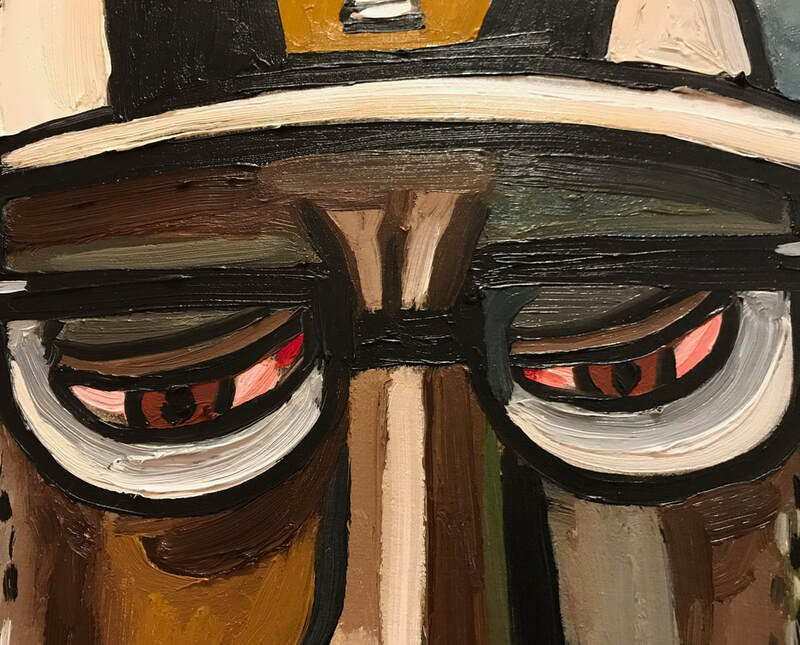
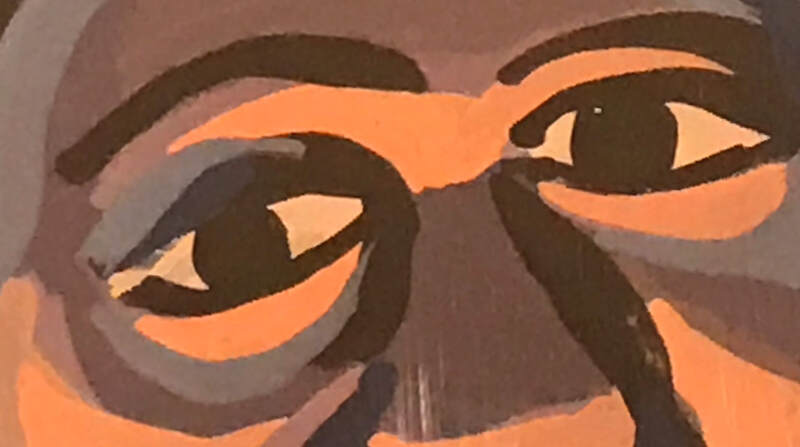
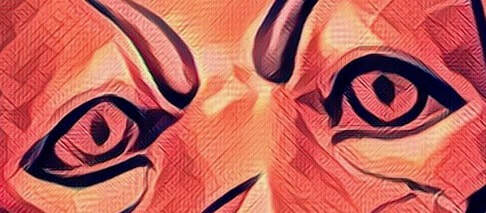
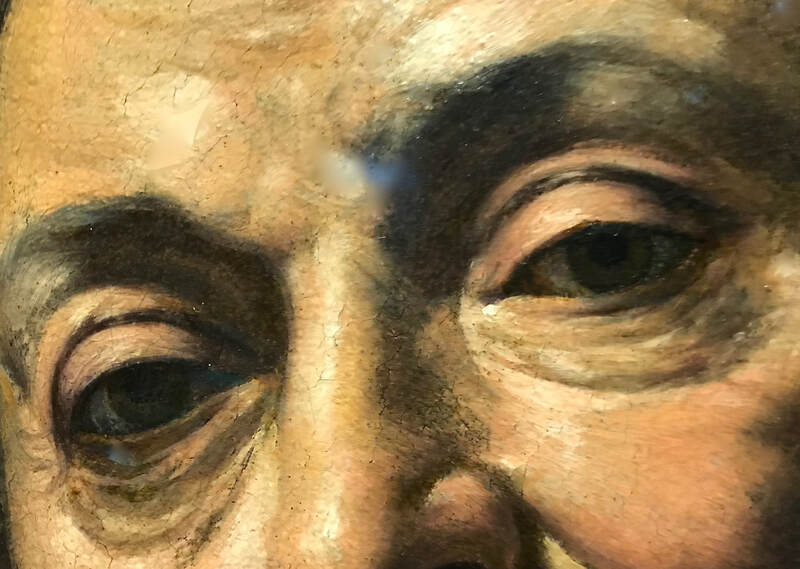
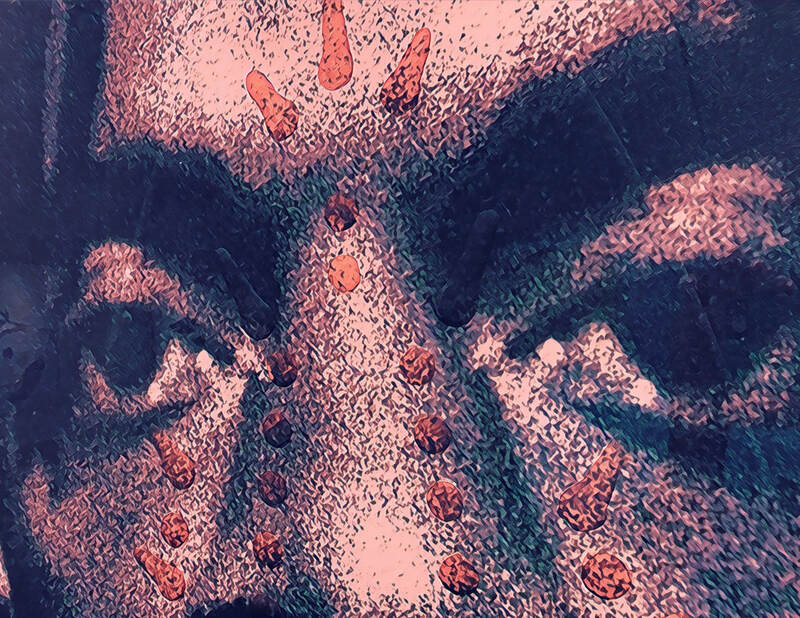
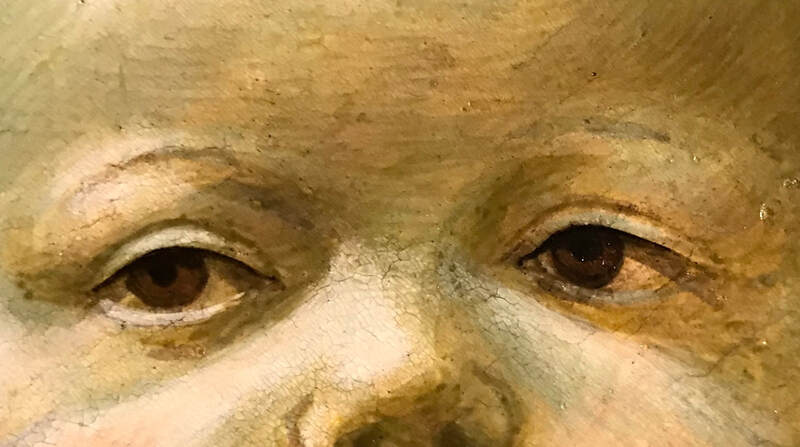
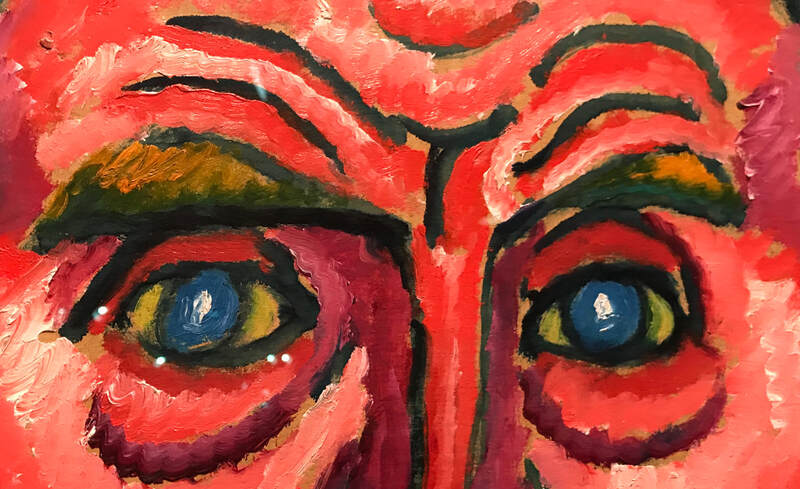
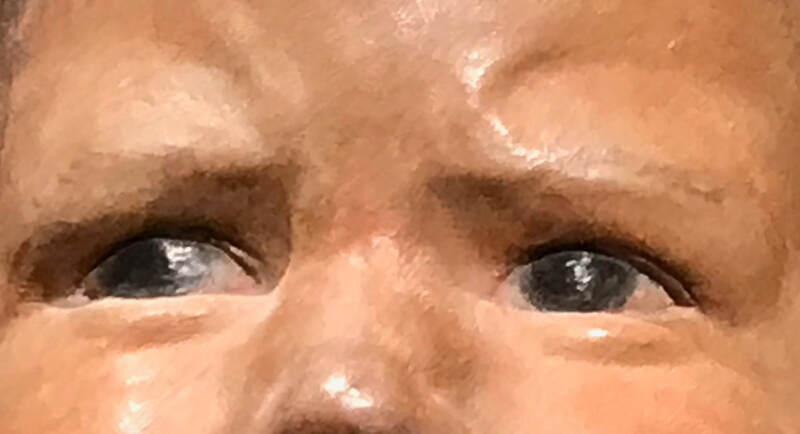
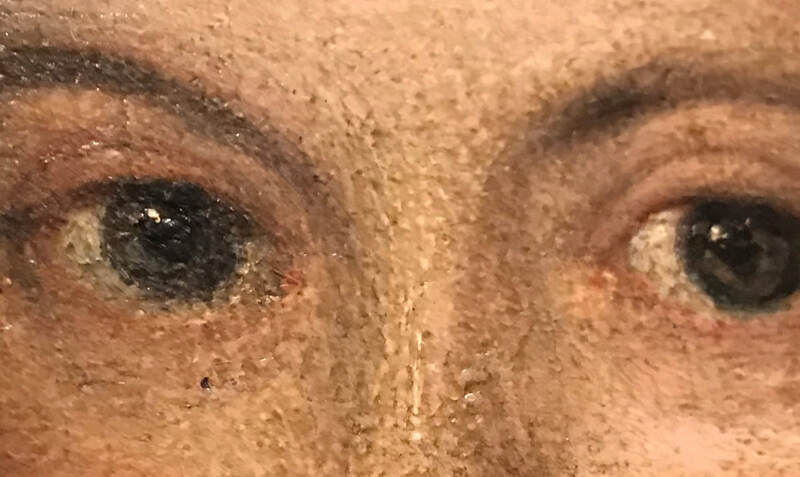
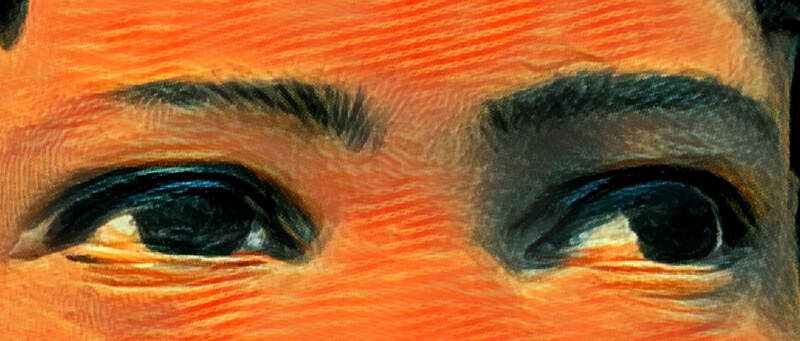
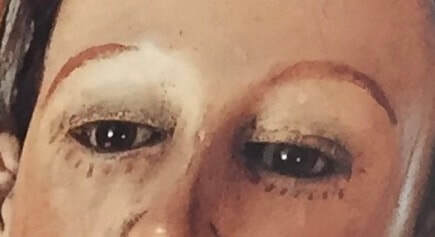
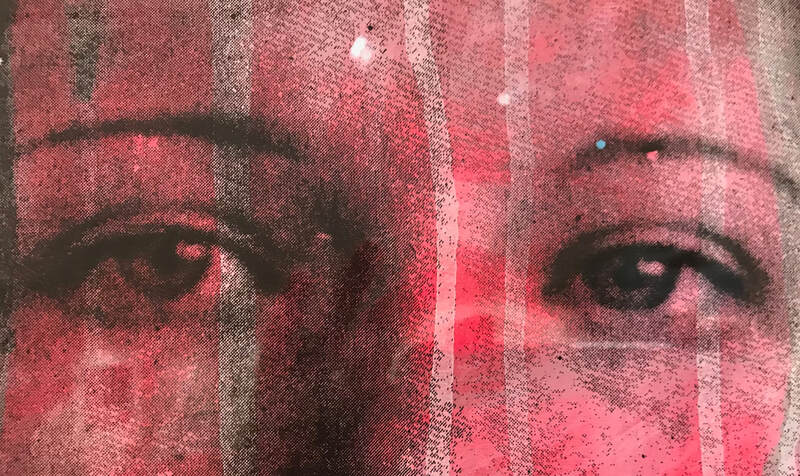
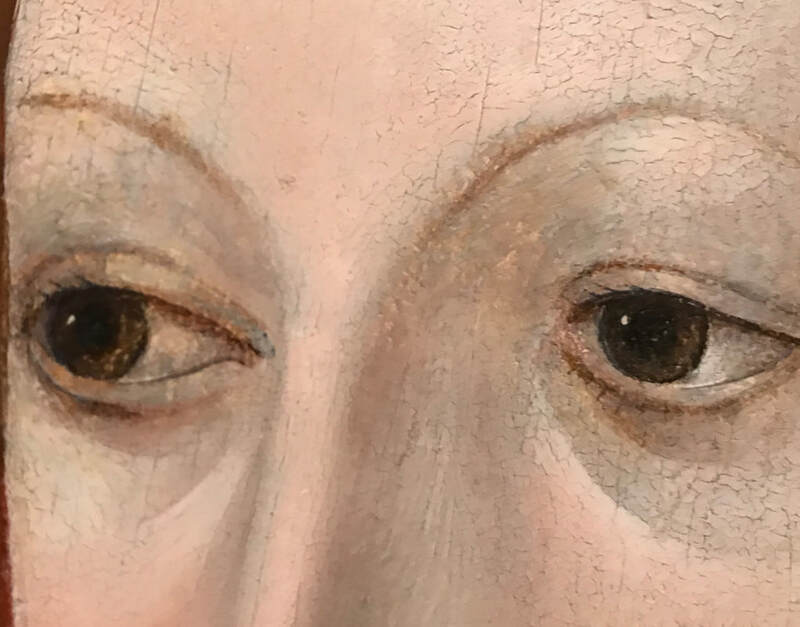
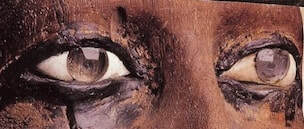
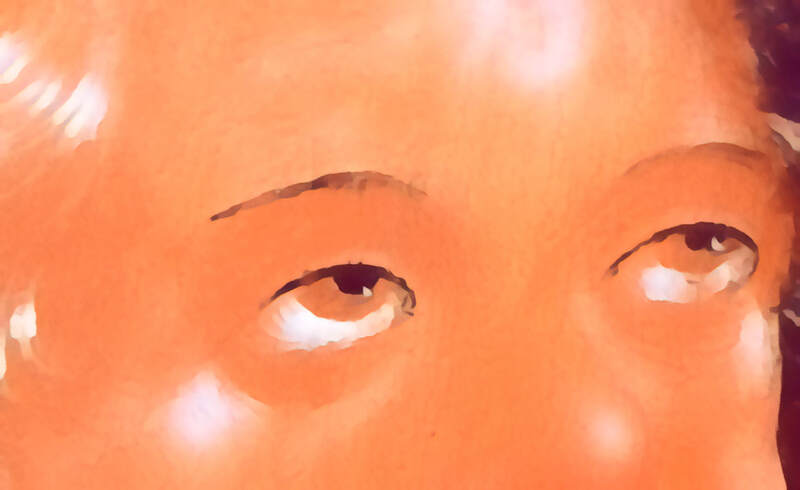
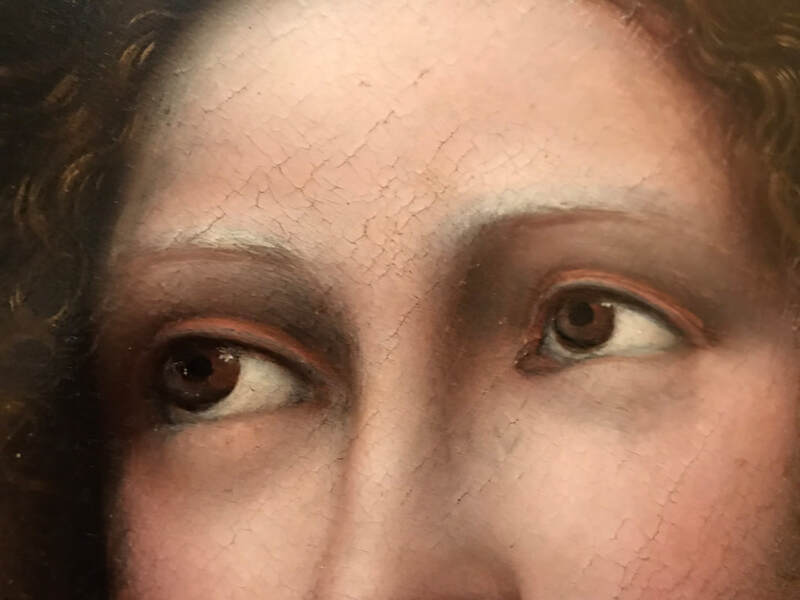
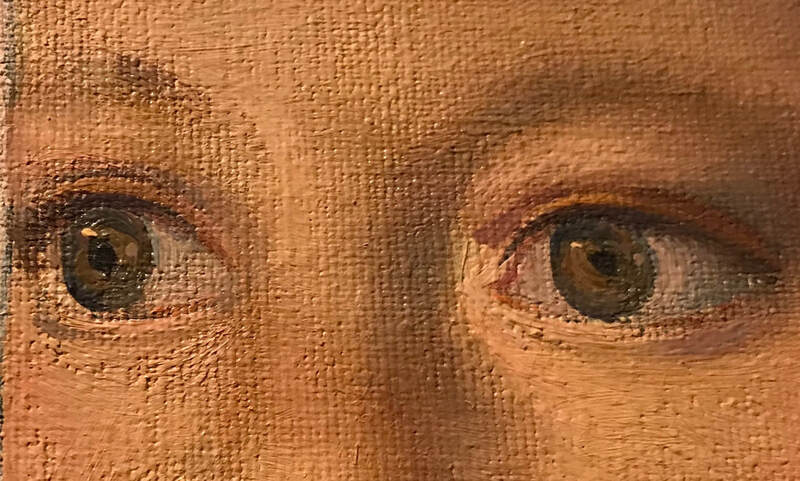
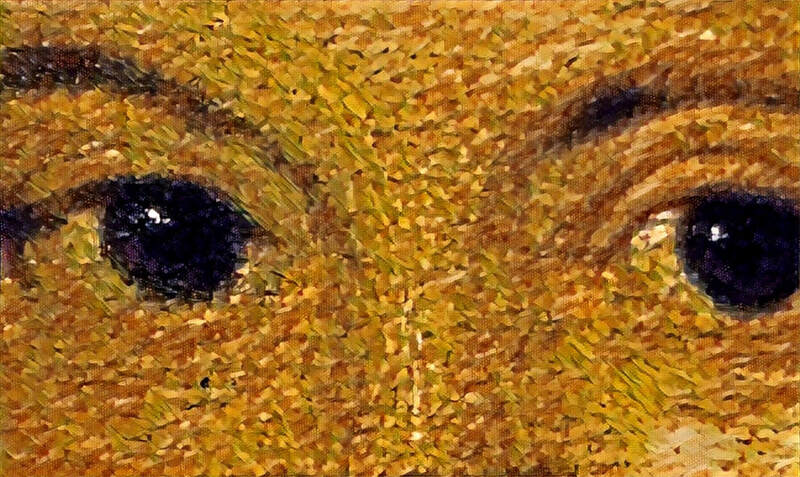
     We've all heard the phrase that "the eyes are the window to the soul," and in the last few months I've been looking at art with a particular focus on the eyes,  considering the way we might really glimpse the soul the artist was seeing. It's an interesting exercise, one that could be used as a productive writing prompt.

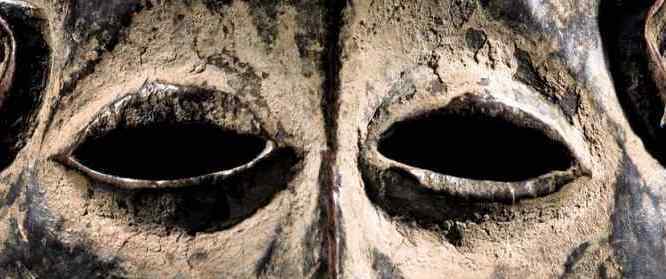
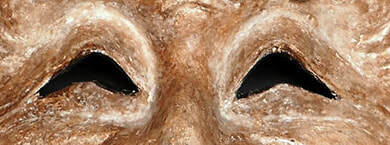
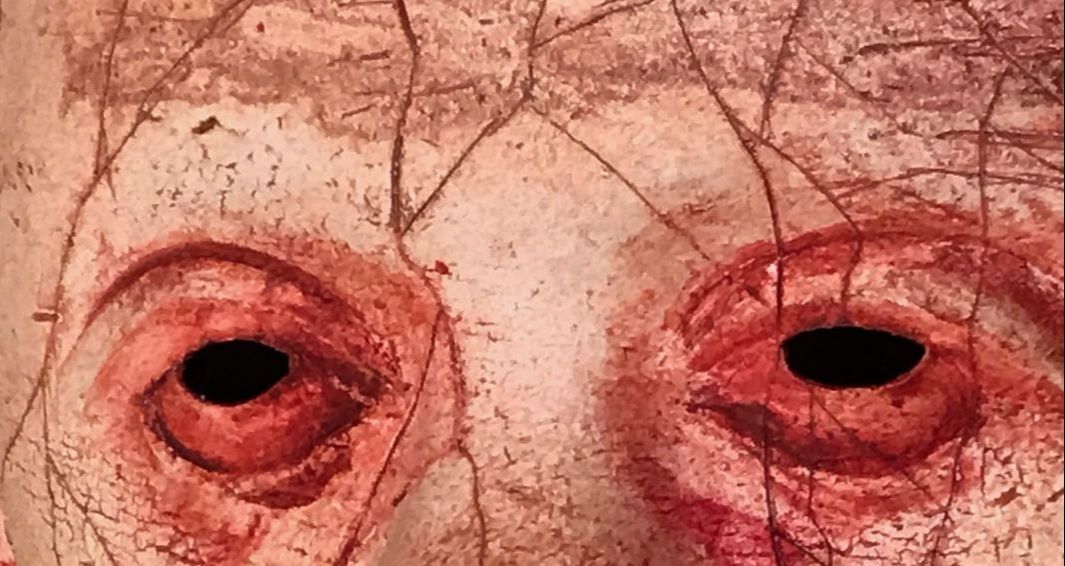
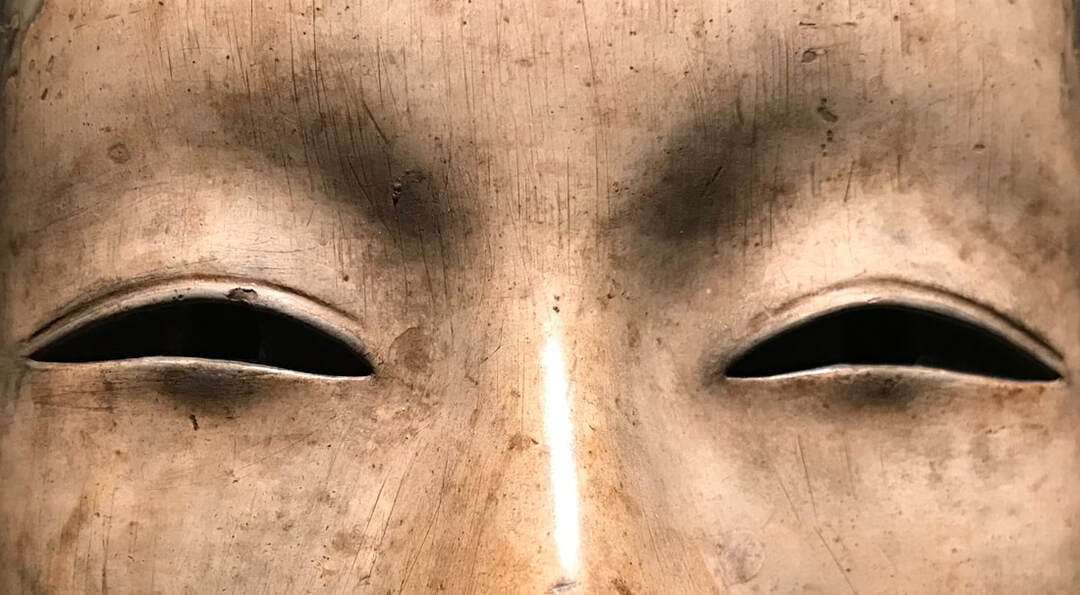
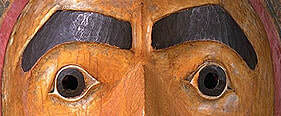
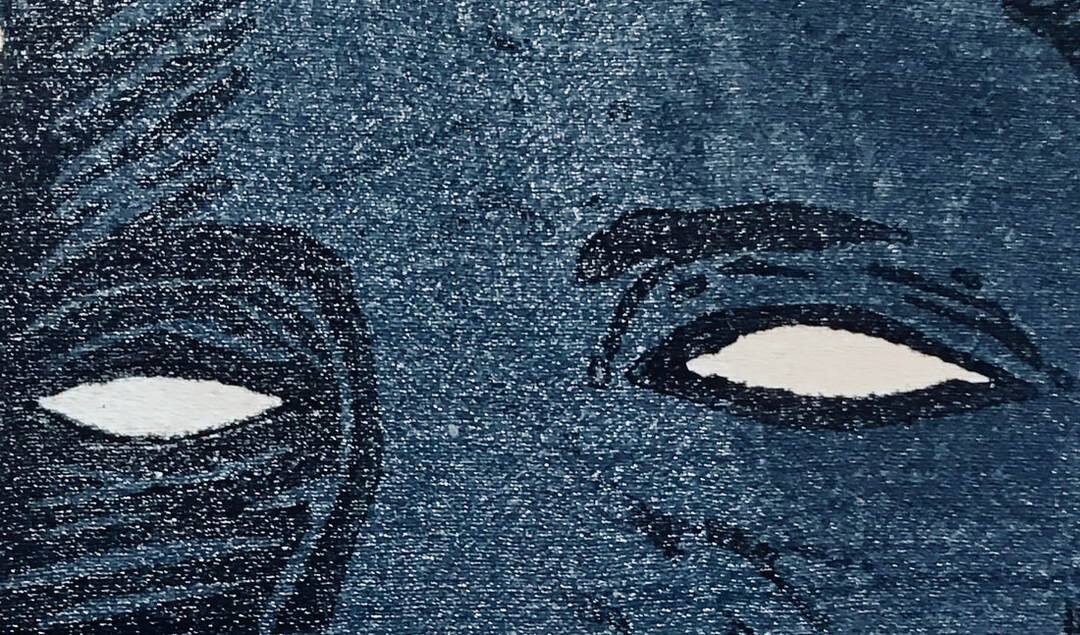
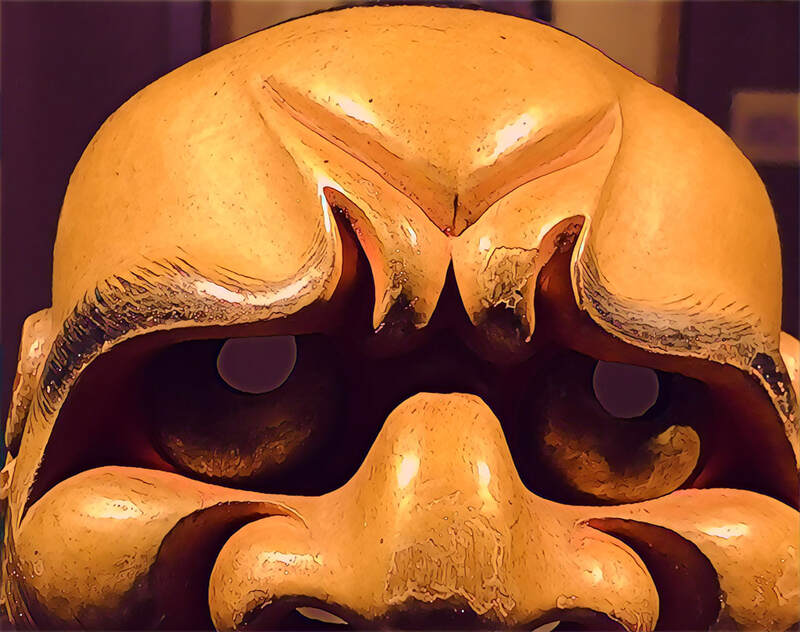
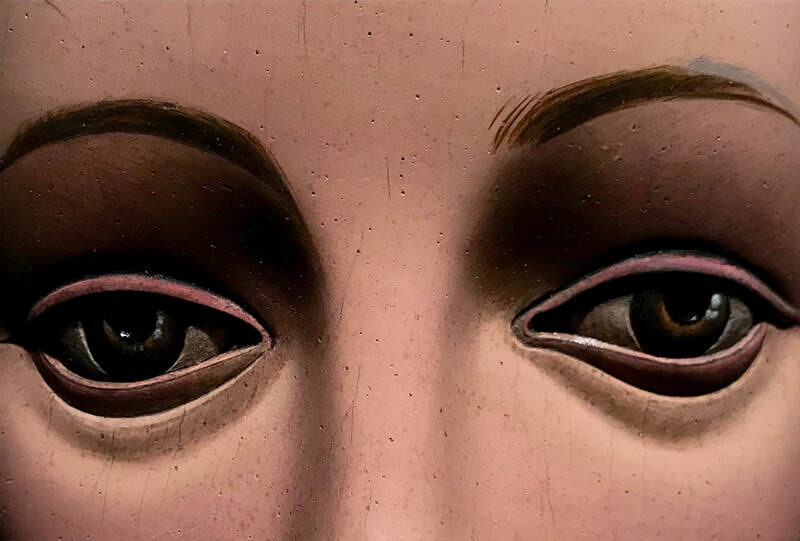
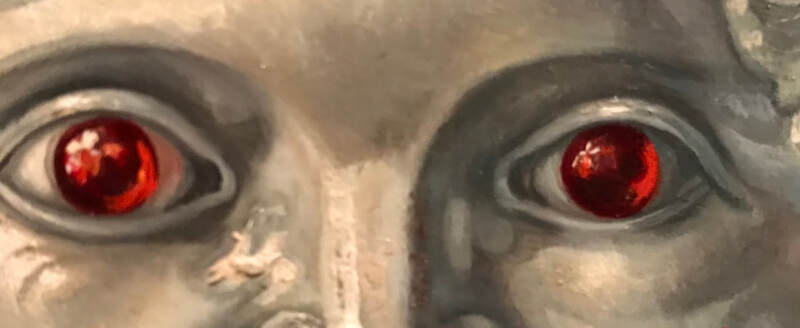
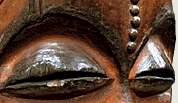
    I came to realize that perhaps the most distancing (and sometimes disturbing) aspect of masks is those empty eyes--it's more than the fact that a particular identity is hidden. The blankness is fundamentally disturbing, even though we may be able to feel the character or emotion inscribed by a good mask maker, and even though the blank eyes allow us to project something archetypal.
    Here are a few examples of empty eyes (remember to click on the images for a fuller view):
    Picture
    Picture
    Picture
    Picture
    Picture
    Picture
    Picture
    Picture
    Picture
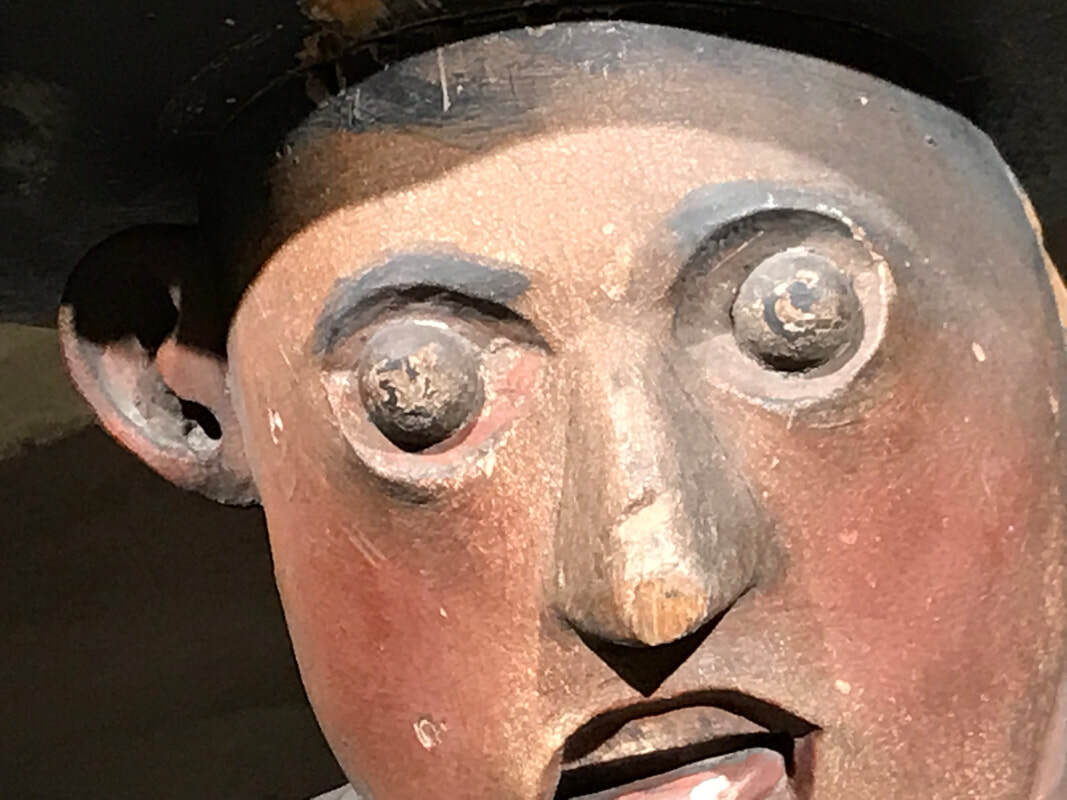
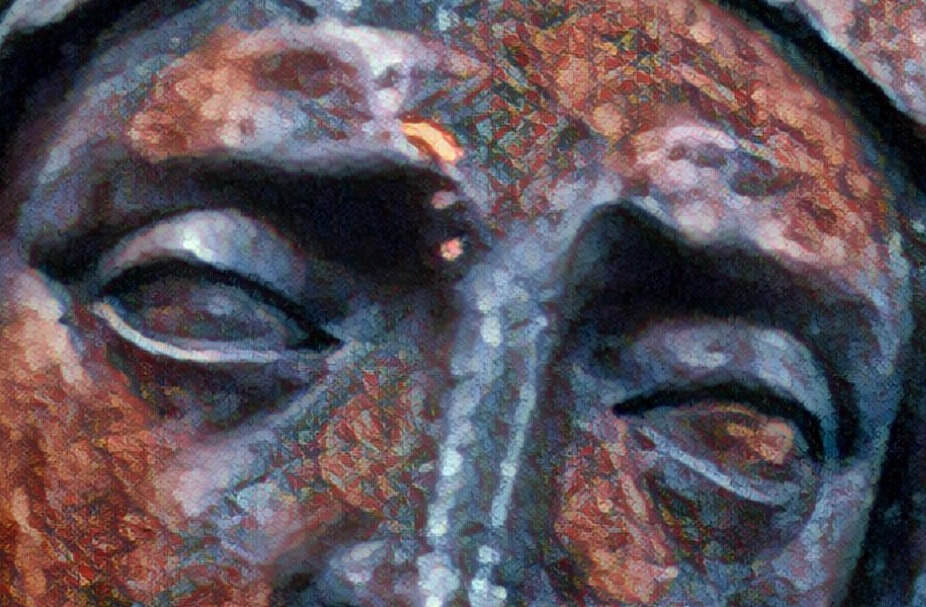
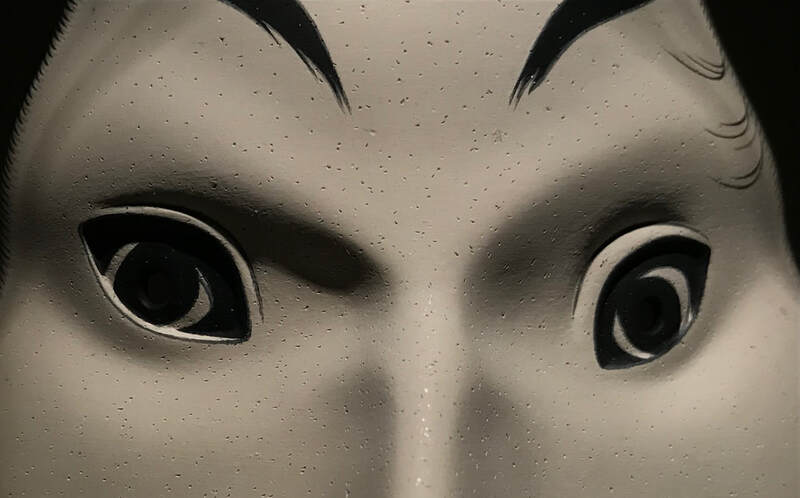
    Masks or sculpted faces that keep the blankness but fill in the holes seem melancholy, but are more relatable.
    Picture
    Picture
    Picture
    Picture
    It's the eyeballs, literally, that enliven the face, and we feel most kinship with those that include the spark of light. I know I'm getting a little carried away here with this many images, but I find them so fascinating that it's hard to edit many out. Let your eyes wander over these eyes, and see which grab you and why.
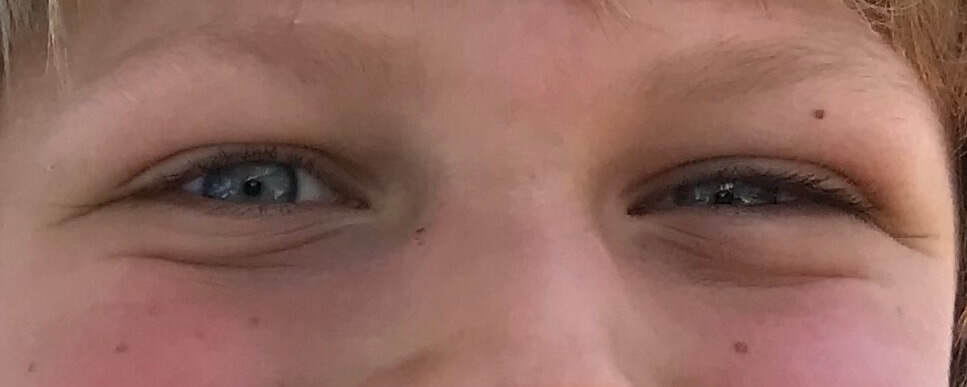
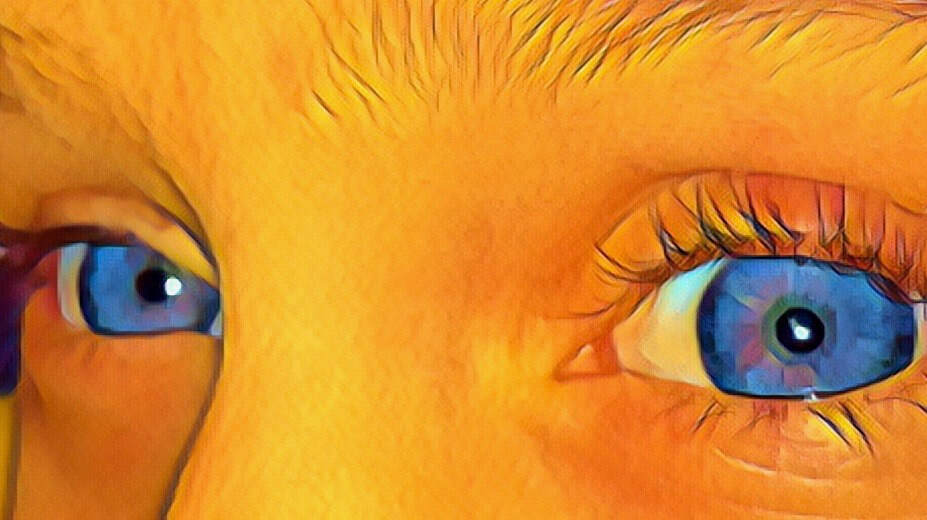
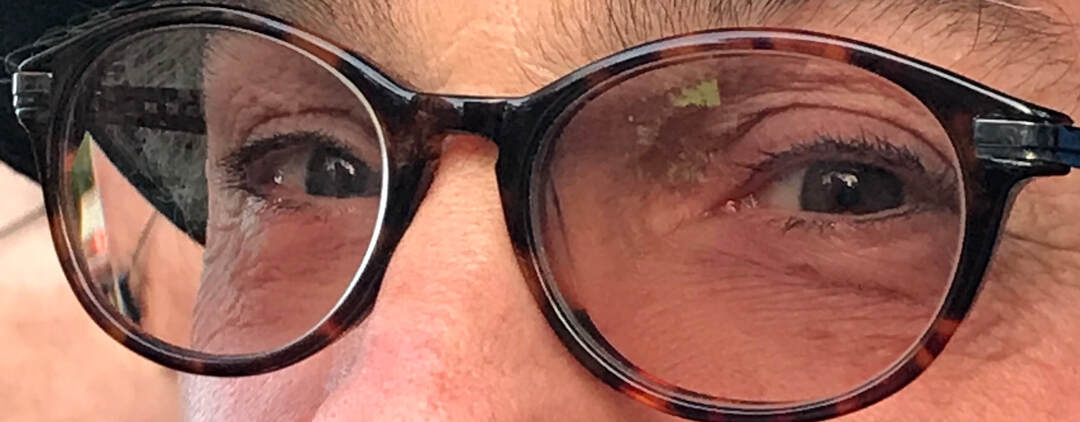
    Finally, I couldn't resist: the light shining through the eyes of some real folks--the artist, other than the camera, is the divine spark of creation itself. Whether the eyes are open wide or crinkled in a smile, the soul window is clearly present.
    Picture
    Picture
    Picture
  • Published on

    REMEMBERING ROCKS

    I really enjoy exploring cemeteries, especially those created in the 19th century with park-like landscapes. I have so much to say about this--the meaning of the Indian effigy mounds in my nearby Forest Hill cemetery, and how they were made to keep a kind of cosmological balance; the flock of robins I encountered there recently (yes, they do flock together and roost in trees in cold weather); and so much more. (As enticement for some future post, here's one image showing part of one of these mound).
    Picture

    View of an effigy mound (ca. 1000 C.E.) in Forest Hill cemetery, Madison, Wisconsin, surrounded by graves from the early 20th century.

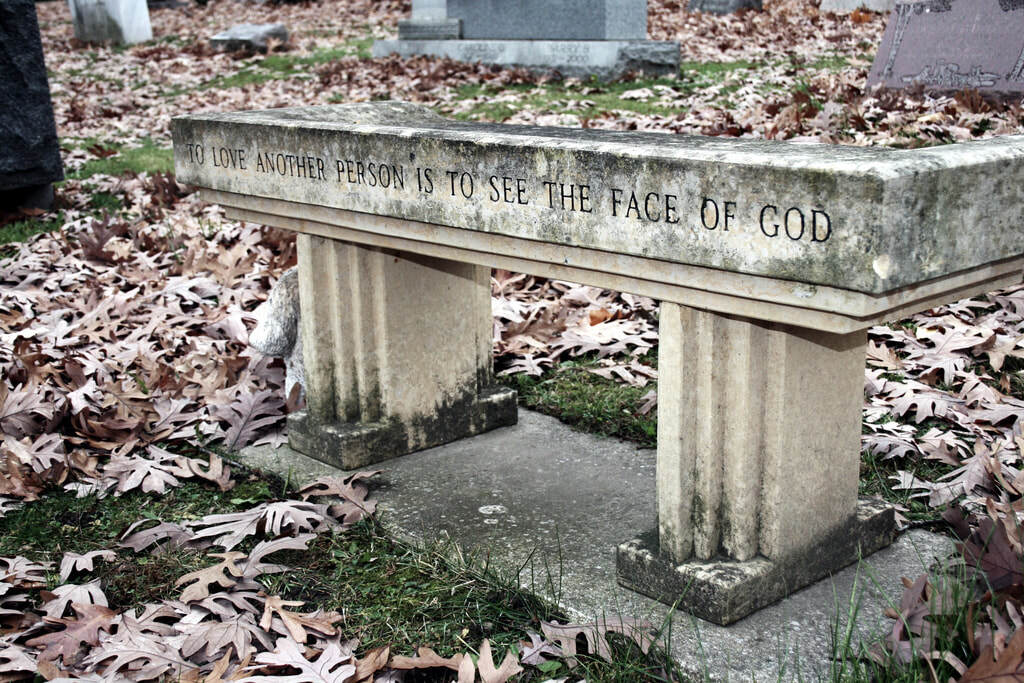
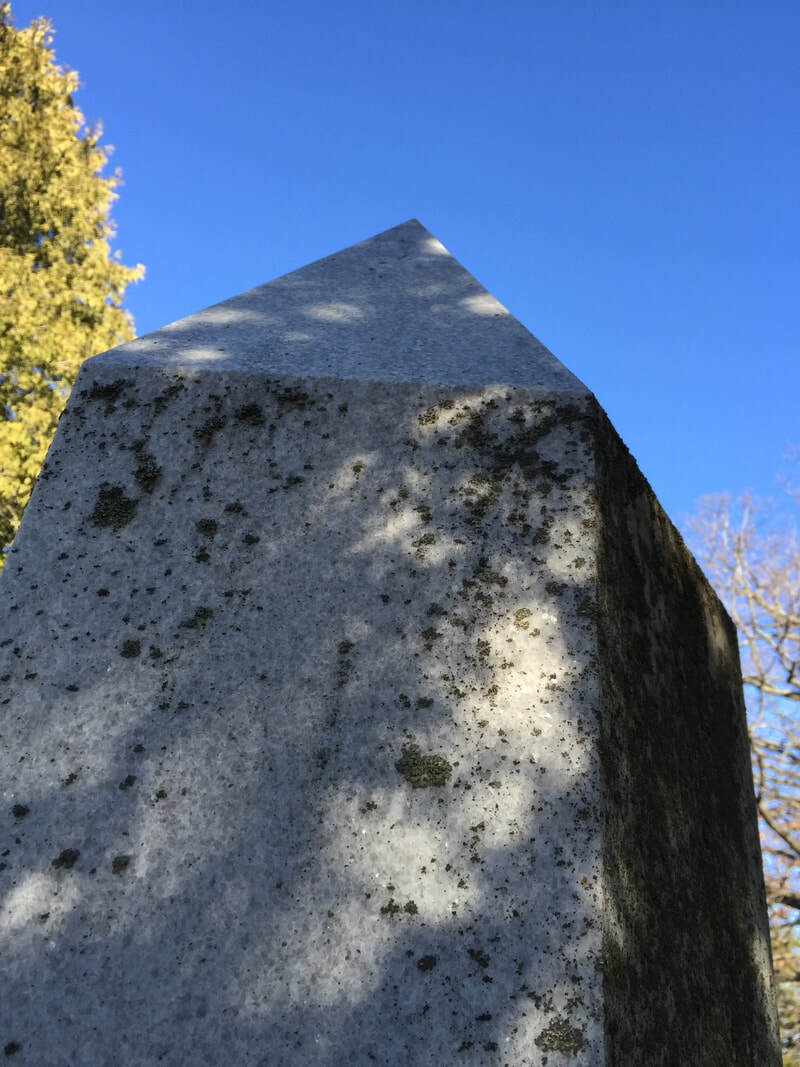
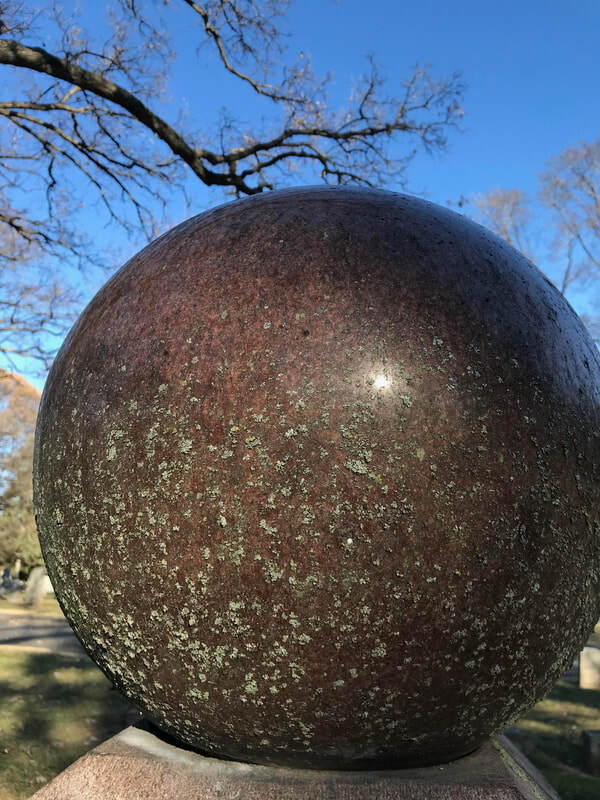
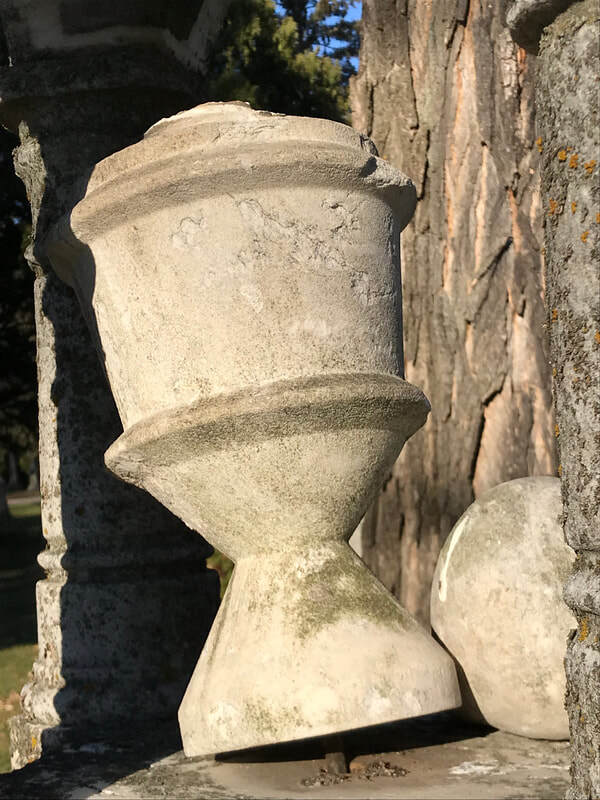
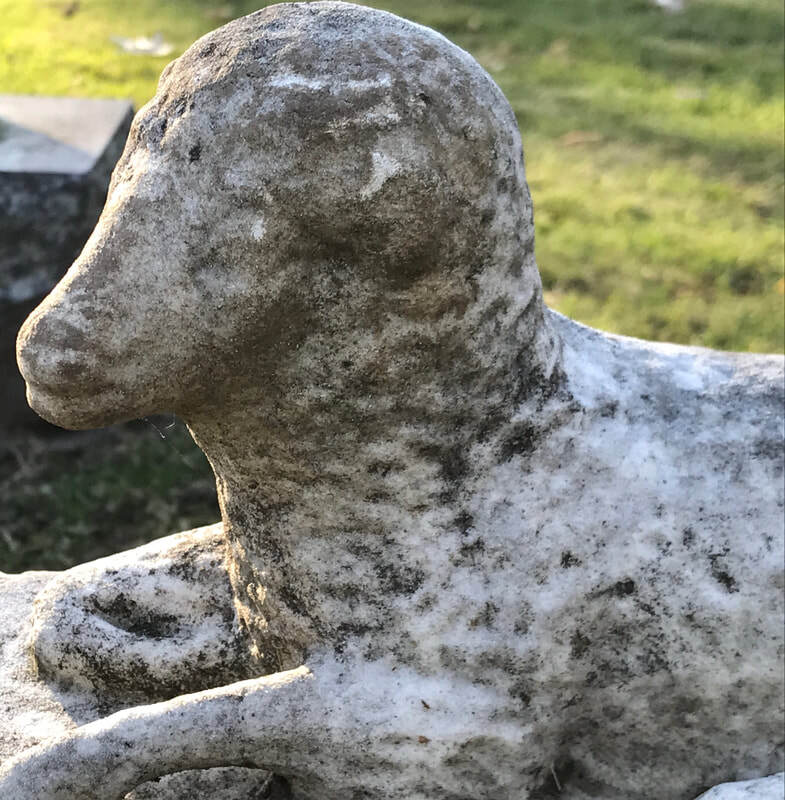
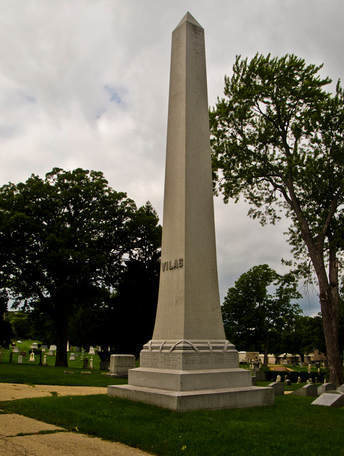
    The subject of the post, though, is about stone--rock-- which is a central part of the cemetery experience. It is of course all around; gravestones are ubiquitous, from identical plain veteran's gravestones placed in neat rows to towering obelisks erected to proclaim that powerful men will take up a great deal of space, even in death. There are even solid marble gazing balls that must have taken enormous skill to carve. Stone, everywhere. Solid, appearing in a range of different colors. Stone, with dignity and staying power.
    Picture

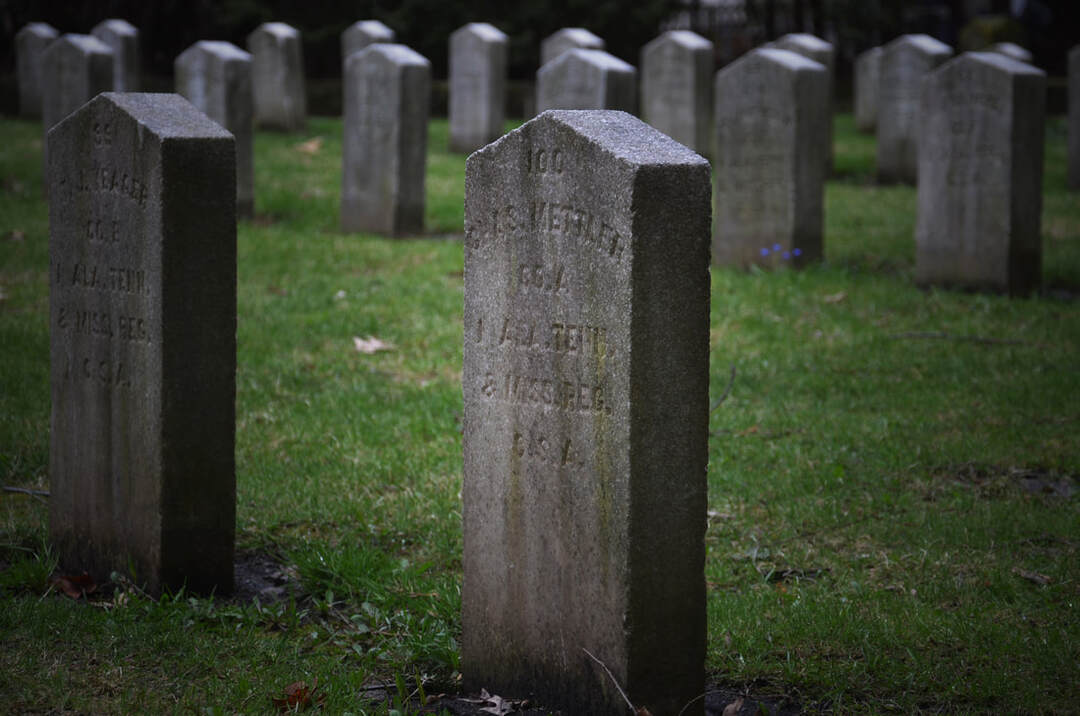
    Civil War stones in Forest HIll cemetery.

    Picture
    Picture
    Picture
    Picture
    Picture
    Picture
    Picture
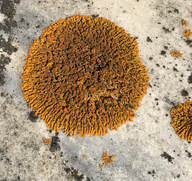
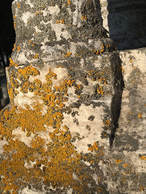
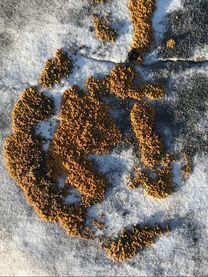
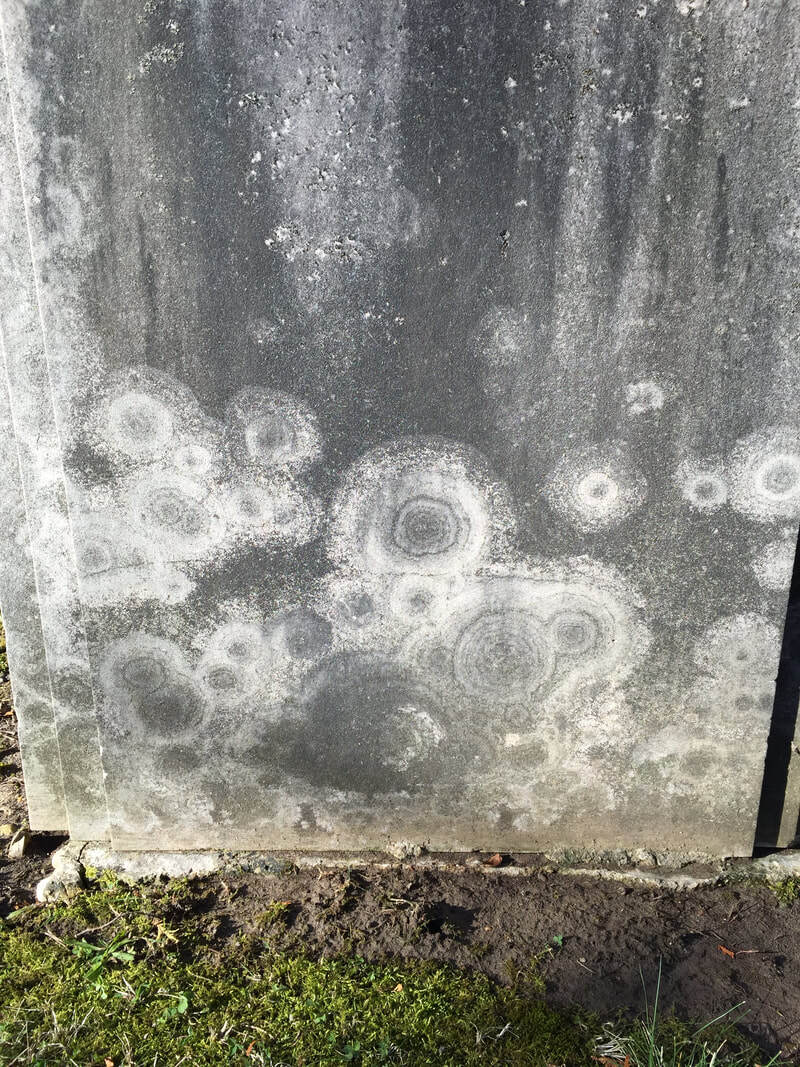
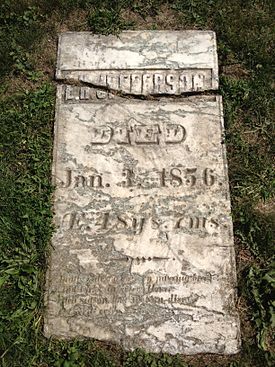
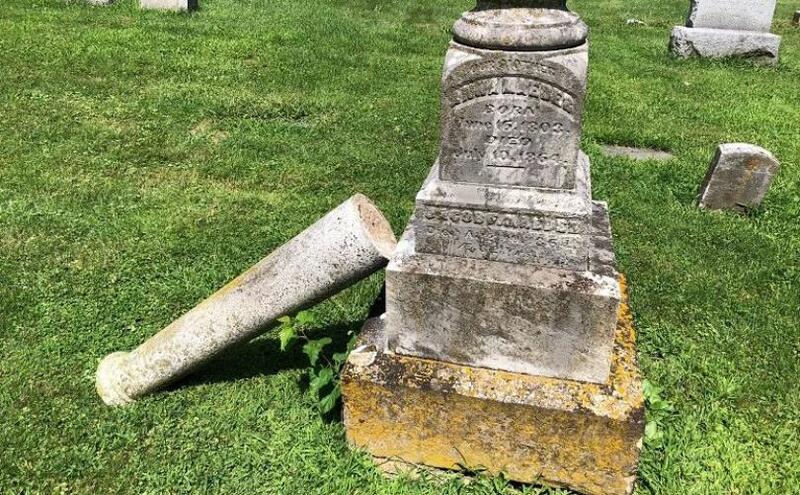
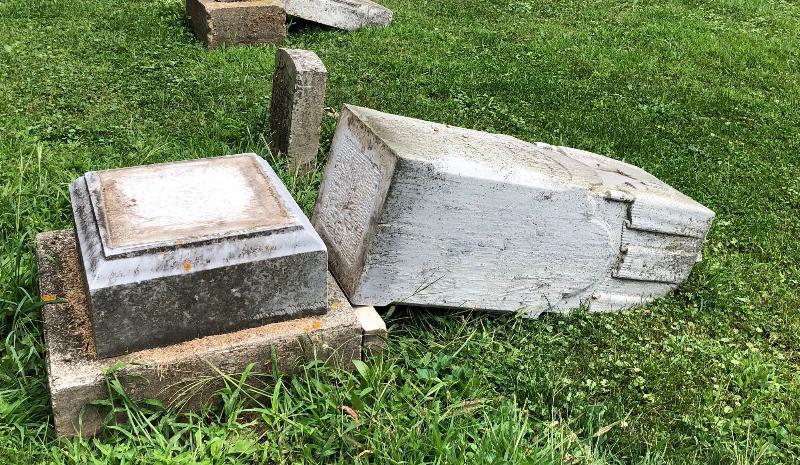
    Staying power, strength, eternity. It all seems so permanent, so strong--it's "set in stone." Actually, we know that's not really true; it's matter of time and perspective. Rock is not so fixed. It can be breached; it moves. It falls down, it cracks. Moss and lichen are constantly eating it away. Mountainsides reduce to pebbles, and eventually, sand.

    Picture
    Picture
    Picture
    Image description
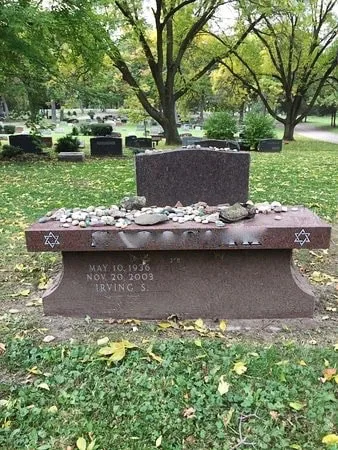
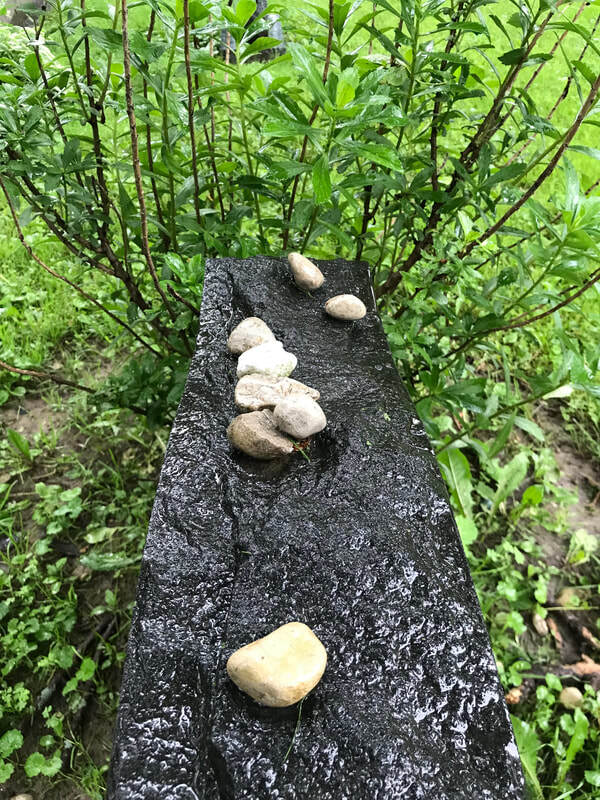
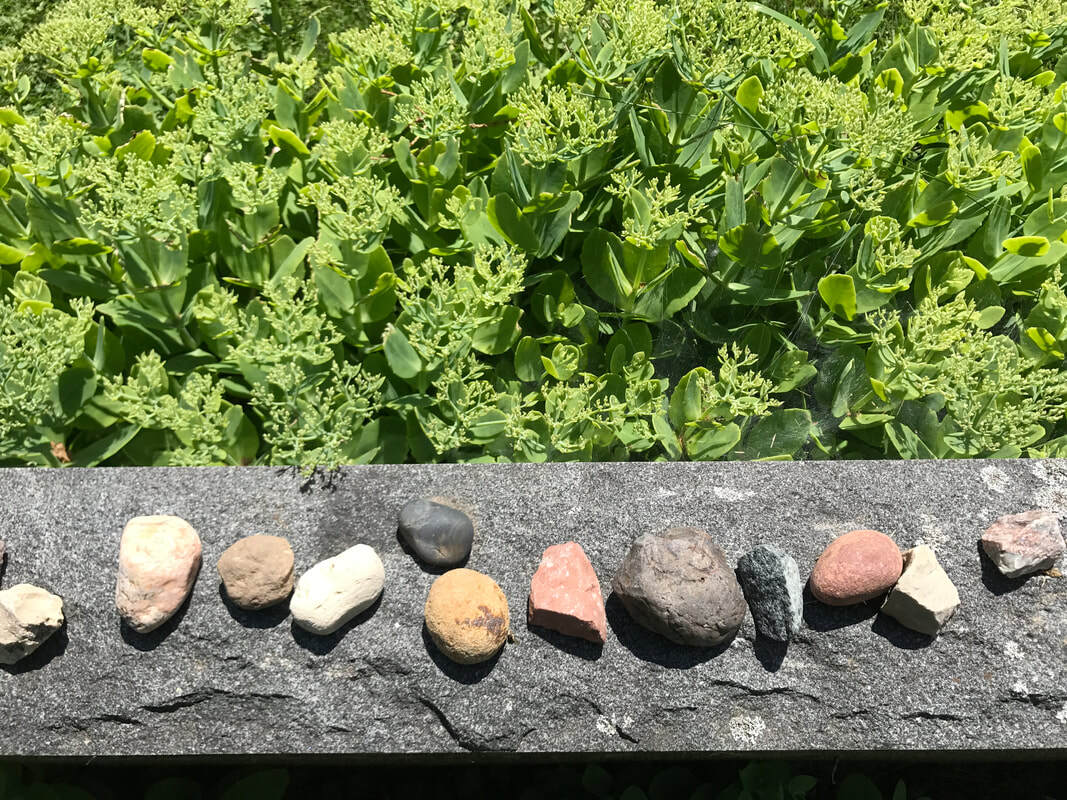
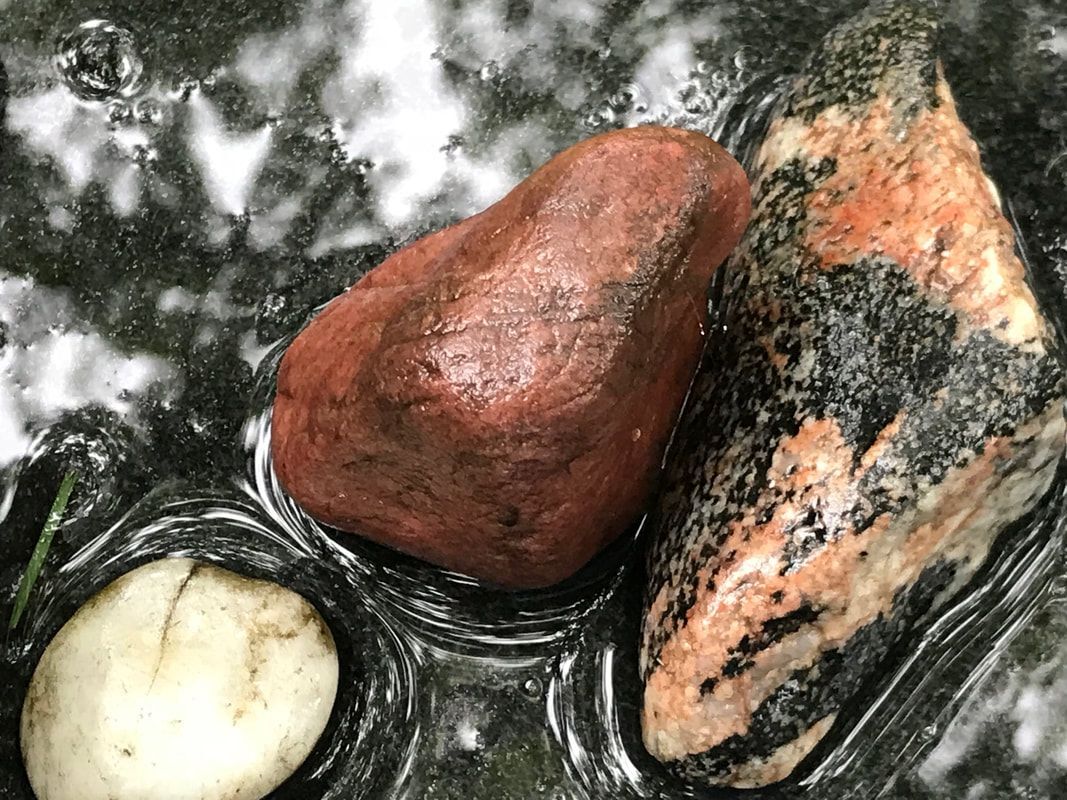
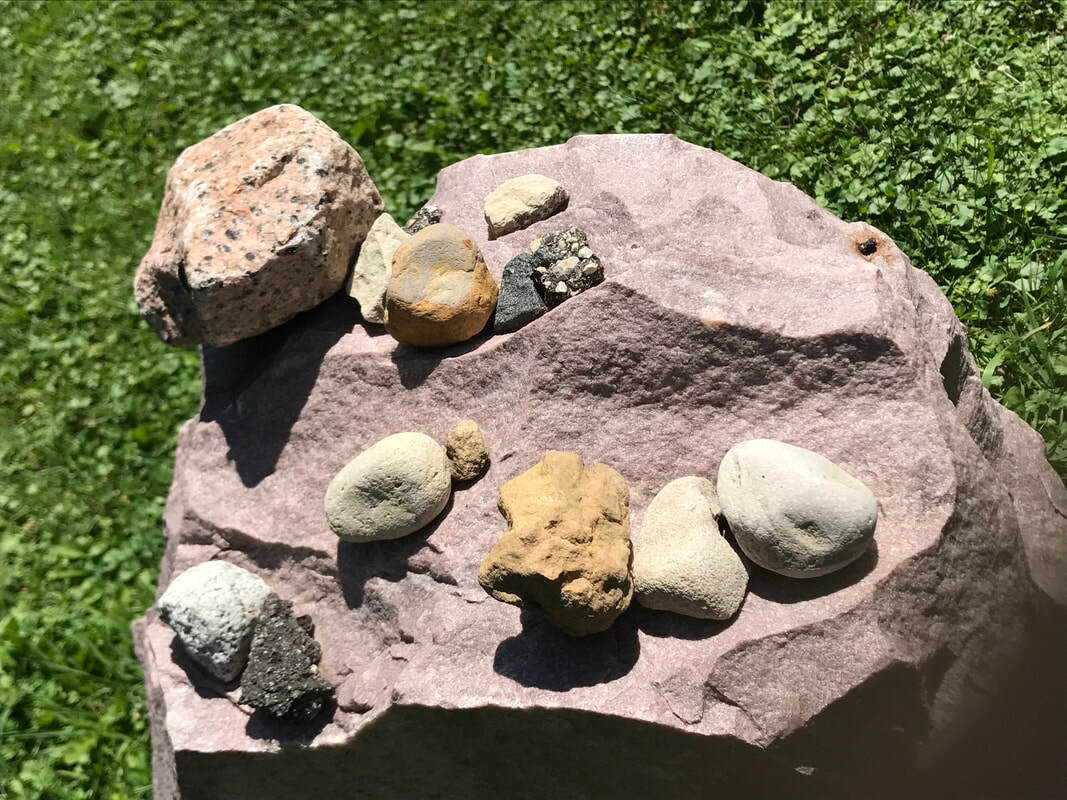
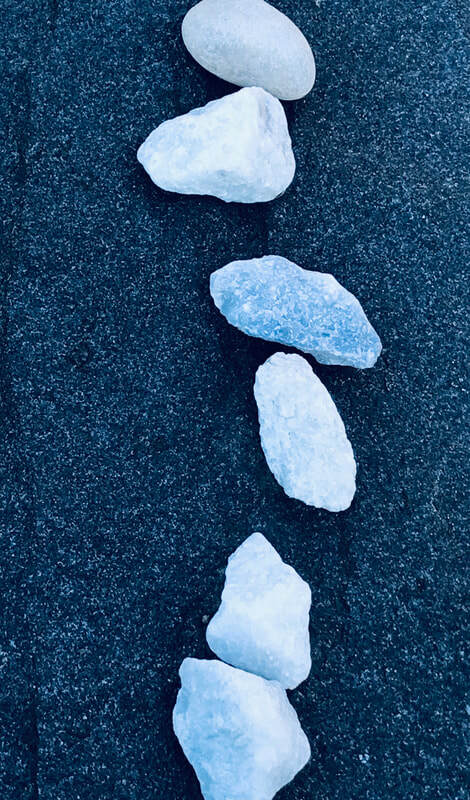
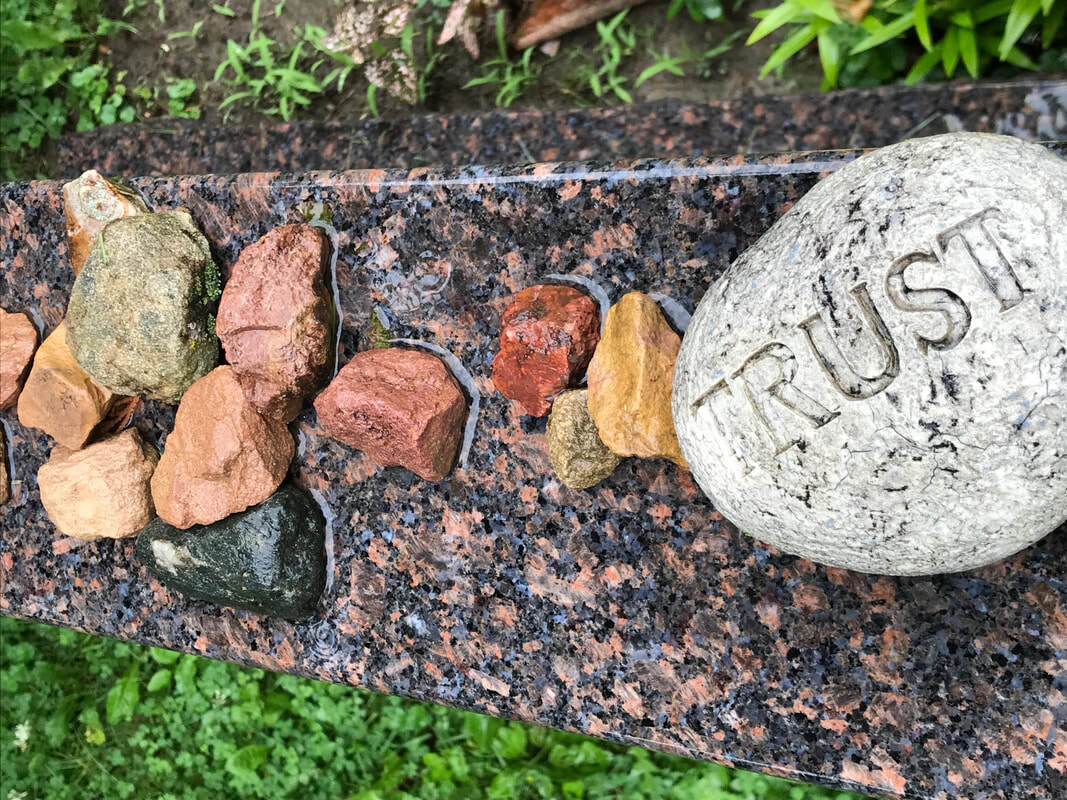
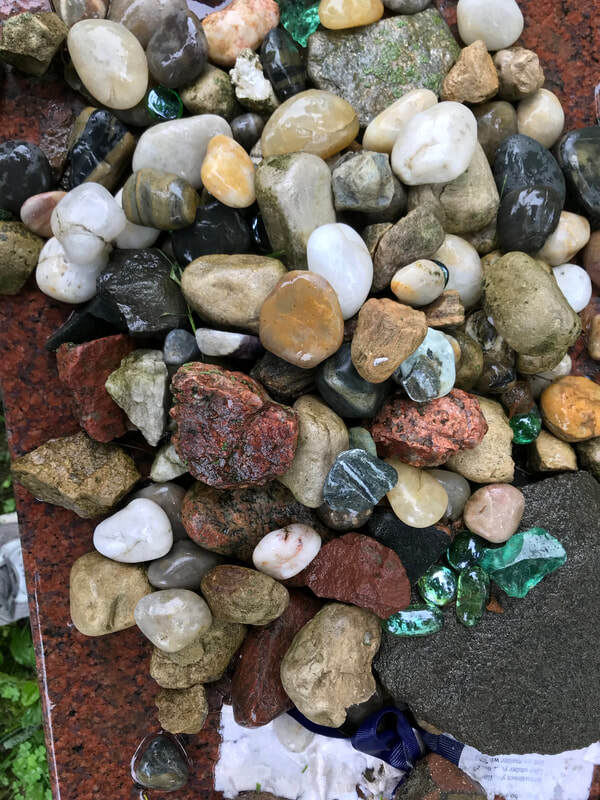
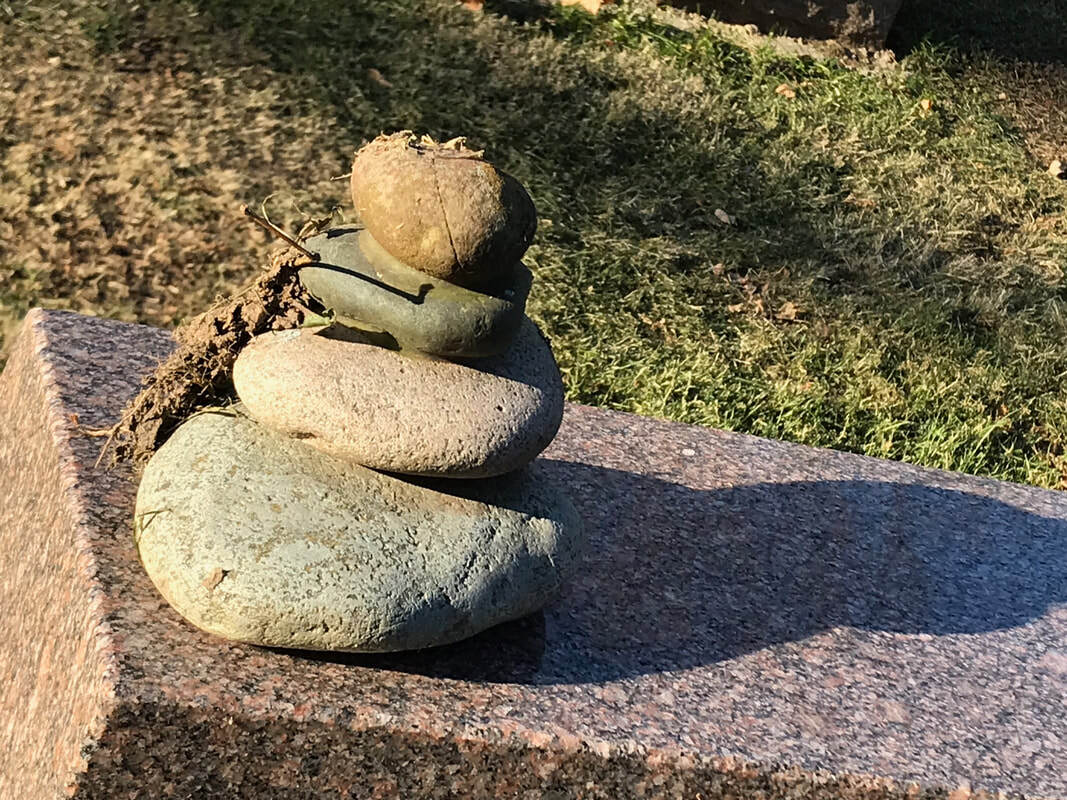
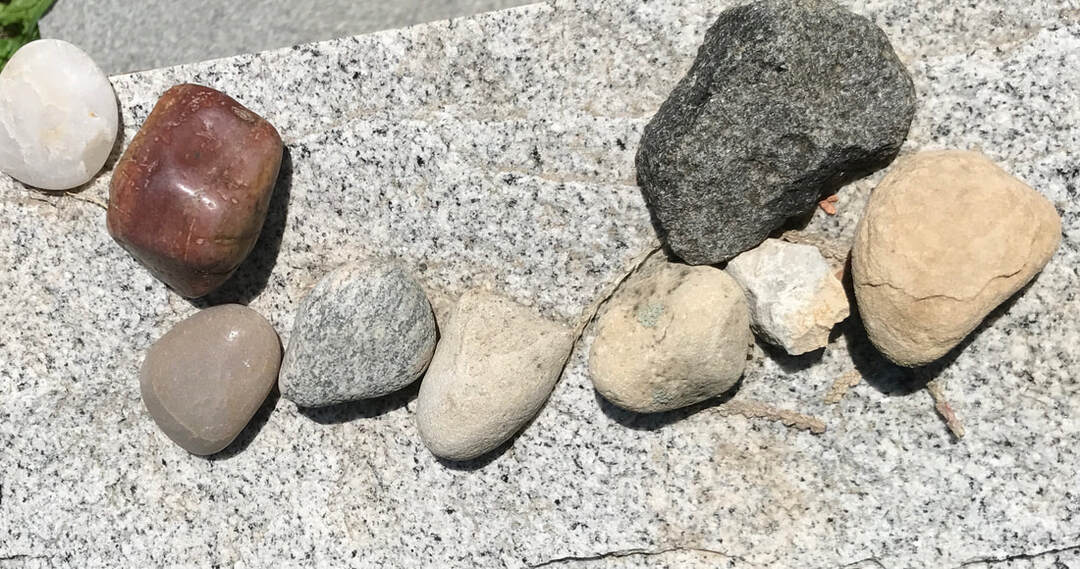
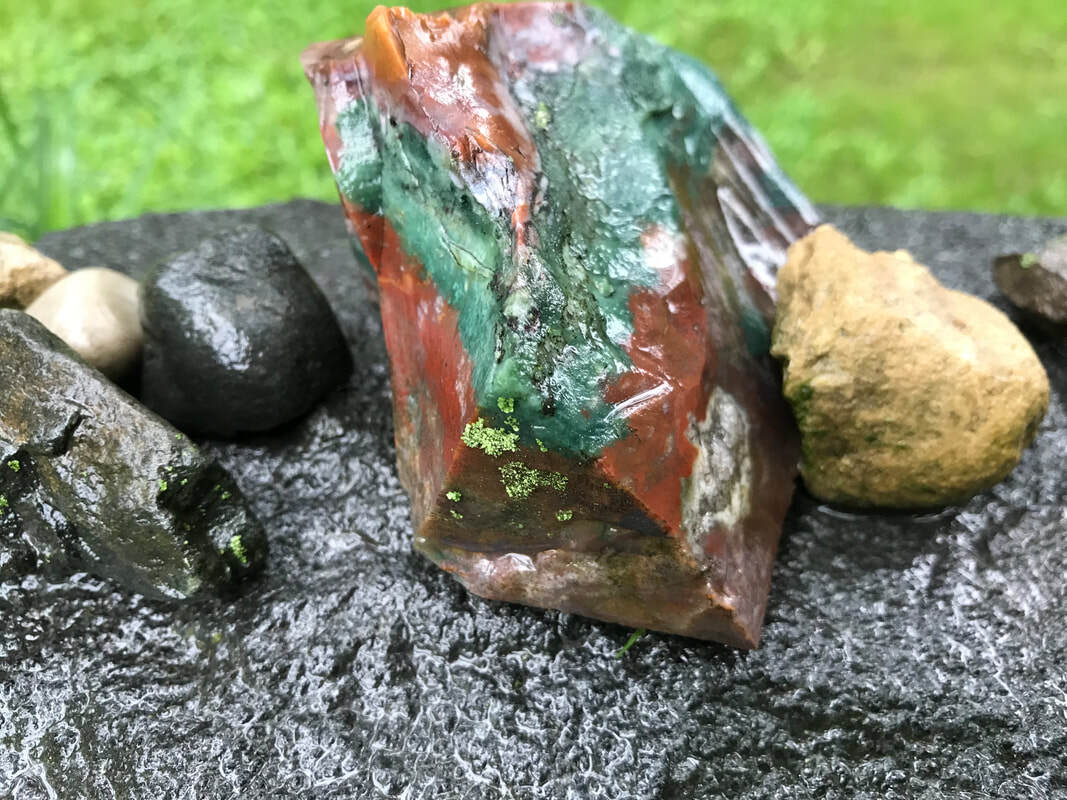
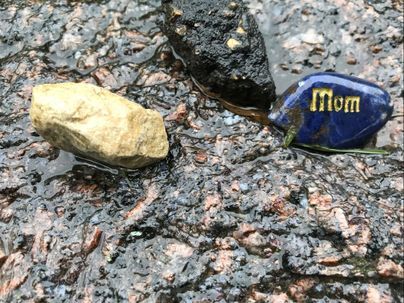
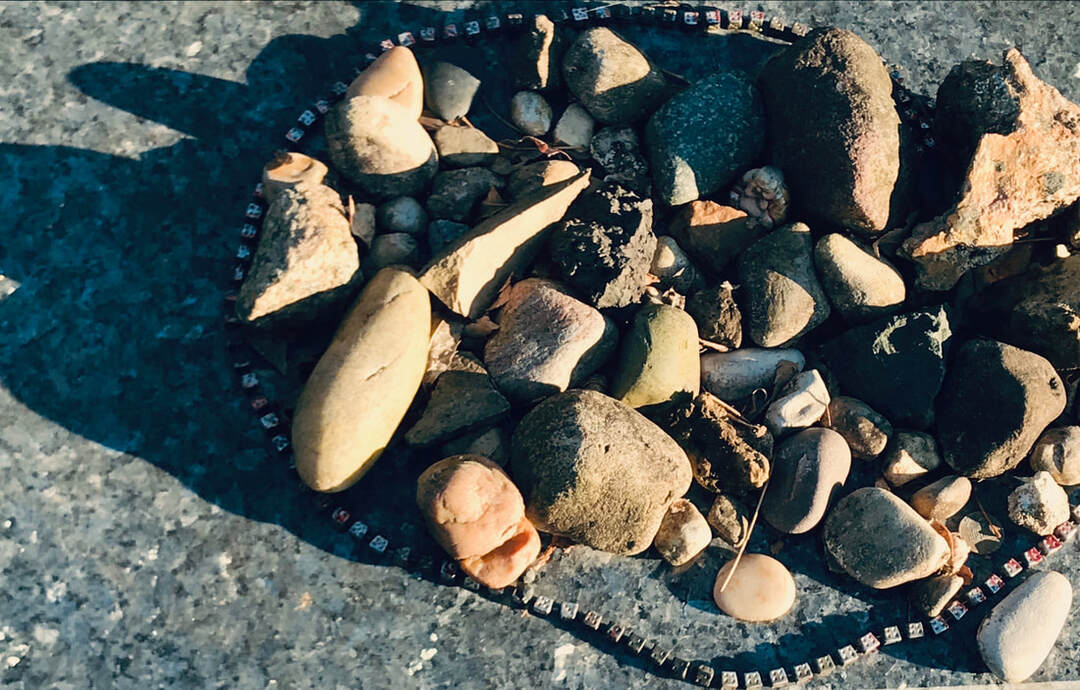
    But stone still feels permanent, solid, and even small pebbles remain hard and strong. That brings me to the central focus of my discussion: the small stones that are left on larger stones as signs of long-lasting remembrance. This is an old Jewish custom, still practiced around the world. (The images I post here are all from my local place, Forest Hill). I am always drawn to these memorials, and sometimes even leave a stone of my own. I have the sense that the stones too want to be witnessed. Stones gathered together, stone upon stone. Remembering rocks.

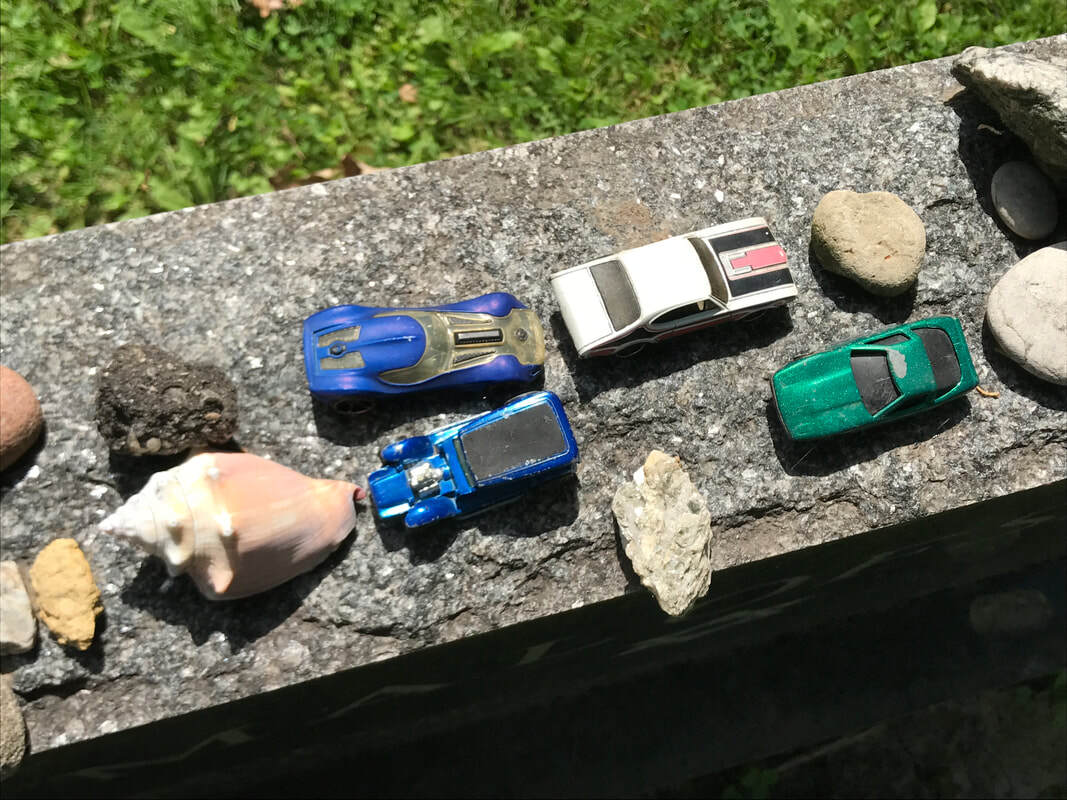
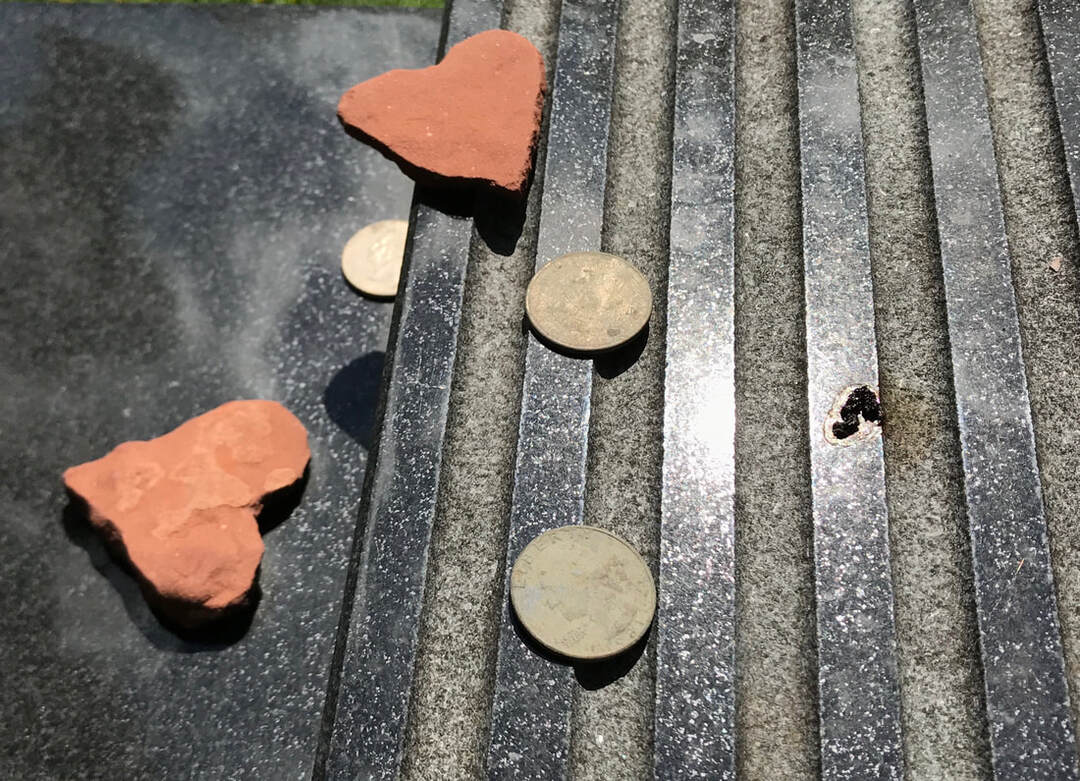
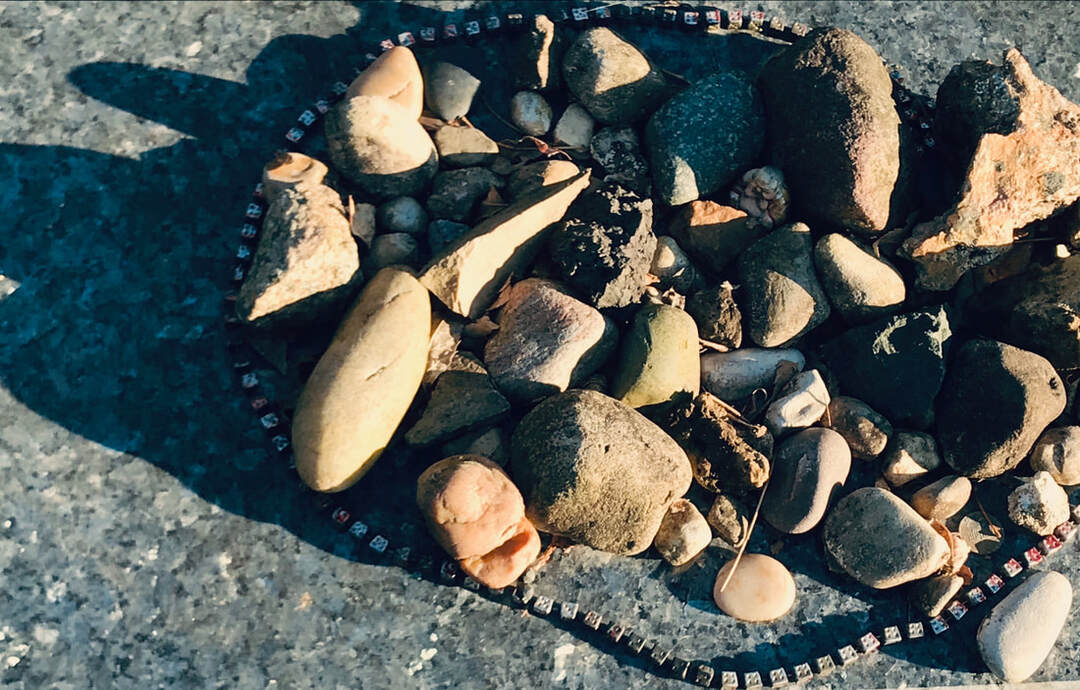
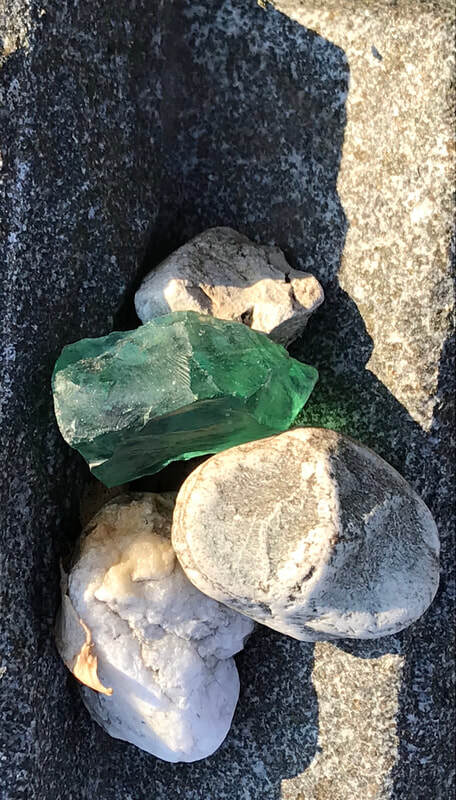
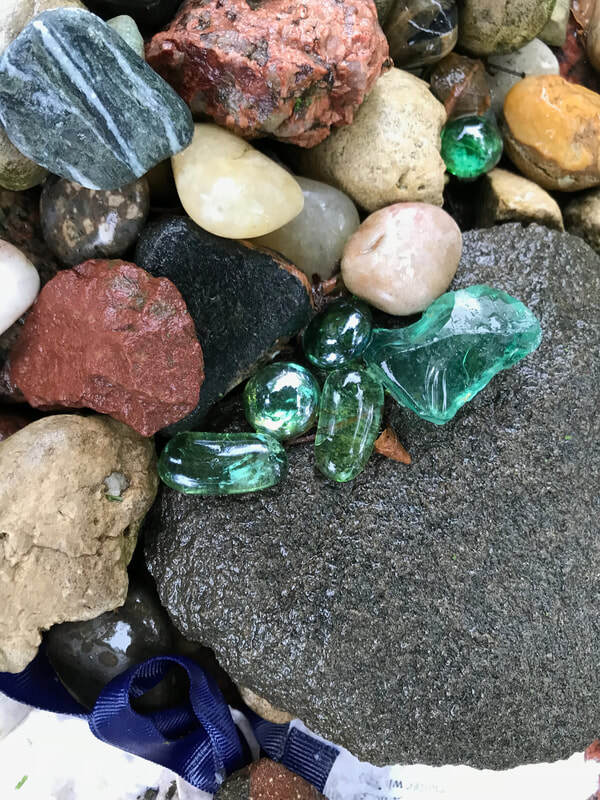
    For those unfamiliar with the custom, it is a simple concept. When a visitor comes to a gravesite, he or she leaves a small stone to essentially say, "I was here, and I remember you." The stones are typically pebble-size, but this does vary, and as my images show, sometimes other materials supplement or replace the stones now--pretty pieces of glass, shells, even beads. They accumulate over time, and clearly, if one encounters a memorial marker covered with a large collection of small stones, it indicates how much the deceased was loved and appreciated. One description I read of walking in the military cemetery of Jerusalem, mentions "heaps of stones, like small fortresses" on the graves of fallen soldiers.

    Stones may not be eternal, but they last longer than flowers, and do not fade. They give a sense of solidity and allude to the permanence of memory. The origin of leaving these stones is not completely clear, although there are many stories. One I like --although it may well be apocryphal-- is that flowers were originally left at graves to cover up the smell of a decaying body, but because Jews were traditionally buried within 24 hours, the flowers were not needed. Stones were, again, a longer lasting offering. A related idea is that living people like the smell of flowers, but the deceased are beyond that--they are one with God and no longer need such temporary pleasures. There are also stories about stones helping to keep the soul of the deceased from wandering, about laying down arms in death (symbolized by laying down the rocks), and shepherds tracking their sheep by representing each with a pebble. One particularly poetic explanation is that a headstone symbolizes the soul of the deceased (remember, there were not always headstones--just piles of stones that might keep a wild animal away from a recently buried body), and when a visitor leaves a stone, it symbolizes their own soul and the way all is "tethered together in mitzvah [good deed, blessing] and metaphor."
    Picture
    Picture
    Picture
    Picture
    Picture
    Picture
    Picture
    Picture
    Picture
    Picture
    Picture
    Picture
    Picture
    Picture
    Picture
    Picture
    Picture
    It's interesting to note that the tradition of leaving rocks is not limited to Jewish graves any more; others are increasingly finding it a meaningful tradition. And parenthetically, there is a growing practice of leaving coins on (non-Jewish American) military gravestones. There is a code of meaning, with each coin symbolizing a particular relationship with the deceased. A nickel would be left by someone who was in boot camp with the fallen soldier, while a quarter would indicate the visitor was present when the person was killed.

    Other than remarking on an interesting practice, I am impelled to write about these memory stones because I've been feeling the energy of rocks so strongly. It's hard to write about; it's a feeling, an intimation about something. It is not a concept.  I tried to capture some of it with my poems and images of the rocks on Mt. Shasta (August, 2018), and it has to do with the rocks holding the holographic imprint, holding memory, but maybe a much longer, deeper memory than we even know. Not exactly really permanent, but so long-lived by our standards that it comes close. Discussions of the Jewish custom of leaving rocks keep referring back to the Bible and the rocky landscape that was part of Jewish history. The stone on which Abraham was to have sacrificed Isaac is referred to as hashityah, the foundation stone of the world. A pile of stones could be a sacred place, a place of prayer. Moses sat on "the Rock," and carved the tablets from it. Jacob's Ladder rose from a stone.  On the darker side, people were stoned to death, and "stony" implies unyielding, cold, and without empathy.

    I was very moved recently in driving through the Atlas mountains in Morocco. This is a dramatic region, all about rock and stones. The terrain consists of stones for miles and miles and miles, sometimes pebble-sized, sometimes big boulders. Houses are built of stone. Stone tumbles into rivers. Sheep and goats climb over high stony peaks. I kept sensing the stone memory, the consciousness held in all that rock, but I couldn't really access or translate it. I felt stone-ness, but there are no words or concepts to say what it was I felt.  At one point one of my traveling companions remarked that she wouldn't want any of that "real estate"--it was too much relentless rock, too hard to deal with, too unfriendly. Rocky terrain=trouble. I reacted almost viscerally; yes that's true, I thought, but you aren't asking what the stones know, you aren't feeling into the stone or the stone space. Maybe those who live here live deep in the stone, know what the stone knows, hold stone memory. Maybe the rock remembers them. Maybe they have another, silent experience that you can't even imagine.

    Maybe.  Right now, today, I will hold some stones and breathe with them: round smooth ones tossed by Lake Michigan, and sparkly ones from riverbeds in the high Andes (another oh-so-rocky landscape). I will even touch the very fine sand I brought back from the Sahara--sand that was stone, ground down to the consistency of fairy dust. Maybe I will breathe them in, absorb their stone wisdom. Maybe I will be taken into the secrets of stone.


  • Published on

    BLUE MOROCCO

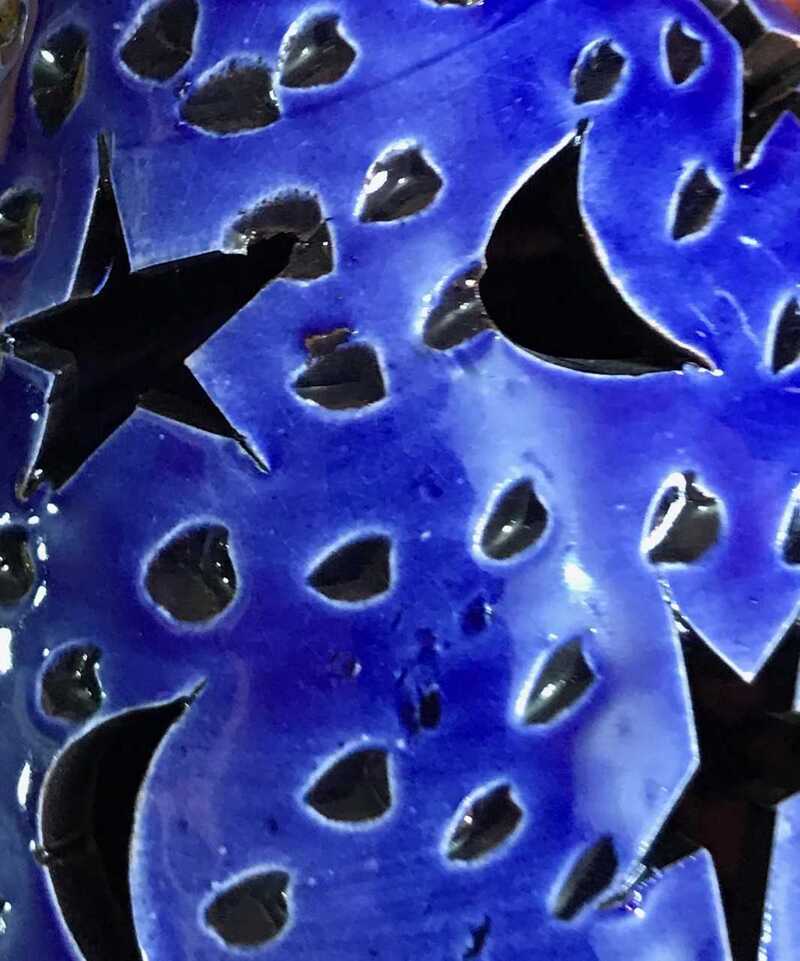
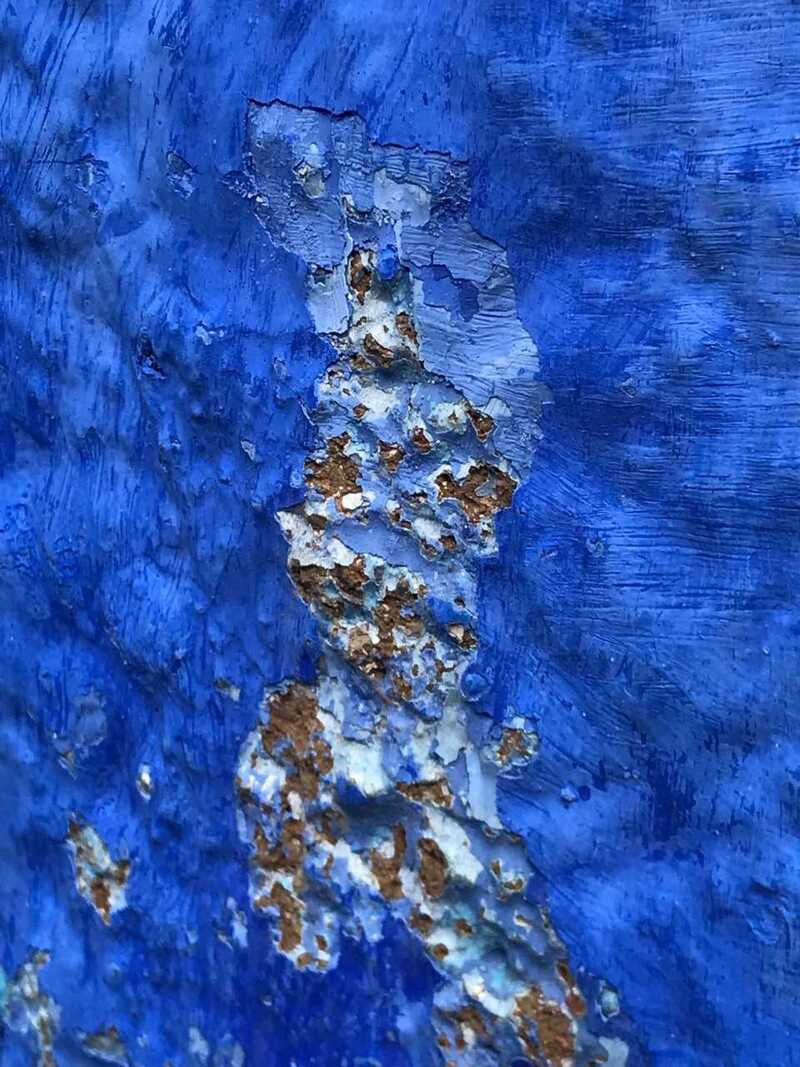
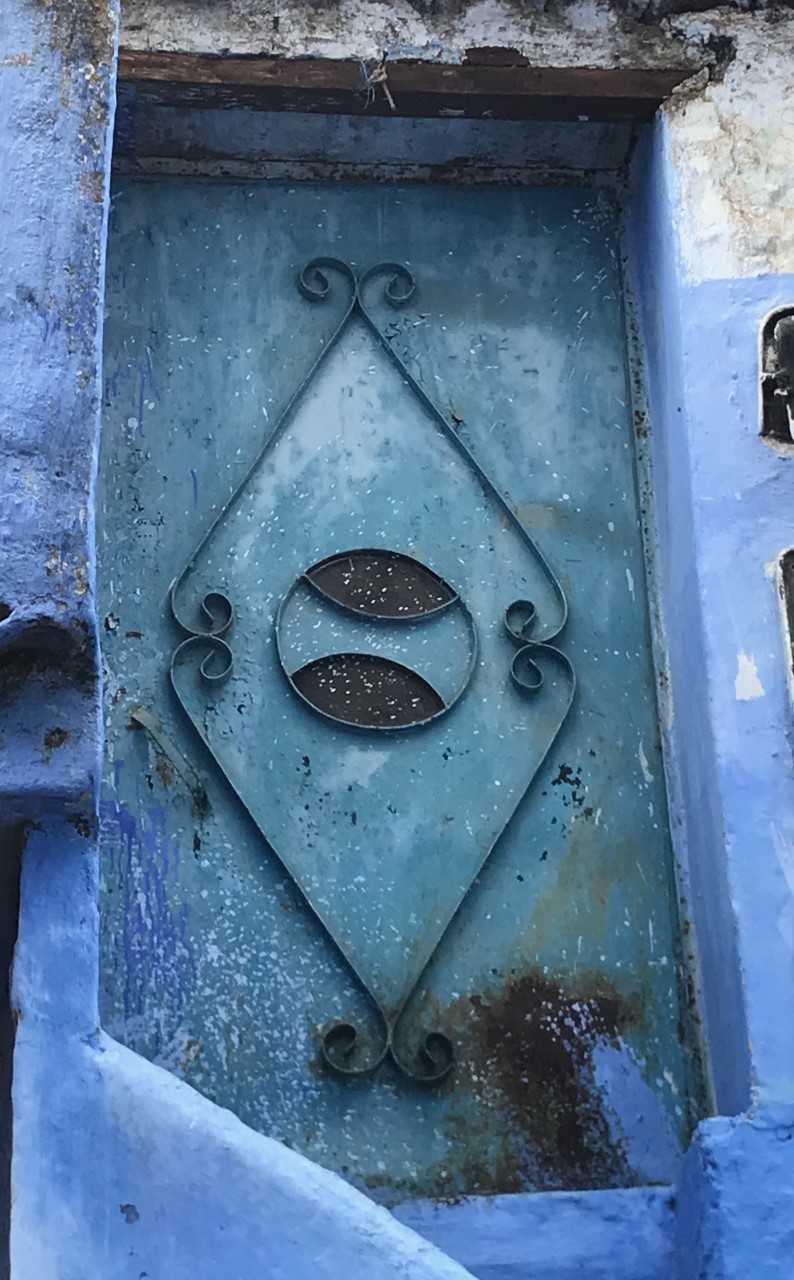
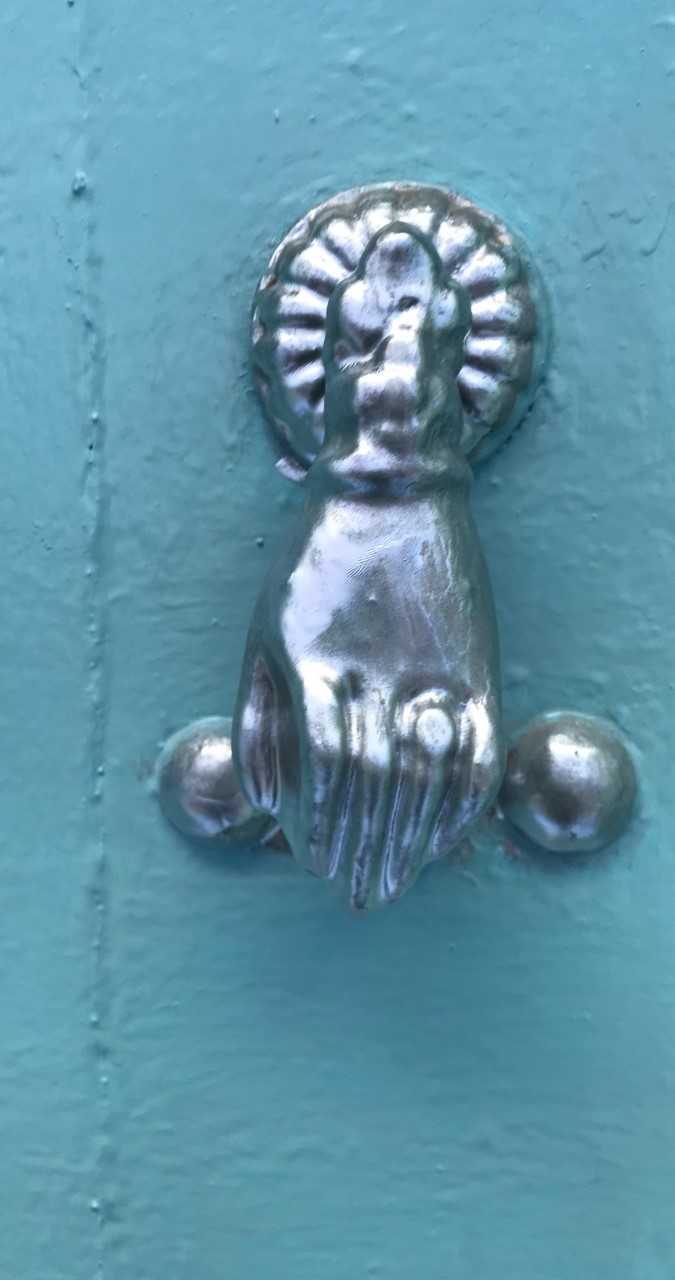
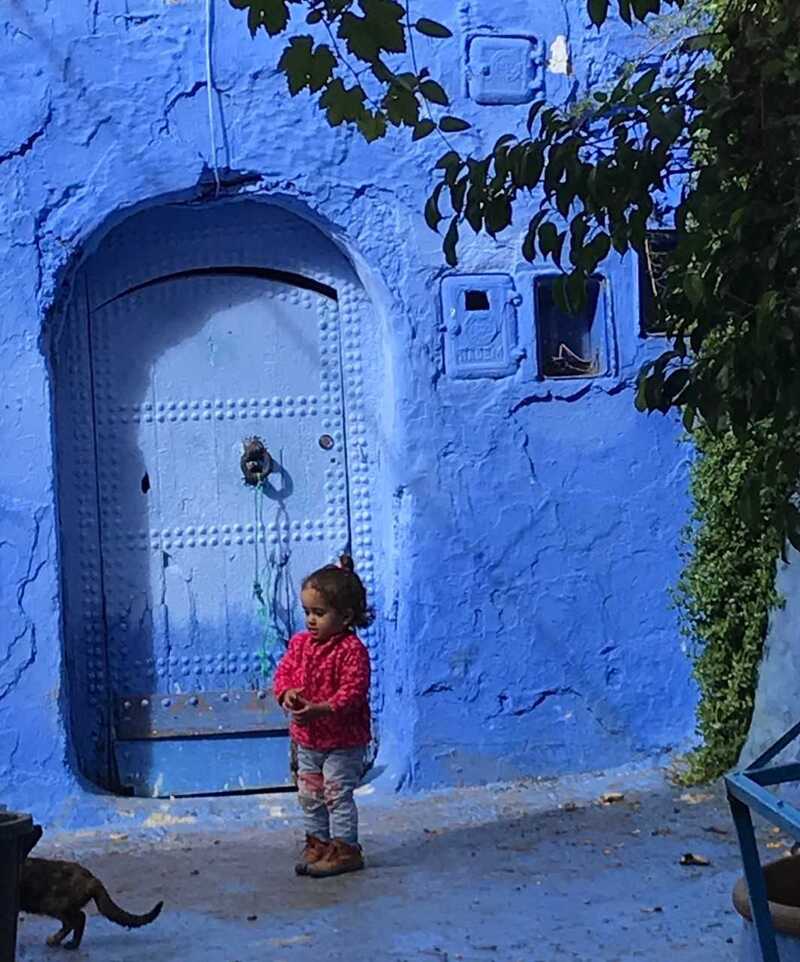
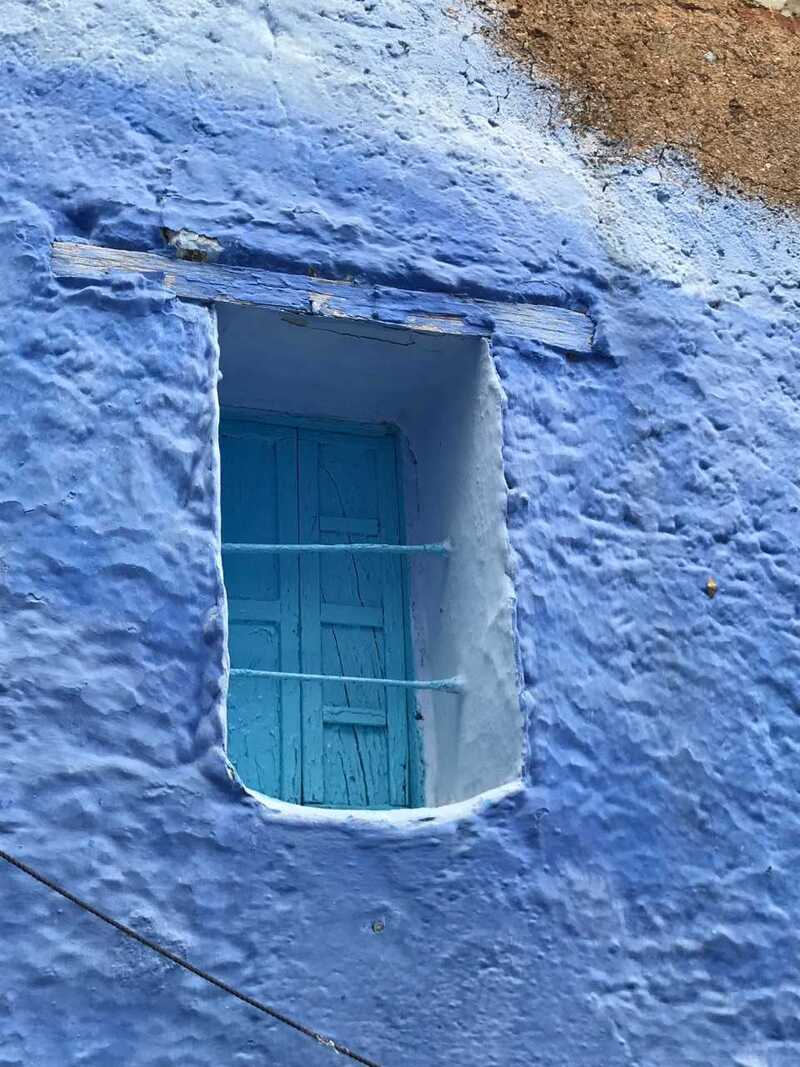
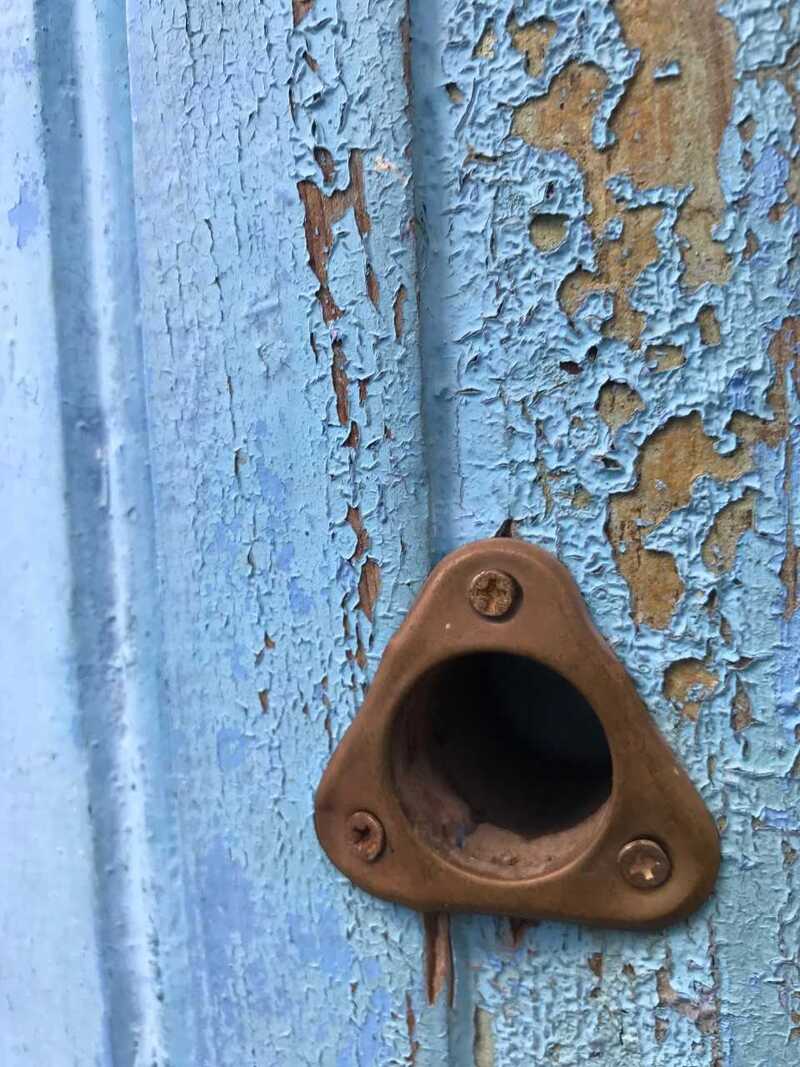
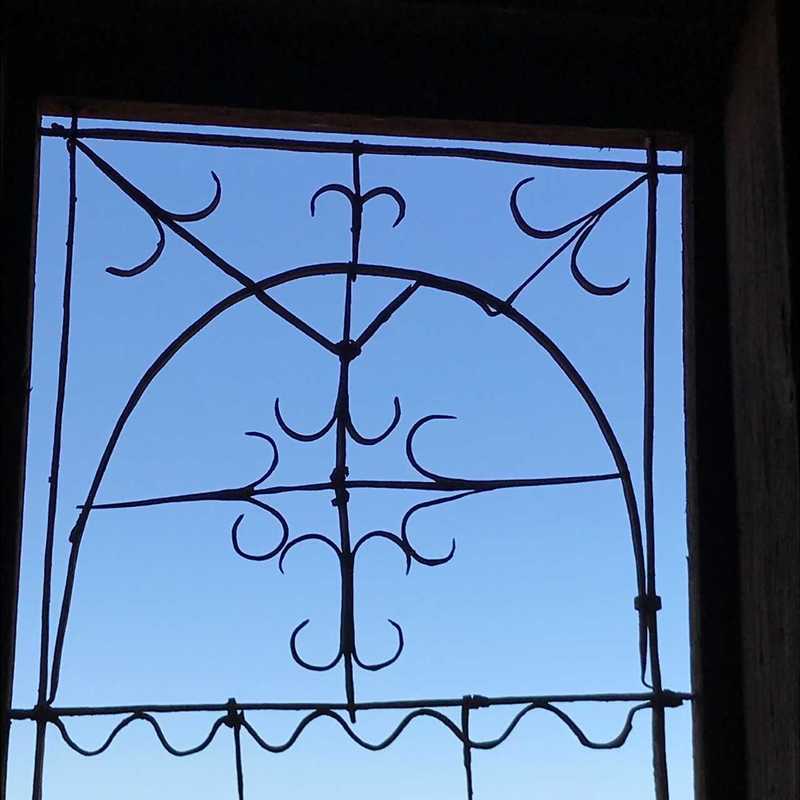
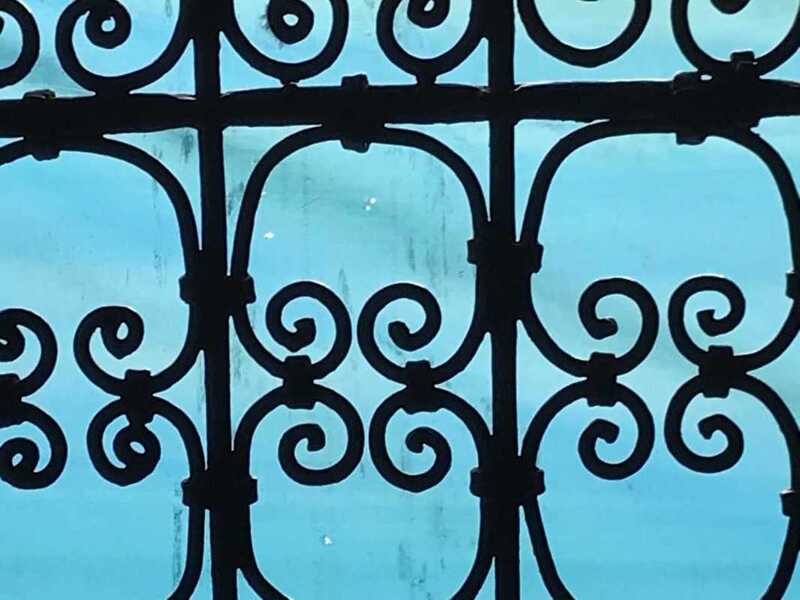
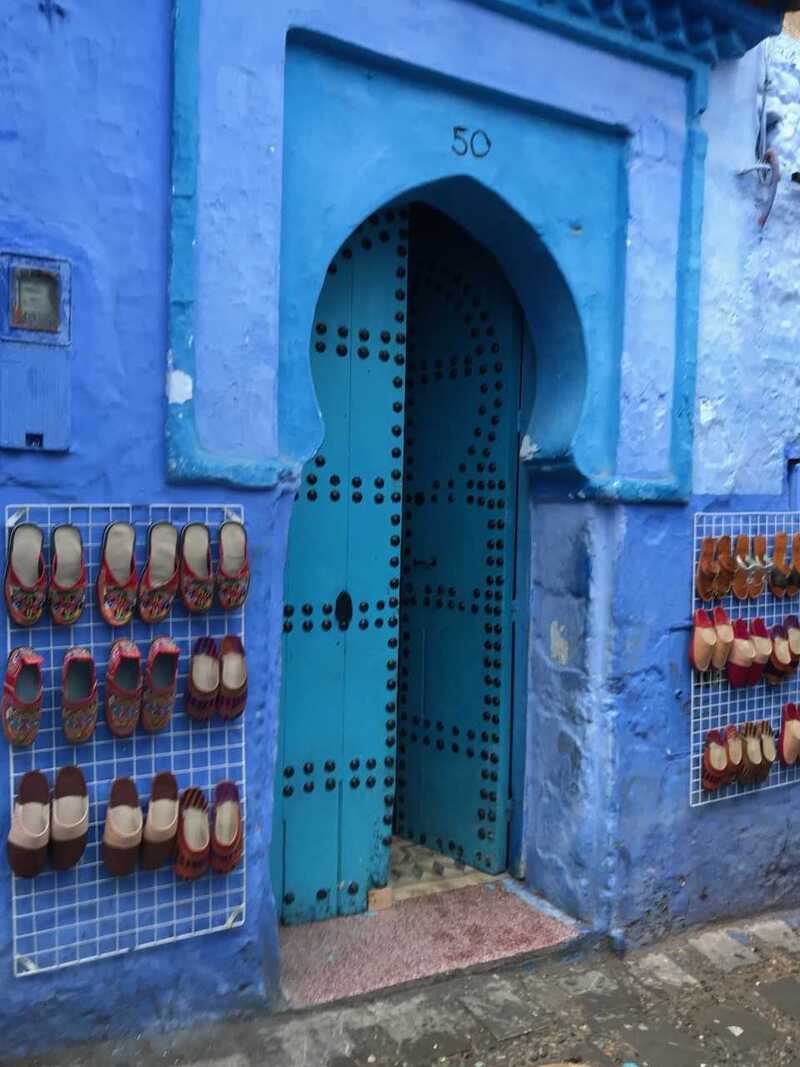
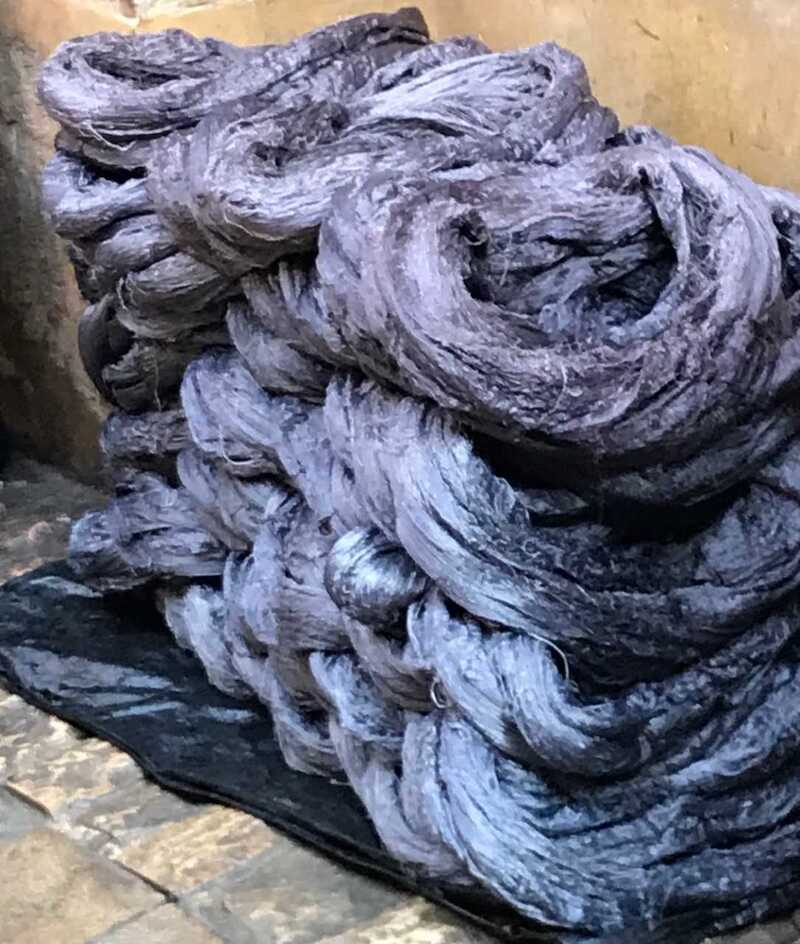
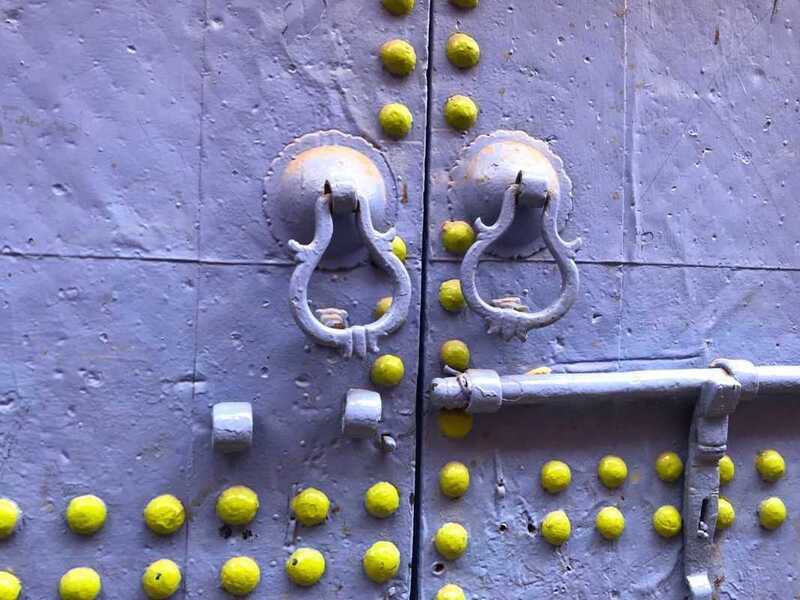
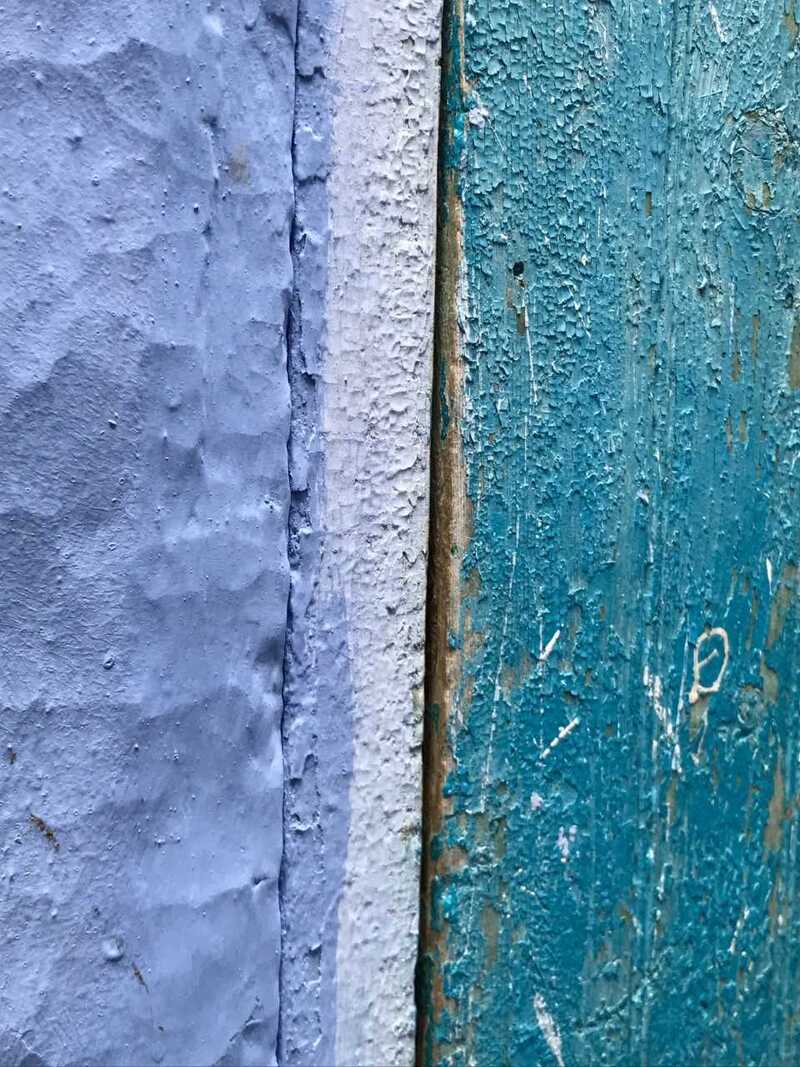
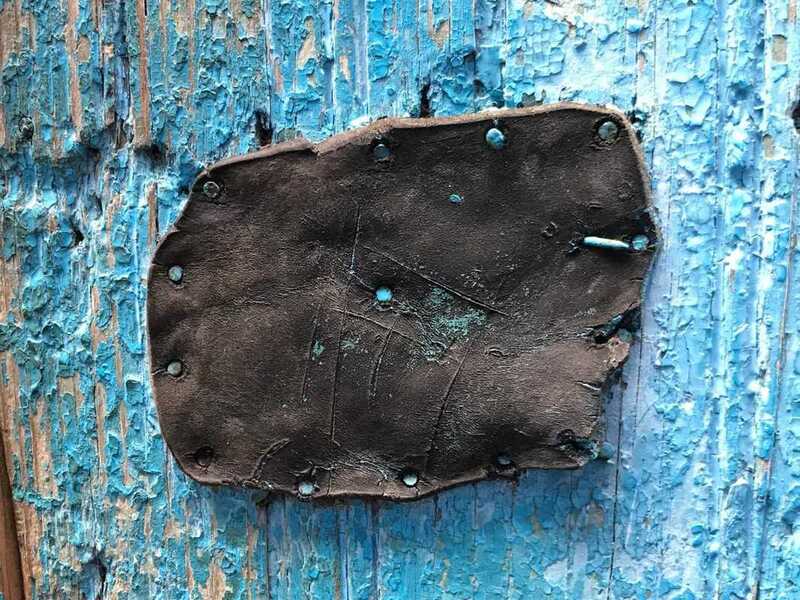
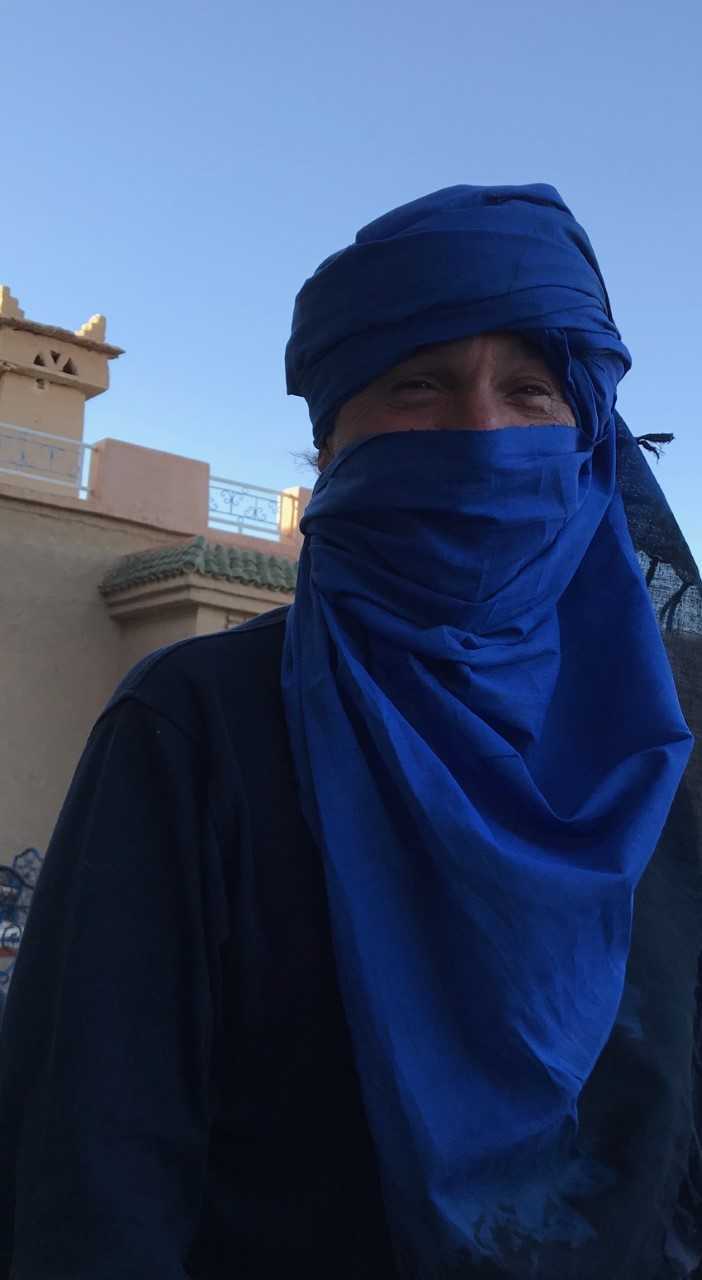
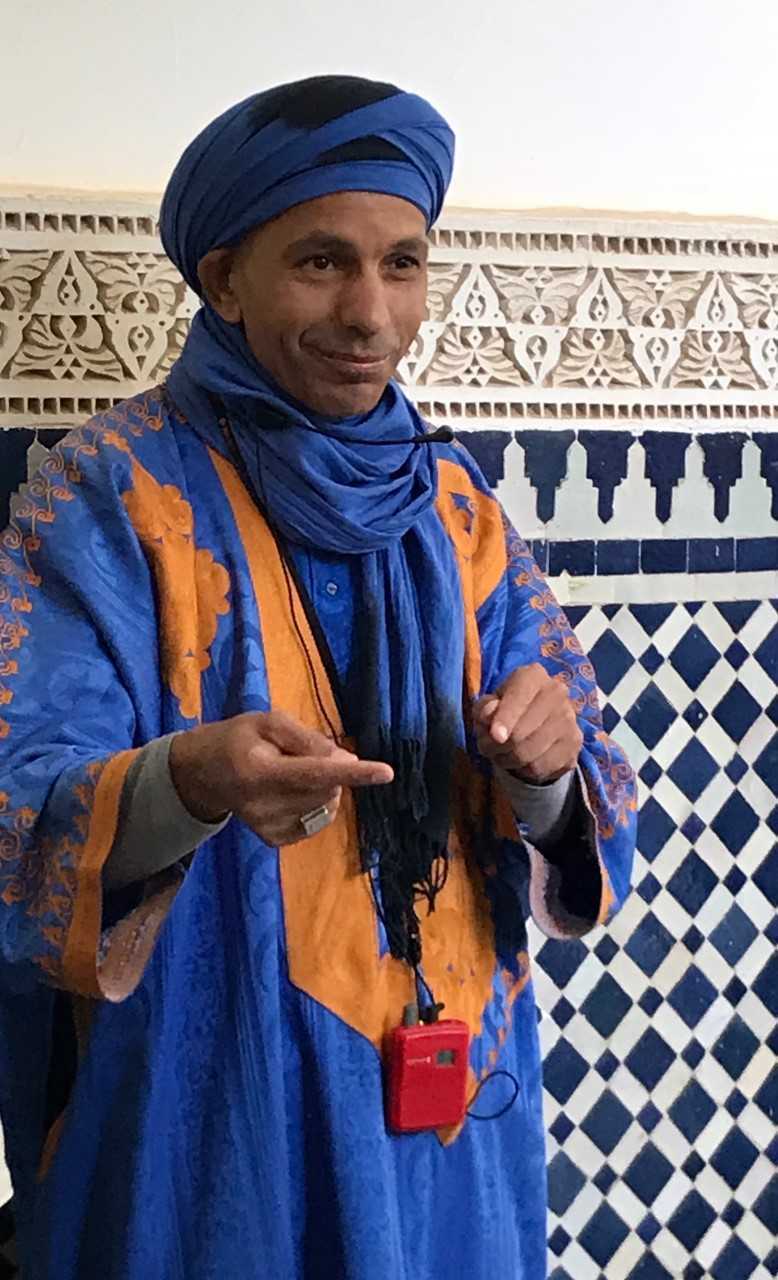
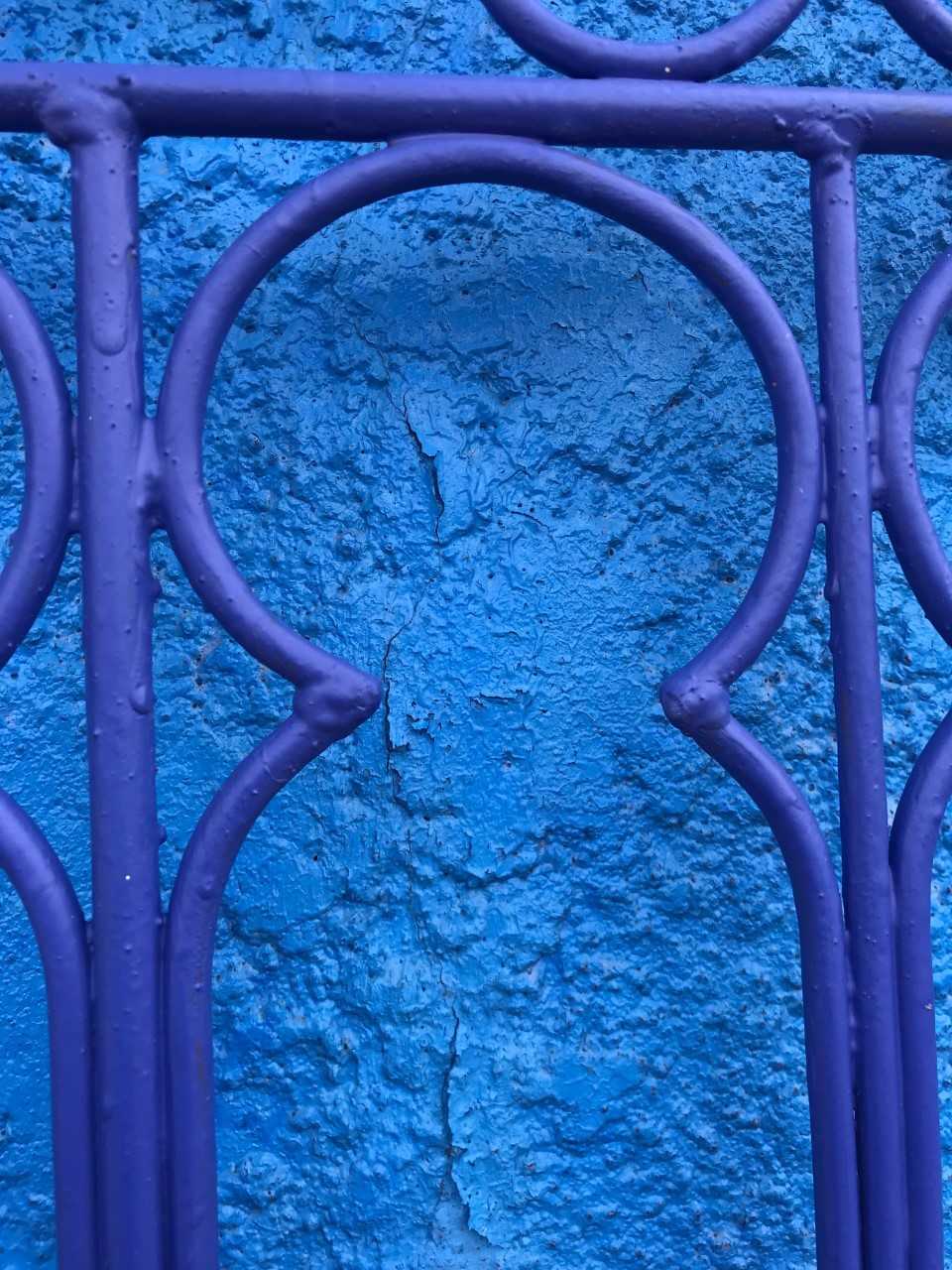
    I've just returned from traveling in Morocco. There are so many impressions--sunrise on the Sahara, sheep and goats climbing the top ridges of the dramatic Atlas mountains, ubiquitous arches, painted wood, tilework, fabulous doors--but what I kept wanting to capture with my camera was the way so much was bathed--or literally painted--in color. Consider this post a continuation of my previous offering of color images. Here, I focus on the many permutations of blue, from the blue city to the blue pots to the blue-clad Taureg people (no longer wearing indigo-dyed cloth, though they still call it that and are proud of the connection).  I will probably share much more from the trip, but here's a way of checking back in. I offer you a way to "tangle up in blue" and bathe in its endless textures.
  • Published on

    UPDATE ON imaging the FEMININE/MASCULINE divide

    Image description
    Last winter I posted the story of my SoulCollage(R) cards that heralded and tracked the evolution of divine feminine consciousness (scroll down or go to the archived post from May 3, 2018, "Imaging the Shift From Patriarchy to the Divine Feminine.") The overarching message of that story was an affirmation that the new consciousness was getting stronger and stronger.

    Given the events of the last few weeks--the painful hearings over Kavanaugh's election to the U.S. Supreme Court, and the  railroaded "election" itself--it's been easy to laugh bitterly--to say, "ha!, not so fast, dear. You've just been fooling yourself."  And it was certainly a horrible process to witness. Yes, patriarchy and its culture of entitlement, violence, and dismissal of women's reality is still here. It's still hanging on desperately tightly and is still--in the political arena at least--in control. But look around with a much wider viewfinder. The shift is happening, but it's happening elsewhere; it's upswelling on its own terms and cannot be seen by looking only at  the long-familiar forms we count as "real."

    The evening Kavanaugh was voted in, I found myself stuffing myself with food and feeling sick. I knew it was because I was so disturbed and appalled, but also came to realize that I was literally "stuffing it" and acting as women have been taught: to internalize the message and the abuse, and to punish themselves and their bodies. It was a powerful moment, and that insight certainly helped me make a shift.  I stopped saying (affirming) the situation was making me sick (and I stopped feeling sick).  I took back my autonomy and power.

    The story is quite complex and nuanced, and in the last week I have been processing the energies around this drama in multiple ways. It's certainly still an unfolding experience. But what I want to share here is an update of sorts. Because I did feel set back as I witnessed the blatant denial of women's reality, I decided to look at the cards that have come through to me (that I have made) since last spring, and to see if there was more of the message.

    Yes, there is. The newer images continue to focus on how much men are wanting to be released.  This is certainly not the narrative we were watching in Kavanaugh's furious face, not what we see and feel from McConnell or Trump or the others on the world stage playing out the same game (look at who is rising to power in Brazil!). But I know it's real. It's growing, coming from the ground up, so we should stop looking at the "top." We must track and feel the energy where it is.
    Image description
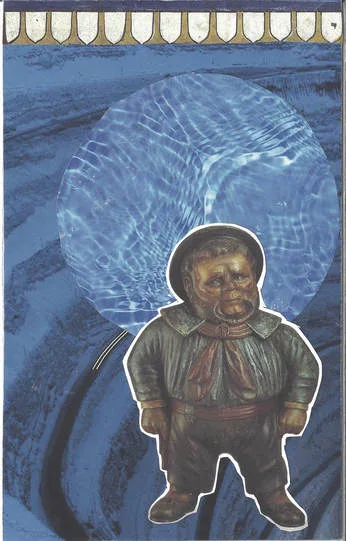
    Look at this character again--the one I call THE LITTLE MAN. Here's what he said:

    I look at first like the grumpy dwarf from a European fairy tale—rigidly posed, looking unhappy, deprived, stubborn, and always left-out. I have a defensive stance and am always watching out that I am noticed and not counted, not important enough.  I am overweight and not comfortable in my clothes, that all seem to be made for a bigger person.  I am a little Rumpelstiltskin, angry and demanding your child. I am a spoiler, for I am not seen or understood (
    no one knows my true name).


    But that's not all he said. Look back to the full picture, above, because the contextual information is so important. Here's what his words indicated about the rest of it:
    There is more—I am in a universe where things are moving and swirling, and I can float anywhere. There are watery flowing orbs and streaks of light, and it is set apart as a stage set—under a proscenium above. Showing that it’s all a created story, a drama. I was created by a woodcarver/painter with a story to tell. I am a vestige of the old times, the old days. I am still solid but there’s an aura of light around me. I want a new role. Take me as you move though midnight skies and cosmic journeys.

    I am here to show you how unhappy I am, how ready I am to be released. Have mercy, tell me my true name and bring me love, and carry me with you, transformed.

    Picture
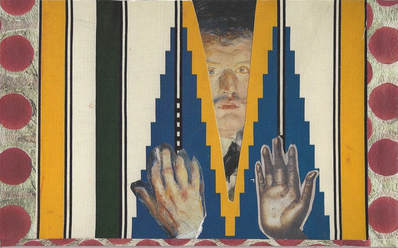
    This is an image I made last weekend. It is called PEERING FROM THE PRISON. It has much the same message, expressing the longing for release from the patriarchal male role.

    I am a white male looking out from behind the bars of my prison—peeking into your world. I am afraid, still buttoned up in the male costume with a tie. I am still mostly hidden, but showing in the rent seam. I am haunted. I am longing to break out. On this side of the wall, all is dark.
    What is on the other side of my prison—the side facing you— is a happy blanket, designed by [Hopi weaver] Ramona Sastieskewa, embodying the dreams of the ancient peoples, their clear vision and clear colors, their geometry holding a sense of order and calm. But it is new, designed for now and for today’s world. The other side of the wall/prison --your side--embodies a resurrected native wisdom, mixing with women’s rightful new place, starting to be recognized. The hands go two ways: in and out, dark and light, pushing and pulling, Buddha blessing and the somewhat blotchy, tired, searching one. The red circles bring more geometries, more primary colors that balance it out, bring regularity, rhythm, framing. They also evoke Mesoamerica, something archetypically holding an old place and old wisdom.


    Picture
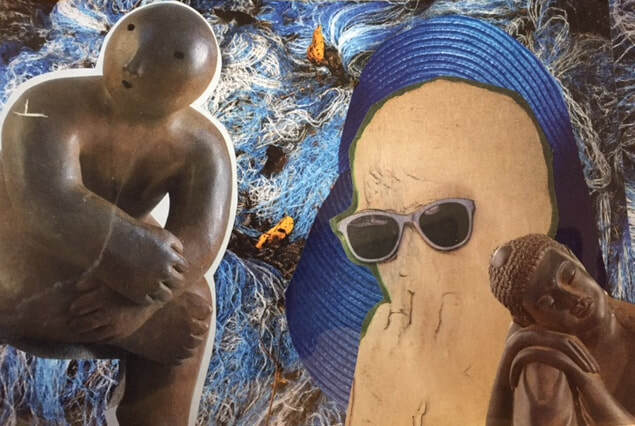
     Here is one last image that interestingly enough carries the same palette and tone quality as THE LITTLE MAN. This one, called  BEHOLD WHAT'S COMING, also came through last spring, and while it may not completely refer to the male/female divide, it still seems quite relevant. The blank figures feel male to me, although they are kind of Pillsbury dough boy-male, that is, asexual and unformed.  The message:
    I am one who is looking to the future with some alarm and confusion. Many of my parts are featureless. I am looking through dark glasses. I have a smooth, almost baby-like figure, and another smooth, still largely blank (married) character. Behind us is swirling, knot-free, beautiful yarn. We do have a serene Buddha figure just waiting there, ready to be put to use, but it is not activated.  We have some trepidation. But Buddha is there.  
    I'm here to tell you there is something big still ahead—it creates a sense of wonder, contemplation, and the need to wear glasses for the glare. The blankness is good; it means you will be ready to imprint with new things. The background is a universe of light.

    My deepest wish, deepest prayer and heartfelt vision, is that the new Sacred Masculine, which is poised to come forward, is nurtured and able to quickly grow and thrive. It's still blank, a baby, and it is still in the prison of its long-familiar, confining role. But it's yearning for something new.
    There was a report on the radio today about a big study where teenagers (10-19) were interviewed about their attitudes about gender roles. The girls had largely (more than 75%) internalized the message we have been reinforcing for the last few decades, that they can be whatever they want to be--scientists, athletes, leaders. The boys felt far more constrained. They felt huge pressure to stay within their allowable roles, even to act violently (e.g., get into a physical fight when they didn't want to). Most did not picture themselves as leaders. That's the prison I pictured. And these boys see the relative freedom the girls now have (in their minds if not completely realized in the world), and they are envious. They do not really want to come out into their fathers' reality; they want to come out into the colorful, calmer world with an activated Buddha and bright light. 

    In sum, I am impatient, but not despairing. My inner channel shows it coming so clearly, and it's reinforced by the clues like this teen study that show up everywhere.  It's time, I see, to fully articulate, image, model, and strengthen that Sacred Masculine. Let's build a new kind of empowerment in the boys we are growing, and gently turn the faces of already grown men to the sun.
  • Published on

    EARTH SPIRIT FIGURES--their evolution and A SAMPLing

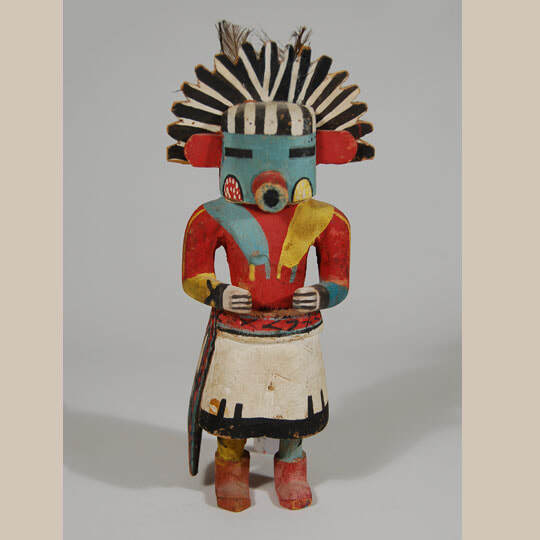
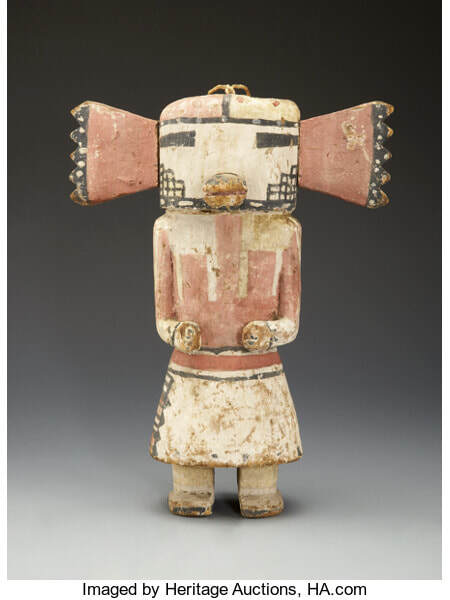
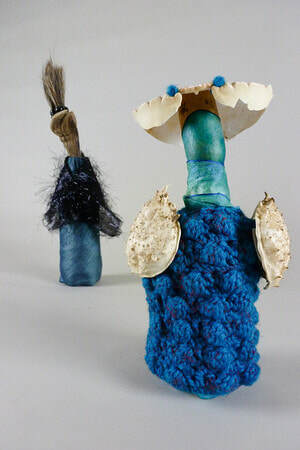
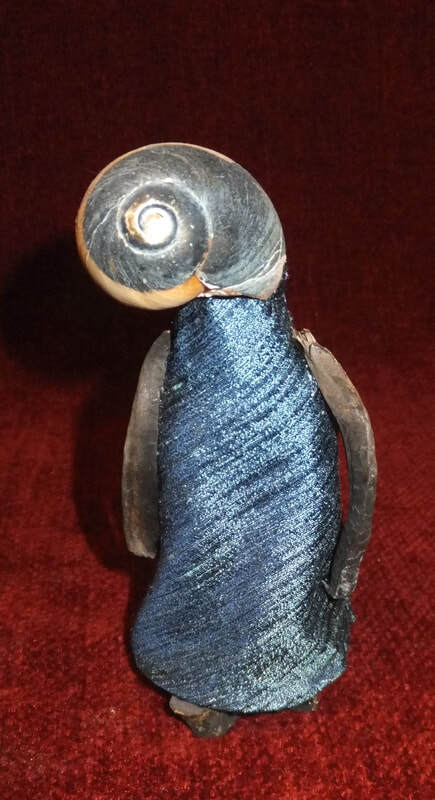
    I have been making small sculptural figures that incorporate natural materials for a great many years now. The first came through in the early 1970s. I can't even remember all of them, but the two from that time that lasted the longest incorporated pine needles and snail shells. I always related to those figures as totemic, holding a kind of spiritual power. At that time I thought of them as kachinas, a term I borrowed from the Hopi and other Puebloan peoples. I adopted the term because I had been introduced to the concept of the kachinas (katsinas) when I visited the southwest. Kachinas are spirit figures, immortal beings that interact with humans--they are in effect messengers between the spirit and human worlds, and can intervene with human life, for example by bringing rain. There are ceremonies where individuals actually embody kachinas, dressing in ritual regalia and dancing their energy. Even more ubiquitous are the kachina "dolls," which are carved wooden figures that were traditionally given to girls to help them learn the cast of spirit characters. A few simple kachina images are pictured here to give a visual to go with this story.
    My figures did not literally look like Hopi kachinas, but had "heads" resting on more or less tubular bodies. I was not carving, but assembling the parts, and I had not mastered the technical aspects of making these in a sturdy fashion. I felt connected to the idea, but stopped making them as my attention was brought to other arenas. I also realized that I was appropriating a term and concept, and especially as time went on and I became more sensitive to this, I felt more uncomfortable using the term for my own work.

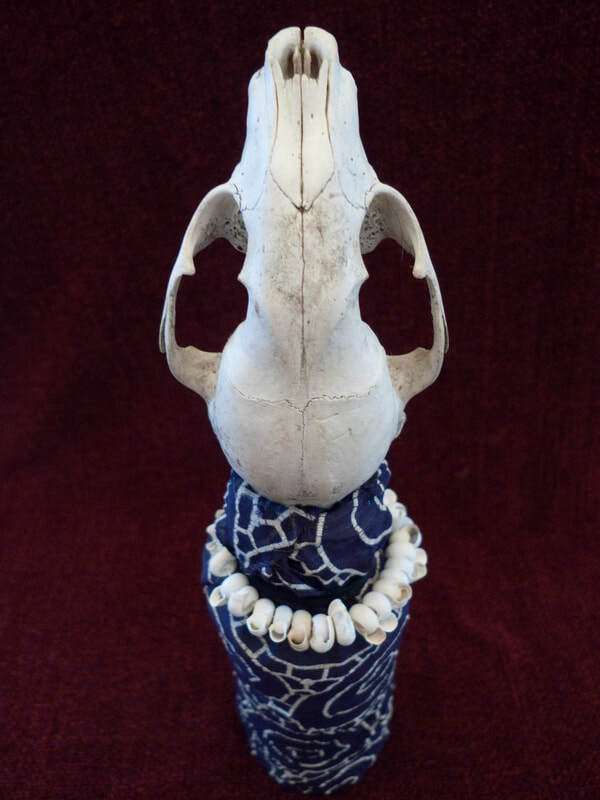
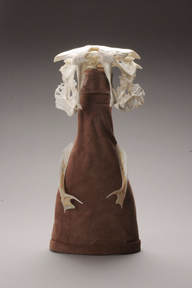
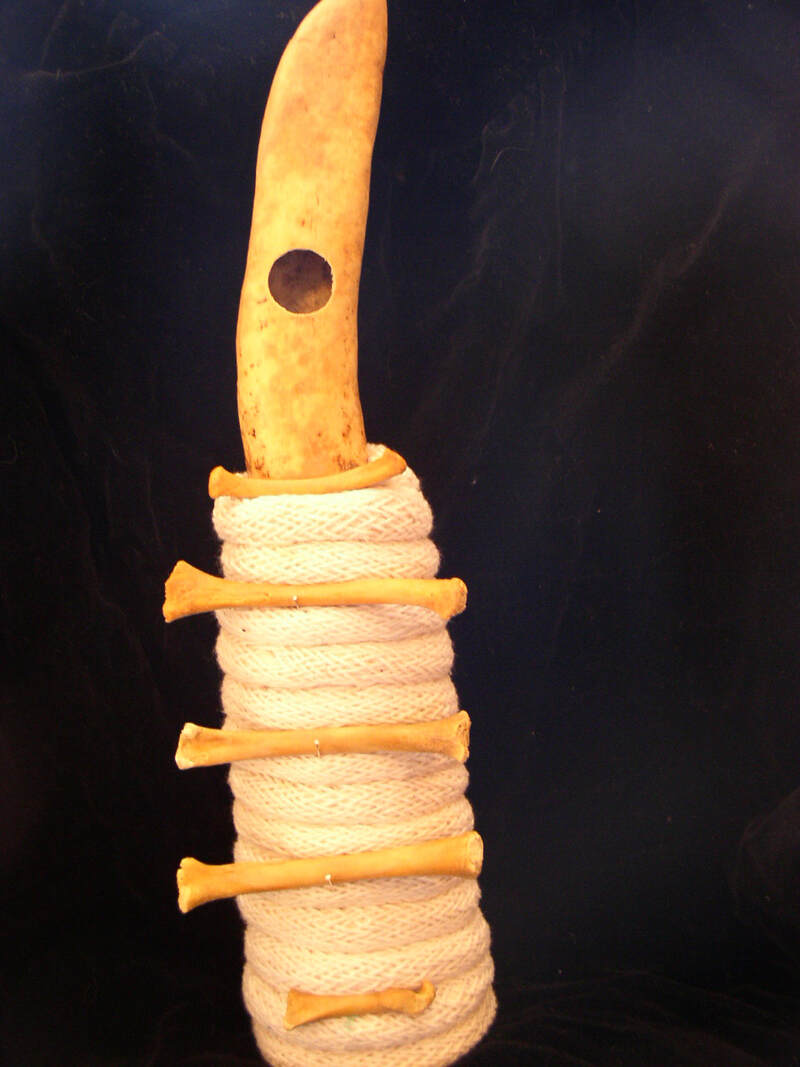
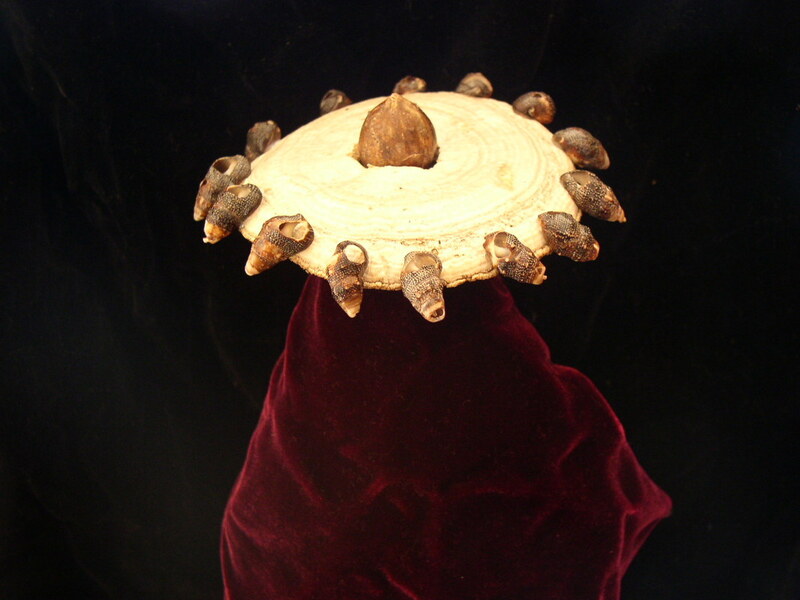
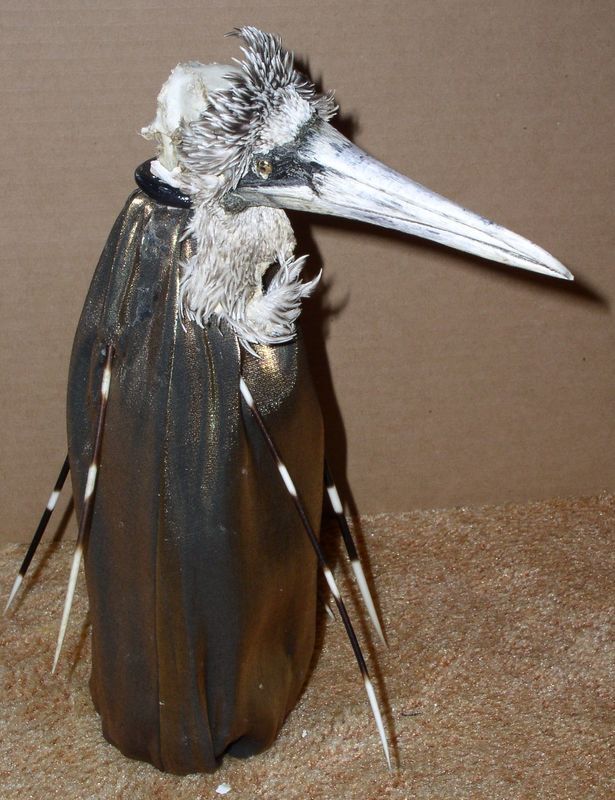
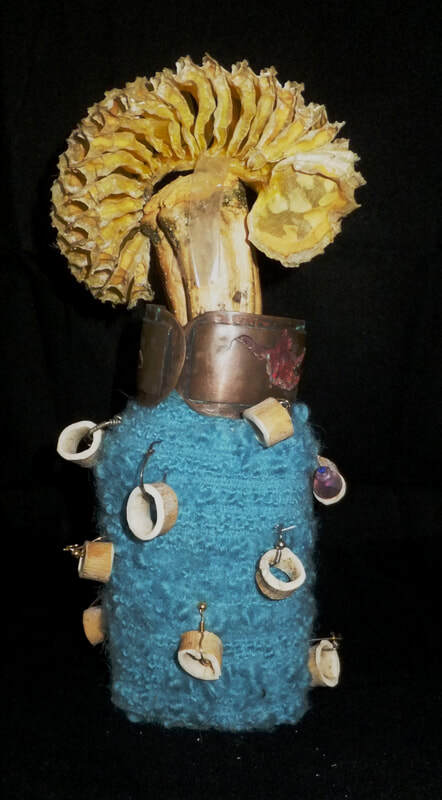
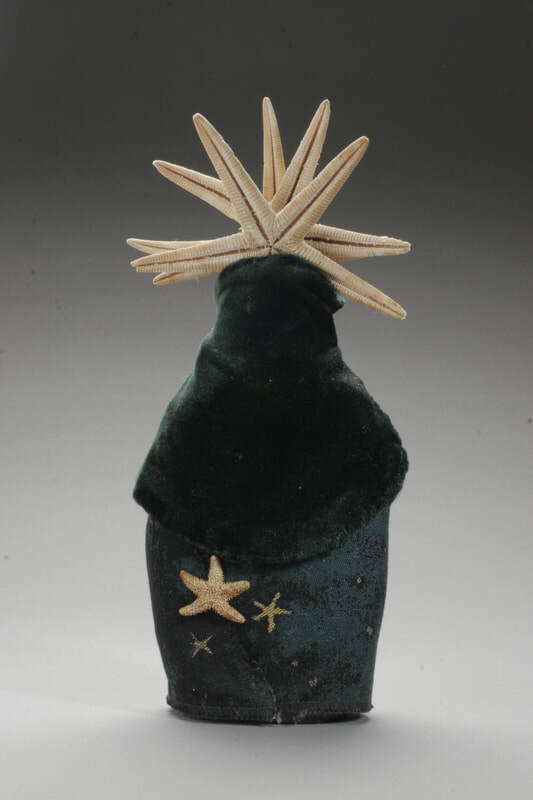
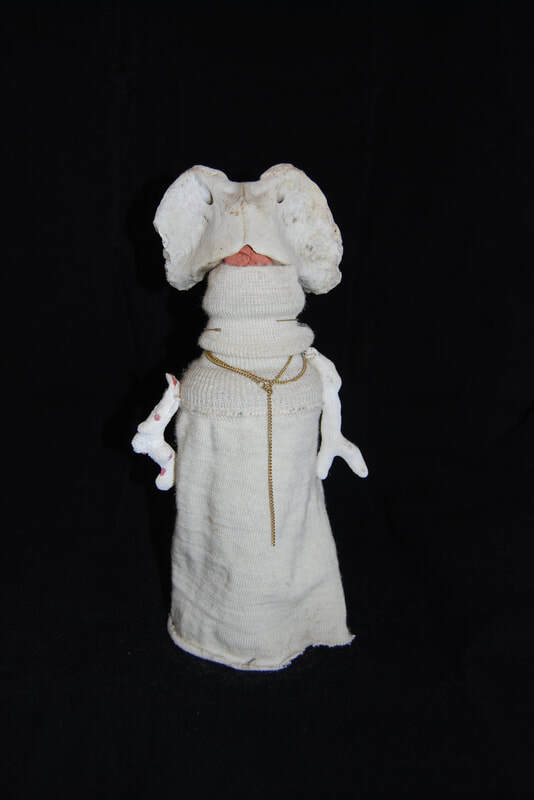
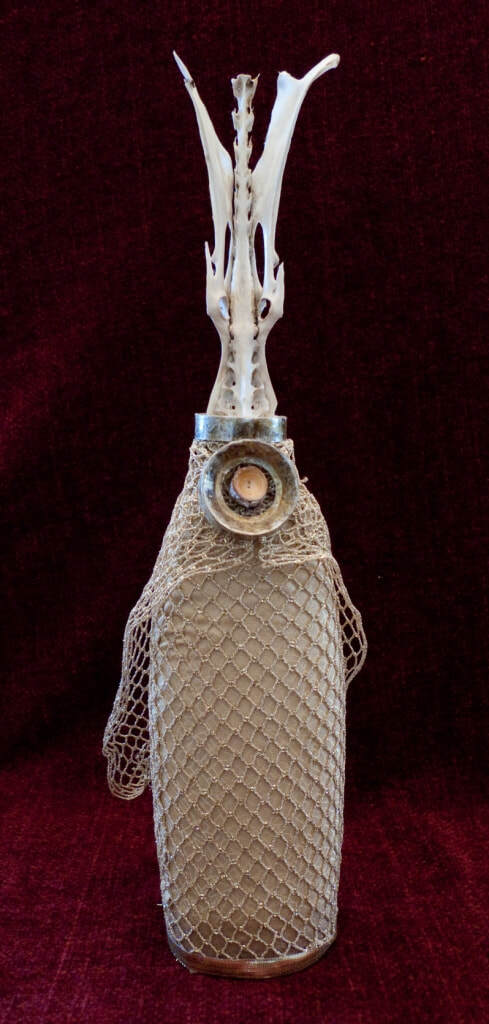
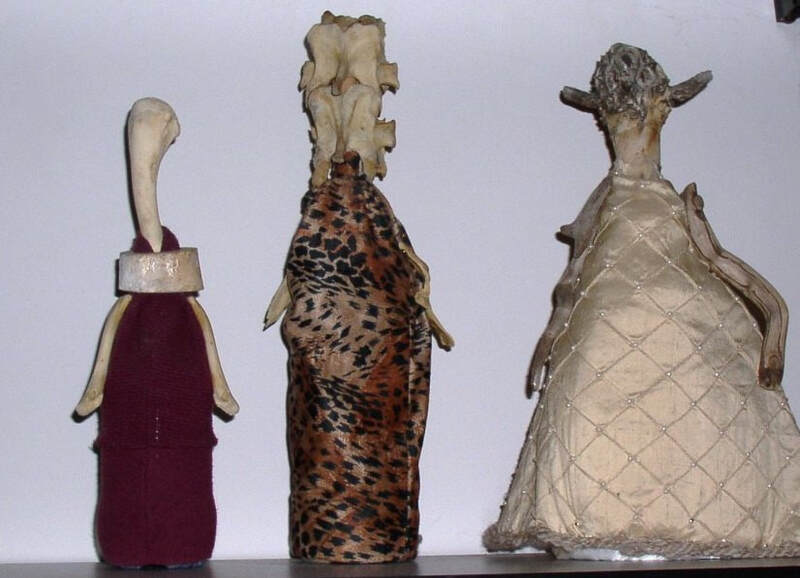
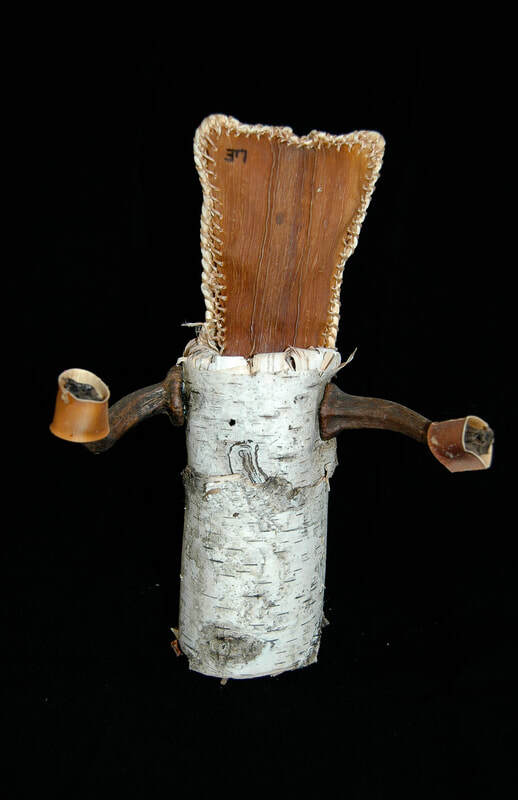
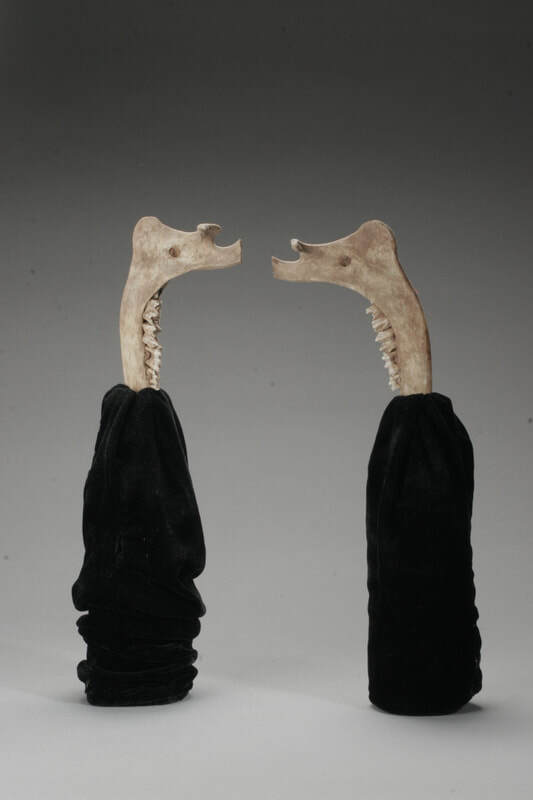
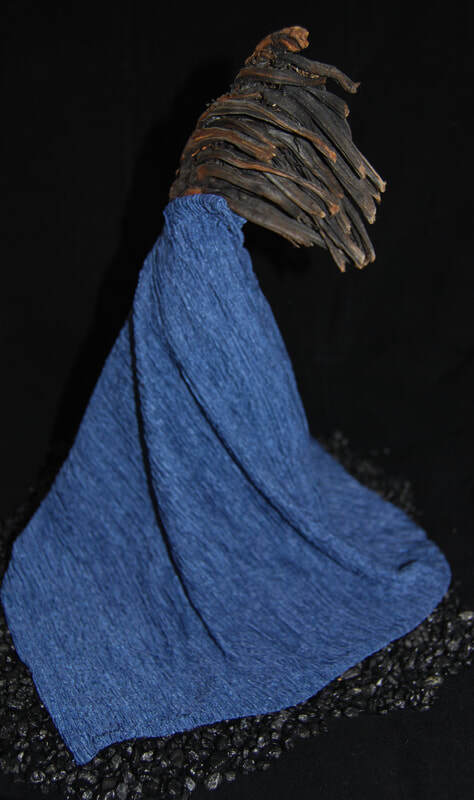
    Fast forward a long time, to about the turn of the 21st century. One day as I was dancing around in my attic, where I had baskets holding some of the very materials I collected in the 1970s--shells, leather pouches, driftwood--I literally felt something re-awaken. I've referred to this as my "muse" waking up. I saw those materials that had stayed with me for decades and began to imagine them coming together as beings once again. I had new ideas about how to construct the figures, and I knew their new forms demanded a new name. I settled on (Las) Tierras, which I translate as Earth Beings.  Many of the people who see them refer to them as dolls, but I don't relate to them that way. To me they are indeed still spirit figures, intermediaries, not mini-humans. They each have their own character, often emanating from their materials, but they embody energies from another realm. This does not make them unapproachable; like dolls, they are relatable. They are compelling, but not all equally serious--some are funnier than others. Some are forceful, some shy, some mysterious. Some can be disturbing, mostly because their materials remind people of decay and death.

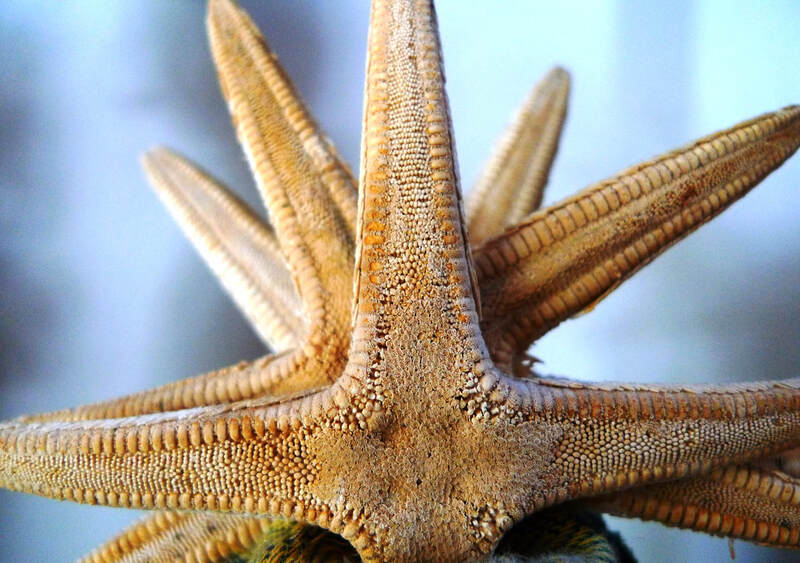
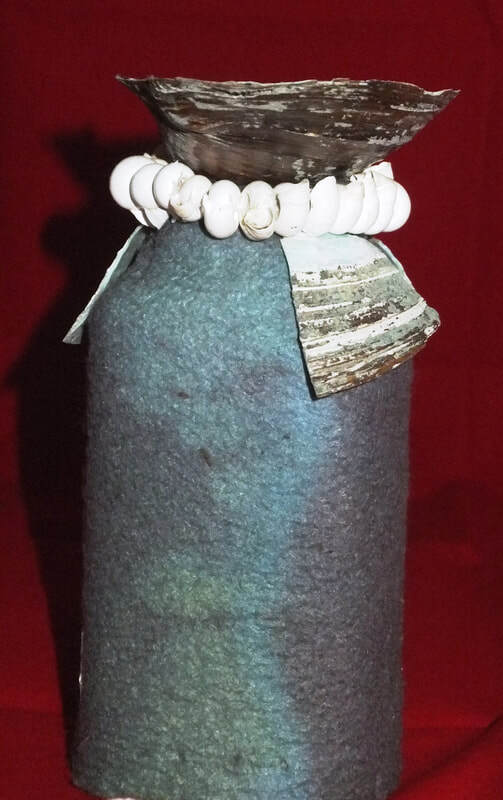
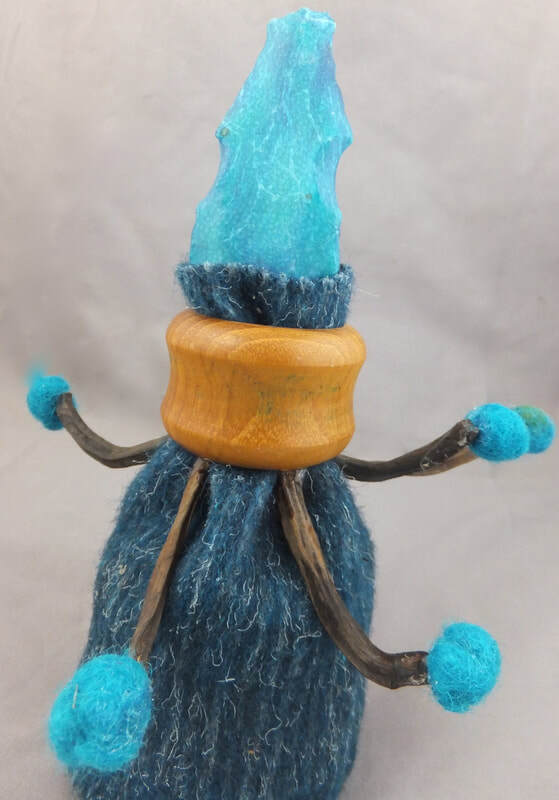
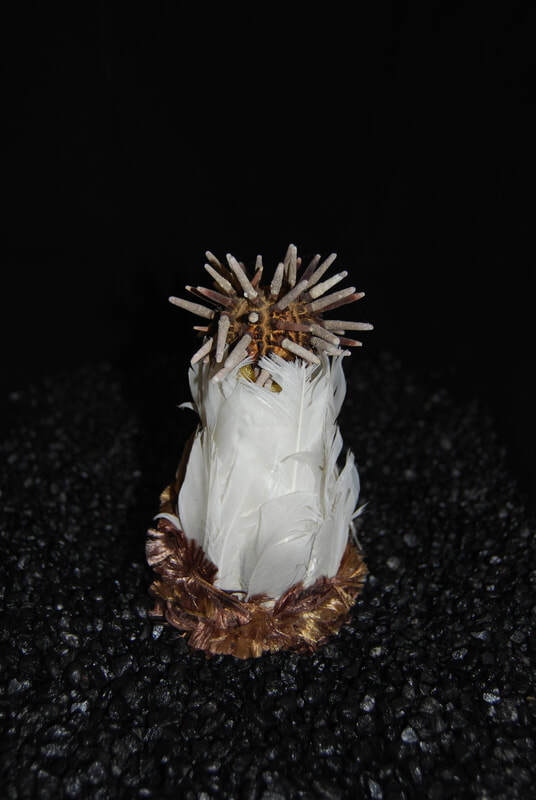
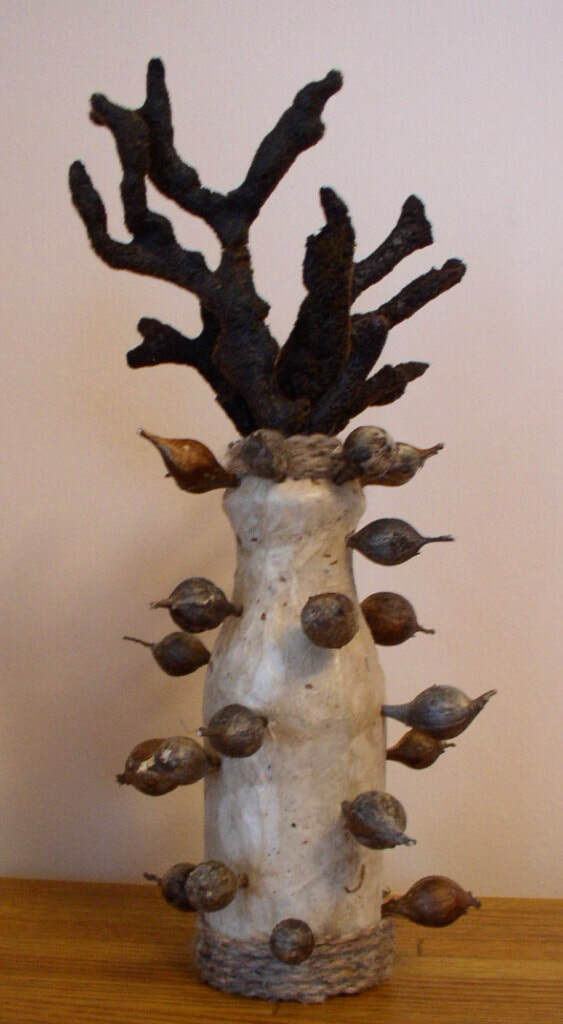
    Each Tierra has a story of its own genesis, of its materials and where they come from, and if I ask, each will tell me of its essence. I didn't name them at first, but eventually I had to, just to keep them straight in my mind and even be able to refer to them in my own record-keeping files. I don't always like to share these tiles, since I find if I let people encounter them without names, they relate to them differently; they resonate with them in a more personal way. (The figures can act as a kind of Rorshach experience--one sees what is on one's mind and in one's heart.)  Here I am sharing images of some of the Tierras that have made their way into my life over the last 15 years or so, and offering some information on the materials. Perhaps in the future I will tell more of the process stories, and can certainly supply a name if it is requested.
    Picture
    Picture
    Picture
    Picture
    Picture
    Picture
  • Published on

    ROOT LANGUAGE

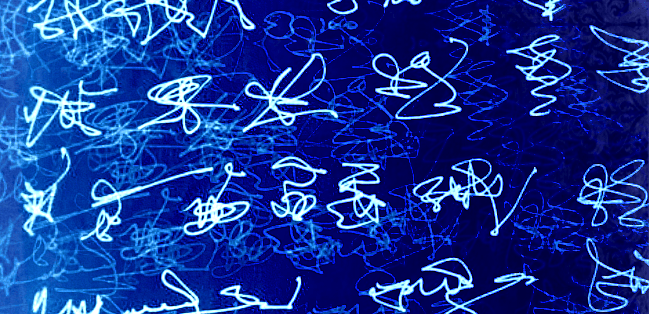
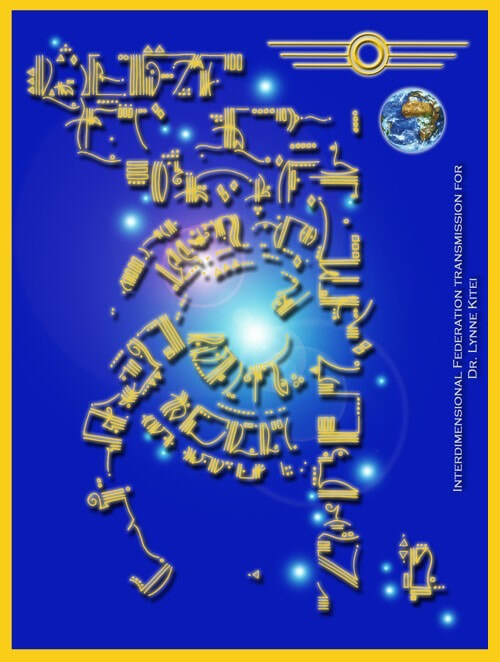
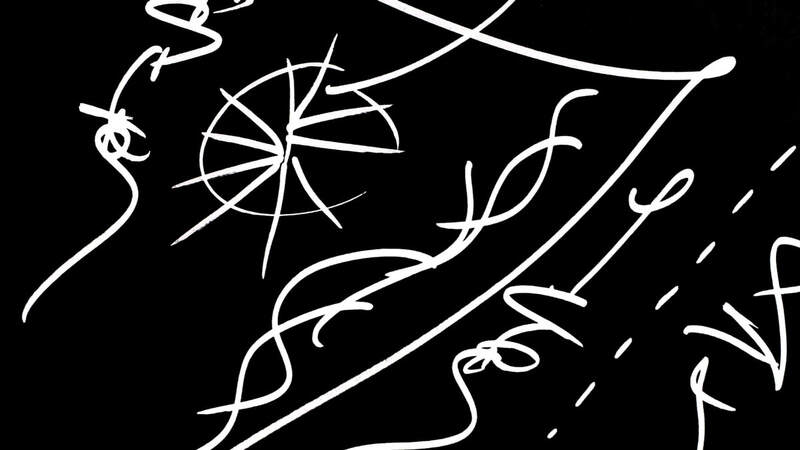
    Many of you may be familiar with the concept of light language --what is sometimes referred to as a universal, multidimensional language understood with the heart, or understood by everyone on a soul level. Some people express the language through their voice (singing or toning), some through movement, and sometimes, it is represented visually as a kind of script or cipher. I first encountered this many years ago through the images of Bryan de Flores, who essentially channeled  the images he called "accelerators."

    For anyone who has never seen this kind of "writing," here are a few examples one can find on the web:
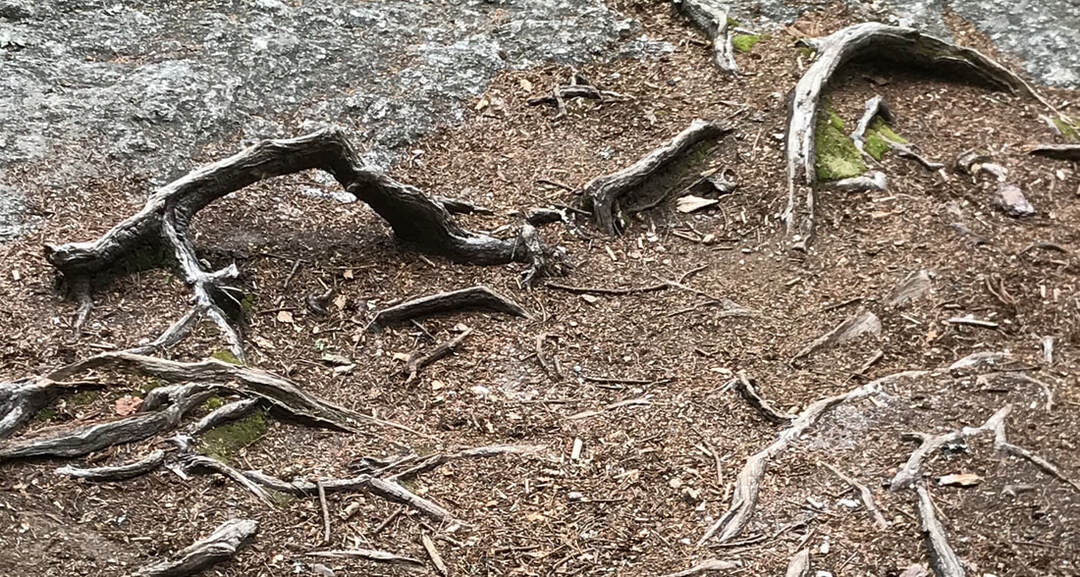
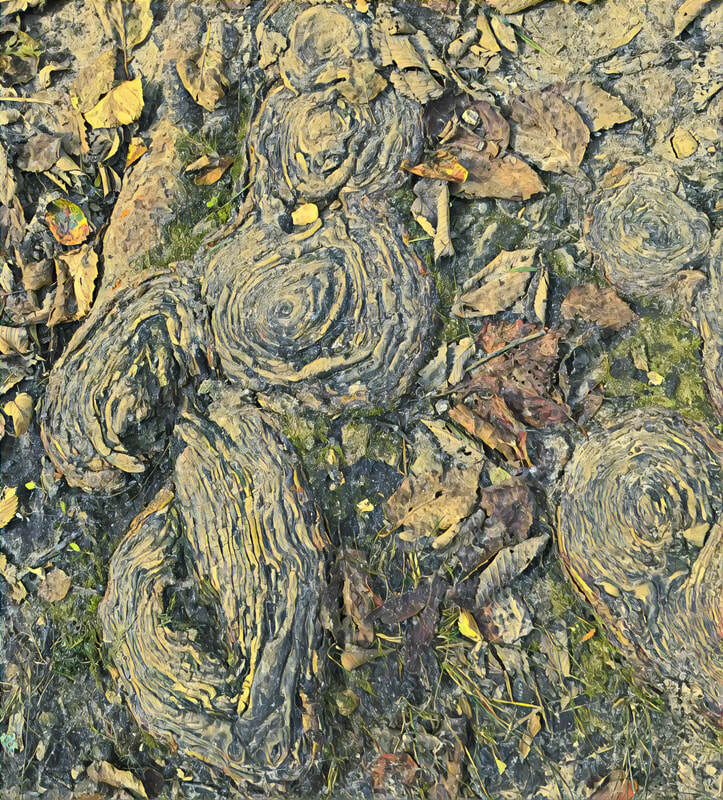
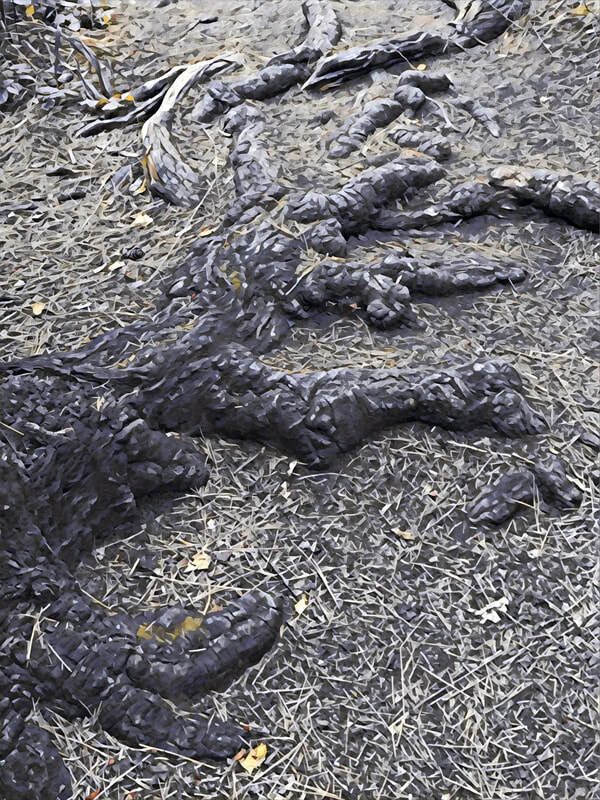
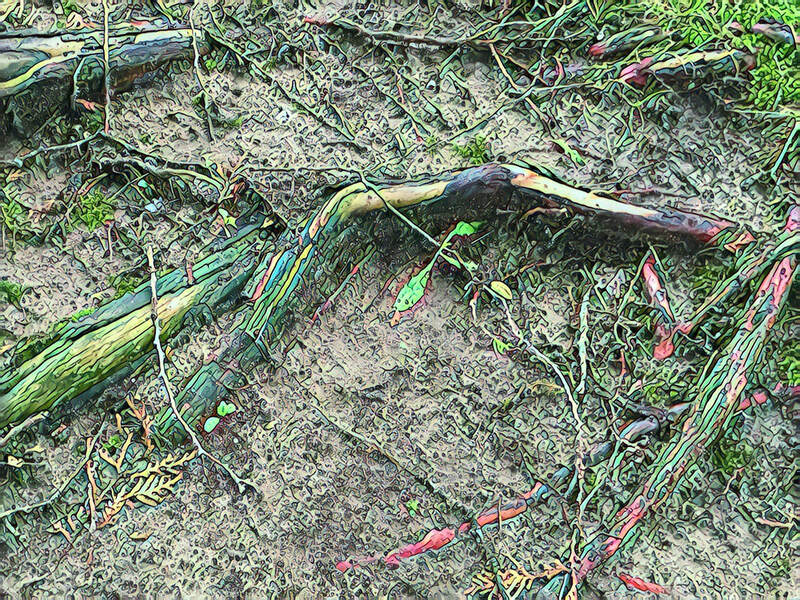
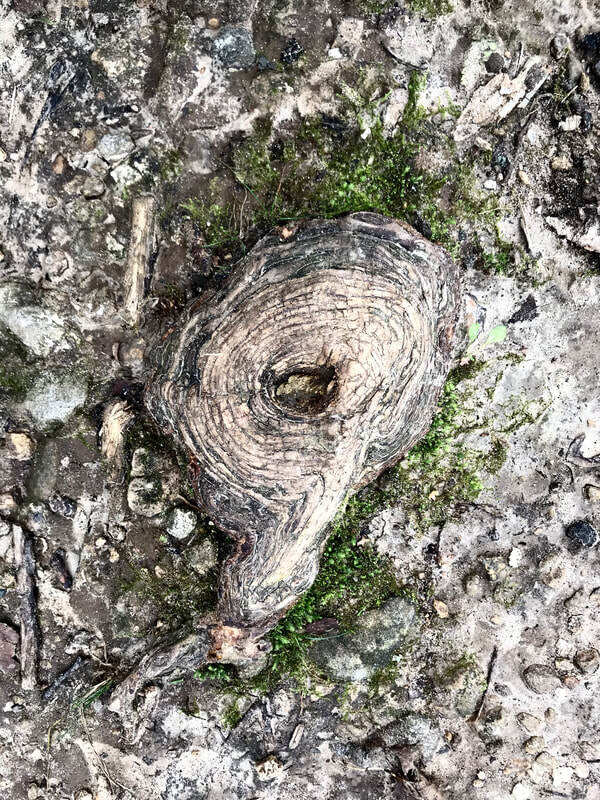
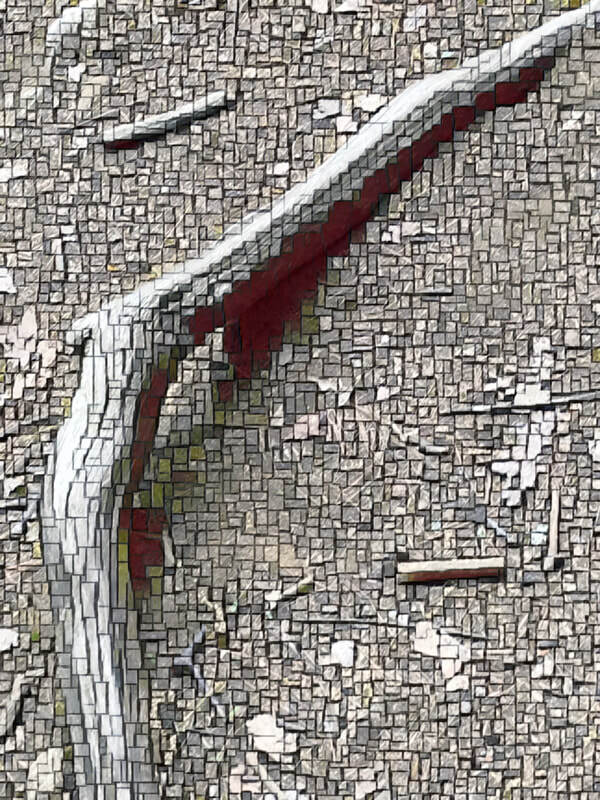
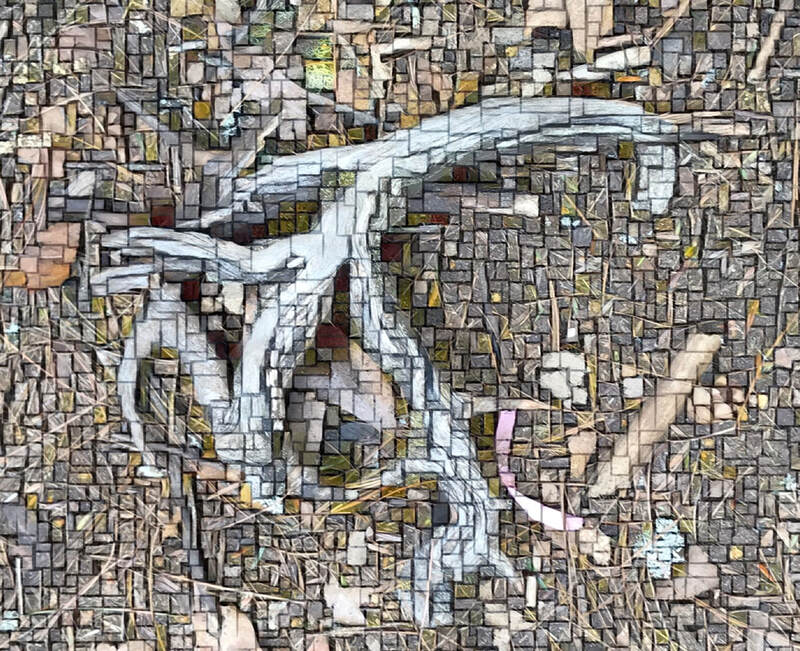
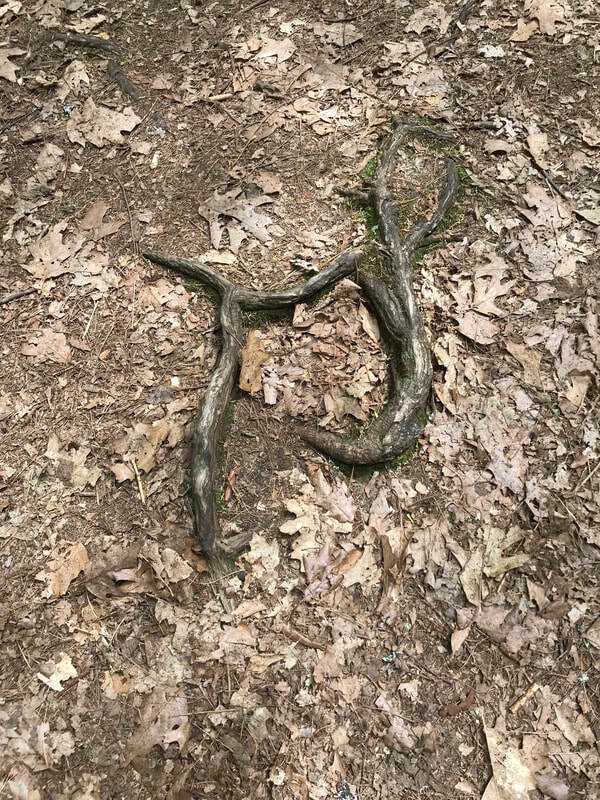
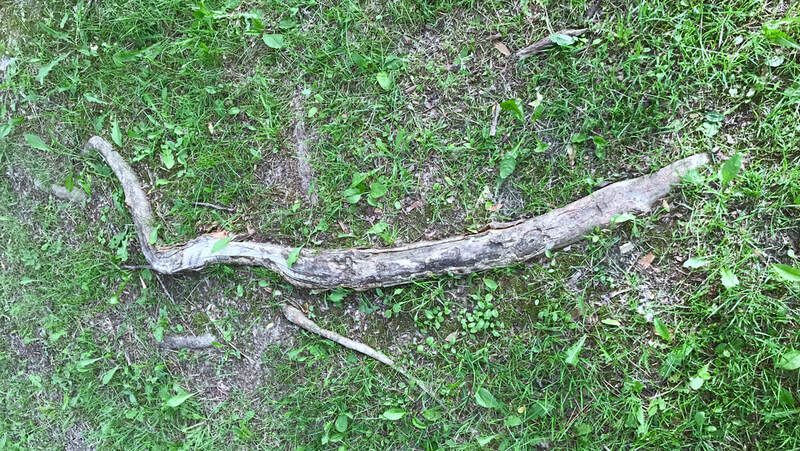
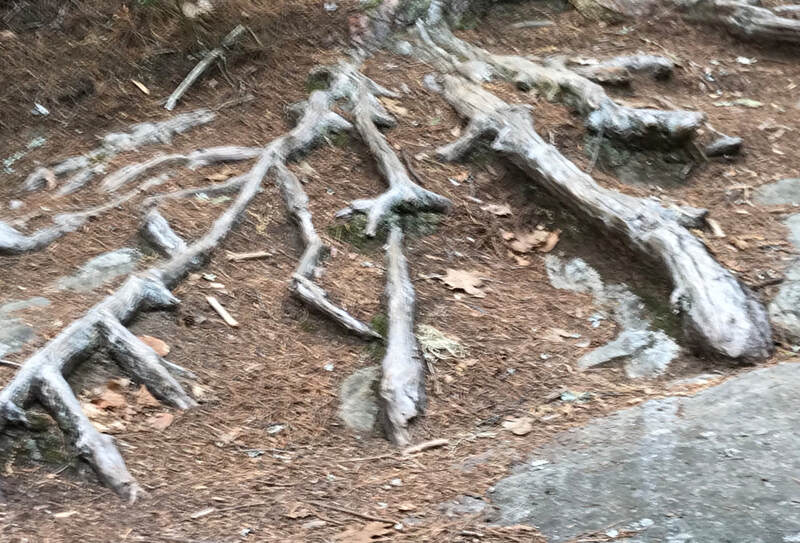
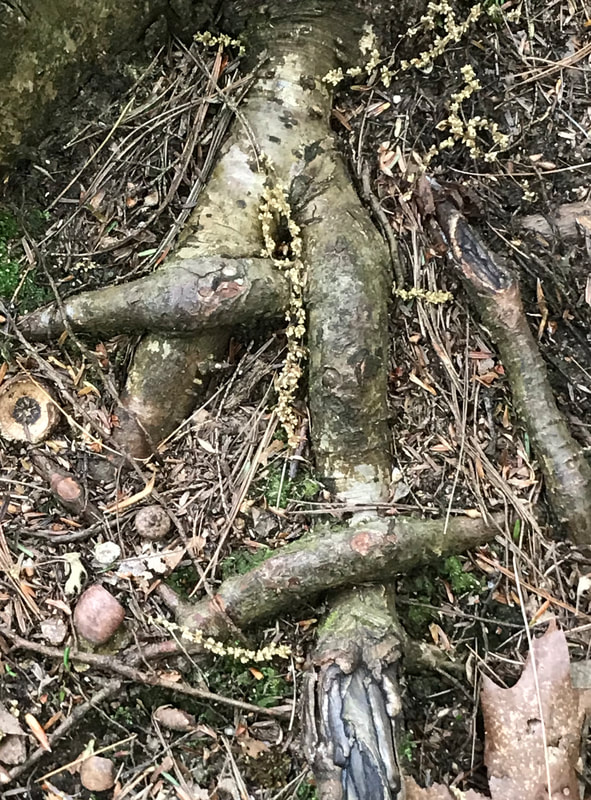
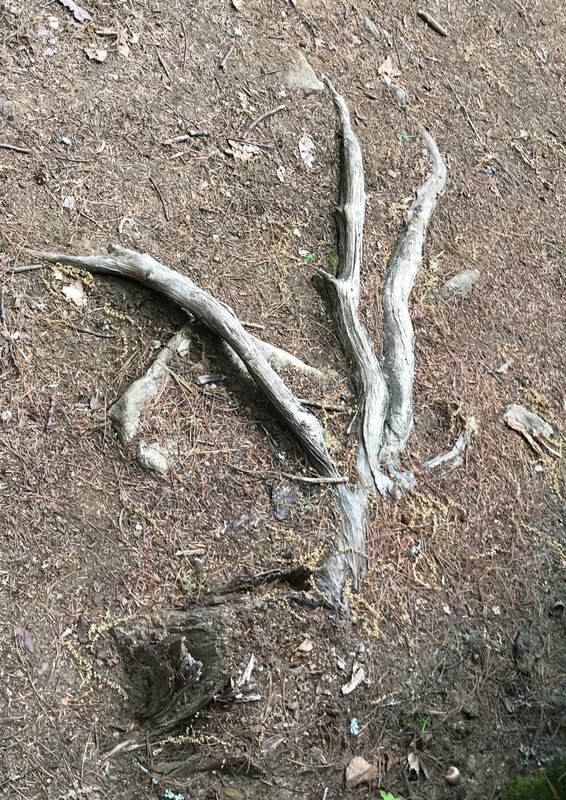
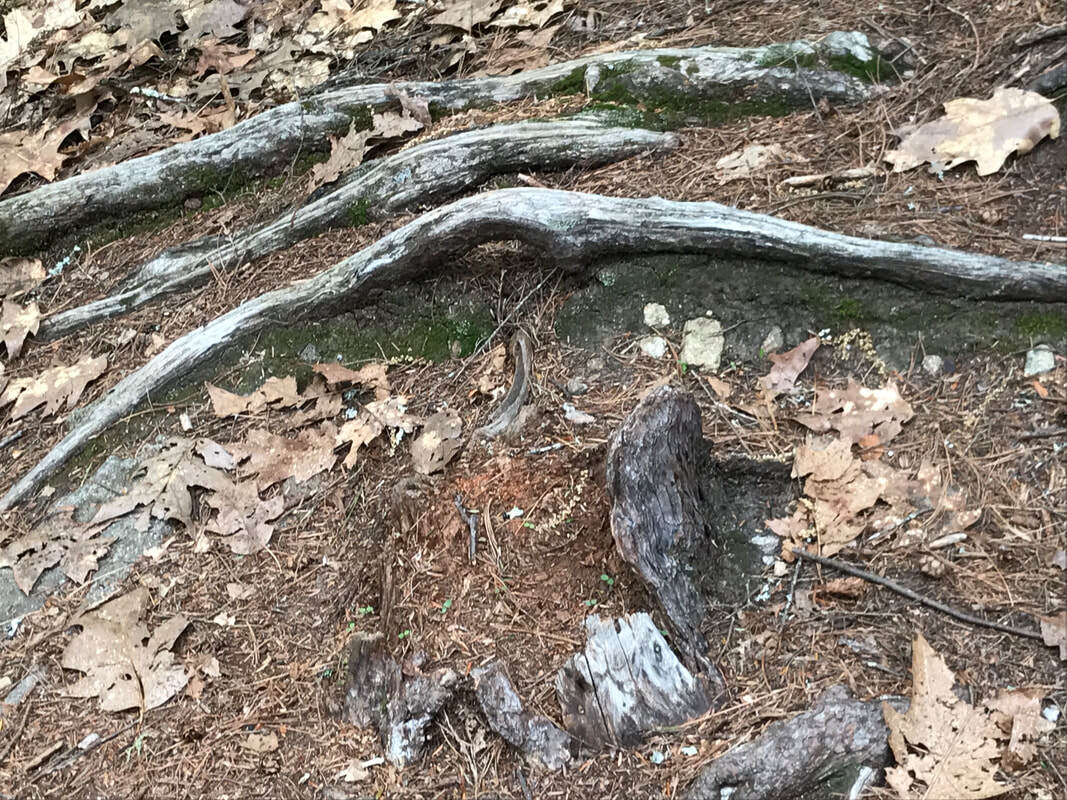
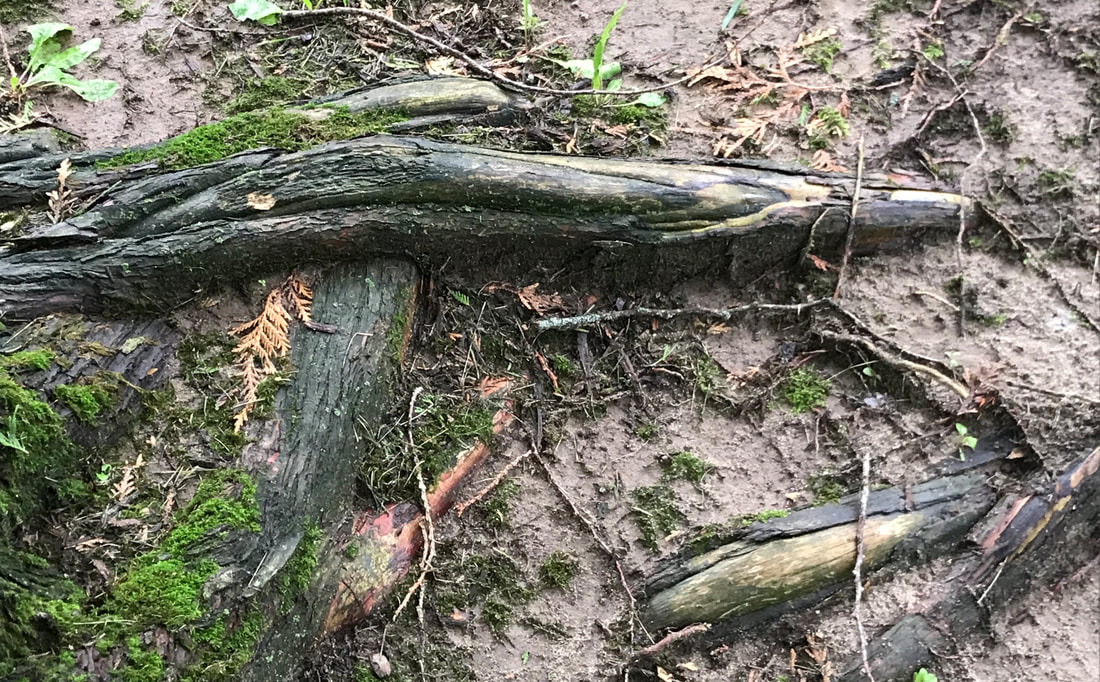
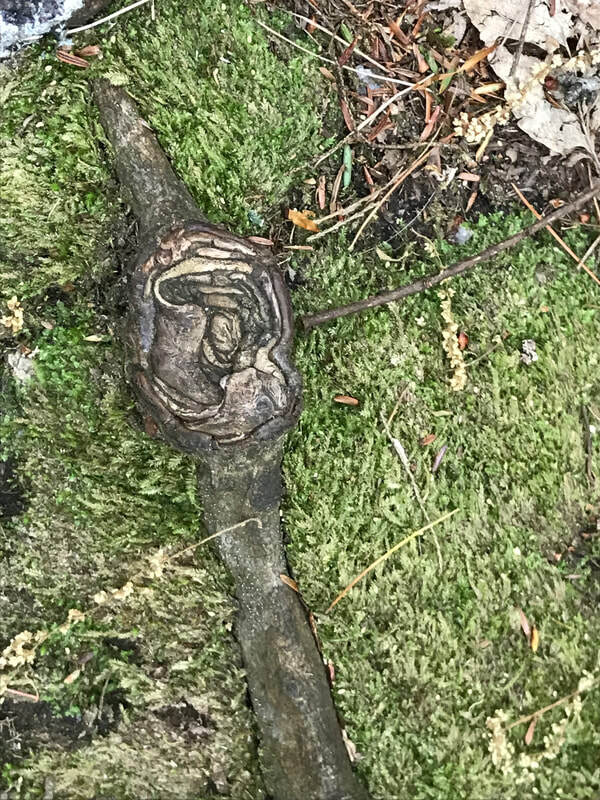
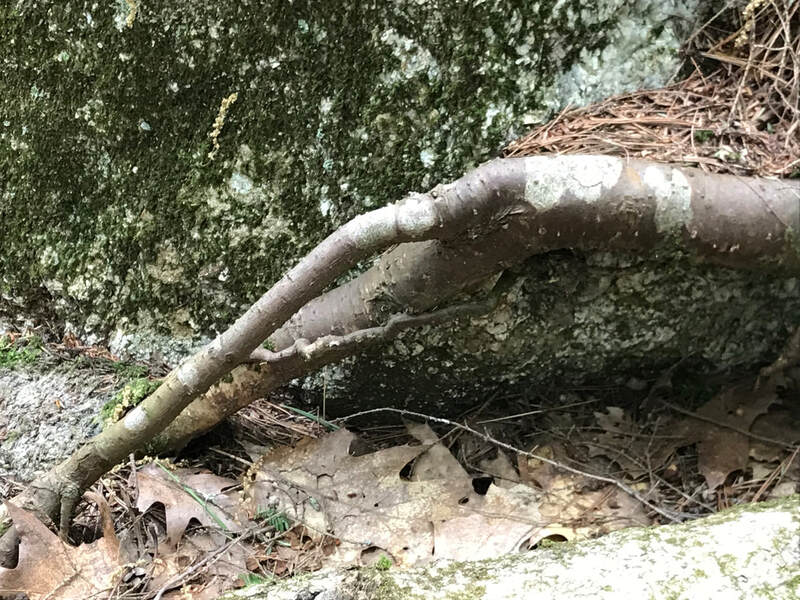
    I can't translate--it's all still a mystery--but maybe my heart and soul do respond, because I have a consistent attraction to this material. Lately, as I walk through the environment, I've started seeing tree roots as the same kind of messengers. It's hard to photographically capture them quite as I see them, but I'm sharing a bit of what I've encountered here. (In some cases I have transformed the images a little to capture the feeling. I hope to work more on these and other transformations later, honing the images to allow them to fully communicate).  In the meantime, take in each image and allow it to speak to you. (Remember to click on the images for the full, enlarged view.)  Imagine yourself in the forest  where the trees are such strong presences, and see what comes. And if YOU can translate, please share what comes through!
    Picture
    Picture